The best traffic-free bike rides around Karkonoski Park Narodowy
4.8
(295)
8,362
riders
77
rides
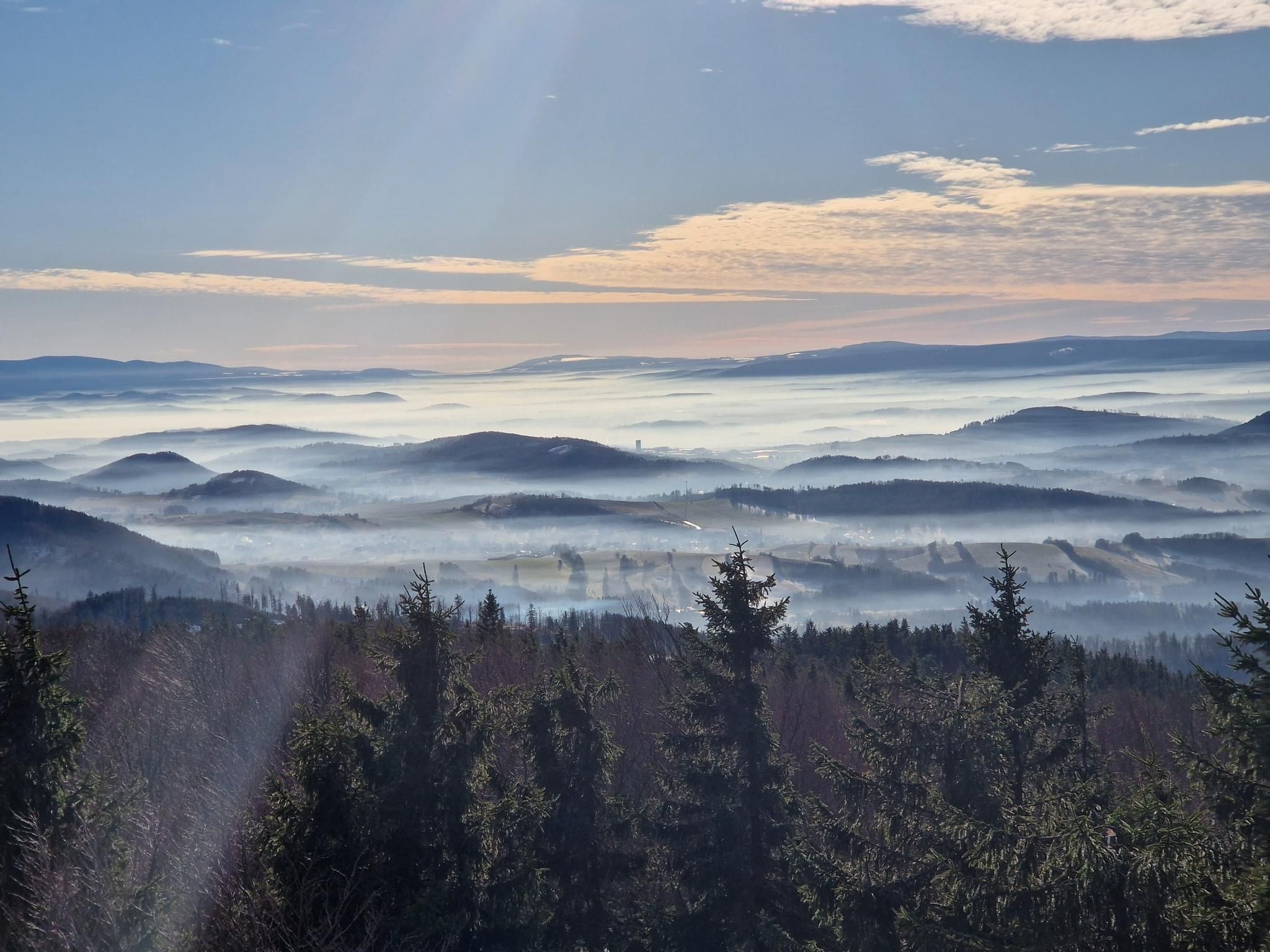
Road cycling around Karkonoski Park Narodowy offers routes through the highest range of the Sudetes mountains, a UNESCO biosphere reserve. The region features diverse terrain, including post-glacial cirques, mountain lakes, and granite rock formations. Cyclists can expect varied elevation changes, with some routes requiring good fitness. The park's landscape is characterized by spruce forests and subarctic peat bogs, providing a natural backdrop for no traffic road cycling routes.
Best no traffic road cycling routes around Karkonoski Park Narodowy
- The most…
Last updated: September 6, 2026
45
riders
Moderate road ride. Good fitness required. Mostly well-paved surfaces and easy to ride.
5.0
(1)
35
riders
16.1km
01:00
420m
420m
Moderate road ride. Good fitness required. Mostly well-paved surfaces and easy to ride.

Sign up for free
36
riders
18.0km
01:02
330m
330m
Moderate road ride. Good fitness required. Mostly well-paved surfaces and easy to ride.
5.0
(1)
17
riders
Moderate road ride. Great for any fitness level. Some segments of this route may be unpaved and difficult to ride.
12
riders
16.8km
00:59
410m
410m
Moderate road ride. Good fitness required. Mostly well-paved surfaces and easy to ride.
Get access to more routes and recommendations from other explorers.
Sign up for free
Already have an account?
Our route recommendations are based on thousands of hikes, rides, and runs completed by other people on komoot.
Start today with a free account
Your next adventure awaits.
Login or Signup


Other adventures around Karkonoski Park Narodowy

Tips from the Community


The so-called Castle Tower of Jelenia Góra is a relic of the medieval city fortifications and is often referred to locally as "Baszta Grodzka." It is one of the few remaining elements of the former city wall and offers fascinating insights into the region's defensive architecture. 🏰 Baszta Grodzka – The Castle Tower Location: On the southeastern edge of the Old Town, near Grodzka Street and not far from Plac Ratuszowy (Market Square). Built: Probably in the 14th century, as part of the city wall and to secure one of the city gates. Function: Served as a defensive tower, observation point, and place of refuge during attacks. 🧱 Architecture Materials: Fieldstone and brick, with typical Gothic elements. Form: Round tower with a conical roof, now restored. Special features: Archery slits and small windows Partially preserved remains of the walls in the surrounding area Historical inscriptions and traces of reconstruction 🏛️ Current use The tower is not permanently open to the public, but is occasionally opened for city tours or historical events. It serves as a monument to the medieval city structure and is a popular photo subject. 🗺️ Surroundings Nearby: Church of St. Erasmus and St. Pancras Market square with town hall and Neptune fountain Sculpture of Szczudlarz Jeleniogórski Historic town houses with arcades
0
0


It's definitely worth climbing the tower! From the top platform, you have a fantastic view of the city and the surrounding area.
1
0
very beautiful square with its arcades and old town houses
2
0

A beautiful waterfall, which was created by damming the waters of the Łomnica River. There is something to see. It is not far from Łomnica, so it is easy to get there!
1
0

Very nice place to linger
3
0

Visiting the Jelenia Góra Market is an essential part of a visit to Jelenia Góra. It is a vibrant place full of culture, history and opportunities. There is a variety of shops and restaurants to explore.
3
0
Frequently Asked Questions
How many no-traffic road cycling routes are available around Karkonoski Park Narodowy?
There are over 80 dedicated no-traffic road cycling routes around Karkonoski Park Narodowy. These routes offer a variety of experiences, with 17 easy, 52 moderate, and 13 difficult options to choose from, ensuring there's something for every skill level.
What kind of terrain and elevation can I expect on these no-traffic road cycling routes?
The Karkonosze region, being the highest range of the Sudetes mountains, offers varied terrain with significant elevation changes. While routes are generally well-paved, be prepared for challenging ascents and descents. For example, the Müller Descent loop from Jelenia Góra Sobieszów covers 87.7 km with over 1,450m of elevation gain, making it a difficult ride. Even moderate routes like the View of Śnieżka from Karpacz – Ascent to Spindler Pass loop from Karpacz involve nearly 800m of climbing over 29 km.
Are there any family-friendly no-traffic road cycling routes in the area?
While many routes involve significant elevation, some shorter, moderate options might be suitable for families with older, experienced children. For instance, the View of Chojnik Castle loop from Jelenia Góra Sobieszów is 18.3 km with 339m of elevation, offering a manageable challenge. Always check the route's specific elevation profile and distance to ensure it matches your family's fitness level.
What are the best times of year for no-traffic road cycling in Karkonoski Park Narodowy?
The best time for road cycling in Karkonoski Park Narodowy is typically from late spring through early autumn (May to October). During these months, the weather is generally more stable, and the mountain passes are clear of snow. Summer offers the warmest temperatures, but spring and autumn provide stunning scenery with fewer crowds and comfortable cycling conditions.
What rules apply to cycling within Karkonoski Park Narodowy?
Cycling within Karkonoski Park Narodowy is permitted only on marked and designated internal roads and cycling routes. It's crucial to respect park regulations to protect the natural environment. For detailed and up-to-date information on specific rules and any required permits, it's always best to consult the official park website: kpn.gov.pl.
Are there any scenic viewpoints or natural attractions along these routes?
Absolutely! The routes often offer breathtaking views and pass by iconic natural features. You can expect vistas of Śnieżka Mountain, the highest peak in the Karkonosze. Many routes also provide access to stunning post-glacial landscapes, including cirques like Mały Staw, and dramatic rock formations such as Pielgrzymy. Consider routes that pass near highlights like Śnieżka (Schneekoppe) Summit or Mały Staw (Little Pond) for memorable sights.
Can I find waterfalls along the no-traffic road cycling routes?
Yes, the Karkonosze region is home to beautiful waterfalls that can be incorporated into your cycling adventures. While not directly on every road cycling route, many are easily accessible from nearby trails. Notable waterfalls include Kamieńczyk Waterfall, which is a significant natural attraction in the area.
Where can I park my car when starting a no-traffic road cycling route?
Charming mountain towns like Karpacz and Szklarska Poręba serve as excellent starting points for cycling tours and typically offer designated parking facilities. When planning your route, look for parking options in these towns or other smaller villages that are common access points for the national park and its surrounding cycling network.
Are there any circular no-traffic road cycling routes available?
Yes, many of the no-traffic road cycling routes around Karkonoski Park Narodowy are designed as loops, allowing you to start and end in the same location. Examples include the View of Śnieżka from Karpacz loop from Karpacz (15.8 km) or the Roadbike loop from Jagniątków (16.7 km). These circular routes are convenient for exploring the region without needing to arrange transport back to your starting point.
What do other cyclists say about road cycling in Karkonoski Park Narodowy?
The komoot community highly rates road cycling in Karkonoski Park Narodowy, with an average score of 4.8 stars. Reviewers often praise the stunning mountain views, the challenge of the climbs, and the opportunity to experience the region's natural beauty on quiet, designated routes. The diverse landscapes, from forests to post-glacial cirques, are frequently highlighted as major draws.
Can I use public transport with my bike to access these routes?
While public transport options exist in the region, bringing bikes on buses or trains can sometimes be challenging, especially during peak season or on smaller local services. It's advisable to check with specific transport providers in advance regarding their bike carriage policies and any associated fees or restrictions. Starting from towns like Karpacz or Jelenia Góra, which have good road access, might be a more straightforward option for many cyclists.
Most popular routes around Karkonoski Park Narodowy
Most popular attractions around Karkonoski Park Narodowy

Get inspired with the komoot mobile app


Explore more
Browse the best Road cycling routes in other regions.
