The best city hikes and walks in Normandie-Maine
4.5
(2294)
12,225
hikers
27
hikes
Urban hiking trails in Normandie-Maine traverse a region characterized by diverse landscapes, including extensive forests, hedged farmlands, and river valleys. The area features varied terrain, from the steep relief of the Alpes Mancelles to the pastoral views along small streams. Geological formations, recognized for their 600-million-year history, contribute to the unique character of the trails. The regional nature park offers a network of paths suitable for exploring both natural and historical urban settings.
Best urban hiking trails in Normandie-Maine
- The most popular urban hiking route is Corn Exchange – Castle of the Dukes of Alençon loop from Alençon, a 2.2 miles (3.5 km) trail that takes about 55 minutes to complete. This easy route explores the historic urban core of Alençon.
- Another top favourite among local hikers is Basilica of Our Lady of Alençon – Basilique Notre-Dame d'Alençon loop from Alençon, an easy 3.8 miles (6.1 km) path. This route offers views of significant architectural landmarks within the city.
- Local hikers also love the L'Orne waterfall loop from Argentan, a 5.6 miles (9.0 km) trail leading through urban and natural surroundings, often completed in about 2 hours 20 minutes.
- Hiking in Normandie-Maine is defined by its blend of urban exploration, river paths, and glimpses of the region's extensive forests. The network offers options for different ability levels, from easy strolls to moderate urban trails.
- The routes in Normandie-Maine are highly rated by the komoot community with an average score of 4.5 stars from more than 1600 reviews. More than 9000 hikers have used komoot to explore Normandie-Maine's varied terrain.
Last updated: July 27, 2026
6
hikers
Easy hike. Great for any fitness level. Easily-accessible paths. Suitable for all skill levels.
5
hikers
3.79km
00:59
10m
10m
Easy hike. Great for any fitness level. Easily-accessible paths. Suitable for all skill levels.

Sign up for free
4.0
(1)
6
hikers
7.42km
01:54
30m
30m
Easy hike. Great for any fitness level. Easily-accessible paths. Suitable for all skill levels.
6
hikers
Easy hike. Great for any fitness level. Easily-accessible paths. Suitable for all skill levels.
2
hikers
4.57km
01:11
20m
20m
Easy hike. Great for any fitness level. Easily-accessible paths. Suitable for all skill levels.
Get access to more routes and recommendations from other explorers.
Sign up for free
Already have an account?
Our route recommendations are based on thousands of hikes, rides, and runs completed by other people on komoot.
Start today with a free account
Your next adventure awaits.
Login or Signup
Popular around Normandie-Maine
GR 36 long-distance footpath – Cross France from the Channel to the Pyrenees
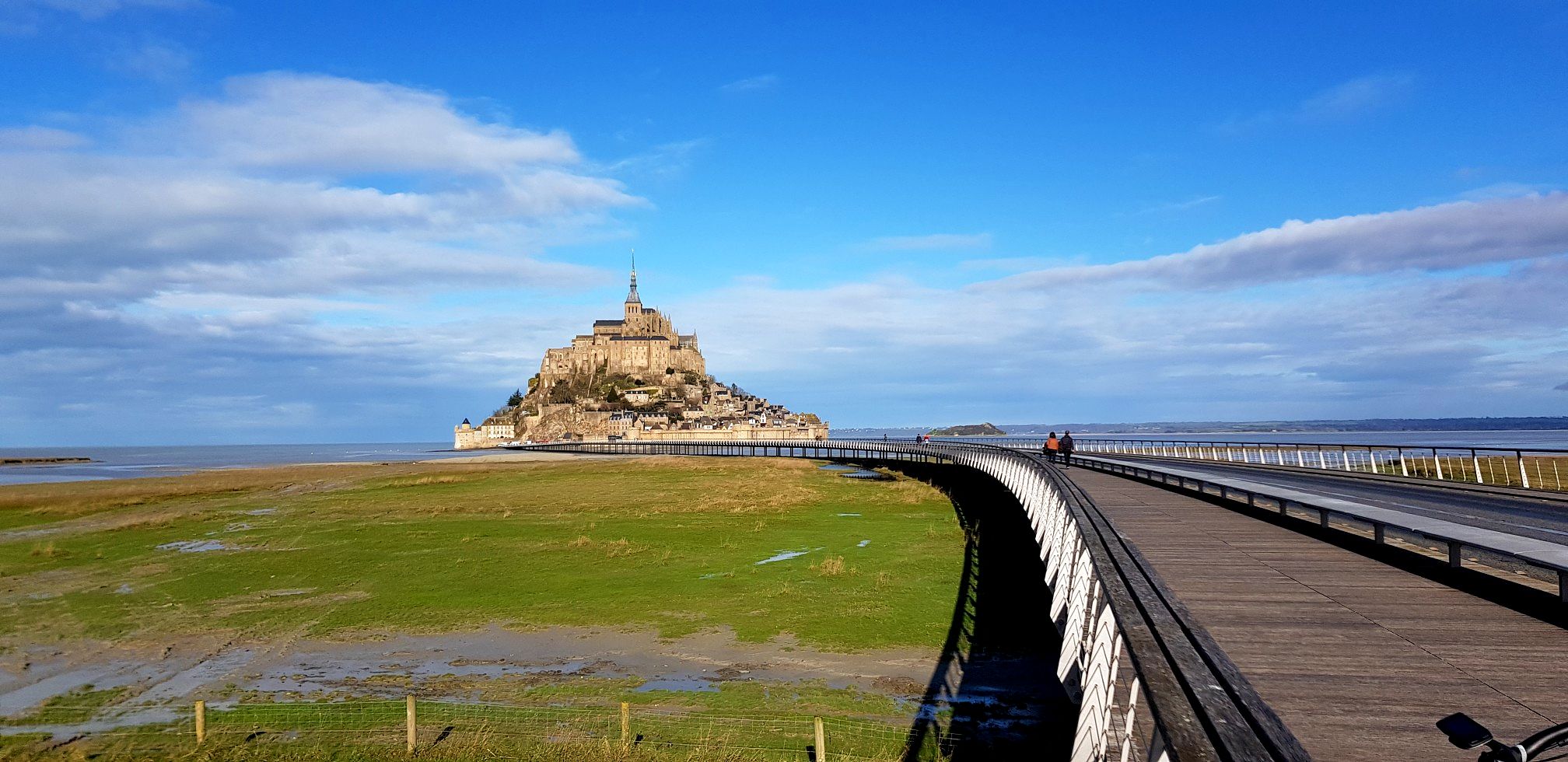
GR 22 to Mont-Saint-Michel – Miquelot's Walk
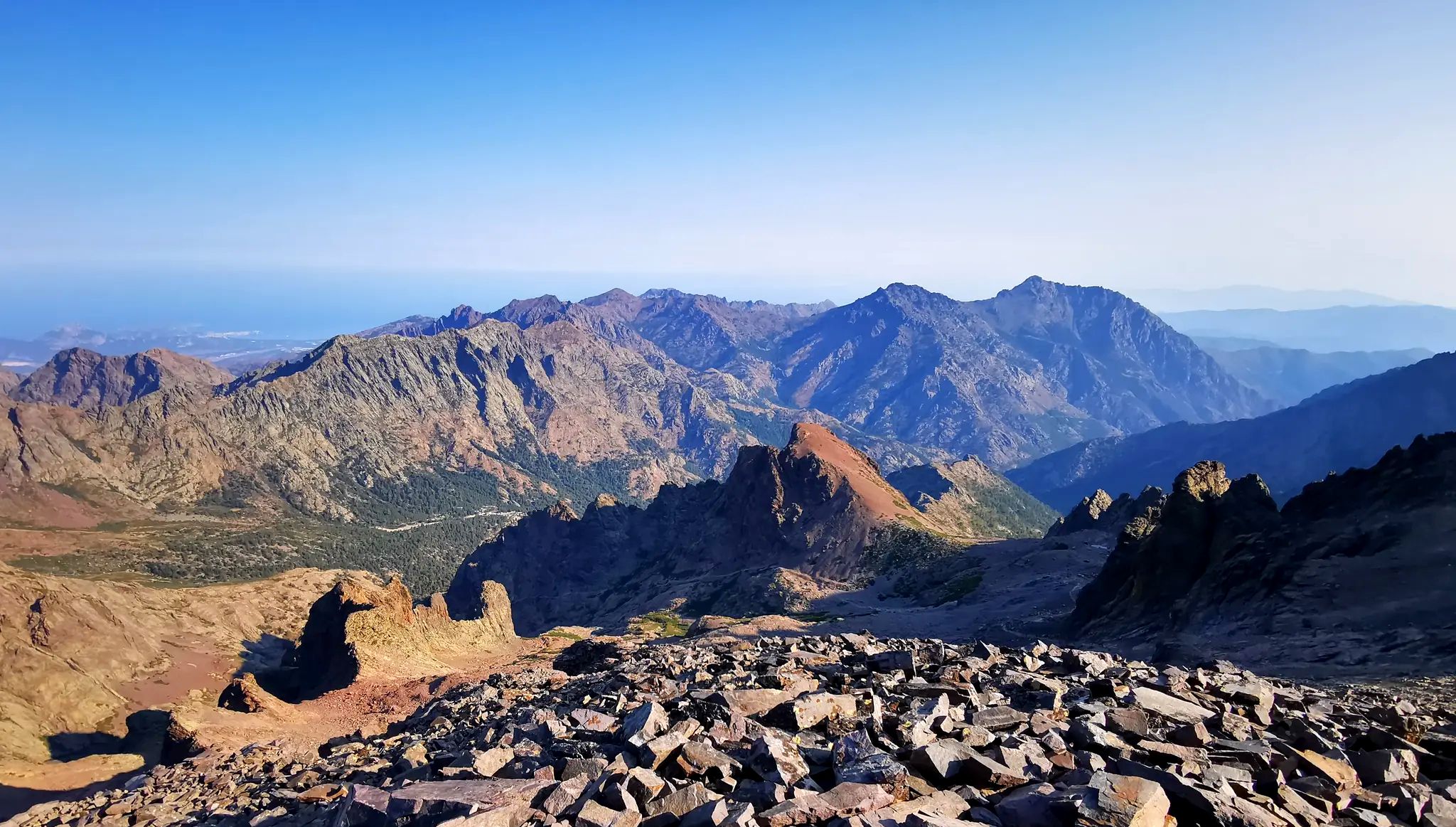
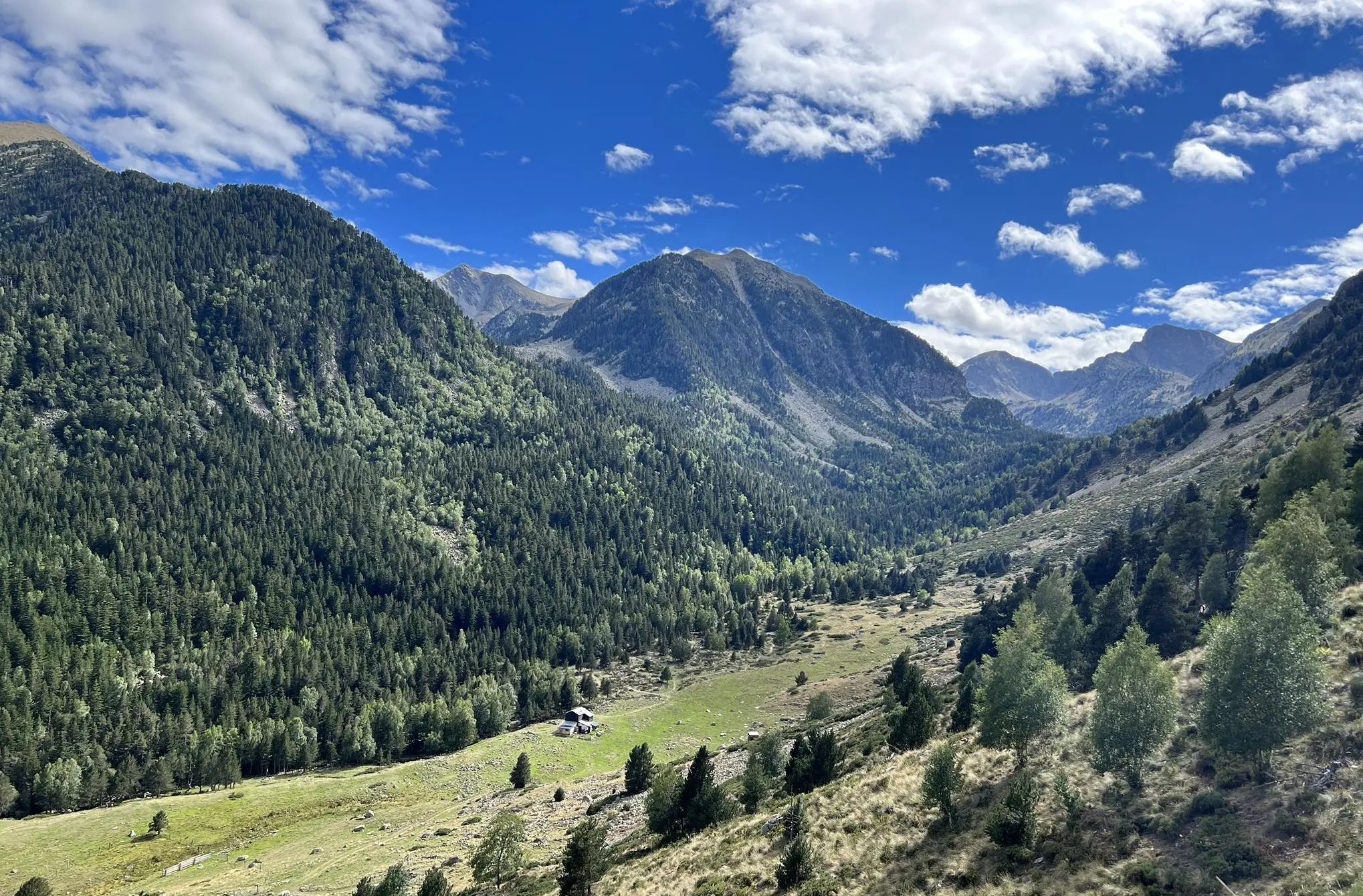
Hiking to the summits – France's highest points
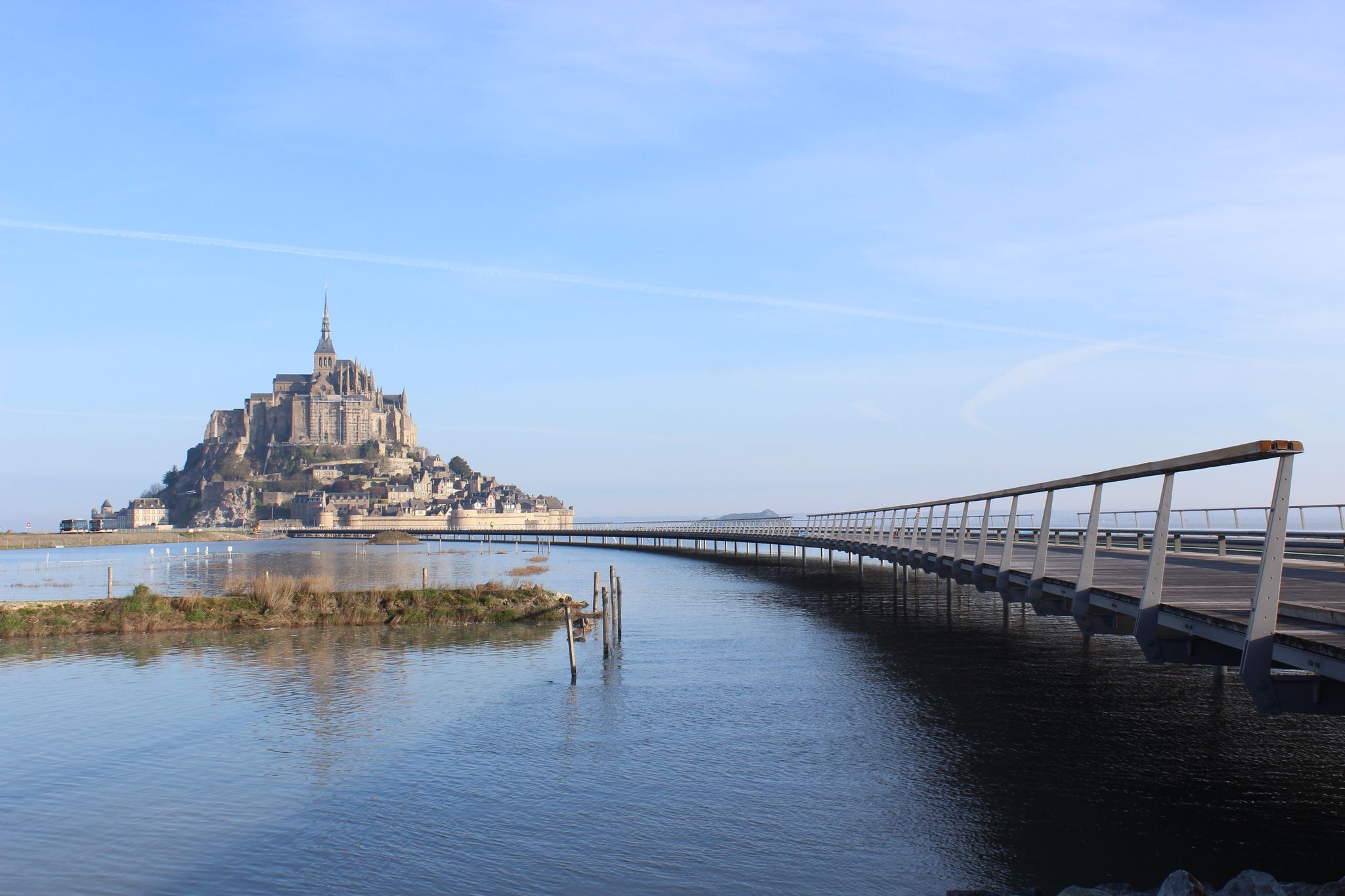
From Paris to Mont-Saint-Michel — La Véloscénie
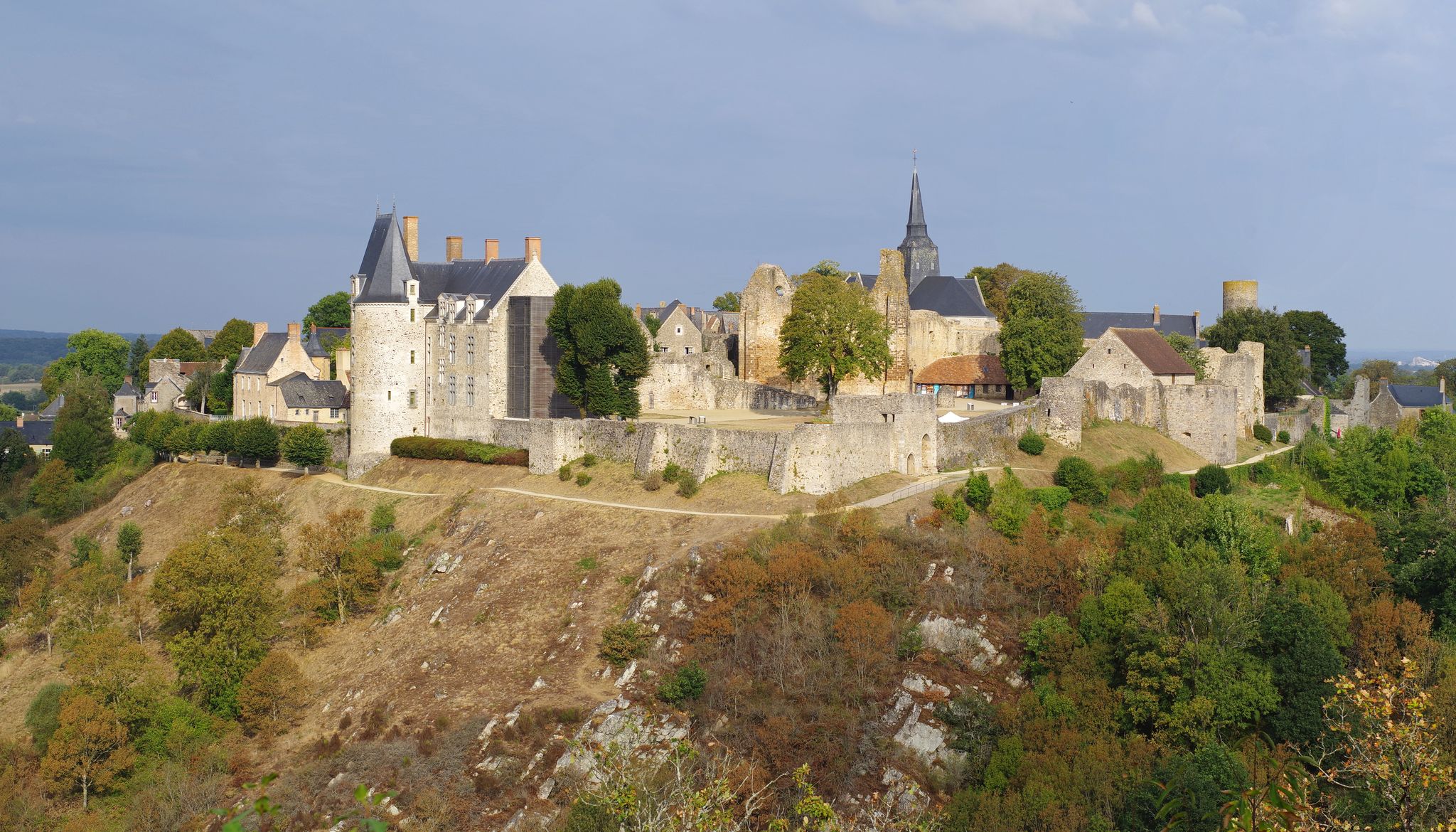
The greenways of the Mayenne by bike — An enchanted interlude
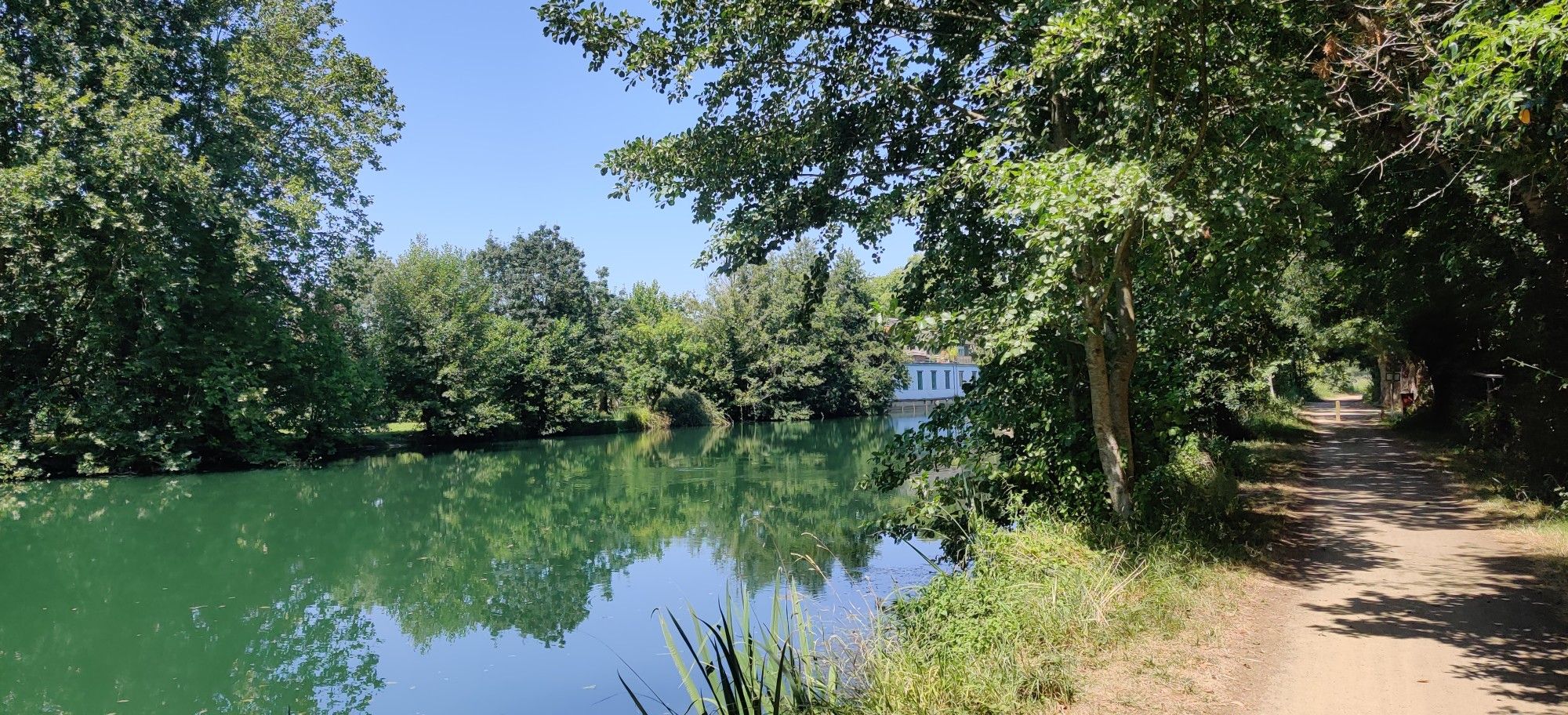
From Ouistreham to La Rochelle — riding the Vélo Francette
Other adventures in Normandie-Maine


Tips from the Community

Alençon is the capital of the Orne department and lies on the southern edge of Normandy. It was once very famous for its lace and was therefore known throughout Europe. There is evidence of the existence of the city of Alençon as early as Roman times. In the 11th century, when the Normans secured their duchy to the south, the first fortified settlement was built here. This was later followed by the construction of a mighty castle. The city really achieved economic prosperity around 1650 when Madame La Perrère invented an original lace. It was in no way inferior to the Venetian lace known at the time, but it was considerably cheaper to buy. With the support of Jean-Baptiste Colbert, a royal factory was founded. As a result, more than 8,000 people worked in lace production. The "Point d'Alençon" lace was declared a UNESCO World Heritage Site in 2010.
1
0

The Saint-Léonard church takes its name from the hermit Saint Léonard de Vandoeuvre. The latter, born at the end of the 5th century, left his family to serve God and settled in a place called Vandoeuvre, in Saint-Léonard-des-Bois, where he lived in austerity for several years. Joined by a few disciples, he built a monastery protected by King Clotaire. The relics of Saint Leonard, who died in 570, were transported in 868 to Corbigny by the monks of Vandoeuvre to preserve them from the Normans. Part of these was undoubtedly returned around 1025 thanks to the second lord of Alençon, William I, and deposited in an old chapel dedicated to Saint Martin located on the site of the current Saint-Léonard church. This saint is often invoked to cure deafness. A first Saint-Léonard church, attested between 1160 and 1182, was probably built very close to the Saint-Martin oratory. This disappeared around the middle of the 13th century in forgotten circumstances, but parish life remained concentrated in the chapel until the end of the 15th century. It is on the latter that the current church was built, in tertiary ogival style and flamboyant Gothic interior, by Duke René d'Alençon and his wife Marguerite de Lorraine. Most of the work took place from 1490 to 1505 and it was this same year that the building was placed under the name of Saint Leonard de Noblac, a character then more popular than Saint Leonard de Vandoeuvre. On the stained glass windows of one of the eleven side chapels, which was for a certain time dedicated to Louis IX, ancestor of the counts and dukes of Alençon, and on the walls, appeared the coats of arms of the houses of Alençon and Lorraine, today now disappeared. It was in this chapel that the duchess and the duke attended services and in which a fireplace was built for them which no longer exists. After René's death, his heart is placed in a lead box, itself in the shape of a heart, covered with a stone. When around 1510, René's heart was transferred to the church of Saint-François de Mortagne, the empty box was left in his vault. In 1776, the stone, which also bears the imprint of a heart, was removed, then put back in its place, and this imprint, erased by the friction of the feet, no longer exists except in memory. In 1562, the church was pillaged by Protestants. At Easter 1645, Hertré's granite vault collapsed. Replaced by a simple plaster cradle, it was not until 1836 that a new Gothic style vault was built. The main door was built in 1663 and the clock was installed in 1727. Until 1789, this church depended on Notre-Dame and did not have a baptismal font. The carved wooden altar and pulpit, two side consoles and some mostly modern stained glass windows, deserve the tourist's attention. The Saint-Léonard church, restored in the 17th-18th centuries, then completely refurbished in the 19th century by the architect Isidore Dédaux, is classified among the historic monuments.
0
0

The Château des Ducs is a 14th century castle that was once the residence of Pierre II de Valois, a descendant of Saint Louis. The castle is today the seat of the court of justice, but you can still admire its architecture and its chapel, which houses a magnificent altarpiece from the 18th century.
2
0

Centrally located, right next to the Office de Tourisme.
0
0

This hall created for the grain trade between the end of the 18th and the beginning of the 19th century has multiplied roles during its history: hospital during the First World War; host of exhibitions, fairs and markets; and today a center dedicated to new technologies and headquarters of the Cité des Métiers de l'Orne. It is distinguished by its large glass dome inspired by that of the old corn exchange in Paris.
0
0
A former 12th century fortified castle, the fortress was gradually destroyed from the 16th century, before being transformed into a prison during the French Revolution. Today, only three towers remain, the gatehouse and the main body. The old courtyards have been requalified to make the current Simone Veil park.
0
0

Who dreams of seeing a castle in the middle of a city? 😍😍😍 Me, me, me! The medieval castle is very well highlighted. We should make movies there!
0
0

Half-timbered houses and slate facades will not fail to surprise you!
0
0
Frequently Asked Questions
How many urban hiking trails are there in Normandie-Maine?
There are over 20 urban hiking trails available in Normandie-Maine, offering a variety of experiences within its charming towns and cities. Most of these routes are considered easy, making them accessible for many.
Are there easy urban walks suitable for beginners in Normandie-Maine?
Yes, the majority of urban trails in Normandie-Maine are easy, with 19 out of 22 routes rated as such. For a pleasant and accessible stroll, consider the Corn Exchange – Castle of the Dukes of Alençon loop from Alençon, which offers a gentle introduction to urban hiking in the region.
Can I find circular urban hiking routes in Normandie-Maine?
Absolutely. Many of the urban hiking trails in Normandie-Maine are designed as circular routes, allowing you to start and finish in the same location. An example is the Basilica of Our Lady of Alençon – Basilique Notre-Dame d'Alençon loop from Alençon, which guides you through the city's highlights.
What kind of attractions can I see along urban hiking trails in Normandie-Maine?
Urban trails in Normandie-Maine often lead you through historical centers and past notable landmarks. You might encounter medieval towns like Domfront, impressive castles such as Carrouges Castle, or even natural wonders like the dramatic Fosse Arthour. Many routes also offer views of picturesque rivers and local architecture.
Are there any urban trails that feature waterfalls?
Yes, you can find urban trails that incorporate natural features like waterfalls. For instance, the Maison des Dentelles – L'Orne waterfall loop from Argentan offers a chance to experience the tranquil beauty of L'Orne waterfall within an urban setting.
Are the urban hiking trails in Normandie-Maine family-friendly?
Many urban hiking trails in Normandie-Maine are suitable for families, especially the easy-rated routes. They often pass through parks, historical sites, and charming town centers, providing engaging points of interest for all ages. Always check the specific route details for distance and elevation to ensure it matches your family's capabilities.
Are dogs allowed on urban hiking trails in Normandie-Maine?
Generally, dogs are welcome on urban hiking trails in Normandie-Maine, provided they are kept on a leash and you clean up after them. However, specific rules may vary in certain protected areas or within town centers, so it's always best to check local signage or the route description for any restrictions.
Where can I find parking for urban walks in Normandie-Maine?
Most towns and cities in Normandie-Maine offer public parking facilities, often near the starting points of urban trails or within the town centers. It's advisable to check local maps or the specific route details on komoot for recommended parking areas before you set out.
What is the best season for urban hiking in Normandie-Maine?
Urban hiking in Normandie-Maine is enjoyable throughout the year. Spring brings blooming flowers and mild temperatures, while autumn offers beautiful foliage. Summer is pleasant for exploring towns, and even winter can be charming, especially around historical sites, though some services might have reduced hours. Always dress appropriately for the weather.
What do other hikers enjoy most about urban hiking in Normandie-Maine?
The komoot community highly rates urban hikes in Normandie-Maine, with an average score of 4.5 stars. Hikers often praise the region's blend of historical charm, picturesque townscapes, and accessible trails that allow for easy exploration of cultural landmarks and natural beauty.
Are there any moderate urban trails for a bit more challenge?
While most urban trails are easy, there are a few moderate options for those seeking a slightly longer or more varied experience. For example, the L'Orne waterfall loop from Argentan is rated as moderate, offering a longer distance while still being manageable for most hikers.
Can I find urban trails that pass through charming villages or historical towns?
Yes, Normandie-Maine is rich in picturesque villages and historical towns that are perfect for urban hiking. You can explore places like Saint-Céneri-le-Gérei, recognized as one of France's 'Most Beautiful Villages,' or medieval towns such as Domfront, Sillé-le-Guillaume, and Beaumont-sur-Sarthe, all offering unique cultural and historical points of interest along their trails.
Most popular routes in Normandie-Maine
Most popular attractions in Normandie-Maine

Get inspired with the komoot mobile app


