The best traffic-free bike rides around Itri
4.3
(110)
3,572
riders
13
rides
Road cycling around Itri offers diverse landscapes within Italy's Lazio region, characterized by mountainous terrain, coastal vistas, and historical pathways. The area is part of the Monti Aurunci Regional Natural Park, featuring mountains that transition from maritime slopes to lush interiors. Cyclists encounter varied ecosystems including oak and cork forests, beech woodlands, and Mediterranean scrubland. The geological formations include dolines and sinkholes, providing a dynamic environment for exploration.
Best no traffic road cycling routes around Itri
- The most popular no…
Last updated: November 13, 2026
24
riders
38.9km
02:16
670m
680m
Moderate road ride. Good fitness required. Mostly well-paved surfaces and easy to ride.
12
riders
22.3km
01:17
500m
500m
Moderate road ride. Good fitness required. Mostly well-paved surfaces and easy to ride.

5.0
(1)
11
riders
49.3km
02:56
940m
940m
Hard road ride. Very good fitness required. Mostly well-paved surfaces and easy to ride.
7
riders
33.0km
01:34
160m
160m
Easy road ride. Mostly well-paved surfaces and easy to ride.
7
riders
10.8km
00:45
220m
220m
Moderate road ride. Some segments of this route may be unpaved and difficult to ride.
Get access to more routes and recommendations from other explorers.
Already have an account?
Our route recommendations are based on thousands of hikes, rides, and runs completed by other people on komoot.
Start today with a free account
Your next adventure awaits.


Other adventures around Itri

Tips from the Community

It was probably erected in the 6th century during the Gothic War or in the 7th century when the maritime areas of Lazio and Campania were the object of the expansionist ambitions of the Lombards. In the Gaetan documents of that period, Gaeta began to be referred to by the epithet "Kastrum". Certain news of the existence of the Castle of Gaeta dates back to the time of Frederick II of Swabia, who, during the period of struggles with the papacy, stayed in Gaeta on several occasions, and, sensing its strategic position, had the castle fortified there in 1223. The structure we admire today, approximately 14,100 square meters in size, is called the Angevin-Aragonese Castle because it consists of two communicating buildings built at two different historical moments, one lower down called "Angevin", built during the French domination of the Angevins, and one higher up called "Aragonese", commissioned by Emperor Charles V along with all the other military defense works that strengthened the Fortress of Gaeta. Until a few years ago, the Angevin wing was the seat of the Gaeta Military Prison; it is currently owned by the Municipality of Gaeta, closed pending restoration, and there is a memorandum of understanding signed between the City of Gaeta and the University of Cassino (FR) which intends to designate this wing of the castle in the future as the seat of university faculties for maritime disciplines. Until the end of World War II, the Aragonese wing was the seat of a Carabinieri Cadets Battalion; today, however, it houses the Guardia di Finanza's Nautical School. In the dome of the highest tower of the castle is the Royal Chapel, commissioned by King Ferdinand of Bourbon in 1849.
0
0

Preferred time for jogging early in the morning, 6:00 a.m.
0
0
Gaeta seafront: possibility of jogging or biking on the cycle path
0
0

As spectacular as it can get. Exceptional views of Sperlonga and the sea. The nice thing: definitely an easy climb averaging not more than 5-7% and the descent is wonderful. Best time is early morning or sunset.
2
0

a nice city direct at the ocean. I recommend to do sightseeing
0
0

Swing by this pizzeria in Formia for delicious pizzas made with high-quality ingredients and excellent buffalo mozzarella. The place is clean and welcoming, with friendly staff. Whether dining in or taking out, you'll appreciate the fast, efficient service.
0
0

The ruins of Spigno castle represent a fascinating dive into history. These remains, shrouded in an atmosphere of mystery, offer a unique insight into the region's medieval past and offer visitors a suggestive panoramic view of the surrounding landscape.
0
0

Thanks for sharing I didn't know about this peak and that the pirate had passed it I will go there hopefully soon!
0
0
Frequently Asked Questions
How many no-traffic road cycling routes are available around Itri?
There are over 10 dedicated no-traffic road cycling routes around Itri, offering a variety of experiences for cyclists. These routes are carefully selected to provide quiet and enjoyable rides away from heavy vehicle traffic.
What do other road cyclists enjoy most about no-traffic routes in Itri?
The no-traffic road cycling routes around Itri are highly rated by the komoot community, with an average score of 4.37 stars. Cyclists frequently praise the stunning panoramic views of the Tyrrhenian Sea, the diverse landscapes of the Monti Aurunci Regional Natural Park, and the peaceful, car-free sections that allow for an immersive cycling experience.
Are there easy no-traffic road cycling routes suitable for beginners in Itri?
Yes, Itri offers 2 easy no-traffic road cycling routes perfect for beginners or those looking for a relaxed ride. An example is the Roadbike loop from Formia, which features minimal elevation gain and is ideal for enjoying the scenery without significant physical challenge.
What about more challenging no-traffic road cycling routes in Itri?
For experienced cyclists seeking a challenge, Itri has 2 difficult no-traffic road cycling routes. These routes often include significant climbs and descents, such as the View of Castellonorato – Pizzificio loop from Formia-Gaeta, which features nearly 1000 meters of elevation gain, testing endurance and climbing skills.
What natural features and landmarks can I expect to see on no-traffic road cycling routes around Itri?
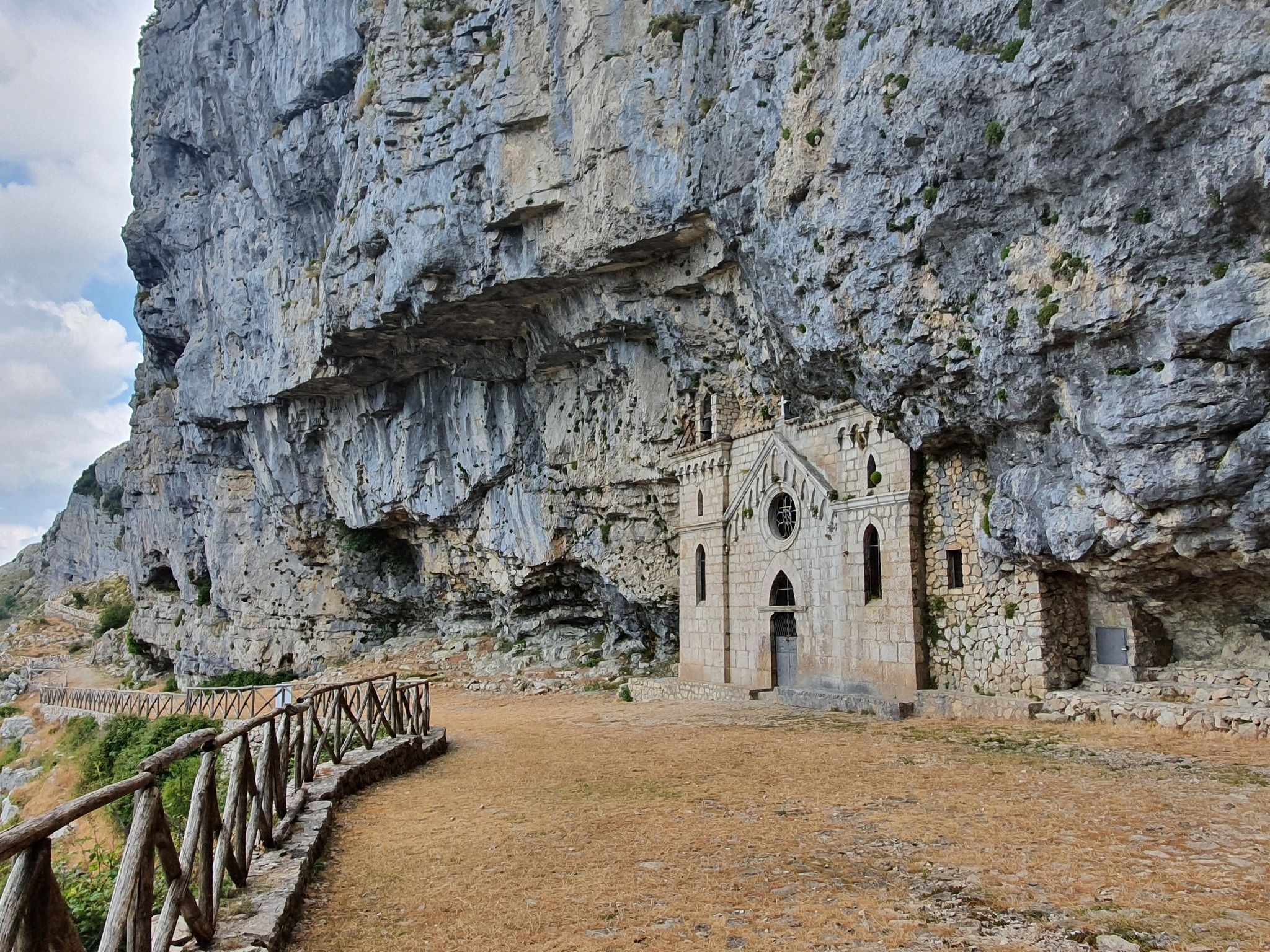
Many routes pass through the beautiful Monti Aurunci Regional Natural Park, offering views of sun-drenched oak and cork forests, and Mediterranean scrubland. You might also encounter geological formations like dolines. Notable landmarks include the Hermitage of St. Michael the Archangel nestled in the rocks, and various peaks like Cima del Redentore (Monte Altino) and Monte Petrella, offering breathtaking vistas.
Are there any circular no-traffic road cycling routes in the Itri area?
Yes, several no-traffic road cycling routes around Itri are designed as loops, allowing you to start and end in the same location. An example is the Sperlonga to Itri uphill – Sperlonga Seafront loop from Sperlonga, which provides a comprehensive tour of diverse landscapes.
Can I cycle parts of the Via Francigena Sud on a road bike with low traffic near Itri?
Yes, efforts have been made to create cycling-friendly alternatives for the Via Francigena (Southern route) that utilize asphalt roads with low traffic and moderate gradients. While some sections, particularly between Fondi and Itri, incorporate ancient paving stones of the Appian Way which can be challenging for road bikes, many parts are well-suited for a quiet road cycling experience.
What is the best time of year for no-traffic road cycling in Itri?
The best time for no-traffic road cycling in Itri is typically during the spring (April-May) and autumn (September-October) months. During these periods, the weather is mild, and the natural scenery is at its most vibrant, making for comfortable and picturesque rides. Summer can be hot, especially on exposed coastal sections, while winter can bring cooler temperatures and occasional rain.
Are there any historical castles or settlements to visit along the no-traffic routes?
Absolutely. The region is rich in history. You can find several castles and historic settlements near the routes. For instance, Itri Castle is a prominent landmark, and the nearby town of Gaeta offers a medieval quarter and the Castello Angioino-Aragonese, providing cultural stops during your ride.
Are there options for parking my car when starting a no-traffic road cycling route in Itri?
Yes, Itri and its surrounding towns like Formia and Sperlonga offer various parking options. Many routes start from easily accessible points where public parking is available, allowing you to conveniently begin your no-traffic cycling adventure.
Can I reach Itri by public transport with my bicycle?
While specific regulations can vary, generally, regional trains (like the FL7 line connecting Rome to Formia/Gaeta) often allow bicycles, sometimes with a dedicated bike ticket or during off-peak hours. For local buses (COTRAL), policies on bike transport can be more restrictive, so it's advisable to check with the operator directly before planning your trip.
Most popular attractions around Itri

Get inspired with the komoot mobile app


Explore more
Browse the best Road cycling routes in other regions.
