The best hikes from bus stations in Greater London
4.5
(3923)
64,741
hikers
1,857
hikes
Bus station hiking trails in Greater London offer a unique blend of urban green spaces and accessible natural landscapes. The region features ancient woodlands like Epping Forest, expansive heaths such as Hampstead Heath, and numerous Royal Parks including Richmond Park. Riverside paths along the Thames and various hills provide diverse terrain for outdoor exploration, all easily reachable by public transport.
Best bus station hiking trails in Greater London
- The most popular bus station hiking route is Trafalgar Square, Buckingham Palace…
Last updated: July 15, 2026
4.8
(10)
46
hikers
Easy hike. Great for any fitness level. Easily-accessible paths. Suitable for all skill levels.
4.5
(8)
30
hikers
Easy hike. Great for any fitness level. Easily-accessible paths. Suitable for all skill levels.

Sign up for free
5.0
(3)
13
hikers
15.7km
04:06
120m
120m
Moderate hike. Good fitness required. Easily-accessible paths. Suitable for all skill levels.
5.0
(2)
12
hikers
4.60km
01:14
50m
50m
Easy hike. Great for any fitness level. Easily-accessible paths. Suitable for all skill levels.
5.0
(1)
10
hikers
4.51km
01:11
40m
40m
Easy hike. Great for any fitness level. Easily-accessible paths. Suitable for all skill levels.
Get access to more routes and recommendations from other explorers.
Sign up for free
Already have an account?
Our route recommendations are based on thousands of hikes, rides, and runs completed by other people on komoot.
Start today with a free account
Your next adventure awaits.
Login or Signup
Popular around Greater London
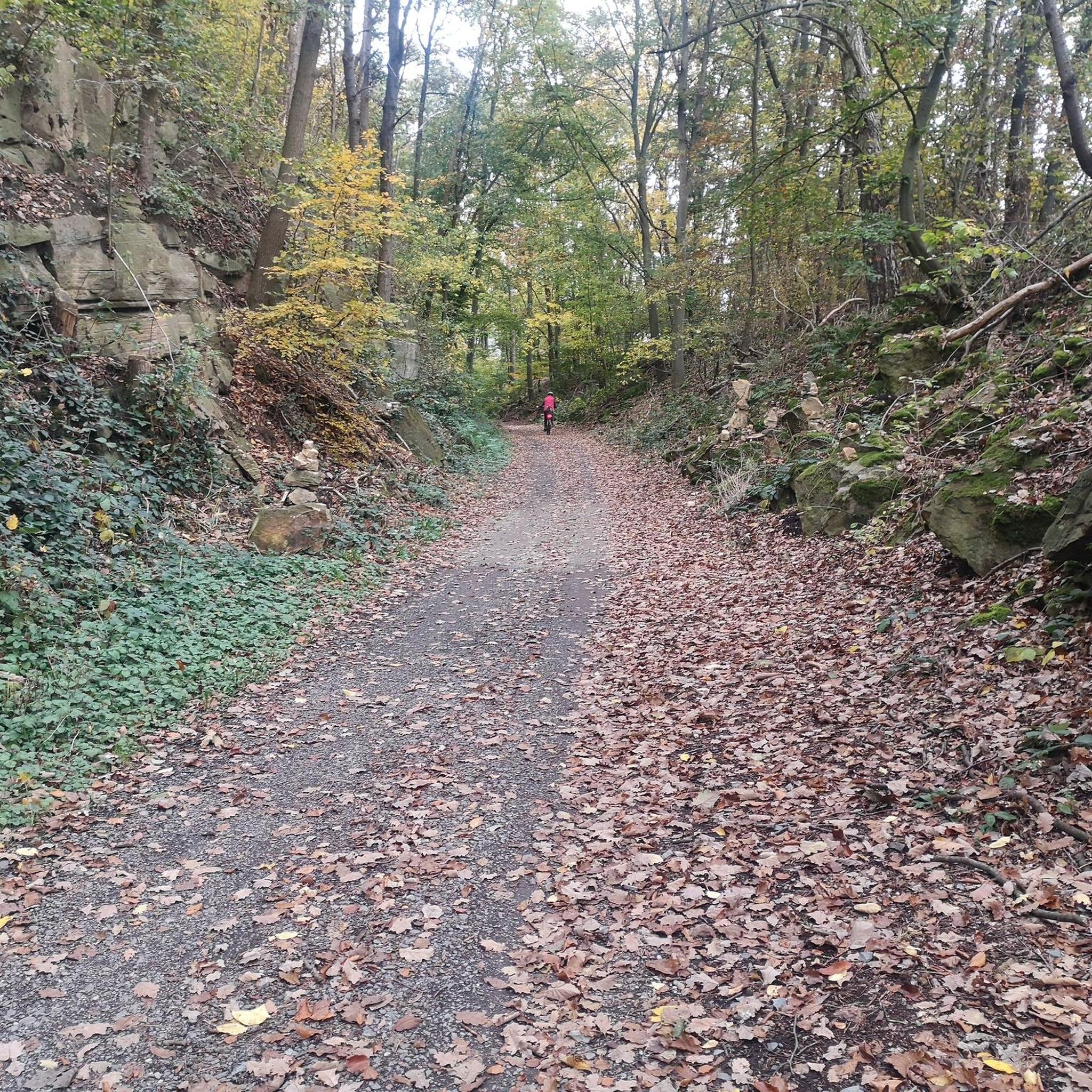
Hikes from bus stations around London

Hikes from bus stations around the London Borough Of Bromley
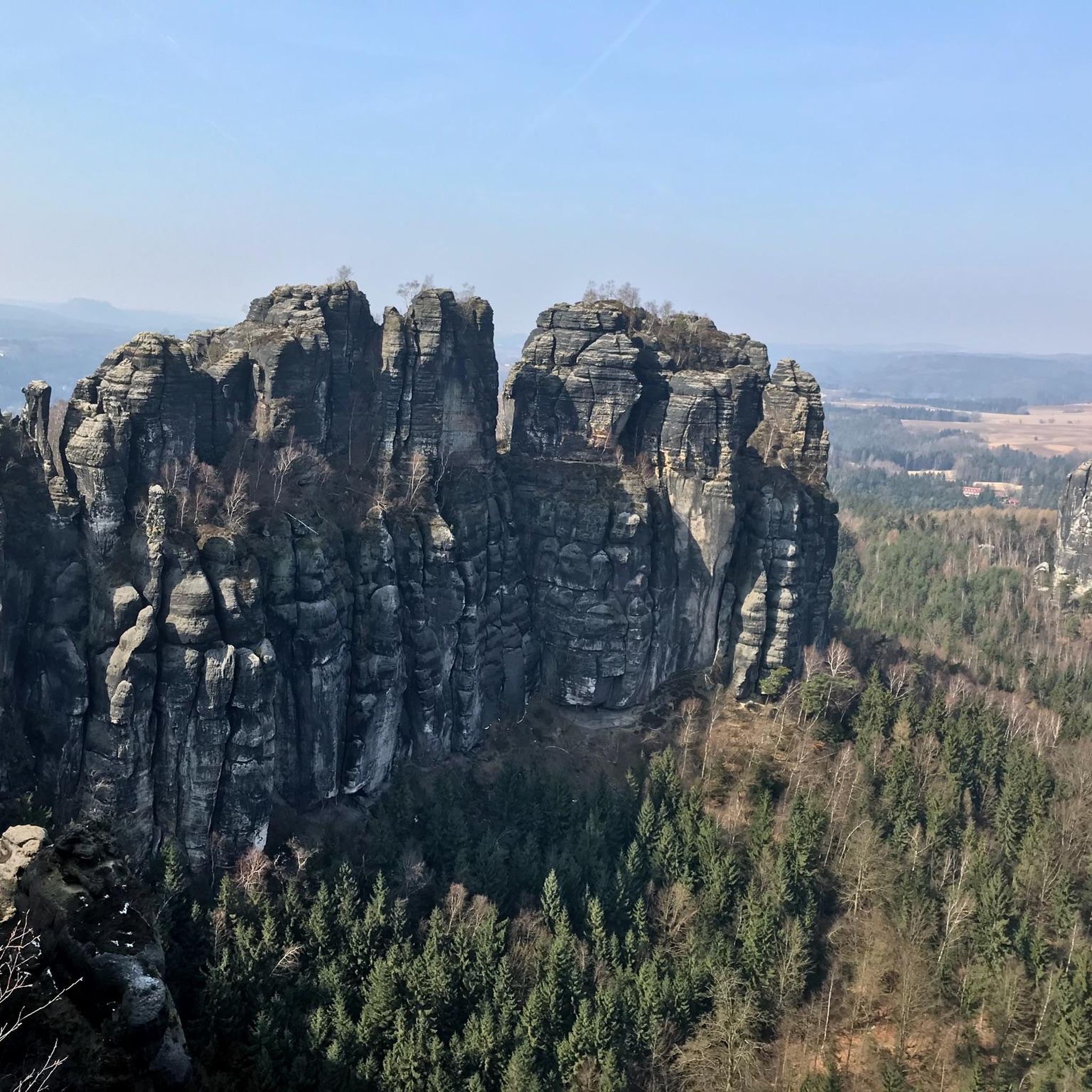
Hikes from bus stations around the London Borough Of Richmond Upon Thames

Hikes from bus stations around Royal Borough Of Greenwich
Hikes from bus stations around the City Of Westminster
Hikes from bus stations around the London Borough Of Enfield
Hikes from bus stations around the London Borough Of Wandsworth

Hikes from bus stations around the City of London

Hikes from bus stations around the London Borough Of Lambeth

Hikes from bus stations around the London Borough Of Southwark
Other adventures in Greater London


Tips from the Community

The Mall in London is the grand boulevard of the British capital and is always the first stop for the sovereign on his journey to either the Houses of Parliament or the Horse Guards parade ground. It stretches from Buckingham Palace in the west to Admiralty Arch or Trafalgar Square in the east. (SOURCE: Wikipedia)
7
0

The ghost of Geoffrey De Mandeville, Earl of Sussex and Hertfordshire and Constable of the Tower of London has been haunting the Moat since the 12th Century. He was arrested for treason and hid his treasure down a very deep well which he guards. Many have tried to find the well but so far none have succedded
2
0
The moat’s main use was probably defensive. One use of the lodge would have been to detain individuals who had broken the harsh forest laws. The moat would also have helped to drain the site, been used for rubbish disposal and possibly for keeping fish.
1
0
Poor quality excavations in the late 1880s and again in 1923 suggested that the lodge was quite substantial, with rubble masonry walls and glazed floor tiles in some rooms. The name Camlet remains a mystery. It first appears in local records in 1440 AD. The moat was originally crossed by a wooden drawbridge, the base frame of which was lifted in 1923 and recorded in 1949. A small piece found recently was dendro-chronologically dated to c.1357.
1
0
The obelisk was first erected at Wrest in the 1730s. According to the notes in an album of Views of Wrest dated 1831, the inscription on the obelisk read ‘To the Memory of the birth of George Earl of Harold, son of the Duke of Kent by his second wife Sophia’. George was born in 1732 but died in infancy, leaving the Duke of Kent without an heir.
1
0

Wonderful pictures, especially the great Turner collection.
3
0
The Turner Collection is particularly beautiful and worth a visit in itself.
3
0
The Mall is actually just an avenue that runs along the edge of St. James Park and connects Buckingham Palace with the Tragalgar Spare. At the end of the city is the residence and the parade ground of the Horse Guards, and you also pass Clarence House. The street is decorated with British flags. However, it is more beautiful and interesting to walk the route through St. James Park and admire the pelicans.
4
0
Frequently Asked Questions
How many bus station hiking trails are available in Greater London?
Greater London offers a vast network of over 1900 hiking routes directly accessible from bus stations. These trails cater to various preferences, from leisurely strolls to more challenging treks, making it easy to explore the region's diverse landscapes without a car.
What are the typical difficulty levels for bus-accessible hikes in Greater London?
The majority of bus-accessible hikes in Greater London are rated as easy, with over 1400 routes suitable for most fitness levels. There are also more than 400 moderate trails for those seeking a bit more challenge, and a few difficult options for experienced hikers. This variety ensures there's a suitable path for everyone.
Are there family-friendly hiking routes accessible by bus in Greater London?
Absolutely! Many routes are perfect for families. For example, the Trent Country Park — Yellow Walking Route is an easy 4.6 km loop that's great for a relaxed outing. These trails often pass through green spaces and parks, providing safe and enjoyable experiences for all ages.
Can I bring my dog on these bus station hiking trails?
Yes, Greater London is very dog-friendly, and many of the bus-accessible trails welcome dogs. Areas like Epping Forest, Richmond Park, and Hampstead Heath are popular choices for walks with canine companions. Always remember to keep dogs under control and check for any specific local regulations regarding leads or protected wildlife areas.
What kind of natural features can I expect to see on these hikes?
Greater London's bus-accessible hikes offer a surprising array of natural beauty. You can explore ancient woodlands like Epping Forest, vast heaths and hills such as Hampstead Heath and Addington Hills, and serene riverside paths along the Thames. Many routes also pass through London's iconic Royal Parks, providing a blend of urban green spaces and wilder landscapes.
Are there any interesting landmarks or viewpoints along these routes?
Yes, many trails offer stunning views and pass by notable landmarks. For panoramic city views, consider routes near Parliament Hill or Primrose Hill. You might also encounter historical sites or unique natural features. For instance, the Trafalgar Square, Buckingham Palace and the Houses of Parliament loop offers a walk through central London's iconic sights.
What is the best time of year to go hiking from bus stations in Greater London?
Greater London's trails are enjoyable year-round. Spring brings blooming wildflowers, while summer offers long daylight hours for extended walks. Autumn showcases beautiful foliage, especially in woodlands like Epping Forest. Even winter can be magical, with crisp air and fewer crowds, though some paths might be muddy. Always check weather conditions before heading out.
Are there circular routes available from bus stations?
Yes, many of the bus-accessible trails are circular, allowing you to start and end your hike at the same bus stop. An example is the Walthamstow Marshes & Walthamstow Wetlands loop from Tottenham Hale, which offers a great loop experience. This makes planning your public transport journey straightforward.
What do other hikers say about the bus station trails in Greater London?
The komoot community highly rates these trails, with an average score of 4.5 out of 5 stars. Reviewers often praise the surprising accessibility of nature within and around the city, the well-maintained paths, and the diverse scenery ranging from urban parks to ancient woodlands. Many appreciate the convenience of reaching trailheads directly by bus.
Are there opportunities for wildlife spotting on these hikes?
Definitely! Areas like Richmond Park are famous for their free-roaming deer. The Chess Valley Walk is known for its diverse wildlife, and Epping Forest is home to various bird species and other animals. Keep an eye out for red kites in the Chilterns, easily reachable from some bus routes. Early mornings or late afternoons are often the best times for wildlife encounters.
Do I need any special permits to hike these trails?
Generally, no special permits are required for hiking on public footpaths and in parks within Greater London. However, if you plan to visit specific nature reserves or private estates that might be part of a longer route, it's always a good idea to check their individual access policies beforehand.
Most popular routes in Greater London
Most popular attractions in Greater London

Get inspired with the komoot mobile app


Didn’t find what you were looking for?
Check out more Hikes throughout Greater London below and find the perfect route in your destination.
Explore more
Browse the best Hikes in other regions.
