The best traffic-free bike rides around La Font De La Figuera
4.9
(10)
1,330
riders
6
rides
No traffic road cycling routes around La Font De La Figuera are situated in the La Costera county of inland Valencia, Spain, at an average altitude of 553 meters. The region is characterized by its position between the Valle de Montesa and the Serra Grossa mountain range, featuring extensive vineyards and dry farming areas. This landscape provides a diverse terrain for road cyclists, including both flat sections and challenging climbs through picturesque villages and tranquil secondary roads.
Best no traffic…
Last updated: May 21, 2026
5.0
(1)
97
riders
70.5km
03:16
630m
630m
Moderate road ride. Good fitness required. Some segments of this route may be unpaved and difficult to ride.
80
riders
84.8km
05:13
1,210m
1,210m
Hard road ride. Very good fitness required. Some segments of this route may be unpaved and difficult to ride.

Sign up for free
5.0
(2)
26
riders
86.3km
03:53
500m
500m
Moderate road ride. Good fitness required. Mostly well-paved surfaces and easy to ride.
12
riders
55.2km
03:05
1,030m
1,030m
Hard road ride. Very good fitness required. Mostly well-paved surfaces and easy to ride.
9
riders
59.2km
02:39
360m
360m
Moderate road ride. Good fitness required. Some segments of this route may be unpaved and difficult to ride.
Our route recommendations are based on thousands of hikes, rides, and runs completed by other people on komoot.
Start today with a free account
Your next adventure awaits.
Login or Signup
Popular around La Font De La Figuera
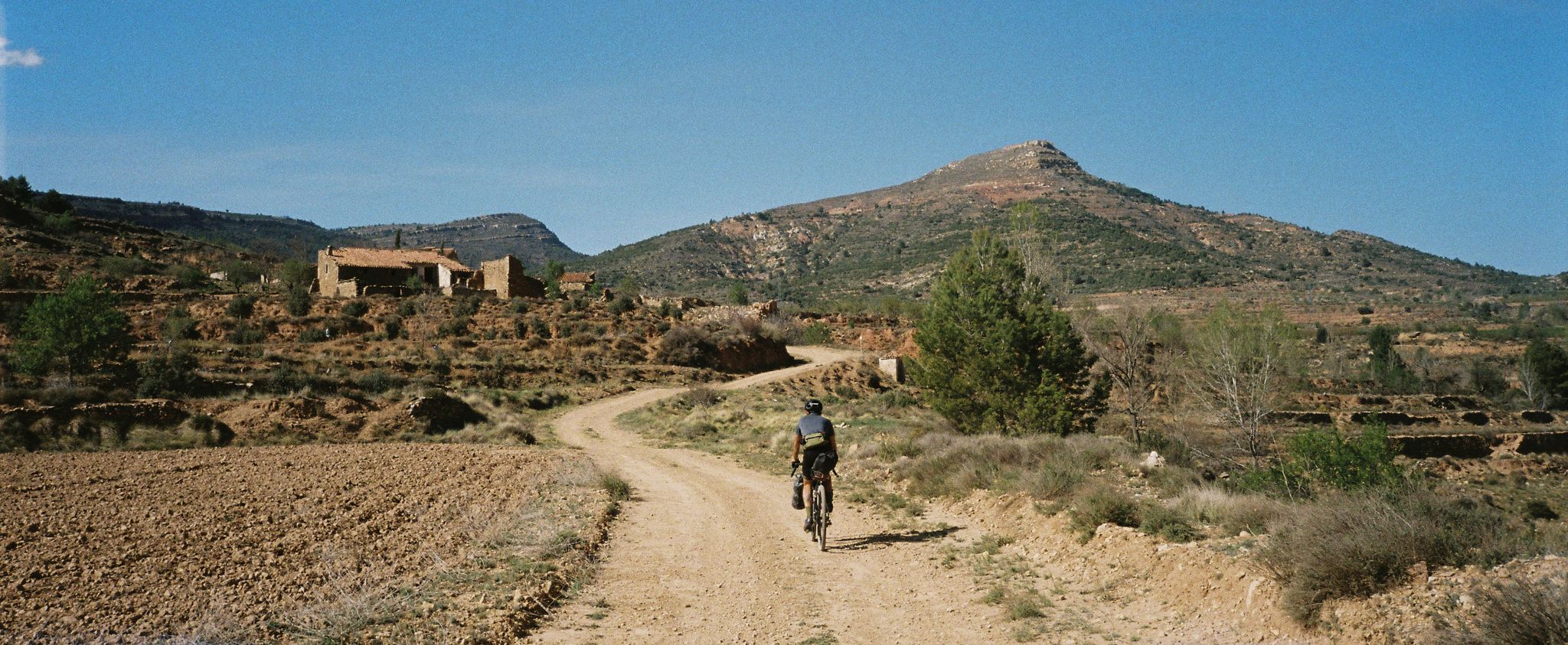
Path of the Tasters - Bikepacking in the Valencian ranges
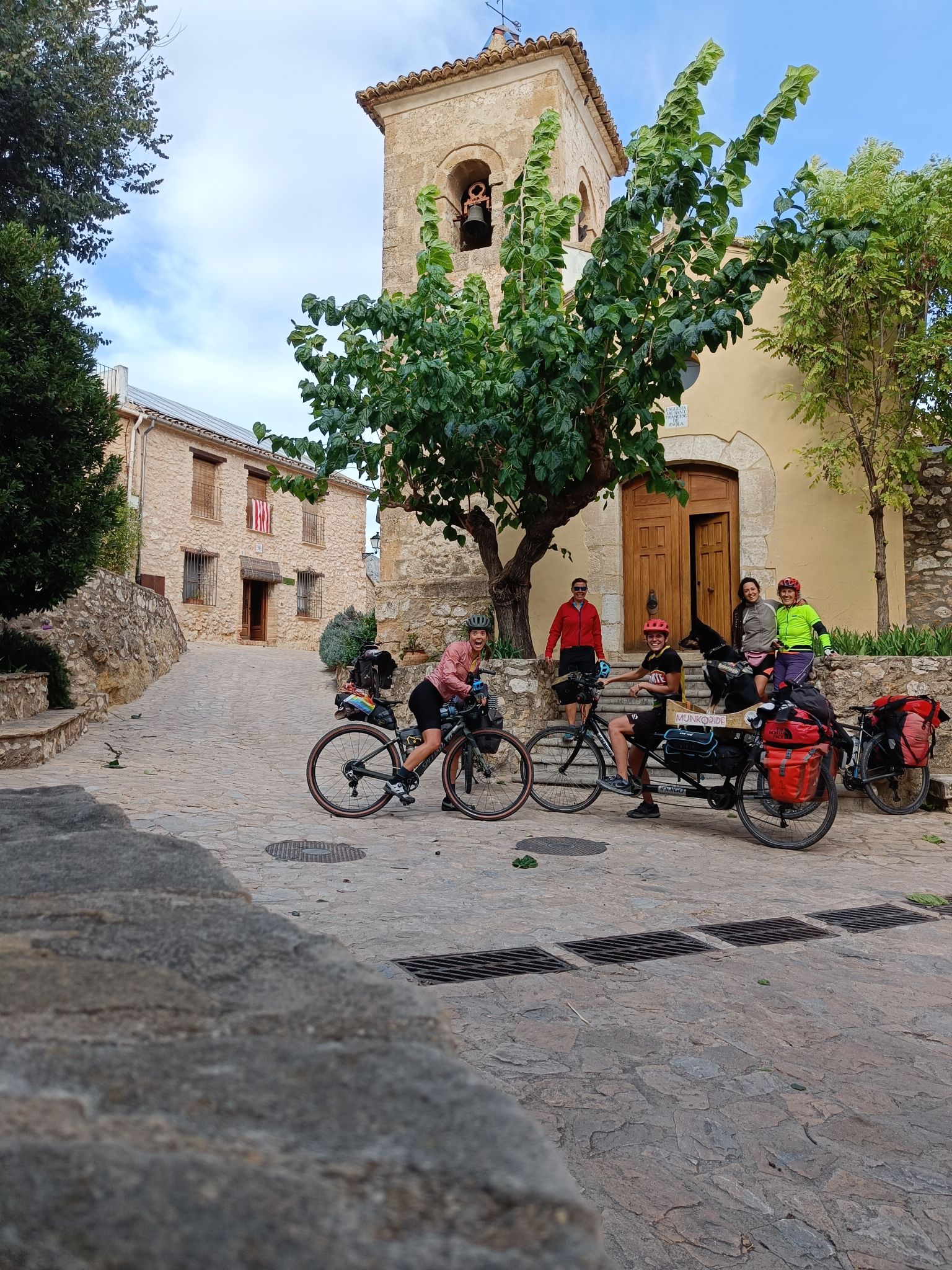
Community ride through the east of Spain – an autumn adventure
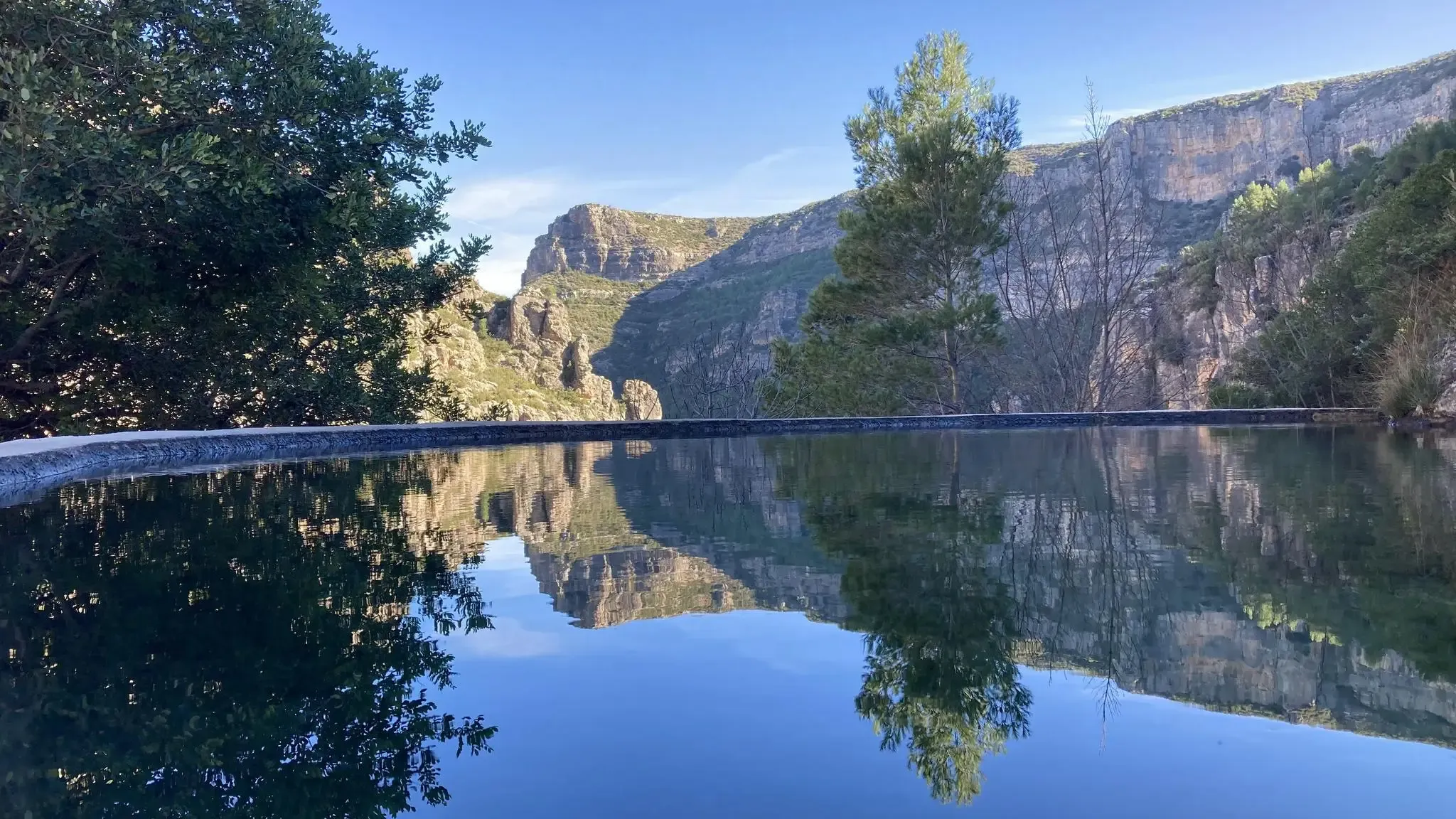
The hidden gem of Valencia – Caroig Massif (GR 237)
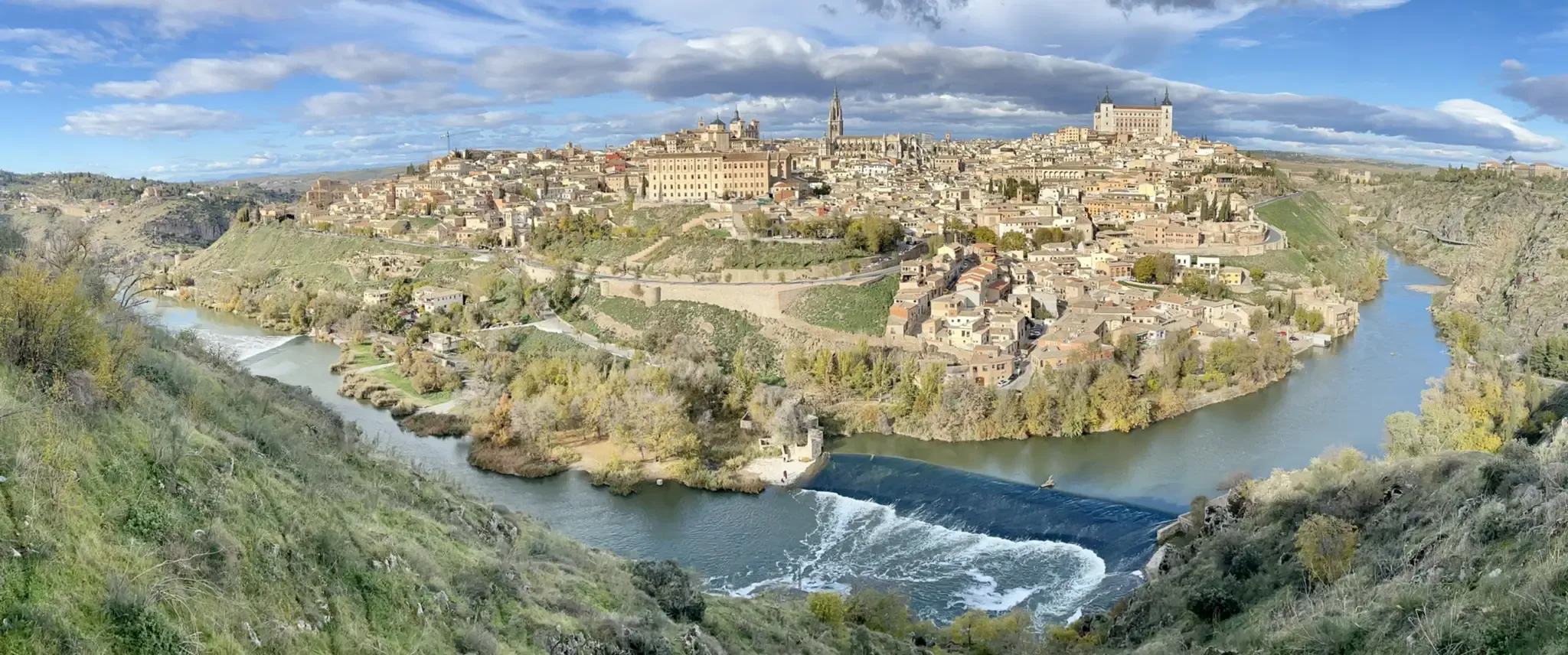
A journey to the interior of the Iberian Peninsula – Levante Way (GR 239)
Traffic-free bike rides around La Font De La Figuera

Traffic-free bike rides around La Font De La Figuera
Other adventures around La Font De La Figuera


Tips from the Community

The Plaza de la Constitución should definitely be included. Church, town hall, pub: it's all there.
0
0

If you enjoy technically challenging singletrack trails, Biar is the perfect place for you. Onil, Castalla, and Ibi are also ideal starting points for demanding routes.
0
0

A charming destination steeped in history and renowned for its delicious cuisine, ideal for combining cultural tourism with nature. It's not a place for shopping sprees or nightlife, but rather for disconnecting and enjoying local traditions. Historical Heritage: The Almohad castle and the old town are authentic medieval gems, remarkably well-preserved. Natural Surroundings: Enclosed by mountains and hiking trails, it's perfect for those seeking tranquility and nature. Peaceful Atmosphere: This welcoming village is ideal for rural getaways away from the tourist crowds. Gastronomy: Traditional dishes like olleta (a hearty stew), gazpacho manchego (a traditional gazpacho from La Mancha), and homemade sweets are highly prized. Festivals and Culture: Its celebrations and craft fairs offer an authentic and engaging atmosphere.
1
0

The Ermita de San Blas in Sax is a small, historic chapel located in the heart of the old town, directly below the castle. It was probably built in the 13th or 14th century and is one of the typical "Ermitas de Reconquista" (reconquest hermitages) built after the Christian reconquest. The building has a simple rectangular floor plan with a later addition of a semicircular chancel and a baroque bell tower above the entrance. The statue of Saint Blas, the patron saint of the town, is venerated inside. The chapel continues to play a central role in the religious and cultural life of Sax. Of particular importance is the annual "Cabildo de San Blas" on December 26th, a traditional gathering that marks the beginning of the patron saint's festivities. In addition, masses are regularly held in honor of the saint. With its historic architecture and picturesque location below the castle, the Ermita de San Blas is an important symbol of Sax's identity and a worthwhile destination for visitors interested in culture.
0
0


A very beautiful harbor with no cars. It is easier to climb it from Bemixama because the climb is more constant than from Fontanars dels Alforins, where there is a stretch of steeper coasts.
1
0

Puerto del Moro is one of the classic climbs in the area. It is located 987 meters above sea level and, although it is laid out on both sides, it also has some slopes that exceed two percentage figures.
1
0
Frequently Asked Questions
How many no-traffic road cycling routes are available in La Font De La Figuera?
There are currently 4 dedicated no-traffic road cycling routes around La Font De La Figuera featured in this guide. These routes offer a mix of moderate and challenging rides, allowing you to explore the region's diverse landscapes away from heavy vehicle traffic.
What kind of terrain can I expect on these no-traffic road cycling routes?
The routes in La Font De La Figuera traverse varied terrain, from extensive vineyards and dry farming areas to sections bordering the Valle de Montesa and the Serra Grossa mountain range. You'll encounter a mix of flat sections and challenging climbs, characteristic of the region's inland Valencia landscape, often winding through picturesque villages and tranquil secondary roads.
Are there any challenging no-traffic road cycling routes for experienced riders?
Yes, experienced riders will find challenging options. For instance, the Navalón de Arriba Fountain – Ermita Santa Bárbara loop from La Encina is classified as difficult, featuring significant elevation gain over its 84.8 km distance. The region is known for climbs like the Port del Moro, which reaches 987 meters above sea level with steep inclines.
What are some notable landmarks or scenic viewpoints along these routes?
Many routes offer scenic views and pass by interesting landmarks. You might encounter the classic climb of Port del Moro, or the historical Santa Bárbara hermitage situated on the Sierra de la Oliva. Other natural features include the Barranco de la Hoz gorge and the unique Ventana de la Hoz natural monument.
Are there any loop routes available for no-traffic road cycling?
Yes, all the routes listed in this guide are loops, allowing you to start and finish at the same point. Examples include the Port del Moro – Castillo de Caudete loop from Caudete and the Port del Moro loop from Caudete, both offering circular journeys through the region's quiet roads.
What is the best time of year for no-traffic road cycling in La Font De La Figuera?
The region of La Font De La Figuera, being in inland Valencia, generally offers pleasant cycling conditions for much of the year. Spring and autumn are typically ideal, with milder temperatures and less extreme weather, making for comfortable rides through the vineyards and mountains. Summers can be hot, while winters are generally mild but can have cooler days.
Where can I park my car to access these no-traffic cycling routes?
While specific parking areas for each route are not detailed here, many routes start from towns like Caudete or La Encina. These villages typically offer public parking options, often near their town centers or amenities, providing convenient access points for your cycling adventure.
Are there any cafes or places to stop for refreshments along the no-traffic routes?
The routes often pass through or near small villages where you can find local cafes or shops for refreshments. The region is known for its wine culture, so you might also find opportunities to experience local gastronomy. For example, the Torre Tallada – Navalón de Arriba Fountain loop from Moixent / Mogente passes through areas where such amenities could be found.
What do other road cyclists enjoy most about cycling in La Font De La Figuera?
The area is highly rated by the komoot community, with an average score of 4.5 stars. Reviewers often praise the tranquility of the routes, the stunning natural landscapes, and the challenging climbs that make for a rewarding cycling experience away from heavy traffic.
Are there any easy or beginner-friendly no-traffic road cycling routes?
Currently, the routes listed in this guide are classified as moderate or difficult, indicating they require a reasonable level of fitness and cycling experience. There are no routes specifically designated as 'easy' for beginners in this selection, but the region does offer varied terrain, so exploring shorter sections of moderate routes might be an option for those looking for a less intense ride.
Can I reach the starting points of these routes using public transport?
Public transport options to reach the starting points of these routes, such as Caudete or La Encina, may be limited. It is advisable to check local bus or train schedules for connections to these smaller towns in the La Costera county. Often, personal vehicle transport is the most convenient way to access these more rural cycling routes.
Most popular routes around La Font De La Figuera
Most popular attractions around La Font De La Figuera

Get inspired with the komoot mobile app


Explore more
Browse the best Road cycling routes in other regions.
