The best traffic-free bike rides around Negreira
5.0
(3)
84
riders
10
rides
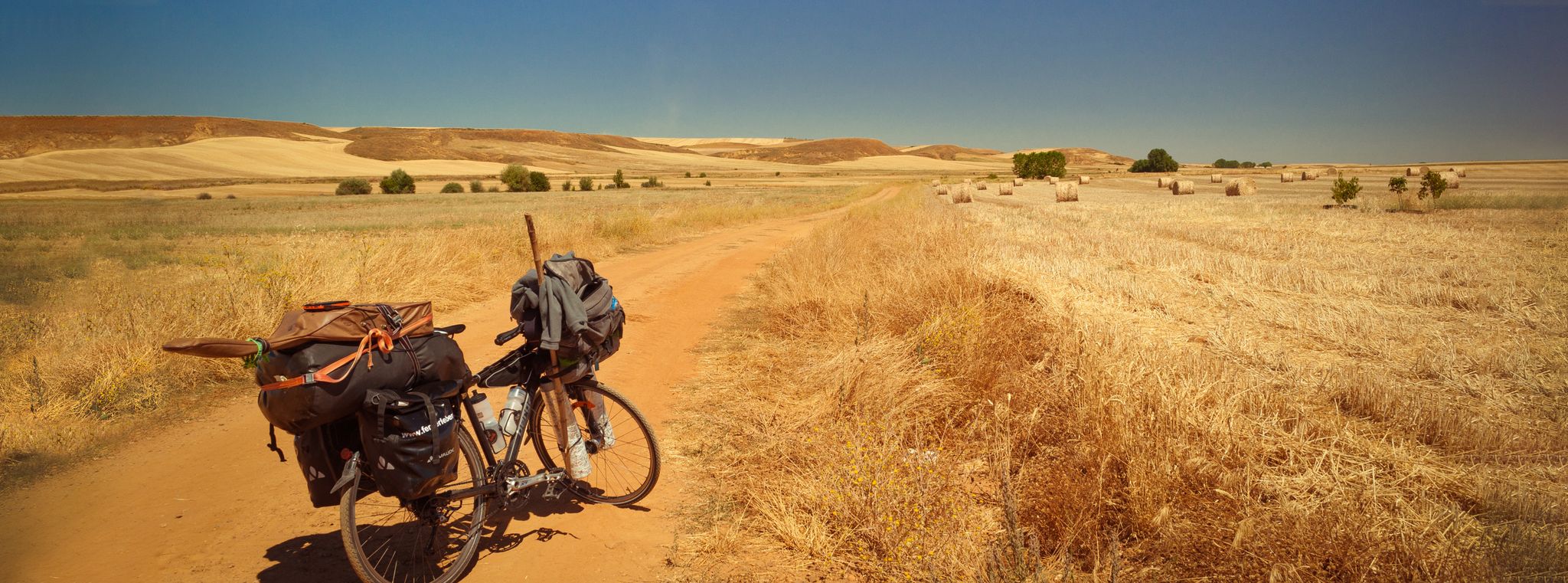
Gravel biking around Negreira offers diverse landscapes and natural features, ideal for those seeking quiet gravel trails. The region is characterized by lush river environments, rolling hills, and valleys, providing varied terrain for off-road cycling. Many routes utilize unpaved sections and compacted gravel paths, including parts of the historic Camino de Fisterra. An unspoilt natural setting, including a distinctive Eucalyptus Forest, defines the experience.
Best no traffic gravel bike trails around Negreira
- The most popular no traffic gravel bike trail is View of Cee – Gravel on the Camino de Santiago loop from Mazaricos, a 67.4 miles (108.5 km) trail that takes 7 hours 11 minutes to complete. This challenging route features significant elevation gain and sections of the Camino de Santiago.
- Another top favourite among local gravel bikers is Ponte Maceira Stone Bridge – Ferreiro Square Negreira loop from Negreira, a moderate 9.9 miles (16.0 km) path. This route passes by the historic Ponte Maceira, offering scenic views along the Tambre River.
- Local gravel bikers also love the Gran Camiño Gravel Path – Camino of Diversity Mural loop from Bertamiráns, a 16.6 miles (26.7 km) trail leading through varied rural landscapes, often completed in about 1 hour 50 minutes.
- Gravel biking around Negreira is defined by lush river valleys, rolling hills, and historic unpaved sections of the Camino de Fisterra. The network offers options for moderate to difficult ability levels, with routes ranging from short loops to longer, more demanding rides.
- The guide includes highly-rated routes that showcase the best of the region's landscape. More than 20 gravel bikers have used komoot to explore Negreira's varied terrain.
Last updated: November 2, 2026
5.0
(1)
39
riders
90.0km
06:07
1,600m
1,600m
Hard gravel ride. Very good fitness required. Mostly paved surfaces.
5.0
(1)
20
riders
129km
08:37
2,240m
2,240m
Hard gravel ride. Very good fitness required. Mostly paved surfaces.

8
riders
61.3km
04:06
810m
810m
Hard gravel ride. Very good fitness required. Mostly paved surfaces.
6
riders
58.0km
04:07
1,170m
1,170m
Hard gravel ride. Very good fitness required. Mostly paved surfaces.
5.0
(1)
3
riders
32.1km
02:11
500m
500m
Hard gravel ride. Very good fitness required. Mostly paved surfaces.
Get access to more routes and recommendations from other explorers.
Already have an account?
Our route recommendations are based on thousands of hikes, rides, and runs completed by other people on komoot.
Start today with a free account
Your next adventure awaits.
Other adventures around Negreira

Tips from the Community


Along with the Pazo da Albariña manor house, the Pazo do Cotón stands out in the townscape. It is located on the Camino Real (Real Road) to Fisterra and was built between the 17th and 18th centuries. At the Porta da Capela, it spans the road with three arcades, and the upper wall is crenellated. The first settlements in the Negreira area were located at the strategically important ford over the Río Tambre, as well as on the main road to the coast (from Grandimirun, now Brandomil, to Aquis Celenis, now Caldas de Reis), and on the other hand, the riverside road along the Tambre, which connects the interior with the coastal region around Noia. Pre-Roman activities can be traced throughout the A Barcala area. The settlement of Nicraria Tamara is mentioned in Roman times, during which time silver mines were also exploited here. In 876, Negreira passed into the possession of the Compostelaan bishop Sisando by royal decree. In 979, Normans raided the Galician coast, and the town was wiped out. After the threat from the Normans and Moors was overcome, the town was rebuilt in 1113. The Catholic Monarchs granted the town a royal privilege known as the Fuero Real, which secured Negreira's independence from the Compostelaan archbishop. Charles V renewed the privilege in 1520.
1
0

The numerous natural fountains in Spain have always fascinated me – an ancient tradition along important routes.
2
3
Very beautiful bridge that still stands today - like the Roman Bridge in Trier.
2
2
Very nice park to relax in after arriving in Santiago and visiting the cathedral.
1
0

Frequently Asked Questions
How many traffic-free gravel bike trails are available around Negreira?
There are 4 dedicated traffic-free gravel bike trails around Negreira featured in this guide. These routes offer a serene experience away from vehicular traffic, allowing you to fully immerse yourself in the Galician landscape.
Are there any family-friendly traffic-free gravel routes in Negreira?
While all routes in this guide are traffic-free, the difficulty varies. For a moderately challenging option that could be suitable for families with some cycling experience, consider the Ponte Maceira Stone Bridge – Ferreiro Square Negreira loop from Negreira. It's a 16 km route that offers beautiful scenery without excessive length or elevation.
What kind of natural landmarks can I expect to see on these traffic-free gravel trails?
Negreira's traffic-free gravel trails often follow scenic river landscapes, particularly along the Tambre River. You can expect to encounter beautiful natural features like the A Ponte Maceira – Tambre River with waterfall, a picturesque medieval bridge with a nearby waterfall. The region is also known for its lush eucalyptus forests, such as the Eucalyptus Forest on the Camino de Fisterra, offering a unique backdrop for your ride.
Are there any historical sites or points of interest along the traffic-free routes?
Absolutely! Many of the routes incorporate sections of the historic Camino de Fisterra, which is rich in history and natural beauty. You'll also find architectural gems like the medieval A Ponte Maceira and the Augapesada Bridge, both offering a glimpse into the region's past. The town of Negreira itself is a historic town worth exploring.
What is the best time of year to go gravel biking in Negreira?
The region of Galicia, including Negreira, generally offers pleasant conditions for gravel biking from spring through autumn. Spring brings lush greenery and comfortable temperatures, while autumn provides vibrant foliage. Winter can be milder than other parts of Europe, but be prepared for potential rain. Always check local weather forecasts before heading out.
Are there any circular traffic-free gravel routes available?
Yes, all the traffic-free gravel routes featured in this guide are circular, meaning you'll start and end at the same point. This makes planning your ride and transportation much more convenient. For example, the Augapesada Bridge loop from Bertamiráns is a great circular option.
What are the difficulty levels of the traffic-free gravel trails around Negreira?
The traffic-free gravel trails around Negreira vary in difficulty. This guide includes 2 moderate routes and 2 difficult routes. For instance, the View of Cee – Gravel on the Camino de Santiago loop from Mazaricos is classified as difficult, offering a significant challenge for experienced riders.
Can I find parking near the starting points of these gravel routes?
Yes, Negreira and its surrounding villages like Bertamiráns often have public parking available. When planning your trip, it's advisable to check the specific starting points of routes like the Gran Camiño Gravel Path – Camino of Diversity Mural loop from Bertamiráns for the most convenient parking options.
Are there any accommodations or places to eat along the traffic-free gravel routes?
Negreira and the villages along the Camino de Fisterra offer various services for travelers. You'll find accommodations such as hostels like Hostel, Santa Marina or Albergue O Refuxio da Ponte, which are popular with pilgrims and cyclists. Many towns also have cafes and restaurants where you can refuel during or after your ride.
What makes the Camino de Fisterra sections suitable for traffic-free gravel biking?
The Camino de Fisterra, a historic trail, is known for its natural beauty and often includes unpaved sections and compacted gravel paths. These sections are inherently low-traffic or traffic-free, making them ideal for gravel cyclists seeking a serene and immersive experience. The View of Cee – Gravel on the Camino de Santiago loop from Mazaricos is a prime example of a route utilizing these gravel sections.
What is the longest traffic-free gravel route in this guide?
The longest traffic-free gravel route featured in this guide is the View of Cee – Gravel on the Camino de Santiago loop from Mazaricos, spanning approximately 108 kilometers. This route offers an extensive and challenging gravel biking experience through the beautiful Galician landscape.
Most popular attractions around Negreira

Get inspired with the komoot mobile app


Explore more
Browse the best Gravel rides in other regions.
