4.5
(2802)
14,889
hikers
786
hikes
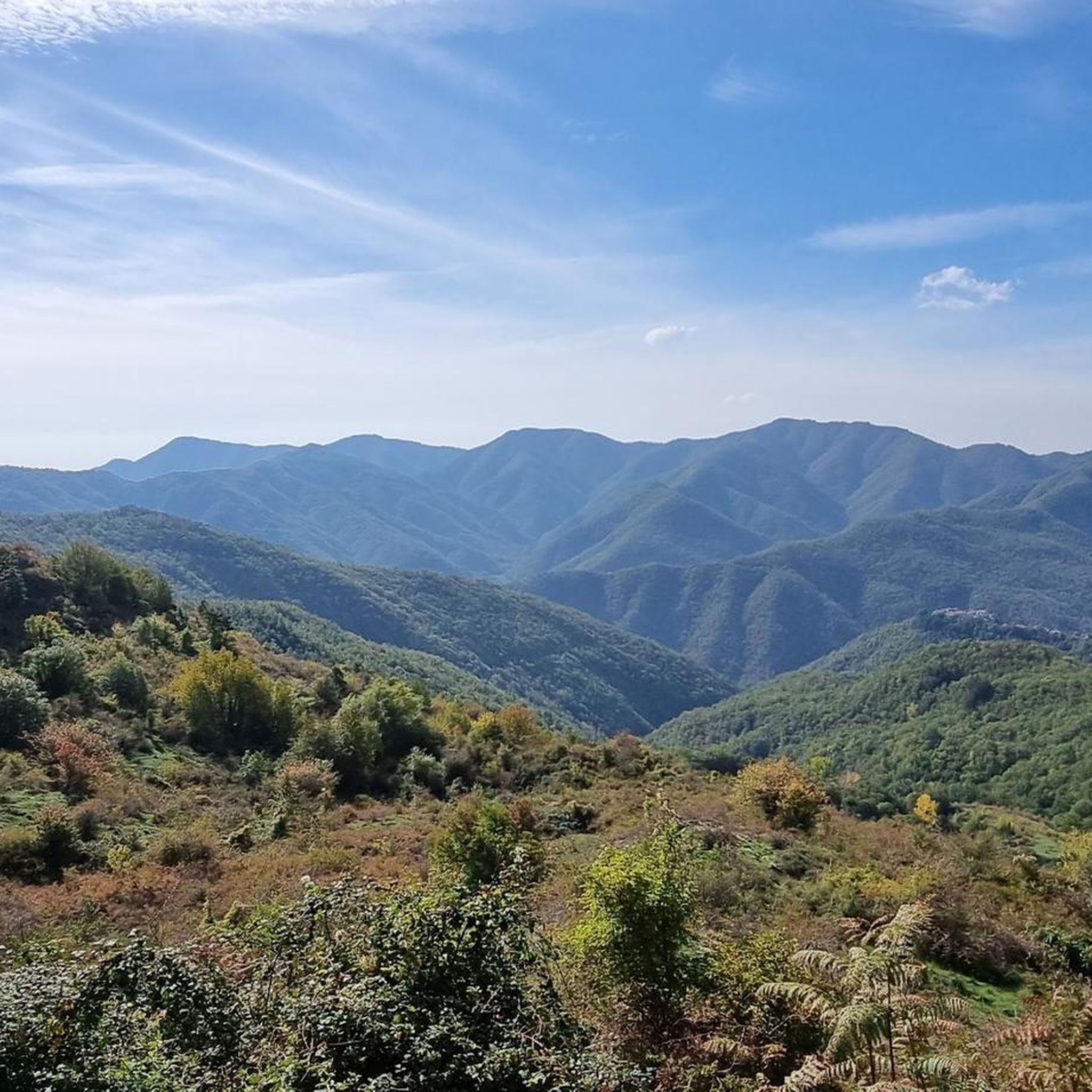
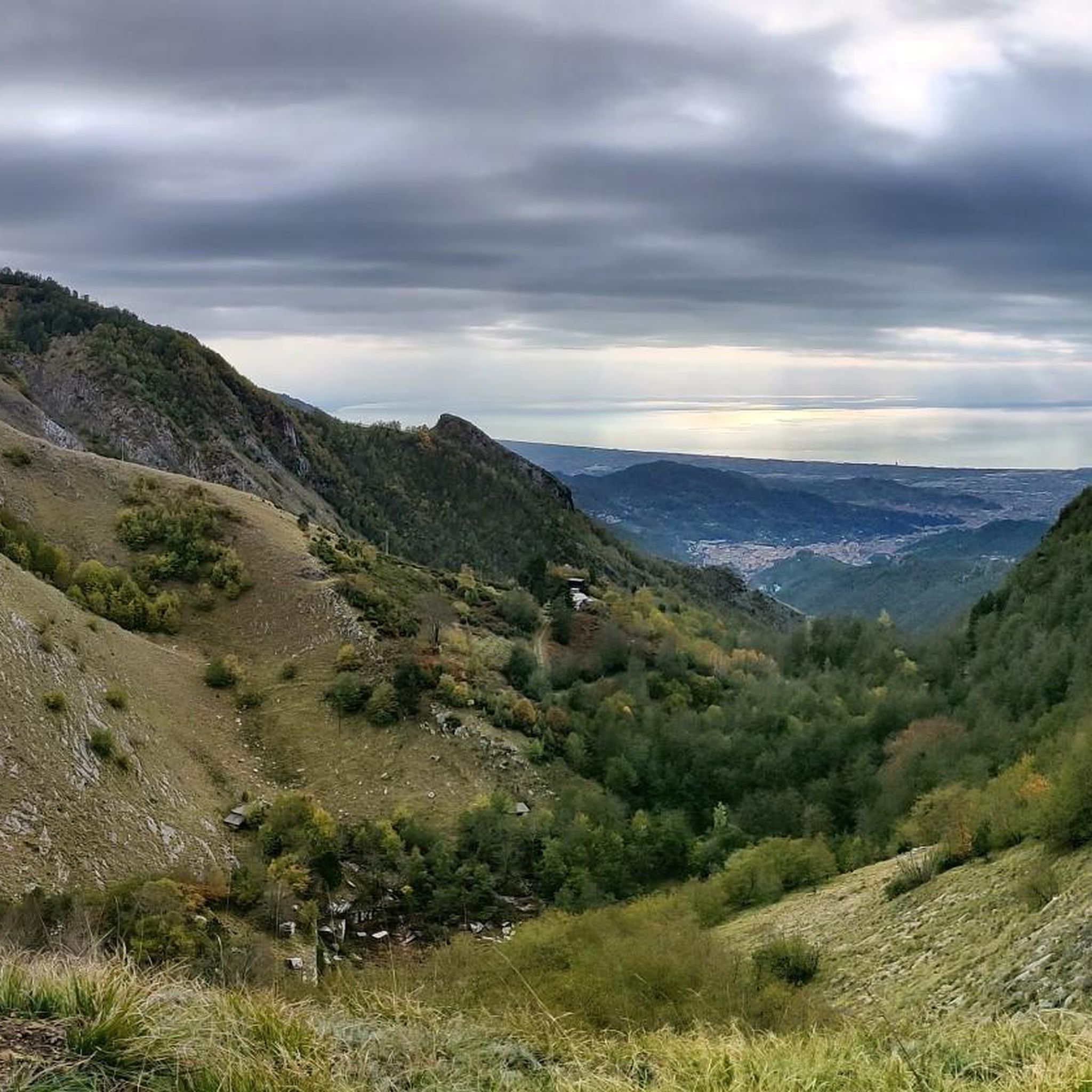
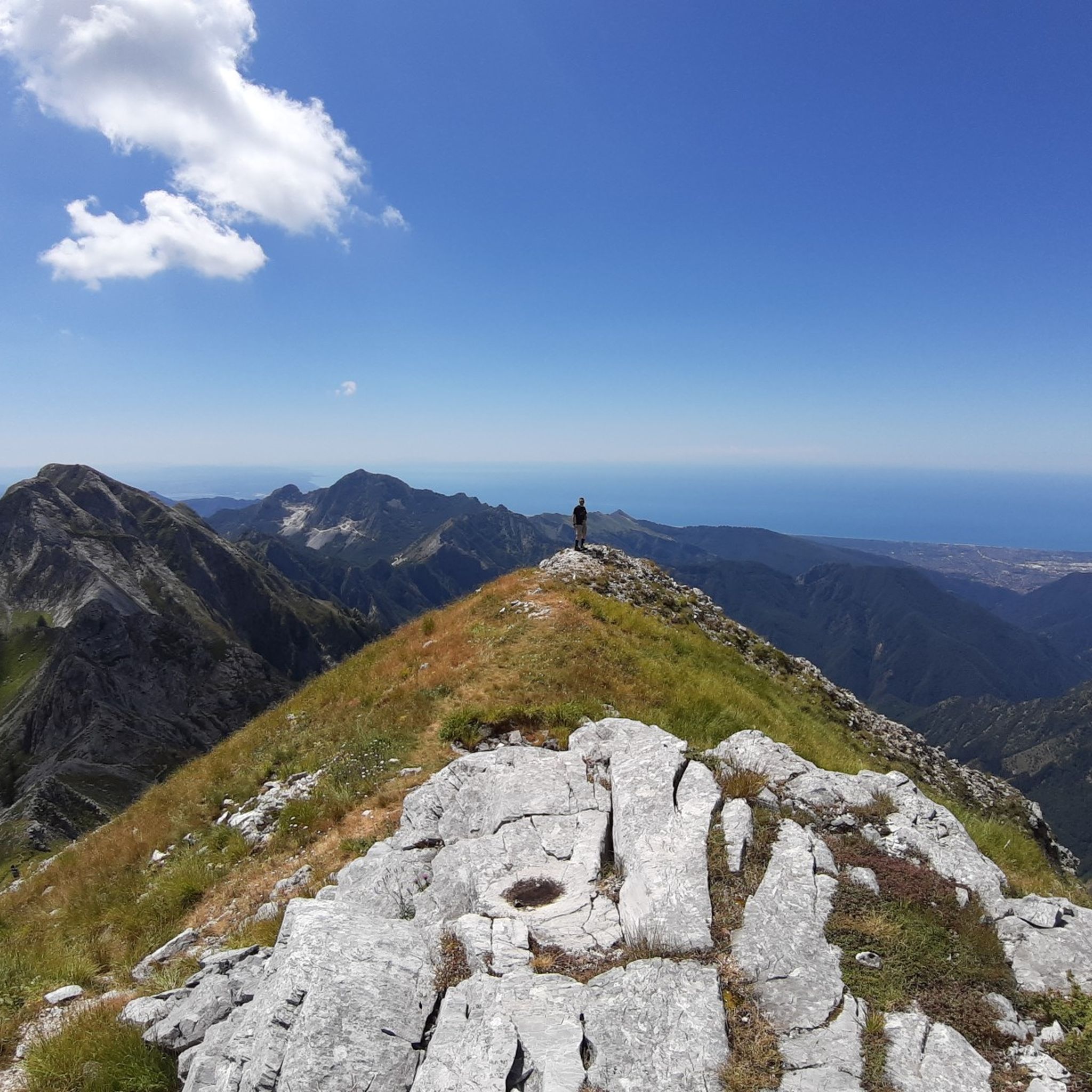
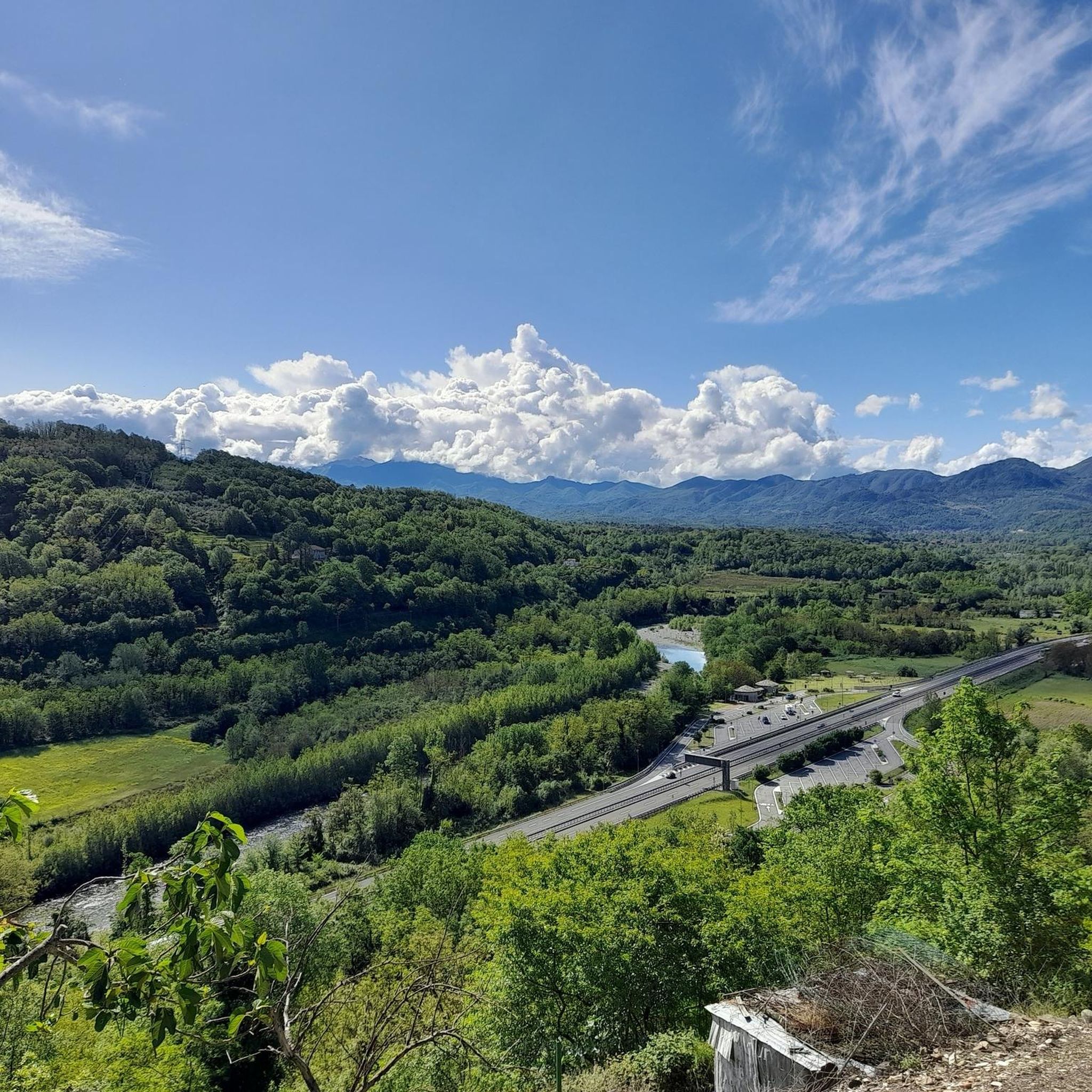
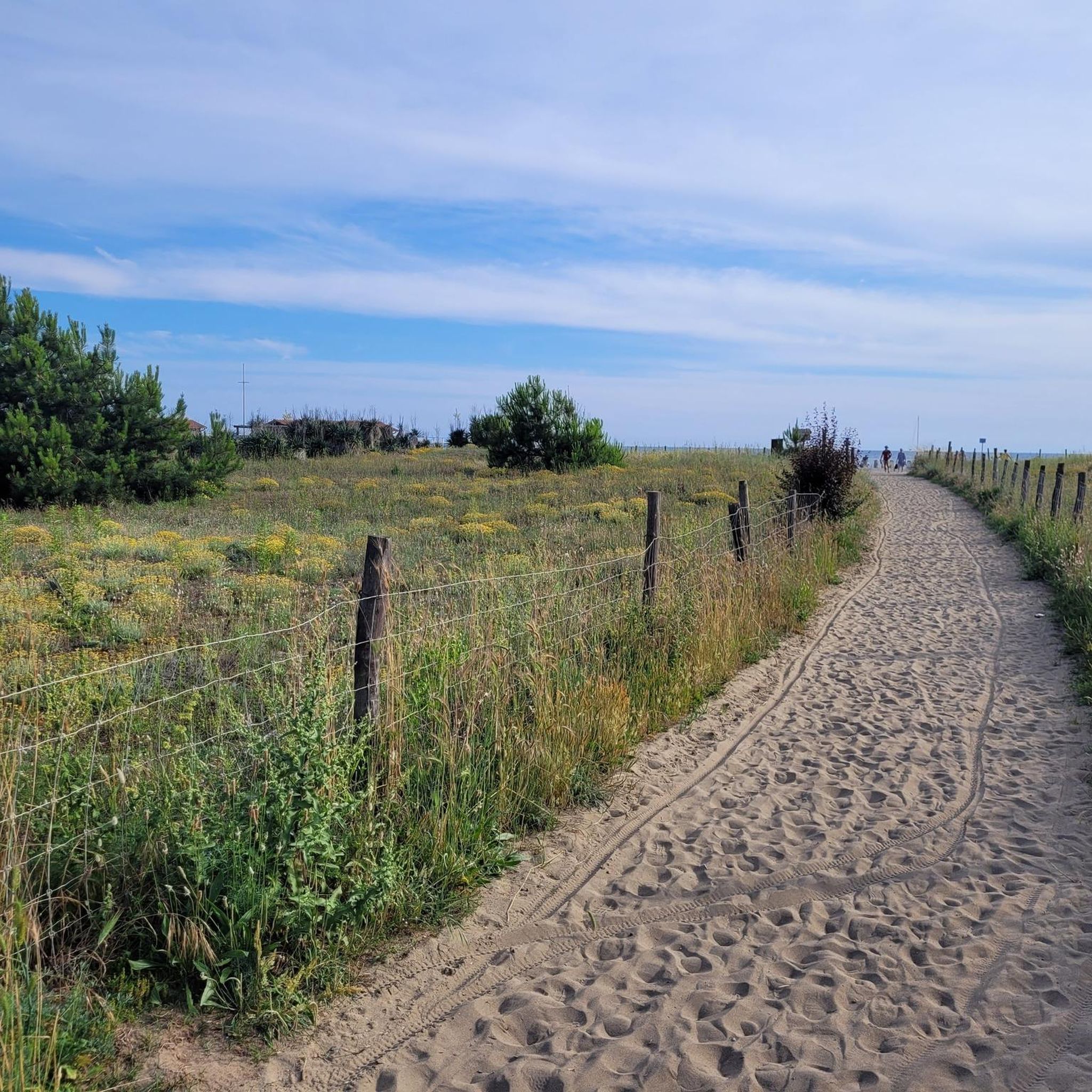
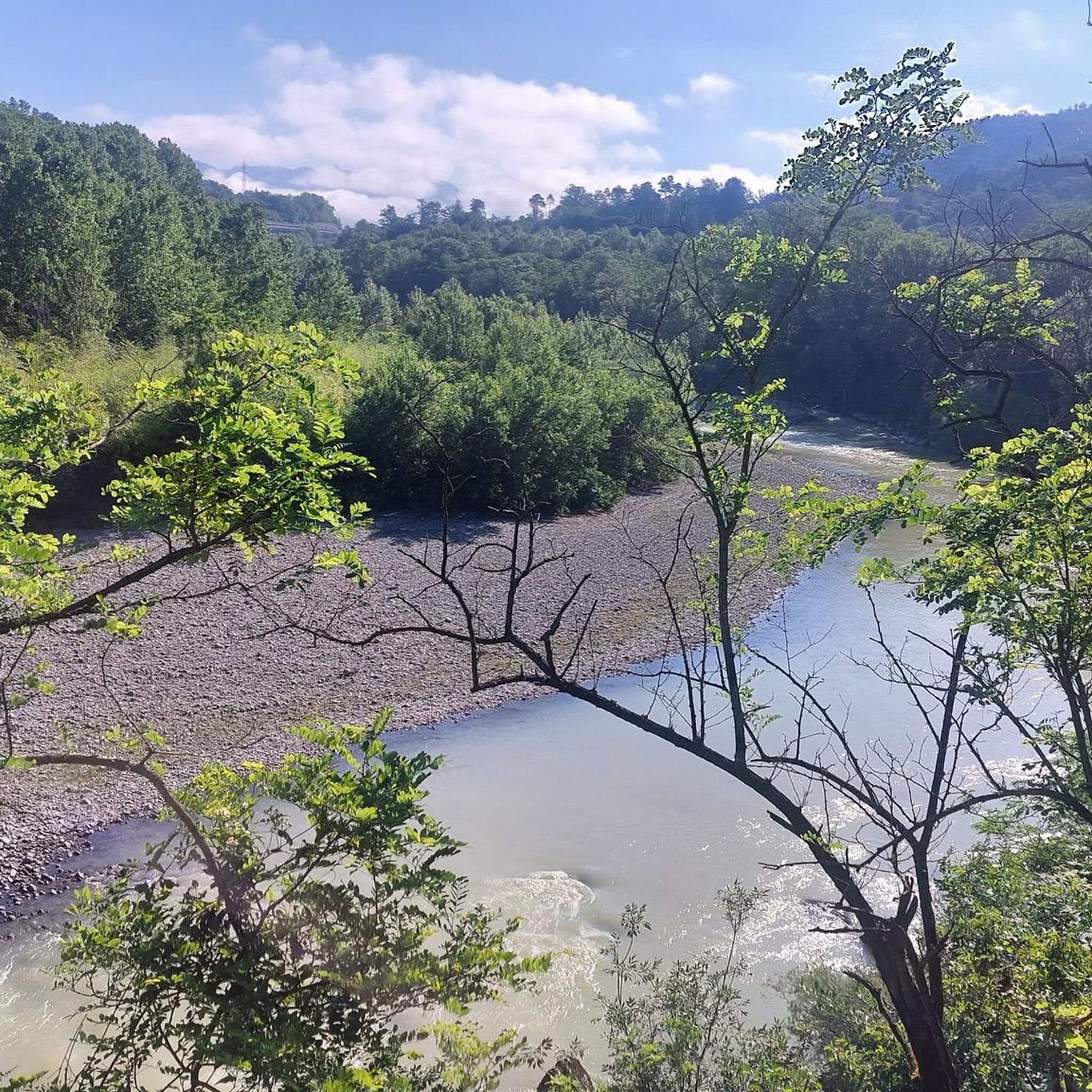
Hiking in Massa-Carrara offers diverse landscapes dominated by the Apuan Alps, a mountain range known for its dramatic peaks and unique karst formations. The region features a network of trails winding through dense forests, past world-famous marble quarries, and along ancient paths. Hikers can experience significant elevation changes, from coastal views to high-altitude mountain environments.
Last updated: April 24, 2026
4.8
(101)
509
hikers
10.3km
04:21
660m
660m
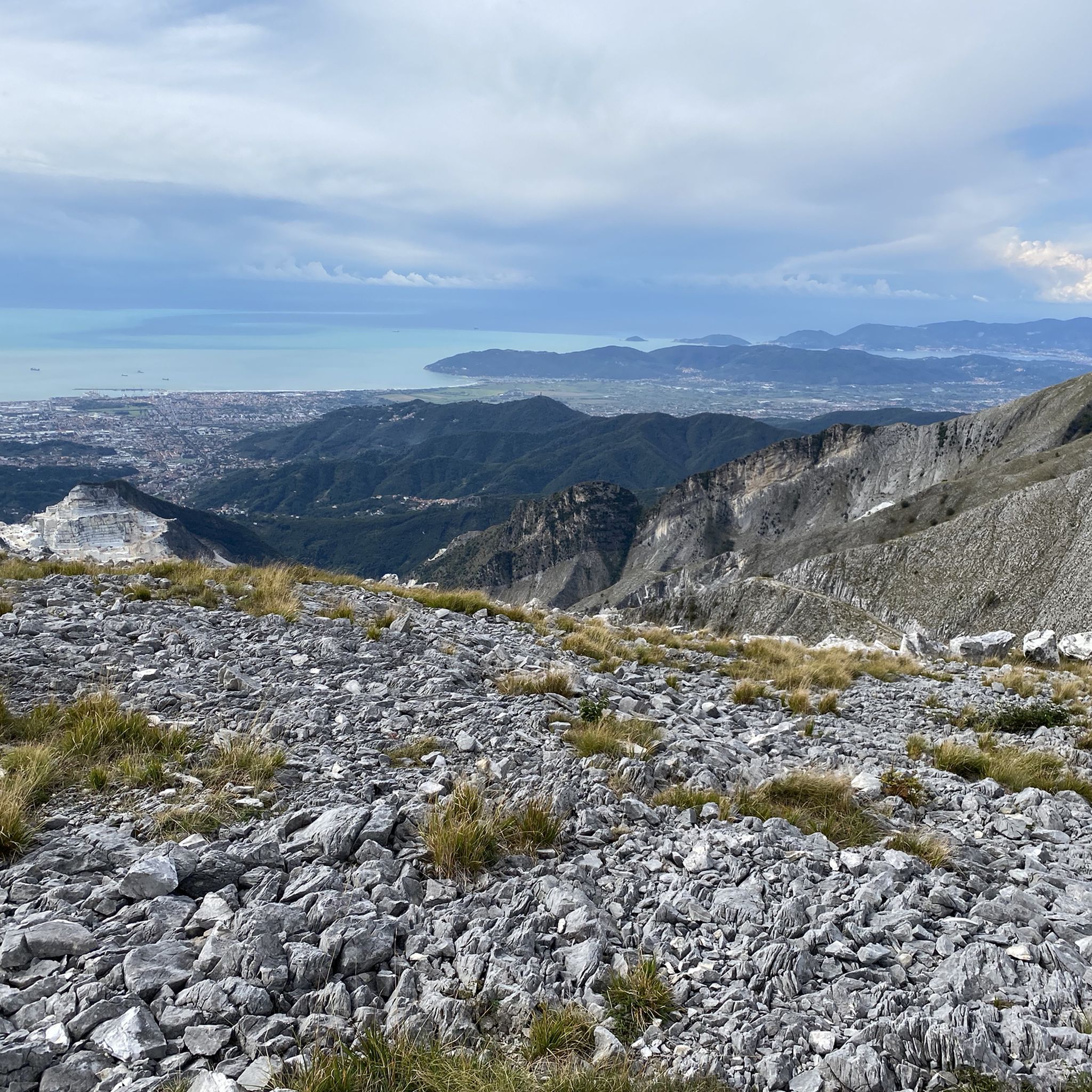
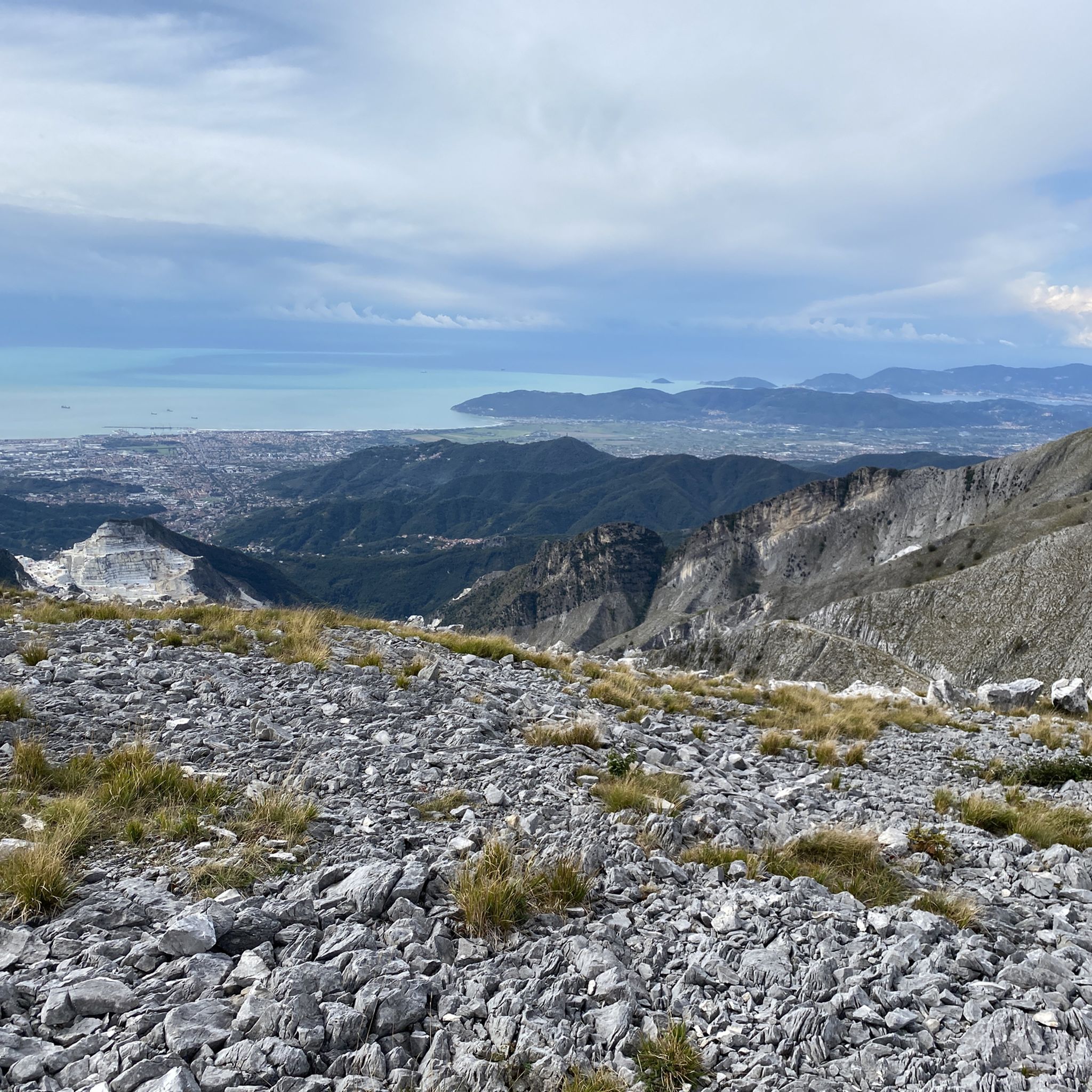
Prepare for a challenging hike on the Monte Sagro and Monte Spallone Loop, a difficult route that spans 6.4 miles (10.3 km) and climbs 2157 feet (658 metres). You can expect to complete this demanding journey in about 4 hours and 21 minutes. The trail offers spectacular panoramic views, especially from viewpoints like Zucco del Latte, where you can see the famous Carrara marble quarries and the sparkling sea. You will traverse extensive meadows, including Prati Campocecina, and wind through serene beech forests. The terrain shifts from wide mule tracks to stony, continuously ascending paths, characteristic of the Apuan Alps, leading you towards the iconic Monte Sagro summit.
This difficult route requires good fitness, sturdy hiking shoes, and some alpine experience, as you will encounter technical and potentially hazardous sections. To make the Monte Sagro ascent more manageable, especially if you are less experienced, consider staying overnight at Rifugio Carrara. Starting your hike early in the day is always a good strategy for longer routes. Always be prepared for varied mountain conditions, as weather can change quickly in the Apuan Alps.
This loop is situated within the Parco Regionale delle Alpi Apuane, a region renowned for its unique geological features and rich biodiversity. On clear days, the expansive views from the higher elevations can extend as far as Corsica and Elba Island, offering a truly rewarding experience. The Apuan Alps are famous for their marble, and you will gain a unique perspective on the Carrara quarries from various points along the trail. This trail is a highlight for experienced hikers seeking both a physical challenge and breathtaking natural beauty.
4.6
(69)
308
hikers
8.43km
02:41
310m
310m
The Celestial Trail offers a moderate hiking experience through the Appennino Tosco-Emiliano National Park, covering 5.2 miles (8.4 km) with an elevation gain of 1021 feet (311 metres). You can expect to complete this journey in about 2 hours and 40 minutes. As you hike, you will pass through tranquil beech forests and open meadows, leading to panoramic viewpoints. The route features varied terrain, so be prepared for sections that require sure footing. A highlight is the Secchia River Sources, found within a natural rocky amphitheater where the river begins.
To begin your hike, head to Passo del Cerreto, which serves as the starting point for the route. You will find parking available there, along with access to the national park's visitor center. This center is conveniently located at a local restaurant and can provide valuable information about the trail and the surrounding region. Planning your visit around good weather will enhance your experience on this rewarding route.
Beyond the natural beauty, the trail also offers a glimpse into history at the Passo dell'Ospedalaccio. Here, you can see a Napoleonic memorial stone, adding a cultural layer to your outdoor adventure. The route provides extensive views of the Secchia river valley, allowing you to spot prominent features like Monte Ventasso and the distinctive Pietra di Bismantova. This combination of natural and historical elements makes the Celestial Trail a notable option in the area.

Sign up for free
4.6
(69)
307
hikers
8.47km
02:38
300m
300m
Embark on the Celestial Trail, a moderate hike spanning 5.3 miles (8.5 km) with an elevation gain of 968 feet (295 metres), typically completed in 2 hours and 37 minutes. This route guides you through the diverse landscapes of the Tuscan-Emilian Apennine National Park. You will wander through lush beech forests, discovering remnants of old charcoal-burning sites known as "carbonaie." The path features gentle ascents and descents, leading you to the refreshing natural spring of Fonte dei Linguazzi. Expect a peaceful journey immersed in forest sounds.
To begin your hike, head to the historic Cerreto Pass, which serves as the starting point for the Celestial Trail. This area is well-known for its accessibility, making it easy to reach. You will find general parking available directly at Cerreto Pass, ensuring a convenient start to your adventure. The trail offers an excellent opportunity to escape urban noise and connect with nature. Plan your visit to allow ample time to enjoy the forest environment.
This route is set within the picturesque Tuscan-Emilian Apennine National Park, offering a chance to experience its natural beauty. As you hike, you can enjoy panoramic views towards the Secchia Valley, Monte Ventasso, and the distinctive Pietra di Bismantova from the Cerreto Pass area. The trail provides an excellent opportunity to immerse yourself in the sounds of the forest, such as rustling leaves and gurgling water.
4.5
(20)
73
hikers
13.4km
04:57
580m
580m
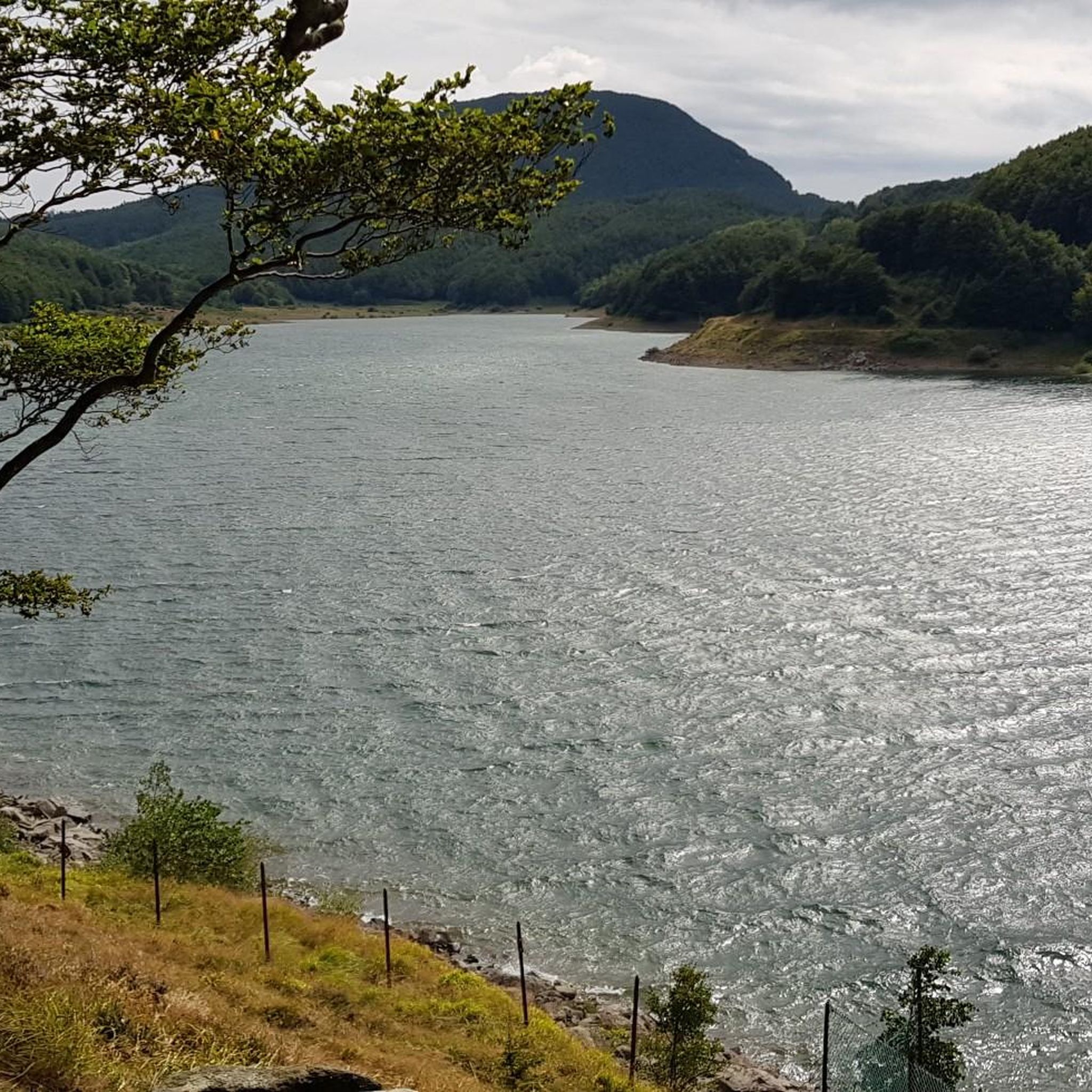
Embark on a moderate hike around Monte Acuto, starting from the Lagastrello Dam. This 8.3-mile (13.4 km) loop takes about 4 hours and 56 minutes to complete, with a total elevation gain of 1890 feet (576 metres). As you hike, you will traverse diverse terrain, from mountain paths to sections of unpaved roads. The artificial Lago Paduli, created by the dam, is a central feature, surrounded by peaceful beech woods and fragrant juniper shrubs. You will also enjoy clear views of Monte Acuto and the steep western profile of Monte Malpasso, offering a varied and engaging experience.
To enjoy this route, you should have good fitness and be sure-footed, as some parts of the trail are more rugged than others. Access to the trailhead is straightforward, with parking available conveniently near the Diga del Lagastrello. There are no specific warnings about permits or seasonal closures mentioned for this area. Plan your visit to make the most of the natural beauty and varied landscapes.
This trail is located within the Parco Nazionale dell'Appennino Tosco-Emiliano, a protected area known for its natural diversity. Along the route, you might encounter unique mountain wetland botanical species, adding a special touch to your exploration. The combination of the artificial lake, dense woods, and mountain vistas makes this loop a notable option in the region for those seeking a balanced outdoor adventure.
4.6
(21)
71
hikers
5.06km
01:42
170m
170m
Embark on a moderate hike to the Piscio di Pracchiola waterfall, covering 3.1 miles (5.1 km) with an elevation gain of 547 feet (167 metres). This route typically takes around 1 hour and 42 minutes to complete. You will start on a paved path, then transition to a dirt road, and finally a narrow, winding trail through dense forests of chestnut and bitter oak trees. The sound of the Magra River will accompany you as you traverse ancient mule tracks, leading to the impressive 30-meter waterfall and its natural pool.
This trail is generally considered accessible for most fitness levels and families, with some sections requiring careful footing due to minor streams and small winter landslides. It is highly recommended to wear appropriate trekking shoes to navigate the varied terrain, especially the rocky parts near the stream. Before you set out, you can fill your water bottles from fresh fountains within the charming village of Pracchiola, which serves as your starting point.
The village of Pracchiola itself is a highlight, nestled in the Valdantena and historically located along the medieval Via Longobarda trade route. Its well-preserved buildings, ornate stone portals, and vaulted passages offer a glimpse into ancient Italian rural life. The Piscio di Pracchiola waterfall is renowned as one of the most suggestive cascades in Alta Lunigiana, offering a tranquil escape into unspoiled nature. Its crystal-clear natural pool is an inviting spot for a refreshing dip during warmer months.
4.5
(19)
78
hikers
19.9km
08:06
1,150m
1,150m
Embark on the difficult Alta Via dei Monti Liguri: Stage 38, a challenging hike spanning 12.4 miles (19.9 km) with a significant elevation gain of 3775 feet (1151 metres). This route will take you through the dense beech woods of Monte Gottero, an area rich in diverse flora. You can expect panoramic views of the Apuan Alps and the Gulf of Poets, with the possibility of seeing Corsica or the distant Alps on clear days. The journey is estimated to take around 8 hours and 6 minutes, offering a full day of immersive hiking.
When planning your hike on this stage, be aware that it is a long and difficult route, requiring a full day of effort. The trail is clearly marked with red-white-red blazes and the "AV" initials, which helps with navigation. Make sure you are well-prepared for the significant elevation gain and the overall demanding nature of the hike. Starting early in the day is advisable to allow ample time to complete the journey before dark.
This stage is notable for its passage through a wildlife oasis within the beech woods of Monte Gottero. A significant highlight is the Foce dei Tre Confini, also known as the Three Borders Monument, which marks a historical border point between former Italian states. This unique feature adds a layer of historical context to your outdoor adventure, distinguishing it from other trails in the region.
4.9
(9)
36
hikers
4.63km
01:14
50m
50m
Embark on an easy hike through the historic town of Pontremoli, where ancient architecture meets natural beauty. This route, despite its name, is a delightful hiking experience that covers 2.9 miles (4.6 km) with a gentle elevation gain of 155 feet (47 metres). You can expect to complete it in about 1 hour and 13 minutes. As you walk, you will discover picturesque scenery, including views of the Castello del Piagnaro, which provides sweeping vistas of the town and the broader Lunigiana region. The trail also guides you past ancient bridges, such as the Ponte della Cresa, gracefully spanning the Magra and Verde rivers, immersing you in a medieval atmosphere.
This easy route is perfect for a relaxed outing and is suitable for a wide range of hikers, including families looking for a pleasant stroll. While specific parking information is not detailed, Pontremoli is generally accessible, and the paths are straightforward to navigate. Consider using public transport to reach the town center, as the trail conveniently begins there. This approach allows you to start your adventure without worrying about parking.
The route offers a unique blend of historical exploration and scenic beauty, showcasing the medieval charm of Pontremoli. You will wander through narrow passageways and the historic town center, feeling transported back in time. The trail highlights the region's rich heritage, making it a notable choice for anyone interested in the cultural landscape of Lunigiana. It provides an accessible way to experience the area's historical significance and natural allure.
4.4
(9)
26
hikers
7.48km
02:12
220m
220m
Embark on the Castello di Fosdinovo and surroundings — Ring tour, a moderate hike through Tuscany's scenic Lunigiana region. This 4.6-mile (7.5 km) loop takes about 2 hours and 11 minutes to complete, with an elevation gain of 714 feet (218 metres). You will traverse diverse landscapes, from steep hills and rolling terrain to vineyards, olive groves, and Mediterranean scrub. As you hike, you'll enjoy expansive panoramic views of the Apennine and Apuan Alps, the Val di Magra, and the Ligurian Sea, with distant glimpses of Elba and Corsica Islands. The route offers 360-degree vistas from elevated points, showcasing green hills, medieval villages, and the impressive Castello di Fosdinovo.
This moderate trail is generally considered to require good fitness due to its length and elevation gain, though its paths are easily accessible for various skill levels. The Fosdinovo area sits approximately 500 meters above sea level, providing a consistent elevated perspective. While the research does not specify trailhead access or parking details, the loop nature suggests a return to your starting point. Plan your visit to allow ample time to explore the castle itself, which is a central feature of the tour.
The centerpiece of this tour is the well-preserved Castello di Fosdinovo, a medieval fortress dating back to the late 12th century. Perched 550 meters above sea level, it offers commanding views of the Tyrrhenian coast and is considered one of the largest castles in the Lunigiana region. This area, often called a "hidden treasure of Tuscany," is rich in history and diverse landscapes. You can take guided tours of the castle's courtyards and halls, immersing yourself in its historical significance and legends.
4.7
(10)
31
hikers
12.2km
05:13
710m
700m
Embark on the difficult Monte Bocco and Monte Malpasso Loop, a challenging hike that spans 7.6 miles (12.2 km) with a significant elevation gain of 2319 feet (707 metres). This route takes about 5 hours and 12 minutes to complete, guiding you through dense beech woods and onto open ridges. You will navigate rocky passages and discover the serene alpine waters of Lago Squincio before reaching the summit of Monte Bocco, which offers wide-ranging views.
To tackle this route, you need very good fitness, sturdy shoes, and some alpine experience, especially for the exposed and rocky sections along the ridge. Parking is available at Passo Lagastrello, which serves as the trailhead. Be aware that winter conditions with fresh snow can make some parts of the trail particularly strenuous if they are untracked.
This loop explores the border between Emilia and Tuscany, offering a unique perspective within the Parco Nazionale dell'Appennino Tosco-Emiliano. The trail provides expansive views of the Tuscan-Emilian Apennines, showcasing the diverse landscapes of this protected area. It is a notable route for experiencing the rugged beauty of the region's high mountains.
4.4
(9)
44
hikers
5.70km
01:40
140m
130m
The Cerreto Lakes Loop offers a moderate hiking experience through the scenic glacial landscape of Cerreto Laghi. You will traverse paths winding through beautiful beech woods, encountering tranquil spots like Lake Pranda and Vivaio Lake. This route covers 3.5 miles (5.7 km) with an elevation gain of 456 feet (139 metres), typically taking about 1 hour and 39 minutes to complete. It's a journey where the area's ancient glacial origins are evident, providing diverse ecosystems and varied scenic views. On clear days, elevated ridges might even offer panoramic views stretching to the distant sea.
Cerreto Laghi is a well-equipped resort, making it a convenient starting point for your hike. You will find accommodations and restaurants nearby, perfect for before or after your adventure. Parking is generally available, as the area is a popular hub for outdoor activities. If you plan to explore higher-altitude trails, chairlifts are operational during the summer months.
The Cerreto Lakes Loop offers a unique opportunity to explore the glacial landscape of Parco Nazionale dell'Appennino Tosco-Emiliano. The area's origins are evident as you pass between spots like Lake Pranda, Vivaio Lake, and Lago Cerretano, each a jewel sculpted by ancient glaciers. This trail is a perfect choice if you are looking for a rewarding hike without extreme challenges. It provides a captivating journey through diverse ecosystems and photographic opportunities.
Get access to more routes and recommendations from other explorers.
Sign up for free
Already have an account?
Our route recommendations are based on thousands of hikes, rides, and runs completed by other people on komoot.
Start today with a free account
Your next adventure awaits.
Login or Signup
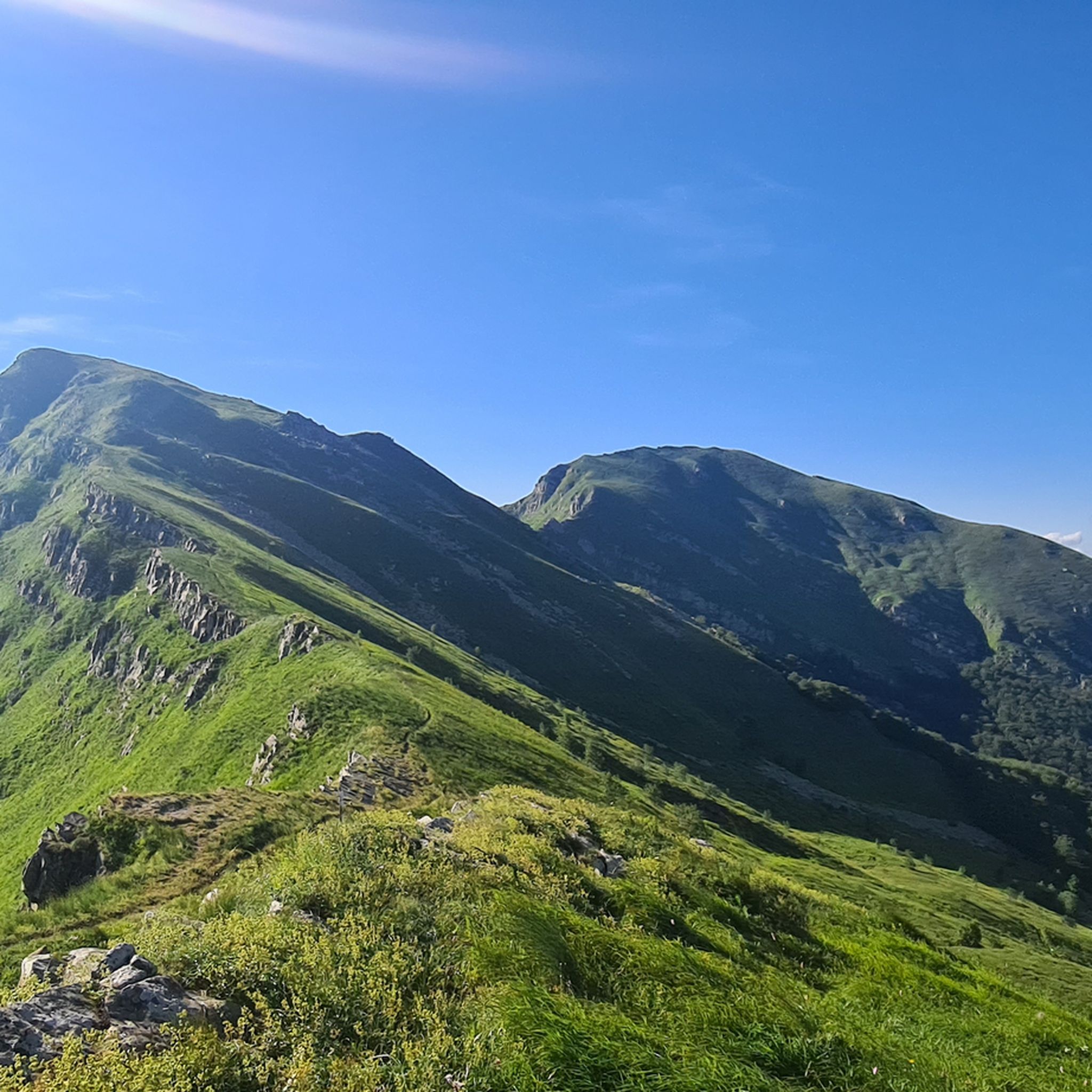
Beautiful grassy plateau, from which you can see neither the sea of Massa Carrara nor the quarry area and, thanks to this isolation, it has something magical! It is reached with an easy walk of about half an hour from the Carrara refuge, in another half hour you can climb Mount Borla or the opposite "Zucco del latte" which offers excellent views. A very suitable place for eating, the only drawback is the lack of water.
0
0
The Statue Stele are anthropomorphic vertical stone sculptures, of variable size but generally between 2 and 3 meters in height. These mysterious works of art are testimonies to the culture and spirituality of the ancient peoples who inhabited Lunigiana. Their exact function remains a subject of debate among scholars. Some hypothesize that the Statue Stele could represent ancient gods or local deities, while others suggest they could be funerary symbols or commemorative monuments. The carved figures often feature enigmatic and abstract symbols, such as concentric circles, cupules, and linear engravings, which may have religious, astronomical, or ritualistic significance. The understanding of these symbols is still the subject of research and study by archaeologists and experts.
0
0
A beautiful route with a visit to the village of Cerreto Alpi, ascending via trail 649 B and returning via trail 670, which requires extra attention to avoid losing the trail. Excellent views of the surrounding mountains. Worth a hike.
0
0
There is a strange magic in this beautiful meadow
0
0
Perhaps the best preserved in Lunigiana, high on the hill overlooking the Magra plain. Still belonging to the Malaspina descendants, it has dominated the town since the 12th century and is at the center of numerous legends. With a quadrangular plan, it has four round towers, a semicircular bastion, two internal courtyards, patrol walkways from which you can see the sea and an outpost in the direction of the village. It was originally protected by a drawbridge. The fortress appears as a medieval structure, in fact expanded in the 14th century by Spinetta and Galeotto Malaspina and renovated several times over the centuries. The main entrance welcomes us with a marble shield depicting a dog with a flowering thorn in its mouth, symbol of the friendship between the Malaspina and the Scaligeri of Verona. From the top of the castle you can see the elongated structure of the village, arranged along the hill. There are many legendary stories about the castle of Fosdinovo: from Bianca Malaspina to the Marquise Cristina Pallavicini The Marquise Cristina Pallavicini, who governed the fiefdom for a long time after the death of her husband Ippolito, seems to have been an evil and lustful woman and had the habit of throwing her lovers from the trapdoor at the foot of the bed in her trap room with the torture chamber below. Another legend linked to the castle of Fosdinovo and much older than that of the Marquise Bianca Maria Aloisia, daughter of the Marquis Malaspina, who fell in love with the stableman of the castle and, because of this feeling, was walled up alive together with a wild boar, a symbol of rebellion against the family, and a dog, a symbol of loyalty towards the beloved. Legend has it that, walking through the castle, you can still perceive the presence of the unfortunate princess! Another reason to visit the Malaspina castle is the fact that tradition has it that the “great poet” Dante Alighieri stayed in its rooms, called to Lunigiana in 1306 by the Marquis Franceschino Malaspina.
0
0
The Piagnaro Castle is a fortress built in a strategic point to protect the Apennine passes and around which the first medieval nucleus was formed, built around the year 1000. For centuries it has been an integral part of the city's defensive system. In its thousand-year history it has undergone numerous destructions and subsequent reconstructions that have brought it to its current appearance. The Castle maintained its military function until the end of the 18th century. Its name derives from the so-called piagne, the gray sandstone slabs used in Lunigiana to cover the roofs of buildings, including that of the castle.
0
0
The Ponte della Cresa is a stone bridge built in the 14th century and despite the frequent flooding of the Verde river, it has maintained its original structure to this day. The bridge connects the new neighborhoods with the historic center. The bridge is located along the Verde river near Porta San Francesco. Under the arch of this bridge, on January 31, the characteristic fire of San Geminiano takes place. The Ponte della Cresa is considered by many to be the true symbol of the city of Pontremoli. It is also interesting to note that the name Pontremoli derives from the Latin 'Pons Tremulus', which means 'unsafe bridge'. This was a term used to describe the original conurbation of the city.
0
0
Entrance to Pontremoli from Porta San Francesco
0
0
Massa-Carrara offers a vast network of trails, with over 760 hiking routes available. These range from easy strolls to challenging mountain ascents, ensuring options for every skill level.
The terrain in Massa-Carrara is incredibly diverse, dominated by the dramatic Apuan Alps. You'll encounter rugged peaks, unique karst landscapes, dense beech and chestnut forests, and high-altitude meadows. Many trails feature significant elevation changes and offer views of the Tuscan coast and the famous marble quarries.
Yes, Massa-Carrara has plenty of easy hiking trails. With over 230 routes classified as easy, you can find gentle paths suitable for beginners or families. For example, the Castles of Lunigiana Cycleway offers a relatively flat and accessible experience through historical areas.
Absolutely. The Apuan Alps provide numerous challenging routes for experienced hikers. There are over 180 difficult trails, often involving significant elevation gains and rugged terrain. A prime example is the Monte Sagro and Monte Spallone Loop, which explores prominent peaks and offers a demanding but rewarding experience.
Yes, many trails in Massa-Carrara are designed as circular routes, allowing you to start and end at the same point. The Monte Acuto Loop from Lagastrello Dam is a popular moderate circular path, and the Castello di Fosdinovo and surroundings — Ring tour also offers a scenic loop through historical landscapes.
Massa-Carrara is rich in natural wonders. You can encounter the dramatic white marble quarries, unique karst formations, and impressive peaks like Monte Forato, famous for its natural rock arch. The region also features numerous caves and caverns. For specific highlights, consider visiting the View of the Carrara Marble Quarries from Colonnata or the Equi Terme Village, which is a gateway to local caves.
Yes, the world-famous white marble quarries of Carrara are a distinctive feature of the Apuan Alps, and some hiking trails offer incredible views of these working quarries. They provide a striking contrast between natural rock formations and human intervention, creating a unique backdrop for your hike. You can find viewpoints like the View of the Carrara Marble Quarries from Colonnata along certain routes.
Yes, some trails in Massa-Carrara lead to beautiful water features. The route known as The village and the Piscio di Pracchiola specifically highlights a waterfall, offering a refreshing natural spectacle along your walk.
The best time to hike in Massa-Carrara is generally from spring to autumn (April to October). During these months, the weather is milder and more stable, making conditions ideal for exploring the diverse landscapes. Summer can be hot, especially at lower altitudes, while higher peaks offer cooler temperatures. Winter hiking is possible but requires appropriate gear and experience, especially in the higher Apuan Alps where snow can be present.
While many trailheads are accessible by car, some areas in Massa-Carrara, particularly those connecting historical villages or along ancient paths like the Via Francigena, may have public transport options. It's advisable to check local bus schedules for specific routes and starting points, especially when planning hikes that don't loop back to your starting location.
The hiking experience in Massa-Carrara is highly rated by the komoot community, with an average score of 4.5 stars from over 2,600 reviews. Hikers often praise the region's dramatic peaks, the unique geology of the Apuan Alps, and the incredible panoramic views that stretch from the mountains to the Tuscan coast and the Tyrrhenian Sea.
Yes, Massa-Carrara offers a journey through history. Ancient paths like the Via Vandelli and the Sentiero dei Ducati are now popular hiking routes. You can also discover picturesque medieval villages and strategically located mountain refuges along these trails. The Castello di Fosdinovo and surroundings — Ring tour is an excellent example of a route that combines natural beauty with historical exploration.
Massa-Carrara is renowned for its breathtaking panoramic views. From various summits and viewpoints, you can see the jagged outlines of the Apuan Alps, the entire Tuscan coast, and the Tyrrhenian Sea. Campocecina is particularly noted for its unique vista encompassing both the coast and the highest peaks. Peaks like Pania della Croce, Monte Tambura, and Monte Sagro also offer expansive views.


Check out more Hikes throughout Massa-Carrara below and find the perfect route in your destination.