The best traffic-free bike rides around Seillonnaz
4.5
(433)
3,209
riders
51
rides
No traffic touring cycling routes around Seillonnaz traverse a diverse landscape characterized by picturesque natural features. The region includes various waterways such as the Brive Waterfall and the Ruisseau du Gros Pertuis, alongside geological formations like grottos. Elevated points offer panoramic views of the surrounding valleys and the Rhône plain, while forests and small lakes like Lac d'Ambléon add to the scenic variety. This terrain provides a mix of valley floors and moderate ascents suitable for touring cyclists.
Best no…
Last updated: November 3, 2026
4.6
(87)
551
riders
88.1km
05:05
330m
340m
Hard bike ride. Very good fitness required. Mostly paved surfaces.
4.5
(51)
259
riders
Moderate bike ride. Good fitness required. Mostly paved surfaces.

38
riders
44.1km
02:52
490m
490m
Hard bike ride. Very good fitness required. Mostly paved surfaces.
4.0
(1)
16
riders
64.5km
04:23
970m
970m
Hard bike ride. Very good fitness required. Mostly paved surfaces.
5.0
(1)
24
riders
22.4km
01:19
70m
70m
Easy bike ride. Mostly paved surfaces.
Get access to more routes and recommendations from other explorers.
Already have an account?
Our route recommendations are based on thousands of hikes, rides, and runs completed by other people on komoot.

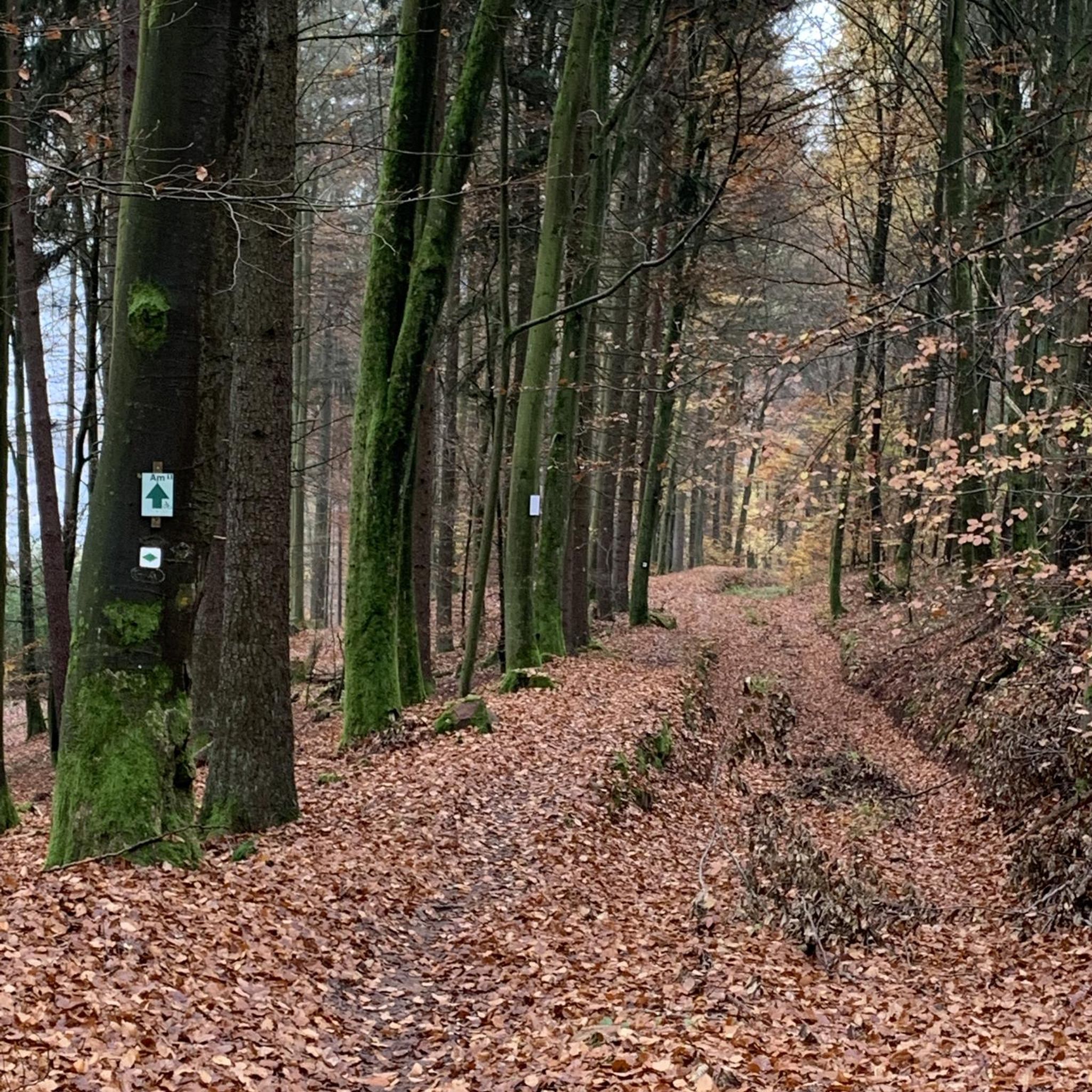
Tips from the Community

The area includes several bodies of water, including the étang de Pisse-Vieille and the étang des Dames.
0
0
The commune of Vertrieu, located in the department of Isère within the Balcons du Dauphiné, has the unique particularity of housing two major historical buildings: the Château Vieux (or Maison-Forte) and the Château Neuf (or Château Moderne).
0
0
The Sault-Brénaz dam (also called Villebois dam or Sault-Brénaz facility) is an important hydroelectric infrastructure located on the Rhône River. It is situated on the border between the departments of Ain and Isère, mainly near the communes of Sault-Brénaz and Villebois. Commissioned in 1986, this structure was the last major facility built by the Compagnie Nationale du Rhône (CNR) on the upper Rhône.
0
0
The Sault-Brénaz dam (also called Villebois dam or Sault-Brénaz facility) is an important hydroelectric infrastructure located on the Rhône River. It lies on the border between the departments of Ain and Isère, mainly near the communes of Sault-Brénaz and Villebois. Commissioned in 1986, this structure was the last major development built by the Compagnie Nationale du Rhône (CNR) on the upper Rhône.
0
0
The area is located on the border between the departments of Isère and Ain, right next to the Pont d’Évieu. A specific ViaRhôna link allows you to reach the center of the commune of Les Avenières directly from this point via small country roads.
0
0

In 1920, after the First World War, the Barron-Vialle company based in Lyon settled on a 100-hectare property on the edge of the Serre ponds [archive]. Founded by Antoine Vialle, it manufactured trucks, coaches, and luxury cars. The "conical gear axle" which replaced the chain drive on trucks was invented in the Vialle foundry in Arandon. Activity ceased in 1937[2],[3]. Between January 1939 and March 1940, the town's inhabitants lived through a little-known episode. After the fall of Barcelona to the Francoists on January 26, 1939, many Spanish refugees arrived in Grenoble, where they were very poorly housed. At the request of the authorities, in February 1939, Mr. Vialle, the mayor, agreed to rent out the premises of his inactive factory; from July 12 onwards, 1300 Spanish Republicans, mainly families[4] of refugees, were welcomed there and stayed until October. Two days after the declaration of war on September 3, 1939, the government of the Third Republic ordered the internment of men "nationals of enemy powers", considered suspicious. These were almost exclusively anti-Nazis, men, mostly Jewish refugees from Germany and Austria, who were interned from October 1939 under particularly harsh conditions. The camp is said to have closed its doors around February 1940, apparently by sending the last occupants, 90 Jews, to the Loriol camp on March 11. The activity of this center then ceased, a few months before the establishment of the Vichy regime on July 7, 1940[8]. Mr. Vialle was subsequently dismissed from his duties as mayor by the Vichy regime. The factory regained its purpose in 1946 with SOFAL (aluminum foundry) until its cessation of activity in 1967, with the factory being transferred to the company Pierre Calignon (cast iron foundry). The latter filed for bankruptcy in 1987 and was taken over by G-H Bouyer foundries, which permanently closed the site in 1993. The site was then used for storing tires and then chlorinated materials until its remediation[9]. srce wikipédia to learn more, https://ajpn.org/internement-Camp-d-Arandon-7.html
0
0

Leisure base opposite Bas Bugey. A pleasant stop, but strangely located between 2 nuclear power plants...
0
0
A nice little village, ideal for a break
0
0
Frequently Asked Questions
How many no traffic touring cycling routes are available around Seillonnaz?
There are over 50 dedicated no traffic touring cycling routes around Seillonnaz, offering a wide range of experiences for all skill levels. These routes are designed to help you explore the beautiful Bas Bugey region away from busy roads.
What kind of natural attractions can I expect to see on these routes?
The no traffic touring cycling routes around Seillonnaz are rich in natural beauty. You can discover stunning cascades like the Brive Waterfall, serene bodies of water such as Lac d'Ambléon, and panoramic views of the Rhône Valley. Many routes also wind through lush forests and along picturesque rivers.
Are there any circular no traffic touring cycling routes?
Yes, many of the no traffic touring cycling routes around Seillonnaz are circular, allowing you to start and end your journey at the same point. An excellent example is the challenging but rewarding View of the Saut du Rhône – View of Vertrieu castle loop from Creys-Mépieu, which offers expansive vistas and a full loop experience.
Are there family-friendly or beginner-suitable no traffic touring cycling routes?
Absolutely. While some routes are more challenging, there are 14 easy routes perfect for families or beginners looking for a relaxed ride without traffic. These routes often feature gentler terrain and shorter distances, allowing everyone to enjoy the scenic landscapes of Seillonnaz.
What is the best time of year to go touring cycling in Seillonnaz?
The Bas Bugey region is beautiful throughout the warmer months. Spring offers vibrant fields of daffodils and pleasant temperatures, while summer provides lush greenery and longer daylight hours. Autumn brings stunning foliage. It's generally best to avoid the colder winter months for touring cycling due to potential weather conditions.
Can I reach any of these no traffic routes using public transport?
While Seillonnaz itself is a smaller community, some routes may be accessible from larger towns in the region that have public transport links. We recommend checking local bus or train schedules to nearby starting points like Montalieu - Vallée Bleue or Creys-Mépieu, and then cycling to the route start.
Where can I park my car when starting a no traffic touring cycling route?
Many of the routes start from villages or specific points that offer public parking. For example, routes like the Groslée Bridge – Whitewater course loop from Montalieu - Vallée Bleue often have parking available in the starting towns. Always check the specific route details on komoot for recommended parking locations.
Are there any routes that specifically feature waterfalls or river views?
Yes, the region is known for its waterways. The Brive Waterfall is a notable highlight, and routes often follow rivers like the Ruisseau du Gros Pertuis. The View of the Saut du Rhône – View of Vertrieu castle loop from Creys-Mépieu offers commanding views over the Rhône, providing excellent opportunities to enjoy scenic water features.
What do other touring cyclists enjoy most about the no traffic routes in Seillonnaz?
The komoot community highly rates the touring cycling experiences around Seillonnaz, with an average score of 4.4 stars. Reviewers often praise the tranquility of the routes, the diverse landscapes ranging from river valleys to panoramic viewpoints, and the opportunity to discover hidden natural gems like waterfalls and serene lakes away from traffic.
Are there any challenging no traffic touring cycling routes for experienced riders?
Yes, for experienced touring cyclists seeking a challenge, there are 18 difficult routes available. These routes often feature significant elevation gains and longer distances, such as the demanding Saint-Pierre Church – Portes Pass Summit loop from Serrières-de-Briord, which includes a substantial climb to the Portes Pass Summit.
Can I find routes that pass by historical sites or interesting landmarks?
Certainly. The region around Seillonnaz is dotted with historical and cultural points. Routes may take you past ancient mills, charming villages, or even significant structures like the Groslée Bridge. The Tomb of Paul Claudel is another notable historical site in the vicinity.
Are there any routes that offer views of the Rhône Valley?
Many routes in the Bas Bugey region provide spectacular views of the Rhône Valley. The View of the Saut du Rhône – View of Vertrieu castle loop from Creys-Mépieu is specifically designed to showcase these commanding vistas, allowing you to cycle along elevated paths overlooking the river.
Most popular attractions around Seillonnaz

Get inspired with the komoot mobile app


Explore more
Browse the best Cycling routes in other regions.
