The best traffic-free bike rides around Cras
4.4
(115)
1,528
riders
78
rides
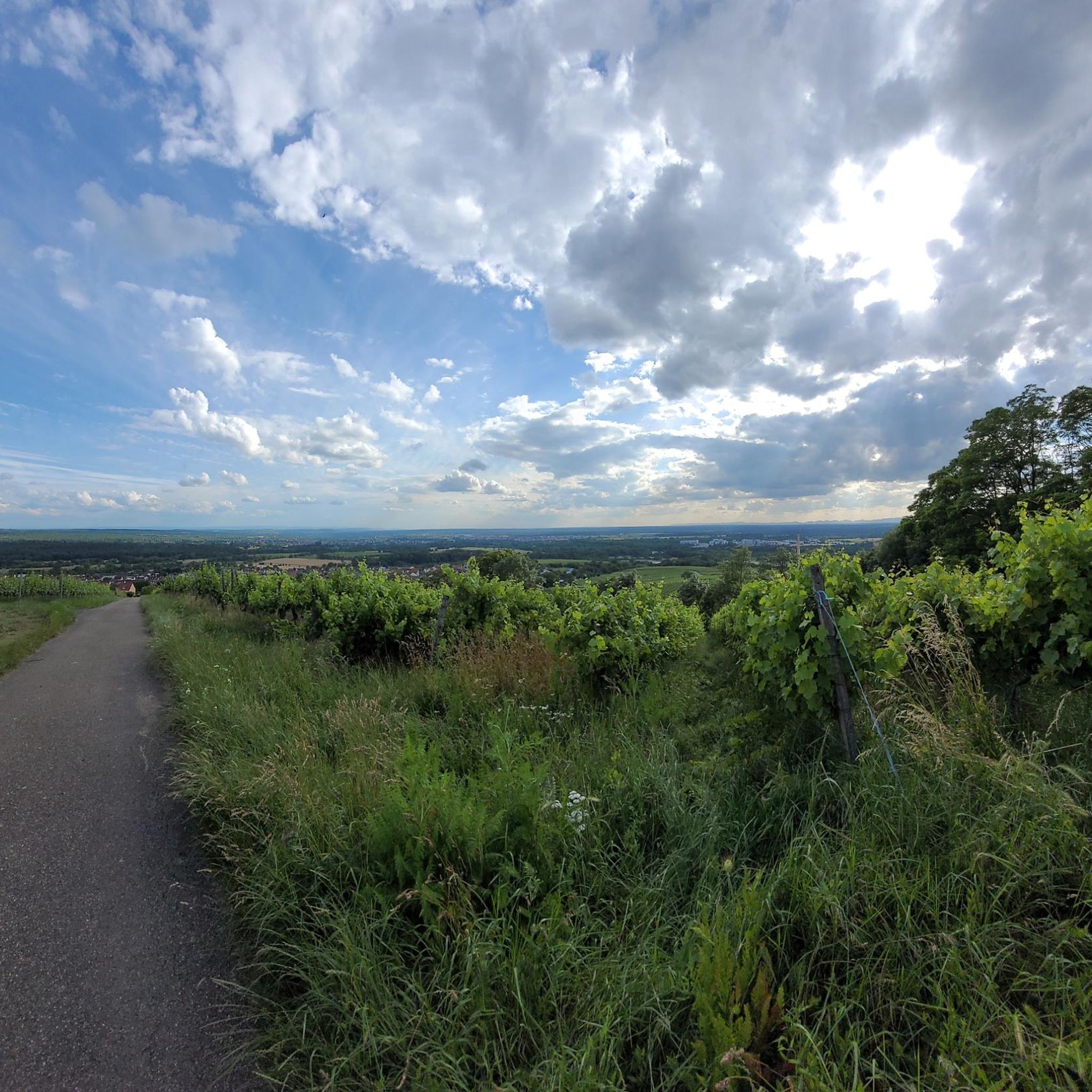
No traffic touring cycling routes around Cras are situated in a region characterized by varied terrain, including passes, hills, and agricultural areas like walnut groves. The landscape offers views of the Vercors massif, providing a backdrop of mountains and valleys. This area is suitable for touring cyclists seeking routes with elevation changes and scenic vistas.
Best no traffic touring cycling routes around Cras
- The most popular no traffic touring cycling route is Lachard Pass – Col de Châtain (684 m) loop from Poliénas, a 20.2 miles (32.6 km) trail that takes 2 hours 27 minutes to complete. This difficult route features significant elevation gain, passing through a notable mountain pass.
- Another top favourite among local touring cyclists is Tullins Town Hall – View of Rovon loop from Tullins-Fures, a difficult 30.3 miles (48.8 km) path. This route offers panoramic views and a challenging ascent.
- Local touring cyclists also love the Izeron bridge – Walnut Groves in the Vercors loop from Poliénas, a 25.6 miles (41.1 km) trail leading through agricultural landscapes and offering views of the Vercors, often completed in about 2 hours 35 minutes.
- Touring cycling around Cras is defined by mountain passes, views of the Vercors massif, and agricultural valleys. The network offers options for different ability levels, from moderate to difficult.
- The routes in Cras are highly rated by the komoot community with an average score of 4.5 stars from over 90 reviews. More than 1400 touring cyclists have used komoot to explore Cras's varied terrain.
Last updated: October 21, 2026
5.0
(1)
17
riders
33.6km
02:32
810m
810m
Hard bike ride. Very good fitness required. Mostly paved surfaces.
5.0
(4)
16
riders
48.4km
03:09
520m
520m
Hard bike ride. Very good fitness required. Mostly paved surfaces.

5.0
(1)
17
riders
42.7km
02:42
440m
440m
Moderate bike ride. Good fitness required. Mostly paved surfaces.
4.0
(3)
12
riders
57.9km
03:47
750m
750m
Hard bike ride. Very good fitness required. Mostly paved surfaces.
12
riders
72.1km
05:14
1,400m
1,400m
Hard bike ride. Very good fitness required. Mostly paved surfaces.
Get access to more routes and recommendations from other explorers.
Already have an account?
Our route recommendations are based on thousands of hikes, rides, and runs completed by other people on komoot.
Start today with a free account
Your next adventure awaits.
Popular around Cras

Tips from the Community

A laid out flat, with occasional views of the Isère and the ver c ors, but frankly a bit boring and frankly along the highway. The crossed rest area looked nice but was crowded with people. The charging and repair station was out of order.
0
0

La Véloroute de l'Isère, officially integrated into the national route La Belle Via (referenced under number V63), is a cycling route of over 200 kilometers that runs along the Isère river. It connects the foothills of Savoie to the Drôme (connection with ViaRhôna), by crossing the entire department of Isère and its capital, Grenoble.
0
0
La Véloroute de l'Isère, officially integrated into the national route La Belle Via (referenced under number V63), is a cycling route of over 200 kilometers that runs along the Isère river. It connects the foothills of Savoie to the Drôme (connection with ViaRhôna), crossing the entire department of Isère and its capital, Grenoble.
0
0
The La Véloroute de l'Isère, officially integrated into the national route La Belle Via (referenced under number V63), is a cycling route of over 200 kilometers that runs along the Isère river. It connects the foothills of Savoie to the Drôme (connection with ViaRhôna), by crossing the entire department of Isère and its capital, Grenoble.
0
0
The Véloroute de l'Isère, officially integrated into the national La Belle Via route (referenced under number V63), is a cycling route of over 200 kilometers that runs along the Isère river. It connects the foothills of Savoie to the Drôme (connection with ViaRhôna), crossing the entire Isère department and its capital, Grenoble.
0
0
La Belle Via (Green Way): The bridge is an unmissable landmark for cyclists. A flat and shaded cycle route, the Green Way from Saint-Gervais to Pont-d'Oxford, follows the Isère river up to its confluence with the Drac, offering a superb view of the cliffs.
0
0
It is a reinforced concrete "Bow-string" bridge. Designed by the Parisian engineering firm Pelnard-Considère, its construction took place between 1950 and 1952 to replace a previous structure, relying on nearly 150 foundation piles for each abutment.
0
0
Medieval origins (11th - 12th centuries): The religious site is of very ancient origin. From the end of the 11th century, several religious buildings are mentioned in the commune. The Saint-Pierre church itself is cited under the name "ecclesia de Anos" in the famous cartulary of Saint Hugues (Bishop of Grenoble). In the Middle Ages, the church was directly dependent on the priory of Saint-Laurent of Grenoble, as attested by an official terrier dating from 1497 under the name "ecclesia Sancti Petri de Fortaressia".
0
0
Frequently Asked Questions
How many no-traffic touring cycling routes are available around Cras?
There are over 80 dedicated no-traffic touring cycling routes around Cras. These routes vary in difficulty, offering options for cyclists of all experience levels, from easy family rides to more challenging excursions.
What kind of terrain can I expect on these no-traffic cycling routes near Cras?
The terrain around Cras is characterized by the dramatic karst topography of the Causses du Quercy. You'll encounter a mix of limestone plateaus offering sweeping panoramas, as well as routes that follow the Lot and Célé river valleys through breathtaking gorges. While some routes are relatively flat, especially those on old railway tracks or towpaths, others will include significant elevation gains as you ascend the plateaus, providing a rewarding challenge.
Are there family-friendly no-traffic cycling routes in the Cras area?
Yes, the region offers several easy routes suitable for families. Many of the 'voies vertes' (greenways) and sections of established routes like the Lot Valley Cycle Route are designed to be low-traffic or traffic-free, providing a safe and enjoyable experience for all ages. For example, routes like the Izeron bridge – Walnut Groves in the Vercors loop from Poliénas offer moderate distances with manageable elevation.
What is the best time of year to cycle the no-traffic routes around Cras?
The spring (April to June) and autumn (September to October) are generally the best times for touring cycling around Cras. During these seasons, the weather is typically mild and pleasant, and the landscapes are particularly beautiful, with wildflowers in spring and vibrant foliage in autumn. Summers can be hot, especially in July and August, so early morning or late afternoon rides are recommended if cycling during peak summer.
Can I find circular no-traffic cycling routes near Cras?
Yes, many of the no-traffic touring cycling routes around Cras are designed as loops, allowing you to start and end at the same point. This is convenient for those using personal vehicles. An example of a challenging circular route is the Lachard Pass – Col de Châtain (684 m) loop from Poliénas.
What scenic views and natural features can I expect along these routes?
The routes offer diverse and stunning scenery. You'll cycle past dramatic limestone cliffs, through lush river valleys, and across vast plateaus with panoramic views. Keep an eye out for the unique karst formations, including sinkholes and caves. The region is also known for its orchards and vineyards, particularly for Cahors wine, adding to the picturesque landscape.
Are there any historical sites or natural wonders to explore along the no-traffic routes?
Absolutely! The region is rich in history and natural beauty. You might pass by ancient fortified settlements like the Oppidum de Murcens, or charming medieval villages such as Saint-Cirq-Lapopie. For natural wonders, the Causses du Quercy is renowned for its extensive subterranean networks. While not directly on cycling routes, you can explore highlights like the Écouges Tunnel or the Mortier Tunnel, which are part of the cycling infrastructure, or visit the Isère cycle route itself.
Where can I park my car when accessing these no-traffic cycling routes?
Many of the starting points for these routes, especially in and around villages like Poliénas or Tullins-Fures, offer designated parking areas. For longer routes or those connecting to established cycle paths, you'll often find parking available near trailheads or in nearby towns. It's advisable to check specific route details for recommended parking locations.
What do other touring cyclists enjoy most about cycling in Cras?
The area is highly rated by the komoot community, with an average score of 4.47 out of 5 stars. Reviewers often praise the tranquility of the no-traffic routes, the stunning natural beauty of the karst landscapes and river valleys, and the opportunity to discover charming villages and historical sites away from busy roads. The diversity of routes, from easy greenways to challenging climbs, is also frequently highlighted.
Are there longer, multi-day no-traffic touring options available?
Yes, the region connects to well-developed long-distance cycling infrastructure. The Lot Valley Cycle Route (V86) spans 210 km, following the Lot River through picturesque villages and vineyards, often utilizing low-traffic roads and dedicated 'voies vertes'. Another route, 'La Vagabonde' (V87), offers 116 km. These longer routes provide excellent opportunities for multi-day touring with minimal traffic exposure.
Can I find cafes, restaurants, or accommodation along the no-traffic cycling routes?
Yes, the routes frequently pass through or near charming villages and towns where you can find local cafes, restaurants, and various accommodation options, from guesthouses to hotels. These stops provide excellent opportunities to refuel, rest, and experience local culture and cuisine. It's a good idea to plan your stops in advance, especially for longer rides.
What makes these routes specifically 'no traffic'?
These routes are designated 'no traffic' because they primarily utilize dedicated 'voies vertes' (greenways), old railway tracks converted into cycling paths, towpaths along rivers, or very quiet, low-volume rural roads. The selection focuses on providing a peaceful and safe cycling experience, minimizing interactions with motorized vehicles, allowing you to fully immerse yourself in the natural surroundings.
Most popular attractions around Cras

Get inspired with the komoot mobile app


Explore more
Browse the best Cycling routes in other regions.
