The best traffic-free bike rides around Landivisiau
4.5
(106)
900
riders
57
rides
No traffic touring cycling routes around Landivisiau offer access to diverse landscapes across Finistère, Brittany. The region is characterized by a mix of coastal and inland scenery, including the rolling hills of the Monts d'Arrée and extensive greenways along canals. Cyclists can explore dramatic cliffs, secluded coves, and dense forests, providing varied terrain for different preferences. This area is well-suited for touring cyclists seeking routes away from vehicular traffic.
Best no traffic touring cycling routes around Landivisiau
- The most popular…
Last updated: May 7, 2026
5.0
(6)
59
riders
44.7km
03:43
640m
640m
Hard bike ride. Very good fitness required. You may need to push your bike for some segments of this route.
4.3
(4)
6
riders
25.7km
01:32
170m
170m
Moderate bike ride. Good fitness required. Mostly paved surfaces. Suitable for all skill levels.

Sign up for free
10
riders
32.4km
02:53
390m
390m
Moderate bike ride. Good fitness required. Mostly paved surfaces. Suitable for all skill levels.
10
riders
46.5km
03:48
630m
630m
Hard bike ride. Very good fitness required. Mostly paved surfaces. Suitable for all skill levels.
10
riders
Hard bike ride. Very good fitness required. You may need to push your bike for some segments of this route.
Get access to more routes and recommendations from other explorers.
Sign up for free
Already have an account?
Our route recommendations are based on thousands of hikes, rides, and runs completed by other people on komoot.
Start today with a free account
Your next adventure awaits.
Login or Signup
Popular around Landivisiau
Tips from the Community

This church is dedicated to a saint with many names: Mélar, Méliau, Melair, Mélaire, Melard, Meleuc, Méloar, Méloir, Meloire, and Miliau are French variants of "MELIAVUS of LANMEUR" (the official church name). The recorded dates of life of the Breton king and martyr are * 470, + 583. The feast day of Saint-MILIAU in the calendar of saints is October 26th.
3
0


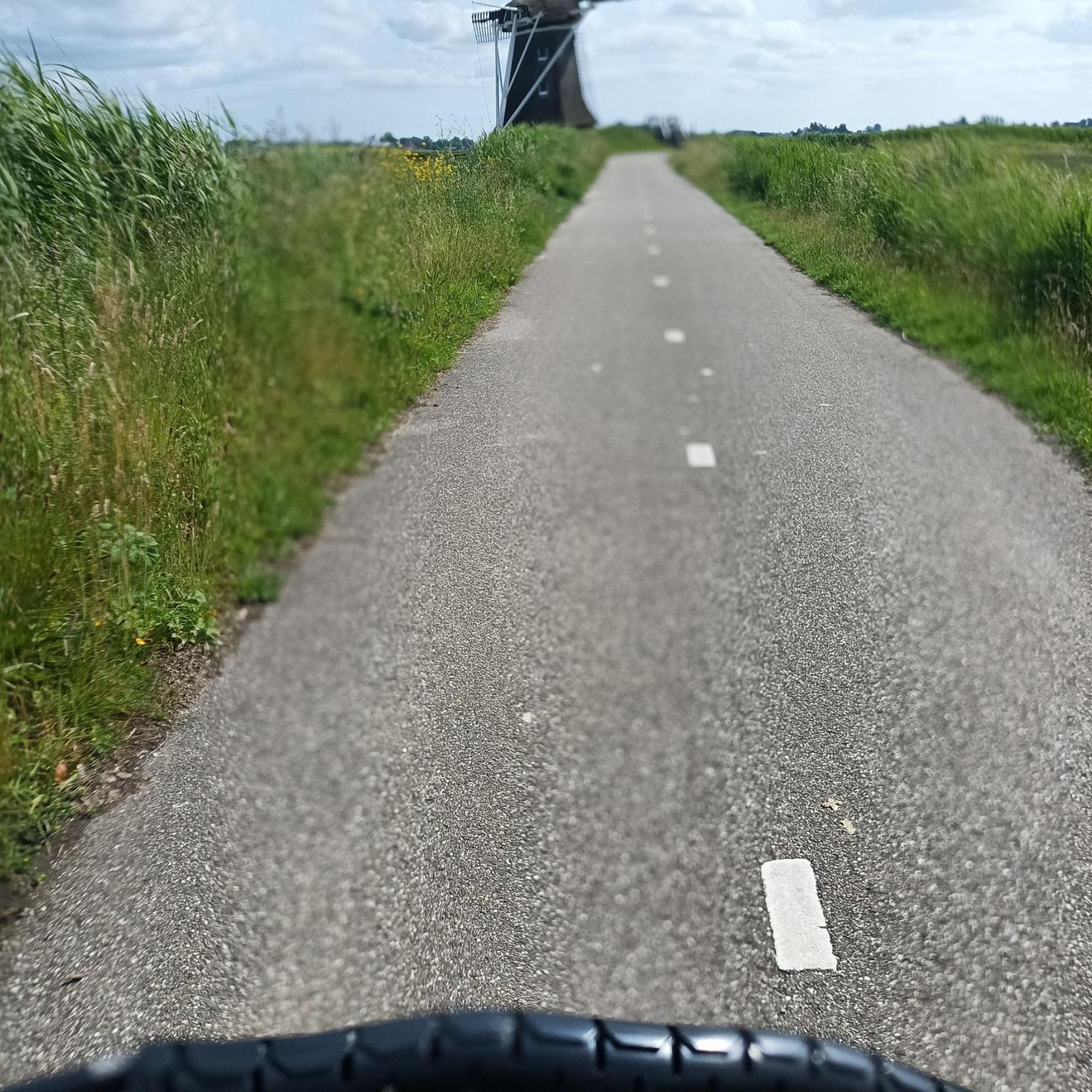
Running through the winding valley of the River L'Élorn, this road offers a picturesque landscape. In 2018, the Tour de France crossed these roads.
1
0

Sheltered shelter in hot or inclement weather.
0
0

Magnificent road through the valley along the river 🌊 L'Élorn. Asphalt is great. The Tour de France also rode this road in 2018.
0
0

The cave and the rock of Roc'h Toul are a prehistoric cave and a rock shelter dating from the Upper Palaeolithic. Very few caves of this type have been found in the Brittany region. It is all the more rare that it is good to point it out. The cave was excavated quite early in 1868 and 1869, at the very beginning of the birth of prehistoric science. Doctor Le Hir de Morlaix extracted from this cavity about three to four hundred flint blades from the Magdalenian period, i.e. - 15,000 years - 18,000 years BC.
0
1
Guimilau too, like its neighbor Lampaul-Guimilau owes part of its architectural richness to the practice of tanning, but also to horse breeding and beekeeping. Today it is still the agricultural world that sustains the small town, but also tourism, as its town center is so picturesque and representative of a certain Brittany. It's a bit postcard-perfect, but architecture enthusiasts will appreciate it.
1
0
The parish close is the religious space which is dedicated to the passer-by, to all comers. It allows the illiterate to understand the strong and important moments of the Catholic religion. It is still located in the village, in the center of the parish. We say enclosed, because always closed and surrounded by a wall. In central Brittany, we always find this triptych associated: church, ossuary and parish enclosure. The ossuary is also a Breton particularity: it is an openwork granite monument where the skulls, shins and various bones of the dead are carefully stored. A stylish way to make room in the cemetery. Some ossuaries are filled, others have been emptied of their contents. The parish enclosure of Lampaul-Guimillau is absolutely remarkable. You can see the many character details of the statues. It is an art that is both naive and severe. It's a bit like a comic book but sculpted. A real architectural and religious treasure of the rich Breton culture. This enclosure is nicknamed "the tanners' enclosure". In 1780, there were more than 146 tanneries in the commune. The profits from this activity enabled the construction of this enclosure and the exceptional brilliance of its sculptures.
1
0
Frequently Asked Questions
How many no-traffic touring cycling routes are available around Landivisiau?
There are over 60 dedicated no-traffic touring cycling routes around Landivisiau, offering a wide range of options for various skill levels. You'll find routes suitable for easy, moderate, and more challenging rides.
What kind of terrain can I expect on these no-traffic cycling routes?
The no-traffic routes around Landivisiau offer a diverse mix of terrain. You can expect greenways built on former railway lines or canal towpaths, providing safe and often flat sections. Other routes may include rolling hills, especially as you approach areas like the Monts d'Arrée, and coastal paths with dramatic views. The region is known for its varied landscapes, from inland forests to picturesque coastal areas.
Are there any easy, family-friendly no-traffic cycling routes near Landivisiau?
Yes, Landivisiau and the surrounding Finistère region offer several easy, family-friendly options, particularly along greenways or canal towpaths. These routes are generally flat and well-maintained, providing a safe environment away from vehicle traffic. For example, the Nantes-Brest Canal section of La Vélodyssée offers many such opportunities, though not directly in Landivisiau, it's accessible nearby.
What are some notable landmarks or attractions I can see along these routes?
Many routes offer access to historical and natural attractions. You might cycle past unique Breton Parish Closes, such as those in Guimiliau, or historical sites like the Château de La Roche-Maurice. The Élorn Valley also features scenic views and charming villages. The broader region provides access to the wild beauty of the Armorique Regional Natural Park and the stunning coastal Pays des Abers.
Can I find circular no-traffic cycling routes around Landivisiau?
Yes, many of the touring cycling routes around Landivisiau are designed as loops, allowing you to start and end your journey in the same location without retracing your steps. An example is the "Beautiful break area 👍 loop from Bodilis" which offers a moderate circular ride.
What is the best time of year to enjoy no-traffic touring cycling in Landivisiau?
The best time to enjoy no-traffic touring cycling in Landivisiau is typically from spring through early autumn (April to October). During these months, the weather is generally milder and more stable, with longer daylight hours. Spring brings blooming landscapes, while summer offers warm temperatures ideal for coastal rides. Autumn provides pleasant temperatures and beautiful fall foliage, especially in inland areas.
Are there options for longer no-traffic touring routes, or are they mostly short loops?
While there are many shorter loops, Landivisiau's proximity to major cycling networks like La Vélodyssée and La Vélomaritime means you can connect to extensive no-traffic sections for longer touring experiences. Within the immediate area, routes like the "Élorn Valley Road loop from Bodilis" offer nearly 45 km of riding, and the "Roc'h-Toul Cave and Rock – Guimilau loop from Landivisiau" is close to 50 km.
What do other touring cyclists enjoy most about the no-traffic routes in Landivisiau?
The komoot community highly rates the touring cycling experience around Landivisiau, with an average score of 4.2 out of 5 stars. Reviewers often praise the tranquility of the routes, the diverse scenery ranging from lush valleys to historic villages, and the opportunity to explore Brittany's unique cultural heritage away from busy roads.
Are there any specific routes that offer scenic viewpoints or hidden gems?
Many routes in the region offer scenic viewpoints, particularly those that traverse the Élorn Valley or approach the Monts d'Arrée. For a unique experience, consider routes that pass through the Pays des Abers, known for its distinctive rias and coastal beauty. Exploring the smaller, less-traveled paths can also lead to charming, hidden hamlets and picturesque landscapes.
Is it possible to combine cycling with public transport in Landivisiau?
Connecting cycling with public transport in Finistère is generally possible, especially with regional trains (TER) that often allow bikes, though it's always advisable to check specific routes and times for bike carriage policies. This can be useful for reaching starting points of longer routes or returning from a distant destination. For more detailed information on cycling and public transport in Brittany, you may find resources on regional tourism sites helpful, such as Brittany Tourism.
Where can I find places to eat or stay along the no-traffic cycling routes?
While the no-traffic routes themselves are often away from major towns, Landivisiau and the surrounding villages offer various cafes, restaurants, and accommodation options. Many establishments in the Finistère region are part of the "Accueil Vélo" network, which signifies they are bike-friendly and offer services tailored to cyclists, including secure bike storage and repair kits. It's recommended to plan your stops in advance, especially in more rural areas.
Most popular routes around Landivisiau
Most popular attractions around Landivisiau

Get inspired with the komoot mobile app


Explore more
Browse the best Cycling routes in other regions.
