The best traffic-free bike rides around Plouzévédé
4.5
(501)
3,060
riders
104
rides
No traffic touring cycling routes around Plouzévédé are situated in the Finistère department of Brittany, France, offering diverse landscapes for exploration. The region is characterized by its position between "Terre et Mer," the Monts d'Arrée, and the Côte des Sables, providing varied scenic backdrops. Plouzévédé itself lies on a gently undulating granite plateau, featuring agricultural lands and river valleys like that of the Guillec.
Best no traffic touring cycling routes around Plouzévédé
- The most popular no traffic touring cycling route…
Last updated: May 8, 2026
4.8
(20)
126
riders
39.6km
02:23
250m
250m
Moderate bike ride. Good fitness required. Mostly paved surfaces. Suitable for all skill levels.
5.0
(6)
59
riders
44.7km
03:43
640m
640m
Hard bike ride. Very good fitness required. You may need to push your bike for some segments of this route.

Sign up for free
4.5
(11)
47
riders
41.4km
02:31
260m
260m
Moderate bike ride. Good fitness required. Mostly paved surfaces. Suitable for all skill levels.
5.0
(2)
27
riders
15.1km
00:54
70m
70m
Easy bike ride. Great for any fitness level. Mostly paved surfaces. Suitable for all skill levels.
17
riders
41.5km
03:29
400m
400m
Moderate bike ride. Good fitness required. Mostly paved surfaces. Suitable for all skill levels.
Get access to more routes and recommendations from other explorers.
Sign up for free
Already have an account?
Our route recommendations are based on thousands of hikes, rides, and runs completed by other people on komoot.
Start today with a free account
Your next adventure awaits.
Login or Signup
Popular around Plouzévédé
Tips from the Community

For a break and a cool drink – beautifully situated, overlooking the sea. Very clean restrooms!
0
0

Built between 1730 and 1740 on the plans of Simon Garengeau, engineer of the king, at The location fixed by Vauban around |690. Hidden behind the rocks in order to be hidden from the view of the sea and of possible enemies, the guardhouse of Lavillo had a mission of monitoring passing boats. In the event of suspicious movement, the militiamen on guard alerted the authorities by coded signals: flags in clear weather, blank cannon shots in foggy weather, fires at night.
0
0

beautiful, especially in the sun
0
0

This magnificent Lambader chapel was classified as a historic monument in 1840. It is visible from afar with its 57-meter bell tower inspired by that of Notre-Dame du Kreisker in Saint-Pol-de-Léon.
1
0


Running through the winding valley of the River L'Élorn, this road offers a picturesque landscape. In 2018, the Tour de France crossed these roads.
1
0

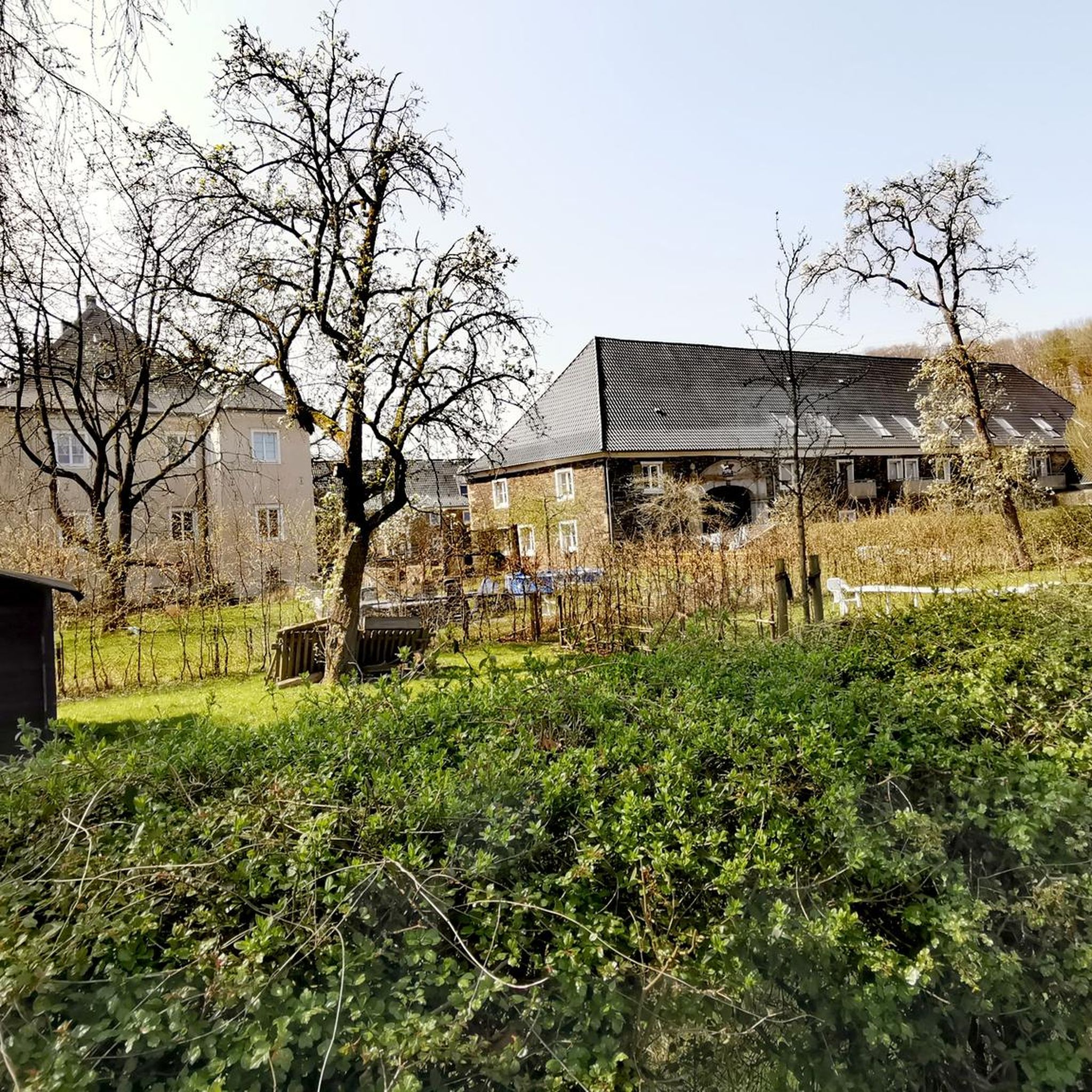
The current parish church is a large neo-Gothic style building. Built in 1864, it was dedicated the following year. The new church replaced a century-old building, dating back to 1763.
1
0
In Cléder, two guardhouses, also called Customs Houses, are visible: The Lavillo guardhouse and The Amiets guardhouse. They are located on either side of Amiets beach. The Lavillo guardhouse was built between 1730 and 1740, on the location fixed by Vauban around 1690. Concealed behind the rocks in order to be hidden from view of the sea and possible enemies, the Lavillo guardhouse had a surveillance mission of passing boats. These lookout posts, now called customs officers' houses, were part of a coastal defense system imagined by Vauban in the 17th century.
2
0
Frequently Asked Questions
How many no-traffic touring cycling routes are available around Plouzévédé?
There are over 100 dedicated no-traffic touring cycling routes around Plouzévédé. These routes cater to various skill levels, ensuring a pleasant and safe cycling experience away from vehicle traffic.
Are there easy no-traffic touring routes suitable for beginners or families?
Yes, Plouzévédé offers a good selection of easy no-traffic touring routes. Approximately half of the available routes are rated as easy, making them ideal for beginners or families cycling with children. An example is the Corps de Garde de Lavillo – Kerfissien Beach loop from Cléder, which is a shorter, less challenging option.
What kind of landscapes can I expect on these no-traffic cycling routes?
The no-traffic routes around Plouzévédé offer a diverse range of landscapes. You can cycle through the gently undulating granite plateau with its rural charm and agricultural lands, explore the deeper valleys of rivers like the Guillec, or venture towards the nearby Côte des Sables for magnificent coastal views. The region's position between "Terre et Mer" (land and sea) provides varied scenic backdrops.
Are there any longer, traffic-free cycling routes or major networks accessible from Plouzévédé?
Yes, Plouzévédé is well-positioned to access sections of major cycling networks. The broader Finistère region features parts of La Vélodyssée (EuroVelo 1), which offers extensive car-free paths, including a 48 km Green Way from Morlaix to Carhaix along a former railway line. Roscoff, a short distance away, is also a starting point for both the Vélodyssée and the Vélomaritime (EuroVélo 4), providing options for longer, traffic-free touring.
What are some interesting landmarks or attractions I can see along these routes?
Many routes pass by or near significant local attractions. You might encounter historical sites like the Corps de Garde de Lavillo or the Covered Market of Plouescat. The region is also known for its distinctive "Enclos Paroissiaux" (Parish Closes) in nearby towns, offering unique cultural stops. The Porsmeur Seahorse is another notable point of interest.
Are there any circular no-traffic touring routes available?
Yes, many of the no-traffic touring routes around Plouzévédé are designed as loops, allowing you to start and end your ride in the same location without retracing your path. An example is the Menhir of Cam-Luis – Porsguen Beach loop from Cléder, which offers a varied circular experience.
What is the best time of year to go touring cycling in Plouzévédé?
The best time for touring cycling in Plouzévédé is generally from spring through early autumn (April to October). During these months, the weather is typically milder and more pleasant, with longer daylight hours, making for comfortable rides. The lush greenery of spring and the vibrant colors of autumn add to the scenic beauty.
Where can I find parking for these no-traffic cycling routes?
Given the rural nature of Plouzévédé and its surrounding communes, parking is generally available in village centers or near popular starting points for routes. Many routes begin in towns like Cléder or Plouescat, which offer public parking facilities. It's advisable to check specific route details for recommended parking areas.
What do other touring cyclists enjoy most about the no-traffic routes in Plouzévédé?
The no-traffic touring routes in Plouzévédé are highly rated by the komoot community, with an average score of 4.4 stars. Cyclists often praise the tranquility and safety of the car-free paths, the diverse coastal and rural scenery, and the opportunity to discover charming Breton villages and historical sites away from busy roads.
Are there any challenging no-traffic routes for experienced touring cyclists?
While many routes are easy to moderate, there are options for more experienced touring cyclists seeking a challenge. Some routes incorporate more significant elevation changes, particularly as you approach areas like the Monts d'Arrée or deeper river valleys. The Élorn Valley Road loop from Bodilis, for instance, is rated as difficult due to its elevation profile.
Can I find amenities like cafes or pubs along the no-traffic cycling routes?
Many routes pass through or near small towns and villages where you can find local cafes, bakeries, or pubs to refuel and rest. The region also benefits from "Accueil Vélo" accredited services, which include establishments welcoming cyclists with amenities. It's a good idea to check the route map for specific points of interest and services along your chosen path.
Most popular attractions around Plouzévédé

Get inspired with the komoot mobile app


Explore more
Browse the best Cycling routes in other regions.
