The best traffic-free bike rides around La Cabrera
5.0
(3)
465
riders
14
rides
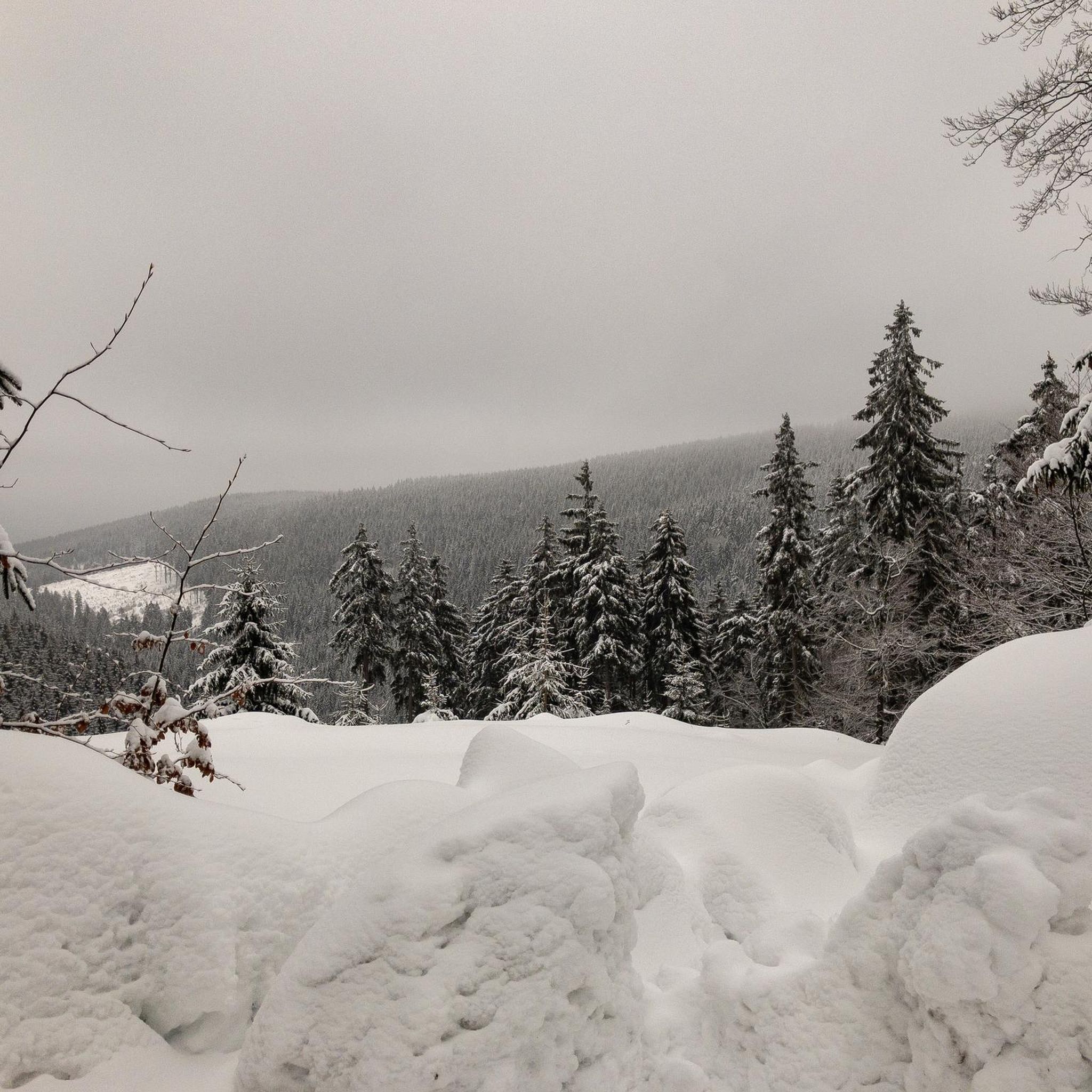
No traffic road cycling routes around La Cabrera are set within the Sierra Norte de Madrid, characterized by a prominent granite massif and mountainous topography. The region features notable peaks such as Cancho Gordo and Pico del Miel, offering challenging climbs and panoramic views. Diverse flora, including Pyrenean oak and holm oak, lines the routes, which often traverse natural landscapes and traditional villages. This area provides a variety of routes suitable for different skill levels, with many on well-maintained roads.
…Last updated: May 10, 2026
5.0
(1)
32
riders
40.5km
02:16
870m
870m
Moderate road ride. Good fitness required. Mostly well-paved surfaces and easy to ride.
15
riders
45.9km
02:10
550m
550m
Moderate road ride. Good fitness required. Mostly well-paved surfaces and easy to ride.

Sign up for free
7
riders
82.6km
03:20
430m
430m
Moderate road ride. Good fitness required. Mostly well-paved surfaces and easy to ride.
5
riders
52.7km
02:15
440m
440m
Moderate road ride. Good fitness required. Some segments of this route may be unpaved and difficult to ride.
5
riders
53.1km
02:17
470m
470m
Moderate road ride. Good fitness required. Mostly well-paved surfaces and easy to ride.
Get access to more routes and recommendations from other explorers.
Sign up for free
Already have an account?
Our route recommendations are based on thousands of hikes, rides, and runs completed by other people on komoot.
Start today with a free account
Your next adventure awaits.
Login or Signup
Popular around La Cabrera



Other adventures around La Cabrera

Tips from the Community

The primitive spring was adorned in 1710 with a quadrangular ashlar masonry work, open on three sides by semicircular arches, in the Baroque style, whose benefactress was possibly Mrs. Josefa Dávila Rodríguez, as attested by a supplication chiseled on its north face:
0
0
The primitive spring was adorned in 1710 with a ashlar work of quadrangular plan, open on three of its sides by semi-circular arches, in Baroque style, whose benefactor was possibly Mrs. Josefa Dávila Rodríguez, as evidenced by a supplication carved on its north face.
0
0
This is the entrance to a beautiful village, from here we can start a circular route through the area of Maragateria Leonesa.
0
0

At the end of the 11th century, Osmundo, Bishop of Astorga, ordered the construction of a bridge (partly made of iron = pons ferrata) over the Sil for the pilgrims on the Way of St. James, near which a settlement was built. At the "pons ferrata", the iron bridge, the Knights Templar built a huge castle on a surface area of 160 x 90 m to protect the pilgrims on the Way of St. James. The medieval castle complex was inhabited by the Knights Templar from 1178 to 1312. Source: Wikipedia
5
0

The Templars' heyday from the 12th to 14th centuries led to the construction of this mighty fortress, among other things to protect the pilgrims on the Way of St. James. The rampart on the city hill stands out impressively against the mountain backdrop and absolutely conforms to the stereotypical image of a knight's castle. It is sensationally well maintained and a feast for the eyes.
6
0

The order, often referred to simply as the "Order of the Knights Templar," whose full name is "Poor Knights of Christ and of Solomon's Temple in Jerusalem," takes us mentally back to the 13th century. Founded in the Holy Land, it spread surprisingly quickly to many countries in Central Europe, and this castle complex in Ponferrada, northern Spain, was one of its numerous branches. The order gained notoriety through its dissolution in 1312 by the French king and the pope, and many of its members were burned at the stake as alleged heretics. The main reason for the dissolution, however, was not the members' human and religious misconduct (heresy), which was merely a pretext, but the legendary wealth of this order. King Philip IV of France primarily wanted to secure the treasures to bolster his coffers.
6
0

The Boeza Bridge began construction in the 16th century and took more than 20 years to complete. During the works, a large flood destroyed its main arch, which caused the bankruptcy of the builder, Juan de Suertes. Despite the challenges, this stone bridge remains in excellent condition. If you ever have the opportunity to visit, you will immerse yourself in the rich history of Ponferrada and enjoy its historical beauty. 🌉🚶♂️
19
0

The Templar Castle of Ponferrada is a superb building. It houses the Templar Library and the Ponferrada Center for Research and Historical Studies, with over 1,400 books, including facsimiles of works by Leonardo da Vinci. It was originally a Roman camp and later a citadel. In the early 12th century, the Templars took possession of the fortress, strengthening and expanding it to serve as a residential palace and as a protection for pilgrims on their way to Santiago de Compostela. The building has an irregular square plan, and its most notable entrance is reached by crossing the moat over a drawbridge and, further on, two large crenellated towers joined by an arch. Its twelve original towers depicted the constellations.
5
0
Frequently Asked Questions
How many no-traffic road cycling routes are available in La Cabrera?
There are 14 dedicated no-traffic road cycling routes around La Cabrera, offering a variety of experiences for cyclists. Most of these routes are classified as moderate, with a couple of easier options available.
What kind of terrain and elevation can I expect on no-traffic road cycling routes in La Cabrera?
La Cabrera's routes are characterized by its mountainous topography, featuring a prominent granite massif. You can expect challenging climbs and rewarding descents. For example, routes like the Boeza Bridge – Ponferrada Castle loop include over 870 meters of elevation gain, while others like the Destriana Village Well – Plaza Mayor of La Bañeza loop offer a more rolling profile with around 430 meters of ascent over a longer distance. The region is known for its demanding ascents, with some segments having average gradients of over 7%.
Are there any circular no-traffic road cycling routes in La Cabrera?
Yes, many of the no-traffic road cycling routes in La Cabrera are designed as loops, allowing you to start and finish at the same point. Examples include the Santa Colomba de Somoza loop and the Entrance to Castrillo – Destriana Village Well loop, providing convenient options for exploring the region without retracing your steps.
What natural features and viewpoints can I see along the no-traffic road cycling routes?
The routes offer stunning scenery amidst dramatic rock formations and diverse flora like Pyrenean oak and holm oak. You can enjoy panoramic views of the surrounding region, including the El Atazar reservoir. Specific viewpoints like the View of Valle del Arroyo de la Yegua offer breathtaking vistas. The area is also part of a Site of Community Importance, highlighting its ecological significance.
Are there any historical landmarks or villages to explore on these routes?
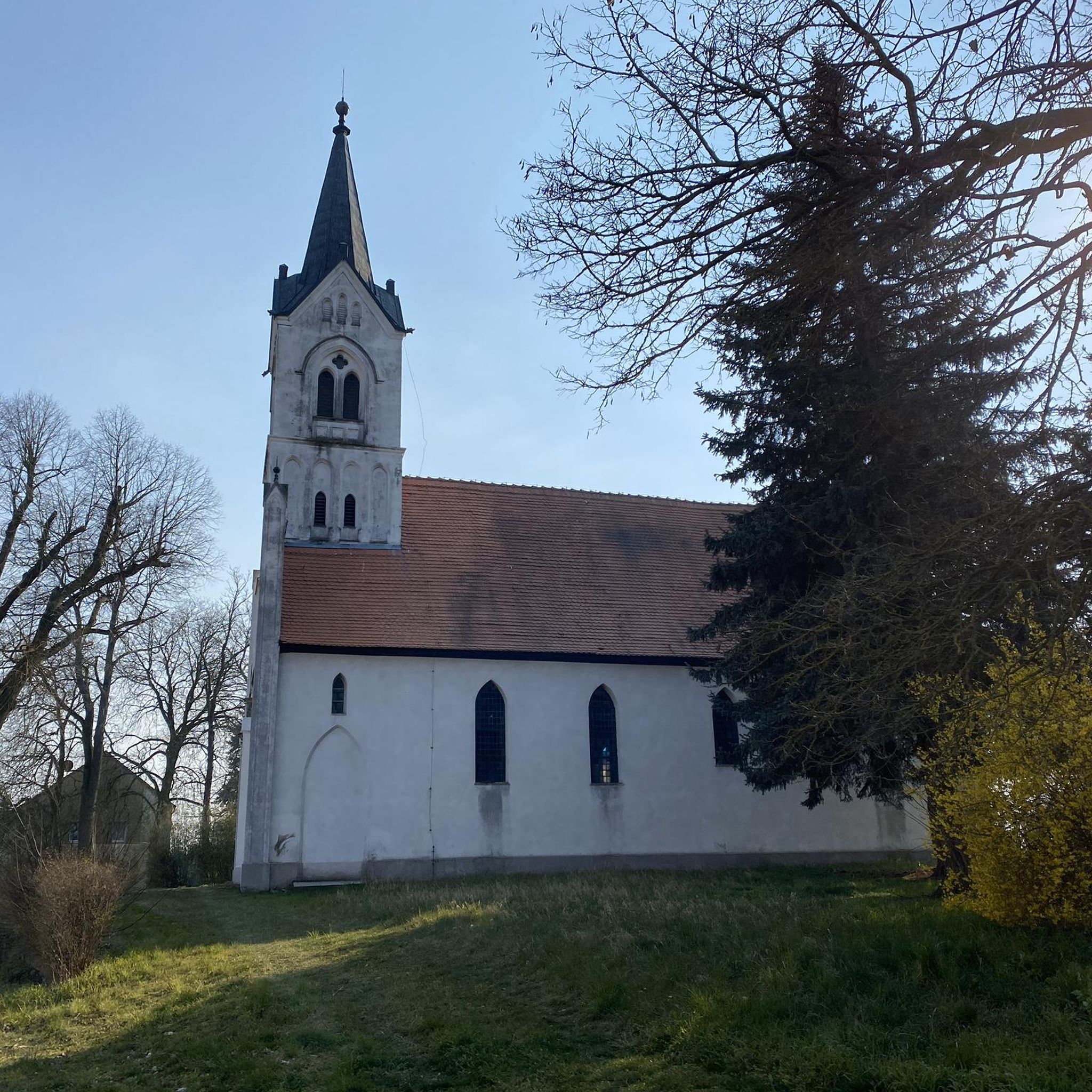
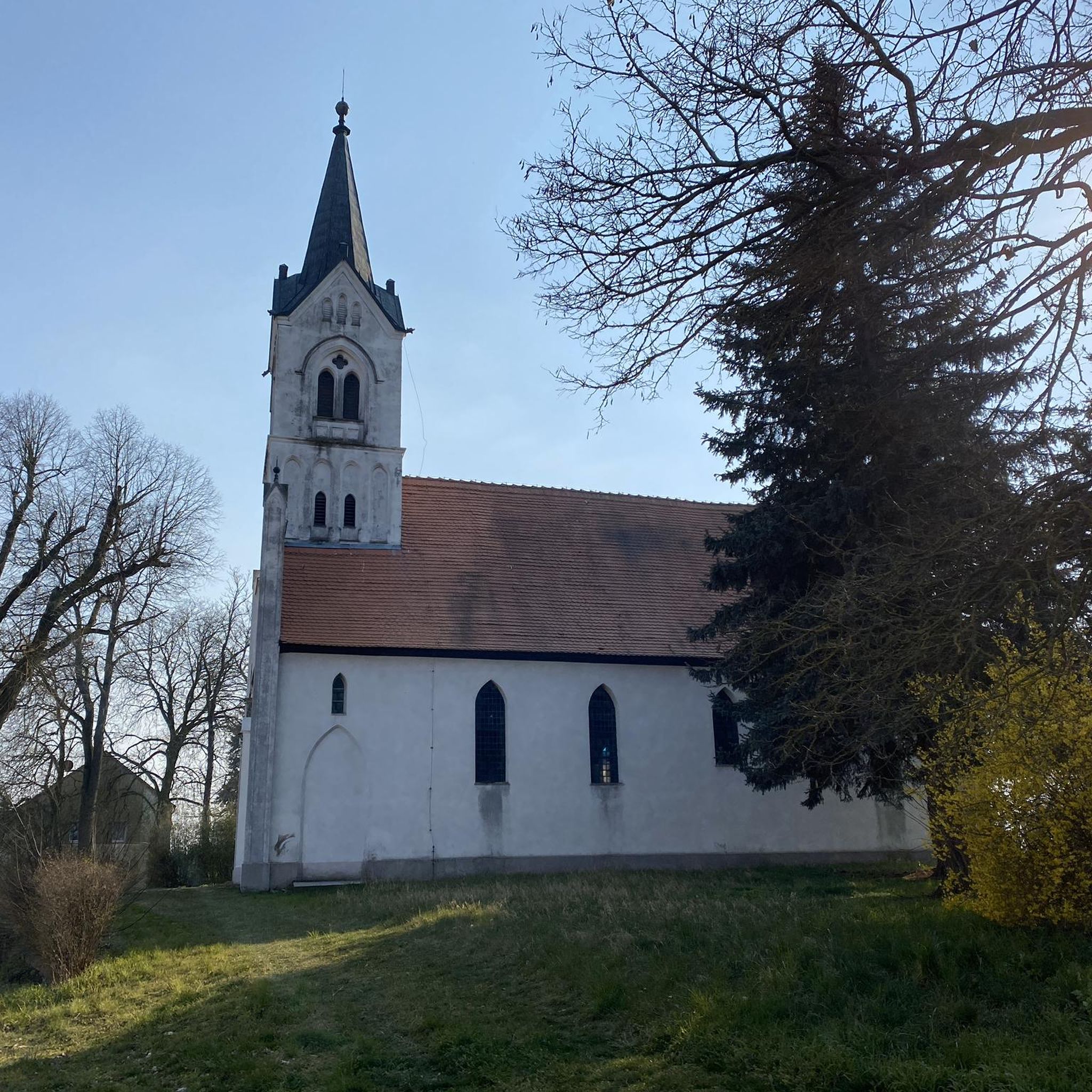
Yes, several routes pass through or near traditional villages and historical sites. You might encounter places like Truchas Village, or historical structures such as the Church of Castrocontrigo and the Castrocontrigo Castle. These offer interesting stops and insights into the region's heritage.
What is the best time of year to go no-traffic road cycling in La Cabrera?
La Cabrera offers enjoyable cycling for much of the year. Spring and autumn generally provide the most pleasant temperatures for tackling the climbs and enjoying the scenery. While the region's proximity to Madrid makes it accessible, consider that mountainous areas can have cooler temperatures and varying weather, especially at higher elevations.
Are there any mountain passes accessible from La Cabrera for road cyclists?
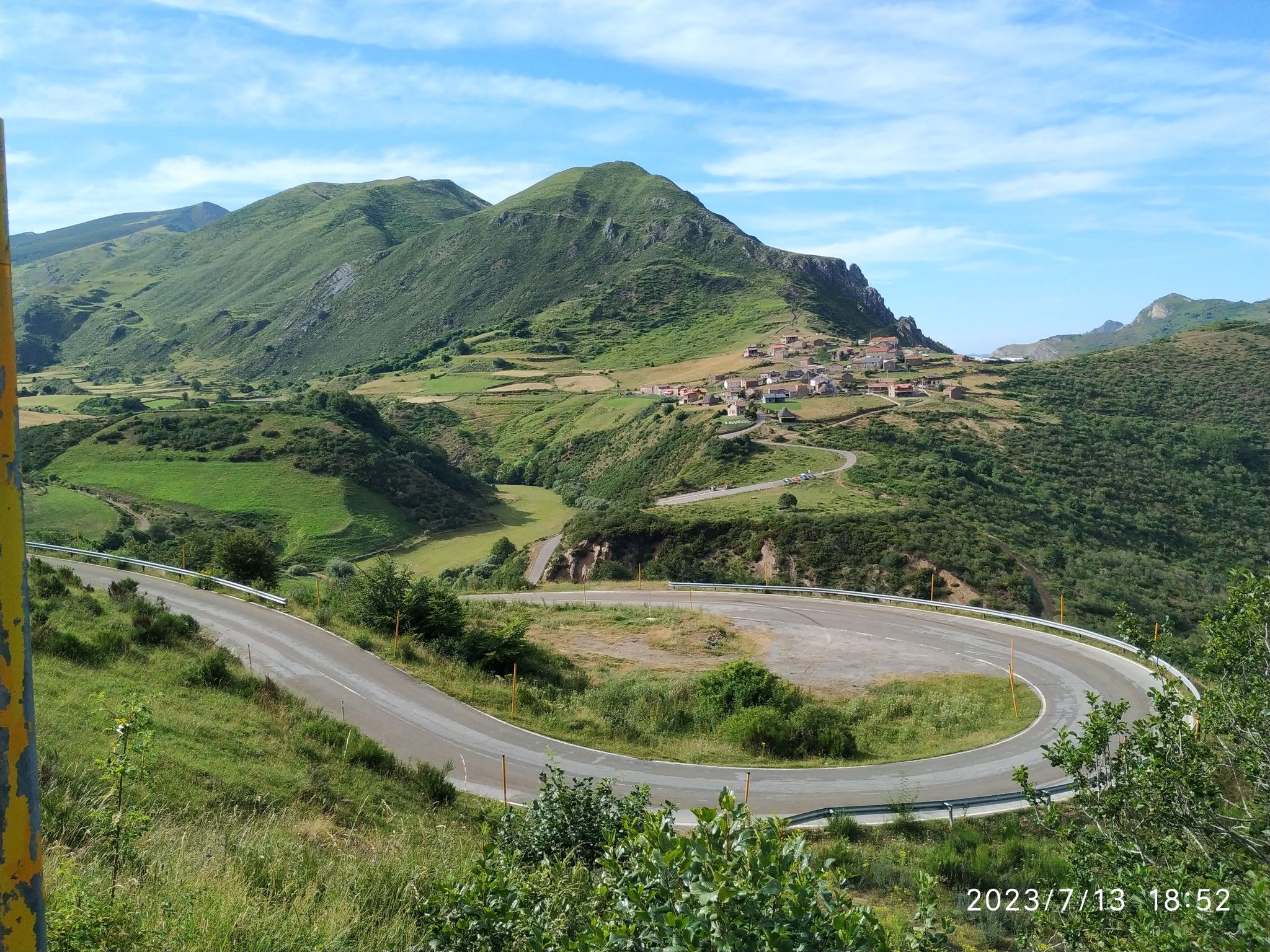
Yes, La Cabrera is an excellent base for tackling demanding ascents and mountain passes. You can find highlights like Puerto de Fonte da Cova from La Baña and Puerto de Peña Aguda in the vicinity. These passes are known for their challenging gradients and are regularly frequented by cyclists.
What is the typical distance and duration for a no-traffic road cycling route in La Cabrera?
The routes vary in length and duration to suit different fitness levels. You can find moderate routes ranging from approximately 40 kilometers, like the Boeza Bridge – Ponferrada Castle loop (around 2 hours 15 minutes), to longer rides over 80 kilometers, such as the Destriana Village Well – Plaza Mayor of La Bañeza loop (around 3 hours 20 minutes). More challenging rides can extend beyond five hours.
Are the no-traffic road cycling routes suitable for beginners?
While many routes in La Cabrera feature significant elevation gains, there are a couple of easier options among the 14 available routes. These might have less demanding climbs and shorter distances, making them more accessible for those new to road cycling or looking for a more relaxed ride. Always check the route details for specific difficulty ratings and elevation profiles.
How accessible is La Cabrera for cyclists coming from Madrid?
La Cabrera is relatively accessible from Madrid, located approximately 56 km away. The presence of cycling paths extending from the city towards the Sierra de Guadarrama can facilitate reaching the area. Once there, you'll find well-maintained roads, particularly outside immediate urban centers, ideal for road cycling.
Are there any unique bridges or structures to see on the routes?
Yes, some routes may lead you past interesting structures. For instance, the Truchillas River Wooden Bridge is a notable highlight that cyclists might encounter, offering a picturesque stop along their journey.
Most popular routes around La Cabrera
Most popular attractions around La Cabrera

Get inspired with the komoot mobile app


Didn’t find what you were looking for?
Check out more Road cycling routes throughout La Cabrera below and find the perfect route in your destination.
Explore more
Browse the best Road cycling routes in other regions.
