The best city hikes and walks around Guadarrama
4.6
(4830)
24,629
hikers
23
hikes
Urban hikes around Guadarrama offer diverse landscapes, from mountainous terrain to river valleys and forested areas. The region, part of the Sierra de Guadarrama National Park, features unique granite formations and extensive forests, including Scots pine and Pyrenean oak. Urban trails often provide access to these natural features, connecting towns with the surrounding environment. This area is known for its accessibility and varied topography, suitable for different hiking preferences.
Best urban hiking trails around Guadarrama
- The most popular urban hiking…
Last updated: May 10, 2026
3.0
(1)
21
hikers
7.06km
02:01
160m
160m
Hard hike. Good fitness required. Sure-footedness, sturdy shoes and alpine experience required.
7
hikers
Easy hike. Great for any fitness level. Easily-accessible paths. Suitable for all skill levels.

Sign up for free
3.0
(1)
8
hikers
Moderate hike. Good fitness required. Easily-accessible paths. Suitable for all skill levels.
7
hikers
4.52km
01:13
50m
50m
Hard hike. Great for any fitness level. Sure-footedness, sturdy shoes and alpine experience required.
5
hikers
7.99km
02:03
30m
30m
Moderate hike. Good fitness required. Easily-accessible paths. Suitable for all skill levels.
Get access to more routes and recommendations from other explorers.
Sign up for free
Already have an account?
Our route recommendations are based on thousands of hikes, rides, and runs completed by other people on komoot.
Start today with a free account
Your next adventure awaits.
Login or Signup
Popular around Guadarrama

City hikes around Embalse de La Jarosa
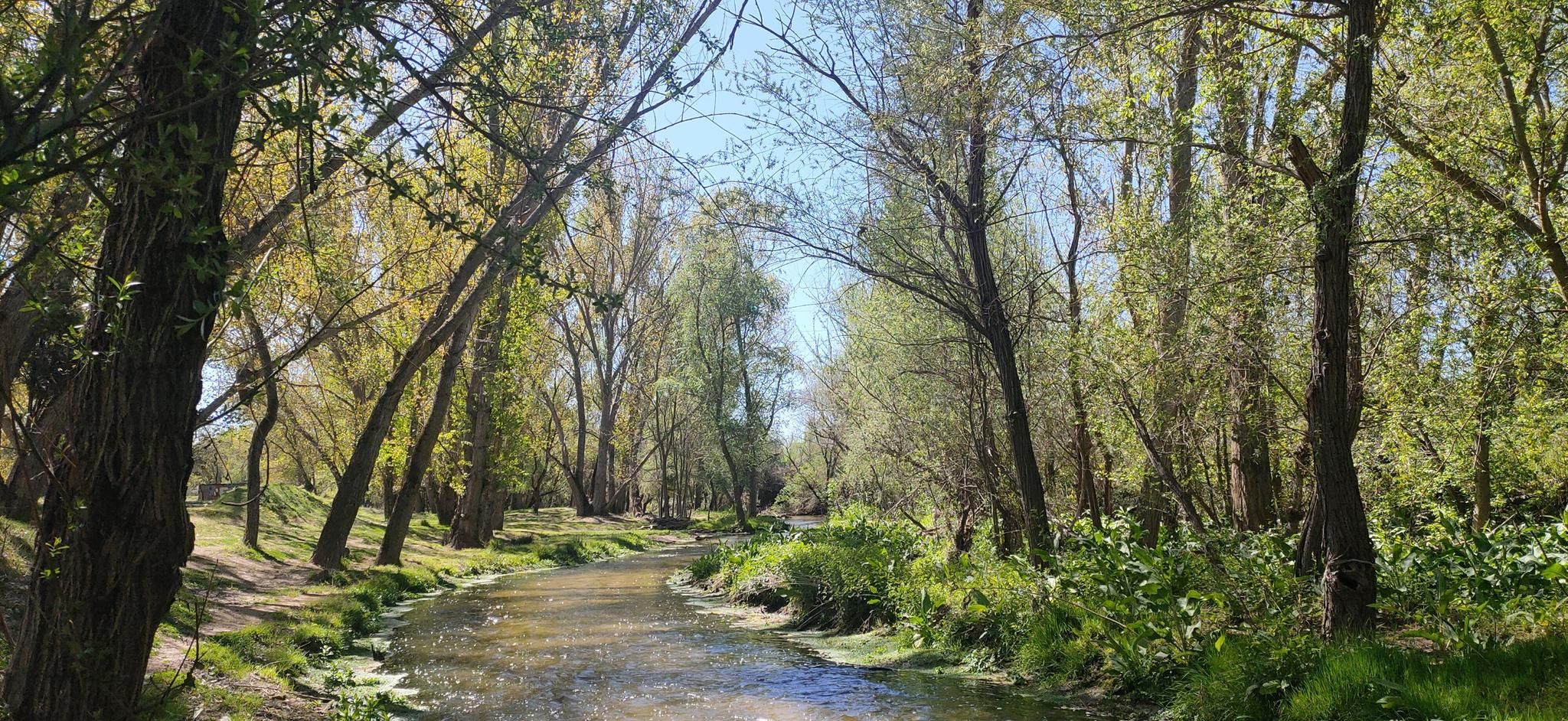
Hidden treasures in the river – hike along Spain’s Guadarrama River
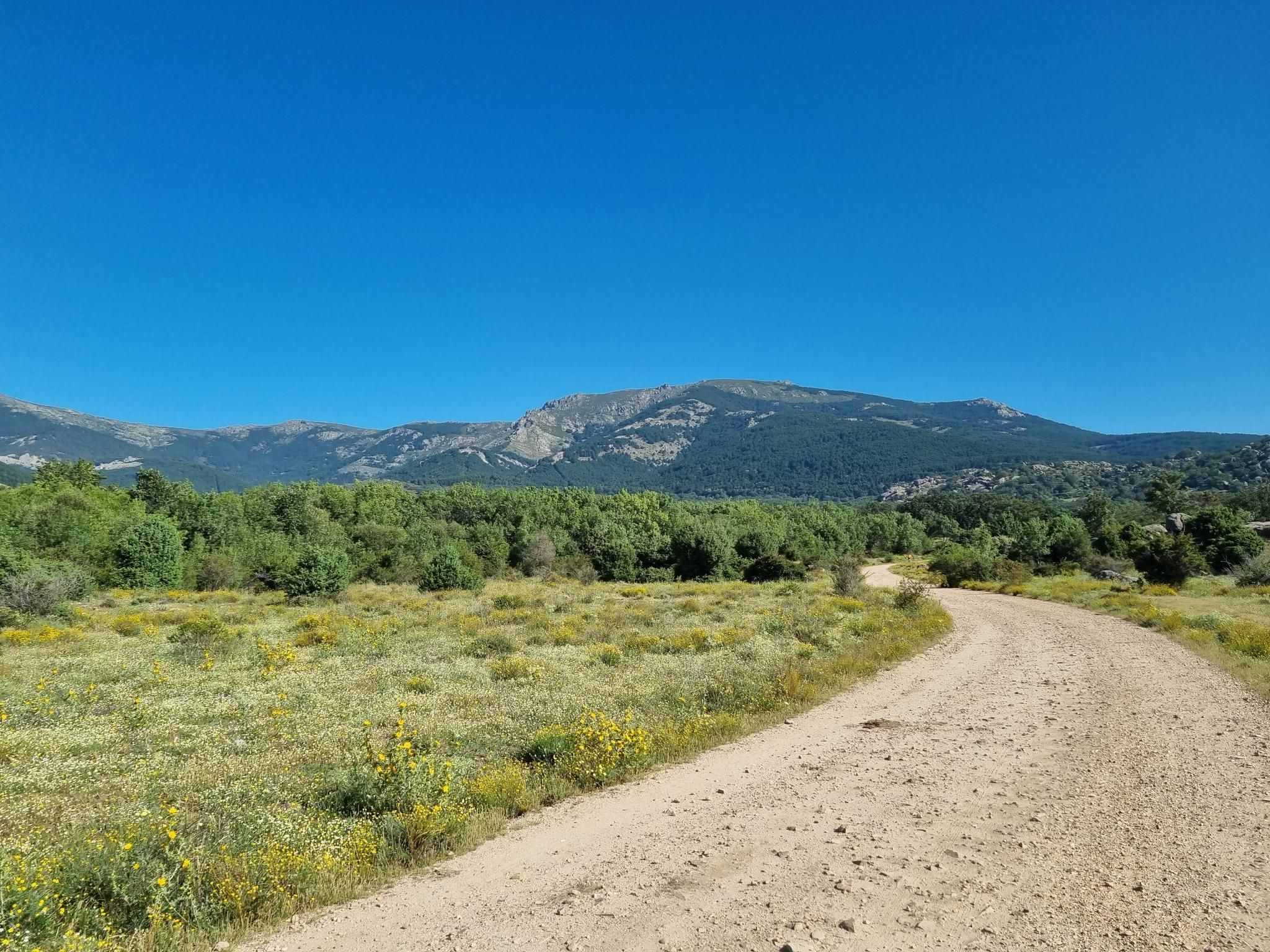
The treasures of Guadarrama – on foot along the GR 10 in Madrid
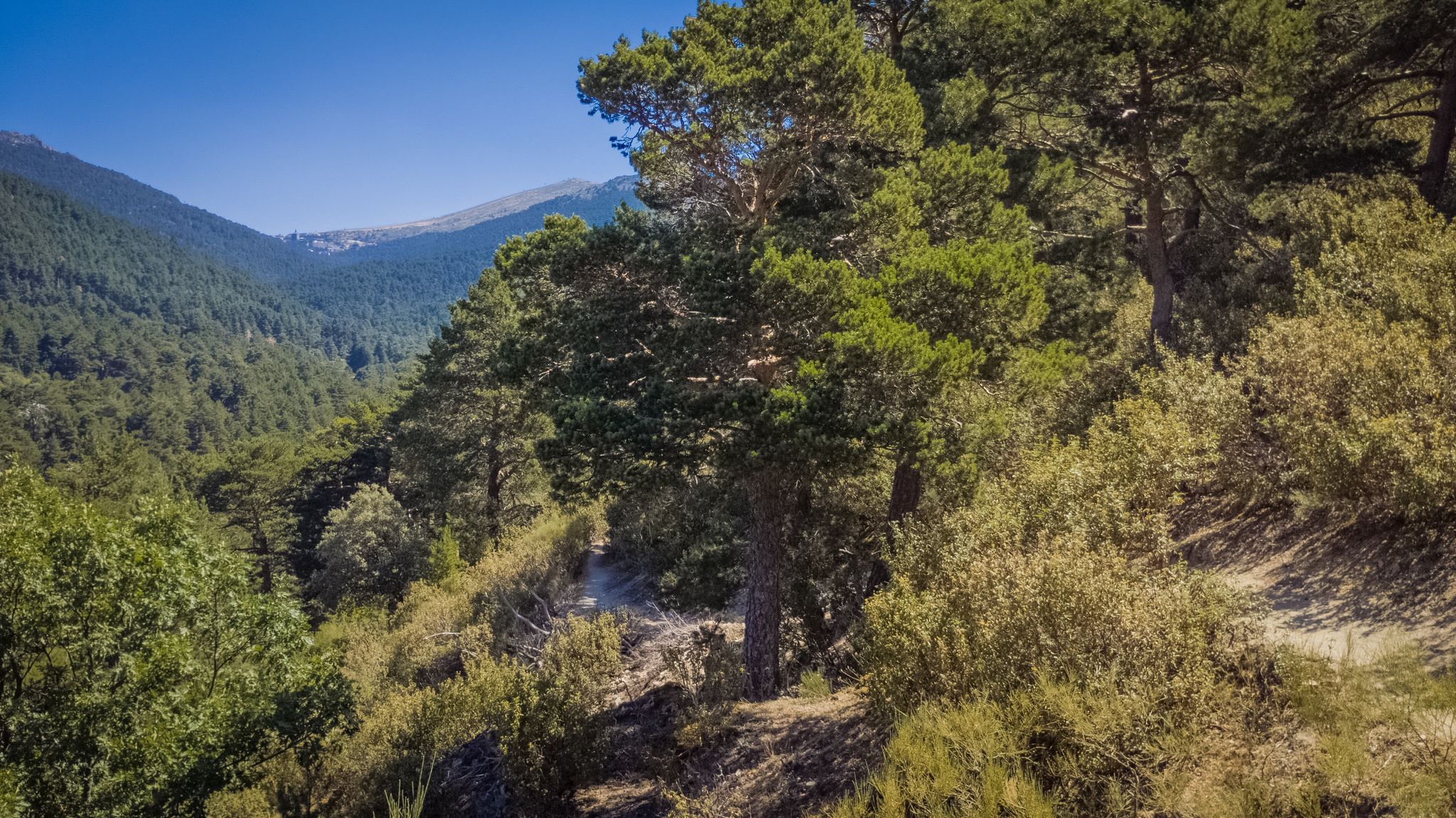
Views and reservoirs — walking in Madrid's Guadarrama Mountains
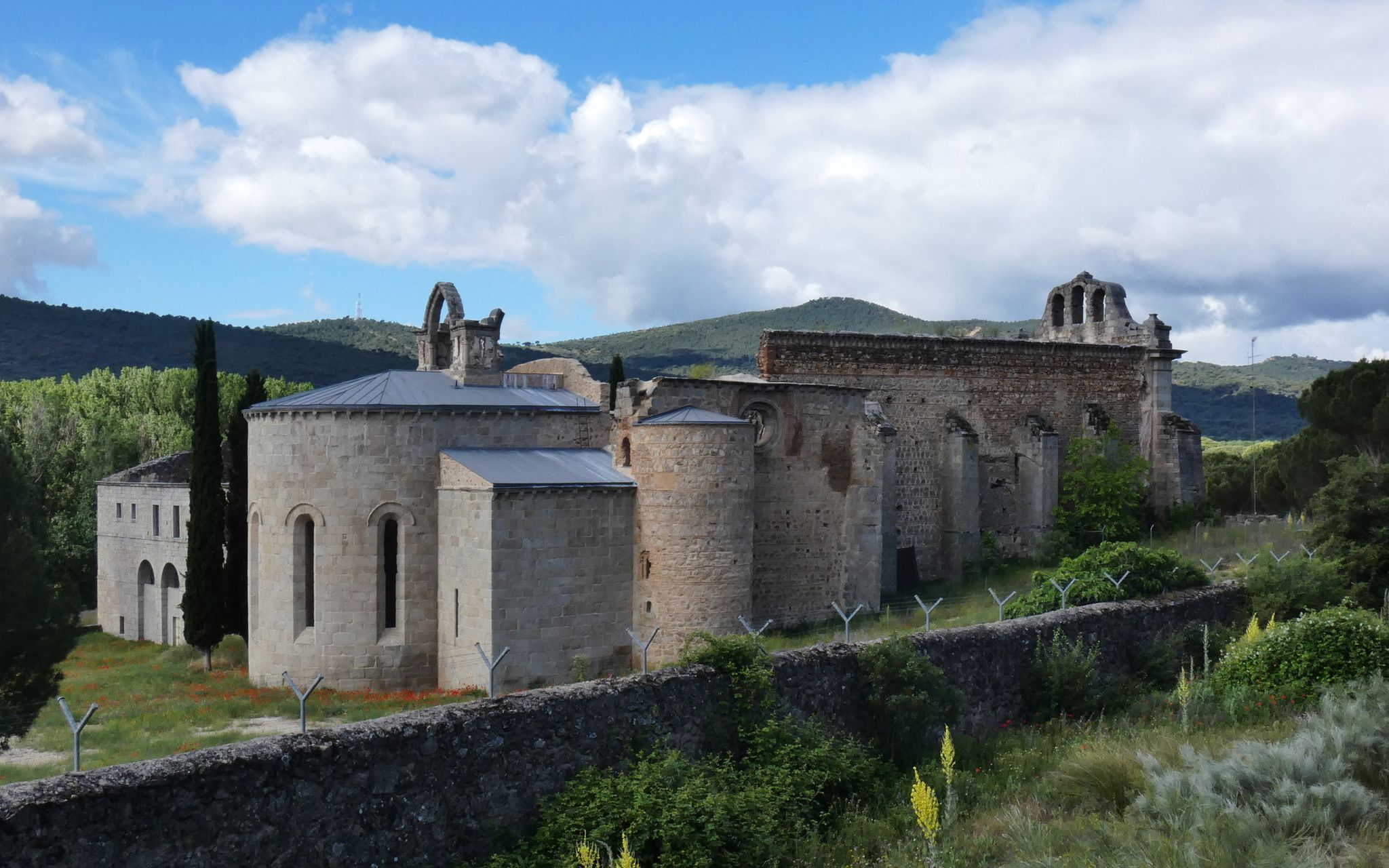
Madrid’s mediaeval castles and hidden gems by gravel bike
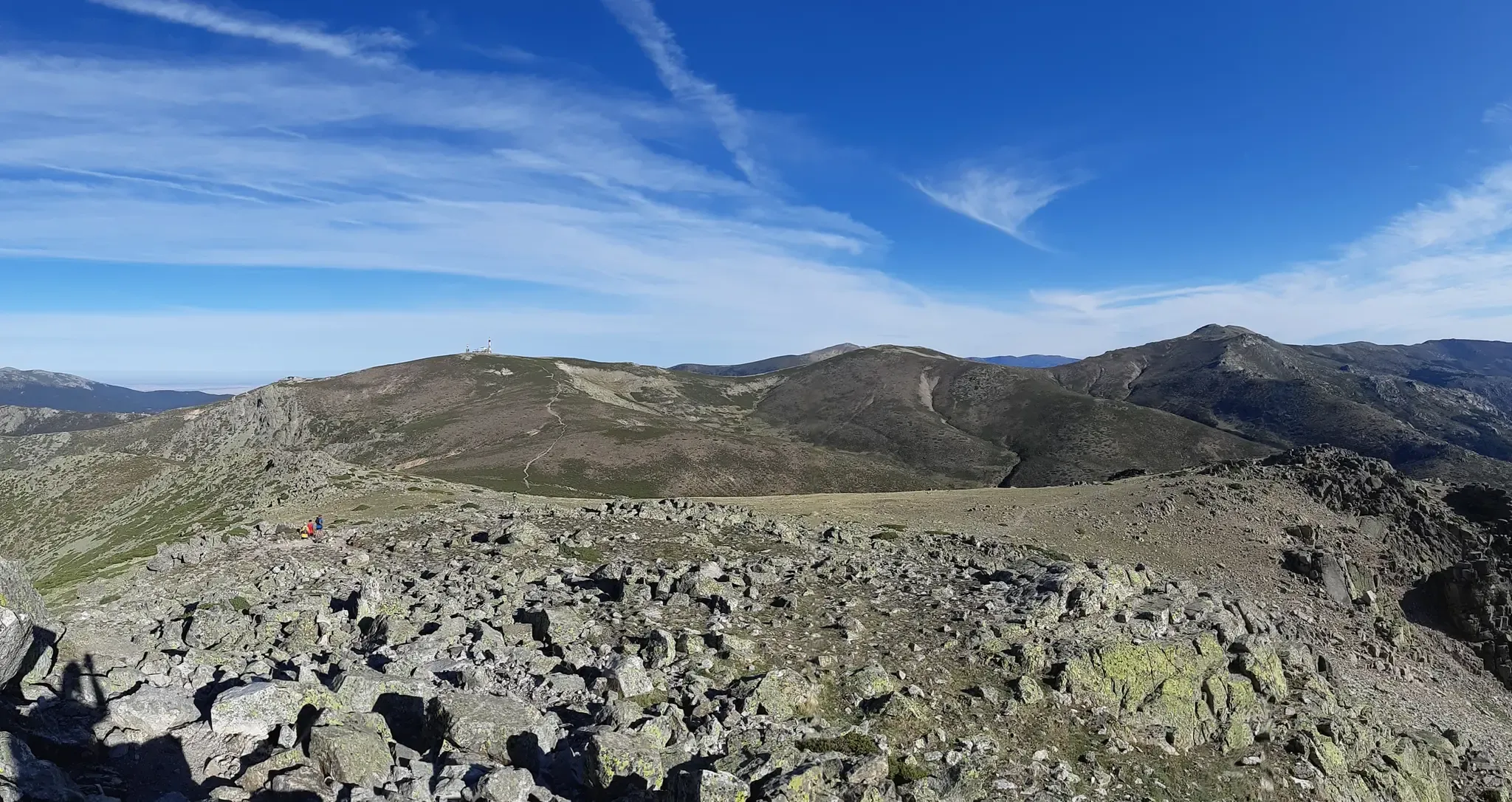
The mountains on Madrid's doorstep – 7 trails in Cercedilla
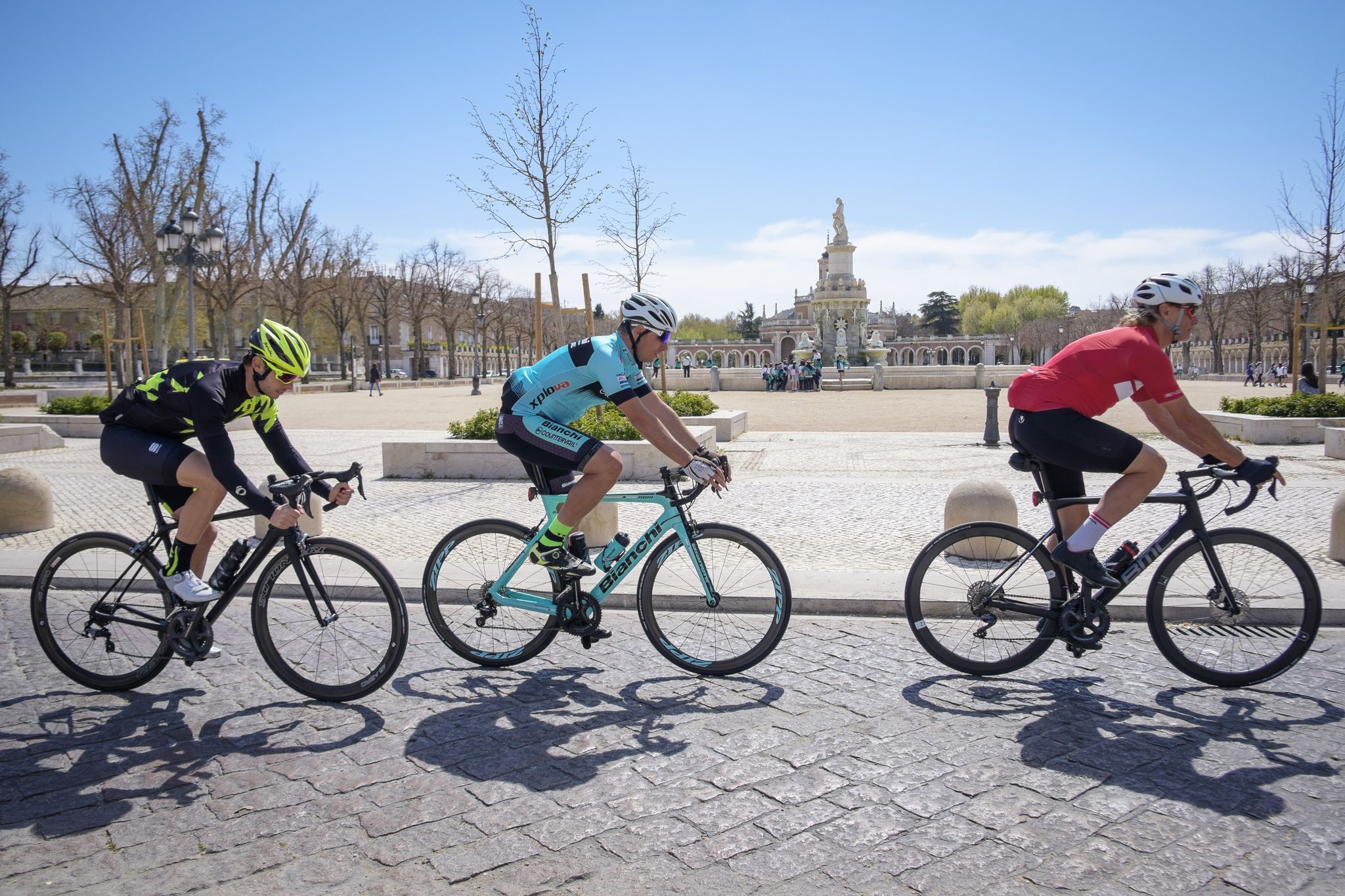
Ports, countryside and rivers – Tour of Madrid by road bike
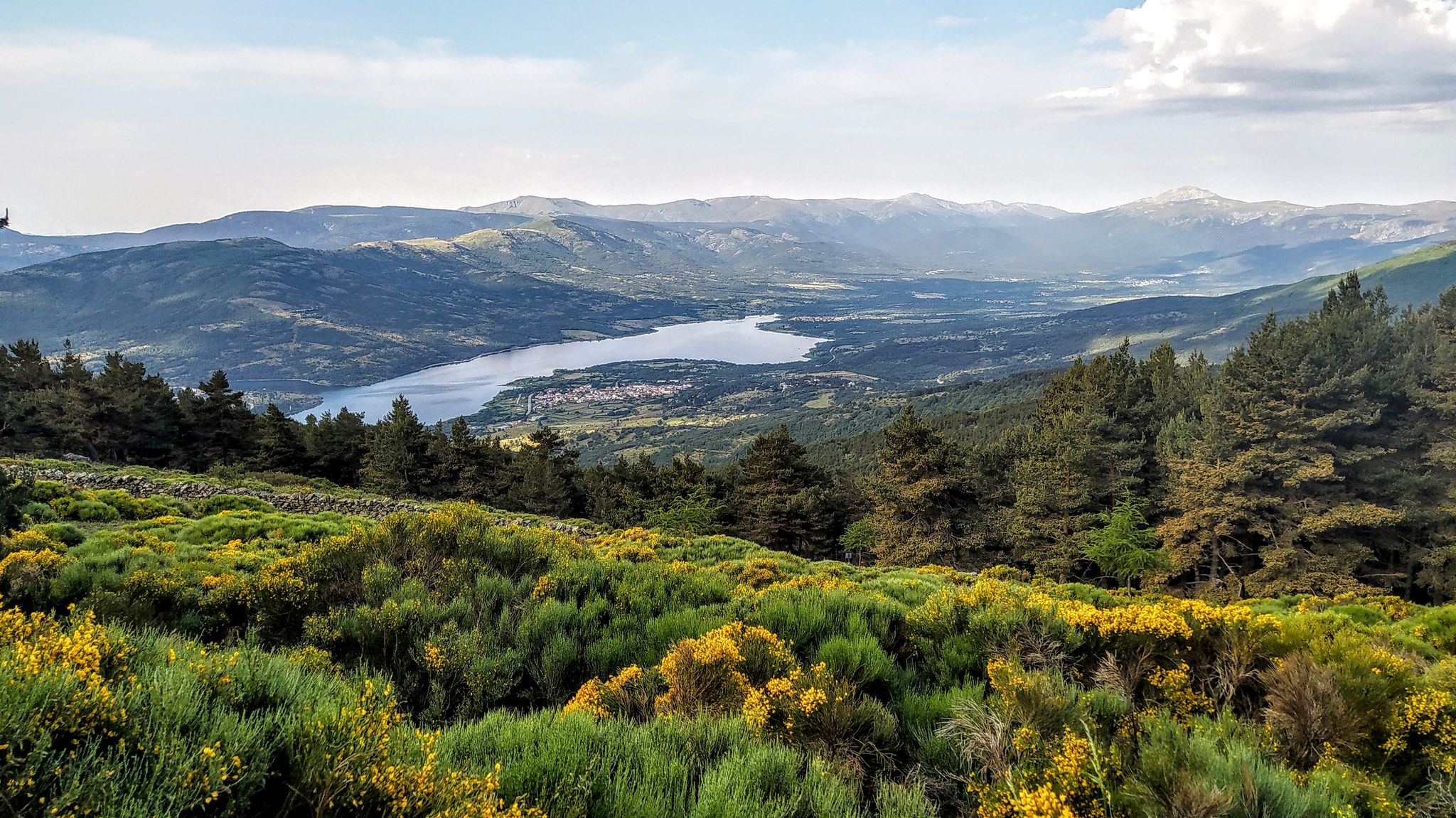
Forests and palaces – Tour of the Sierra de Guadarrama Mountain Range on MTB
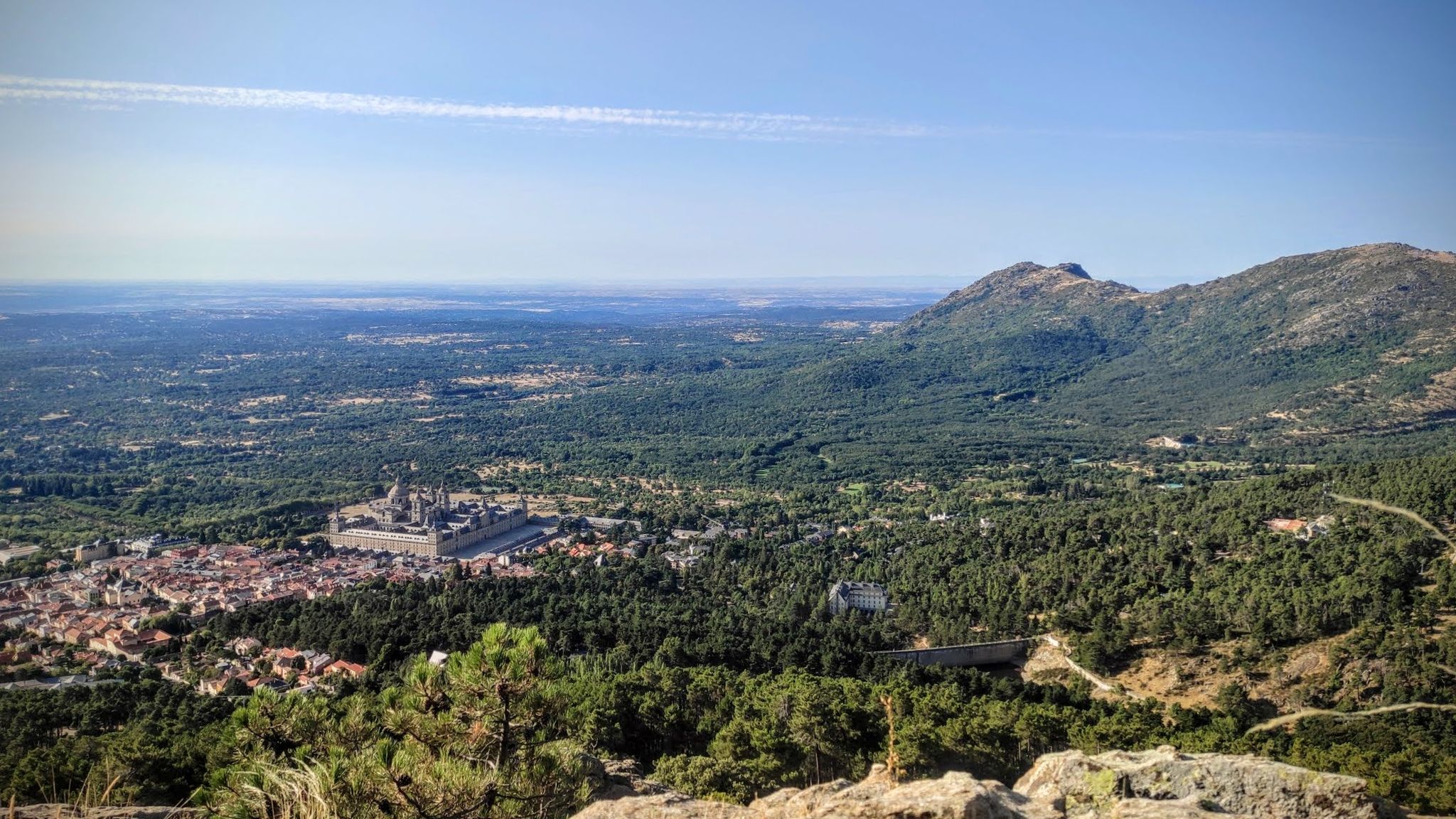
Sierras, countryside, reservoirs and history – Tour of Madrid gravel
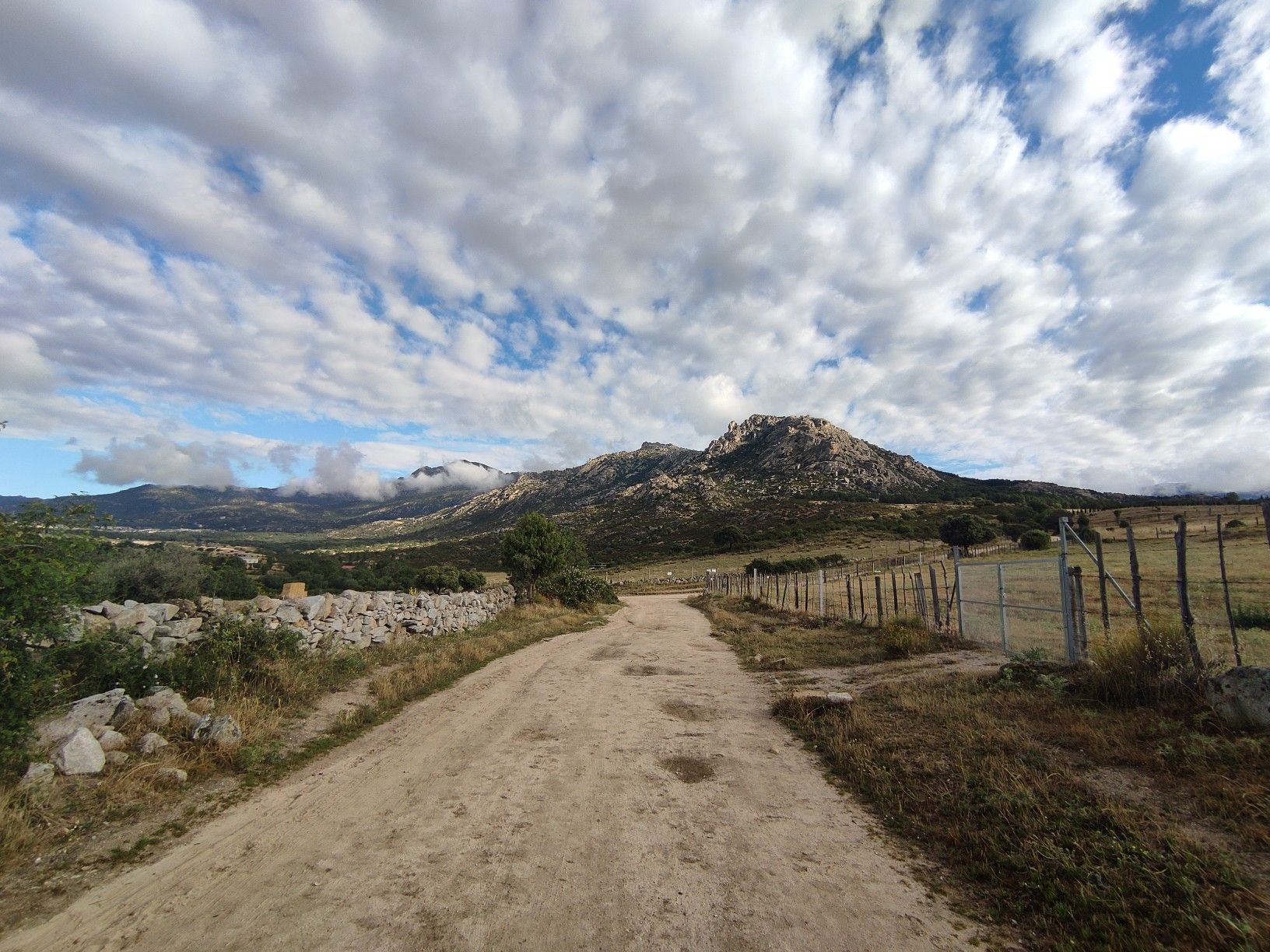
Exploring in the Madrid foothills — Anillo MTB de la sierra de Guadarrama
Other adventures around Guadarrama


Tips from the Community

Beautiful monastery both inside and out.
0
0

The Monastery of El Escorial was built by King Philip II in the 16th century to commemorate a military victory and serve as a royal pantheon for the Habsburg dynasty. Designed by architects Juan Bautista de Toledo and Juan de Herrera, it is characterized by its sober, Renaissance style. Today it is a UNESCO World Heritage Site.
6
1
The Monastery of El Escorial was built by King Philip II in the 16th century to commemorate a military victory and serve as a royal pantheon for the Habsburg dynasty. Designed by architects Juan Bautista de Toledo and Juan de Herrera, it is characterized by its sober, Renaissance style. Today it is a UNESCO World Heritage Site.
5
0
The Monastery of El Escorial was built by King Philip II in the 16th century to commemorate a military victory and serve as a royal pantheon for the Habsburg dynasty. Designed by architects Juan Bautista de Toledo and Juan de Herrera, it is characterized by its sober, Renaissance style. Today it is a UNESCO World Heritage Site.
4
0

The monastery of El Escorial, also known as San Lorenzo del Escorial, is located in Spain, in the autonomous community of Madrid, in the municipality of San Lorenzo de El Escorial. It was built by Philip II as a residence and pantheon of the kings of Spain; it was built between 1563 and 1584 to be a monastery and church, as well as a royal residence. In 1984 it was declared a UNESCO World Heritage Site. San Lorenzo de El Escorial is considered the eighth wonder of the world.
1
0

Imposing building
1
0

The Royal Monastery of San Lorenzo de El Escorial is a complex that includes a royal palace, a basilica, a pantheon, a library, a school and a monastery. It is located in the Spanish town of San Lorenzo de El Escorial, in the Community of Madrid, and was built in the 16th century between 1563 and 1584. The palace was the residence of the Spanish royal family, the basilica is the burial place of the kings of Spain and the monastery – founded by monks of the Order of Saint Jerome – is currently occupied by friars of the Order of Saint Augustine. It is one of the most unique Renaissance architectures in Spain and Europe. Located in San Lorenzo de El Escorial, it occupies an area of 33,327 m², on the southern slope of Mount Abantos, at an altitude of 1,028 m, in the Guadarrama mountain range. It is managed by National Heritage. Also known as the Monastery of San Lorenzo El Real, or simply El Escorial, it was designed in the second half of the 16th century by King Philip II and his architect Juan Bautista de Toledo, although later Juan de Herrera, Juan de Minjares, Giovanni Battista Castello El Bergamasco and Francisco de Mora. The king conceived a large multifunctional, monastic and palatial complex that, shaped by Juan Bautista de Toledo according to the paradigm of the Universal Trace, gave rise to the Herrerian style. Since the end of the 16th century, it was considered the Eighth Wonder of the World, both for its size and functional complexity as well as for its enormous symbolic value. Its architecture marked the transition from Renaissance plateresque to unadorned classicism. An enormous work, of great monumentality, it is also a receptacle for other arts. Its paintings, sculptures, hymn books, scrolls, liturgical ornaments and other sumptuary, sacred and court objects make El Escorial also a museum. Its complex iconography and iconology has earned the most varied interpretations from historians, admirers and critics. El Escorial is the crystallization of the ideas and will of its promoter, King Philip II, a Renaissance prince. On November 2, 1984, UNESCO declared the Monastery and Site of El Escorial as a World Heritage Site. It is one of the main tourist attractions in the Community of Madrid. The monumental complex receives more than 500,000 visitors a year.
0
1

The Monastery of San Lorenzo de El Escorial is one of the most important buildings in Spain, not only because of its size, but also because of its historical and architectural value. It was built in the 16th century by order of King Felipe II and was considered the eighth wonder of the world. It is currently a UNESCO World Heritage Site.
1
0
Frequently Asked Questions
How many urban hiking trails are available in Guadarrama?
There are over 20 urban hiking routes in the Guadarrama region, catering to various skill levels. You'll find a good mix of easy, moderate, and challenging options to explore the towns and their surrounding natural beauty.
What kind of terrain can I expect on urban hikes in Guadarrama?
Urban hikes in Guadarrama often blend town exploration with natural landscapes. You can expect paved paths, cobblestone streets, and well-maintained dirt trails. Some routes might feature gentle inclines, while others, especially those venturing towards the foothills, could include more significant elevation changes, offering views of the mountainous terrain characteristic of the Sierra de Guadarrama.
Are there any family-friendly urban walks in Guadarrama?
Yes, many urban routes are suitable for families. These often feature shorter distances and less elevation gain, allowing for a pleasant outing with children. For example, the Fountain of Plaza de la Cruz – El Escorial train station loop from El Escorial is an easy option that keeps you close to amenities.
Can I bring my dog on urban hiking trails in Guadarrama?
Many urban trails in Guadarrama are dog-friendly, but it's always best to check local regulations for specific areas or parks. Generally, dogs should be kept on a leash, especially in populated areas or near wildlife. Ensure you carry water for your pet and clean up after them.
What interesting landmarks or viewpoints can I see on urban hikes?
Urban hikes in Guadarrama offer a blend of natural and historical sights. You might encounter historical architecture, charming town squares, and scenic viewpoints. For instance, routes around El Escorial could lead you past the Seat of Philip II, offering panoramic views. Other trails might provide glimpses of significant peaks like Mount Abantos or the unique granite formations of La Pedriza in the distance.
Are there circular urban hiking trails available?
Yes, many urban hiking trails in Guadarrama are designed as circular routes, allowing you to start and end in the same location without retracing your steps. An example is the Fluvial Canal of the Park loop from Las Rozas de Madrid, which offers a moderate circular experience.
What is the best time of year for urban hikes in Guadarrama?
Spring and autumn are generally ideal for urban hiking in Guadarrama, with pleasant temperatures and vibrant scenery. Summer can be warm, so early mornings or late afternoons are recommended. Winter offers a different charm, with crisp air and potentially snow-dusted landscapes, especially on trails closer to the mountains, but requires appropriate gear.
How accessible are urban hikes by public transport in Guadarrama?
Many towns in the Guadarrama region are well-connected by public transport from Madrid, making urban hikes accessible without a car. Train and bus services frequently run to towns like El Escorial, Cercedilla, and Villalba, where many urban trails begin. It's advisable to check specific route starting points and public transport schedules in advance.
Where can I find parking for urban hiking trails?
Parking is generally available in or near the towns where urban hikes begin. Look for public car parks in town centers or designated parking areas close to trailheads. Some popular starting points, especially those leading to more natural areas, might have specific parking lots. Always check for any parking restrictions or fees.
What do other hikers enjoy most about urban hiking in Guadarrama?
The urban hiking experience in Guadarrama is highly rated by the komoot community, with an average score of 4.6 stars from over 4,600 reviews. Hikers often praise the seamless blend of historical towns with accessible natural landscapes, the well-maintained paths, and the opportunity to discover hidden gems and local culture while enjoying a walk.
Are there any easy urban hikes for beginners?
Absolutely. Guadarrama offers several easy urban hikes perfect for beginners or those looking for a relaxed stroll. These routes typically have minimal elevation gain and shorter distances. A good example is the Fountain of Plaza de la Cruz – El Escorial train station loop from El Escorial, which is classified as easy and provides a pleasant experience.
Most popular routes around Guadarrama
Most popular attractions around Guadarrama

Get inspired with the komoot mobile app


Didn’t find what you were looking for?
Check out more Hikes throughout Guadarrama below and find the perfect route in your destination.
Explore more
Browse the best Hikes in other regions.
