Attractions and Places To See around Pantà de Riba-roja - Top 14
Best attractions and places to see around Pantà de Riba-roja include a diverse range of natural features and historical sites situated along the Ebro River. This expansive reservoir spans multiple municipalities, offering varied landscapes from green waters to pine forests. The region is characterized by its significant natural areas, such as the confluence of the Segre, Cinca, and Ebro rivers, and historical landmarks reflecting its past. Visitors can explore a mix of outdoor activities and cultural heritage in this area.
Best attractions and places to see around Pantà de Riba-roja
- The most popular attractions is Bridge over the Ebro in Mequinenza, a bridge that provides access to the municipality of Mequinenza. It offers views of the Mequinenza Castle.
- Another must-see spot is Old Church Tower of Fayón, a man-made monument. This restored tower is the only remaining part of the 16th-century church of San Juan Evangelista from old Fayón.
- Visitors also love Old Village of Mequinenza, a historical site with Muslim origins. This site was once a river port at the confluence of the Ebro, Segre, and Cinca rivers.
- Pantà de Riba-roja is known for its historical sites, natural features, and opportunities for hiking and fishing. The area offers a variety of attractions to see and explore, from ancient ruins to expansive waterways.
- The attractions around Pantà de Riba-roja are appreciated by the komoot community, with 17 upvotes and 9 photos shared across the highlights.
Last updated: May 4, 2026
Old Village of Mequinenza
Highlight • Historical Site
More information to book guided tours: museosdemequinenza.com/castillo-de-mequinenza
Translated by Google •
Tip by

Old Church Tower of Fayón
Highlight • Monument
The only remnant is the church of San Juan Evangelista (16th century) from old Fayón, of which only the tower remains and has been declared a cultural asset by the government.
Translated by Google •
Tip by

Sign up now to discover places like this
Get recommendations on the best single tracks, peaks, & plenty of other exciting outdoor places.
Sign up for free
Bridge over the Ebro in Mequinenza
Highlight • Bridge
Translated by Google •
Tip by

Historical remains
Highlight • Historical Site
Translated by Google •
Tip by

Mequinenza Reservoir (Mar de Aragón) Promenade
Highlight • Lake
Translated by Google •
Tip by
Sign up for free to discover even more attractions around Pantà de Riba-roja.
Sign up for free
Already have an account?
Start today with a free account
Your next adventure awaits.
Login or Signup
Popular around Pantà de Riba-roja
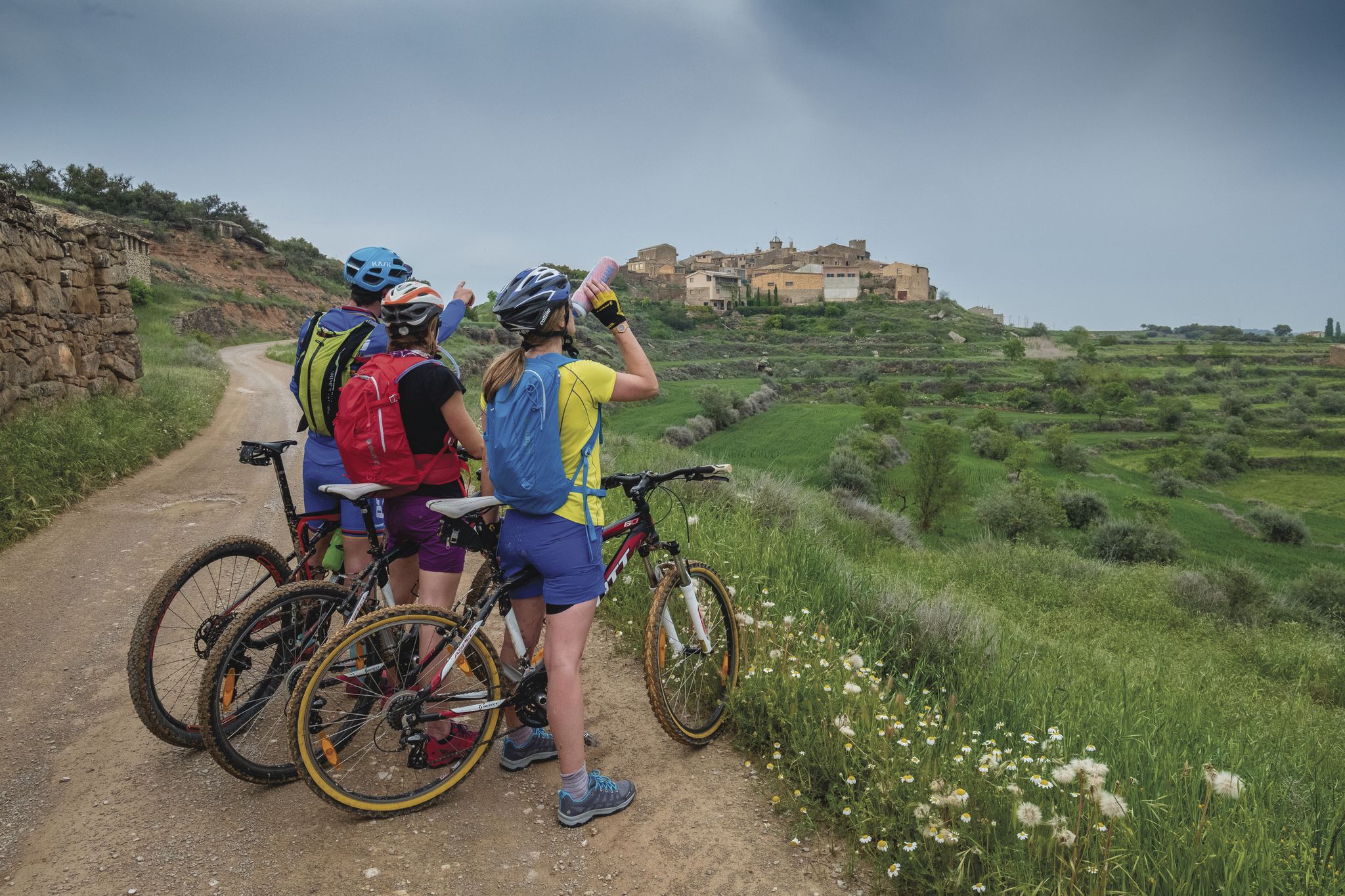
Bikepacking in Catalonia
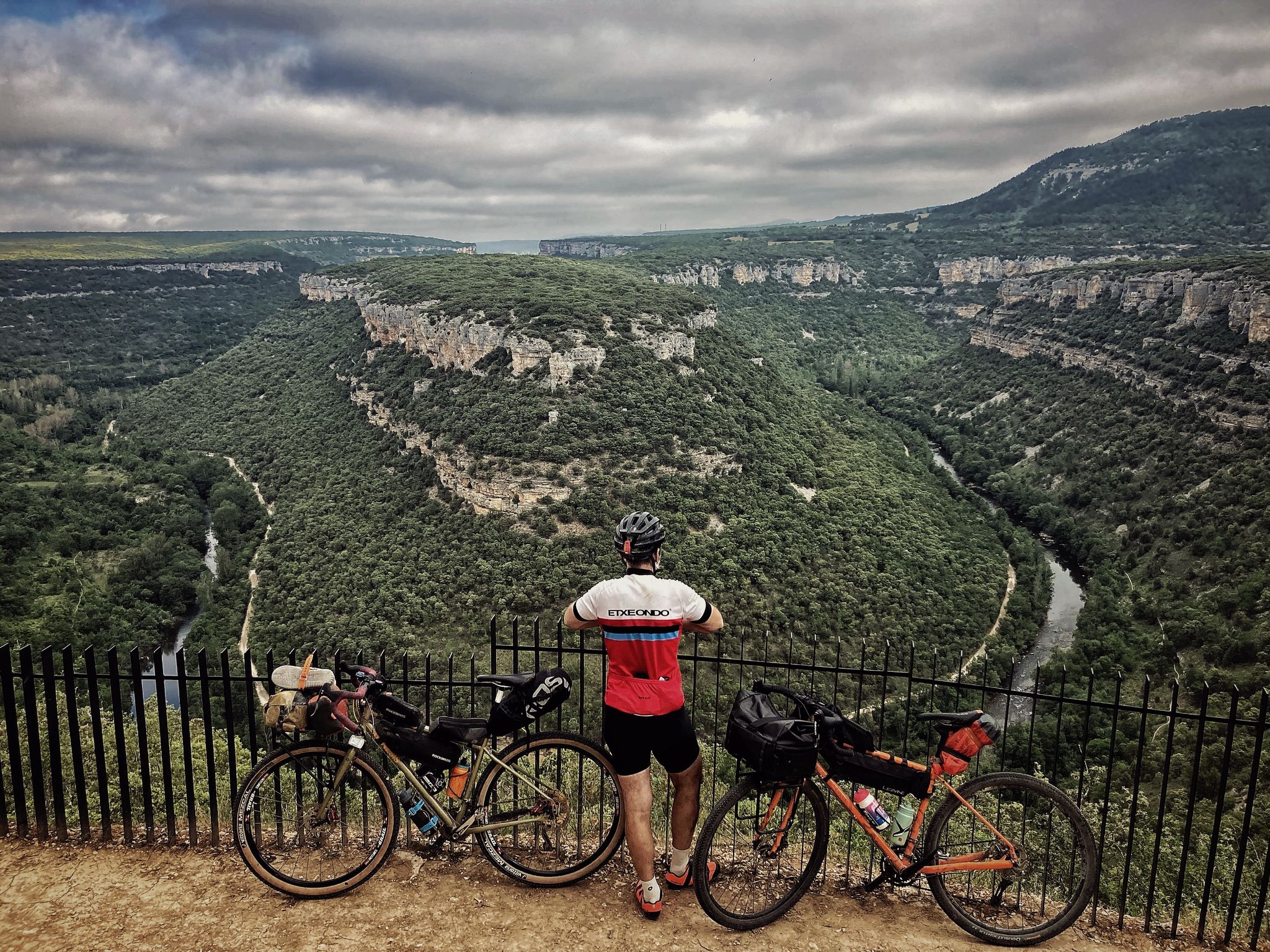
Spain's great river by bike – the Ebro Nature Trail
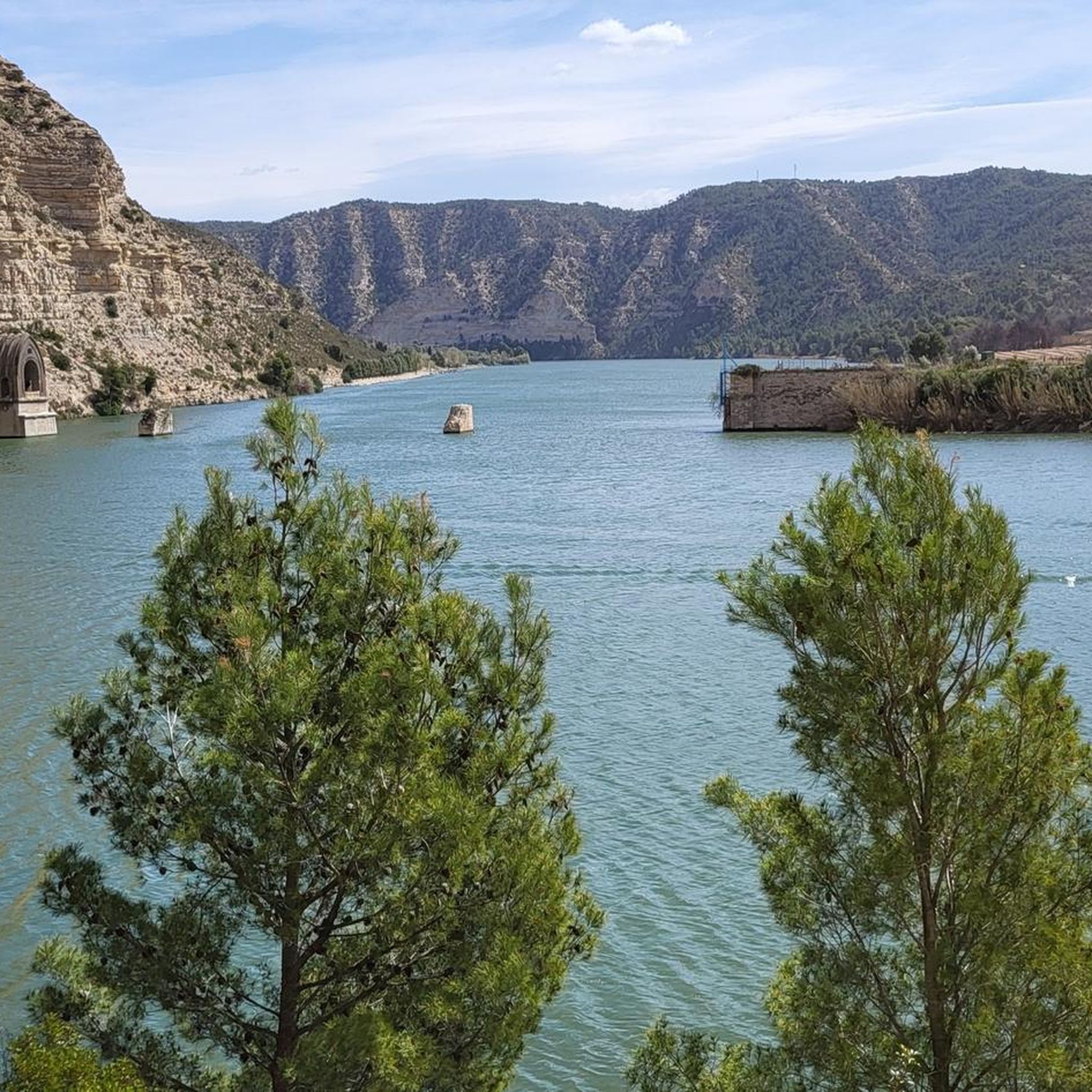
Hiking around Pantà de Riba-roja
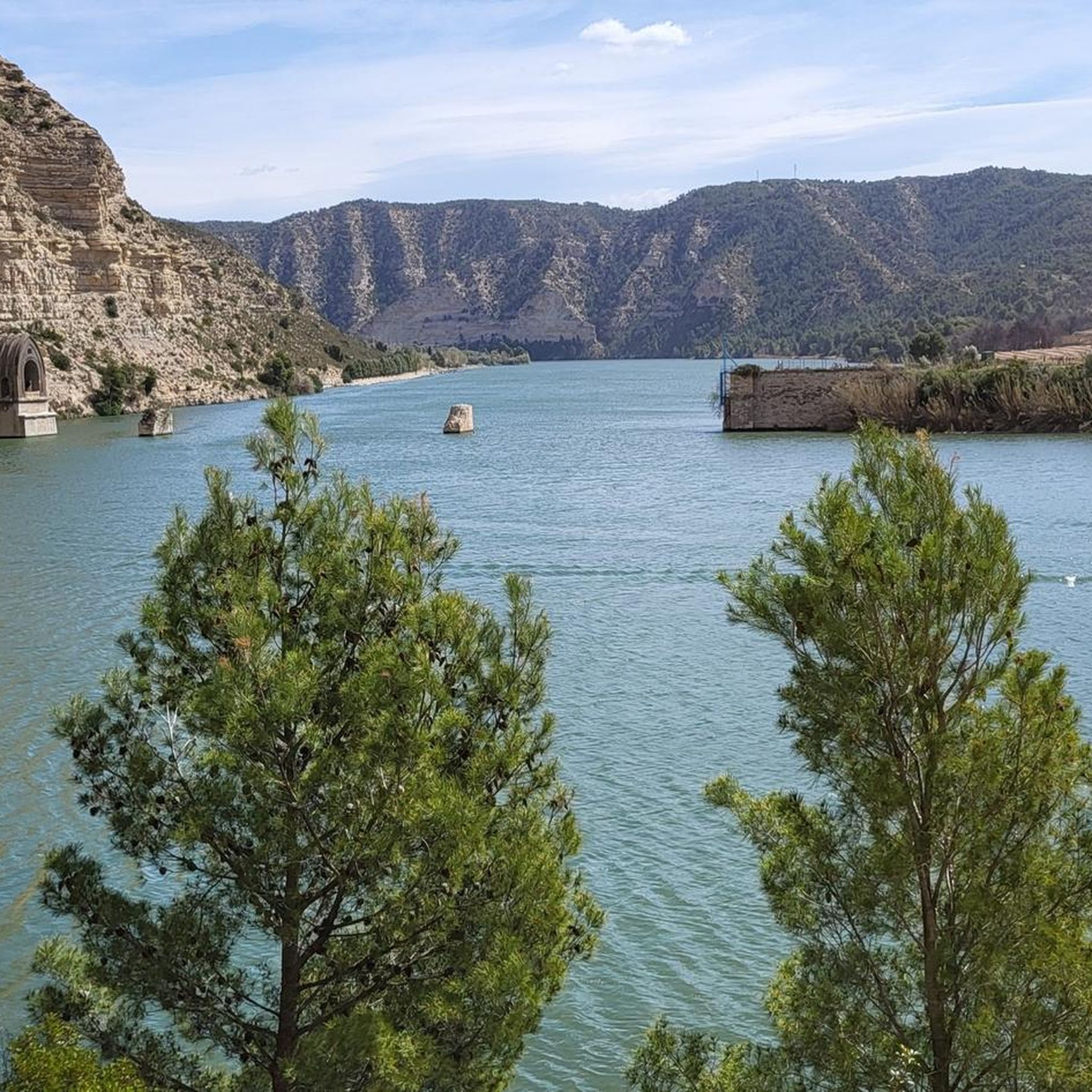
Road Cycling Routes around Pantà de Riba-roja
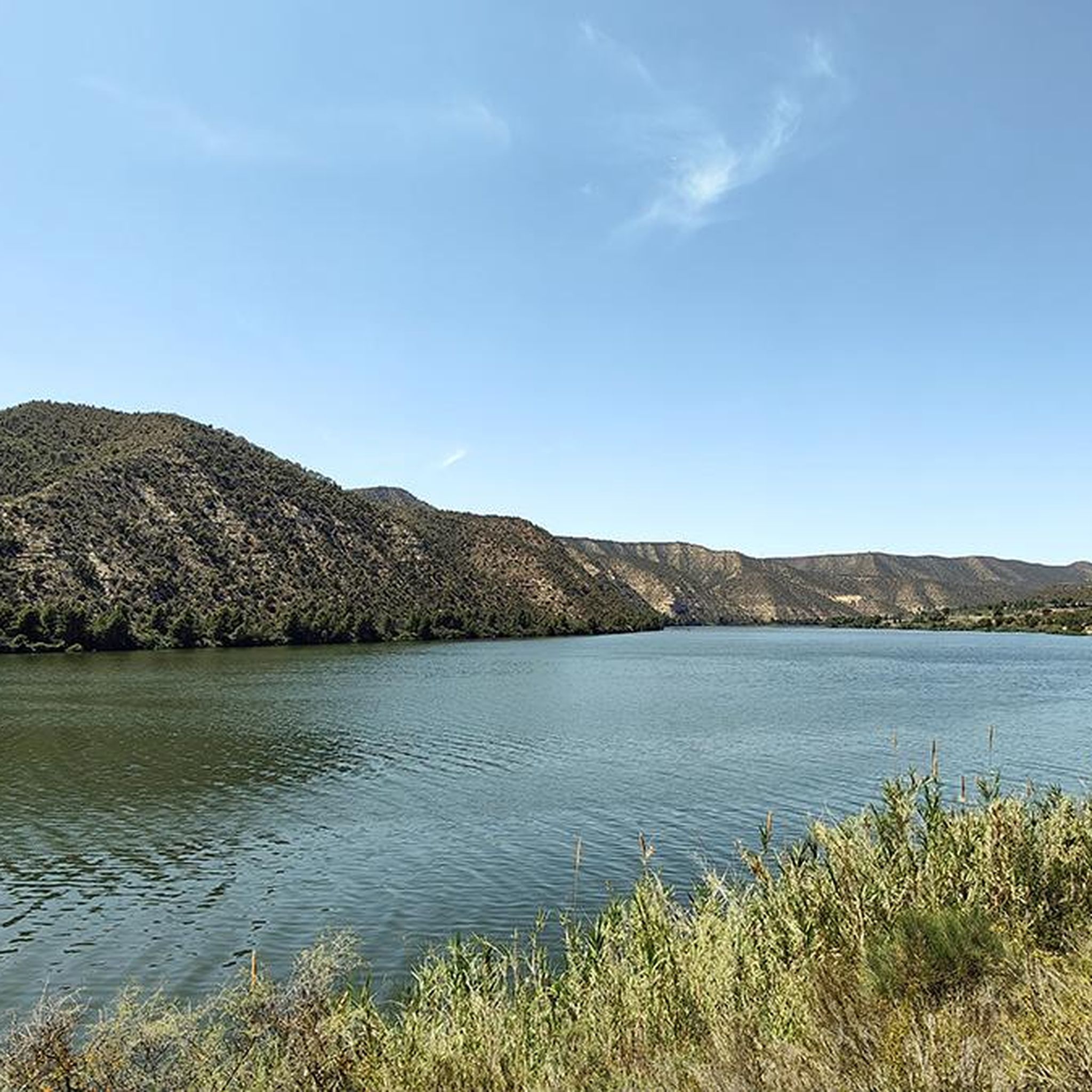
MTB Trails around Pantà de Riba-roja
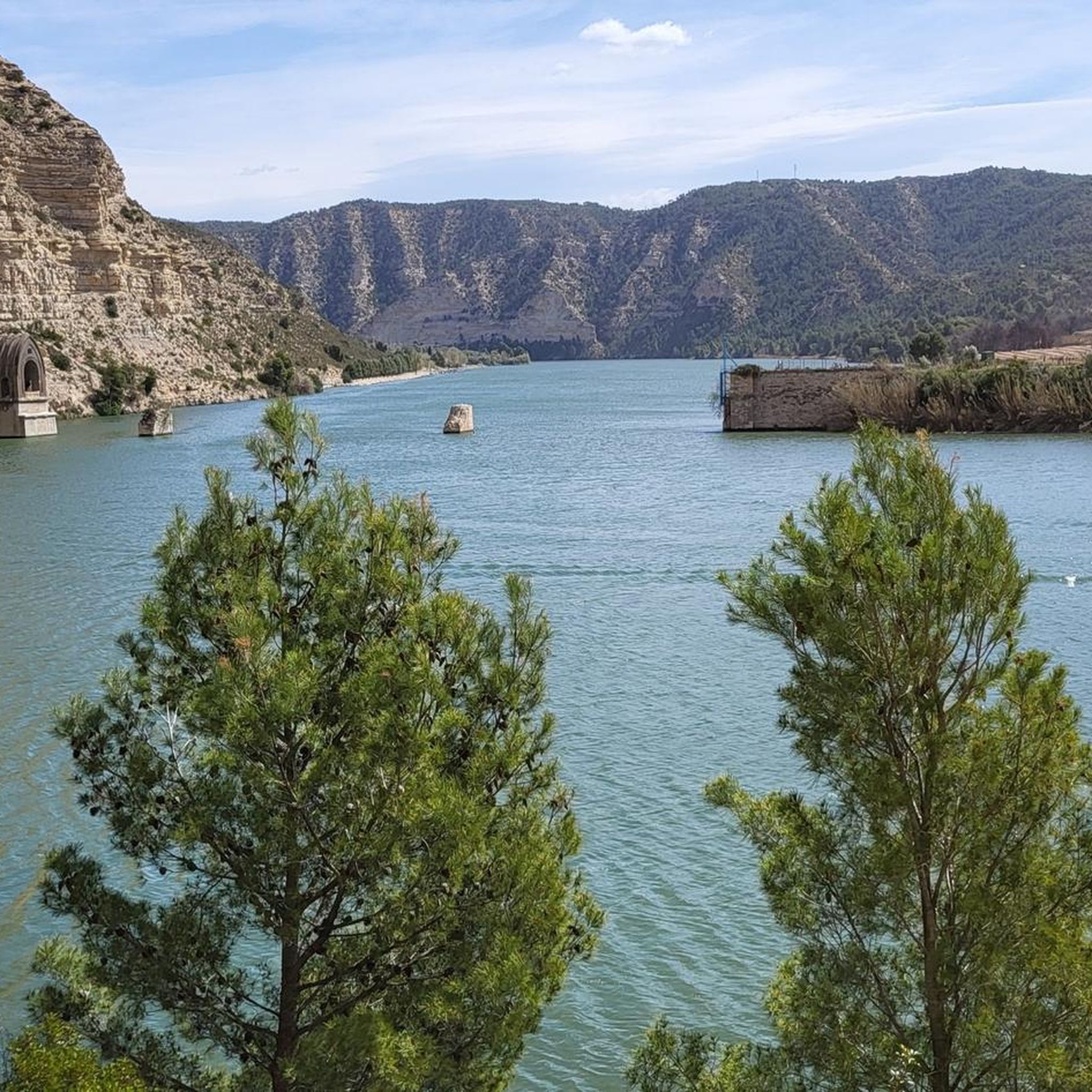
Cycling around Pantà de Riba-roja
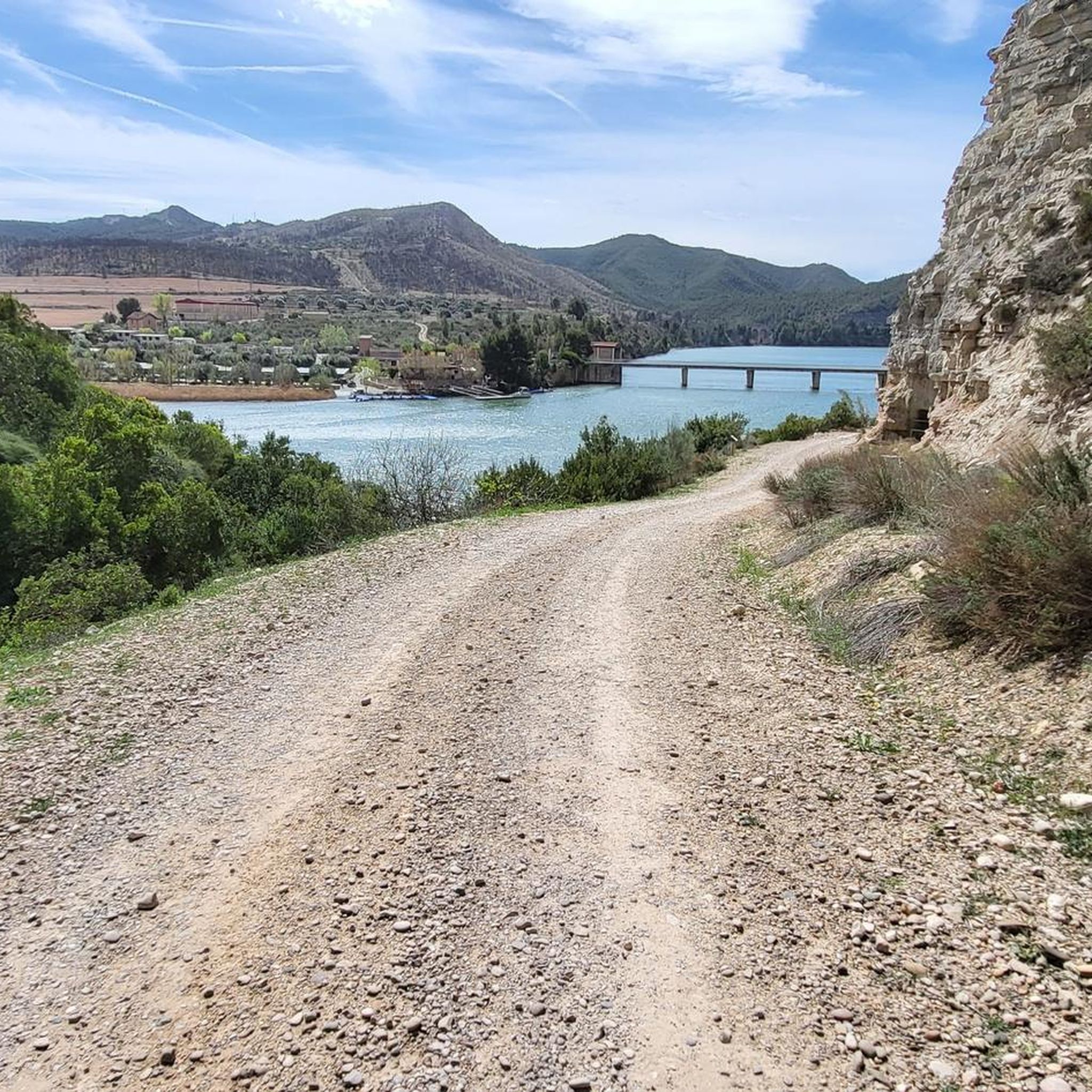
Running Trails around Pantà de Riba-roja

Gravel biking around Pantà de Riba-roja
Other adventures around Pantà de Riba-roja


Tips from the Community

Right in front of the ruined church there are some plum trees where the plums happened to be at their peak. They are the size of a cherry, but delicious. We gained energy to get to breakfast at the Granja d Escarp.
0
0

Life in the city of Mequinensa is unthinkable without a visit to the Plaça d'Armes. This aspect, previously used by soldiers when conducting military exercises, will be used for many years to come. a shout of joy. The main festival and the concerts of the Poble Band end in this central square, obligatory for all Mequinenses. Colored ruins of the old church can be seen.
3
0
The Mequinenza Basin constitutes the main carboniferous area of the province of Zaragoza, spanning the territorial boundaries of Aragon and Catalonia, with its epicenter in Mequinenza, the place that gives name to the said mining space. It covers an area of approximately 500 km² extending approximately 20 kilometers east-west along the banks of the Ebro, Segre and Cinca rivers.
3
0
A memorable place, you just feel that a lot has happened
6
0
The village is located between two large bodies of water, the Mequinenza Reservoir (known as Mar de Aragón) and the Ribarroja Reservoir, which are a true paradise for fishing (carp, black bass, pike-perch, catfish ...) and nautical sports.
9
0

The spire was restored in 2004 by the Fayón City Council with financial support from the Endesa Foundation. The only remnant is the church of San Juan Evangelista (16th century) from old Fayón, of which only the tower remains and has been declared a cultural asset by the government.
10
0
The unique natural area “Aiguabarreig” has great ornithological wealth (declared a special area of protection for birds) and is located about 2 km from the city center and extends upstream to the confluence of the Segre and Cinca rivers.
10
0

The old Mequinenza was a river port at the confluence of the Ebro, Segre and Cinca rivers. This confluence is one of the largest in Europe. The town has a Muslim origin, although there are remains of other cultures.
0
0
Frequently Asked Questions
What natural features can I explore around Pantà de Riba-roja?
The region offers several significant natural features. You can visit the impressive Confluence of Rivers (Aiguabarreig) near Mequinenza, where the Segre, Cinca, and Ebro rivers meet, known for its rich ornithological diversity. The Mequinenza Reservoir (Mar de Aragón) Promenade is also a great spot to experience the expansive waters and enjoy fishing or nautical sports. Additionally, the Sebes Nature Reserve in Flix features wetlands and oxbow lakes, ideal for birdwatching and enjoying riparian forests.
Are there historical sites to visit near Pantà de Riba-roja?
Yes, the area is rich in history. You can explore the Old Village of Mequinenza, a historic site with Muslim origins that was once a vital river port. Another notable landmark is the Old Church Tower of Fayón, the only remaining part of a 16th-century church. Mequinenza Castle, a Gothic palace, also offers panoramic views of the river confluence.
What outdoor activities are available around Pantà de Riba-roja?
The Pantà de Riba-roja area is excellent for outdoor enthusiasts. Fishing is a popular activity on the reservoir, with species like wels catfish and black bass. For hiking and cycling, you can explore the extensive Ebro Nature Trail (GR-99) or the numerous forest trails within the Riba-roja Protected Natural Area. There are also many routes available, such as those found in the Hiking around Pantà de Riba-roja guide.
Are there any family-friendly attractions or activities?
Yes, the region offers options for families. The Mequinenza Reservoir (Mar de Aragón) Promenade is considered family-friendly and provides opportunities for leisurely walks and enjoying the lakeside. The natural areas, like the Confluence of Rivers (Aiguabarreig), are also great for observing wildlife and birds, which can be an engaging activity for children.
Where can I find hiking trails near the attractions?
You'll find a variety of hiking trails. For easy walks, consider routes like the 'Aiguabarreig of Mequinenza – CentrumPlein loop' or the 'La Mineta – Old Church Tower of Fayón loop' which are featured in the Easy hikes around Pantà de Riba-roja guide. For more moderate options, the Hiking around Pantà de Riba-roja guide includes trails like 'Views of the Reservoir from Montnegre' and 'Aiguabarreig and Castillo de Mequinenza'.
What is the significance of the Ebro River in this region?
The Ebro River is central to the region's geography and history. It's the longest river in Spain and forms the backbone of the area, influencing its natural beauty and historical development. The Pantà de Riba-roja reservoir itself is located on the Ebro, and the river's confluence with the Segre and Cinca near Mequinenza creates a unique natural environment. The Ebro Nature Trail (GR-99) also follows its course, offering extensive exploration opportunities.
Can I find any unique architectural landmarks?
Certainly. The Bridge over the Ebro in Mequinenza is a notable architectural feature, providing access to the municipality and offering views of the Mequinenza Castle. The Riba-roja Bridge, inaugurated in 1997, is also significant for having the largest arch in Catalonia, spanning 350 meters.
What kind of wildlife can I expect to see?
The region is home to diverse wildlife. You might spot foxes, wild boars, badgers, and squirrels. Birdwatchers will appreciate the variety of species, including partridges, pigeons, owls, hawks, and herons, especially in areas like the Confluence of Rivers (Aiguabarreig) and the Sebes Nature Reserve, which are designated special protection areas for birds.
Are there any sites related to the Spanish Civil War?
Yes, the area holds significant historical relevance from the Spanish Civil War, particularly concerning the Battle of the Ebro. Corbera d'Ebre hosts an Interpretation Centre of the Areas of the Battle of the Ebro, and other nearby villages like Gandesa also feature exhibitions related to the conflict, offering insights into this period of history.
What is the best time to visit Pantà de Riba-roja?
While specific seasonal recommendations aren't provided, the region's outdoor activities like hiking, cycling, and fishing are generally best enjoyed during milder weather. Spring and autumn typically offer pleasant temperatures for exploring the natural features and historical sites without the intense heat of summer or the chill of winter.
Are there opportunities for wine tourism nearby?
Yes, the neighboring region of Terra Alta is renowned for its quality wines. Visitors can explore opportunities for wine tasting tours at local wineries, including modernist buildings in Gandesa and Pinell de Brai, making it a great addition to your visit if you appreciate local produce and culture.
What are the 'Historical remains' in Mequinenza?
The Historical remains in Mequinenza refer to the remnants of the old town, which was depopulated after the construction of the reservoir. These include colored ruins of the old church and provide a poignant glimpse into the area's past, particularly its mining history as the main carboniferous area of the province of Zaragoza.
Most popular routes around Pantà de Riba-roja

Get inspired with the komoot mobile app


Explore more
Still not found the Highlight you’re looking for? See guides of the top attractions in other regions:
