Attractions and Places To See around Hemmelsdorfer Lake - Top 14
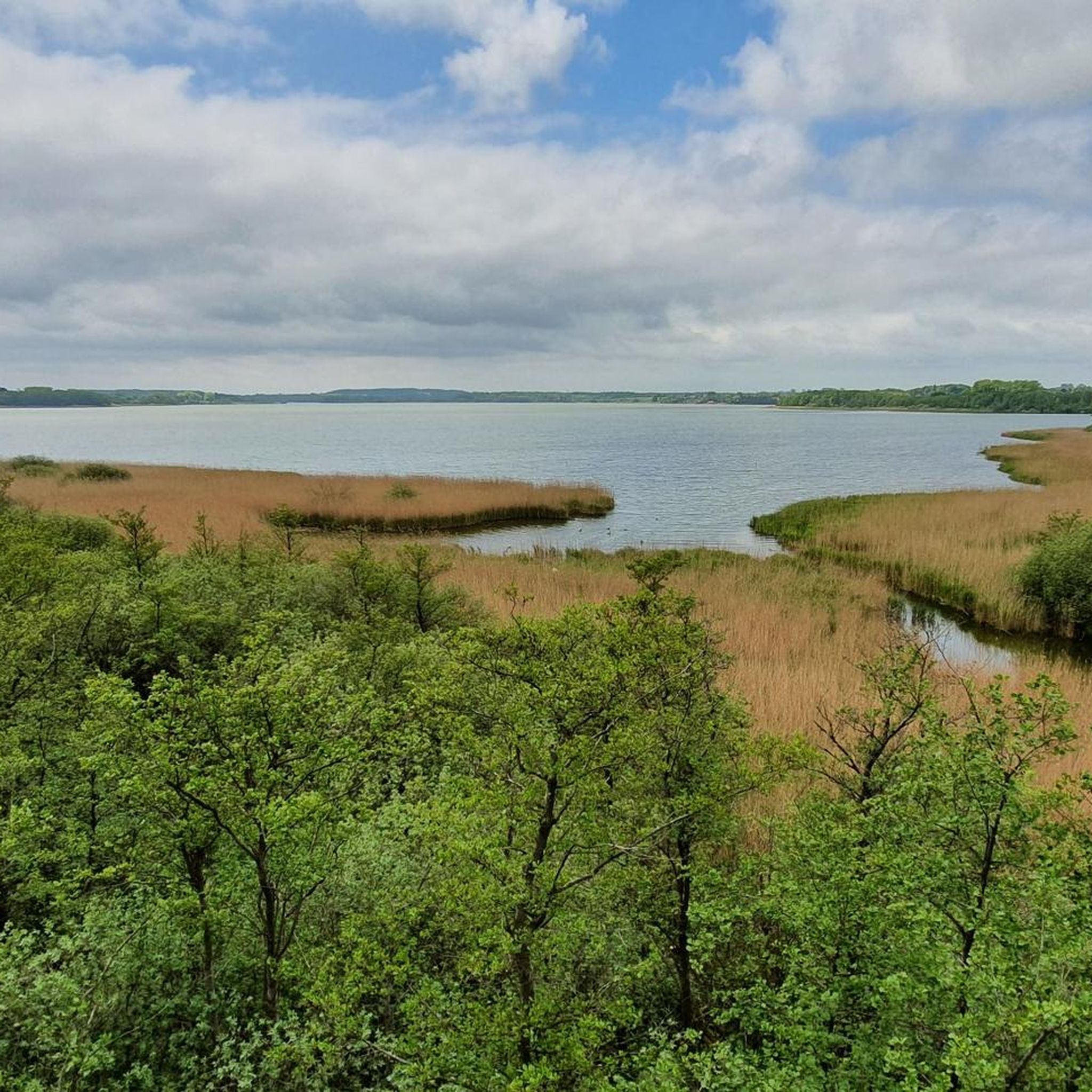
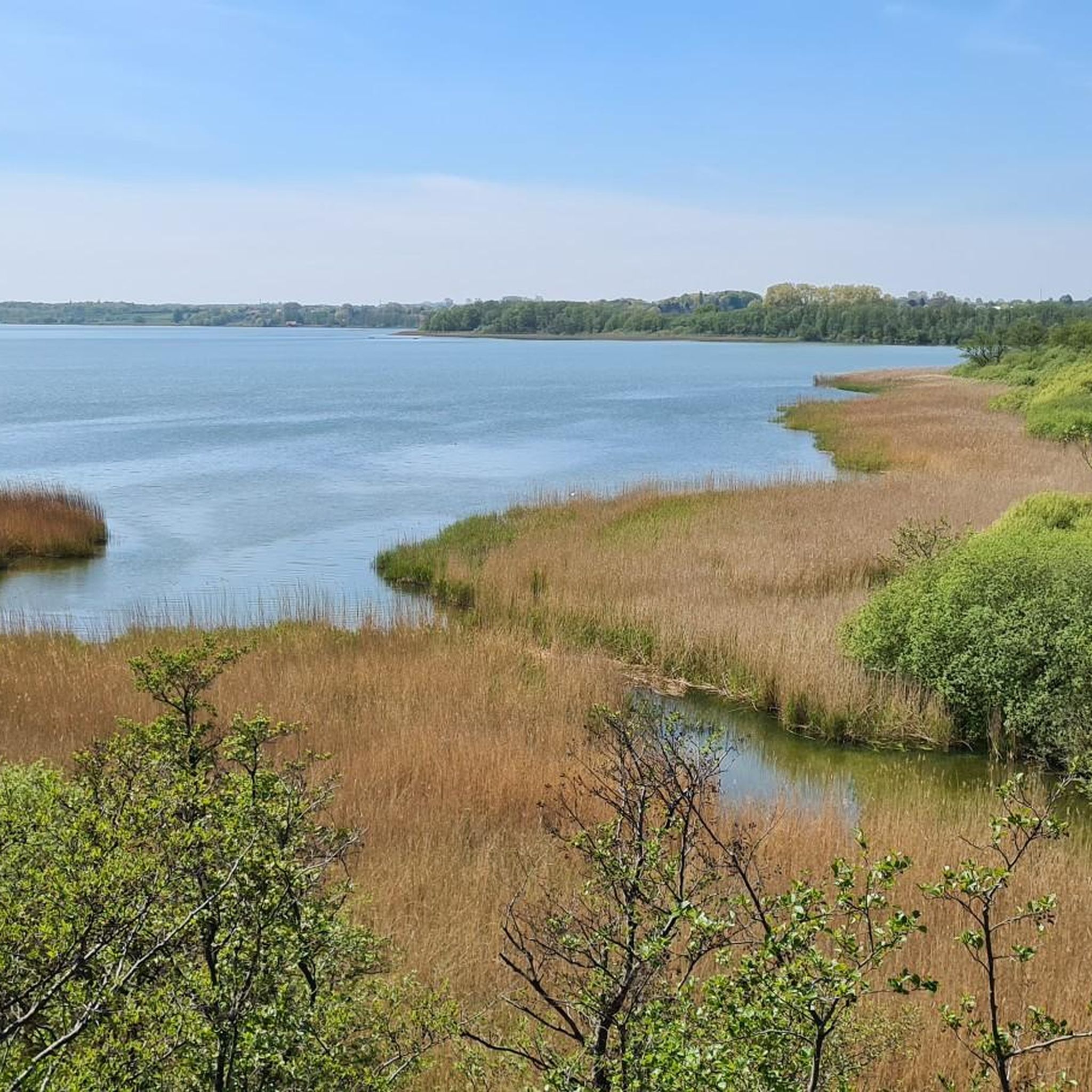
Best attractions and places to see around Hemmelsdorfer Lake include a variety of natural features and landmarks. Located north of Lübeck, this lake is geographically notable as the deepest point in Germany, formed as a fjord after the last ice age. The northern section, the Aalbeek Lowland, is a designated nature reserve and European Bird Sanctuary, offering diverse birdlife and scenic landscapes of forests, bushes, and meadows. The area provides opportunities to explore its unique ecological and geological characteristics.
Best attractions and places to see around Hemmelsdorfer Lake
- The most popular attractions is Pier at Lake Hemmelsdorf, a bridge that features a beautifully laid out circular walkway. This well-designed pier provides a pleasant experience for strolling and enjoying the scenery.
- Another must-see spot is Moor Trail in the Aalbeek-Niederung, a trail through the nature reserve. Visitors can expect a beautiful stretch through this protected area, which is a European Bird Sanctuary.
- Visitors also love Hemmelsdorfer See Lakeside Boardwalk, a 0.5 km long riverside path made of oak wood. This boardwalk allows for direct observation of the lakeside vegetation and offers spots for landscape photography.
- Hemmelsdorfer Lake is known for its natural features, viewpoints, and trails. The area offers a variety of attractions to see and explore, including the Aalbeek Lowland Nature Reserve and the Hermann-Löns-Blick Observation Tower.
- The attractions around Hemmelsdorfer Lake are appreciated by the komoot community, with 666 upvotes and 542 photos shared by visitors.
Last updated: July 20, 2026
Pier at Lake Hemmelsdorf
Highlight • Bridge
Here you can let your mind wander.
Translated by Google •
Tip by

Fischereihof Hemmelsdorf
Highlight • Rest Area
Translated by Google •
Tip by

Sign up now to discover places like this
Get recommendations on the best single tracks, peaks, & plenty of other exciting outdoor places.
Sign up for free
Hermann-Löns-Blick Observation Tower – View of Hemmelsdorfer See
Highlight • Viewpoint
Translated by Google •
Tip by

Aalbeek-Niederung Nature Reserve
Highlight (Segment) • Trail
Translated by Google •
Tip by

Hemmelsdorfer See Lakeside Boardwalk
Highlight • Trail
Translated by Google •
Tip by

Sign up for free to discover even more attractions around Hemmelsdorfer Lake.
Sign up for free
Already have an account?
Start today with a free account
Your next adventure awaits.
Login or Signup
Tips from the Community

According to the European Water Framework Directive (WFD), Lake Hemmelsdorf is in an unsatisfactory ecological state. The lake receives heavily to very heavily nutrient-polluted water from the larger tributaries of the Mühlenau, Thuraubek and Spannau as well as other tributaries. The visible consequences in summer are often blue-green algae and foam formation on the banks. In terms of water quality, Lake Hemmelsdorf is one of the most endangered lakes in Schleswig-Holstein.
7
2
The fish population in Lake Hemmelsdorf includes perch, roach, bream, ruffe, zander, pike, eel, carp, and, to a lesser extent, rudd, minnow, and tench.[5] The northern part of the lake and the adjacent Aalbeek lowland were declared a nature reserve "Aalbeek Lowland" on 31 December 1984[6] and a European Bird Sanctuary in 2000, covering an area of 310 hectares.
7
1
Breeding birds at Lake Hemmelsdorf include the mute swan, greylag goose, gadwall, coot and great crested grebe. During migration, the little gull, osprey, black tern, great egret, tufted duck and pochard are present. The kingfisher and the white-tailed eagle are regular feeding visitors. The marsh harrier, reed warbler, great reed warbler, bluethroat, penduline tit and bearded reed can be found in the reeds.
5
2
Lake Hemmelsdorf is divided into two completely different basins in the area of the so-called Möveninsel. The larger northern basin is flat and four meters deep (four meters below sea level). The smaller southern basin is a large cryptodepression (the result of ice age glaciation). On August 31, 2007, the HafenCity University of Hamburg carried out a survey in this southern part of Lake Hemmelsdorf using sonar technology (side scan sonar, subbottom sonar and multibeam sonar) to determine the deepest point on land in Germany. The deepest point is 39.5 m and was marked with a buoy.
5
2
With a catchment area of 36.4 km², Lake Hemmelsdorf has numerous small tributaries, including the Aalbeck, which drains Lake Ruppersdorf, and the Mühlenau, which drains the Överdiek.
5
2
The lake was formed after the last ice age (the Weichselian glaciation), when the channel carved out by glaciers connected to the Baltic Sea and the Hemmelsförde was formed. This fjord was subsequently cut off from the Baltic Sea by the sand masses eroded from the Brodten shore by the Baltic Sea and moved westward by the current, thus forming the lake we see today.
8
1
In 2013, a 0.5 km long riverside path was created in the Hemmelsdorf district to allow direct observation of the riverside vegetation. The footbridge was built entirely from oak wood to blend in with the landscape. The oak posts on which the footbridge is founded were not stripped to maintain their durability. Other posts were prepared in different ways to observe the course of their decay.
5
0
Hemmelsdorf In the Hemmelsdorf district, there is a small harbor for sailboats and rowing boats at the fish smokehouse. Lake Hemmelsdorf is leased to the Lübeck-based sport fishing club SAV Pliete e. V. [10] The fish species include eel, pike, zander, tench, carp, and trout. The catch of fish is limited.
5
0
Frequently Asked Questions
What are the most popular viewpoints around Hemmelsdorfer Lake?
For panoramic views, visit the Hermann-Löns-Blick Observation Tower, a 20-meter-high wooden tower offering expansive vistas over the lake and its reed belts. On clear days, you can even spot Lübeck's church towers. Another popular spot is the Pier at Lake Hemmelsdorf, which features a circular walkway perfect for enjoying the scenery.
Are there family-friendly attractions or activities at Hemmelsdorfer Lake?
Yes, several attractions are suitable for families. The Pier at Lake Hemmelsdorf offers a pleasant stroll, and the Fischereihof Hemmelsdorf is a beautifully restored location with food and drink options, where you can also learn about fishing. The Hermann-Löns-Blick Observation Tower is also considered family-friendly and offers great views.
What kind of natural features can I explore around Hemmelsdorfer Lake?
Hemmelsdorfer Lake is known for its diverse natural landscape. The northern part, the Aalbeek Lowland, is a designated nature reserve and European Bird Sanctuary, offering rich birdlife and scenic views of forests, bushes, and meadows. The lake itself is geographically notable as the deepest point in Germany, formed as a fjord after the last ice age.
Where can I go for a walk or hike around the lake?
You can enjoy several trails, including the Moor Trail in the Aalbeek-Niederung, which takes you through the nature reserve. For a unique experience, the Hemmelsdorfer See Lakeside Boardwalk is a 0.5 km oak wood path allowing direct observation of lakeside vegetation. For more options, explore the easy hikes around Hemmelsdorfer Lake, which include routes like the 'Lake Hemmelsdorf loop from Hier stand das "Pöppendorfer Lager"'.
Are there cycling routes available near Hemmelsdorfer Lake?
Yes, the area offers numerous cycling opportunities. You can find various routes, including easy loops like 'View of Himmelsdorfer See – Aalbeek Bridge loop from Hemmelsdorf'. For a comprehensive guide to cycling in the area, visit the Cycling around Hemmelsdorfer Lake guide.
What opportunities are there for birdwatching at Hemmelsdorfer Lake?
The Aalbeek Lowland Nature Reserve, located in the northern part of the lake, is a European Bird Sanctuary and a prime spot for birdwatching. You can observe breeding birds like mute swans and great crested grebes, and during migration periods, look out for little gulls, ospreys, and black terns. Kingfishers and white-tailed eagles are also regular visitors.
Is there a place to eat or get refreshments by the lake?
Yes, the Fischereihof Hemmelsdorf is an excellent spot for a break with food and drink. It's known for its beautifully restored setting and offers a great view over the lake, often serving fine fish dishes.
Can I find accessible paths around Hemmelsdorfer Lake?
The Hemmelsdorfer See Lakeside Boardwalk is noted for being wheelchair accessible, providing an opportunity for everyone to enjoy the lakeside environment and observe its vegetation directly.
What is the best time to visit Hemmelsdorfer Lake for photography?
The Hemmelsdorfer See Lakeside Boardwalk offers great spots for landscape photography, especially at sunrise. The diverse natural features, including the reed belts and surrounding forests, provide picturesque scenes throughout the year.
What do visitors enjoy most about the attractions around Hemmelsdorfer Lake?
Visitors frequently appreciate the tranquility and natural beauty of the area. The circular walkway at the Pier at Lake Hemmelsdorf is often highlighted as a place to relax and let your mind wander. The restored Fischereihof Hemmelsdorf is also highly recommended for its atmosphere and views.
Are there opportunities for gravel biking near Hemmelsdorfer Lake?
Yes, gravel biking is a popular activity in the region. You can find routes such as the 'Brodtener Coastal Cliff Cycle Path – Brodtener Cliffs loop from Timmendorfer Strand'. For more detailed routes and information, refer to the Gravel biking around Hemmelsdorfer Lake guide.
Can I swim in Hemmelsdorfer Lake?
Yes, the bathing area in Offendorf is a popular spot for swimming in Hemmelsdorfer Lake, offering a refreshing experience during warmer months.
Most popular routes around Hemmelsdorfer Lake
Most popular attractions around Hemmelsdorfer Lake

Get inspired with the komoot mobile app


Explore more
Still not found the Highlight you’re looking for? See guides of the top attractions in other regions:
