Attractions and Places To See around Wermsdorfer Wald - Top 20
Best attractions and places to see around Wermsdorfer Wald include a diverse range of historical landmarks, natural features, and cultural sites within its 13,000-hectare forest and landscape protection area. This region, located east of Leipzig, Germany, features the prominent Collmberg, numerous artificial ponds, and a network of historical hunting trails. Visitors can explore significant Baroque architecture and archaeological findings that span over 3000 years.
Best attractions and places to see around Wermsdorfer Wald
- The most popular attractions is Albert Tower…
Last updated: May 9, 2026
Albert Tower on the Collmberg
Highlight • Monument
Translated by Google •
Tip by

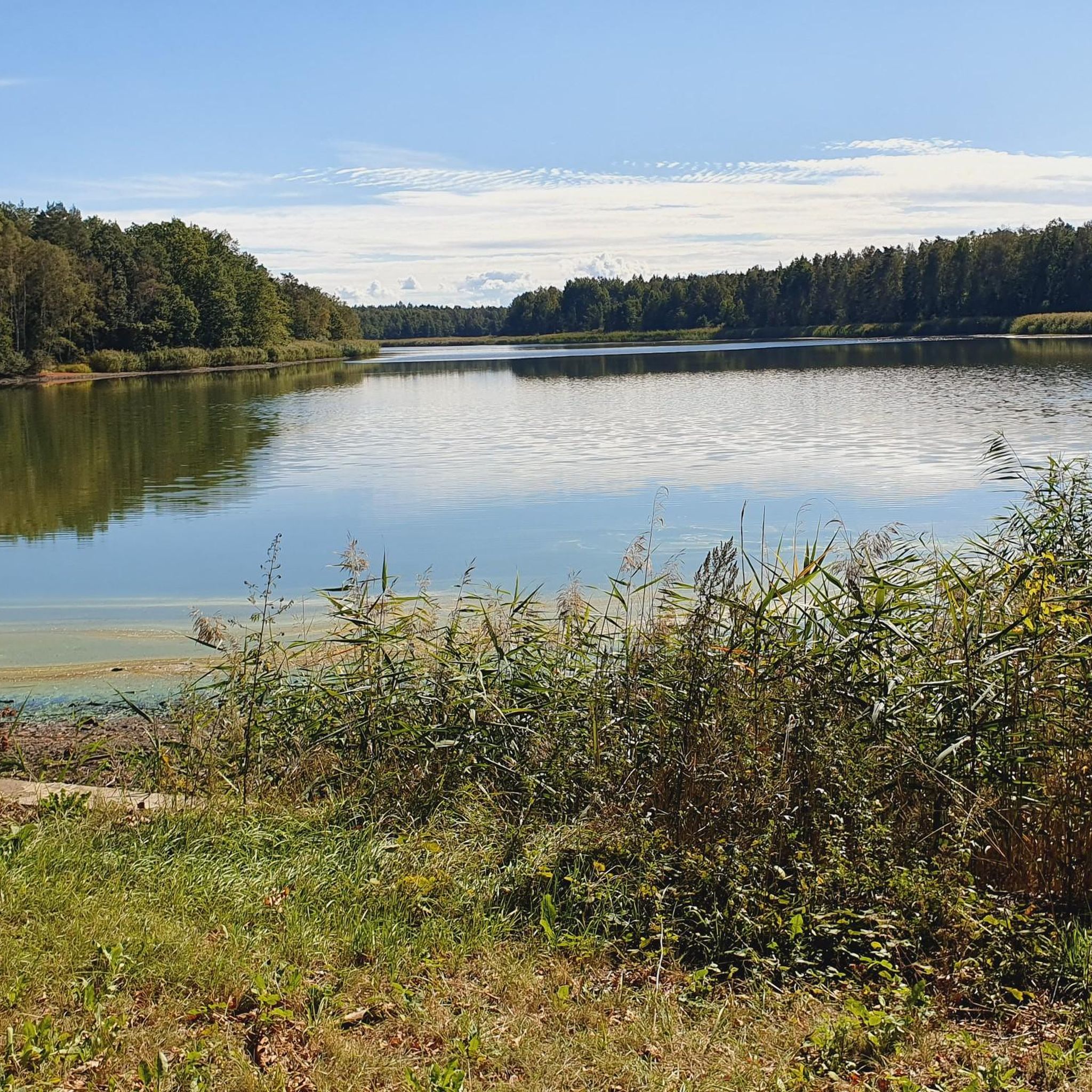
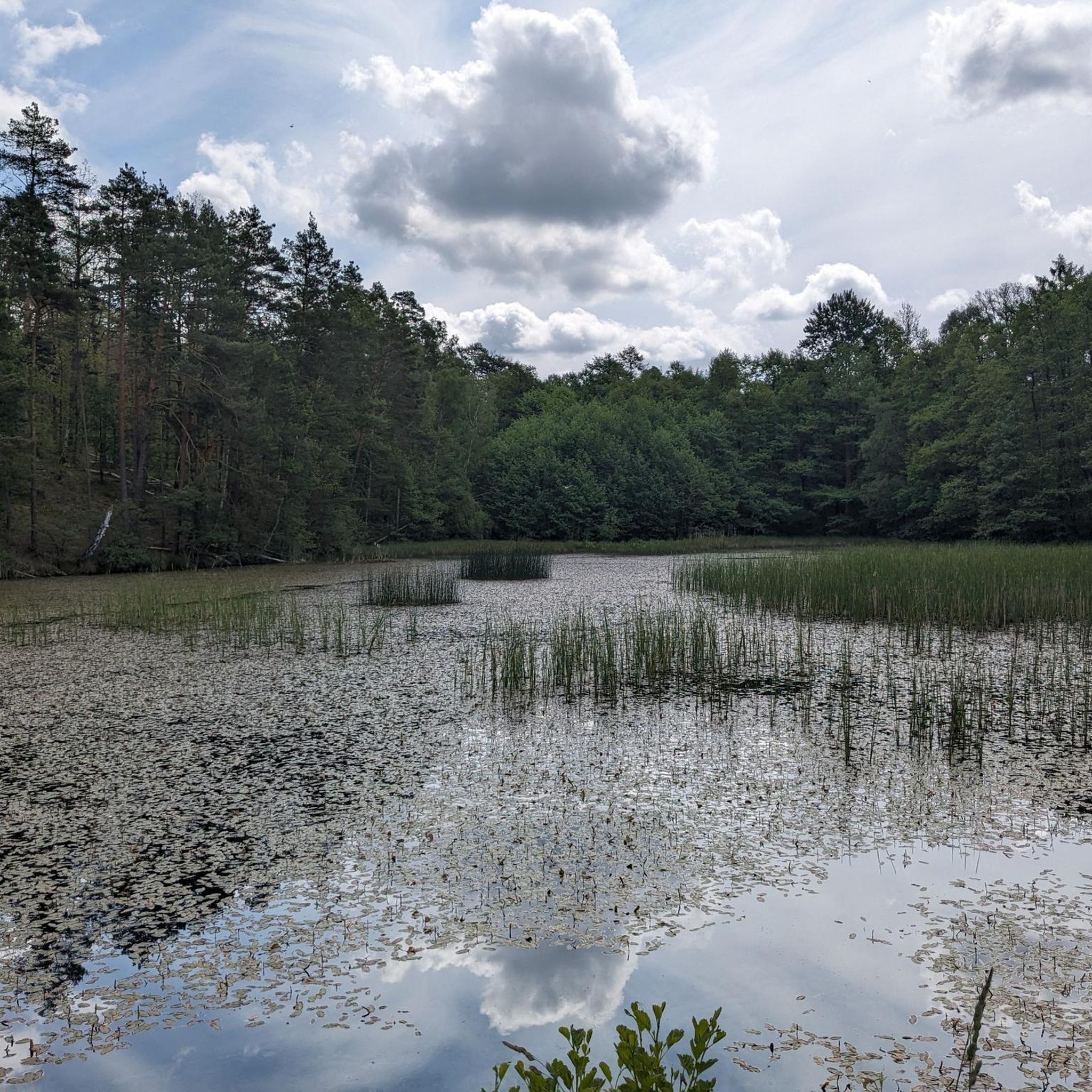
Carl Pond (Silver Lake)
Highlight • Lake
Translated by Google •
Tip by

Sign up now to discover places like this
Get recommendations on the best single tracks, peaks, & plenty of other exciting outdoor places.
Sign up for free
Nennewitz Church Ruins
Highlight • Historical Site
Translated by Google •
Tip by

Eselsbrunnen
Highlight • Natural Monument
Translated by Google •
Tip by
Bronze Age Burial Mounds Wermsdorfer Forest
Highlight • Historical Site
Translated by Google •
Tip by

Sign up for free to discover even more attractions around Wermsdorfer Wald.
Sign up for free
Already have an account?
Start today with a free account
Your next adventure awaits.
Login or Signup


Other adventures around Wermsdorfer Wald

Tips from the Community

A Bronze Age burial ground
1
0

Beautifully hidden in the forest.
1
0

This church was built in 1220/30. Only the foundations remain.
1
0
A piece of restored history of Nennewitz
1
0

In summer it's a bit overgrown with blackberries and nettles. But it's still a nice place. The downhill part is very steep but it's really fun to ride. The uphill part is fun too.
1
0

Detailed explanations on the information board.
1
1
The site is equipped with very good information boards.
2
0

Frequently Asked Questions
What historical landmarks can I explore in Wermsdorfer Wald?
The Wermsdorfer Wald is rich in history. You can visit the magnificent Baroque hunting lodge, Schloss Hubertusburg, one of Germany's most significant 18th-century palace complexes. Also, explore the Altes Jagdschloss, an older hunting lodge from the early 17th century, and the intriguing Nennewitz Church Ruins, which date back to 1220. The Wüstes Schloss Osterland is another historical ruin worth discovering.
Where can I find the best panoramic views in Wermsdorfer Wald?
For breathtaking panoramic views, head to the Albert Tower on the Collmberg. The Collmberg is the most prominent elevation in the North Saxon lowlands, and from the 18-meter-high Albert Tower, you can enjoy wide vistas over the Wermsdorfer Wald and the Dahlener Heide. Visitors often mention seeing the Monument to the Battle of the Nations in Leipzig on clear days.
Are there any notable lakes or ponds to visit in the area?
Yes, the Wermsdorfer Wald is known for its numerous ponds. Two particularly scenic spots are Carl Pond (Silver Lake), a tranquil lake created in 1939, and Doktor Pond. Both offer idyllic settings for nature lovers and hikers, with Carl Pond being noted for its mirror-smooth water surface.
What kind of outdoor activities are available around Wermsdorfer Wald?
The Wermsdorfer Wald offers a wide range of outdoor activities, primarily hiking, cycling, and running. The forest features an extensive network of marked trails. You can find various routes for different sports, such as road cycling routes like the 'Mügeln Market Square – Hubertusburg Palace loop' or mountain biking trails like the 'Carl Pond (Silver Lake) – Häuschenteich Pond loop'. For more details on specific routes, explore the Road Cycling Routes, Running Trails, and MTB Trails guides.
Are there family-friendly attractions or activities in Wermsdorfer Wald?
Absolutely! Many natural spots in Wermsdorfer Wald are considered family-friendly. Highlights like Carl Pond (Silver Lake), Doktor Pond, and Eselsbrunnen are great for walks and enjoying nature with children. The extensive network of paths throughout the forest also provides easy routes suitable for families.
What unique natural features does the Wermsdorfer Wald offer?
Beyond its lakes, the Wermsdorfer Wald is characterized by the Collmberg, Saxony's oldest mountain, and its unique system of straight avenues and right-angled intersecting wings, originally designed for historical driven hunts. The forest is also home to the ancient Collmer Linde, Saxony's oldest lime tree, located in the village of Collm. You can also find geological points of interest like the Grauwacke-Felsen am Collm.
Are there any museums in the Wermsdorfer Wald area?
Yes, you can visit the Kulturlandschaftsmuseum Wermsdorfer Wald (Cultural Landscape Museum Wermsdorfer Wald) by the Kirchenteich. This museum takes visitors on a 3200-year journey into the past, showcasing archaeological findings from the Stone, Bronze, and Iron Ages with well-designed display boards. Additionally, within the grounds of Schloss Hubertusburg, there is a museum dedicated to Karl Hans Janke.
What do visitors particularly enjoy about the natural spots in Wermsdorfer Wald?
Visitors frequently praise the tranquility and natural beauty of the Wermsdorfer Wald's natural spots. For instance, Carl Pond (Silver Lake) is described as an 'idyllic spot' perfect for enjoying nature. The Eselsbrunnen is loved for its refreshing water and peaceful forest setting, often with benches for resting. The overall sentiment is one of peaceful immersion in nature.
When is the best time of year to visit Wermsdorfer Wald?
The Wermsdorfer Wald is beautiful year-round, but the best time depends on your preferred activities. Spring and autumn offer pleasant temperatures for hiking and cycling, with vibrant foliage in autumn. Summer is ideal for enjoying the lakes and ponds, while winter can transform the forest into a serene, snowy landscape, suitable for winter walks.
Is Wermsdorfer Wald accessible by public transport?
While the Wermsdorfer Wald is a sprawling natural area, specific public transport options to its various attractions may be limited. It's advisable to check local bus lines or train stations in nearby towns like Wermsdorf or Oschatz for connections. For detailed planning, it's recommended to consult regional public transport schedules.
Are there specific hiking trails suitable for different skill levels?
Yes, the Wermsdorfer Wald offers hiking trails for various skill levels. You can find easy routes suitable for families, as well as moderate and more difficult trails for experienced hikers. For example, the 'Heron Pond – Doktor Pond loop' is an easy running trail, while the 'Albert Tower on the Collmberg – Albert Tower on Collmberg loop' is rated as difficult. You can explore more options in the Running Trails around Wermsdorfer Wald guide, which also includes hiking routes.
What is the historical significance of Schloss Hubertusburg?
Schloss Hubertusburg is historically significant as one of the most important 18th-century palace complexes in Germany. It served as the hunting residence for the Saxon Elector and Polish King August III. Notably, the Seven Years' War concluded here with the Peace of Hubertusburg in 1763. The castle's Catholic chapel is also considered a treasure with its original paintings and sculptures. You can learn more about its history on Wikipedia.
Most popular routes around Wermsdorfer Wald
Most popular attractions around Wermsdorfer Wald

Get inspired with the komoot mobile app


Explore more
Still not found the Highlight you’re looking for? See guides of the top attractions in other regions:
