The best road cycling routes around Oranienbaum-Wörlitz
4.6
(496)
4,967
riders
21
rides
Road cycling around Oranienbaum-Wörlitz offers routes through a landscape characterized by rivers, floodplain meadows, and forests, situated within the Middle Elbe Biosphere Reserve. The region features dikes and numerous lakes, providing a generally flat terrain suitable for road cycling. This area is part of the UNESCO World Heritage-listed Garden Kingdom of Dessau-Wörlitz, blending natural scenery with cultural landmarks. The cycling infrastructure includes well-maintained paths, with most routes on paved surfaces.
Best road cycling routes around Oranienbaum-Wörlitz
- The most popular road…
Last updated: September 3, 2026
4.5
(11)
106
riders
Moderate road ride. Great for any fitness level. Some segments of this route may be unpaved and difficult to ride.
4.7
(9)
48
riders
56.2km
02:12
90m
90m
Moderate road ride. Good fitness required. Some segments of this route may be unpaved and difficult to ride.

Sign up for free
5.0
(1)
32
riders
Moderate road ride. Great for any fitness level. Some segments of this route may be unpaved and difficult to ride.
4.5
(4)
16
riders
62.9km
02:32
130m
130m
Moderate road ride. Good fitness required. Some segments of this route may be unpaved and difficult to ride.
5.0
(1)
16
riders
27.7km
01:12
40m
40m
Moderate road ride. Great for any fitness level. Some segments of this route may be unpaved and difficult to ride.
Get access to more routes and recommendations from other explorers.
Sign up for free
Already have an account?
Our route recommendations are based on thousands of hikes, rides, and runs completed by other people on komoot.
Start today with a free account
Your next adventure awaits.
Login or Signup
Popular around Oranienbaum-Wörlitz
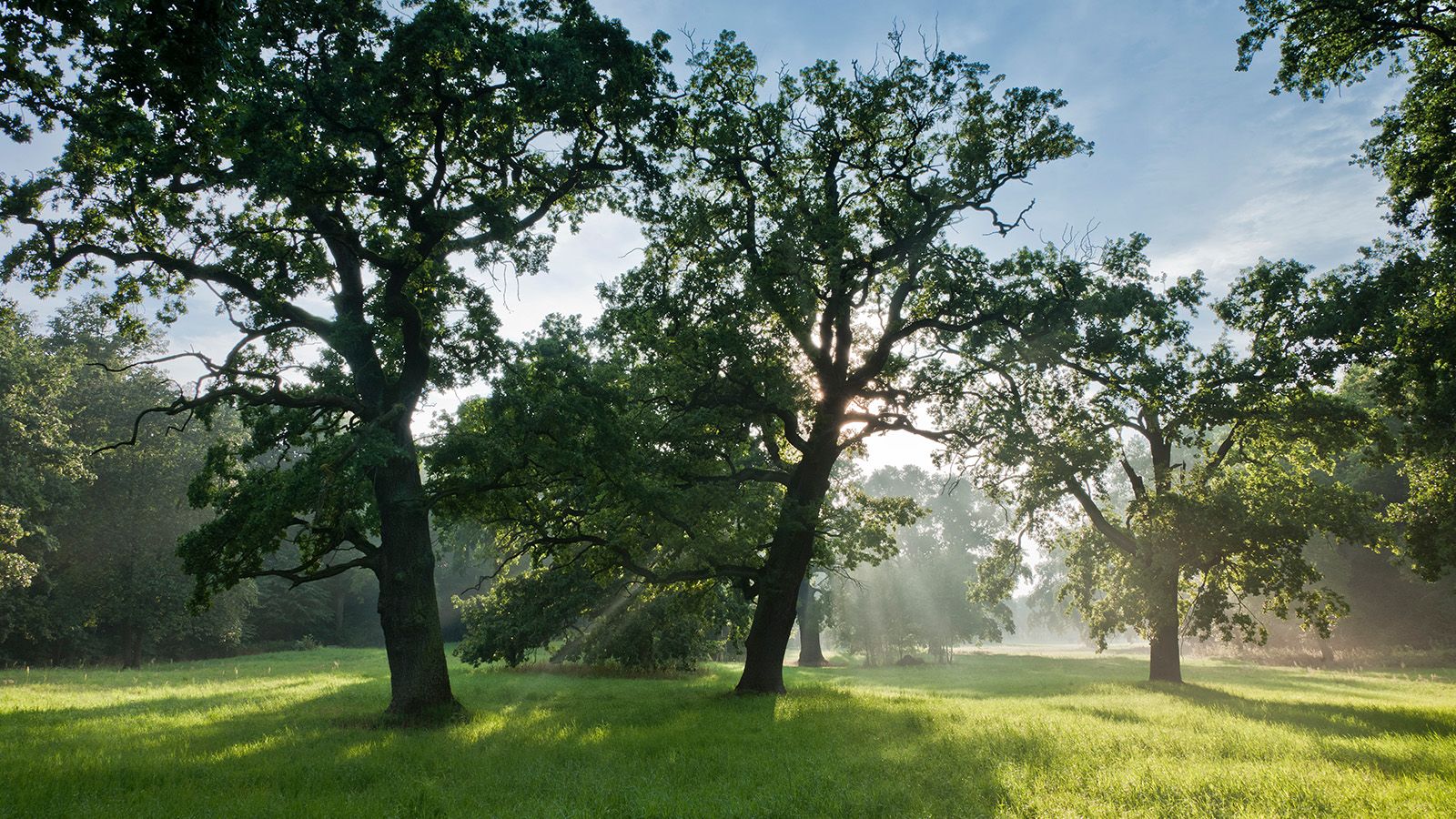
Nature and culture – cycling in the Dessau-Roßlau region

Wild horses, bears & falcons — meet wild animals by bus and train
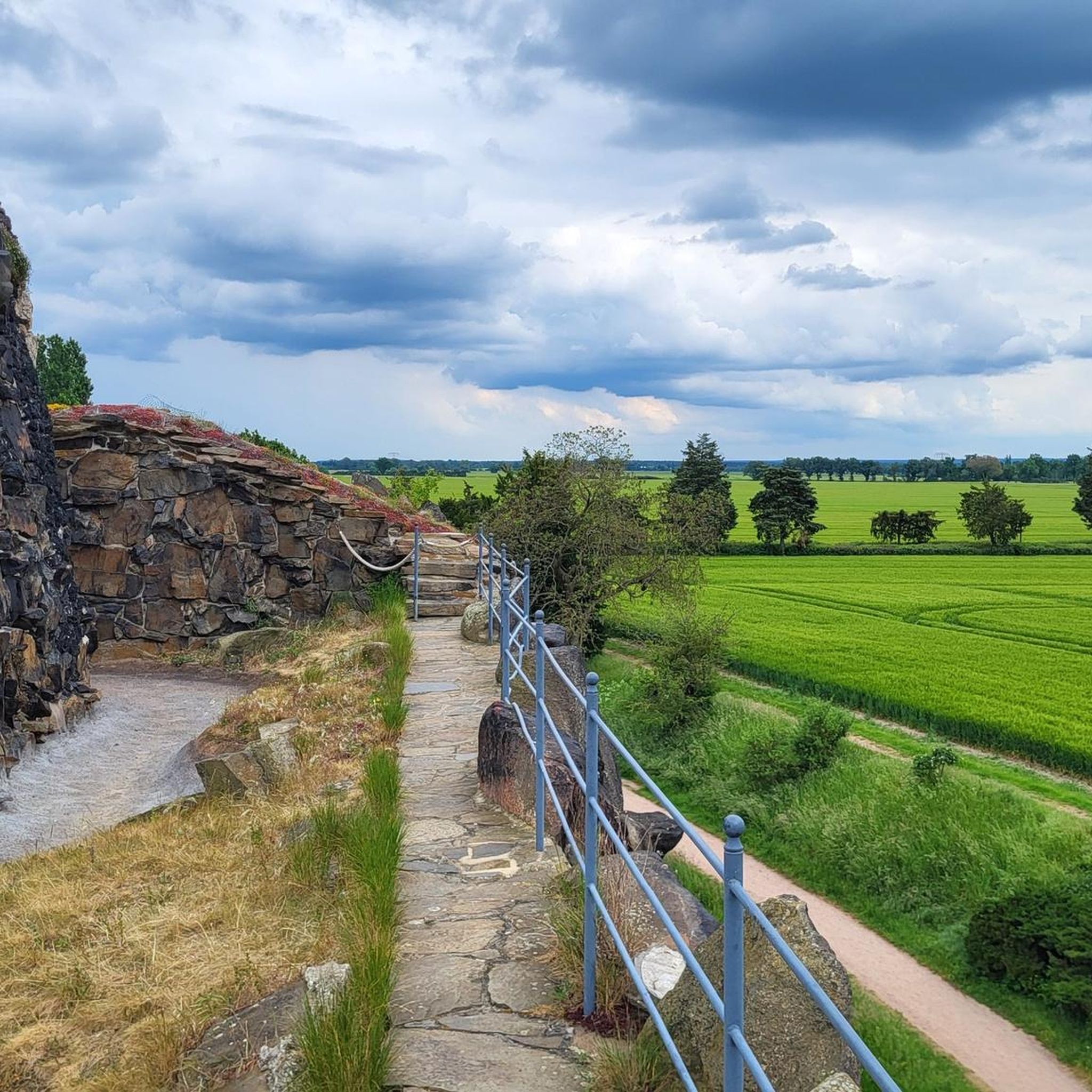
Cycling around Oranienbaum-Wörlitz
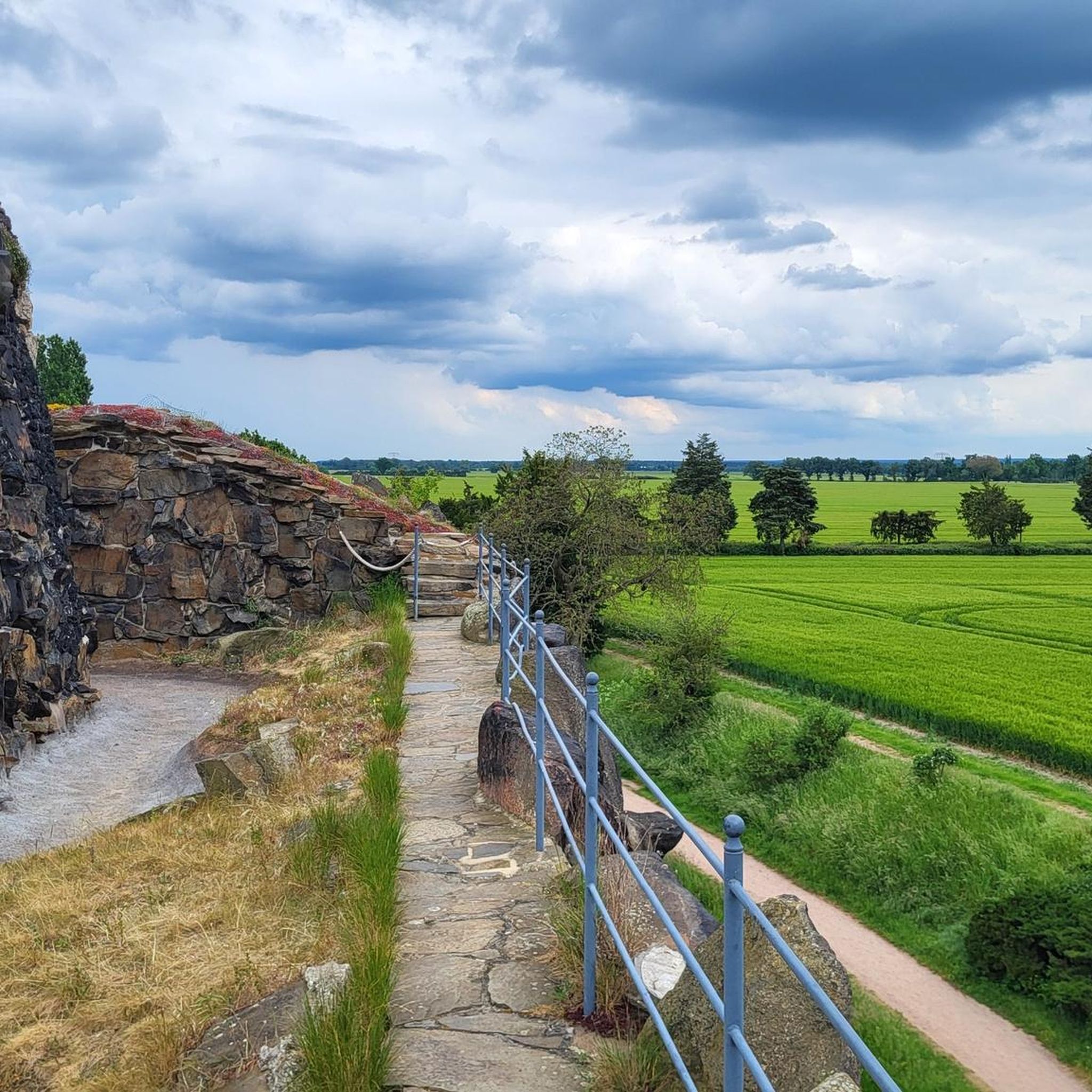
Hiking around Oranienbaum-Wörlitz
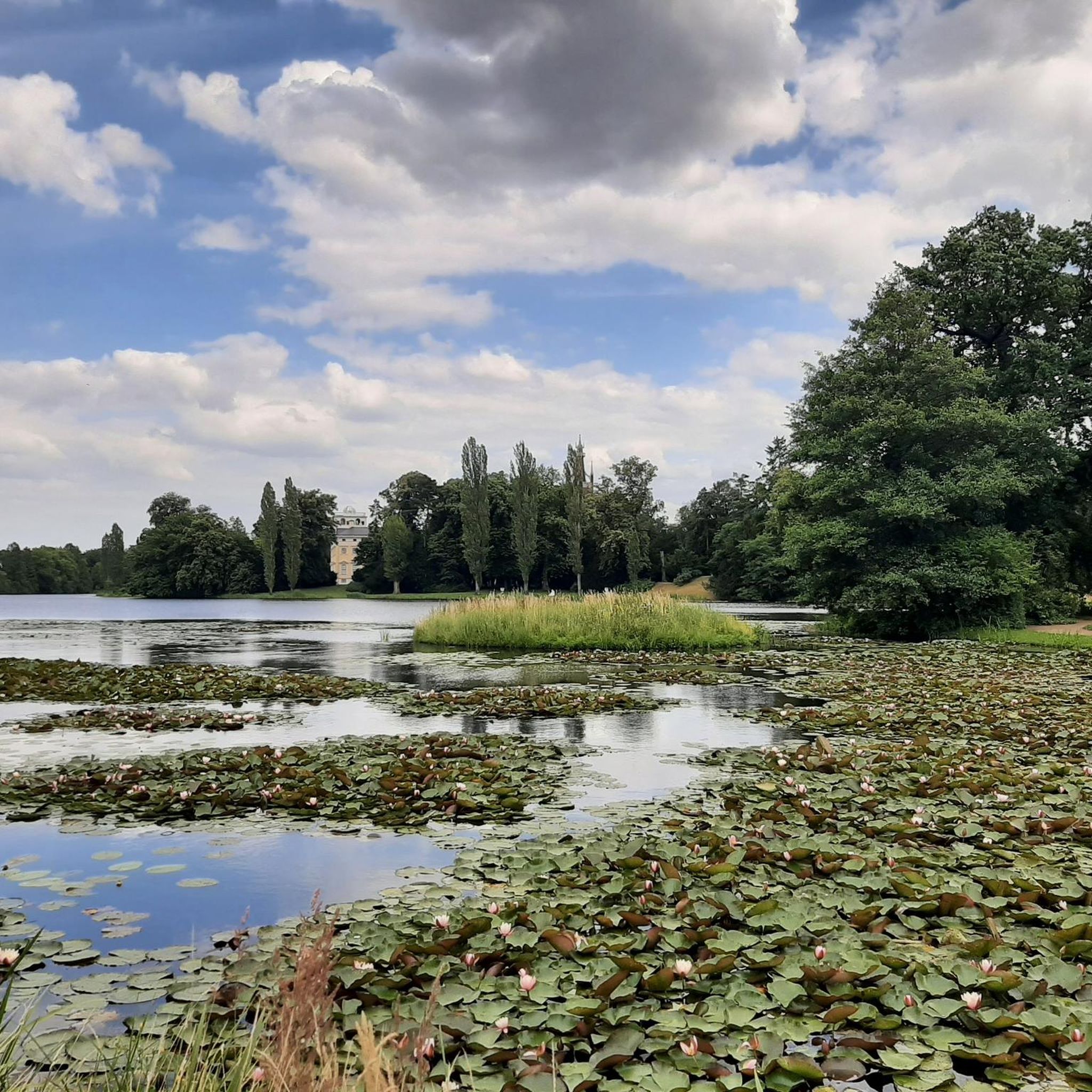
Running Trails around Oranienbaum-Wörlitz
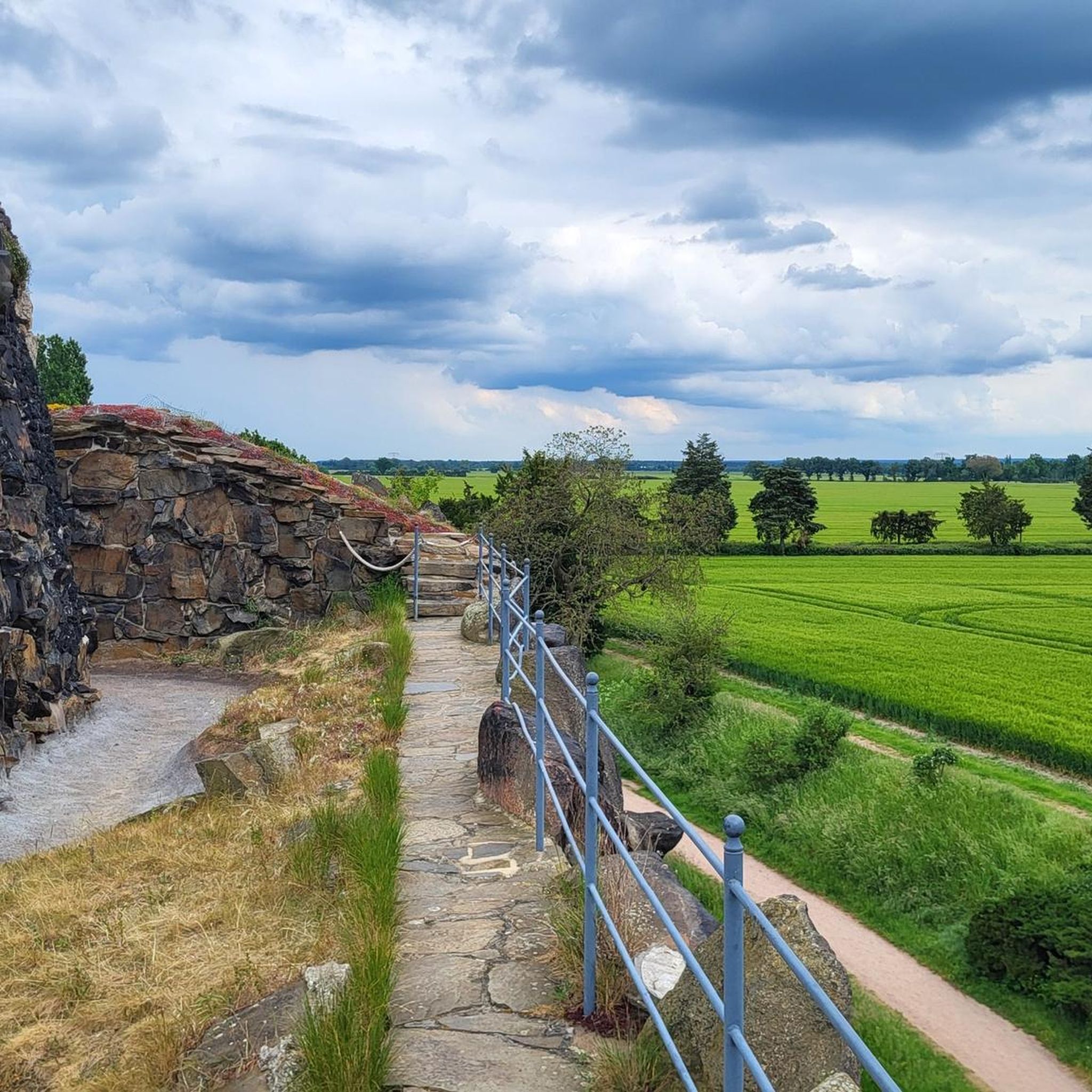
MTB Trails around Oranienbaum-Wörlitz
Gravel biking around Oranienbaum-Wörlitz


Tips from the Community

A very beautiful market square.
0
0
A very beautiful marketplace.
0
0

Wonderful garden realm, always worth a stop.
0
0

Great view from the bridge of the Mulde weir
1
0

The castle park is absolutely worth seeing, but can only be visited on foot.
1
0
Beautiful section for cycling
2
0
The Mulde River flows entirely within the North German Plain, initially through the Saxon Hills and past Grimma, Nerchau, and Trebsen. Near Wurzen, along whose western edge it runs, the Mulde reaches the Elbe-Mulde Lowland. It then flows through Eilenburg and Bad Düben and shortly thereafter leaves Saxony. The Mulde completes the remaining course of its journey to its confluence with the Elbe in Saxony-Anhalt. Until 1975, the Mulde flowed west of the towns of Pouch and Friedersdorf in the area of what is now Lake Goitzsche. Since then, it has been dammed east of these towns to form the Mulde Reservoir – a former open-cast mine. The Mulde then flows past Muldenstein, Jeßnitz, Raguhn, and Dessau, emptying into the Elbe between Dessau and Roßlau after a course of 147 km.[2] [2] The "Wild Mulde" revitalization project for the lower reaches of the Mulde River in Dessau was recognized as an official project of the UN Decade on Biodiversity in November 2018.[11][12] Source: https://de.wikipedia.org/wiki/Mulde_(Fluss)
4
0
Frequently Asked Questions
What kind of terrain can I expect on road cycling routes around Oranienbaum-Wörlitz?
The region offers a generally flat terrain, characterized by picturesque rivers, extensive floodplain meadows, and serene forests. You'll often find yourself cycling along dikes and past numerous lakes, providing a smooth and scenic experience. Most routes are on well-maintained, paved surfaces, making them ideal for road cycling.
How many road cycling routes are available in the Oranienbaum-Wörlitz area?
There are over 20 dedicated road cycling routes around Oranienbaum-Wörlitz. The majority of these, 23 to be exact, are rated as moderate, with one route considered difficult, offering options for various fitness levels.
Are there any long-distance cycle paths that pass through Oranienbaum-Wörlitz?
Yes, the region is a hub for major long-distance routes. Both the renowned Elbe Cycle Path and the European Cycle Route R1 traverse the World Heritage Site. Additionally, the Mulde River Valley Cycle Route leads directly into the heart of the UNESCO World Heritage area, offering extensive touring opportunities.
What cultural landmarks can I see while road cycling in Oranienbaum-Wörlitz?
The region is rich in cultural landmarks, many of which are part of the UNESCO World Heritage-listed Garden Kingdom of Dessau-Wörlitz. You can cycle past the impressive Oranienbaum Palace and Baroque Garden, or explore routes that offer views of the famous Wörlitz Park. Other notable sights include the All Saints' Church (Castle Church) in Wittenberg and the Wörlitz Castle.
Are there any circular road cycling routes in the area?
Yes, many routes are designed as loops, allowing you to start and finish in the same location. A popular example is the Limes Tower Himmelsturm – Wittenberg Market Square loop from Wörlitz, which covers about 43.7 km and offers views of historical sites. Another option is the Stadtkirche Oranienbaum – Lake in Wörlitzer Park loop from Oranienbaum (Anh), a 41 km ride.
What do other road cyclists enjoy most about the routes in Oranienbaum-Wörlitz?
The area is highly rated by the komoot community, with an average score of 4.5 stars from over 30 reviews. Cyclists often praise the well-maintained paths, the blend of natural scenery with cultural landmarks, and the generally flat terrain that makes for enjoyable rides. The variety of routes, from shorter loops to longer tours like the Neuhauser Lake Loop – View of the Pouch Peninsula loop from Oranienbaum (Anh), is also frequently highlighted.
Are there any challenging road cycling routes for experienced riders?
While the region is generally flat, there is one route specifically rated as difficult among the 24 available. For those seeking a longer, moderately challenging ride with some gentle elevation changes, the Neuhauser Lake Loop – View of the Pouch Peninsula loop from Oranienbaum (Anh), at 75.8 km, offers a good test of endurance.
Can I find places to stop for refreshments or explore along the routes?
Absolutely. The region's blend of nature and culture means you'll often find opportunities to pause. Many routes pass through or near towns and villages where you can find cafes and pubs. The Kakau–Horstdorf Road loop from Oranienbaum (Anh), for instance, takes you through rural areas where local establishments might be found. The proximity to cultural sites also means there are often facilities nearby.
What are some unique natural features I'll encounter on road cycling tours?
The Oranienbaum-Wörlitz region is part of the Middle Elbe Biosphere Reserve, offering unique natural features. You'll cycle along the Elbe River, through extensive floodplain meadows, and past numerous lakes. The landscape is also characterized by dikes, providing elevated views of the surrounding flatlands. Some routes, like the Chinese Pagoda (Oranienbaum) – Ferropolis Entrance loop from Wörlitz, offer diverse scenery including natural and industrial highlights.
Is the Oranienbaum-Wörlitz area suitable for family-friendly road cycling?
Given the generally flat terrain and the abundance of well-maintained, paved cycle paths, Oranienbaum-Wörlitz is very suitable for family-friendly road cycling. Many routes are moderate in difficulty and can be adjusted for shorter distances, allowing families to enjoy the scenic landscapes and cultural sights at a comfortable pace.
What is the best time of year to go road cycling in Oranienbaum-Wörlitz?
The region is beautiful throughout the warmer months. Spring offers blooming landscapes, while summer provides long daylight hours for extended rides. Autumn brings vibrant colors to the forests and meadows. The well-maintained paths are generally accessible in most non-winter conditions, making late spring to early autumn ideal for road cycling.
Most popular routes around Oranienbaum-Wörlitz
Most popular attractions around Oranienbaum-Wörlitz

Get inspired with the komoot mobile app


Explore more
Browse the best Road cycling routes in other regions.
