Attractions and Places To See around Drawieński Park Narodowy - Top 20
Attractions and places to see around Drawieński Park Narodowy are found in northwestern Poland, a region characterized by dense forests, pristine lakes, and picturesque rivers. The park serves as a significant natural refuge, encompassing the Drawa River and over 20 lakes, including Lake Ostrowieckie. It is known for its diverse ecosystems, including extensive forests and wetlands, supporting a wide array of wildlife. This area offers a blend of natural beauty and historical points of interest for visitors.
Best attractions and places to see around Drawieński Park Narodowy
- The most popular attractions is Ostrowite Historic Maple Avenue, a historical site featuring charming half-timbered houses and an old cemetery. A beautiful, historic maple alley leads through the center of this settlement.
- Another must-see spot is Vietnamese Bridge at Lake Ostrowite, a wooden footbridge connecting the two shores of Lake Ostrowite. This bridge offers views across the lake.
- Visitors also love Kamienna Hydroelectric Power Plant, one of the oldest hydropower plants in Poland and Europe. Its industrial operation began in 1903.
- Drawieński Park Narodowy is known for its historical sites, natural features, and man-made monuments. Visitors can explore ancient cemeteries, unique bridges, and significant industrial heritage.
- The attractions around Drawieński Park Narodowy are appreciated by the komoot community, with more than 11 upvotes and 4 photos.
Last updated: July 14, 2026
Springe Historic Cemetery
Highlight • Historical Site
Translated by Google •
Tip by

Ostrowite Historic Maple Avenue
Highlight • Historical Site
Two shelters, it's worth taking a break in this place.
Translated by Google •
Tip by

Sign up now to discover places like this
Get recommendations on the best single tracks, peaks, & plenty of other exciting outdoor places.
Sign up for free
Kamienna Hydroelectric Power Plant
Highlight • Monument
Translated by Google •
Tip by

Ruins of the Church and Cemetery in Ostrowite
Highlight • Historical Site
Translated by Google •
Tip by
Vietnamese Bridge at Lake Ostrowite
Highlight • Bridge
Great view of the lake.
Translated by Google •
Tip by
Sign up for free to discover even more attractions around Drawieński Park Narodowy.
Sign up for free
Already have an account?
Start today with a free account
Your next adventure awaits.
Login or Signup
Popular around Drawieński Park Narodowy

Tips from the Community

Ruins of a church from the 18th century. The church survived the last war and masses were held here until 1962. Later it was abandoned and fell into ruin. Today only the external walls remain. There is no roof and no tower. Next to it are the remains of an old, post-German cemetery. The gravestones are destroyed. The gravestone with blacksmith's insignia draws attention.
3
1
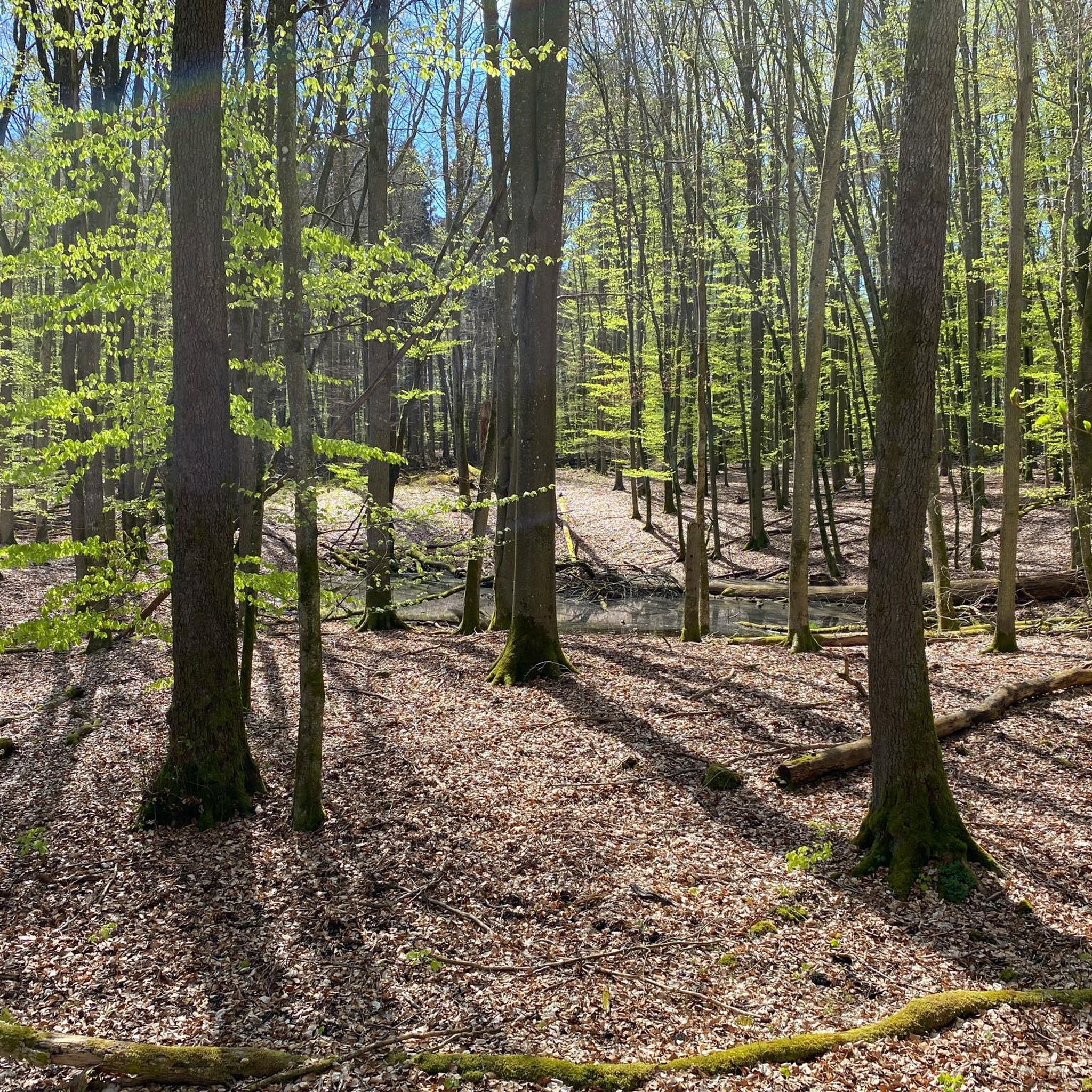
A small settlement of Ostrowite located in the heart of the Drawieński National Park. It was founded in 1588 by a representative of the Wedel-Rüdiger family from Drawno. In 1820, the village became the property of the von Sydow family from Głusk. There was a forge here, and a water mill on the Płociczna. The settlement has preserved 4 half-timbered buildings built for forest workers. A beautiful, historic maple alley leads through the center of the settlement.
5
1
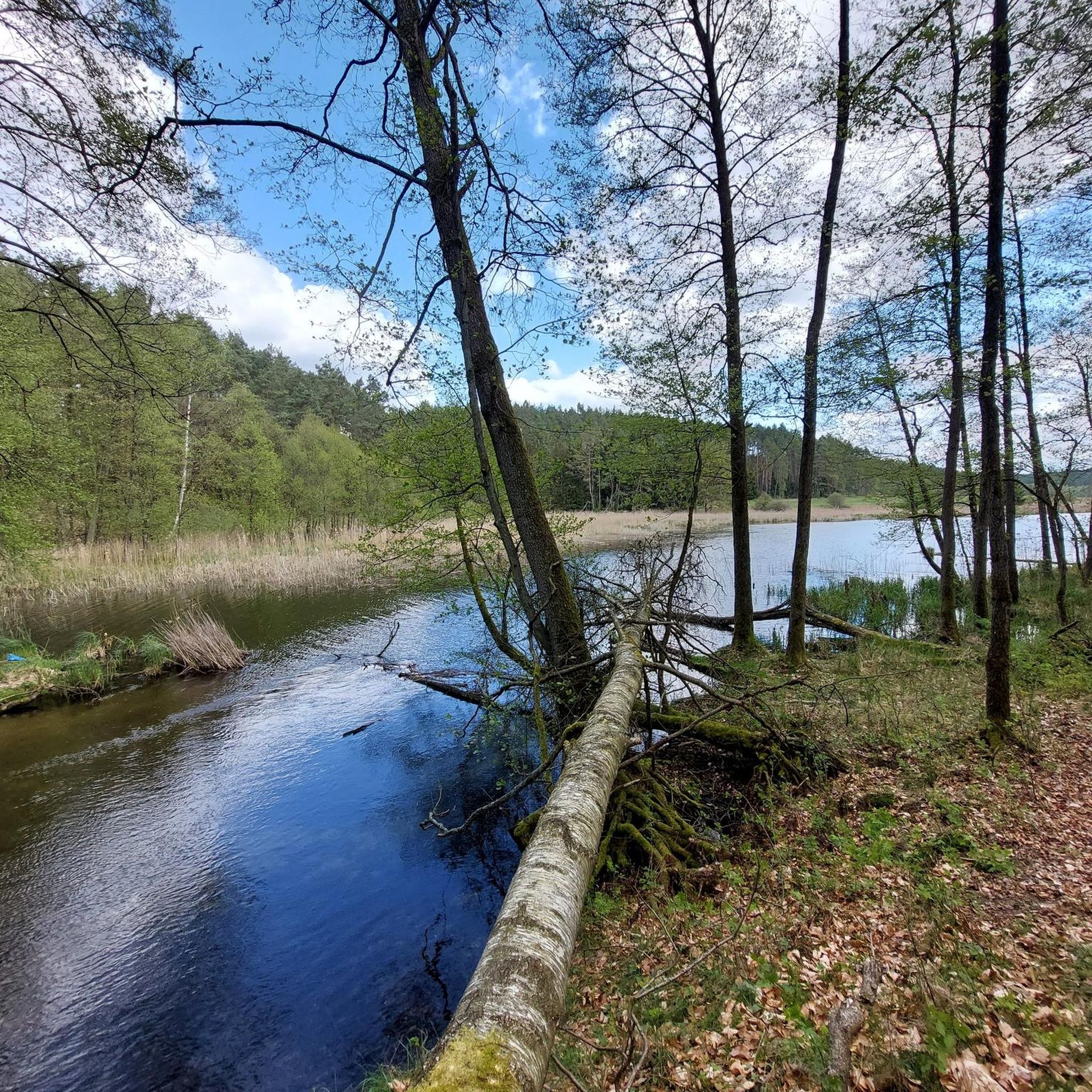
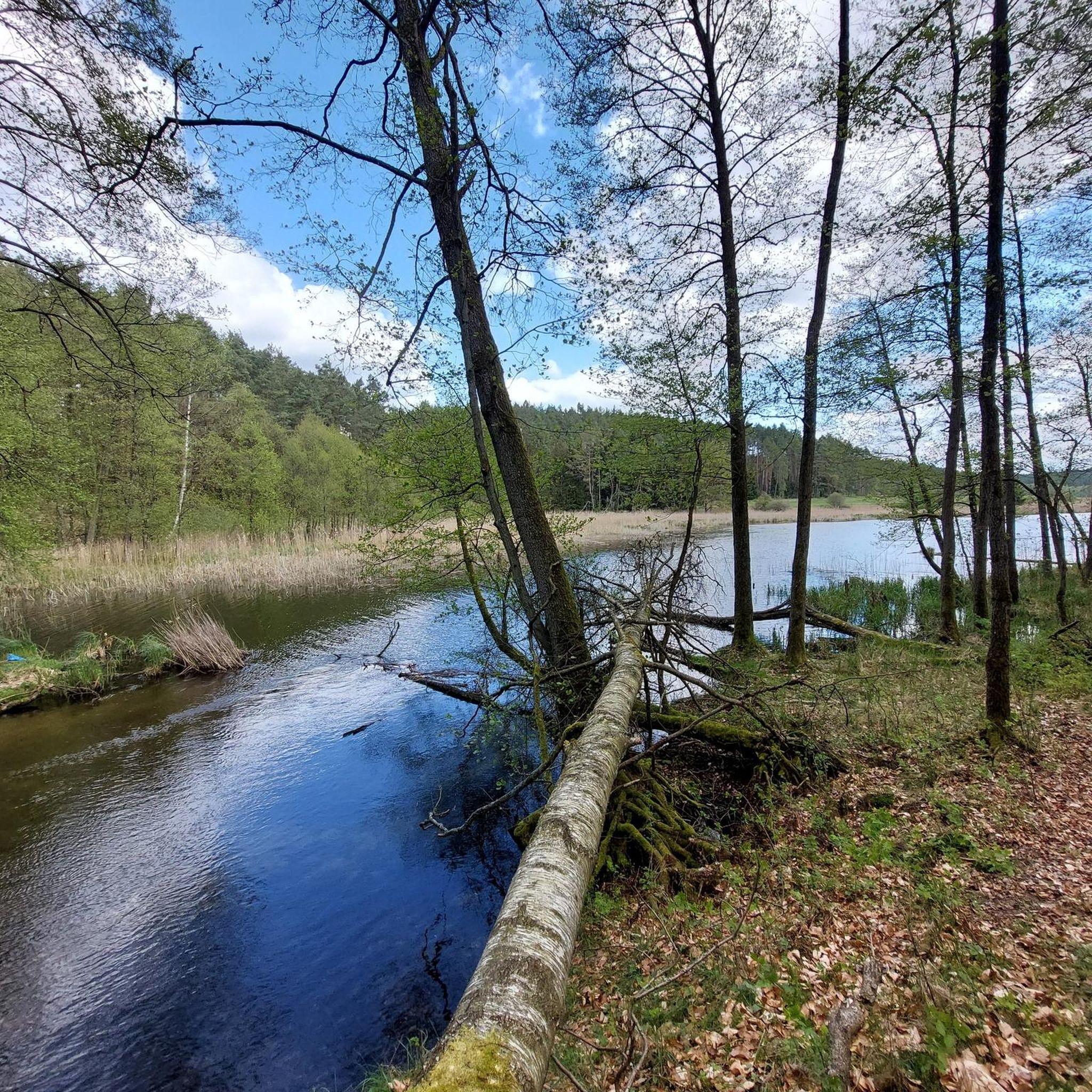
A wooden footbridge connecting the two shores of Lake Ostrowite at its narrowest point. This is the so-called Vietnamese Bridge. At the end of 2024, the footbridge was renovated.
3
1

The church in Ostrowite was built in the 18th century. However, the first temple existed here already in the 16th century, as evidenced by the remains of the floor from that period. The last masses were celebrated here in 1962. Inside there was an 18th-century altar with older figures of saints and the Virgin Mary with Child, which was moved to the parish church in Dobiegniew. The remains of the church were subjected to conservation in the early 21st century and secured as a permanent ruin. The brick and stone walls were reinforced with concrete bands.
0
0

It's a little worn down and due for renovation but still fairly safe to walk on and experience being between two parts of the lake.
0
0

As of today, the bridge is passable. However, I advise caution, it requires refurbishment. Great view of the lake.
3
0
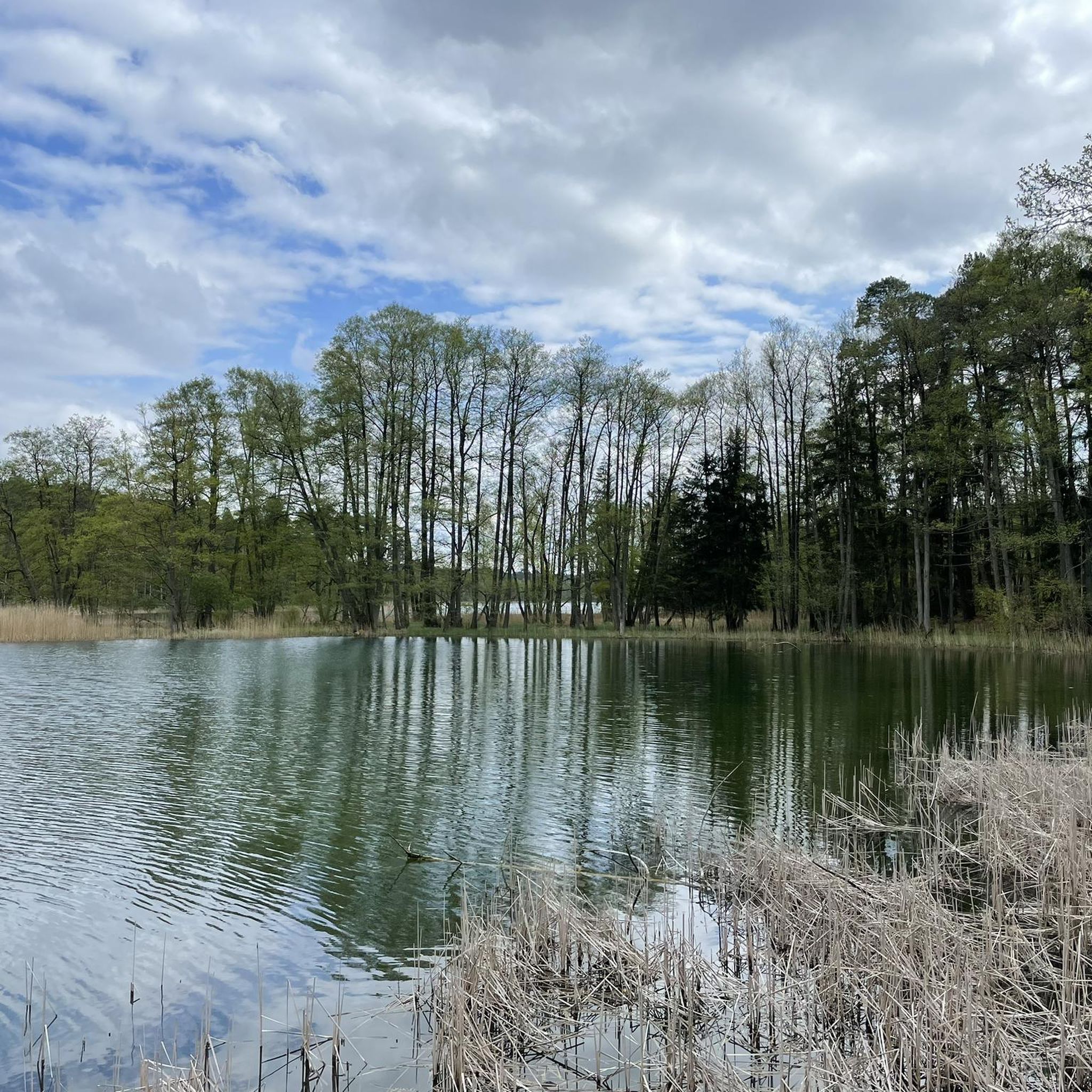
The historic settlement of Ostrowite at the Ostrowite lake (Ostrowskie lake). Charming half-timbered houses, a path, the remains of a church and a church cemetery. Two shelters, it's worth taking a break in this place.
4
0
One of the oldest hydropower plants in Poland and Europe. In 1896, only 5 years after the construction of the first hydroelectric power plant in the world, the first works on the construction of a power plant on the Drawa River were undertaken. The beginning of the industrial operation of the power plant dates back to 1903. In 1921, the hydro power plant was included in the German national network. Until 1941, as part of the "Kaskady Drawa" project, it was planned to expand the existing power plant and build new ones in Barnim, Zatom, the former settlement of Springe (Dąbrowa) and in Mostniki. These plans were not implemented.
3
2
Frequently Asked Questions
What natural features can I explore in Drawieński Park Narodowy?
Drawieński Park Narodowy is rich in natural beauty. You can explore the clear, fast-flowing Drawa River, ideal for kayaking, and its significant tributary, the Płociczna River. The park also features over 20 lakes, including the largest, Lake Ostrowieckie, known for its distinctive shoreline and the Vietnamese Bridge. Don't miss Lake Czarne, noted for its unique meromictic characteristics, and the extensive Drawska Forest, covering over 80% of the park.
Are there any historical sites or landmarks to visit in the area?
Yes, the region around Drawieński Park Narodowy offers several historical sites. You can visit the Ostrowite Historic Maple Avenue, a settlement with charming half-timbered houses and an old cemetery. The Ruins of the Church and Cemetery in Ostrowite provide a glimpse into the past. Other notable sites include the ruins of a historic water mill at Stara Węgornia on the Płociczna River, and the Kamienna Hydroelectric Power Plant, one of the oldest in Poland.
What kind of outdoor activities can I do in Drawieński Park Narodowy?
The park is excellent for various outdoor activities. The Drawa River is a premier destination for kayaking, offering one of Poland's most scenic water routes. You can also enjoy hiking and cycling on numerous trails, such as the "Drawnik" and "Barnimie" nature trails, and the 23.5 km "Pętla Głusko" cycling route. For more specific routes, you can explore running trails, road cycling routes, and gravel biking routes available in the area.
Are there family-friendly attractions or activities available?
Yes, the park offers several family-friendly options. The Ostrowite Historic Maple Avenue is a pleasant spot for a stroll, and the educational trails around Lake Ostrowieckie are suitable for families. The Vietnamese Bridge at Lake Ostrowite offers a unique experience and scenic views that children often enjoy. Nature trails and easy cycling routes also provide great opportunities for families to explore together.
Where can I find unique viewpoints or scenic spots?
For unique viewpoints, head to the Vietnamese Bridge at Lake Ostrowite, a wooden footbridge offering panoramic views across the lake. The Drawa River itself, with its picturesque valleys and steep, forested banks, provides many scenic spots, especially from a kayak. Additionally, areas like Wydrzy Głaz offer captivating rock formations and serene landscapes.
What wildlife might I encounter in Drawieński Park Narodowy?
Drawieński Park Narodowy is a vital refuge for diverse wildlife. You might spot the otter (the park's symbol), beavers, European bison, red deer, and wild boar. Lynx, moose, and gray wolves are occasionally seen. Birdwatchers will be delighted, with over 130-200 species, including the black stork, white-tailed eagle, kingfisher, and common crane.
Are there any specific settlements or villages within or near the park that offer points of interest?
Yes, several settlements offer points of interest. Drawno serves as a gateway to the park and hosts the Centrum Edukacji i Turystyki DPN. It also features historical architecture like a Gothic church and ruins of the Wedel Castle. Głusko has a neo-Gothic chapel and cemetery ruins. Ostrowite is known for its beautiful half-timbered houses and old cemetery, with an educational trail. You can also find the Niemieńsko Hunting Palace and Podegrodzie Manor nearby.
What is the 'Vietnamese Bridge' and where is it located?
The 'Vietnamese Bridge' is a wooden footbridge that connects the two shores of Lake Ostrowieckie at its narrowest point. It offers unique and beautiful views across the lake. You can find it near the settlement of Ostrowite. While it has been described as needing refurbishment in the past, it remains a popular and passable scenic spot.
Can I find easy walking trails suitable for all abilities?
Yes, the park offers several easy walking options. Educational trails around Lake Ostrowieckie are generally suitable for various abilities. The "Drawnik" and "Barnimie" nature trails also provide accessible routes to explore the park's natural beauty. For gravel biking, there are easy routes like the "Węgornia Creek loop from Głusko" and "Former German Cemetery Miradz – Drewniany Kamień Parking Area loop from Załom" which can also be suitable for walking.
What makes the Drawa River special for visitors?
The Drawa River is the park's main hydrographic axis and is considered one of the most beautiful and cleanest waterways in Poland. Its clear, fast-flowing waters, picturesque valleys, and steep, forested banks make it an exceptional destination for kayaking. It offers a unique perspective on the park's diverse ecosystems and is a highlight for nature enthusiasts.
Are there any unique historical cemeteries or ruins to see?
Yes, the park area is home to several unique historical cemeteries and ruins. The Springe Historic Cemetery is notable for its unusual stone tombstones shaped like tree trunks. The Ruins of the Church and Cemetery in Ostrowite, dating back to the 18th century, offer a poignant historical experience. These sites provide insight into the region's past settlements and traditions.
Most popular routes around Drawieński Park Narodowy

Get inspired with the komoot mobile app


Explore more
Still not found the Highlight you’re looking for? See guides of the top attractions in other regions:
