Naturpark Fanes-Sennes-Prags - Parco Naturale Fanes-Sennes-Braies
Naturpark Fanes-Sennes-Prags - Parco Naturale Fanes-Sennes-Braies
Attractions and Places To See around Naturpark Fanes-Sennes-Prags - Parco Naturale Fanes-Sennes-Braies - Top 20
Best attractions and places to see around Naturpark Fanes-Sennes-Prags - Parco Naturale Fanes-Sennes-Braies is a UNESCO World Heritage Site located in the Dolomites, Italy. This region features dramatic peaks, high-alpine pastures, and pristine mountain lakes. Covering approximately 25,485 hectares, the park is characterized by unique karst formations and diverse ecosystems. It offers a blend of natural landscapes and cultural heritage, including ancient Ladin legends.
Best attractions and places to see around Naturpark Fanes-Sennes-Prags - Parco Naturale Fanes-Sennes-Braies
- The most popular…
Last updated: October 9, 2026
Lake Braies north shore
Highlight • Lake
Translated by Google •
Tip by

Lake Braies / Pragser Wildsee
Highlight • Lake
Translated by Google •
Tip by

Sign up now to discover places like this
Get recommendations on the best single tracks, peaks, & plenty of other exciting outdoor places.
Lake Dobbiaco
Highlight • Lake
Translated by Google •
Tip by

View of Lake Dobbiaco
Highlight • Lake
Translated by Google •
Tip by

Lake Dürrensee
Highlight • Lake
Translated by Google •
Tip by

Sign up for free to discover even more attractions around Naturpark Fanes-Sennes-Prags - Parco Naturale Fanes-Sennes-Braies.
Already have an account?
Start today with a free account
Your next adventure awaits.
Popular around Naturpark Fanes-Sennes-Prags - Parco Naturale Fanes-Sennes-Braies
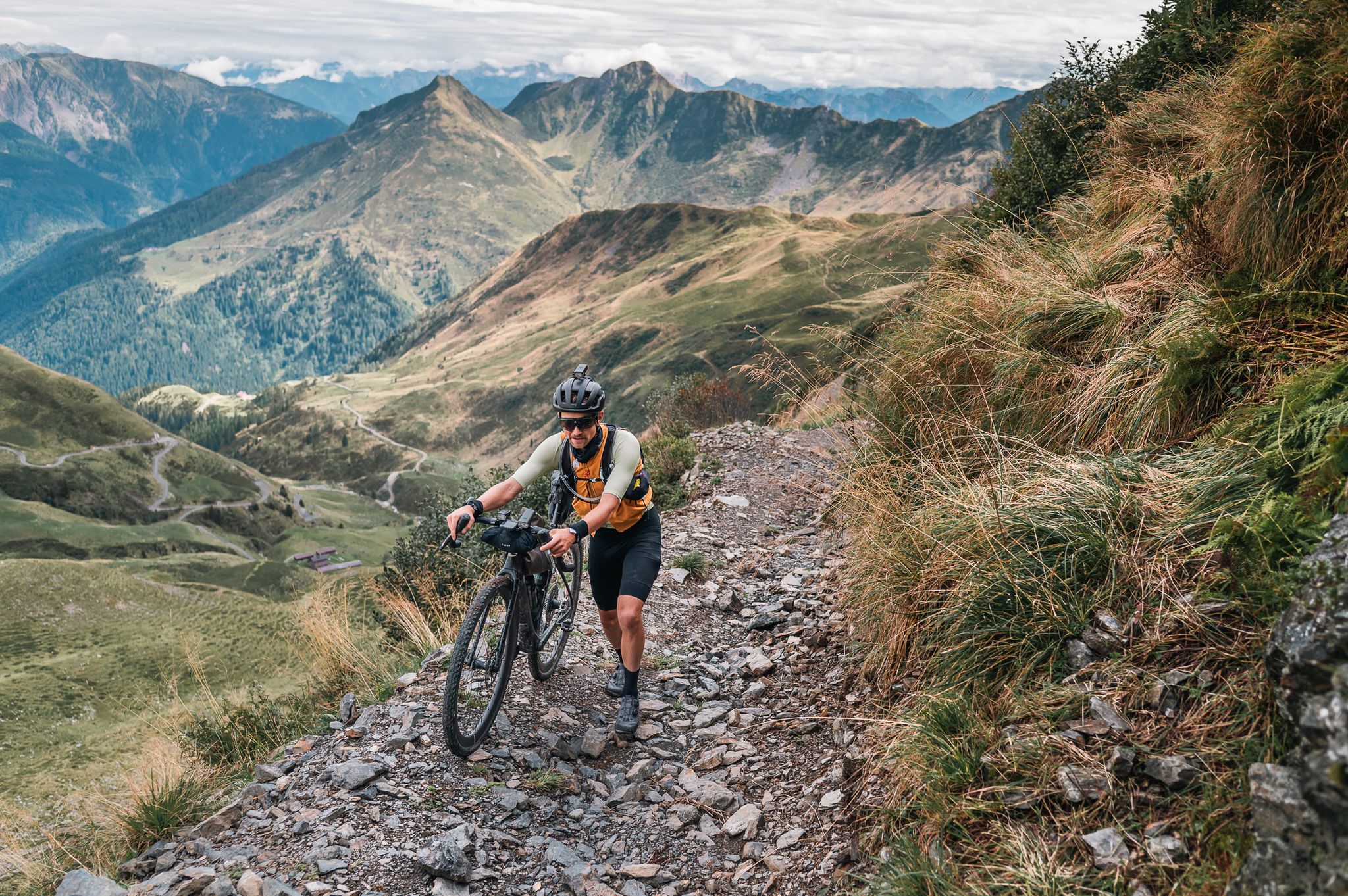
Sneak Peaks ADVENTURE 🥇
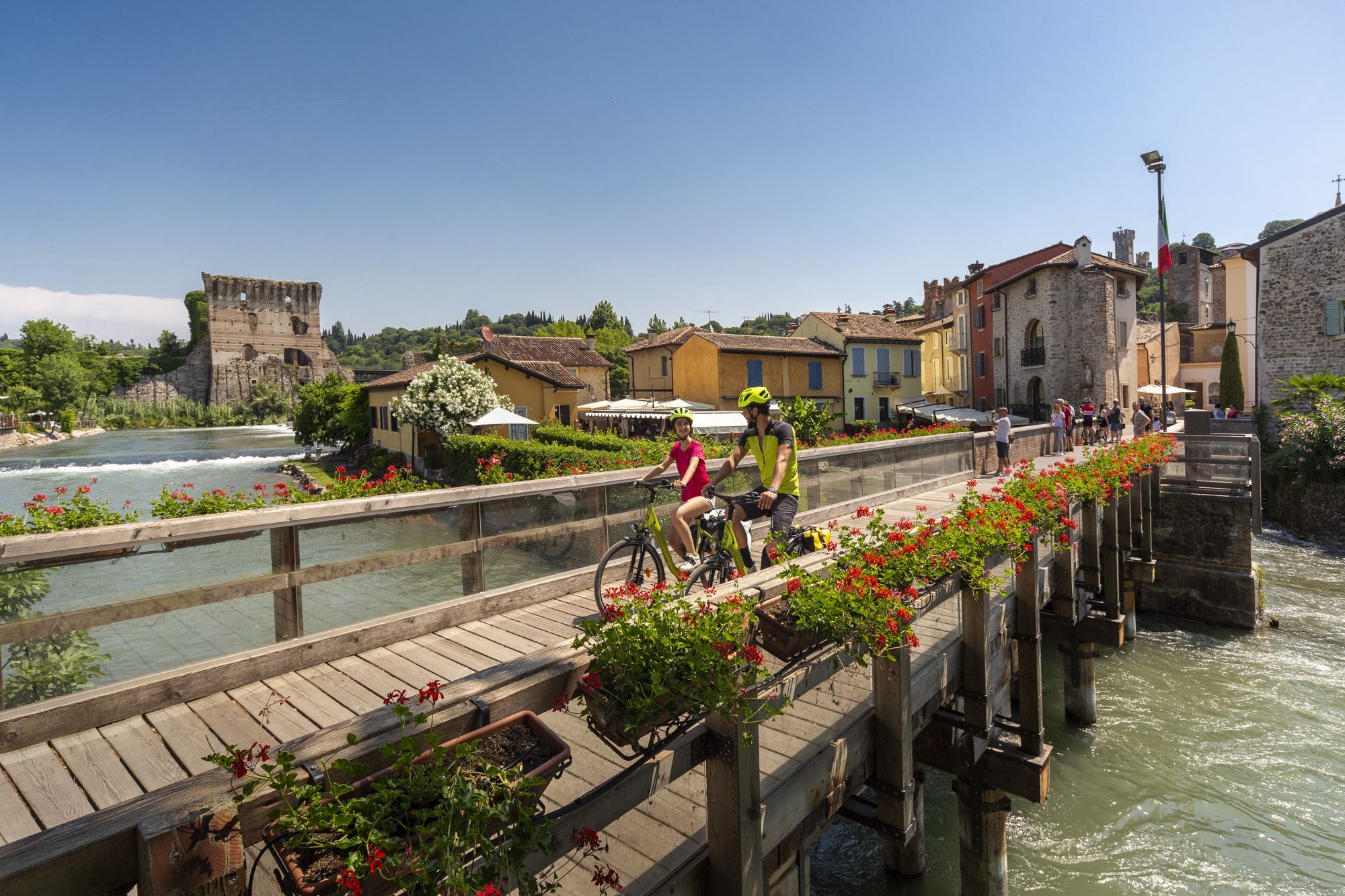
Explore Veneto at a slow pace – day trips by bike
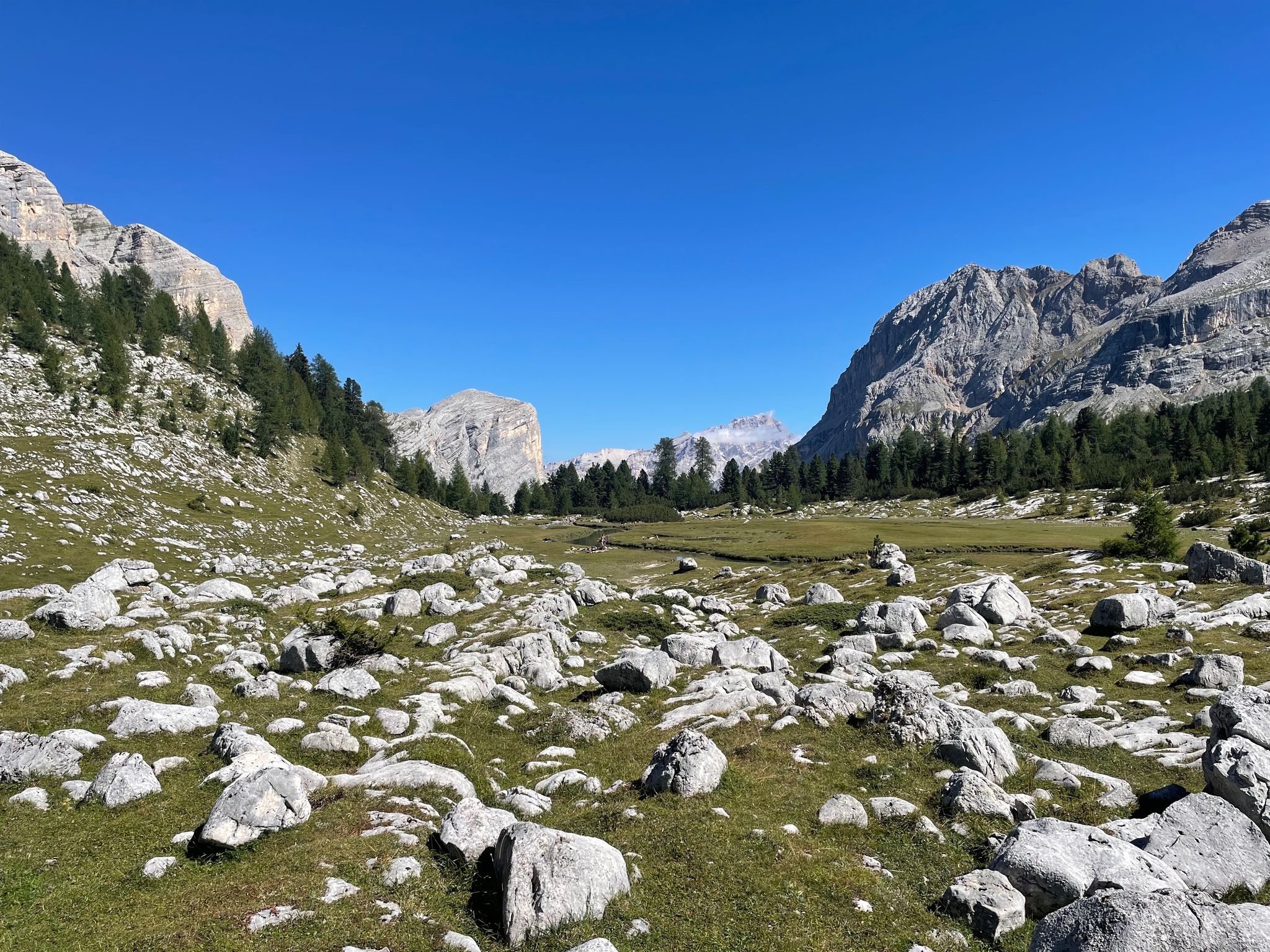
The rugged peaks of Trentino - Hiking in South Tyrol
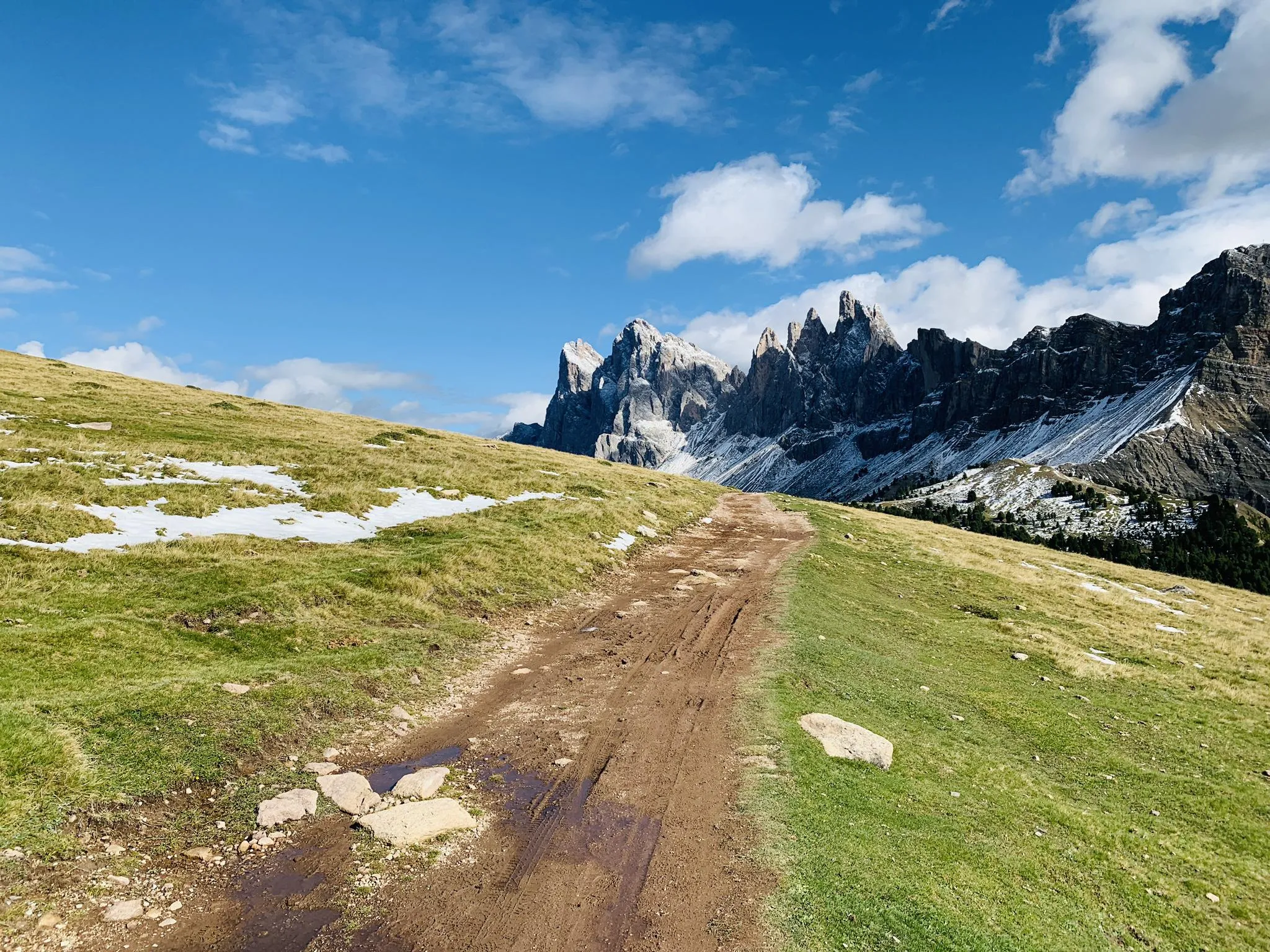
Between gorges and peaks – Dolomites UNESCO Geotrail
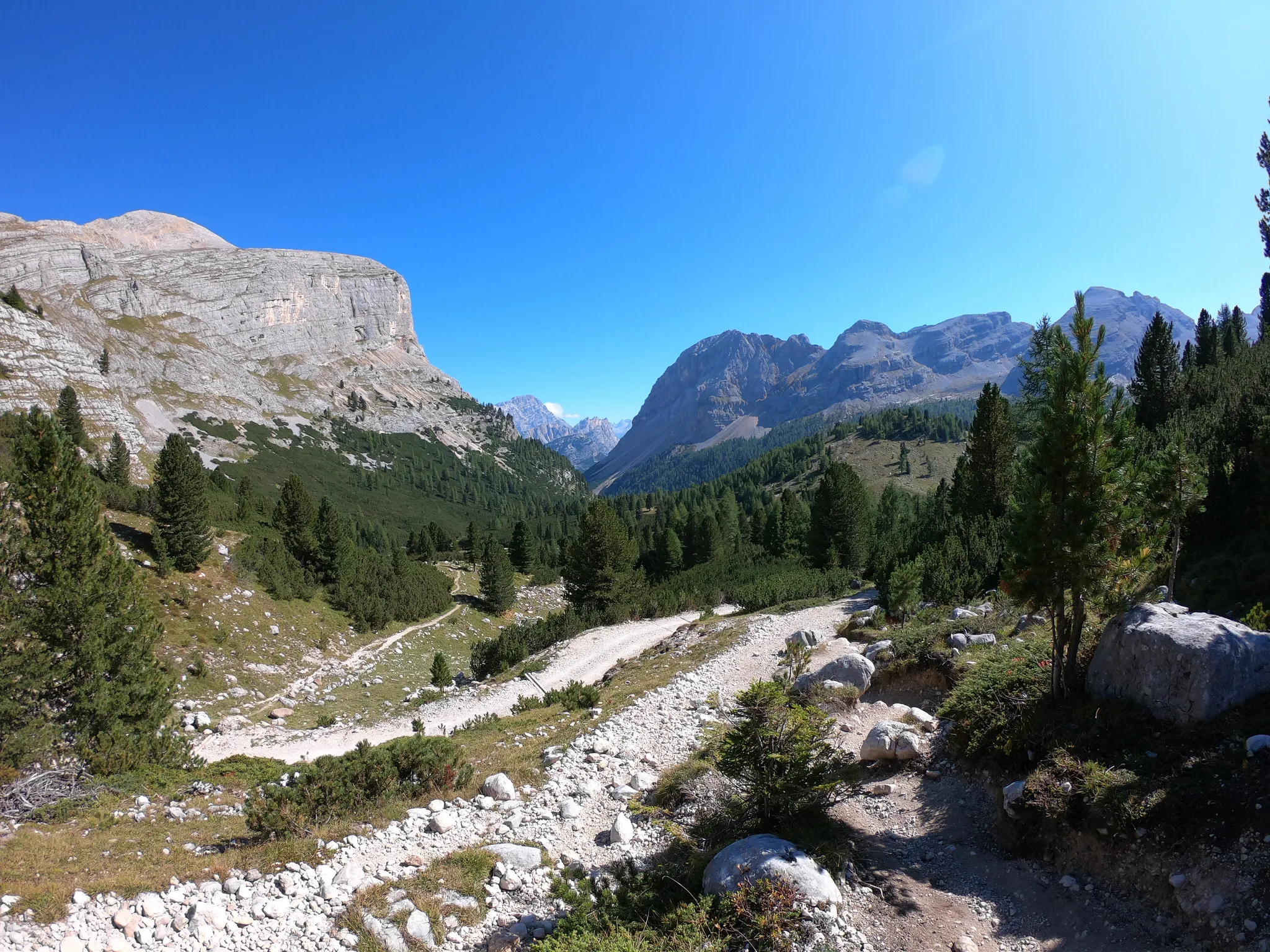
Run through the clouds – Alta Via 1 in the Dolomites
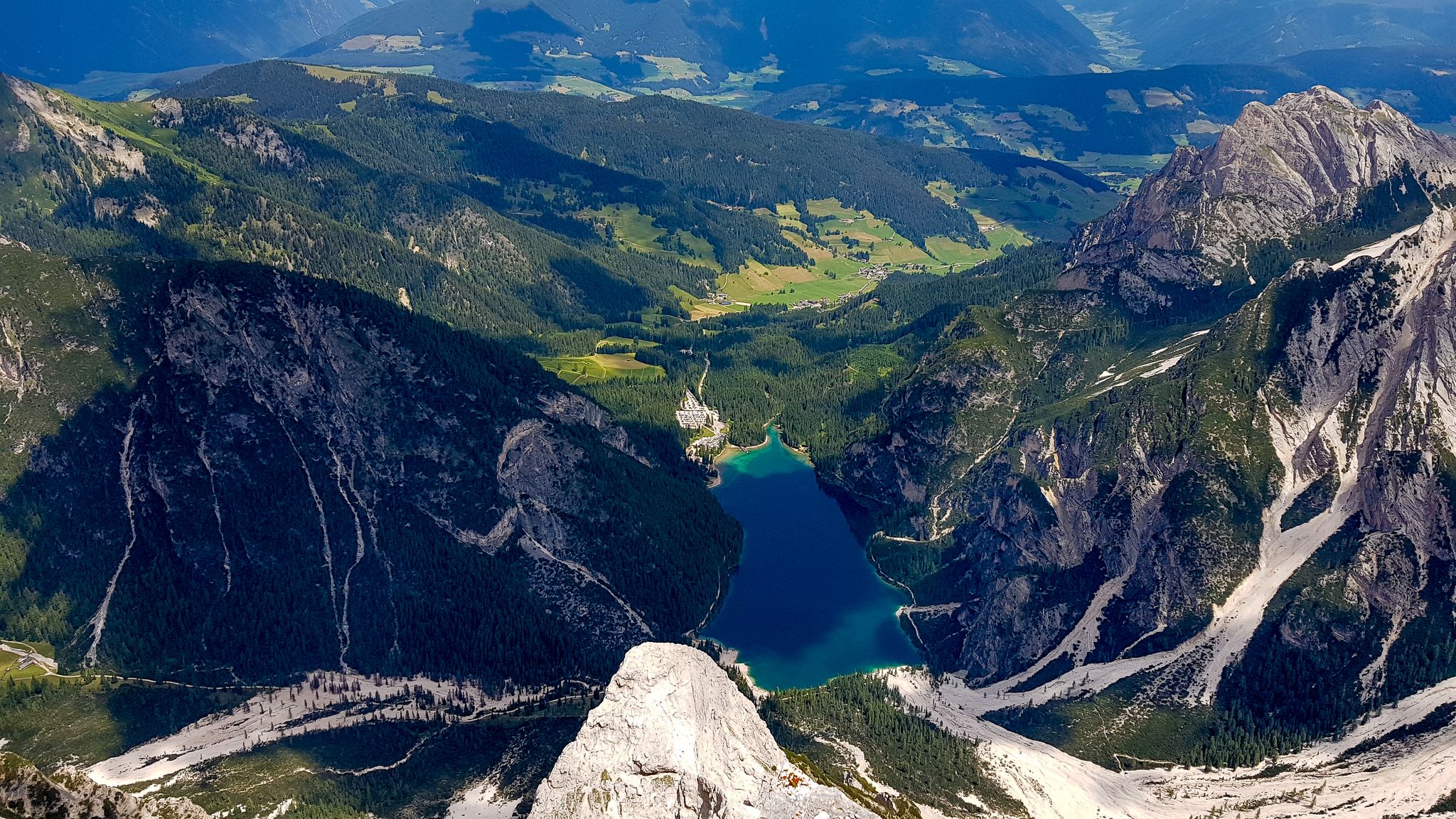
Wild Braies Valley – hikes in Alta Pusteria
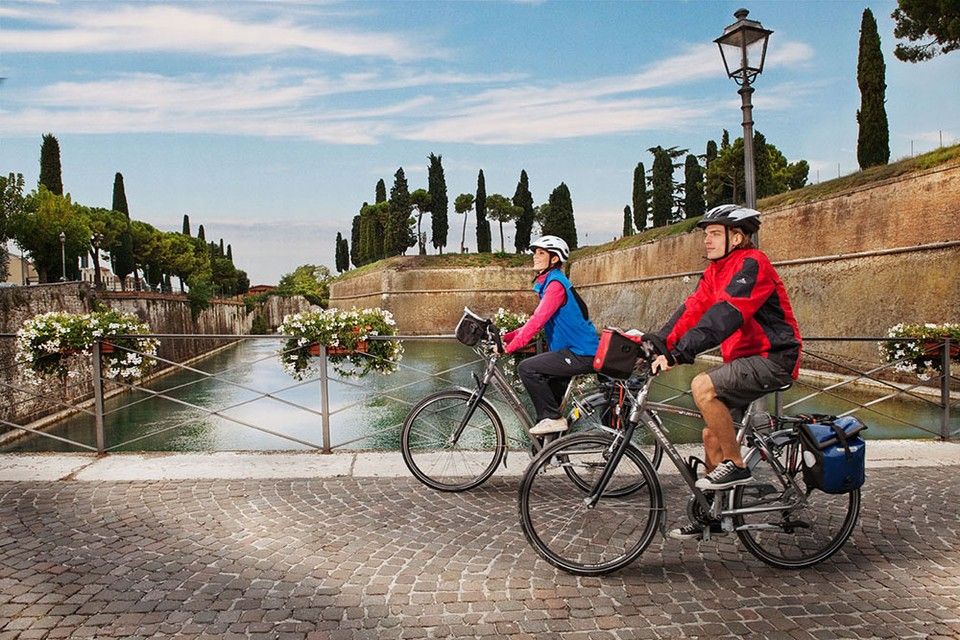
Between Lake Garda and the Adriatic Sea – cycle Tours in Italy’s Veneto
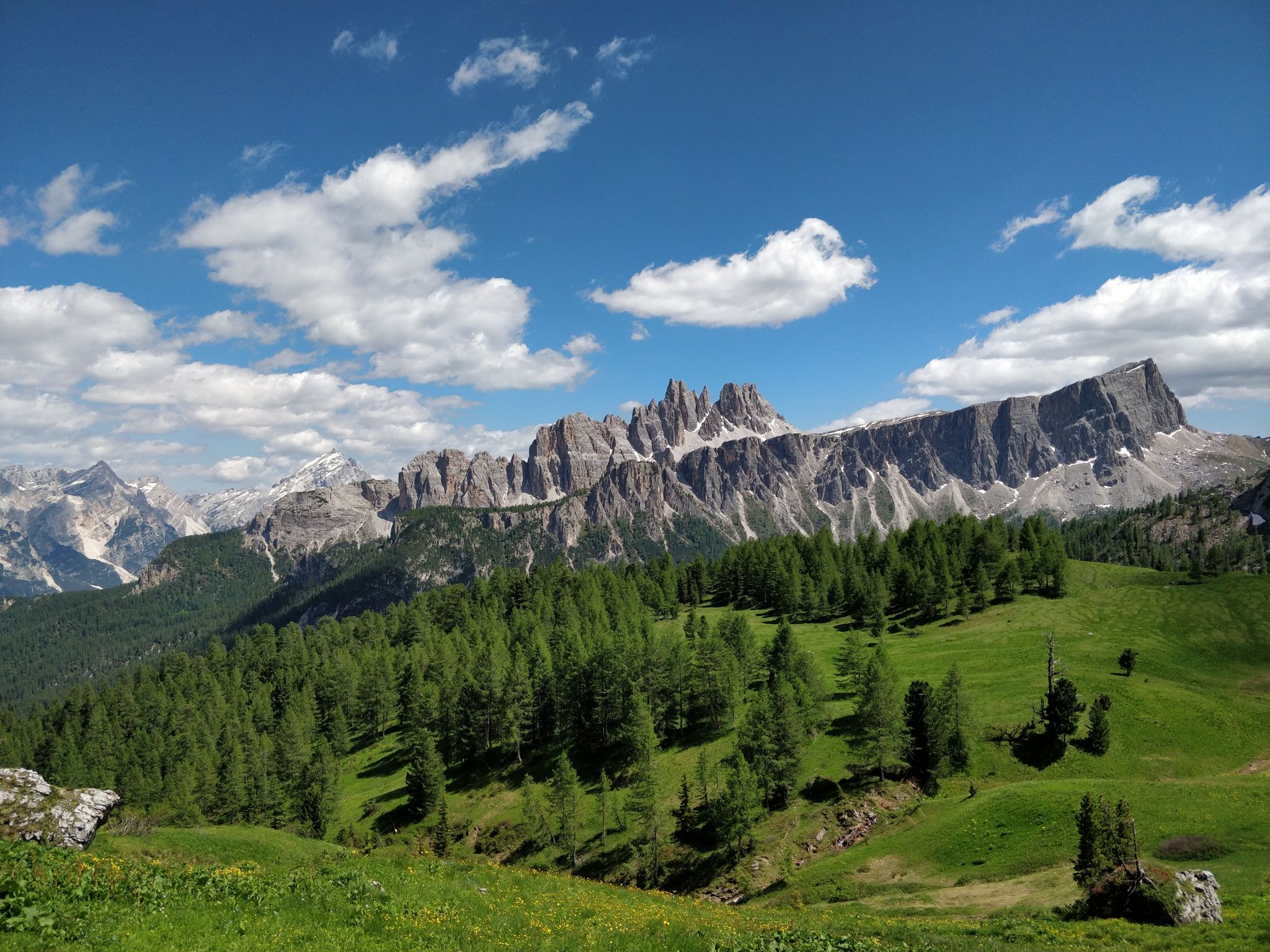
Hiking one step from heaven – Alta Via delle Dolomiti 1
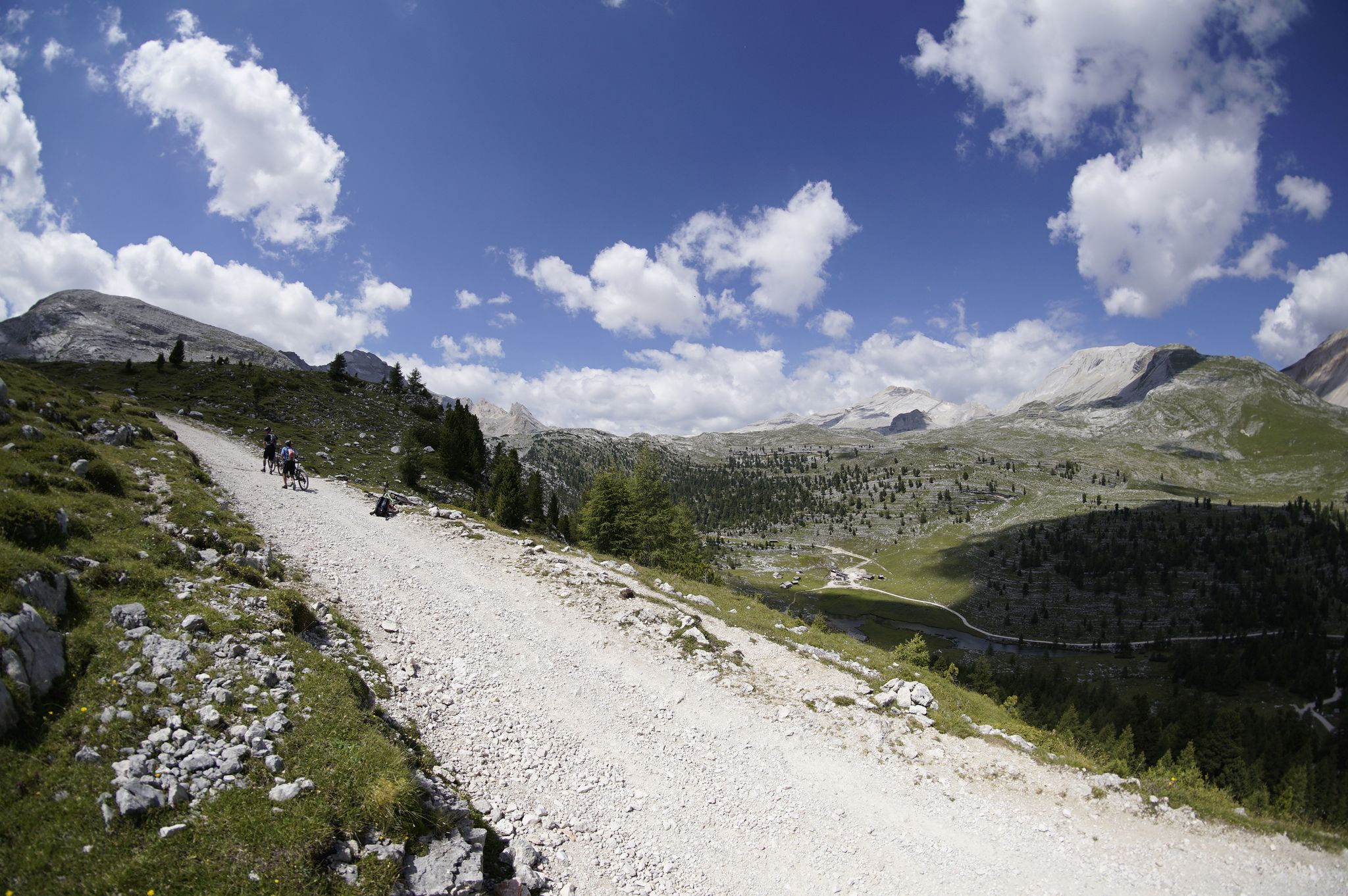
Bike & hike in the Dolomites – MTB hut Tour with summit hikes
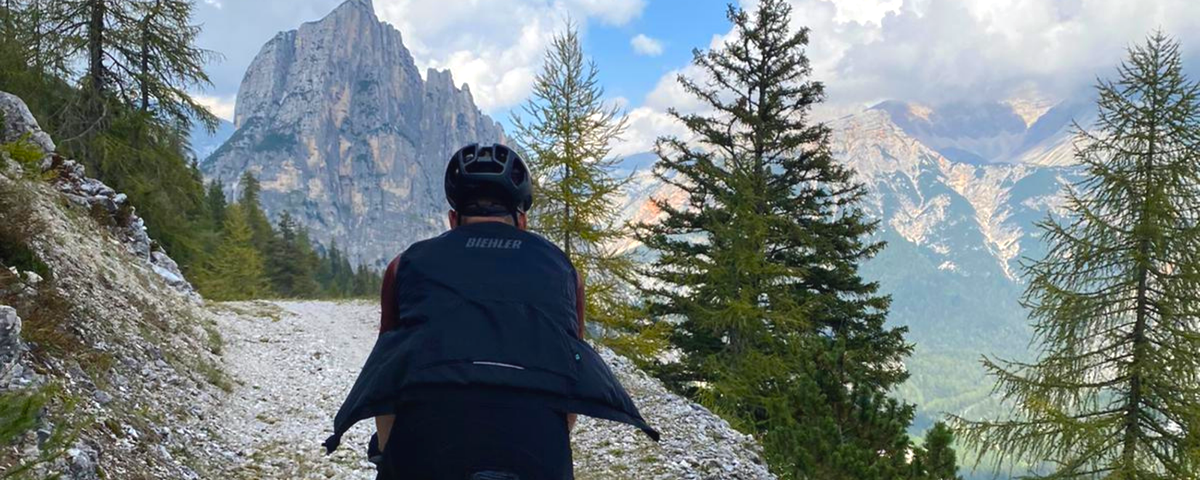
Finding freedom in the Dolomites – 5 days bikepacking
Other adventures around Naturpark Fanes-Sennes-Prags - Parco Naturale Fanes-Sennes-Braies


Tips from the Community

The western shore of Lake Wildsee is the most easily accessible area for visitors of all ages. The well-developed section of the circular trail here allows for barrier-free strolls and child-friendly short excursions.
16
0
Lake Braies (Italian: Lago di Braies) lies at an altitude of approximately 1,500 meters in the Prags Valley, a side valley of the Puster Valley. It is considered one of the most beautiful lakes in the region and is often called the "Pearl of the Dolomites" due to its clear, emerald green to turquoise-blue shimmering water. Surrounded by steep rock faces and dense forests, the lake offers an impressive natural backdrop and is one of the most photographed motifs in South Tyrol. It is approximately 1.2 kilometers long, up to 36 meters deep, and can be circumnavigated on foot in about an hour on a scenic circular path. Excursions in traditional wooden rowboats are particularly popular in summer, lending the lake a romantic character. In addition to its scenic beauty, the lake also has historical significance, as it was the scene of a liberation of concentration camp prisoners during World War II. An information panel about this is located at the entrance to the Chapel of St. Mary.
39
0

It's a dream how the lake is nestled in front of the Seekofel. A great opportunity for a circular hike.
9
0

The Pragser Wildsee (Italian Lago di Braies) is a mountain lake in the Pragser Valley in the South Tyrolean municipality of Prags. It is located a few kilometers south of the Alta Pusteria between Bruneck and Dobbiaco in the Braies Dolomites. It is part of the Fanes-Sennes-Prags Nature Park and a protected natural monument. Source: Wikipedia
16
1

Lake Landro is located at the end of the Val di Landro, in Alto Adige, about twenty kilometers from Cortina d'Ampezzo. From the cycle path that runs along the shore of the lake you can admire the steep rock faces of the Dolomites.
7
1
Lake Landro (Dürrensee in German) is located at the bottom of Val di Landro, in Alto Adige, in the municipality of Dobbiaco, a few kilometers north of the crossroads, near Carbonin, which forks towards Lake Misurina or Cimabanche, at a distance of about twenty kilometers from Cortina d'Ampezzo. At the lake you can admire the steep rocky walls of the Dolomites, in the territory of the Sesto Dolomites Natural Park. In winter, the lake is frozen for many months.
6
0

A short but worthwhile tour around the lake, with all the chicanes.
9
0

Very nice route, especially when the weather is nice.
6
1
Frequently Asked Questions
What unique natural features can I explore in Naturpark Fanes-Sennes-Prags?
The park is renowned for its dramatic Dolomite peaks and unique geological formations, including vast karst plateaus like Fanes, Sennes, and Fosses, characterized by funnel-shaped swallow holes and crevices. You can also visit the high-alpine Prato Piazza plateau, offering expansive views. Beyond the famous Lake Braies, the park features other beautiful lakes such as Lake Dobbiaco and Lake Dürrensee, each with distinct characteristics.
Are there any significant historical or cultural sites within Naturpark Fanes-Sennes-Prags?
Yes, the park offers several cultural insights. The Conturines Cave is notable for the fossils of the prehistoric Ladin bear. You can learn more about this at the Museum Ladin Ursus Ladinicus in St. Kassian. The Fanes-Sennes-Prags Nature Park Visitor Centre in San Vigilio di Marebbe provides extensive information on the park's geology, flora, fauna, and the rich Ladin legends associated with the region, including the mythical Kingdom of Fanes. The historic La Crusc (Santa Croce) Pilgrimage Church also offers stunning panoramic views.
What are some family-friendly activities or trails in Naturpark Fanes-Sennes-Prags?
Families can enjoy the scenic circular path around Lake Braies, which is approximately 1.2 kilometers long. The western shore of Lake Braies is particularly accessible for strollers and young children. The circular route around Lake Dobbiaco is also suitable for families, offering educational insights into the lake's nature. Additionally, the 'Tru dles liondes' Legend Trail near the visitor center is a themed path that can engage younger visitors.
What kind of hiking opportunities are available near the attractions?
The park offers an extensive network of hiking trails for all levels. For challenging mountain hikes, consider routes like the 'Dürrenstein Peak (2,839 m) – Dürrensteinhütte loop' or the 'Pederü Hut – Ucia de Gran Fanes Hut loop'. You can find more details and routes on the Mountain Hikes guide page. The Ucia de Gran Fanes Hut is a popular starting point for many trails.
Are there cycling routes in Naturpark Fanes-Sennes-Prags?
Yes, the region provides various cycling opportunities. You can explore gravel biking routes such as the 'Cortina d'Ampezzo – Old Railway Tunnel loop from Dürrensee' or the 'Plätzwiese / Prato Piazza – View of the Fanes Valley loop'. For more challenging mountain biking, consider trails like the 'View of the Fanes Valley – Sennes Hut loop' or the 'Lerosa Pass – Sennes Hut loop'. Detailed routes are available on the Gravel Biking guide page and the MTB Trails guide page.
What is the best time of year to visit Naturpark Fanes-Sennes-Prags?
The best time to visit largely depends on your preferred activities. Summer (June to September) is ideal for hiking and cycling, with lush alpine meadows and pleasant temperatures. The Armentara Meadows are particularly vibrant with blossoms during this period. Autumn offers stunning foliage, while winter transforms the park into a snowy landscape suitable for snowshoeing and winter hiking, though some facilities may be closed.
Where can I find accommodation or places to eat within the park?
Numerous mountain huts, known as Rifugi, are scattered throughout the park, offering both accommodation and traditional South Tyrolean dishes. Popular options include Ucia de Gran Fanes Hut, Pederu, Senes, and Lavarella. These huts serve as essential stops for hikers. The charming town of San Vigilio di Marebbe, a key base for exploring the park, also offers various accommodations and dining options.
Are there any specific viewpoints that offer breathtaking panoramas?
Absolutely. The north shore of Lake Braies provides an iconic view of the emerald-green waters reflecting the imposing Seekofel mountain. The Prato Piazza high plateau offers expansive vistas of the surrounding Dolomites. Additionally, the La Crusc (Santa Croce) Pilgrimage Church, nestled beneath the majestic Sas dla Crusc, provides stunning panoramic views of the area.
What wildlife can I expect to see in Naturpark Fanes-Sennes-Prags?
The park's diverse ecosystems support a rich array of wildlife. You might spot marmots, which are considered the park's symbol, along with ibexes, chamois, and foxes. Birdwatchers can look out for eagle owls and golden eagles. Lake Dobbiaco is particularly known as an important habitat for many water birds, serving as a resting and nesting place.
How accessible is Naturpark Fanes-Sennes-Prags by public transport?
The Val Pusteria (Pustertal) and Alta Badia regions border the park and serve as main access points. From these valleys, public transport options are available to reach various entry points and trailheads within the park. Specific routes and schedules can vary by season, so it's advisable to check local transport information prior to your visit.
What do visitors enjoy most about Naturpark Fanes-Sennes-Prags?
Visitors frequently praise the stunning natural beauty, particularly the clear, emerald-green waters of Lake Braies and the dramatic Dolomite peaks. The tranquility of the mountains, especially during early mornings or evenings, is highly valued. Many also appreciate the well-maintained hiking trails, the welcoming mountain huts like Ucia de Gran Fanes Hut, and the opportunity to immerse themselves in the unique alpine landscape and rich cultural heritage.
Are there any unique geological formations to observe?
Yes, the park is famous for its unique karst formations. The Fanes, Sennes, and Fosses Plateaus are prime examples, featuring distinctive landscapes with funnel-shaped swallow holes, crevices, shafts, dolines, and hollows where streams often disappear underground. These formations are a key reason for the Dolomites' UNESCO World Heritage status.
Most popular routes around Naturpark Fanes-Sennes-Prags - Parco Naturale Fanes-Sennes-Braies
Most popular attractions around Naturpark Fanes-Sennes-Prags - Parco Naturale Fanes-Sennes-Braies

Get inspired with the komoot mobile app


Explore more
Still not found the Highlight you’re looking for? See guides of the top attractions in other regions:
