Attractions and Places To See around Regional Park Abbazia di Monteveglio - Top 13
Best attractions and places to see around Regional Park Abbazia di Monteveglio, located in the Samoggia Valley between Bologna and Modena, offers a blend of historical landmarks, natural beauty, and cultural sites across approximately 1,000 hectares. This regional park is characterized by its hilly terrain, featuring tree-covered slopes, small valleys, and ancient clay outcrops known as "calanchi." Visitors can explore well-preserved landscapes, vineyards, and historical sites that reflect the region's rich past.
Best attractions and places to see around Regional…
Last updated: October 10, 2026
Abbey of Santa Maria Assunta of Monteveglio
Highlight • Religious Site
Translated by Google •
Tip by

Cucherla Hill
Highlight • Summit
Translated by Google •
Tip by

Sign up now to discover places like this
Get recommendations on the best single tracks, peaks, & plenty of other exciting outdoor places.
San Teodoro Park Visitor Center
Highlight • Rest Area
Translated by Google •
Tip by

Monteveglio Village and Abbey
Highlight • Historical Site
(Source: valsamoggia.net/il-borgo-di-monteveglio/)
Translated by Google •
Tip by
Trail to Rio Ramato
Highlight • Trail
The Rio Ramato valley is among the areas of greatest naturalistic value in the park due to the presence of rare species such as the snowdrop. …
Translated by Google •
Tip by
Sign up for free to discover even more attractions around Regional Park Abbazia di Monteveglio.
Already have an account?
Start today with a free account
Your next adventure awaits.
Popular around Regional Park Abbazia di Monteveglio
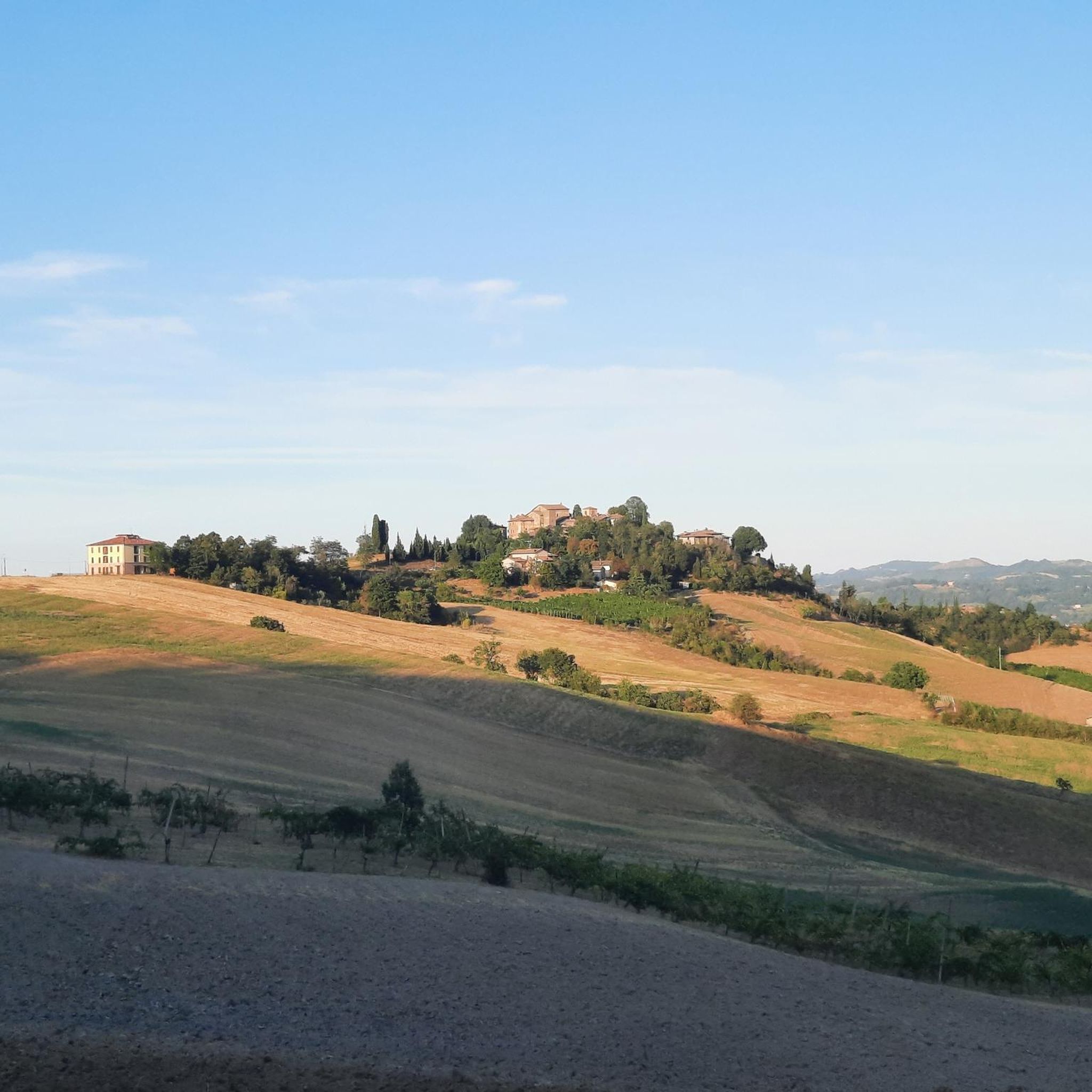
Hiking around Regional Park Abbazia di Monteveglio
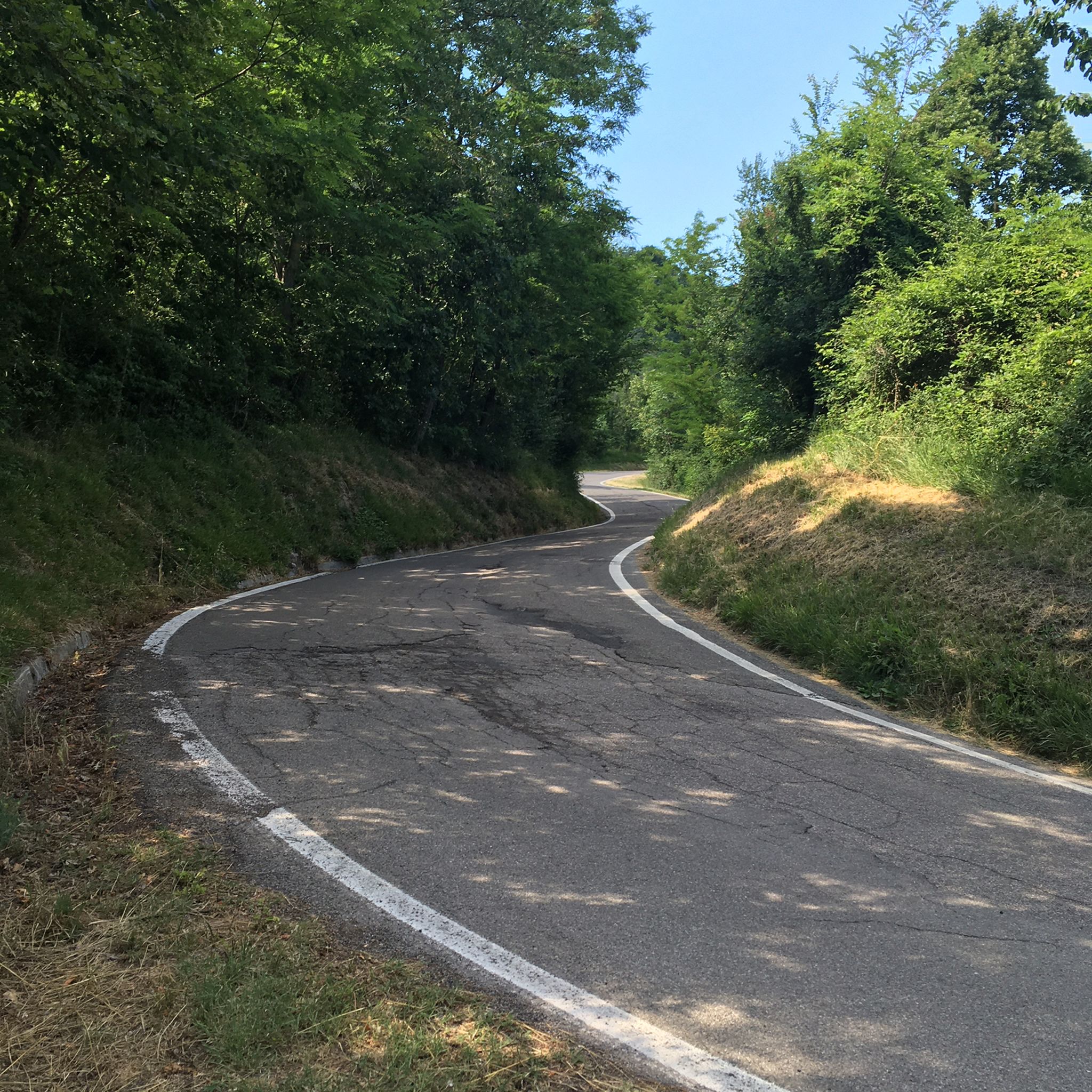
Road Cycling Routes around Regional Park Abbazia di Monteveglio
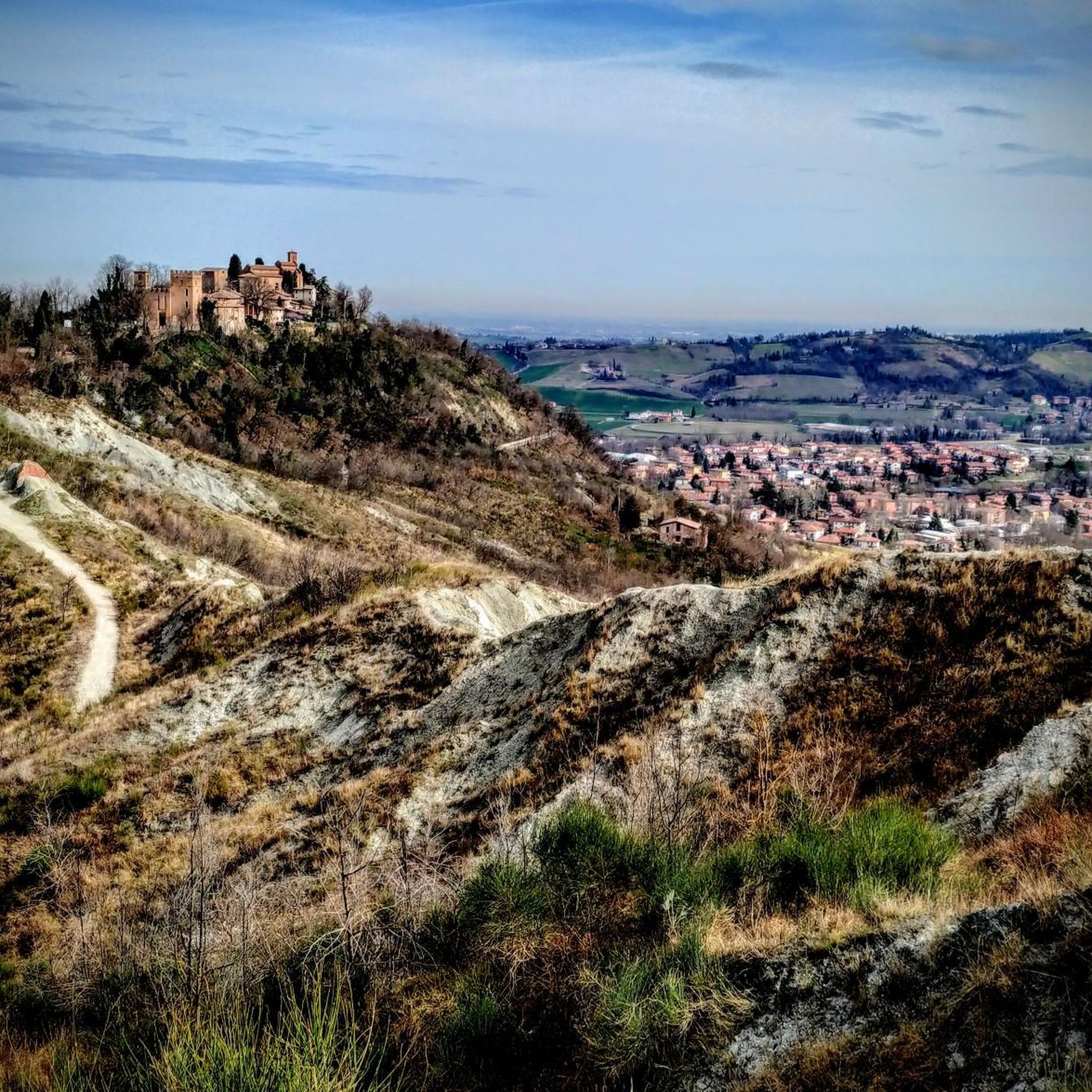
Running Trails around Regional Park Abbazia di Monteveglio

Gravel biking around Regional Park Abbazia di Monteveglio
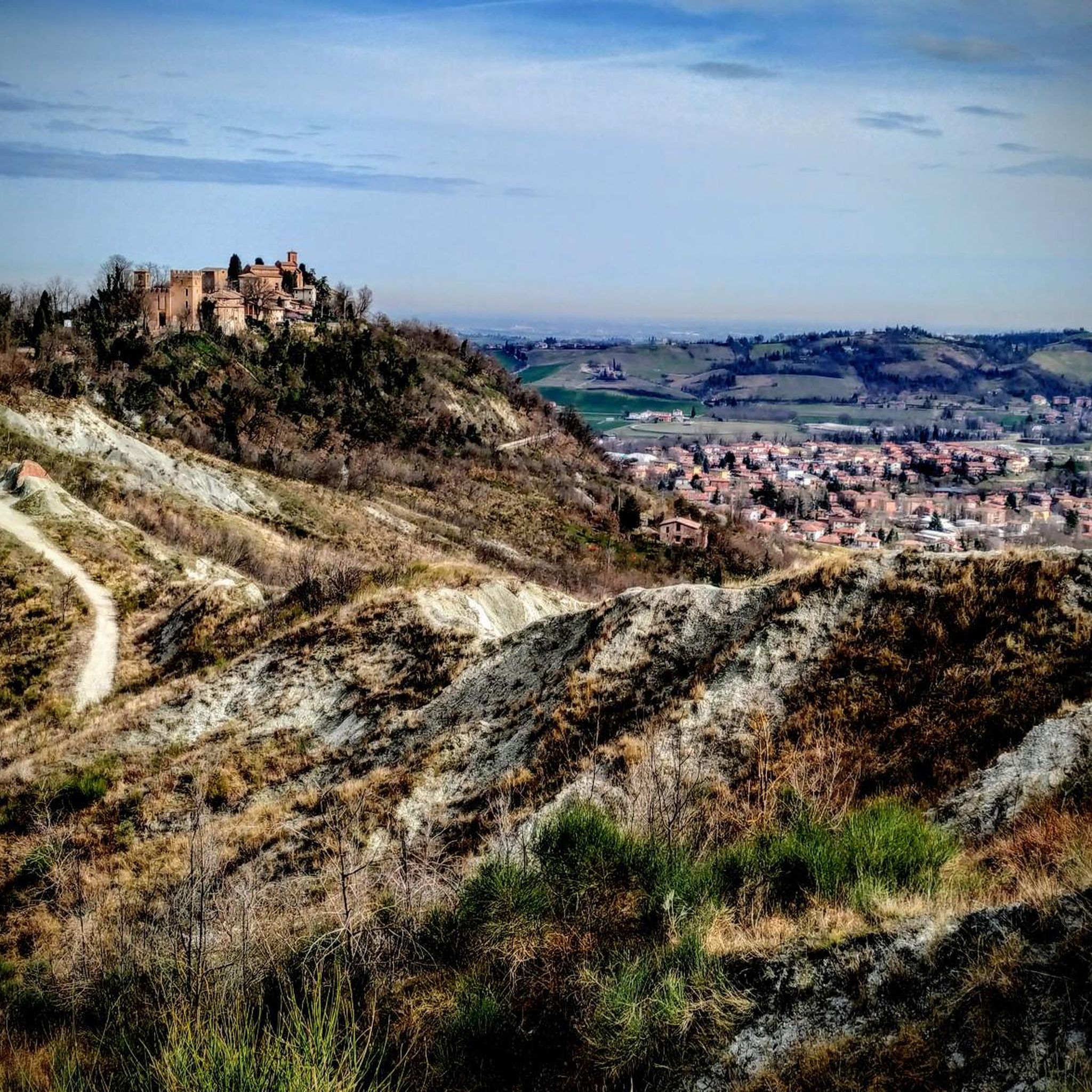
Cycling around Regional Park Abbazia di Monteveglio
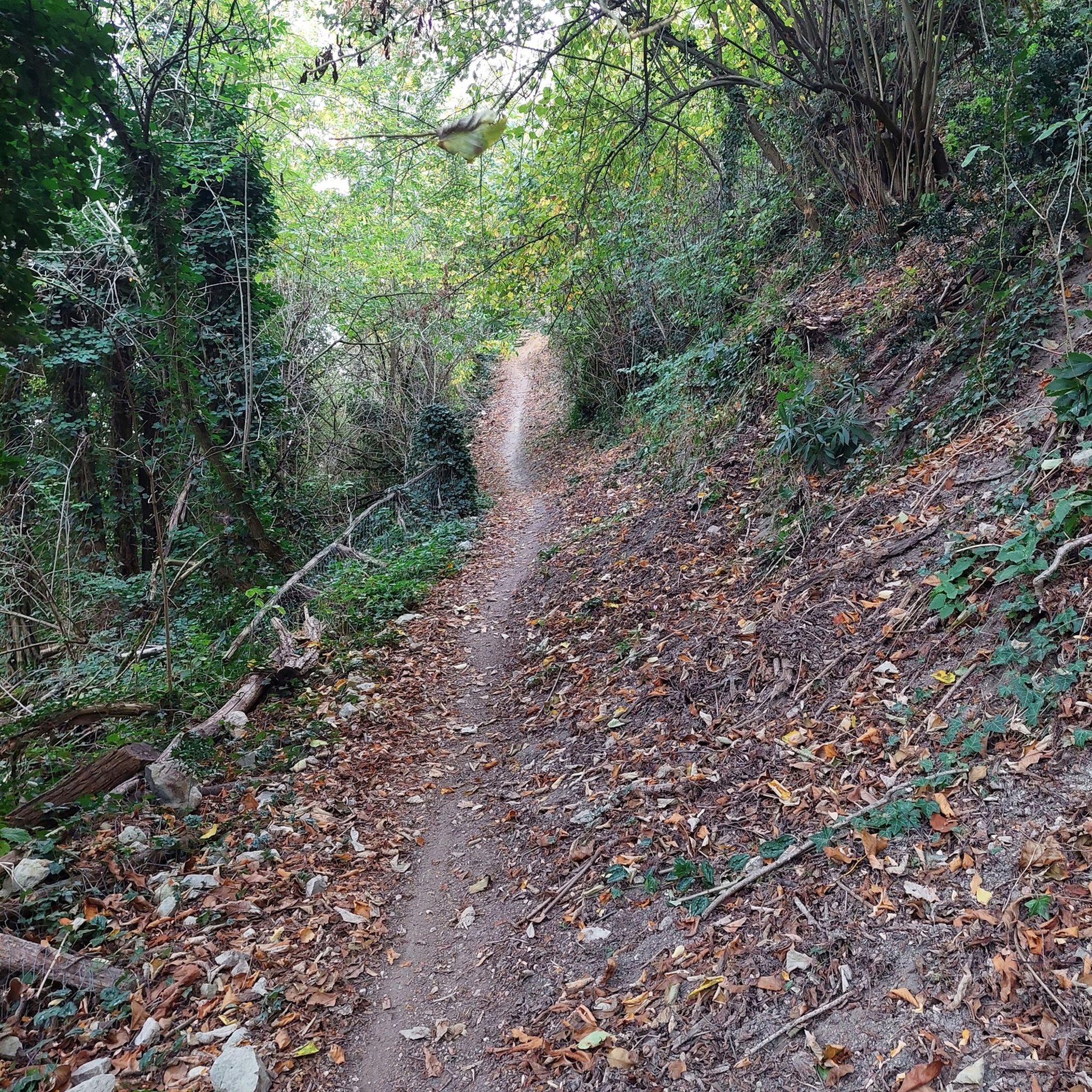
MTB Trails around Regional Park Abbazia di Monteveglio
Tips from the Community

the climb is challenging even if short but the effort is rewarded by the village with the Abbey
0
0

Visited along the Via dei Brentatori. If you don't find the credential stamp, ask at the Franciscan convent.
0
0

Badlands on the Cucherla Hill
0
0
Beautiful church in Monteveglio Alta.
0
0

on the "summit" there are two picnic tables
0
0

The abbey of Santa Maria Assunta is located on a hill near Monteveglio, a hamlet in the municipality of Valsamoggia. Built at the behest of Matilde di Canossa, this abbey stands near a previous church from the 5th century.
1
0

The path, short and circular, develops on the slopes of the hill facing the castle and combines the interest relating to the traditional landscape of the hill with the historical one linked to the fortifications which in medieval times completed the defensive system of the castle of Monteveglio, affecting precisely the Cucherla hill (296 m) and other nearby reliefs. It, called Monte Calvario between the 17th and 18th centuries due to its bare appearance and a cross on the top, housed the chapel known as the Madonna della Cucherla. Today the top of the relief, which can be reached by skirting an ancient vineyard, is covered by a coppice of downy oak and manna ash. In spring and early summer, various species of orchids, all protected, bloom in the brightest spots. On the southern slope, thanks to the favorable microclimate, specimens of fig, almond and olive trees grow. Source: https://enteparchi.bo.it/itinerary-2-salita-a-monte-gennaro/
1
0

Beautiful to look at, particular motto
1
0
Frequently Asked Questions
What historical sites can I explore in Regional Park Abbazia di Monteveglio?
The park is rich in history. You can visit the Abbey of Santa Maria Assunta of Monteveglio, a thousand-year-old abbey founded by Matilde di Canossa. Nearby, the enchanting fortified Monteveglio Village retains its ancient charm, with an arched gateway and a massive castle tower. The remains of the Matildic castle are also significant, known for its medieval past.
What natural features are prominent in the Regional Park Abbazia di Monteveglio?
The park features a diverse hilly landscape with tree-covered slopes, small valleys, and ancient clay outcrops known as 'calanchi' (badlands). Notable examples include the Rio Ramato stream valley, the Pan Perso basin, and the Rio Paraviere. You'll also find extensive vineyards, orchards, and diverse flora and fauna, including rare orchids and wildflowers like snowdrops.
Are there family-friendly activities or facilities in the park?
Yes, the San Teodoro Park Visitor Center is located at the foot of Monteveglio hill and offers a didactic laboratory focused on environmental education, making it suitable for families. The park also has a nature trail accessible to the visually impaired and disabled around the San Teodoro park center.
Where can I find scenic viewpoints within the park?
The Abbey of Santa Maria Assunta of Monteveglio stands on a panoramic hilltop offering beautiful views. Additionally, Cucherla Hill, which once housed the chapel known as the Madonna della Cucherla, provides excellent views and picnic spots.
What kind of hiking trails are available in Regional Park Abbazia di Monteveglio?
The park offers a network of well-signposted nature trails and pathways. You can explore routes passing by ancient farming villages, fortresses, and vineyards. An easy hike is the Abbazia Monteveglio and Rio Ramato trail, a loop tour. For more options, check out the easy hikes guide for the area.
Can I go cycling in or around the Regional Park Abbazia di Monteveglio?
Yes, the region around the park is suitable for cycling. There are various routes available, such as the Bazzano–Monteveglio Cycle Path – Serravalle Castle loop. For more cycling options, refer to the cycling guide for the area.
What is the significance of the 'calanchi' formations in the park?
The 'calanchi' are striking geological formations of rugged and steep clay outcrops. They are areas of significant geological, mineralogical, and naturalistic interest, showcasing the unique landscape of the region. The Rio Ramato valley, for instance, is known for its naturalistic value and a ferruginous source that gives the river its distinctive color.
What is the best time of year to visit Regional Park Abbazia di Monteveglio?
The park offers beauty throughout the year. In spring and early summer, various species of protected orchids bloom in the brighter spots, and wildflowers like snowdrops and hepatica can be found in shady valley bottoms. The vineyards and orchards are also particularly scenic during these seasons.
Are there any unique natural areas to explore, like the Rio Ramato valley?
Absolutely. The Trail to Rio Ramato leads through one of the park's most naturally valuable areas. This valley is known for the presence of rare species like the snowdrop and a ferruginous source that gives the river its unique 'copper water' name due to iron oxides.
What is the Consorzio Vini Colli Bolognesi and its connection to the park?
The park area is home to the headquarters of the Consorzio Vini Colli Bolognesi (Wine Consortium of the Bologna Hills). This highlights the region's importance for wine production, particularly the native Pignoletto grape, and signifies the presence of numerous vineyards throughout the landscape.
What kind of flora and fauna can I expect to see?
The park's diverse habitats support typical hill flora and fauna. In shady valley bottoms, you might spot wildflowers like snowdrops, hepatica, and dog-tooth violets. Rare orchids can be found in the undergrowth of oak woods and meadows. The southern slopes of Cucherla Hill also host fig, almond, and olive trees due to a favorable microclimate.
Are there options for gravel biking near the attractions?
Yes, the area around Regional Park Abbazia di Monteveglio offers gravel biking opportunities. You can find routes like the Vignola Castle – Monteveglio Cycle Path loop. Explore more options in the gravel biking guide for the region.
Most popular routes around Regional Park Abbazia di Monteveglio
Most popular attractions around Regional Park Abbazia di Monteveglio

Get inspired with the komoot mobile app


Explore more
Still not found the Highlight you’re looking for? See guides of the top attractions in other regions:
