Parco Naturale Regionale Costa Otranto - Santa Maria di Leuca e Bosco di Tricase
Parco Naturale Regionale Costa Otranto - Santa Maria di Leuca e Bosco di Tricase
Top 4 Gorges around Parco Naturale Regionale Costa Otranto - Santa Maria di Leuca e Bosco di Tricase
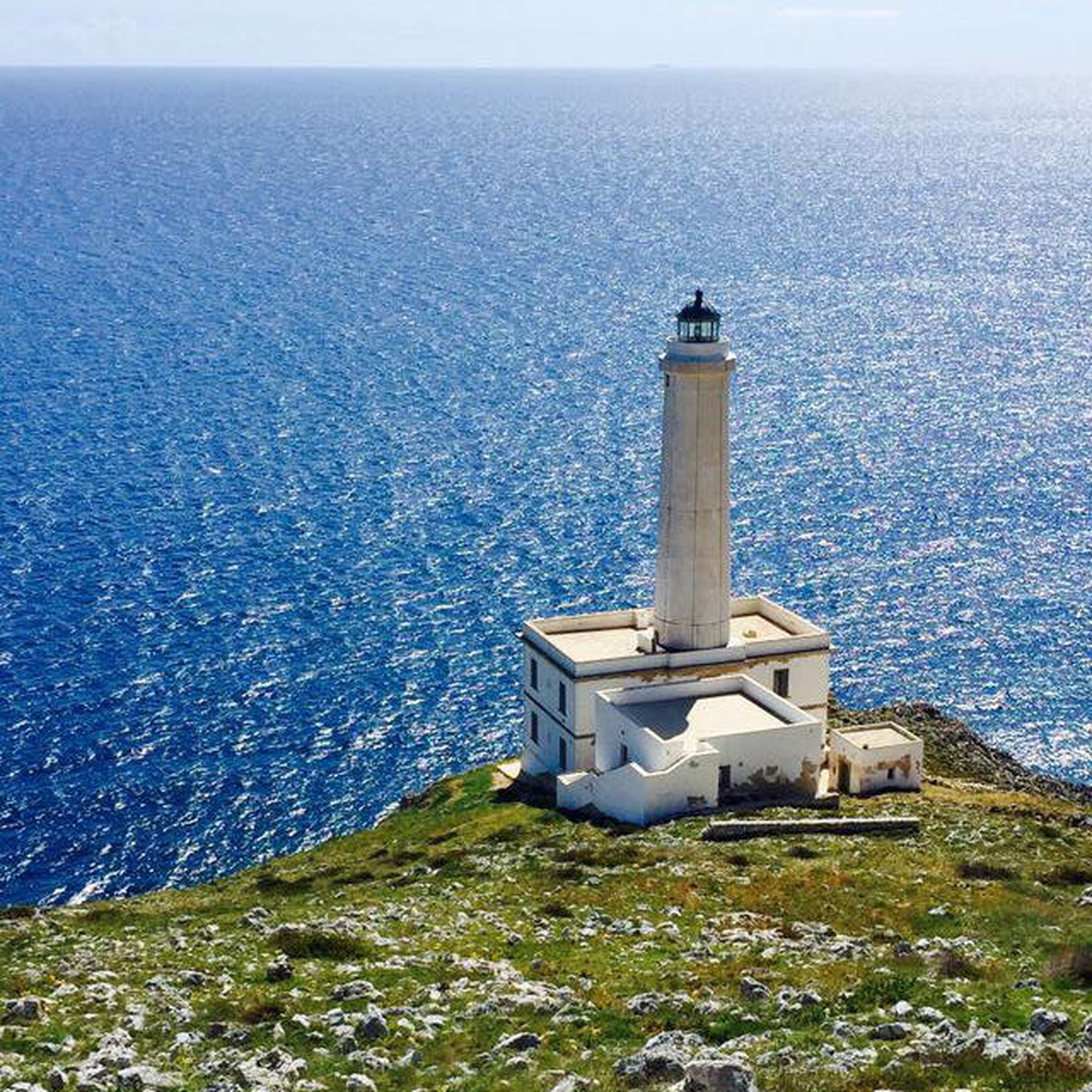
Best canyons around Parco Naturale Regionale Costa Otranto - Santa Maria di Leuca e Bosco di Tricase encompasses approximately 57 kilometers of eastern Salento coastline. This region is characterized by dramatic coastal cliffs, sea caves, and Mediterranean scrub, offering panoramic sea views. The geological formations, shaped by natural erosion, create numerous inlets and natural harbors. These features provide a rugged and scenic environment for exploration.
Best canyons around Parco Naturale Regionale Costa Otranto - Santa Maria di Leuca e Bosco…
Last updated: October 4, 2026
Ciolo Bridge
Highlight • Bridge
Translated by Google •
Tip by

Cipolliane Cave
Highlight • Cave
Translated by Google •
Tip by

Sign up now to discover places like this
Get recommendations on the best single tracks, peaks, & plenty of other exciting outdoor places.
Zinzulusa Cave
Highlight • Cave
Translated by Google •
Tip by

Translated by Google •
Tip by

Canali di Castro Trail
Highlight (Segment) • Trail
Translated by Google •
Tip by

Sign up for free to discover even more gorges around Parco Naturale Regionale Costa Otranto - Santa Maria di Leuca e Bosco di Tricase.
Already have an account?
Start today with a free account
Your next adventure awaits.
Popular around Parco Naturale Regionale Costa Otranto - Santa Maria di Leuca e Bosco di Tricase
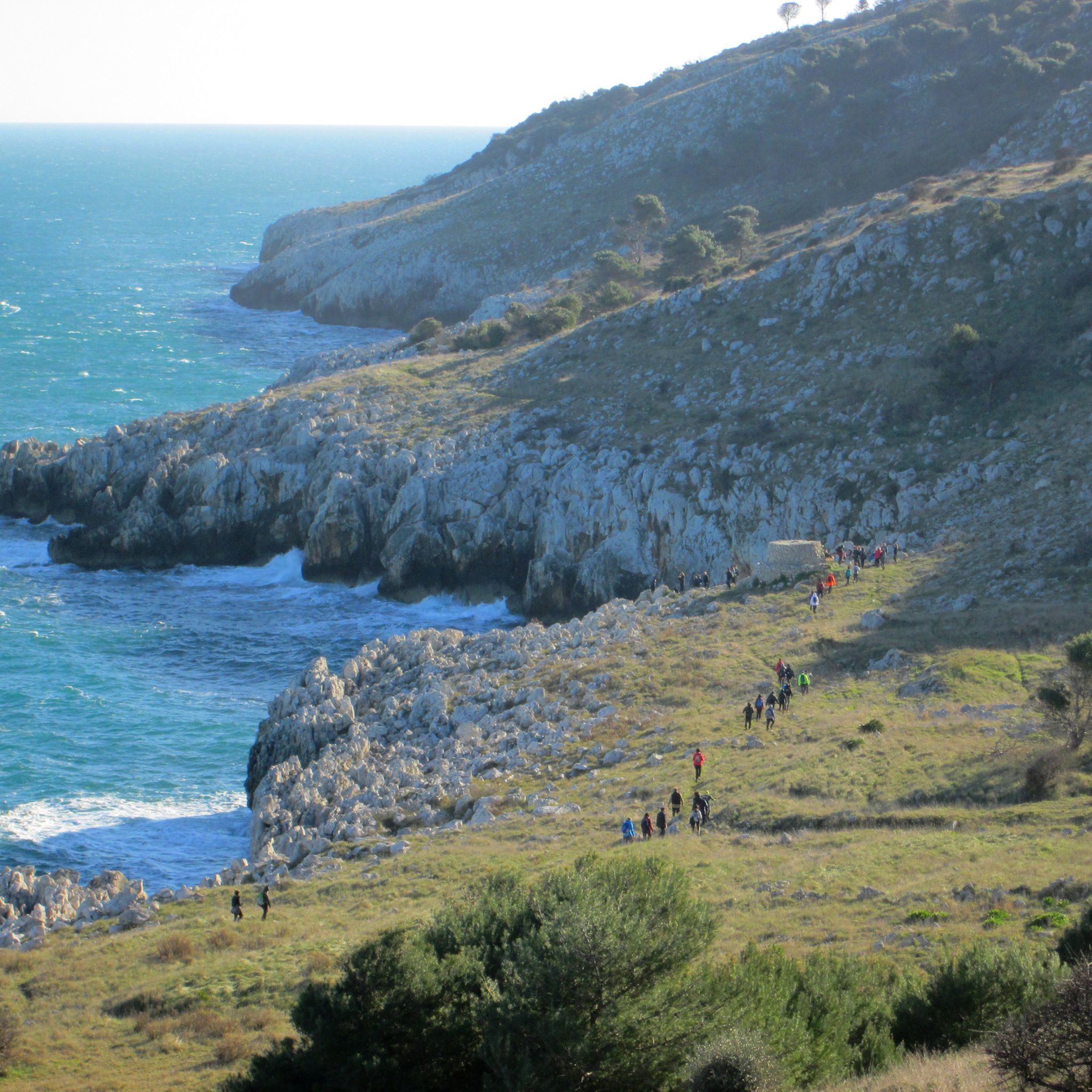
Hiking around Parco Naturale Regionale Costa Otranto - Santa Maria di Leuca e Bosco di Tricase
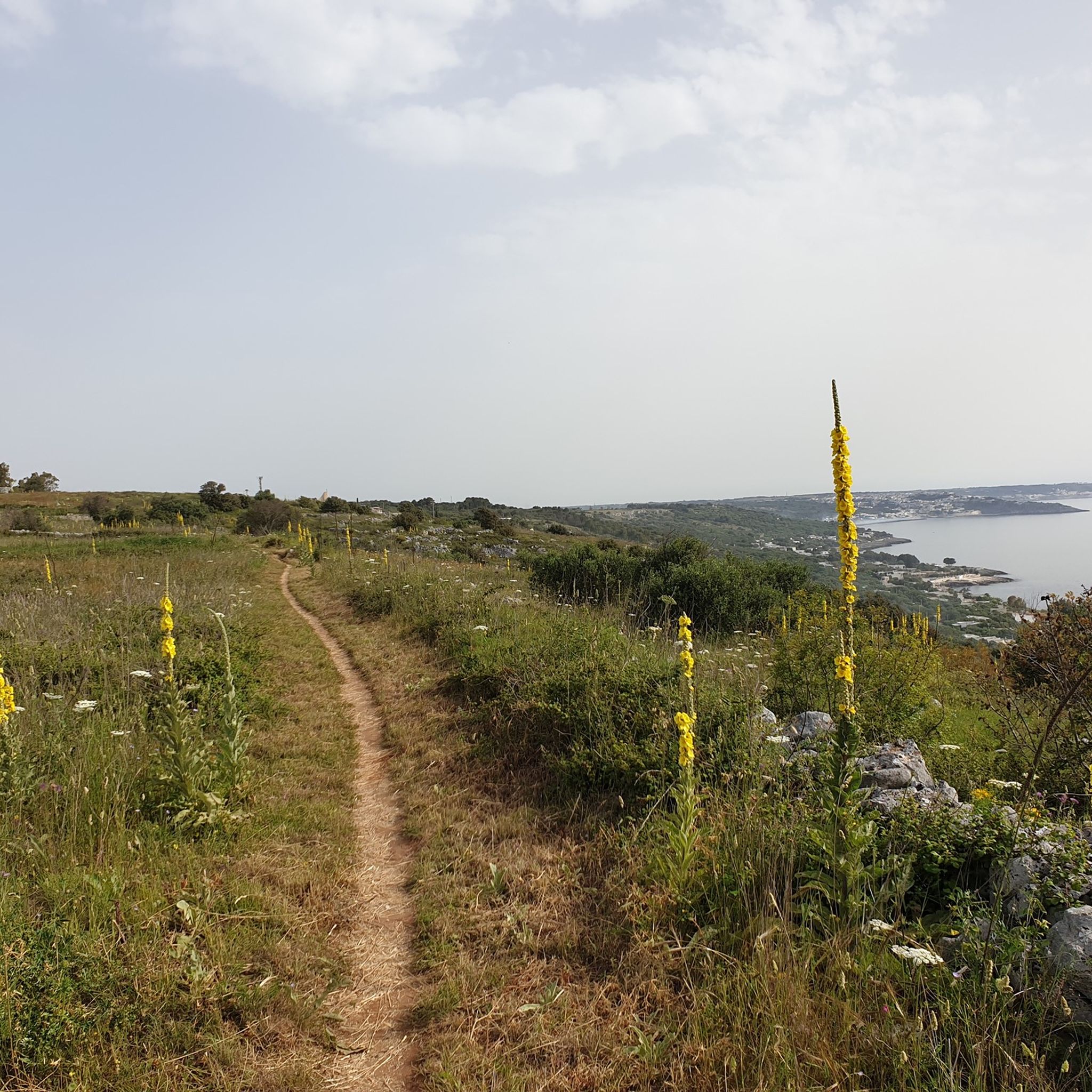
MTB Trails around Parco Naturale Regionale Costa Otranto - Santa Maria di Leuca e Bosco di Tricase
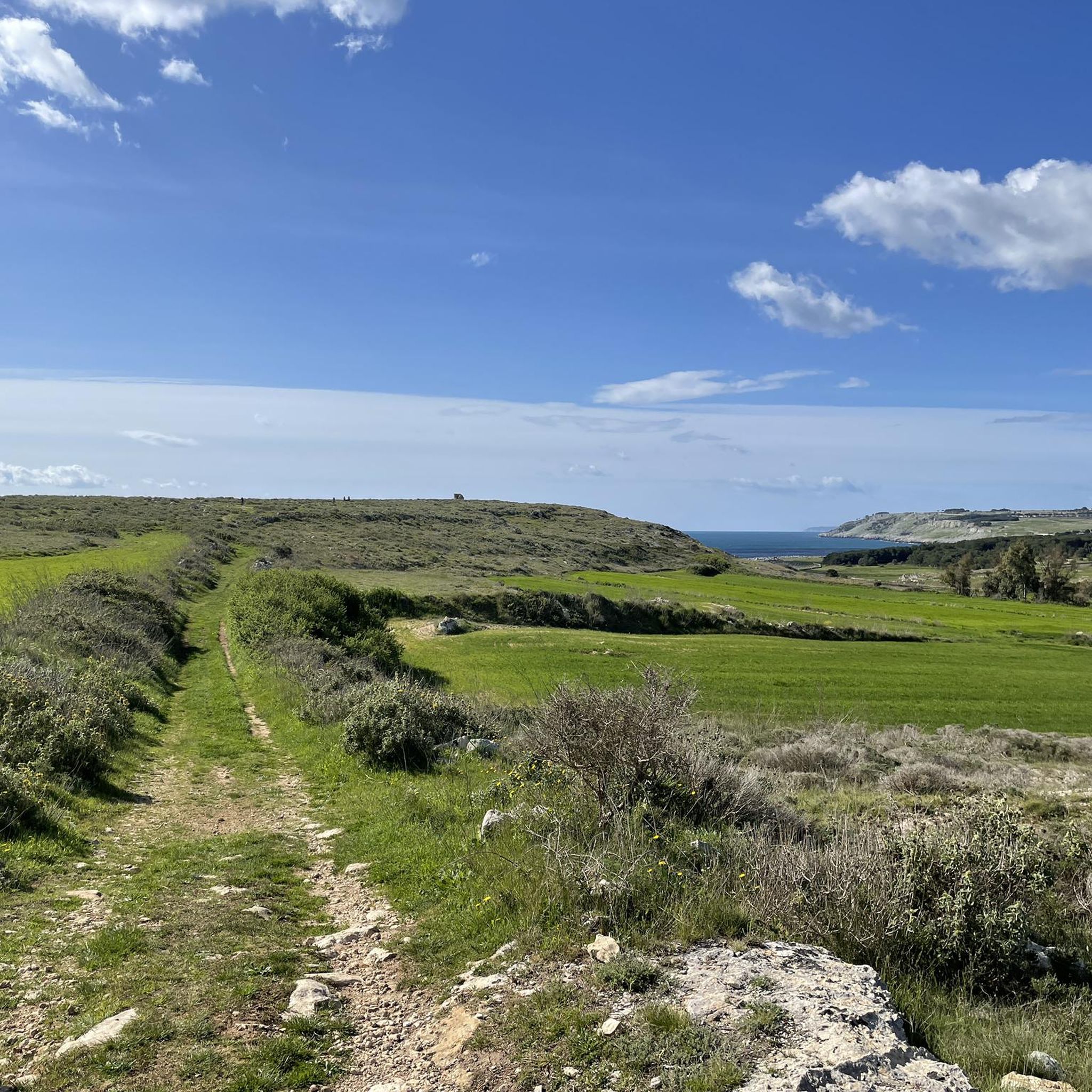
Running Trails around Parco Naturale Regionale Costa Otranto - Santa Maria di Leuca e Bosco di Tricase
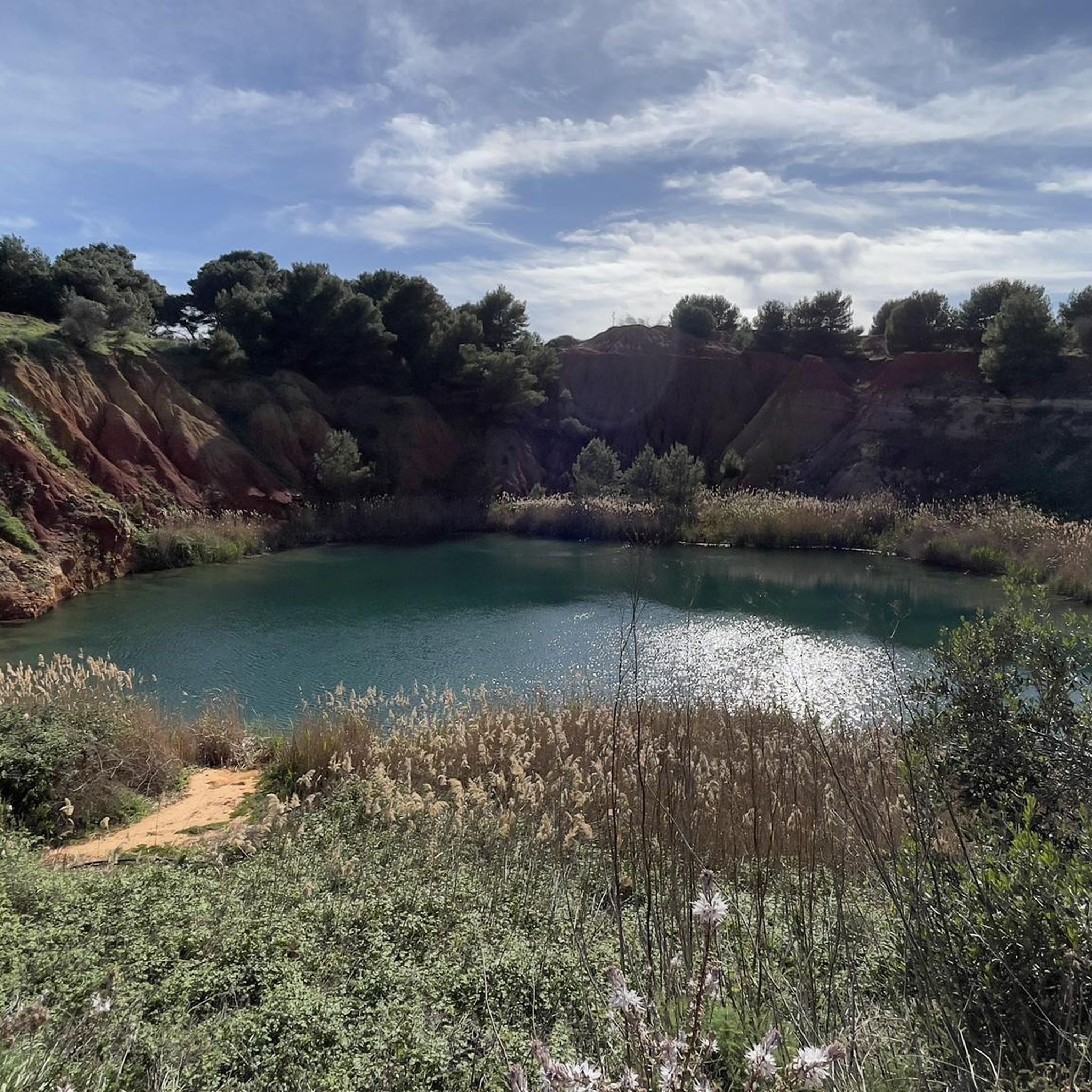
Cycling around Parco Naturale Regionale Costa Otranto - Santa Maria di Leuca e Bosco di Tricase
Road Cycling Routes around Parco Naturale Regionale Costa Otranto - Santa Maria di Leuca e Bosco di Tricase

Gravel biking around Parco Naturale Regionale Costa Otranto - Santa Maria di Leuca e Bosco di Tricase
Tips from the Community

Reopened on April 24, 2024, after renovations and refurbishments. There are now separate pedestrian lanes alongside the road. In the evening, the bridge is illuminated with rainbow colors—haha, just kidding 😅—thankfully, they're the colors of the Italian flag 🇮🇹.
1
0


Hi, is it practicable or do we have to go down?
0
0

The Ciolo bridge is the perfect destination for those who love diving from great heights. The bridge connects the canyon and below is a beach. 40 meters high, there is a breathtaking panorama occasionally interrupted by the "splash" of those who dive. Near the bridge there are many caves including the Ciolo cave. The name “Ciolo” derives from the Salento word “Ciole”, to indicate the numerous magpies that nested along the coast.
2
0

August 2023 unfortunately currently closed due to construction work.
0
0
Beautiful spot. I think it is also the starting point for a nice walk.
1
0

one of the classics... but how scary to jump from there
1
2

The name Ciolo derives from the Salento word "Giolo" or thieving magpie, this is because the area is rich in nests of this species. The beautiful cove is cut by the homonymous bridge which stands 40 meters high. Over the years the bridge has been a destination for intrepid divers but, given the danger, this practice has recently been banned. You can still enjoy the sea by accessing it from the cove below and, for those who do not want to give up a bit of adventure, dive from the surrounding rocks.
2
0
Frequently Asked Questions
What kind of geological formations can I expect to see in Parco Naturale Regionale Costa Otranto - Santa Maria di Leuca e Bosco di Tricase?
The Parco Naturale Regionale Costa Otranto - Santa Maria di Leuca e Bosco di Tricase is renowned for its dramatic coastal landscapes, featuring cliffs, sea caves, and Mediterranean scrub. While not traditional deep inland canyons (gravine), the coastline offers spectacular geological formations, including numerous inlets and natural harbors carved by centuries of erosion, which provide a rugged and scenic environment for exploration.
What are some of the most notable coastal formations or gorges in the region?
The region features several impressive formations. The Ciolo Bridge stands 40 meters high over a deep ravine, offering clear waters and rich flora. Another significant spot is the Ciolo Gorge Trail, which winds through a breathtaking landscape from the bridge, showcasing diverse flora and rock formations. The area also includes numerous sea caves and dramatic cliffs along the eastern Salento coastline.
Are there any sea caves to explore in the area?
Yes, the park is home to numerous sea caves carved into its limestone cliffs. Notable examples include Cipolliane Cave, which features huge natural cavities with traces of human history, and Zinzulusa Cave near Castro Marina, famous for its unique calcareous concretions. Many of these caves are semi-submerged and host diverse animal species.
What kind of views can I expect along the coast?
The coastline offers panoramic sea views with crystal-clear waters. From locations like Punta Palascìa, the easternmost point of Italy, you can experience breathtaking vistas of the Adriatic Sea and the dramatic, rugged coastline. The Ciolo Bridge also provides a spectacular panorama over its deep ravine.
Are there hiking trails that explore these coastal gorges?
Yes, there are several hiking opportunities. The Ciolo Gorge Trail is a popular option, offering views and a chance to observe diverse flora. For more hiking routes in the area, you can explore the Easy hikes around Parco Naturale Regionale Costa Otranto - Santa Maria di Leuca e Bosco di Tricase guide, which includes routes like the Ciolo Bridge loop.
What other outdoor activities are available near the coastal formations?
Beyond hiking, the region offers various outdoor activities. You can find running trails, including loops around Moscerini Cave and Canalone del Ciolo. For cycling enthusiasts, there are gravel biking routes that explore the wider area, such as the Mouth of the Alimini Lakes loop.
What is the best time of year to visit the coastal formations and trails?
The best time to visit is generally during spring (April-May) and early autumn (September-October). During these periods, the weather is pleasant for outdoor activities, and the natural beauty of the Mediterranean scrub is at its peak. Summer can be very hot, making longer treks less comfortable, while winter might bring cooler temperatures and occasional rain.
Are the trails and coastal areas suitable for families?
Many areas along the coast, particularly those with well-maintained paths and accessible viewpoints, can be enjoyed by families. For easier options, consider routes like the Ciolo Bridge – View of the Ciolo Bridge and the inlet loop, which is rated as easy. Always check specific trail difficulties before heading out with children.
Are there dog-friendly trails in the Parco Naturale Regionale Costa Otranto - Santa Maria di Leuca e Bosco di Tricase?
Many of the natural trails within the park are generally dog-friendly, especially those that are less crowded and open. However, it's always advisable to keep dogs on a leash, particularly in protected areas or near cliffs, and to be mindful of local regulations and other visitors. Ensure you carry enough water for your pet, especially during warmer months.
Where can I find parking when visiting the coastal formations?
Parking is typically available near popular access points and attractions. For instance, you can usually find parking close to the Ciolo Bridge and the starting points for trails like the Ciolo Gorge Trail. In smaller villages or near specific coves, designated parking areas might be limited, so arriving early is recommended during peak season.
What amenities are available near the coastal formations and trails?
Near popular spots like Ciolo, you can find cafes and restaurants, especially in nearby towns such as Gagliano del Capo. Larger towns like Otranto and Santa Maria di Leuca offer a wider range of amenities, including accommodation, grocery stores, and various dining options. It's advisable to carry water and snacks, especially on longer or more remote trails.
What should I wear for exploring the coastal formations and trails?
For exploring the coastal formations and trails, wear comfortable, sturdy walking shoes or hiking boots, as paths can be uneven and rocky. Light, breathable clothing is recommended, especially during warmer months. Don't forget sun protection, including a hat, sunglasses, and sunscreen, as well as a reusable water bottle to stay hydrated.
Are there opportunities for wild swimming near the coastal formations?
Yes, the crystal-clear waters along the coast offer many opportunities for wild swimming. The cove beneath the Ciolo Bridge is a popular spot for swimming and enjoying the sea. Numerous small inlets and natural harbors along the coastline provide secluded and beautiful places to take a dip, often accessible after a short walk down from the cliffs.
Most popular routes around Parco Naturale Regionale Costa Otranto - Santa Maria di Leuca e Bosco di Tricase
Most popular attractions around Parco Naturale Regionale Costa Otranto - Santa Maria di Leuca e Bosco di Tricase

Get inspired with the komoot mobile app


Explore more
Already discovered everything in this region? See additional gorges around Parco Naturale Regionale Costa Otranto - Santa Maria di Leuca e Bosco di Tricase for your next adventure:
