Parco naturale regionale Dune costiere da Torre Canne a Torre San Leonardo
Parco naturale regionale Dune costiere da Torre Canne a Torre San Leonardo
Attractions and Places To See around Parco naturale regionale Dune costiere da Torre Canne a Torre San Leonardo - Top 17
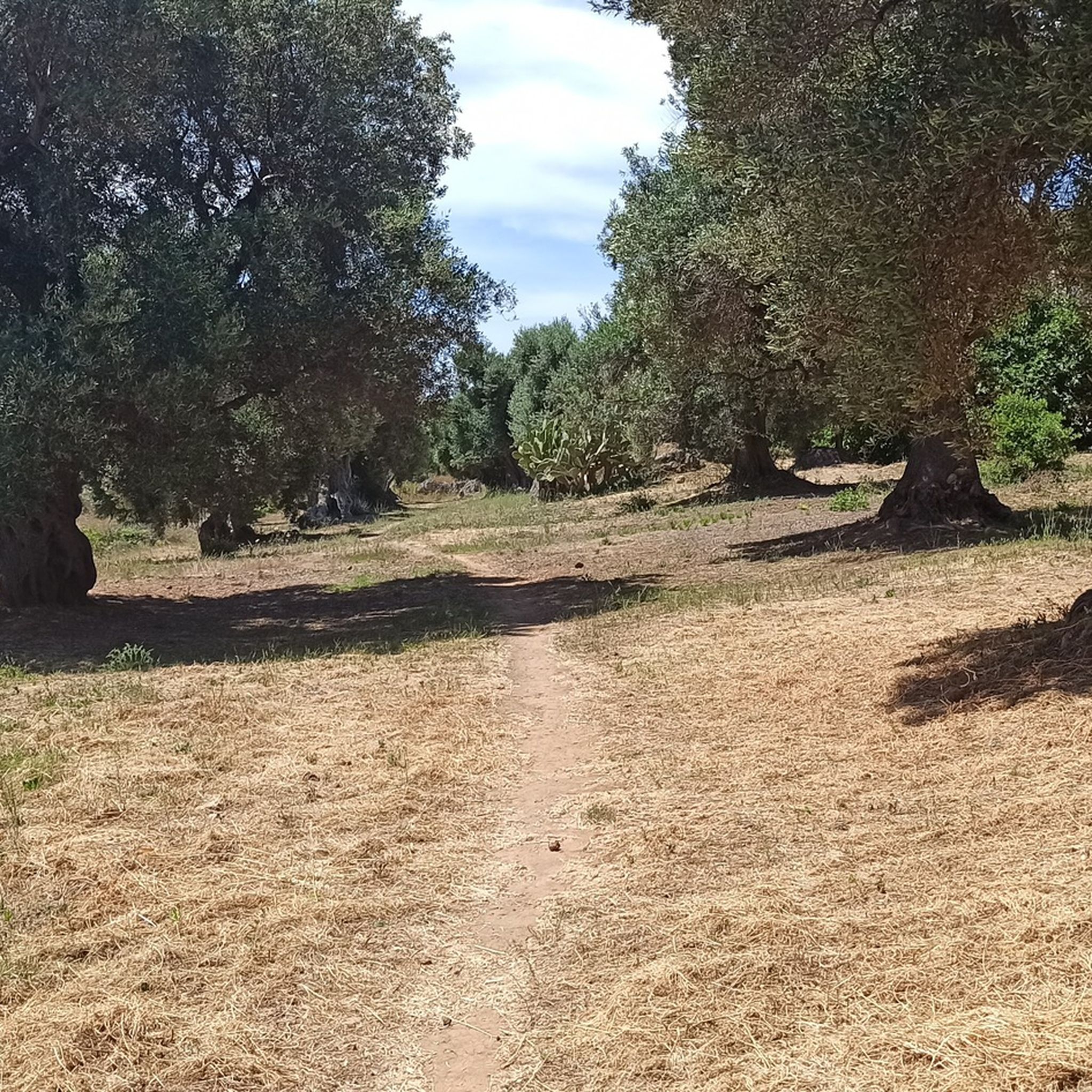
Best attractions and places to see around Parco naturale regionale Dune costiere da Torre Canne a Torre San Leonardo. This protected area in Puglia, Italy, spans approximately 8 kilometers of coastline and 1,000 hectares, featuring diverse natural landscapes and historical sites. The park is characterized by coastal dunes, wetlands, ancient olive groves, and "lame" (karst blades) with historical findings. It offers a blend of natural beauty and cultural heritage, including ancient Roman roads and megalithic monuments.
Best attractions and places to see around Parco naturale regionale Dune costiere da Torre Canne a Torre San Leonardo
- The most popular attractions is Lamacornola Rock Settlement and Caves, a historical site that features evidence of past communities. This area includes cave-villages, cave-churches, and cave-shops, offering insight into ancient life.
- Another must-see spot is Montalbano Dolmen, a man-made monument. This megalithic structure, dating back to the Neolithic period, is a significant historical site within the park.
- Visitors also love Trappeto dell'Arco Hypogeum Olive Mill, a historical site. This underground olive mill provides a glimpse into ancient olive oil production methods.
- Parco naturale regionale Dune costiere da Torre Canne a Torre San Leonardo is known for its coastal dunes, ancient olive groves, and historical rock settlements. The region offers a variety of natural and cultural attractions to explore.
- The attractions around Parco naturale regionale Dune costiere da Torre Canne a Torre San Leonardo are appreciated by the komoot community, with 96 upvotes and 49 photos shared by visitors.
Last updated: May 10, 2026
Montalbano Dolmen
Highlight • Monument
The Montalbano di Fasano area is crossed by numerous torrential incisions, called lame. Along one of these temporary watercourses, in the locality of Pisco Marano, stands one of the most significant testimonies of the megalithic civilization: the dolmen of Montalbano, a structure consisting of two lateral limestone slabs that support a covering table.
Translated by Google •
Tip by

Lamacornola Rock Settlement and Caves
Highlight (Segment) • Historical Site
Translated by Google •
Tip by

Sign up now to discover places like this
Get recommendations on the best single tracks, peaks, & plenty of other exciting outdoor places.
Sign up for free
Coastal Dunes Wetland
Highlight • Natural
Translated by Google •
Tip by

Trappeto dell'Arco Hypogeum Olive Mill
Highlight • Historical Site
Translated by Google •
Tip by
Torre San Leonardo
Highlight • Monument
The tower was built by the Aragonese. It was later definitively called the tower of San Leonardo as it fell within the land owned by the abbey of San Leonardo di Siponto. The tower was completed in 1569 and built in a square shape to allow the use of more cannons.
Once its original function ceased, the tower was restored without historical-artistic attention to the structure and materials, and its appearance was completely remodeled. The only original part is the lower, truncated pyramid base, on the sea side of the structure, on the rear side. Today its intended use is private. [ref. Wikipedia: it.wikipedia.org/wiki/Torre_San_Leonardo ]
Translated by Google •
Tip by

Sign up for free to discover even more attractions around Parco naturale regionale Dune costiere da Torre Canne a Torre San Leonardo.
Sign up for free
Already have an account?
Start today with a free account
Your next adventure awaits.
Login or Signup
Popular around Parco naturale regionale Dune costiere da Torre Canne a Torre San Leonardo
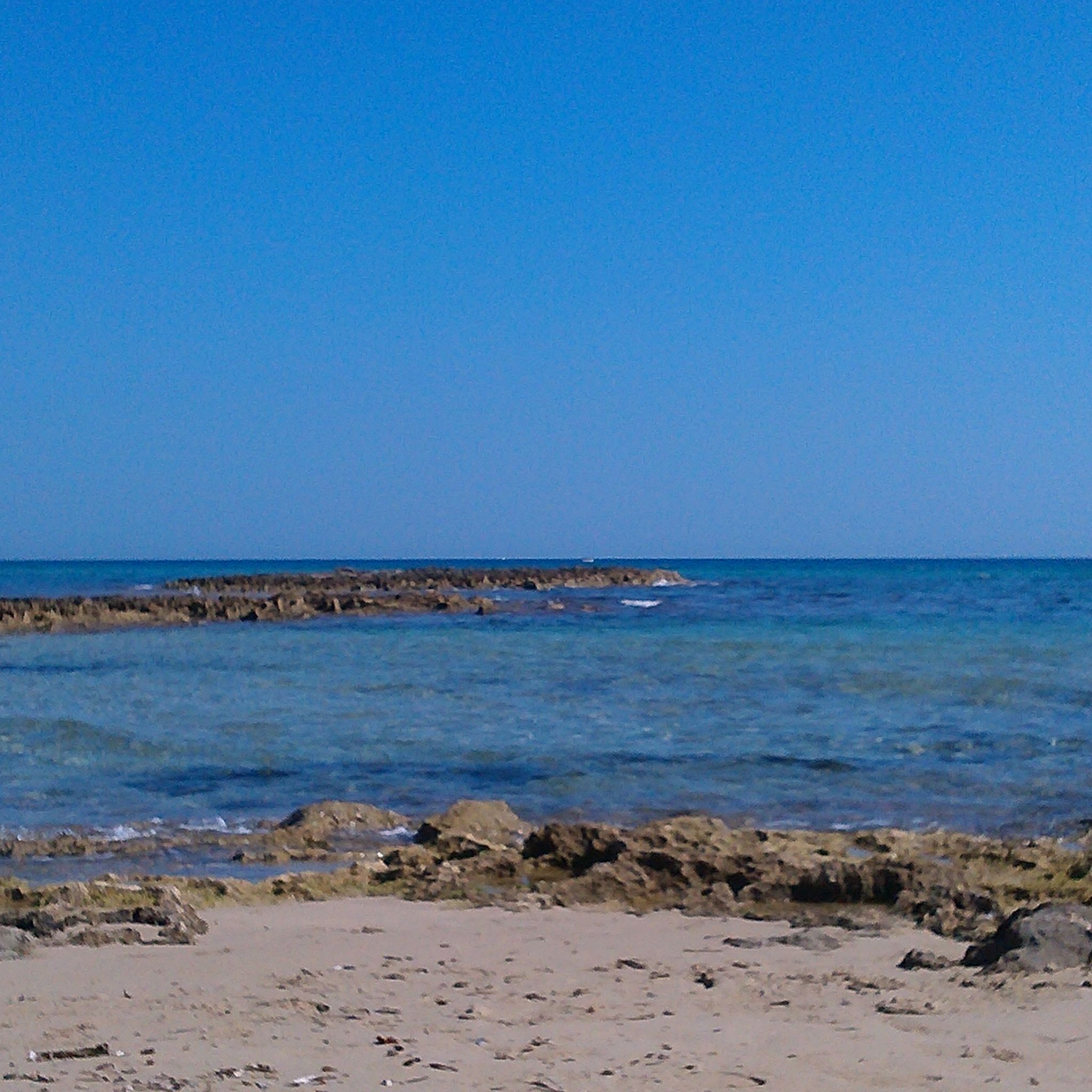
Road Cycling Routes around Parco naturale regionale Dune costiere da Torre Canne a Torre San Leonardo
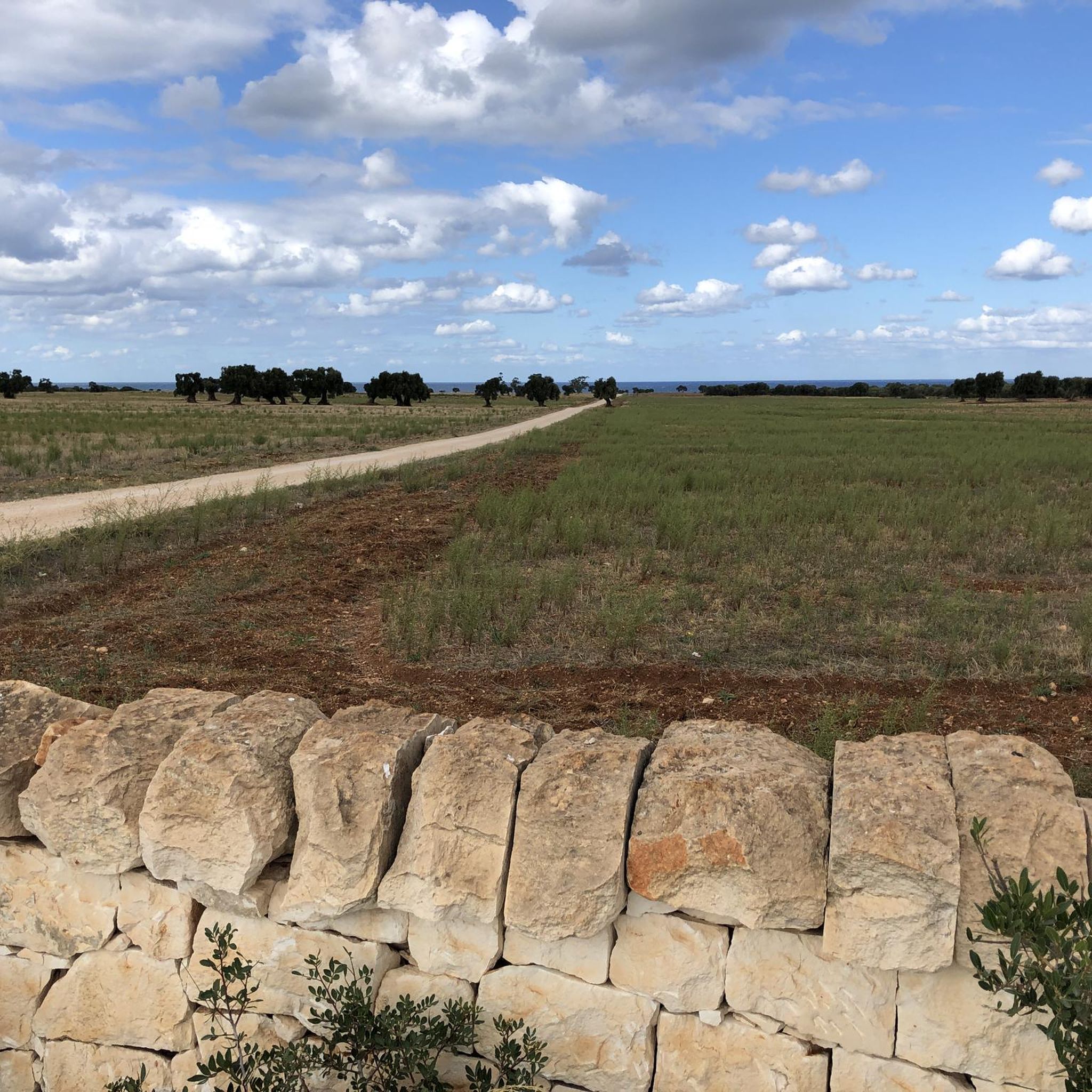
Cycling around Parco naturale regionale Dune costiere da Torre Canne a Torre San Leonardo
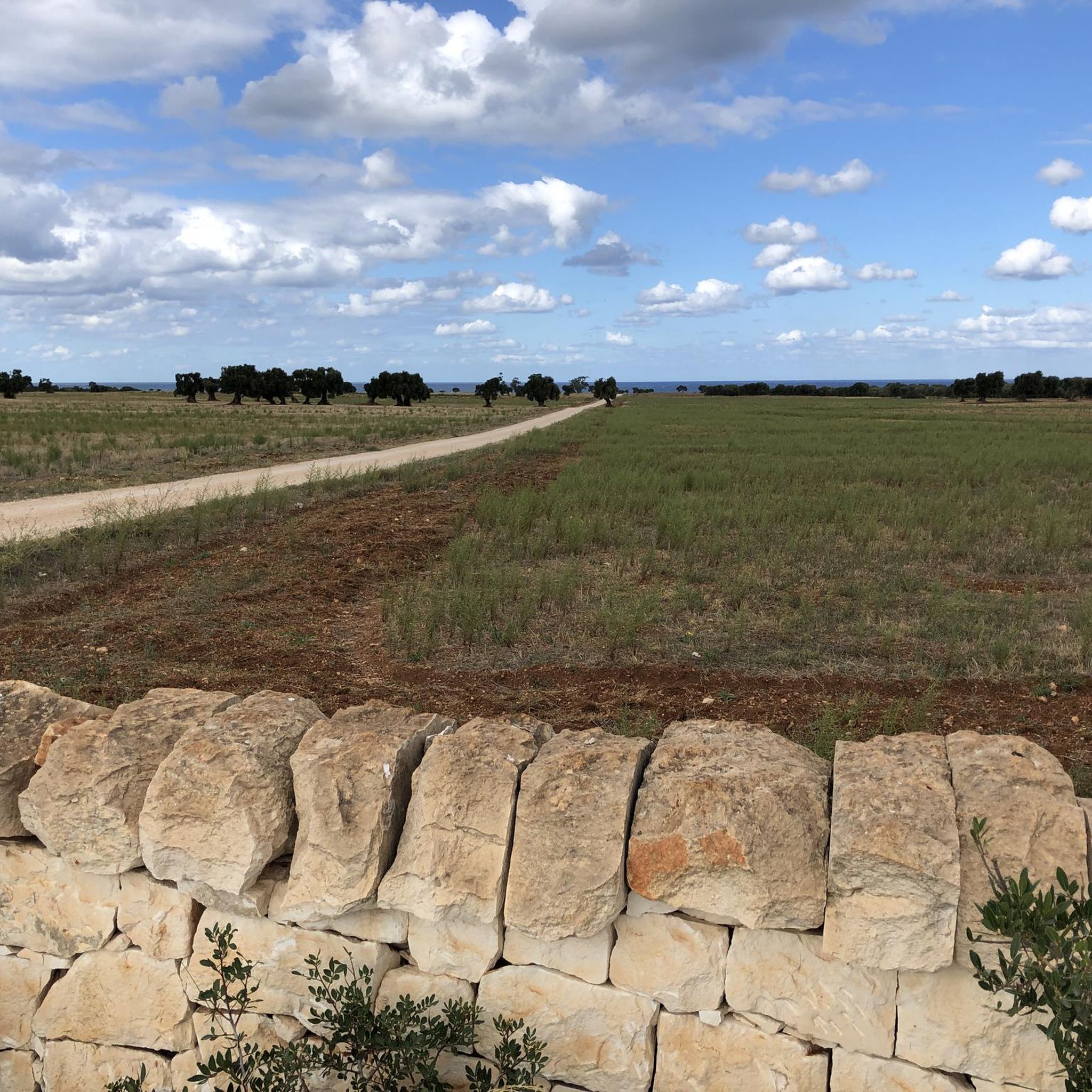
Hiking around Parco naturale regionale Dune costiere da Torre Canne a Torre San Leonardo
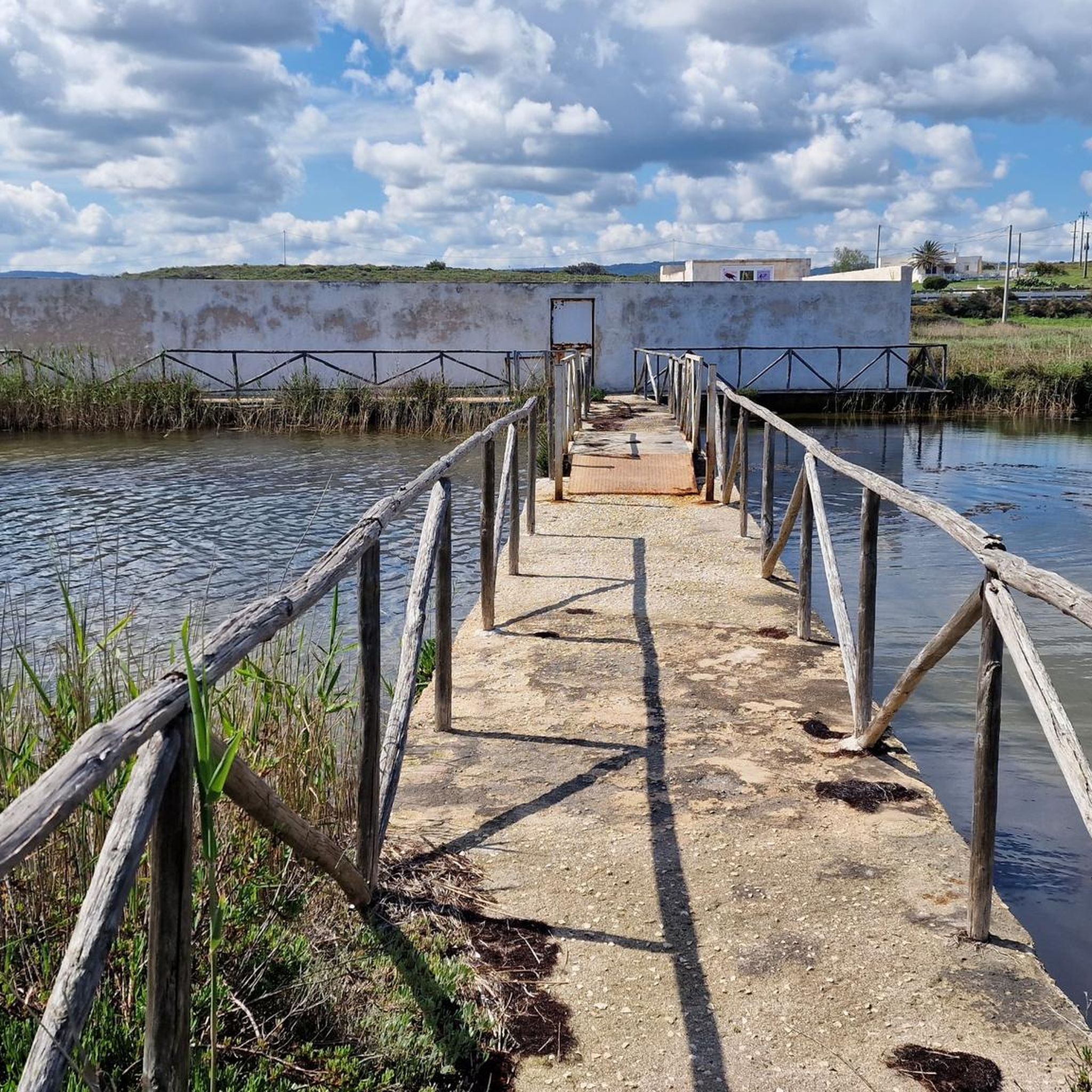
Running Trails around Parco naturale regionale Dune costiere da Torre Canne a Torre San Leonardo
MTB Trails around Parco naturale regionale Dune costiere da Torre Canne a Torre San Leonardo

Gravel biking around Parco naturale regionale Dune costiere da Torre Canne a Torre San Leonardo
Tips from the Community

The site chosen for the construction of the tower was already known in the past. The place is cited as Mutatio ad Decimum, that is, a post station for changing horses on the Via Traiana in Roman times between the city of Egnazia and the mansio Speluncas (Torre Santa Sabina) before reaching Brindisi. The tower was built by the Aragonese. It was later definitively called the tower of San Leonardo as it fell within the land owned by the abbey of San Leonardo di Siponto. The tower was completed in 1569 and built in a square shape to allow the use of more cannons. Once its original function ceased, the tower was restored without historical-artistic attention to the structure and materials, and its appearance was completely remodeled. The only original part is the lower, truncated pyramid base, on the sea side of the structure, on the rear side. Today its intended use is private. [ref. Wikipedia: https://it.wikipedia.org/wiki/Torre_San_Leonardo ]
4
0

Always beautiful and easily accessible, Torre San Leonardo
1
0
The site chosen for the tower's construction was already known in the past. The location is cited as Mutatio ad Decimum, meaning a post station for changing horses on the Via Traiana in Roman times between the city of Egnatia and the mansio Speluncas (Torre Santa Sabina) before reaching Brindisi. The tower was built by the Aragonese. It was later definitively named the Tower of San Leonardo because it was located on land owned by the Abbey of San Leonardo di Siponto. The tower was completed in 1569 and built square to accommodate the use of more cannons. After its original function ceased, the tower was restored without any historical or artistic consideration for its structure or materials, and its appearance was completely remodeled. The only original part is the lower, truncated pyramid base on the seaward side of the structure, at the rear. Today, its intended use is private. [ref. Wikipedia: https://it.wikipedia.org/wiki/Torre_San_Leonardo]
2
0
Saracen tower reachable through Pilone 2 residential village.
4
0

Unique in the area, the Dolmen of Montalbano is a very ancient megalithic monument, probably from the early Bronze Age, 4000 years ago! Linked to ancient magical rites, astronomical studies or the cult of the dead ... its history is lost in the mists of time and increases its mystery and uniqueness. It is immersed in the silvery green of the secular olive trees of the Montalbano countryside (fraction of Fasano, Br), but it is located 5 km from the sea, in a tourist area to visit .. rich in beautiful Apulian farmhouses and an extraordinary sea. https://www.fondoambiente.it/luoghi/dolmen-di-montalbano-fasano
2
0

Cave-villages, cave-churches, cave-shops, trapeti-caves belong to the civil, religious and artistic history of this region. The suggestive and unusual rocky paths reveal the treasures of underground Puglia hidden in the ravines of the ground. The rock settlements offer a real journey through time and space. An intertwining of paths and caves, a village built on various levels of the rocky ridges that host them, where it is still possible to reconstruct the life of the communities that lived there. The well, the oil mill, the cemetery and the church around which life pulsated highlight the links existing between the underground settlements and the territory, the caves not only as places of mystical asceticism but also centers of life and work.
2
1

Stretch of wetland that develops on the coastal side of the Park, where it is possible to observe the presence of a watercourse characterized by the presence of bridges that lead to a fish farming plant. Everything is separated from the beach, thanks to the presence of the typical sand dunes and Mediterranean vegetation that develop in the area. Over the years, an ideal habitat for local fauna has been created here, especially for birds and birds of prey that meet during the warm seasons, and which in turn increasingly attract birdwatchers to this area.
1
0
Near the dolmen there is also a cave called the table of the paladins
3
0
Frequently Asked Questions
What natural features can I explore in Parco naturale regionale Dune costiere?
The park is rich in diverse natural features. You can explore the defining Coastal Dunes Wetland, which are natural barriers and sanctuaries for diverse plant and animal species. The area also features significant wetlands, ancient olive groves with trees as old as the Via Traiana, and unique geological formations called "lame" (karst blades) created by fluvial erosion. Some beaches even boast black sand, originating from the ancient Vulture Volcano.
Are there any significant historical or archaeological sites to visit in the park?
Yes, the park is home to several important historical and archaeological sites. You can visit the Montalbano Dolmen, an ancient megalithic monument from the Neolithic period. Another must-see is the Lamacornola Rock Settlement and Caves, which offers a glimpse into ancient communities with cave-villages, cave-churches, and cave-shops. Don't miss the Trappeto dell'Arco Hypogeum Olive Mill, an underground mill showcasing ancient olive oil production methods. The ancient Roman road, Via Traiana, also crosses the park.
What kind of outdoor activities, like hiking or cycling, can I do near these attractions?
The park and its surroundings offer a variety of outdoor activities. You can find numerous trails suitable for hiking and cycling, guiding you through wooded areas, historical sites, and natural landscapes. For cycling enthusiasts, there are several routes available, including gravel biking and road cycling. For example, you can explore routes like the 'Capitolo Beach, Monopoli – Cala Verde loop' for cycling or the 'Torre San Leonardo – Ostuni Railway Underpass loop' for gravel biking. You can find more detailed routes and guides on cycling, gravel biking, and road cycling around the park.
Are there family-friendly attractions or activities in the area?
Yes, several attractions are suitable for families. The Montalbano Dolmen and Torre San Leonardo are historical sites that can be interesting for all ages. The Coastal Dunes Wetland offers a chance to observe local fauna, especially birds, which can be a fun activity for children. The park's beautiful beaches, such as Torre Canne Beach and Lido Morelli, are also perfect for a family day out.
What are the best beaches within or near Parco naturale regionale Dune costiere?
The park boasts several beautiful beaches with clear waters and typical coastal dune vegetation. Notable options include Torre Canne Beach, a long stretch of sand ideal for relaxation, and Lido Morelli, known for its fine sand and tranquil environment. Lido Piccolo is another small, peaceful beach perfect for a quiet escape.
What is the best time of year to visit Parco naturale regionale Dune costiere?
The best time to visit largely depends on your preferred activities. Spring (April-May) and early autumn (September-October) offer pleasant temperatures ideal for hiking, cycling, and exploring historical sites without the intense summer heat. The wetlands are particularly vibrant with migratory birds during these seasons. Summer (June-August) is perfect for enjoying the beaches and coastal activities, though it can be quite warm and crowded.
Where can I observe wildlife, especially birds, in the park?
The park is a biodiversity hotspot, particularly for birdwatching. The Coastal Dunes Wetland and the areas around the Morelli River are ideal for observing various species of migratory birds. This habitat has been created over the years, attracting many birdwatchers during the warmer seasons.
Are there options for dining or accommodation near the attractions?
While specific cafes and restaurants are not detailed within the park's highlights, the surrounding towns like Torre Canne and Torre San Leonardo, as well as nearby Ostuni and Fasano, offer a range of dining options and accommodation choices, from hotels to traditional 'masserie' (fortified farmhouses).
What unique geological features can be found in the park?
Beyond the coastal dunes, the park is characterized by unique geological features such as the 'lame' (karst blades), which are typical Apulian formations created by fluvial erosion, appearing as small erosive furrows or dry river valleys. These often contain caves with historical findings. Additionally, some beaches in the park feature distinctive black sand, which originates from the Vulture Volcano.
Can I bring my dog to the trails in Parco naturale regionale Dune costiere?
While the guide does not specify dog-friendly policies for every trail, many natural parks in Italy allow dogs on leash. It's always recommended to check local signage or the official park website for the most current regulations regarding pets on trails and in specific areas to ensure a pleasant visit for everyone. You can find more information on the regional tourism website: visit.puglia.it.
How can I explore the ancient Roman road, Via Traiana, within the park?
The ancient Roman road, Via Traiana, dating back to the 2nd century AD, crosses the park's olive-covered plain, connecting ancient Egnazia to Brindisi. While not a specific highlight with a dedicated link, its path is integrated into the landscape, particularly through the vast expanses of centuries-old olive groves. Many hiking and cycling routes within the park will likely intersect or run parallel to sections of this historic route, allowing you to experience its ancient legacy.
What are 'masserie' and can I visit them in the park?
Masseria are historical farmhouses, often fortified, scattered throughout the rural areas of Puglia. Within the park, some masserie, like Masseria Ottava Grande, feature medieval churches such as San Pietro in Ottava. While many are private residences or have been converted into accommodations, some may offer tours or host events, providing a glimpse into the region's agricultural and architectural heritage. It's advisable to check locally for public access or specific visiting opportunities.
Most popular routes around Parco naturale regionale Dune costiere da Torre Canne a Torre San Leonardo
Most popular attractions around Parco naturale regionale Dune costiere da Torre Canne a Torre San Leonardo

Get inspired with the komoot mobile app


Explore more
Still not found the Highlight you’re looking for? See guides of the top attractions in other regions:
