Attractions and Places To See in Parco Nazionale dell'Arcipelago di La Maddalena - Top 20
Best attractions and places to see in Parco Nazionale dell'Arcipelago di La Maddalena, a geomarine national park, encompass over 60 islands and islets off Sardinia's northeastern coast. This area is characterized by spectacular seascapes, crystal-clear turquoise waters, and unique granite formations shaped by natural elements. The park offers a diverse range of natural landscapes and historical sites, including pristine beaches and cultural landmarks. It is recognized for its significant natural beauty and ecological importance.
Best attractions and places to see…
Last updated: October 11, 2026
Ponte della Maddalena (Caprera Causeway)
Highlight • Bridge
Translated by Google •
Tip by

La Maddalena town center
Highlight • Settlement
Translated by Google •
Tip by

Sign up now to discover places like this
Get recommendations on the best single tracks, peaks, & plenty of other exciting outdoor places.
Cala Serena
Highlight • Beach
Translated by Google •
Tip by

Historic Center of La Maddalena
Highlight • Settlement
After the only inhabited center of the largest island, both the archipelago itself and the nature park are named after it, …
Showing Translation
Tip by

Napoletana Cove
Highlight • Beach
Translated by Google •
Tip by
Sign up for free to discover even more attractions in Parco Nazionale dell'Arcipelago di La Maddalena.
Already have an account?
Start today with a free account
Your next adventure awaits.
Popular around Parco Nazionale dell'Arcipelago di La Maddalena
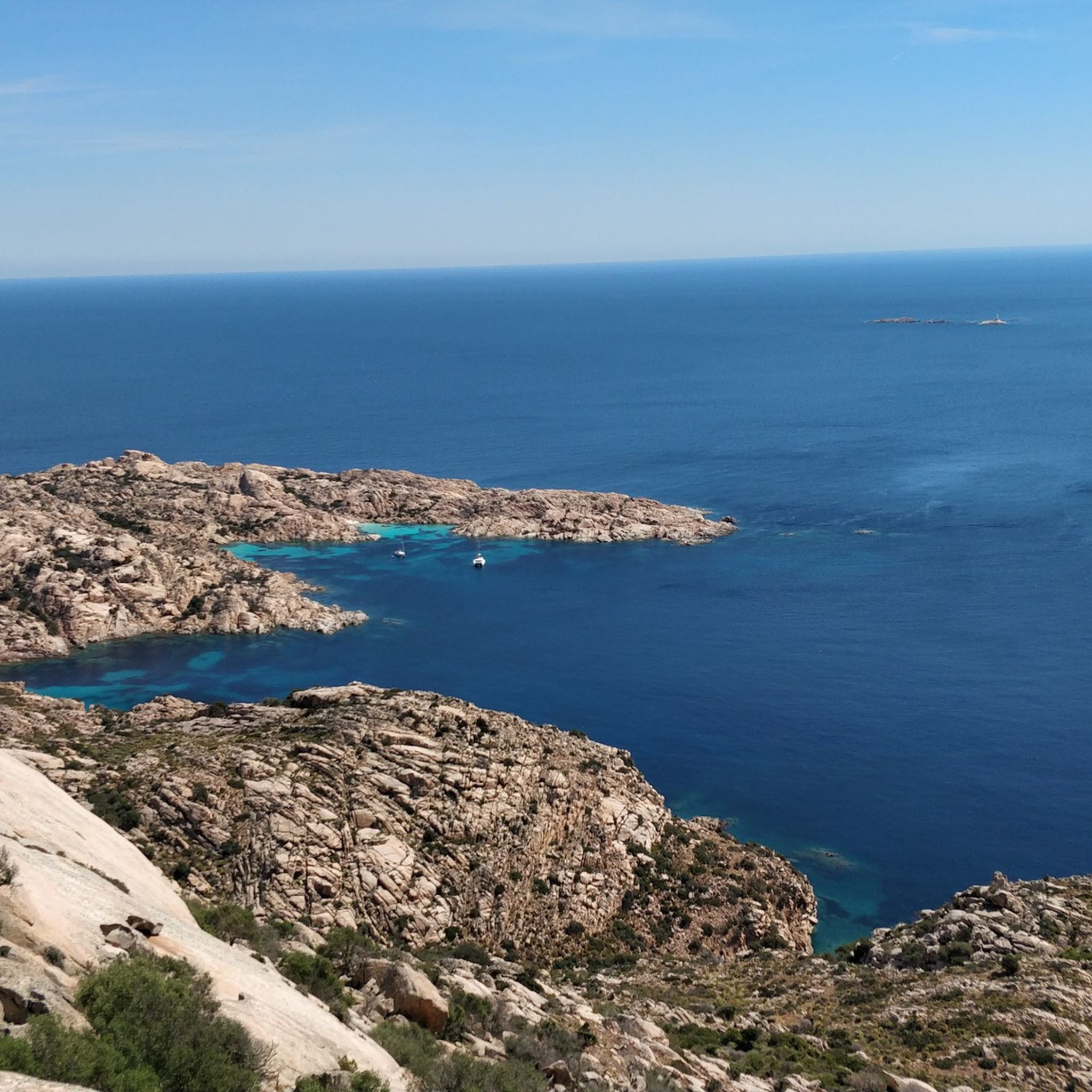
Hiking in Parco Nazionale dell'Arcipelago di La Maddalena
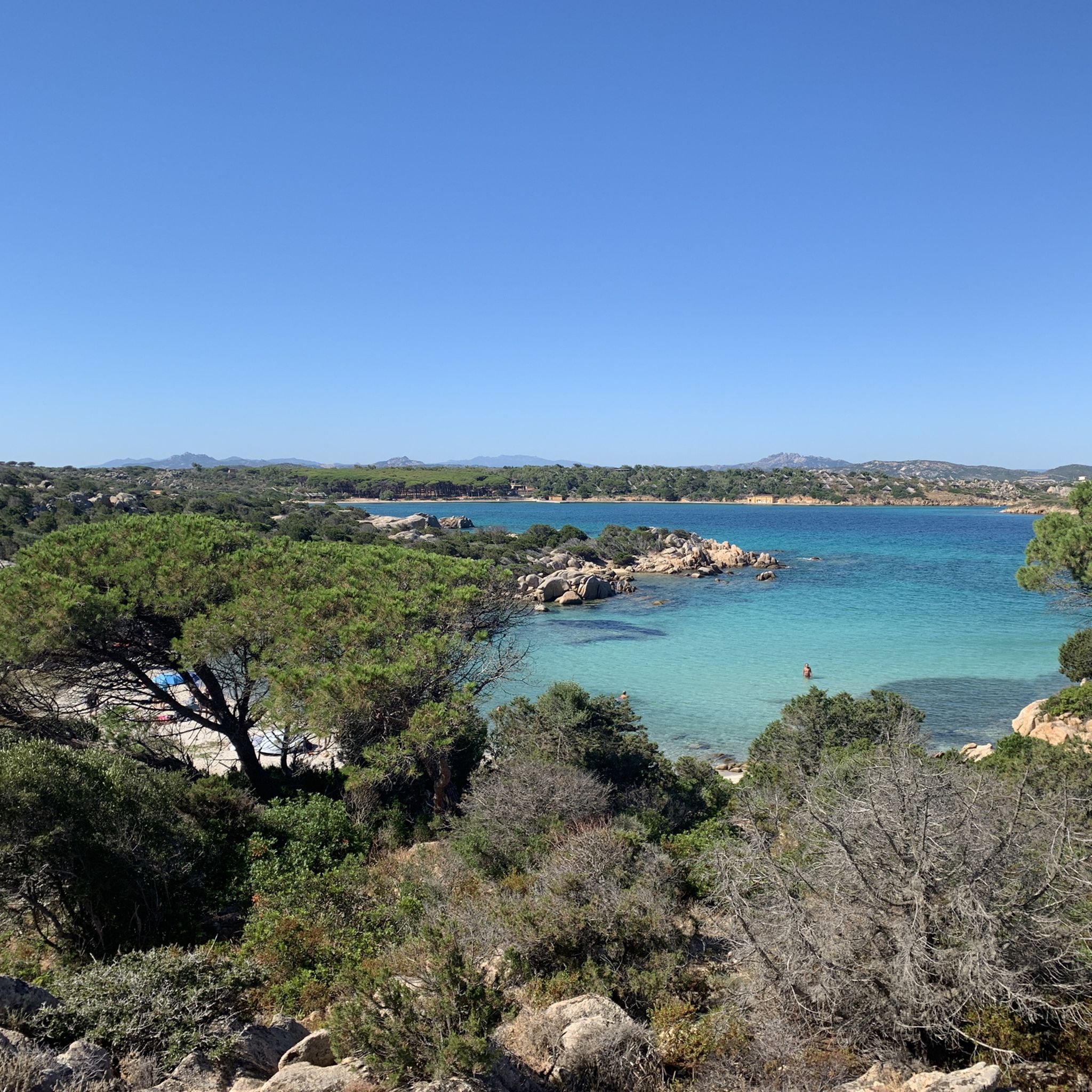
MTB Trails in Parco Nazionale dell'Arcipelago di La Maddalena
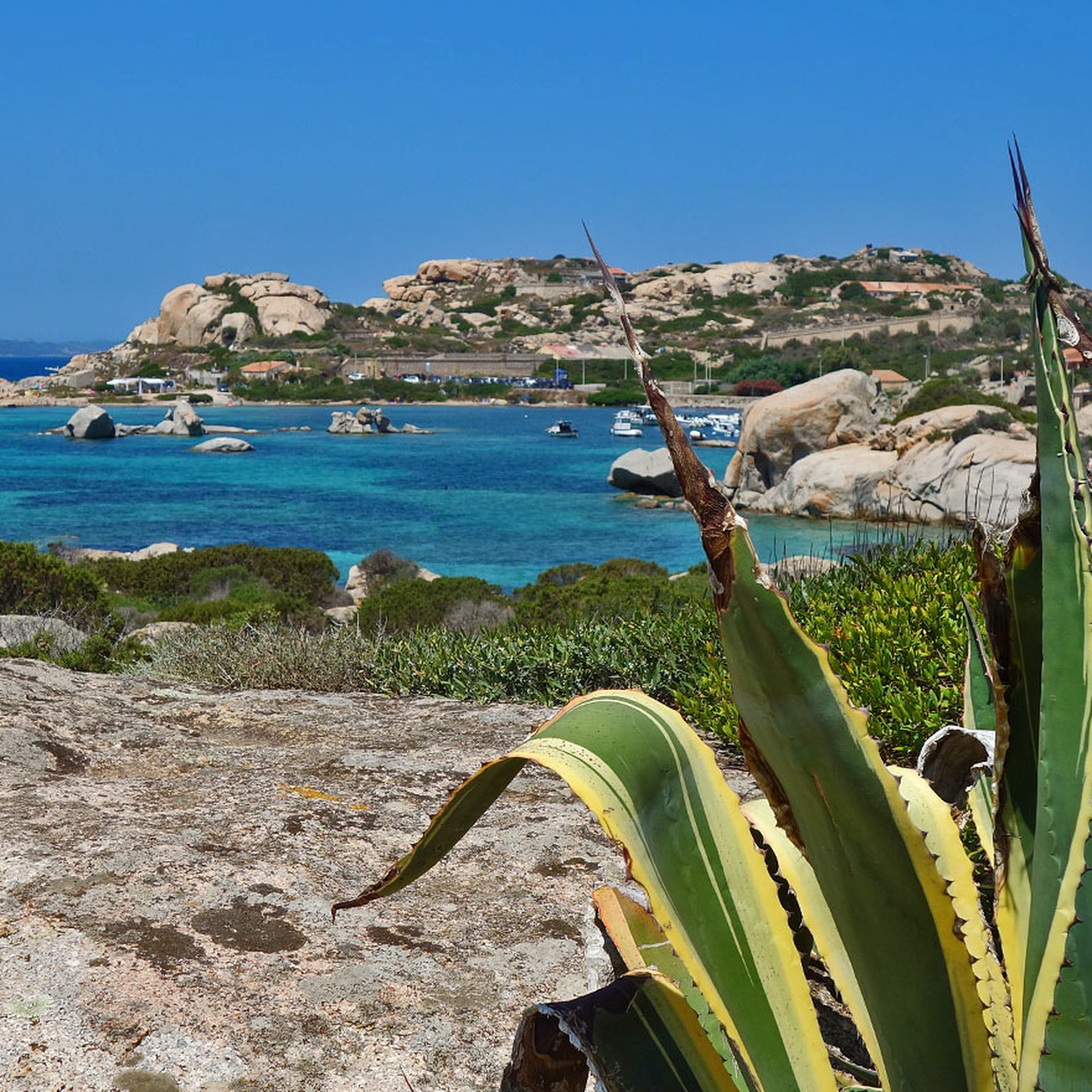
Cycling in Parco Nazionale dell'Arcipelago di La Maddalena
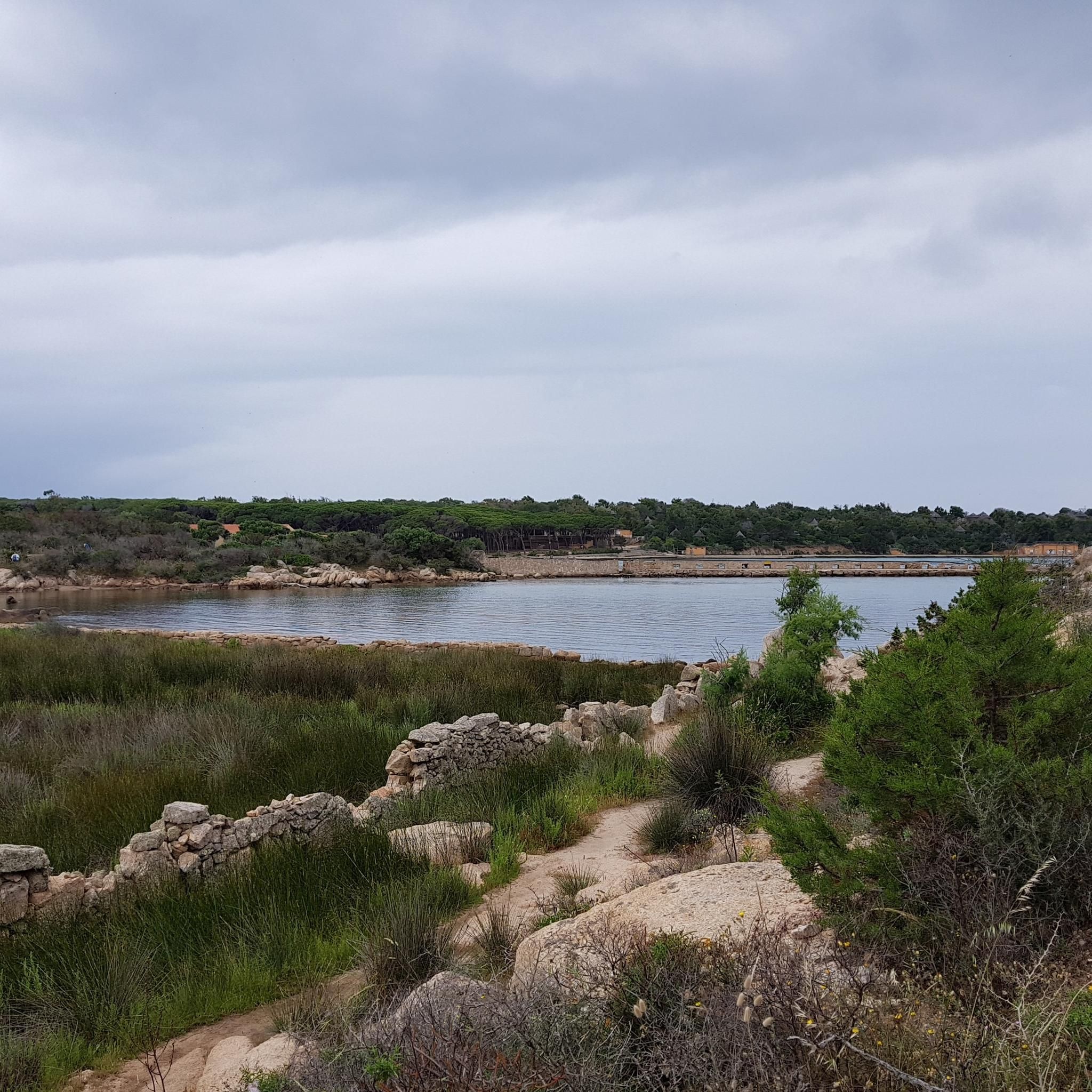
Running Trails in Parco Nazionale dell'Arcipelago di La Maddalena
Road Cycling Routes in Parco Nazionale dell'Arcipelago di La Maddalena

Gravel biking in Parco Nazionale dell'Arcipelago di La Maddalena
Tips from the Community

The bay was a dream, the bike path there was breakneck! We had to push and carry the bike more than we could ride, and definitely NO ONE has ever visited the three adjacent bays by bike (except us 😂😂). Please don't try this.
0
0

A municipality formed by some of the most famous and beautiful islands in Italy, the municipality of La Maddalena is located on the largest island of the archipelago, also called La Maddalena. The port and the historic center, in addition to the wonderful beaches, are unmissable here.
1
0

La Maddalena (The island was inhabited in prehistoric times) The island was inhabited in prehistoric times, but was abandoned from the fall of the Western Roman Empire until the 17th century, until a shepherd colony settled here and founded the present-day municipality. Its strategically favorable location with the inevitable passage through the Bocche di Bonifacio made the island a military outpost, for which the fortifications still visible today bear witness. This was also an attraction for Napoleon Bonaparte, who was repulsed in 1793 by the fleet commander Domenico Millelire, born here. For a long time, the island was a base for the Italian and also the US Navy, which was finally disbanded in early 2008. The USA's submarines were stationed off Santo Stefano, the fourth largest island in the archipelago. Today, La Maddalena is the seat of a non-commissioned officers' school and the naval department. The only small town in the archipelago has over 11,000 inhabitants. Its harbor overlooks Palau, located 15 minutes away by ferry. The cobbled alleys of the old town are lined with palaces from the late 18th century, and the parish church of Santa Maria Maddalena rises. In the sacristy of this church is housed the Diocesan Museum of Sacred Art, where the treasure of the Holy Patroness is exhibited. This includes the crucifix and two silver candlesticks, which Admiral Nelson had gifted in 1804. It is a historical memorial of the town. In the small harbor of Cala Gavetta stands the statue of Giuseppe Garibaldi, who spent his last 26 years on the island of Caprera, which is connected to La Maddalena by the 600 m long artificial strip of land Passo della Moneta. The second largest island of the archipelago was the "garden" of the hero of the two worlds, which today is famous for the Compendio garibaldino, the most visited museum in Sardinia. The untouched green landscape is surrounded by dreamlike bays, each more beautiful than the other: Coticcio, Sardinia's Tahiti, Cala dei Due Mari, and Spiaggia del Relitto should be highlighted. In Stagnali, a military base in the interwar period and today a center for environmental education, there is the Museo geomineralogico naturalistico, where rocks and rare minerals, such as giant quartz crystals, beach sand, and fossils can be seen. Text / Source: Sardegna Turismo.it https://www.sardegnaturismo.it/de/orte/north-east/la-maddalena
14
0
La Maddalena (Granite and rhyolite formations over 45 km) After the only inhabited center of the largest island, both the archipelago itself and the nature park are named after it, a true paradise with countless landscape and historical-cultural treasures in the northeast of Sardinia: it is the dream destination of tourists from all over the world. A 45 km long panoramic road runs around the island and offers truly breathtaking views: granite and rhyolite formations border rugged sections, solitary sea inlets, quiet bays, sparkling white beaches and turquoise sea, as well as gentle hills that extend into the hinterland. La Maddalena is the big sister of about 60 larger and smaller islands that form the largest archipelago of Gallura and Sardinia. In 1994, this area was declared a national park and is an untouched natural wonder in the heart of the Mediterranean. The island is the ideal destination for holidays in complete harmony with the treasures of nature: just 3 km from the residential area, paths through the Mediterranean macchia lead to the fjord of Cala Francese, famous above all for the quarry of high-quality granite, which for centuries was a source of wealth. To the south, along the Padule promenade, near a military fortress, lies the Nido d’Aquila. Not far from there, Punta Tegge, another paradise of sand and polished rocks. To the north, bays with the finest white sand dunes amidst rocks shaped by time: Cala Lunga, Monti d’Arena and Bassa Trinita, a beach overlooked by a small church built in the 18th century, a place of deep devotion. To the east, the charming little bay of Spalmatore will enchant you: cream-colored sand, lined with Mediterranean macchia and impressive pink rocks.
14
0
La Maddalena (The island was inhabited in prehistoric times) The island was inhabited in prehistoric times, but was abandoned after the fall of the Western Roman Empire until the 17th century, when a colony of shepherds settled here and founded the current municipality. Its strategically favourable location with the unavoidable passage through the Bocche di Bonifacio made the island a military outpost, as evidenced by the fortifications that can still be visited today. This was also an attraction for Napoleon Bonaparte, who was repelled in 1793 by the fleet commander Domenico Millelire, who was born here. For a long time the island was a base for the Italian and US Navy, which was finally disbanded in early 2008. The US submarines were stationed off Santo Stefano, the fourth largest island in the archipelago. Today La Maddalena is the seat of a non-commissioned officer school and the naval department. The only small town in the archipelago has over 11,000 inhabitants. Its harbor overlooks the town of Palau, which is a 15-minute ferry ride away. The cobbled streets of the old town are lined with palaces from the late 18th century and the parish church of Santa Maria Maddalena stands above it. The sacristy of this church houses the Diocesan Museum of Sacred Art, which exhibits the treasure of the patron saint. This includes the crucifix and two silver candlesticks that Admiral Nelson gave in 1804. It is a historical memorial of the city. In the small harbor of Cala Gavetta stands the statue of Giuseppe Garibaldi, who spent the last 26 years of his life on the island of Caprera, which is connected to La Maddalena by the 600 m long artificial strip of land known as Passo della Moneta. The second largest island in the archipelago was the "garden" of the hero of the two worlds, which is now famous for the Garibaldino Compendium, the most visited museum in Sardinia. The pristine green land is surrounded by beautiful bays, each one more beautiful than the next: Coticcio, the Tahiti of Sardinia, Cala dei Due Mari and Spiaggia del Relitto are particularly noteworthy. In Stagnali, a military base in the interwar period and now a center for environmental education, there is the Museo geomineralogico naturalistico, where rocks and rare minerals such as huge quartz crystals, beach sand and fossils can be seen. Text / Source: Sardegna Turismo.it https://www.sardegnaturismo.it/de/orte/north-east/la-maddalena
15
0
La Maddalena (granite and poplar formations over 45 km) The archipelago itself and the nature park are named after the only inhabited place on the largest island, a true paradise with countless scenic and historical-cultural treasures in the north-east of Sardinia: it is a dream destination for tourists from all over the world. A 45 km long panoramic road runs around the island and offers truly breathtaking views: granite and poplar formations border rugged sections, lonely gulfs, quiet bays, brilliant white beaches and turquoise blue sea as well as gentle hills that stretch into the hinterland. La Maddalena is the big sister of around 60 larger and smaller islands that form the largest archipelago in Gallura and Sardinia. In 1994 this area was declared a national park and is an untouched natural wonder in the heart of the Mediterranean. The island is the ideal destination for holidays in harmony with the treasures of nature: just 3 km from the residential area, paths through Mediterranean scrub lead to the fjord of Cala Francese, famous above all for the quarry of high-quality granite that has been a source of wealth for centuries. To the south, along the promenade of Padule, near a military fortress, stretches the Nido d'Aquila. Not far from there is Punta Tegge, another paradise of sand and polished rocks. To the north, bays with the finest white sand dunes amid rocks shaped by time: Cala Lunga, Monti d'Arena and Bassa Trinita, a beach dominated by a small church built in the 18th century, which is a place of deep devotion. To the east, you will be enchanted by the charming little bay of Spalmatore: cream-colored sand, bordered by Mediterranean scrub and impressive pink rocks. Text / Source: Sardegna Turismo.it https://www.sardegnaturismo.it/de/orte/north-east/la-maddalena
15
0

One of the most beautiful bays I know, but you have to walk along rocky paths to get there. Coming from Cala Caprarese, you first discover a dream beach with light water in the green interior of the island, which seems to be cut off from the sea. Coming through bushes, you suddenly find yourself on the beach, which seems almost artificial in its beauty. It is also pleasantly secluded.
0
0
Cala Serena is worth a hike. A rocky path with beautiful views leads from Cala Garibaldi to the bay. Thanks to the somewhat difficult access, the bay is only sparsely visited. Particularly striking is the wetland with a lake and lush vegetation directly behind the beach. The bay is extremely beautiful for swimming: no rocks, but a wonderful fine sandy bottom with incredibly clear water that shines turquoise in the sun. Small silver fish with a distinctive black spot on the base of their tails populate the underwater world. The bay is shallow and deeply indented, making it ideal for children.
0
1
Frequently Asked Questions
What are some of the most beautiful beaches in Parco Nazionale dell'Arcipelago di La Maddalena?
The archipelago is renowned for its stunning beaches. Highlights include the unique pink sands of Spiaggia Rosa on Budelli Island (viewable from a distance), the incredibly clear waters of Cala Coticcio on Caprera Island (often called the 'Tahiti of Sardinia'), and the beautiful Cala Corsara on Spargi Island. On the main island, you can find easily accessible beaches like Bassa Trinità, Punta Tegge, and Cala Spalmatore. For a secluded experience, consider the Remote Beach in Parco Nazionale dell'Arcipelago di La Maddalena, reachable via a coastal path.
What historical and cultural sites can I visit in the archipelago?
A significant historical site is the Compendio Garibaldino on Caprera Island, where Giuseppe Garibaldi, a key figure in Italian unification, spent his final years. His house and memorial are open to visitors. The only inhabited town, La Maddalena town center, founded in 1770, features sun-baked buildings, cobbled piazzas, and the Nino Lamboglia Naval Archaeological Museum, displaying artifacts from a Roman cargo ship.
Are there opportunities for hiking on the islands?
Yes, several trails allow visitors to explore the unique flora and fauna of the islands. For easy walks, you can find routes like the 'View of Cala Crucitta – View of Cala Napoletana loop' or the 'Cala Coticcio loop'. Some sensitive areas, such as Cala Brigantina and Cala Coticcio, may require an environmental hiking guide for access. You can find more details on easy hikes in the region on our guide to Easy hikes in Parco Nazionale dell'Arcipelago di La Maddalena.
What marine life can I expect to see while snorkeling or diving?
The park's clear waters are excellent for underwater exploration. You can encounter various fish, crabs, mollusks, and corals. Larger marine mammals like fin whales, sperm whales, common bottlenose dolphins, and loggerhead sea turtles can also be spotted in the park's waters. Divers may also explore shipwrecks and underwater caverns.
When is the best time to visit Parco Nazionale dell'Arcipelago di La Maddalena?
The best time to visit is generally during the shoulder seasons (spring and early autumn) when the weather is pleasant, and the crowds are smaller. Summer (July and August) offers warm temperatures perfect for swimming but can be very busy. The park's natural beauty, however, can be appreciated throughout much of the year.
Are there family-friendly activities or attractions available?
Many attractions in the archipelago are suitable for families. Beaches like Napoletana Cove offer easy access and calm waters for swimming. Exploring the La Maddalena town center with its charming streets and the Nino Lamboglia Naval Archaeological Museum can also be an engaging experience for all ages. Boat excursions are a popular family activity to discover hidden coves and enjoy the marine environment.
Can I go cycling in the Parco Nazionale dell'Arcipelago di La Maddalena?
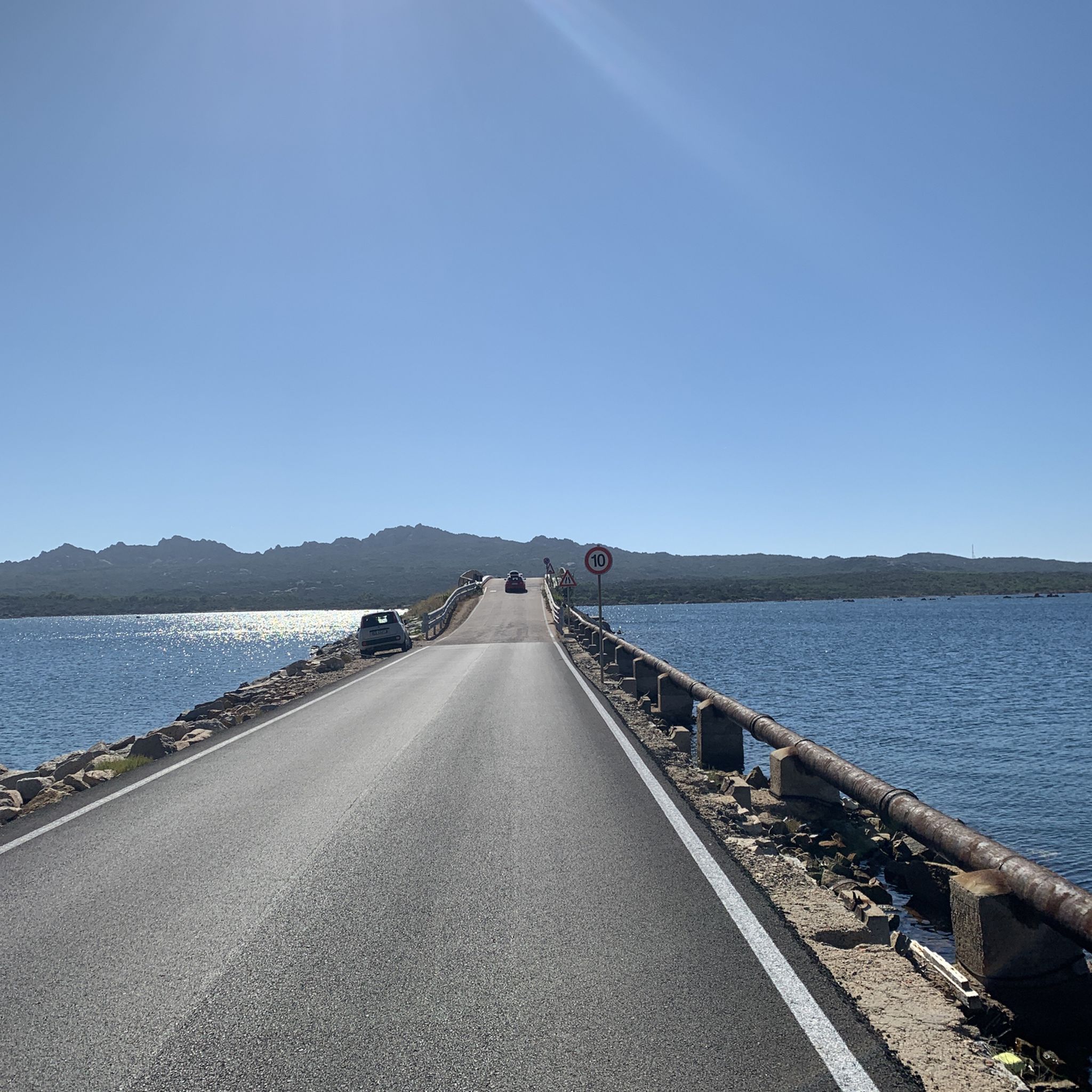
Yes, cycling is a great way to explore the islands. You can find routes like the 'La Maddalena and Caprera Islands Loop' which covers over 32 km, or easier options such as the 'View of Cala Spalmatore – Caprera Bridge loop'. The Ponte della Maddalena (Caprera Causeway) connects La Maddalena and Caprera, making it easy to cycle between the two. For more cycling options, check out our guides on Road Cycling Routes and Cycling in Parco Nazionale dell'Arcipelago di La Maddalena.
What are the best ways to explore the islands by boat?
Boat excursions are highly recommended for experiencing the archipelago's beauty. Options range from motorboat tours to sailing trips, allowing you to visit hidden coves, pristine beaches, and the famous Porto della Madonna (Natural Pools) between Budelli, Razzoli, and Santa Maria Islands, known for its breathtaking blue and green hues.
Where can I find unique natural formations or geological features?
The islands are characterized by unique granite formations, sculpted by wind and waves into 'bizarre natural sculptures'. These can be observed across the archipelago, particularly along the coastlines and on islands like Spargi, which also features sheltered coves and crystal-clear waters.
What do visitors enjoy most about Parco Nazionale dell'Arcipelago di La Maddalena?
Visitors frequently praise the spectacular seascapes, crystal-clear turquoise waters, and pristine white-sand beaches. The opportunity for swimming in beautiful bays like Cala Serena and exploring secluded spots is highly valued. The blend of natural beauty with historical elements, such as the fortifications and the charming La Maddalena town center, also contributes to a memorable experience.
Are there any specific permits required to visit certain areas of the park?
While general access to the park is open, certain sensitive areas, such as Cala Brigantina and Cala Coticcio, may require an environmental hiking guide for access to protect their delicate ecosystems. It's always advisable to check with the park authority for the latest regulations, especially concerning restricted zones like Spiaggia Rosa on Budelli Island, which can only be admired from a distance.
Most popular routes in Parco Nazionale dell'Arcipelago di La Maddalena
Most popular attractions in Parco Nazionale dell'Arcipelago di La Maddalena

Get inspired with the komoot mobile app


Explore more
Still not found the Highlight you’re looking for? See guides of the top attractions in other regions:
