North York Moors National Park
North York Moors National Park
The 20 Most Amazing Peaks in North York Moors National Park
Best mountain peaks in North York Moors National Park are characterized by vast heather moorland and rolling hills. This protected landscape features prominent elevated areas that offer expansive views and opportunities for exploration. The park is known for its extensive moorland plateaus and significant hills, providing diverse terrain for outdoor activities. It is a region rich in natural beauty and ancient history.
Best mountain peaks in North York Moors National Park
- The most popular mountain peaks is Roseberry Topping Summit, a summit known for its distinctive half-cone shape. Its unique profile makes it a striking landmark, offering 360-degree views from its top.
- Another must-see spot is The Wainstones, a natural monument and rocky outcrop. This spot provides views across to Middlesbrough and the Tees, with prehistoric carvings on lower ground.
- Visitors also love Carlton Bank Summit Trig Point, a moorland summit. This location offers views of Roseberry Topping to the northeast, the North York Moors to the east and south, and the Tees Valley to the west.
- North York Moors National Park is known for its summits, natural monuments, and challenging climbs. The area offers a variety of mountain peaks to see and explore, from distinctive landmarks to remote moorland high points.
- The mountain peaks in North York Moors National Park are appreciated by the komoot community, with 381 upvotes and 229 photos shared across 33 highlights.
Last updated: October 17, 2026
Roseberry Topping Summit
Highlight • Summit
Roseberry Topping is known locally as the ‘Yorkshire Matterhorn’ because its shape reminds people of the pyramidal peak that straddles the Swiss and Italian border. There are a few different route options to the top, of varying difficulties.
Tip by

Carlton Bank Summit Trig Point
Highlight • Natural Monument
To the northeast, you can see the distinctively shaped Roseberry Topping. To the east and south, the stunning undulations of the North York Moors rise and fall. To the west, the hills drop away into the Tees Valley and you might just be able to see the shadowy form of the Pennines on the horizon.
Tip by
Sign up now to discover places like this
Get recommendations on the best single tracks, peaks, & plenty of other exciting outdoor places.
The Wainstones
Highlight • Climb
The rocks are situated on a hill called 'Hasty Banks', and there are fantastic views across to Middlesbrough and the Tees from here.
On the lower ground surrounding the Wainstones, there's a small collection of rocks with prehistoric carvings on them. Due to the area’s exposed location and consequent erosion, the carvings can be difficult to see, however.
Tip by
Urra Moor – Highest Point of the North York Moors
Highlight (Segment) • Summit
Other than fellow walkers, there's a chance you'll bump into archaeologists up on the moor. This specific area is home to a number of prehistoric remains, including barrows and carved stones, some with cup and ring carvings.
Tip by

Round Hill Summit (Highest Point of Urra Moor)
Highlight • Summit
The views north and south are spectacular, and whilst the summit views don't boast craggy rock faces that are common to this area, the vastness of the surrounding fells provides a real sense of peace.
Tip by
Sign up for free to discover even more peaks in North York Moors National Park.
Already have an account?
Start today with a free account
Your next adventure awaits.
Popular around North York Moors National Park
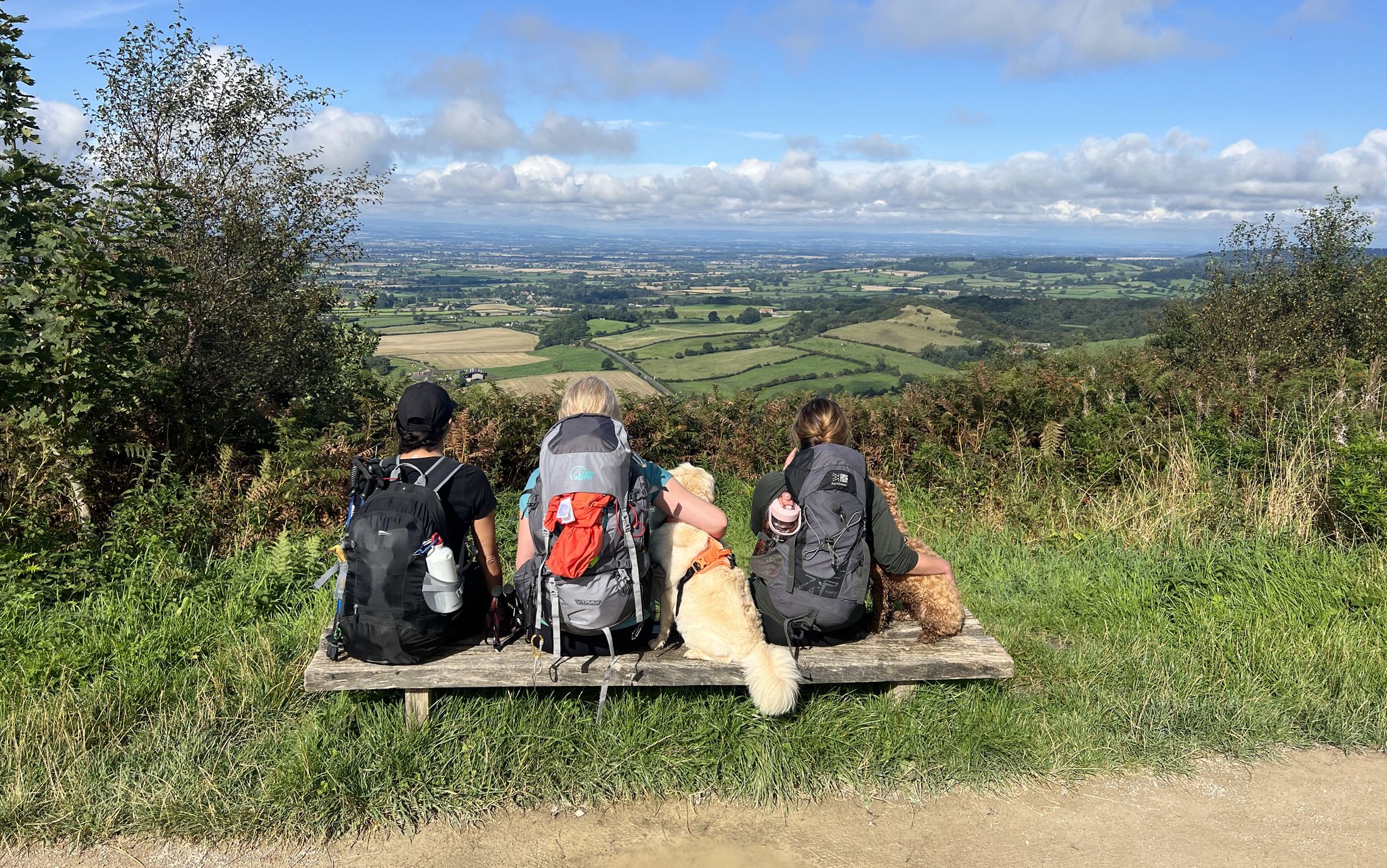
North York Moors National Park – A Walk in the Parks
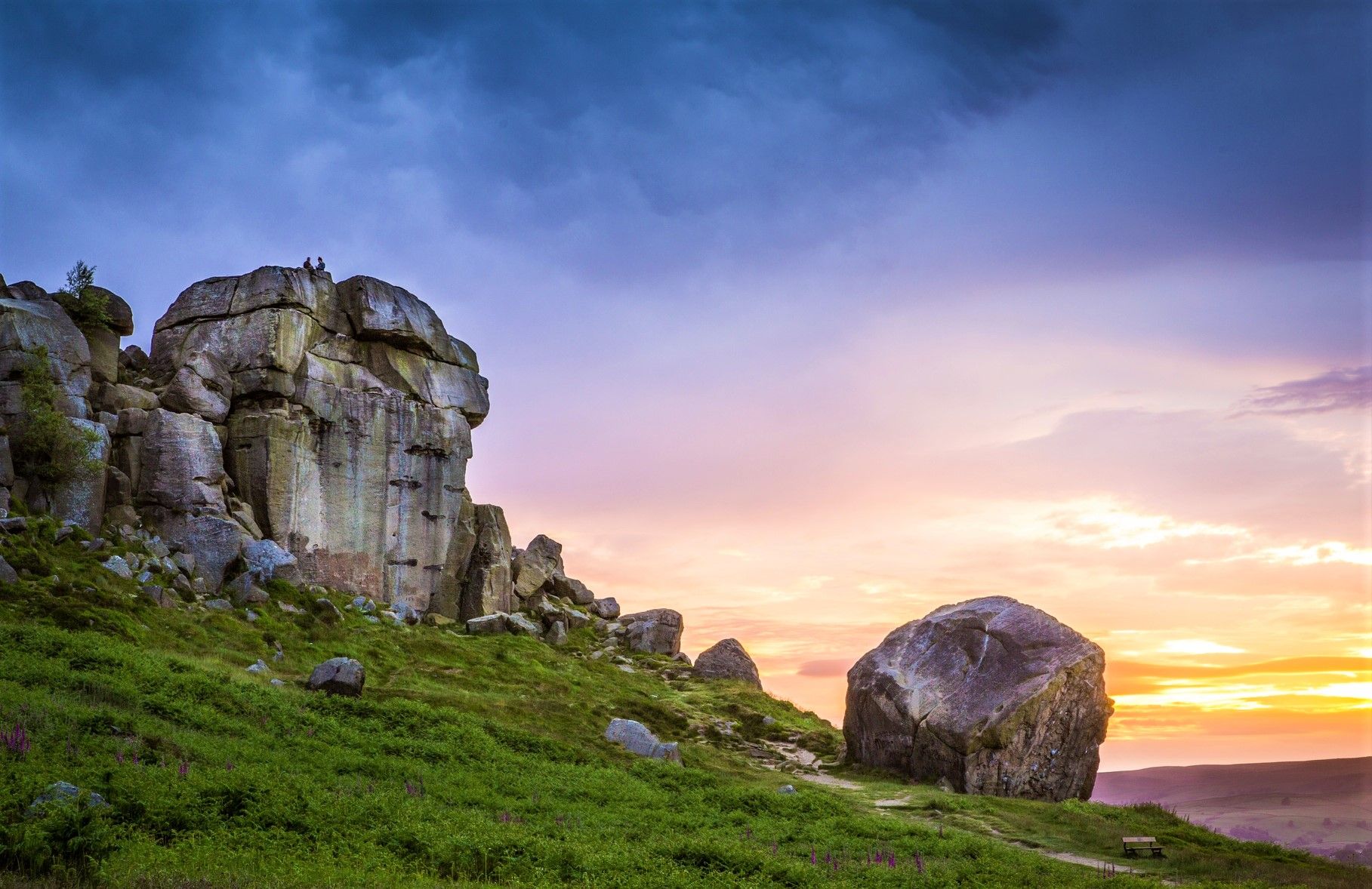
Ebor Way – Discover Yorkshire's scenic splendour
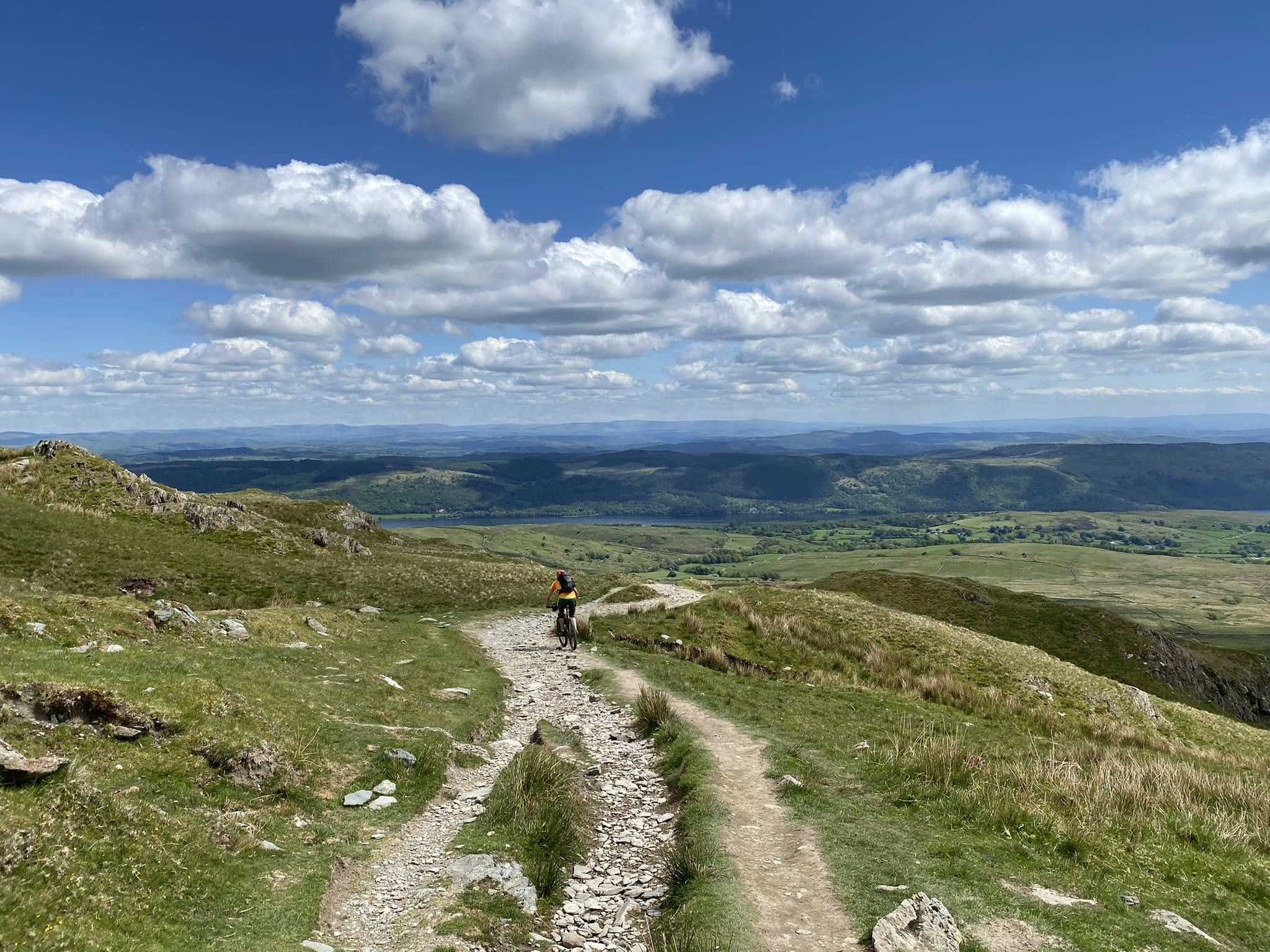
Tim Woodcock's Coast to Coast off-road route – Lakes, Dales and Moors
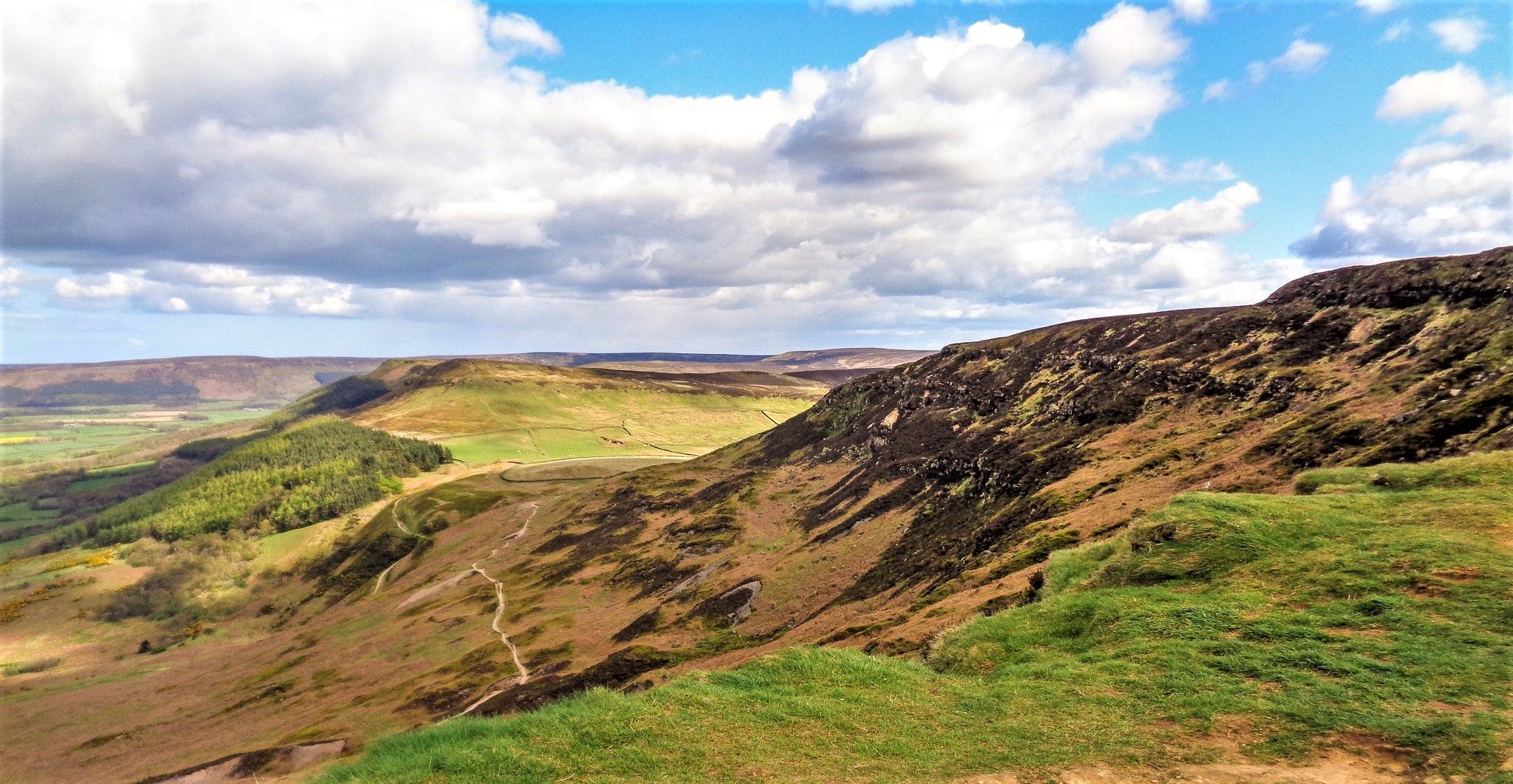
Lyke Wake Walk — Hike a wild and ghostly part of the North York Moors
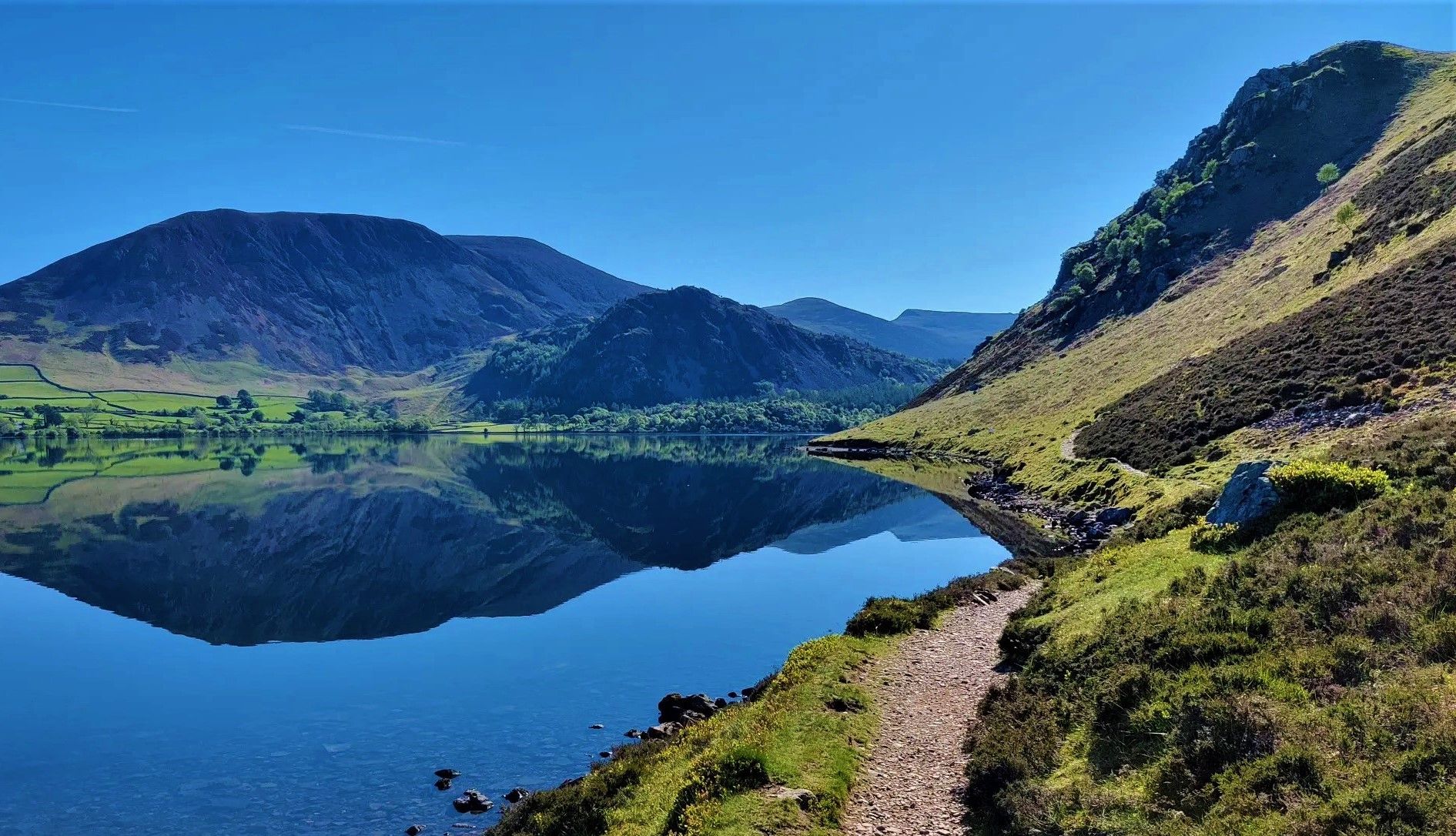
Wainwright's Coast to Coast — Hike the width of England in 13 stages
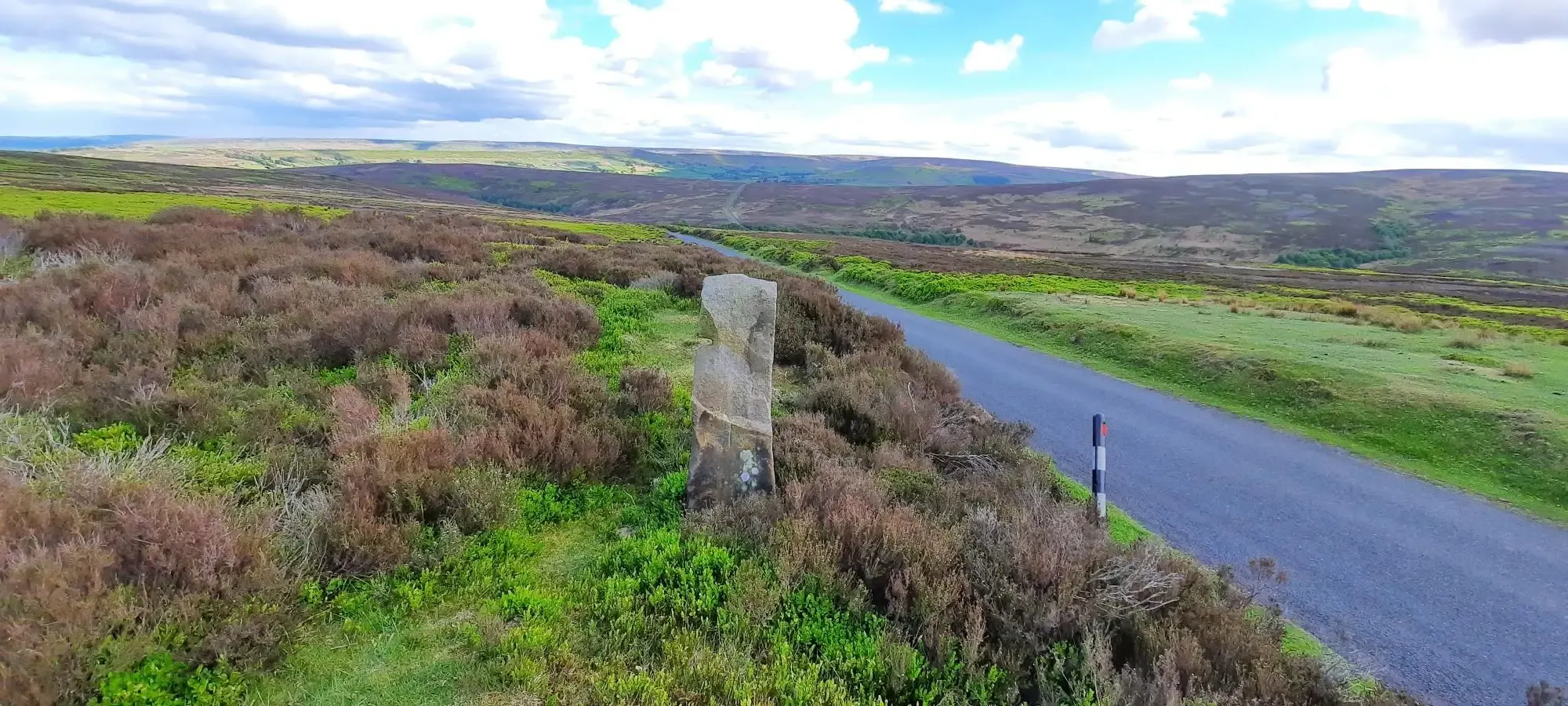
Road to Rail – Cycling in the North York Moors
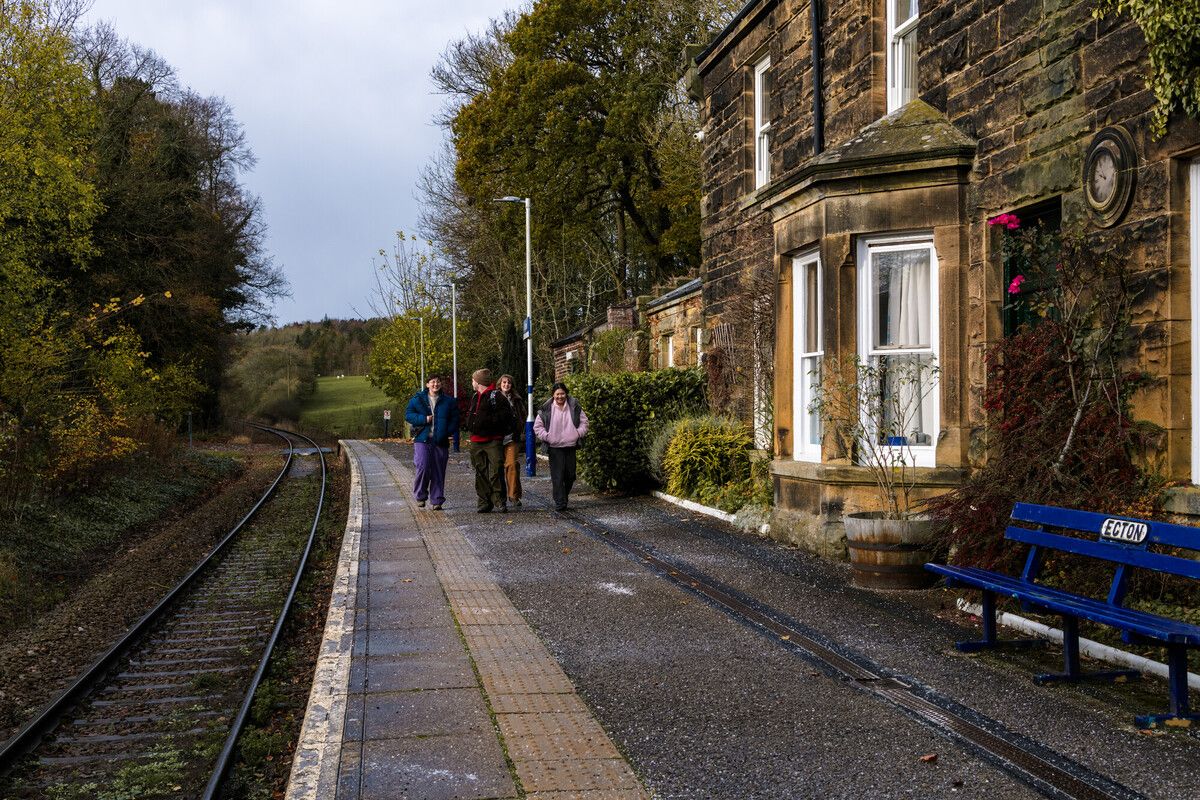
Explore the North York Moors on foot – beautiful hikes by train
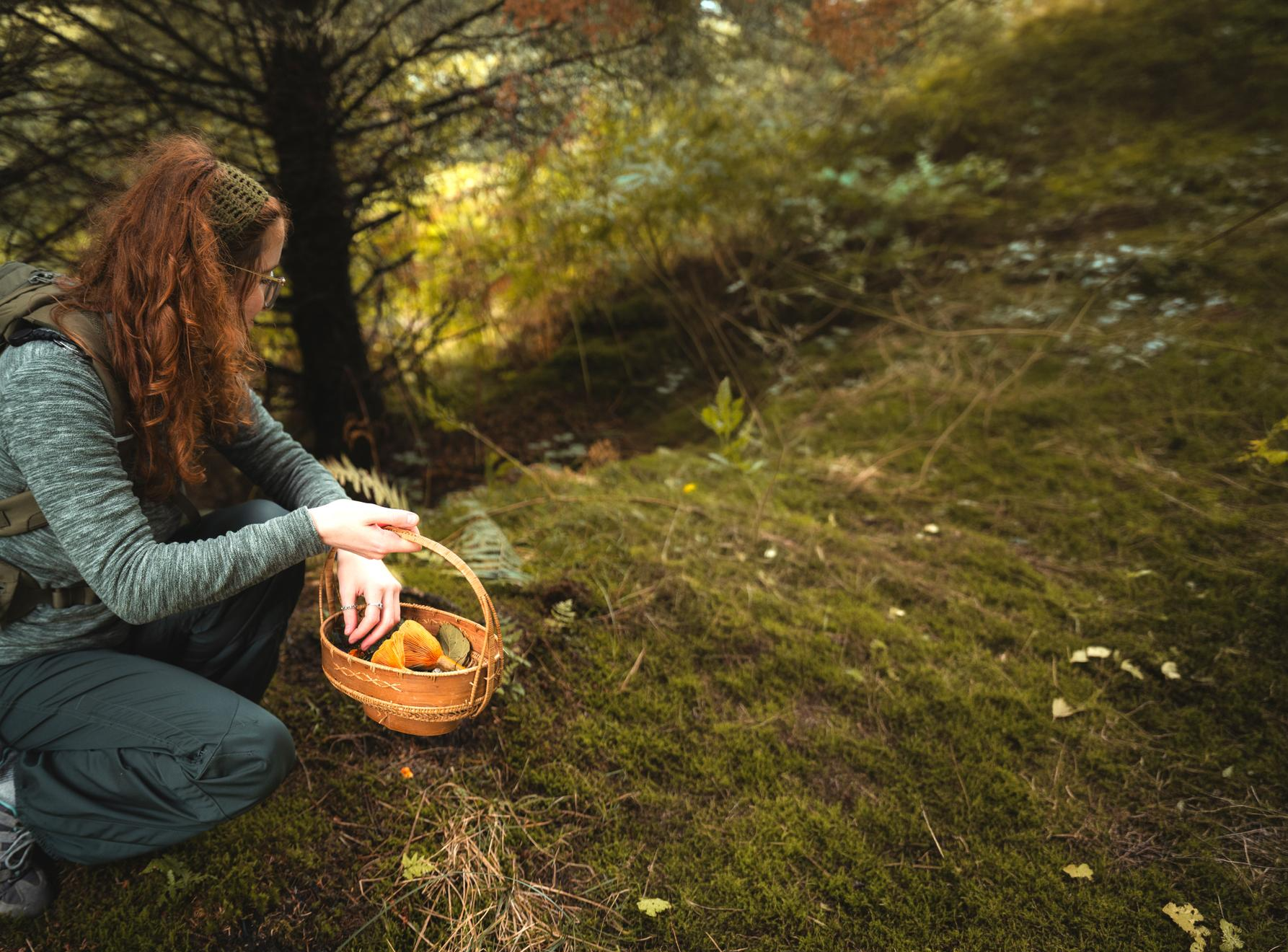
Seasonal foraging hikes across Europe
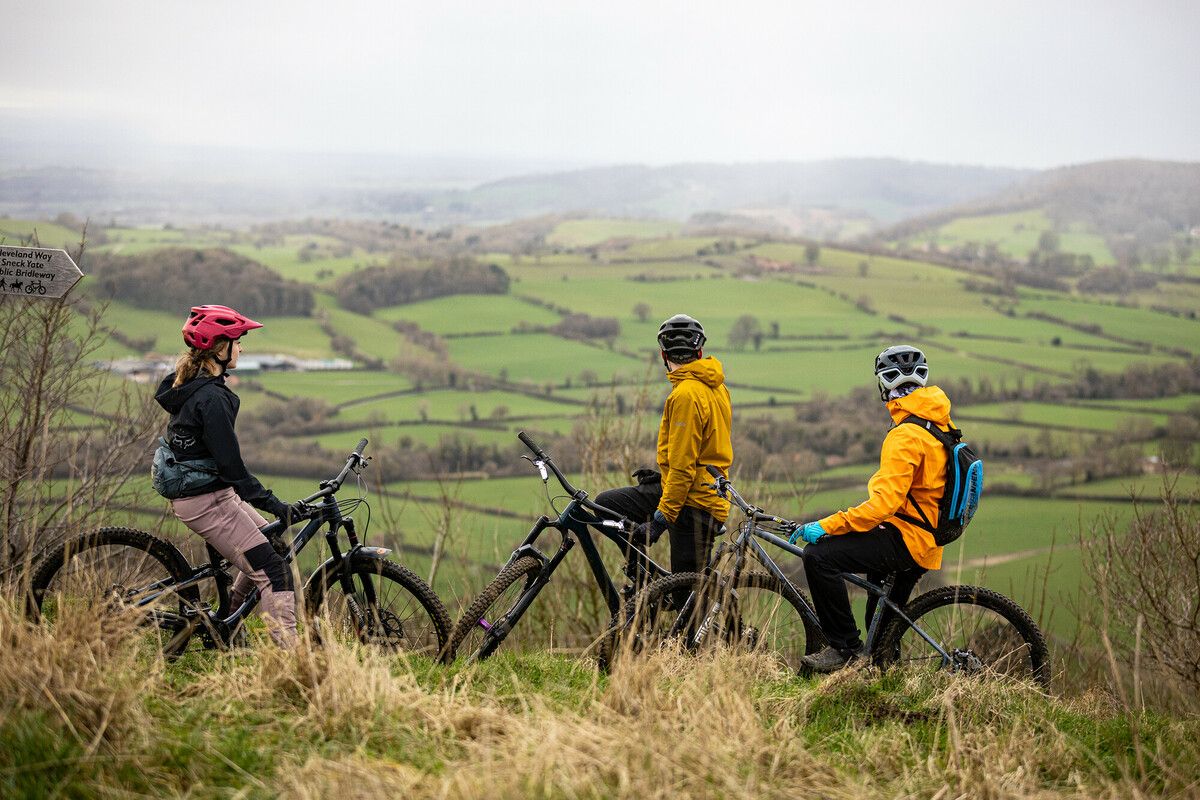
Sutton Bank Mountain Bike Trails
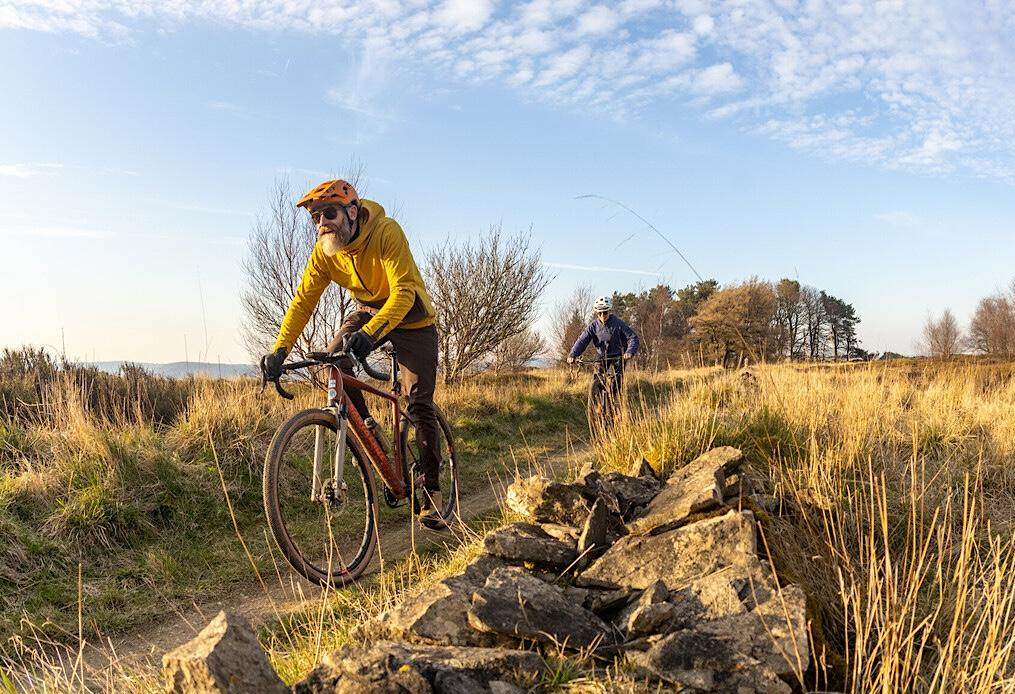
North York Moors Gravel and Explorer Routes
Other adventures in North York Moors National Park


Tips from the Community

Until 1912, Roseberry Topping had a smooth, sugarloaf‑like peak. A geological fault combined with underground mining caused a massive collapse, giving the summit its modern jagged profile. The climb up from the car park is steep and can be very busy, even before sunrise in winter where you can see a small procession of torches slowly ascending.
1
0

This is where I realised wearing new boots for a hike this long was a BAD idea!
0
0
Lots of view points, people rock climbing and the up and downs test you as they are short, but a touch punchy for their short elevation!
0
0

Just off the Cleveland Way and about halfway between Carr Ridge to the west and Bloworth Crossing to the east, spectacular views all around on a clear day.
1
0
Urra Moor is fairly large and criss-crossed with several walking routes, some more popular than others. As a result, there are great panoramic views to be had in all directions. https://en.wikipedia.org/wiki/Urra_Moor
1
0
Judging from the number of recommendations, photos and tips, this is a hugely popular spot. If you can, get up there nice and early (I started 5.30am in May) to catch the rising sun and see the stones in a mix of sunlight and shadow, both from afar and close up. Spectacular rock formations and views all round.
3
0
More spectacular views. The approach from the west is easier with a more gentle incline than the approach from the east, which involves a series of twisting turning steep steps, good safe footing but hard going both up and down.
1
0
Frequently Asked Questions
What are the most popular mountain peaks to visit in the North York Moors National Park?
Among the most popular peaks in the North York Moors National Park, Roseberry Topping Summit stands out with its distinctive half-cone shape, often called the 'Yorkshire Matterhorn'. Another highly regarded spot is The Wainstones, a unique rocky outcrop offering fantastic views. Visitors also frequently enjoy Carlton Bank Summit Trig Point for its expansive vistas.
What is the highest point in the North York Moors National Park?
The highest point in the North York Moors National Park is Urra Moor, with its summit known as Round Hill Summit, reaching 454 meters (1,490 feet). It offers spectacular panoramic views and a sense of peace across the surrounding fells.
Which peaks offer the best panoramic views in the North York Moors?
For breathtaking panoramic views, Roseberry Topping Summit provides magnificent 360-degree vistas across Teesside and beyond. Carlton Bank Summit Trig Point also offers stunning views, including Roseberry Topping to the northeast and the Tees Valley to the west. From Urra Moor, you can experience vast panoramic views in all directions from the highest point of the moors.
Are there any unique landmarks or historical features on these peaks?
Yes, several peaks feature unique landmarks and historical elements. Roseberry Topping is famous for its distinctive shape. The Wainstones are a notable rocky outcrop with prehistoric carvings on the lower ground. Urra Moor is known for its prehistoric remains, including barrows and carved stones with cup and ring carvings, such as the 'Face Stone'.
How challenging are the mountain peaks in the North York Moors for hiking?
The peaks in the North York Moors offer a range of difficulties. While some, like Roseberry Topping, can be a relatively challenging but manageable hike to the summit, others like Urra Moor involve extensive moorland walking. The Cleveland Way National Trail, which passes over Cringle Moor and Carlton Bank, includes sections with varying inclines, from gentle to steep, twisting steps.
When is the best time to visit the North York Moors peaks for hiking?
The North York Moors are beautiful year-round, but late summer (August and September) is particularly stunning when the heather is in full bloom, painting the moorlands purple. Spring offers vibrant green landscapes and bluebells in areas like Newton Woods near Roseberry Topping. Clear days in any season provide the best views, but be prepared for changeable weather, especially in winter when conditions can be more challenging.
Are there family-friendly walks among the peaks in the North York Moors?
While some peaks involve challenging climbs, many areas offer more accessible routes suitable for families. Roseberry Topping, for instance, has various routes of differing difficulties, making it accessible for many. The extensive network of trails across the moorland allows for shorter, less strenuous walks, especially if you stick to well-maintained paths. Always check specific route details for suitability.
What outdoor activities can I do near these mountain peaks?
The North York Moors National Park offers a wide range of outdoor activities. You can explore numerous hiking trails, including sections of the Cleveland Way. For mountain biking enthusiasts, there are dedicated routes like those found in MTB Trails in North York Moors National Park. Gravel biking is also popular, with routes like the 'Hambleton Horizon' detailed in the Gravel biking in North York Moors National Park guide. For general walking, refer to the Hiking in North York Moors National Park guide for various options.
Are dogs allowed on the trails around the North York Moors peaks?
Generally, dogs are welcome on trails in the North York Moors National Park. However, it is crucial to keep dogs on a lead, especially during lambing season (spring) and ground-nesting bird season (spring and summer), and when livestock are present. Always follow the Countryside Code and local signage to protect wildlife and farm animals.
What natural features can I expect to see in the North York Moors National Park?
The North York Moors National Park is characterized by vast expanses of heather moorland, which are particularly vibrant in late summer. You'll also find rolling hills, ancient woodlands, and diverse wildlife. The peaks themselves offer unique geological formations, such as the distinctive shape of Roseberry Topping and the rocky outcrops of The Wainstones. The park is a protected landscape known for its natural beauty.
Are there cafes or pubs near the hiking trails in the North York Moors?
Yes, while some areas of the North York Moors are remote, you can find cafes and traditional pubs in the villages and towns surrounding the National Park and sometimes along popular routes. These establishments offer refreshments and meals, perfect for a break before or after your hike. It's advisable to check opening times and locations in advance, especially in more secluded areas.
Do I need permits to hike in the North York Moors National Park?
No, you do not generally need permits to hike on public footpaths and bridleways within the North York Moors National Park. The park is open for public access, allowing visitors to enjoy its natural beauty. However, always respect private land, stick to marked paths, and follow the Countryside Code.
Most popular routes in North York Moors National Park
Most popular attractions in North York Moors National Park

Get inspired with the komoot mobile app


Explore more
See even more amazing summits in North York Moors National Park with these guides:
