Top 12 Castles in South Downs
Best castles in South Downs are found within a region characterized by rolling chalk hills, ancient woodlands, and river valleys. This area offers a blend of natural landscapes and significant historical sites. The South Downs National Park provides a setting for exploring centuries of history, from Norman fortifications to Tudor ruins. The region's castles reflect its strategic importance and the architectural evolution of England.
Best castles in South Downs
- The most popular castles is Cowdray Heritage Ruins, a historical site known as one of England’s important early Tudor houses. It was visited by King Henry VIII and Queen Elizabeth I, with the Kitchen Tower being the only part of the mansion to remain intact after a devastating fire.
- Another must-see spot is Bramber Castle and High Street, a settlement featuring the ruins of a Norman motte and bailey castle. This site offers views of the Sussex countryside and provides insight into Norman history and its strategic importance.
- Visitors also love Gatehouse at Arundel Castle, a man-made monument that is part of a medieval castle. This extensively restored castle has been a family home for nearly 1,000 years and features magnificent gardens and views over the South Downs.
- South Downs is known for its variety of castles, including medieval fortresses, Norman motte and bailey ruins, and extensively restored aristocratic residences. Visitors can explore a range of historical periods and architectural styles.
- The castles in South Downs are appreciated by the komoot community, with more than 110 upvotes and 25 photos shared across the highlights.
Last updated: October 2, 2026
Lewes Castle
Highlight • Historical Site
Tip by

Midhurst Town Centre
Highlight • Monument
Midhurst is a charming and picturesque town that offers a wealth of attractions, activities, and amenities for visitors. You can explore the town’s heritage by visiting the parish church of St Mary Magdalene and St Denis, the Norman St Ann’s Castle, the Old Library, and the South Pond. You can also enjoy some retail therapy by browsing the independent shops, galleries, and markets along the town’s streets. You can sample some delicious food and drink at the various pubs, cafes, and restaurants in and around the town.
Tip by

Sign up now to discover places like this
Get recommendations on the best single tracks, peaks, & plenty of other exciting outdoor places.
Cowdray Heritage Ruins
Highlight • Historical Site
cowdray.co.uk/historic-cowdray
Tip by

Gatehouse at Arundel Castle
Highlight • Monument
Tip by

Petworth House and Park
Highlight • Natural
Whilst the pleasure gardens and house require advance booking, the 700-acre (283 ha) park does not. Here you can see the largest fallow deer herd in England.
Tip by

Sign up for free to discover even more castles in South Downs.
Already have an account?
Start today with a free account
Your next adventure awaits.
Popular around South Downs
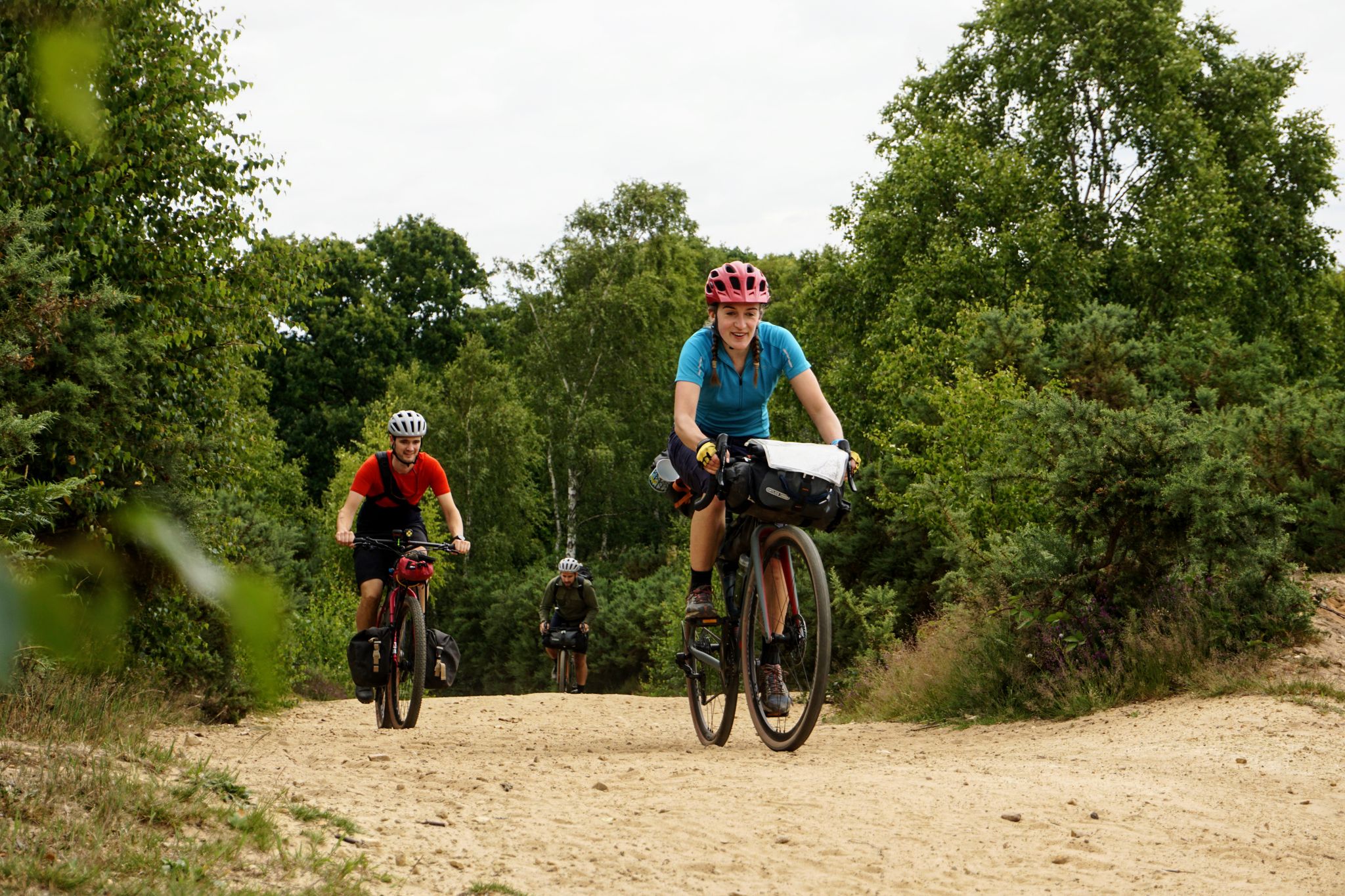
King Alfred's Way — History, chalk, grassland and forest
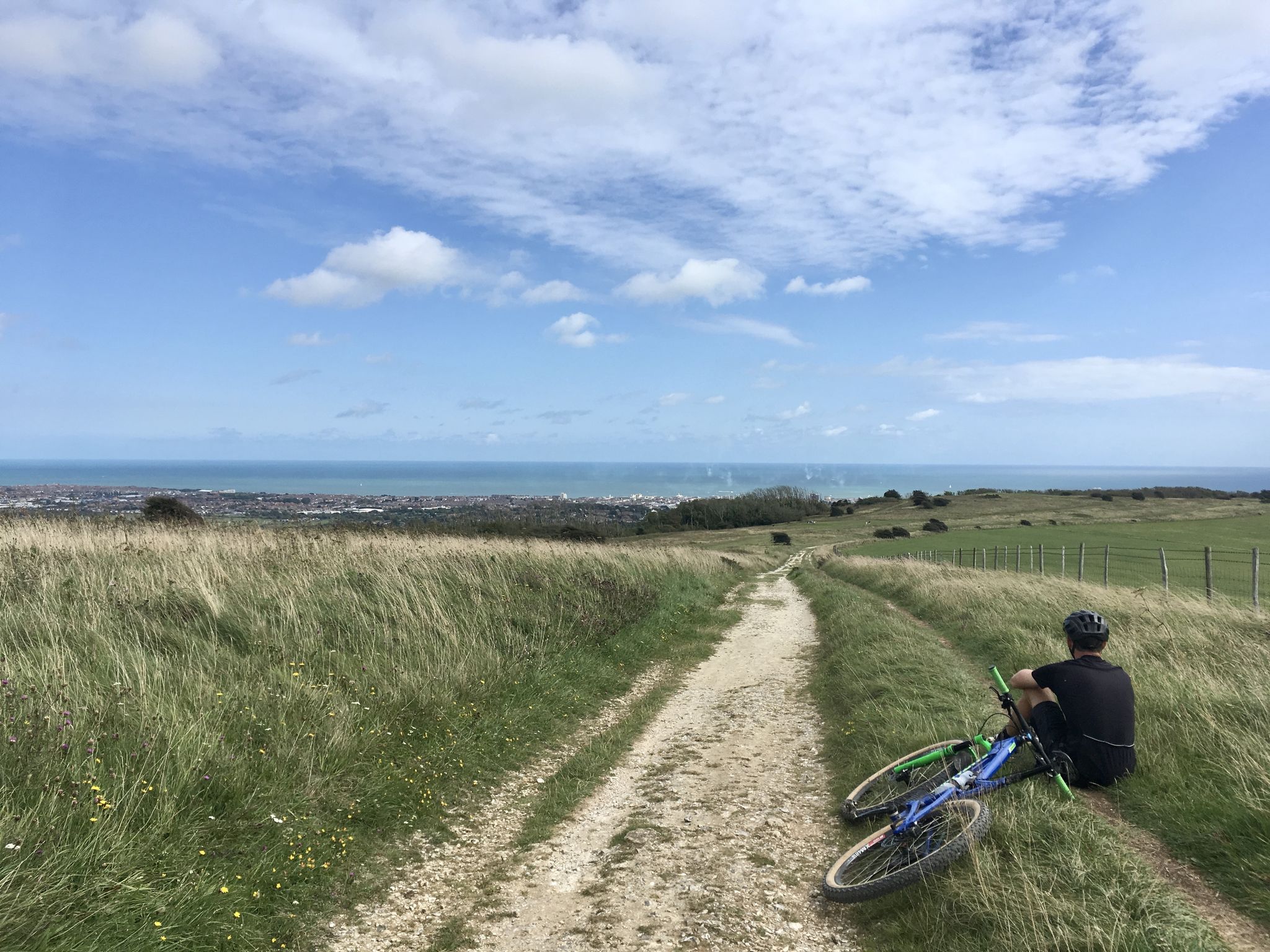
South Downs Way — A Southern off-road utopia
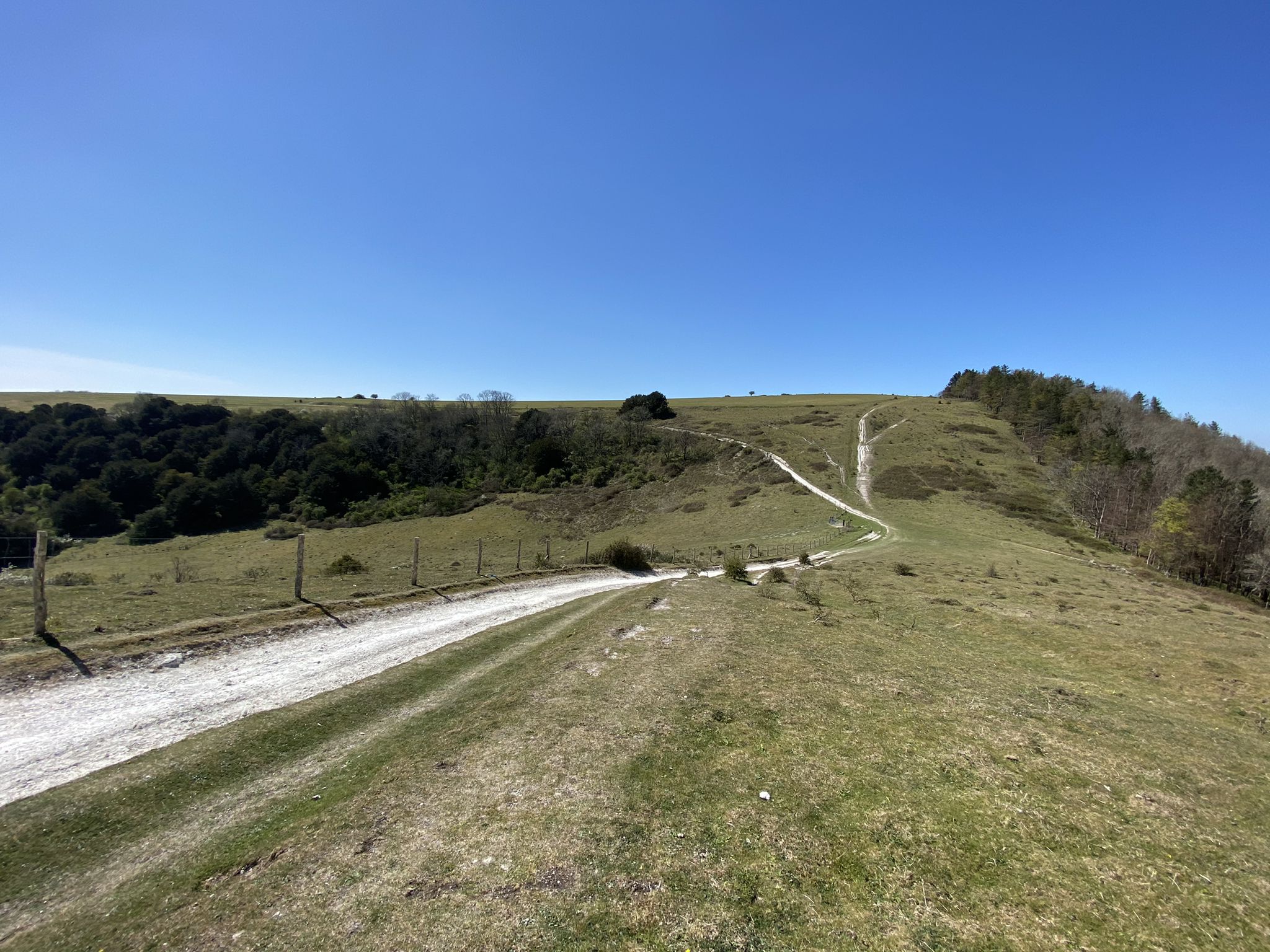
South Downs Way – a 100-mile run across the national park
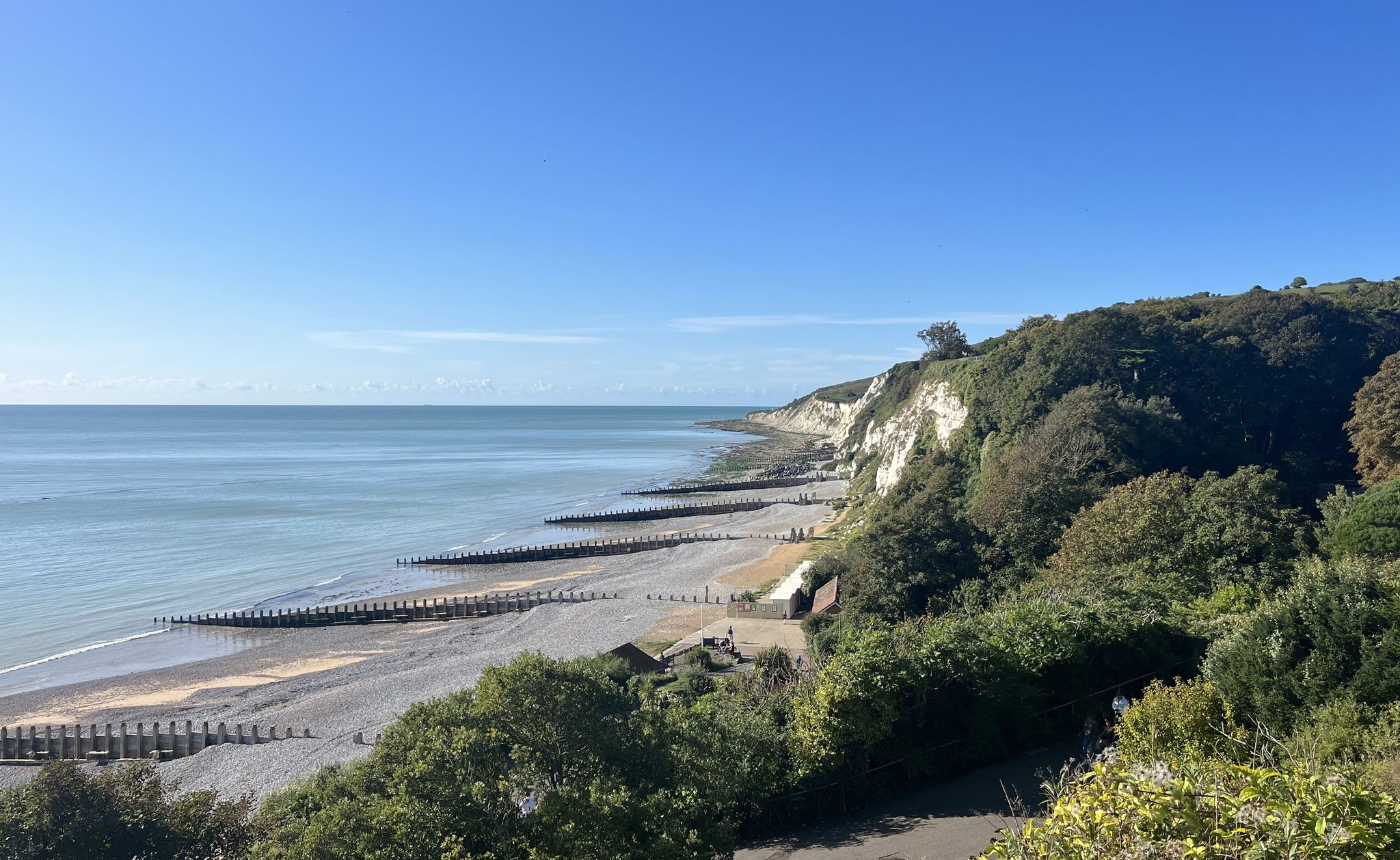
South Downs National Park – A Walk in the Parks
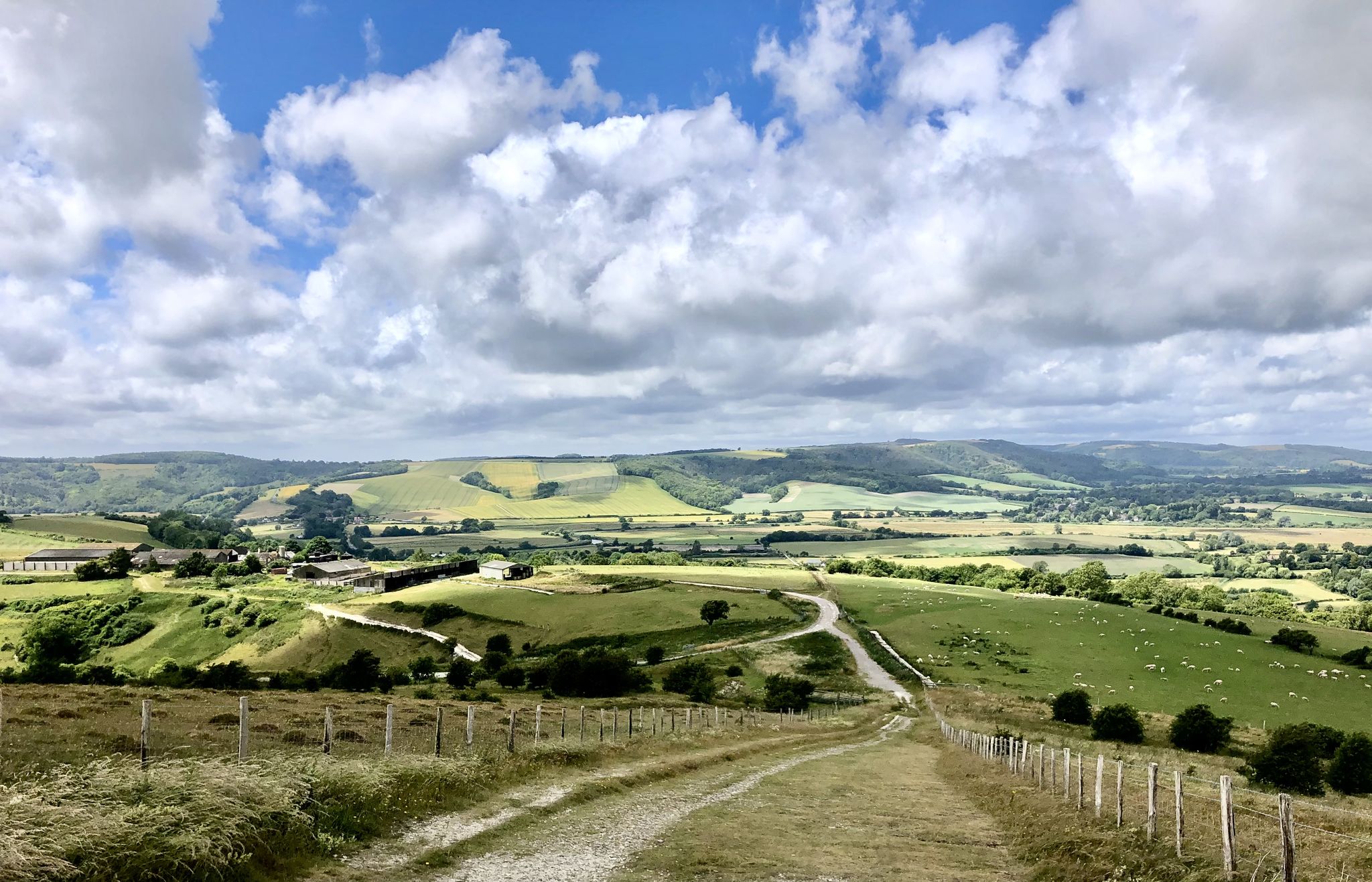
Bikepacking Brighton to Bristol — Ridges, canals and rail paths
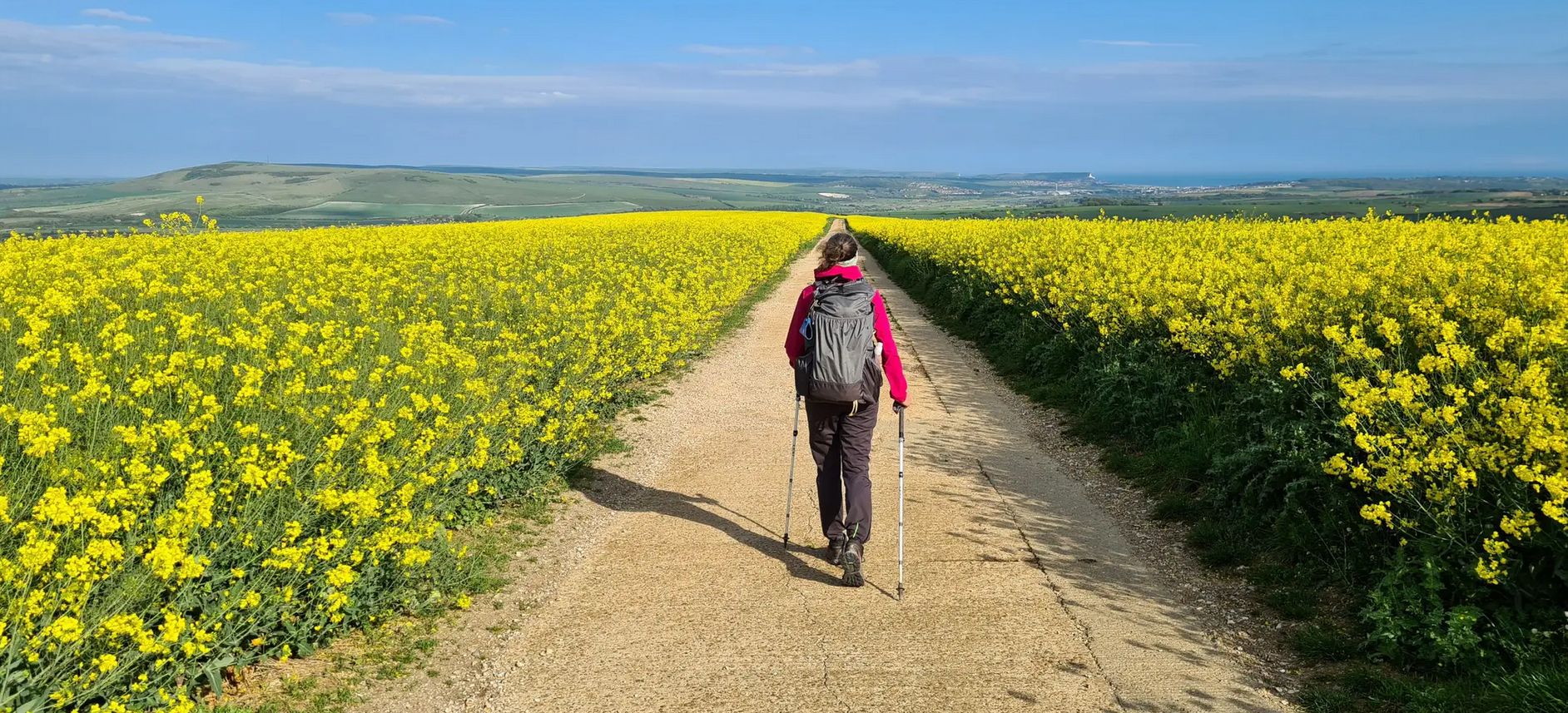
South Downs Way – A captivating hike across Southern England
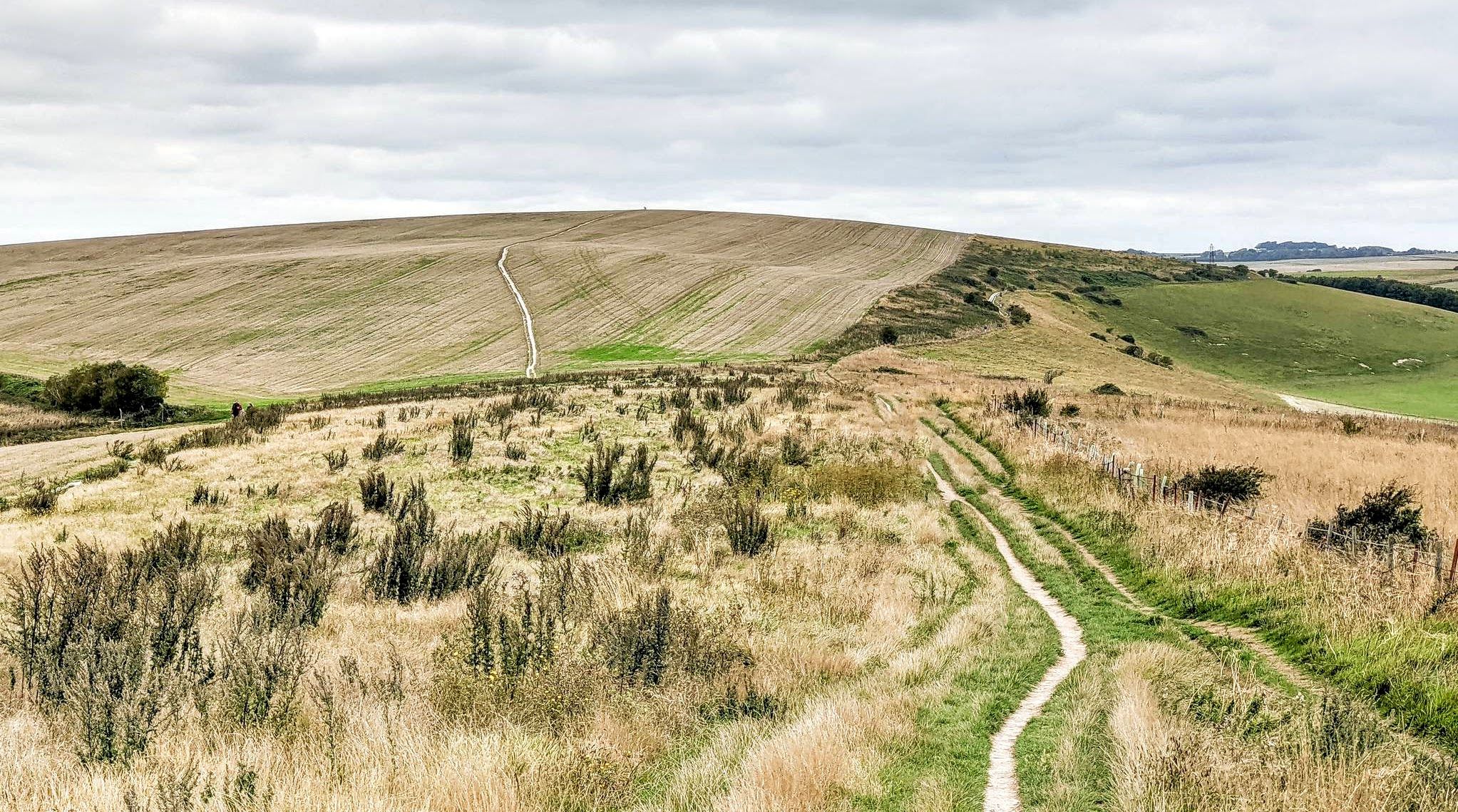
Downs Link and South Downs Way loop from Guildford
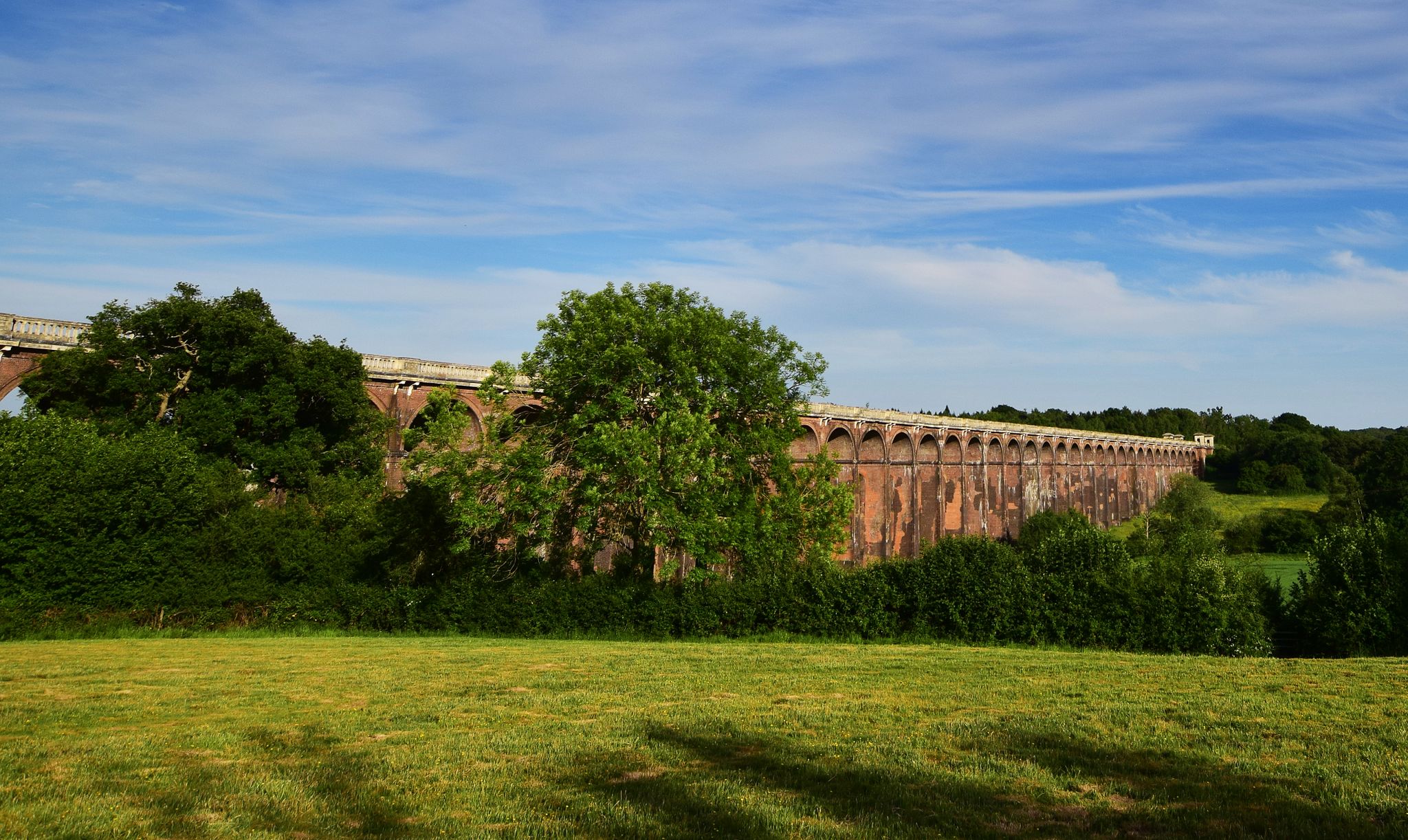
Sussex Ouse Valley Way — From the High Weald to the South Downs
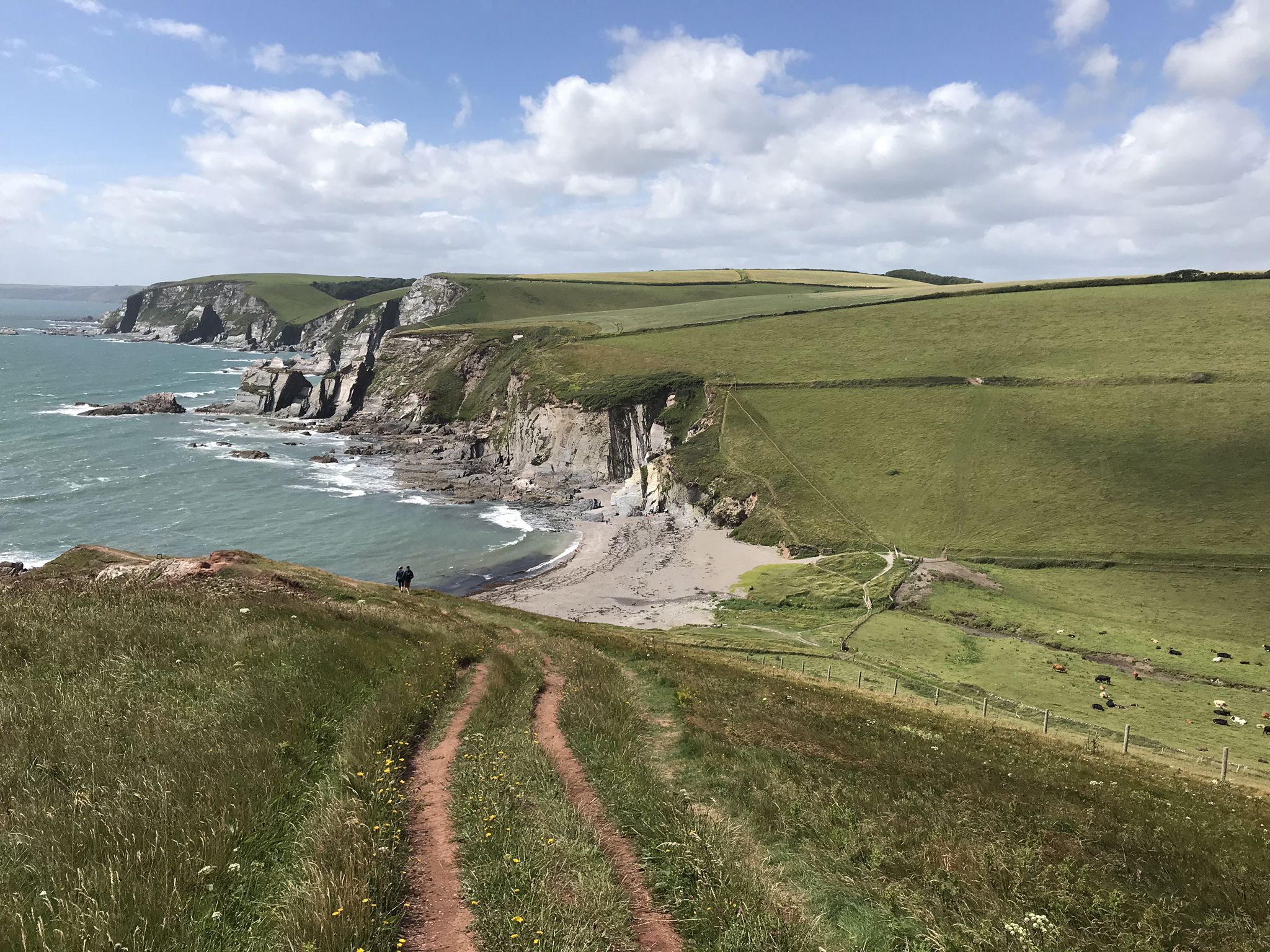
E9 Plymouth to Dover — An epic exploration of England's south coast
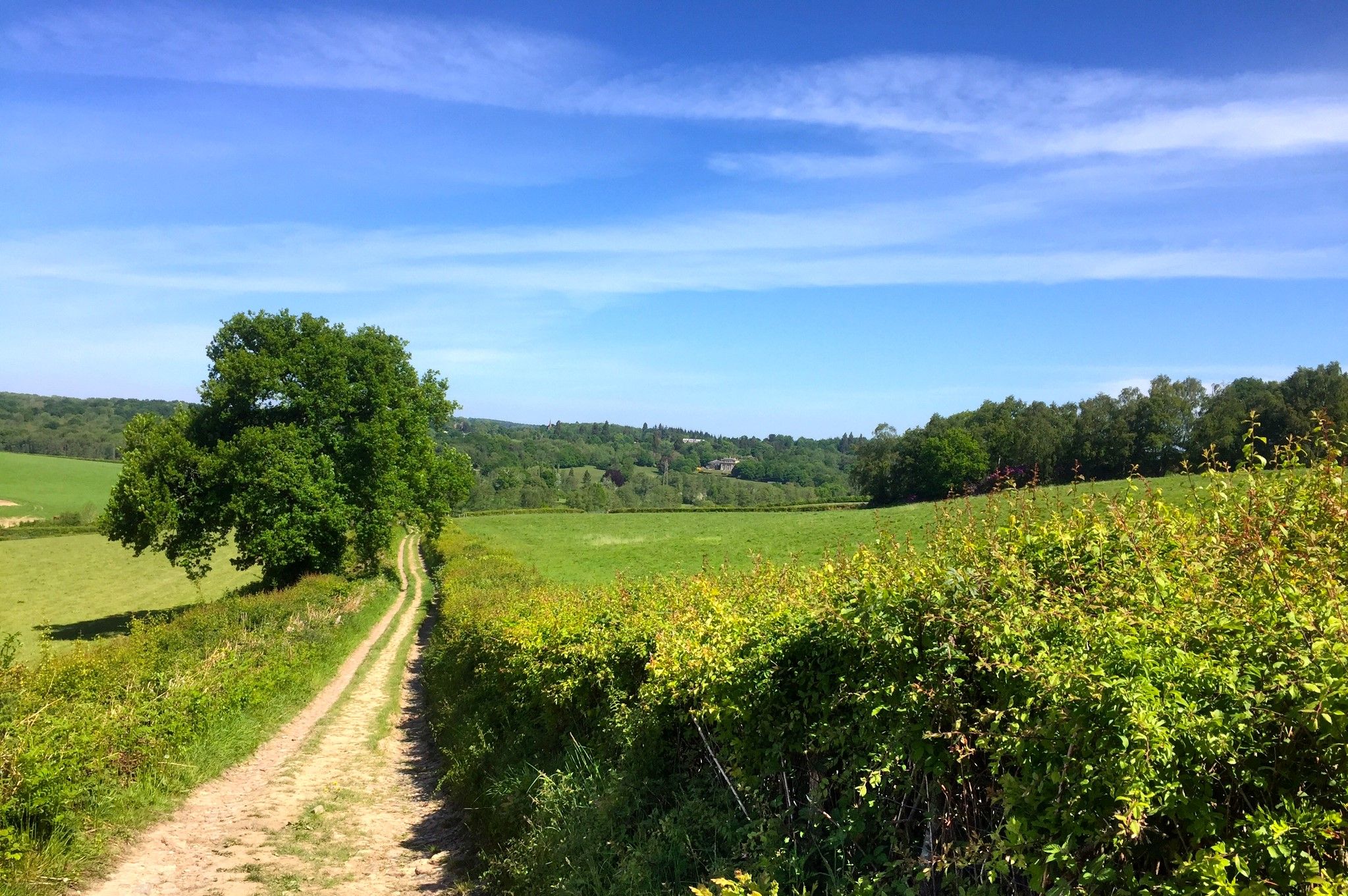
Vanguard Way – Hike some of the finest countryside in the South East
Other adventures in South Downs


Tips from the Community

An impressive medieval castle with beautiful gardens. It's worth a visit. You can experience where Queen Victoria herself visited and imagine how the royals would dine when they were here. The historic cathedral is also truly worth seeing!
0
0


Lewes Castle is a medieval fortress originally known as Bray Castle. Positioned strategically, it commands a prominent location, overseeing the gap in the South Downs shaped by the River Ouse and surrounded by the towns of Lewes and Cliffe. The castle is perched on a man-made mound located just north of Lewes' high street, crafted from locally sourced limestone and flint blocks.
0
0

Arundel Castle is a beautifully restored and remodelled medieval castle in Arundel, West Sussex, England. It was established by Roger de Montgomery. The castle was damaged in the English Civil War and then restored in the 18th and 19th centuries by Charles Howard, 11th Duke of Norfolk. It has a pricy £25 entrance fee but it is well worth it. To make the most of your ticket price set aside the best part of the day to visit the castle, gardens and chapel. Simply a gorgeous place!
0
0

East Sussex's historic county town, Lewes is a lovely place to explore. There are many interesting old buildings, from the 16th-century timber-framed Anne of Cleves House to the impressive Lewes Castle, and many quirky boutiques, pubs and eateries. There are plenty of excellent walking options in the surrounding countryside, from river rambles along the Ouse to more hilly affairs on the South Downs.
0
0
Visit Lewes Castle, a Norman Castle built after the Battle of Hastings by supporters of William the Conqueror. Climb the steps to the top of The Keep for stunning panoramic views across Sussex. As you ascend, explore the history of this 950-year-old fortress and how it played a key role in the development of the town. Visit the adjoining Museum of Sussex Archaeology to view artefacts from prehistoric to medieval Sussex, plus temporary exhibitions that showcase treasures from our collections. https://sussexpast.co.uk/attraction/lewes-castle/
1
0
The Cowdray Heritage Ruins are one of England’s most important early Tudor houses and Cowdray is known to have been visited by both King Henry VIII and Queen Elizabeth I. In September 1793, whilst undergoing repairs and refurbishments for the impending marriage of the 8th Viscount Montague, a devastating fire took hold and most of the property was destroyed. The Kitchen Tower is the only part of the mansion to remain intact. https://www.cowdray.co.uk/historic-cowdray/
0
0
Lewes is worth a visit and invites you to take a break with its cafes and restaurants. Nice castle.
0
0
Frequently Asked Questions
Which castles in the South Downs are particularly family-friendly?
Many castles in the South Downs offer engaging experiences for families. Arundel Castle hosts medieval tournaments and falconry displays. Cowdray Heritage Ruins provides a historical site for exploration. Lewes Castle, with its Barbican House Museum, offers interactive learning about local history. Bramber Castle, though a ruin, is a great spot for a picnic and enjoying the historical atmosphere.
Which castles offer the best panoramic views of the South Downs countryside?
For breathtaking views, consider Arundel Castle, where you can climb the keep for panoramic vistas of the Sussex countryside and River Arun. Lewes Castle provides 360-degree views over the town and the rolling hills of the South Downs from its keep. Even the ruins of Bramber Castle offer splendid views from its motte.
What historical periods do the castles in the South Downs represent?
The castles in the South Downs span several significant historical periods. You can explore Norman fortifications like Lewes Castle and Bramber Castle, both built shortly after the Norman Conquest. Arundel Castle, while originally 11th-century, features extensive 19th-century Gothic renovations. Cowdray Heritage Ruins represents an important early Tudor house.
Are there any castles in the South Downs that offer a unique accommodation experience?
Yes, Amberley Castle offers a unique opportunity to stay within a historic fortress. This 900-year-old castle has been transformed into a luxury hotel, blending ancient architecture with modern amenities. You can explore its medieval walls and 12 acres of gardens, and even enjoy fine dining in historic rooms.
What kind of art and historical collections can be found in South Downs castles?
Arundel Castle houses a significant collection of art, including works by Van Dyck, Gainsborough, and Canaletto, alongside period furnishings, tapestries, and rare artifacts. Lewes Castle's Barbican House Museum contains artifacts spanning millennia, from prehistoric flints to Roman pottery and Saxon weaponry.
What outdoor activities can I do near the castles in the South Downs?
The South Downs National Park offers numerous outdoor activities near its castles. You can find excellent hiking opportunities, with routes like the 'Monarch's Way and River Arun Circular' near Arundel. Cycling is also popular, with routes such as 'Seaford & Newhaven loop from Lewes' and 'Graffham and Cocking loop from Midhurst'. For more details on routes, visit the Hiking in South Downs or Cycling in South Downs guides.
What is the best time of year to visit the castles in the South Downs?
The best time to visit the castles in the South Downs is generally during spring and summer (April to September) when the weather is milder, and the castle gardens are in full bloom. Many castles also host special events and re-enactments during these months. Autumn can also be beautiful with changing foliage, while winter offers a quieter, more atmospheric experience, though some attractions might have reduced opening hours.
Are there any free-to-enter castle sites in the South Downs?
Yes, Bramber Castle is a ruined Norman motte and bailey castle managed by English Heritage and is free to enter. It offers a glimpse into Norman history and splendid views of the Sussex countryside, making it a good spot for a picnic.
Can I find pubs or cafes near the castles in the South Downs?
Yes, many castles are located in or near villages and towns with amenities. For example, Bramber Castle is in a village with a pub. Lewes Castle is situated in the historic market town of Lewes, which has numerous pubs, cafes, and restaurants. Midhurst Town Centre, near Cowdray, also offers a variety of dining options.
What makes <a href="https://www.komoot.com/highlight/587236" target="_blank" rel="noopener">Arundel Castle</a> a significant historical site?
Arundel Castle is significant because it has been the seat of the Dukes of Norfolk for over 850 years, making it a rare glimpse into a historic aristocratic residence still in use. It retains its 11th-century Norman keep and medieval gatehouse, alongside extensive 19th-century Gothic renovations. The castle also houses a notable collection of art and period furnishings, and its 14th-century Fitzalan Chapel serves as a burial site for the Fitzalan lineage.
Are there any easy walking trails near the castles?
Yes, there are several easy walking trails in the South Downs that can be enjoyed near castle locations. For instance, the 'Swanbourne Lake loop via Arundel Cathedral' is an easy walk near Arundel Castle. The 'North Stoke and the Arun river loop from Amberley' is another easy option near Amberley Castle. You can find more easy routes in the Easy hikes in South Downs guide.
What is unique about <a href="https://www.komoot.com/highlight/2813639" target="_blank" rel="noopener">Lewes Castle</a>'s design?
Lewes Castle is unique for its 'double motte' design, which is a rare feature for Norman castles. It also boasts a well-preserved 14th-century Barbican tower. The castle stands on an artificial mound of chalk blocks, offering a distinct architectural and historical experience.
Most popular routes in South Downs
Most popular attractions in South Downs

Get inspired with the komoot mobile app


Explore more
Looking for the best castles somewhere else? Discover other guides in South Downs:
