Attractions and Places To See in Costa Da Morte Norte - Top 14
Best attractions and places to see in Costa Da Morte Norte, a rugged coastline in Galicia, Spain, offers a diverse range of natural landscapes and historical landmarks. Known as the "Coast of Death" due to its treacherous seas, the region features dramatic cliffs, unique beaches, and iconic lighthouses. It is a destination rich in Galician culture, ancient legends, and significant historical sites. The area provides opportunities to explore both its wild natural beauty and its deep historical roots.
Best attractions…
Last updated: May 10, 2026
English Cemetery (Cementerio de los Ingleses)
Highlight • Historical Site
Translated by Google •
Tip by

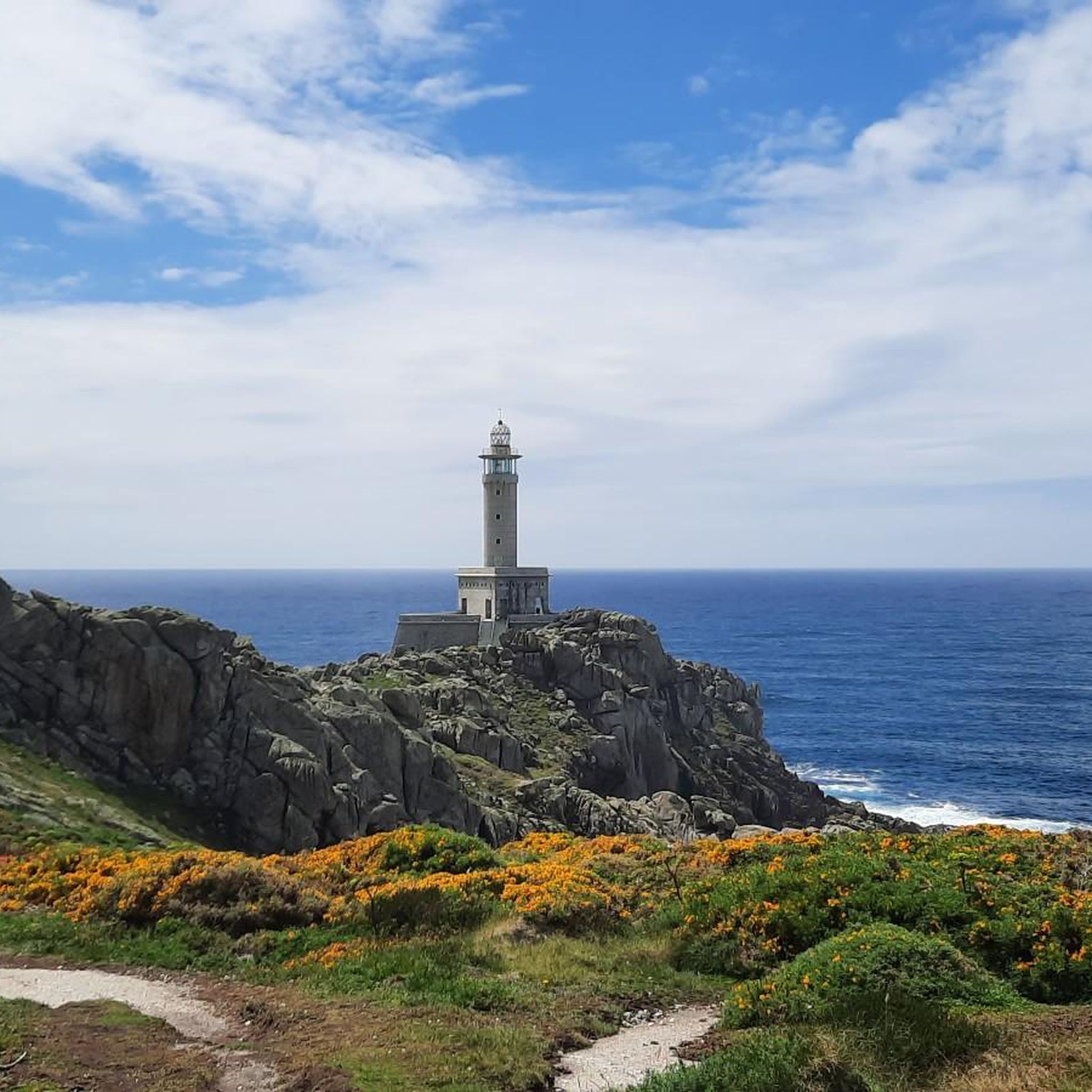
Punta Nariga Lighthouse
Highlight • Monument
Translated by Google •
Tip by

Sign up now to discover places like this
Get recommendations on the best single tracks, peaks, & plenty of other exciting outdoor places.
Sign up for free
Roncudo Lighthouse
Highlight • Monument
Translated by Google •
Tip by
Cape Vilán Lighthouse
Highlight • Monument
Translated by Google •
Tip by
Monte Branco Dune (Duna de Monte Branco)
Highlight • Natural Monument
Translated by Google •
Tip by
Sign up for free to discover even more attractions in Costa Da Morte Norte.
Sign up for free
Already have an account?
Start today with a free account
Your next adventure awaits.
Login or Signup

Tips from the Community

The cemetery may be of interest to English people for historical reasons. We liked the great surroundings. There is an official access road and a parking lot and after a 10-minute walk there is a super secluded, large beach.
0
0

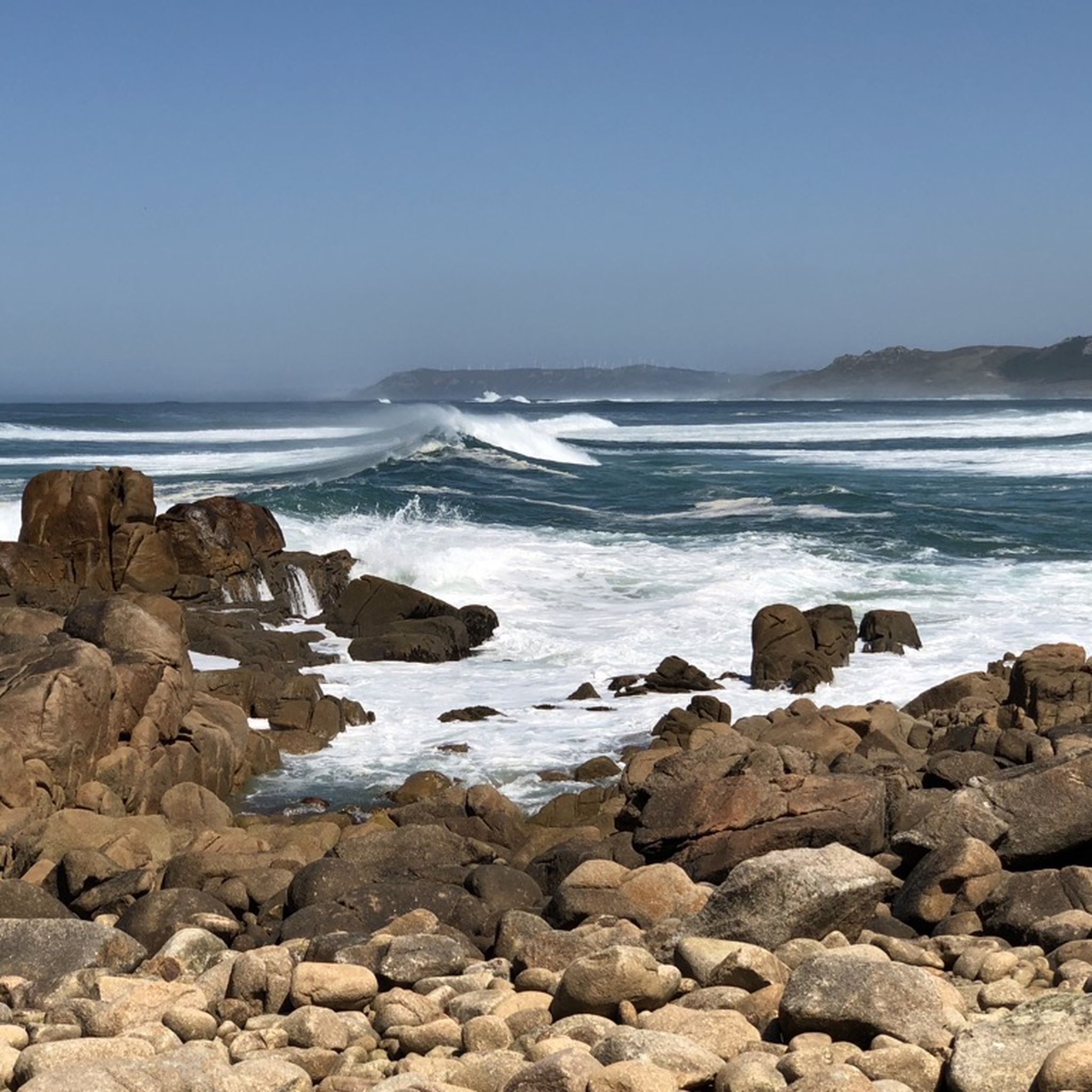
The first lighthouse on the path of lighthouses, a splendor both in stormy seas and in the sun
1
1

There are 3 crosses here that commemorate those who drowned in ship accidents.
1
0

Sturdy shoes are an advantage, rocky country
0
0

It is already available as a hiking highlight under the following link: https://www.komoot.de/highlight/865247
2
0
see also the following hiking highlight on komoot: https://www.komoot.de/highlight/3785271 (Cementerio de los Ingleses)
1
0

Here they were after one The British ship that sank in the Costa da Morte in 1890 buried the bodies of the ship's crew.
2
0
Cemetery for British sailors who died in a shipwreck in 1890.
1
0
Frequently Asked Questions
What natural features and viewpoints should I explore in Costa da Morte Norte?
The region boasts dramatic natural beauty. Don't miss the unique Monte Branco Dune (Duna de Monte Branco), considered one of Europe's highest, offering stunning panoramic views. The Ézaro Waterfall is also a must-see, as it's the only waterfall in Europe that flows directly into the Atlantic Ocean. For challenging hikes and expansive views, consider exploring Monte Pindo, often called the "Celtic Olympus." The Penedos de Pasarela e Traba also offer mysterious rocky landscapes.
Are there any significant historical sites or cultural landmarks to visit?
Yes, Costa da Morte Norte is rich in history. The English Cemetery (Cementerio de los Ingleses) in Camariñas is a poignant monument to the victims of the 1890 HMS Serpent shipwreck and is recognized as a European Cultural Route. The Sanctuary of A Nosa Señora da Barca in Muxía is a sacred site with deep ties to Galician culture and Celtic legends. You can also find impressive ancient hórreos (traditional granaries) in Carnota and Lira.
What unique lighthouses can I visit along the Costa da Morte Norte?
The coastline is famous for its iconic lighthouses. Visit Punta Nariga Lighthouse in Barizo, the last lighthouse built in Spain, known for its distinctive ship-like design. Cape Vilán Lighthouse in Camariñas is the oldest electric lighthouse in Spain and a Natural Monument. The Roncudo Lighthouse is known for the roaring sound of the sea against its cliffs, and Finisterre Lighthouse offers dramatic views from what was once considered the 'end of the world'.
Are there family-friendly attractions in Costa da Morte Norte?
Many natural attractions are suitable for families. Exploring the beaches like Carnota Beach or Praia Area Maior Os Muiños can be a great experience. The Monte Branco Dune (Duna de Monte Branco) offers a unique landscape for children to explore. Visiting the Camariñas Lace Centre or the Ecomuseum of O Forno do Forte in Buño can also be educational and engaging for families interested in local crafts.
What kind of outdoor activities and trails are available near these attractions?
The region offers a variety of outdoor activities. For hiking, you can explore trails like "The Lighthouse Way: Corme - Ponteceso Loop" or "Laxe Lighthouse – View of Praia de Soesto loop." Runners might enjoy routes such as "Praia das Bombillas – Praia da Ribeira loop." Cyclists have options like "Carballo loop from Praia da Pedra do Sal." You can find more details and routes in the Hiking in Costa Da Morte Norte, Running Trails in Costa Da Morte Norte, and Road Cycling Routes in Costa Da Morte Norte guides.
Where can I find beautiful beaches in Costa da Morte Norte?
Costa da Morte Norte is home to stunning beaches. Carnota Beach is Galicia's longest and most famous, known for its crescent shape, white sand, and dunes. Other notable options include Praia Area Maior Os Muiños, Nemiña beach, Lires Beach, Traba beach, and Laxe beach, which features the unique "Praia dos Cristais" with sea-worn glass fragments.
What is the best time of year to visit Costa da Morte Norte?
The best time to visit Costa da Morte Norte generally depends on your preferred activities. Summer (June to August) offers warm weather ideal for beaches and outdoor activities, though it can be busier. Spring (April to May) and Autumn (September to October) provide milder temperatures, fewer crowds, and lush landscapes, perfect for hiking and exploring historical sites. The dramatic coastal scenery is impressive year-round, but winter can bring strong winds and rain.
Are there any unique cultural experiences or crafts to discover?
Absolutely. The town of Camariñas is renowned for its bobbin lace tradition, which you can explore at the Camariñas Lace Centre. Buño is another cultural hub famous for its traditional pottery, with the Ecomuseum of O Forno do Forte and Vila Oleira de Buño offering insights into this ancient craft. These provide a glimpse into the region's rich artisanal heritage.
Can I find any ancient historical sites in the region?
Yes, the region has ancient roots. You can visit sites like the Borneiro Hillfort and the Dombate Dolmen, which offer fascinating insights into the lives of the area's early settlers and prehistoric cultures.
What are some charming villages or towns worth visiting?
Many picturesque villages dot the coastline. Muxía and Finisterre (Fisterra) are popular, serving as endpoints for the Camino Finisterre Muxía. Corcubión has a historic old quarter, while Malpica de Bergantiños is a charming fishing town with access to the Sisargas Islands. Laxe is known for its beautiful beach, and Muros serves as a gateway to the Costa da Morte with a large fish market.
Are there any museums that provide insight into the region's history and culture?
Several museums offer a deeper understanding of Costa da Morte Norte. The Museum of the Sea of Laxe interprets seafaring life and fishing traditions. The Golmar Museum – Muiños da Auga showcases ingenious watermills, and the MACCMO (Costa da Morte Museum of Contemporary Art in Ponteceso) offers dynamic art exhibitions. Other options include the Fernando Blanco Museum and the German Museum in Camelle.
What is the Ruta dos Faros (Lighthouse Way) and how can I experience it?
The Ruta dos Faros is a spectacular nearly 200-kilometer route connecting lighthouses, beaches, cliffs, and hills from Malpica to Finisterre. It offers an unforgettable way to explore the essence of Costa da Morte Norte on foot, providing breathtaking coastal views and a deep immersion into the region's wild beauty. You can hike sections of it or plan a multi-day trek.
Most popular routes in Costa Da Morte Norte
Most popular attractions in Costa Da Morte Norte

Get inspired with the komoot mobile app


Explore more
Still not found the Highlight you’re looking for? See guides of the top attractions in other regions:
