Attractions and Places To See in Parque Natural De Las Marismas De Santoña - Top 20
Attractions and places to see in Parque Natural De Las Marismas De Santoña include extensive wetlands, mountains, and historical sites. This significant wetland area in Cantabria, Spain, is formed by the estuary of the Asón River and serves as a crucial stop for migratory birds. The park offers diverse landscapes, from marshlands to cliffs, making it suitable for exploring natural features and landmarks.
Best attractions and places to see in Parque Natural De Las Marismas De Santoña
- The most popular…
Last updated: May 9, 2026
Descent to Faro del Caballo (700 Steps)
Highlight (Segment) • Trail
Translated by Google •
Tip by

Boat across the Ría de Treto
Highlight • Rest Area
Tip by

Sign up now to discover places like this
Get recommendations on the best single tracks, peaks, & plenty of other exciting outdoor places.
Sign up for free
Brusco (Mijedo)
Highlight • Summit
Translated by Google •
Tip by

Faro del Pescador
Highlight • Monument
Translated by Google •
Tip by

San Martín Fort
Highlight • Historical Site
Translated by Google •
Tip by

Sign up for free to discover even more attractions in Parque Natural De Las Marismas De Santoña.
Sign up for free
Already have an account?
Start today with a free account
Your next adventure awaits.
Login or Signup
Popular around Parque Natural De Las Marismas De Santoña
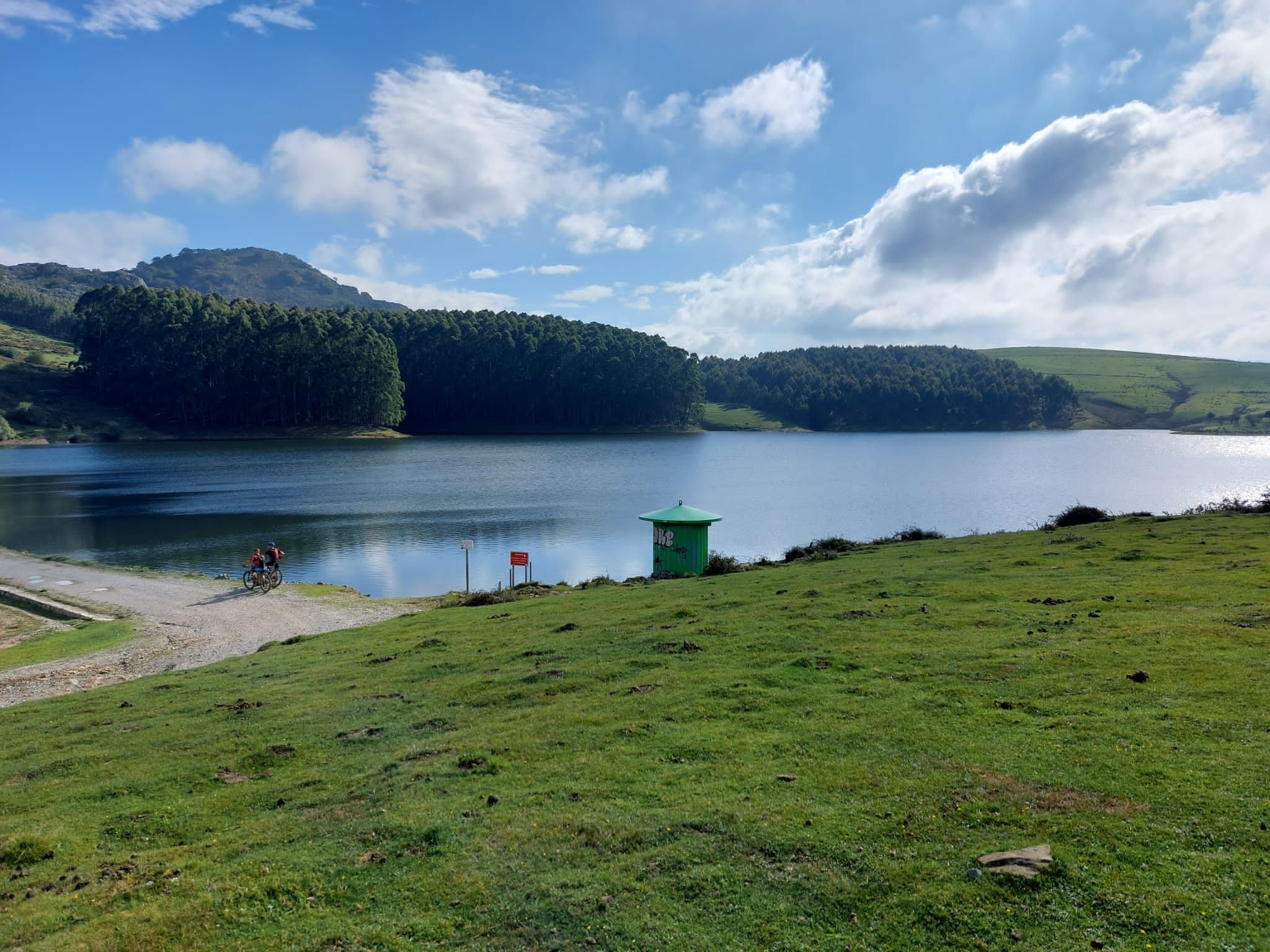
Cycle between land and sea in northern Spain – Pedales de Cantabria
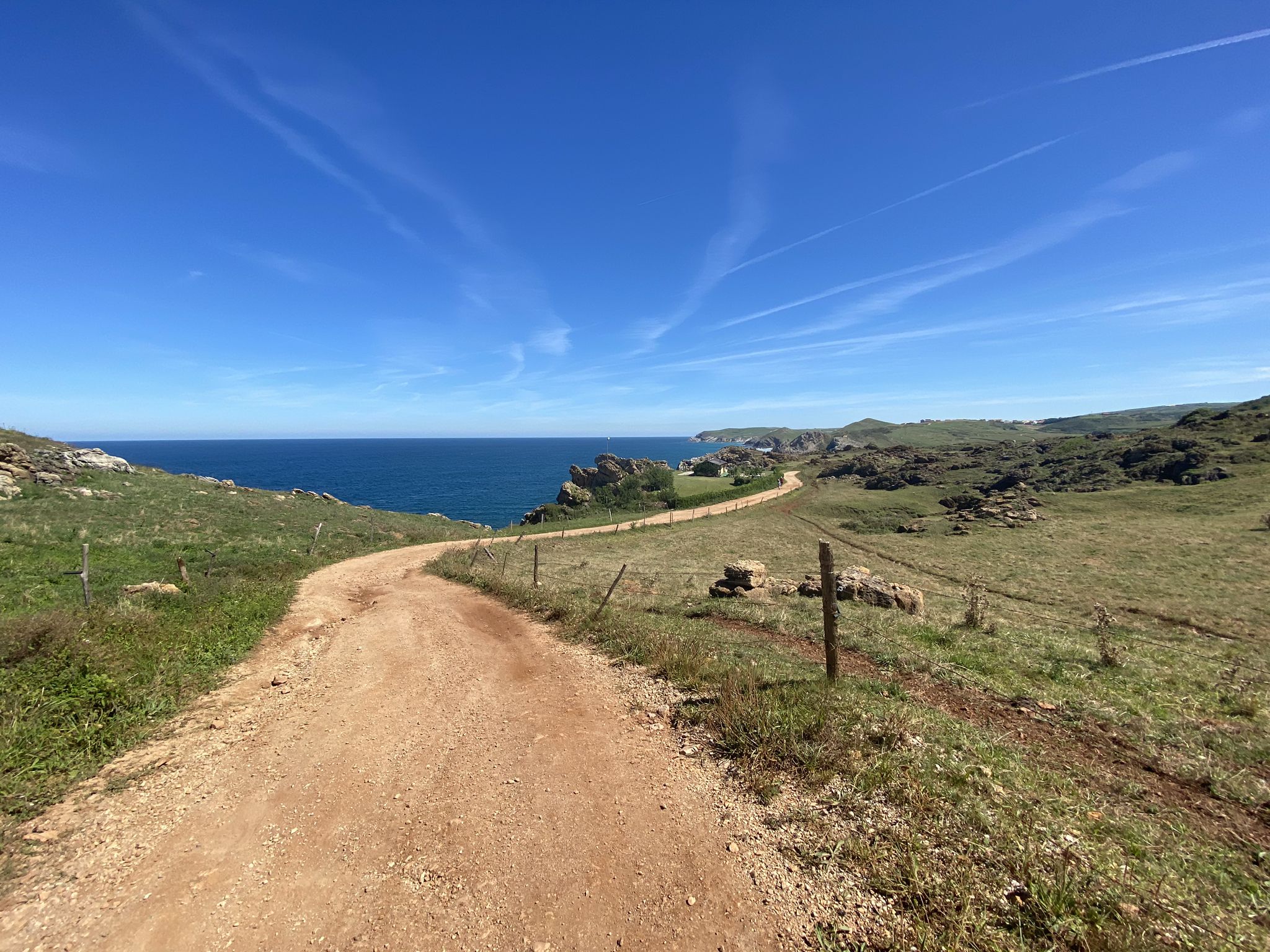
Paths and waves – surf trip by bike in Cantabria
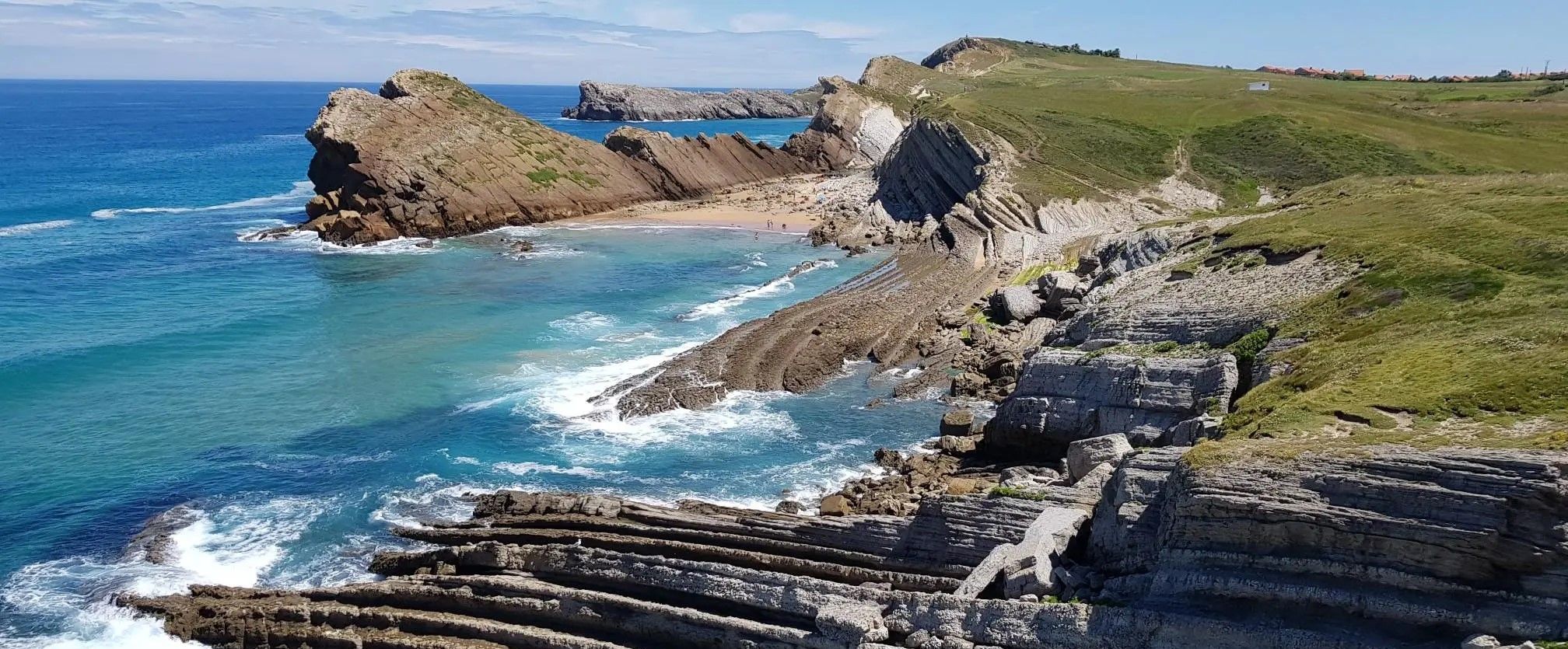
Water everywhere — Amazing routes near Santander
Road Cycling Routes in Parque Natural De Las Marismas De Santoña
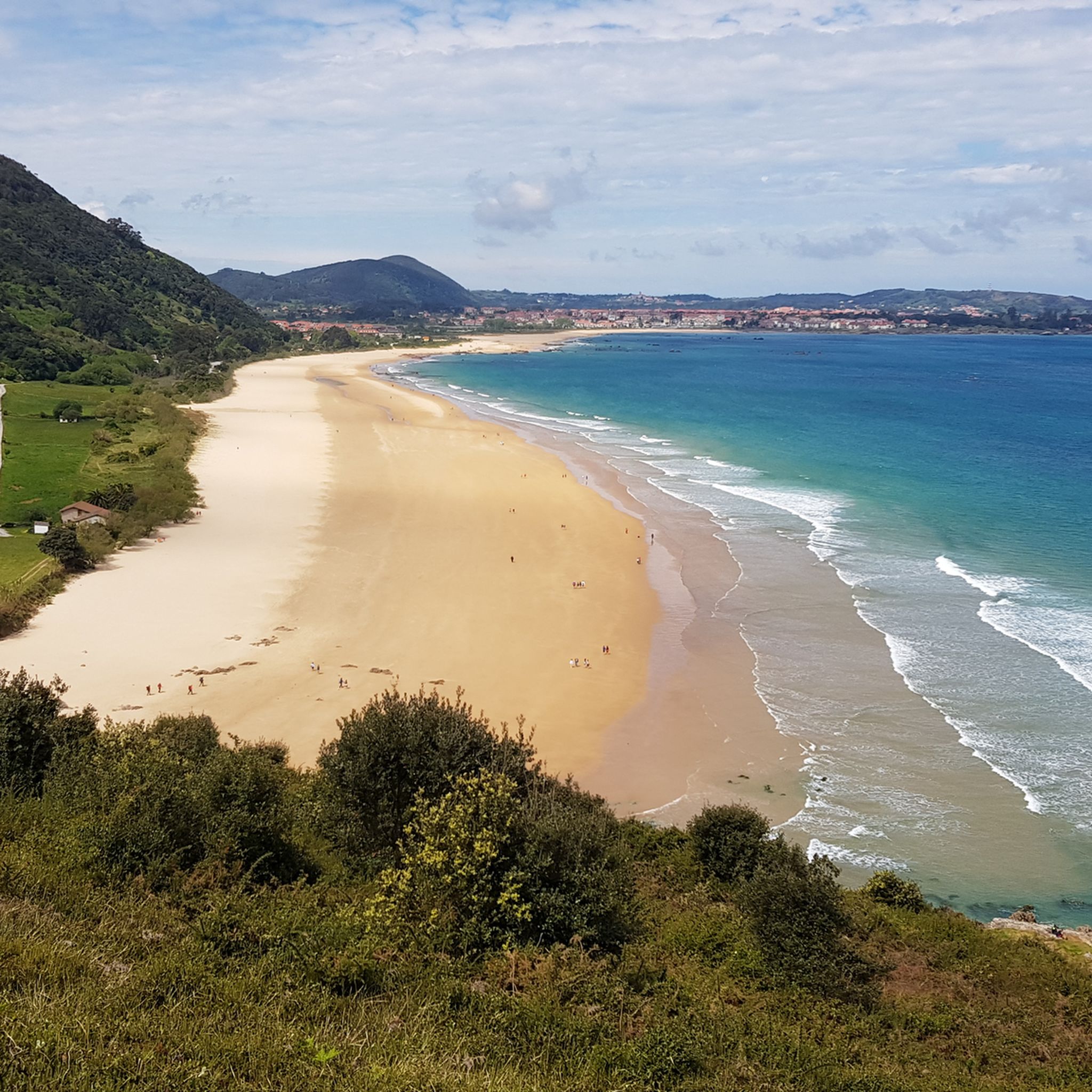
Hiking in Parque Natural De Las Marismas De Santoña
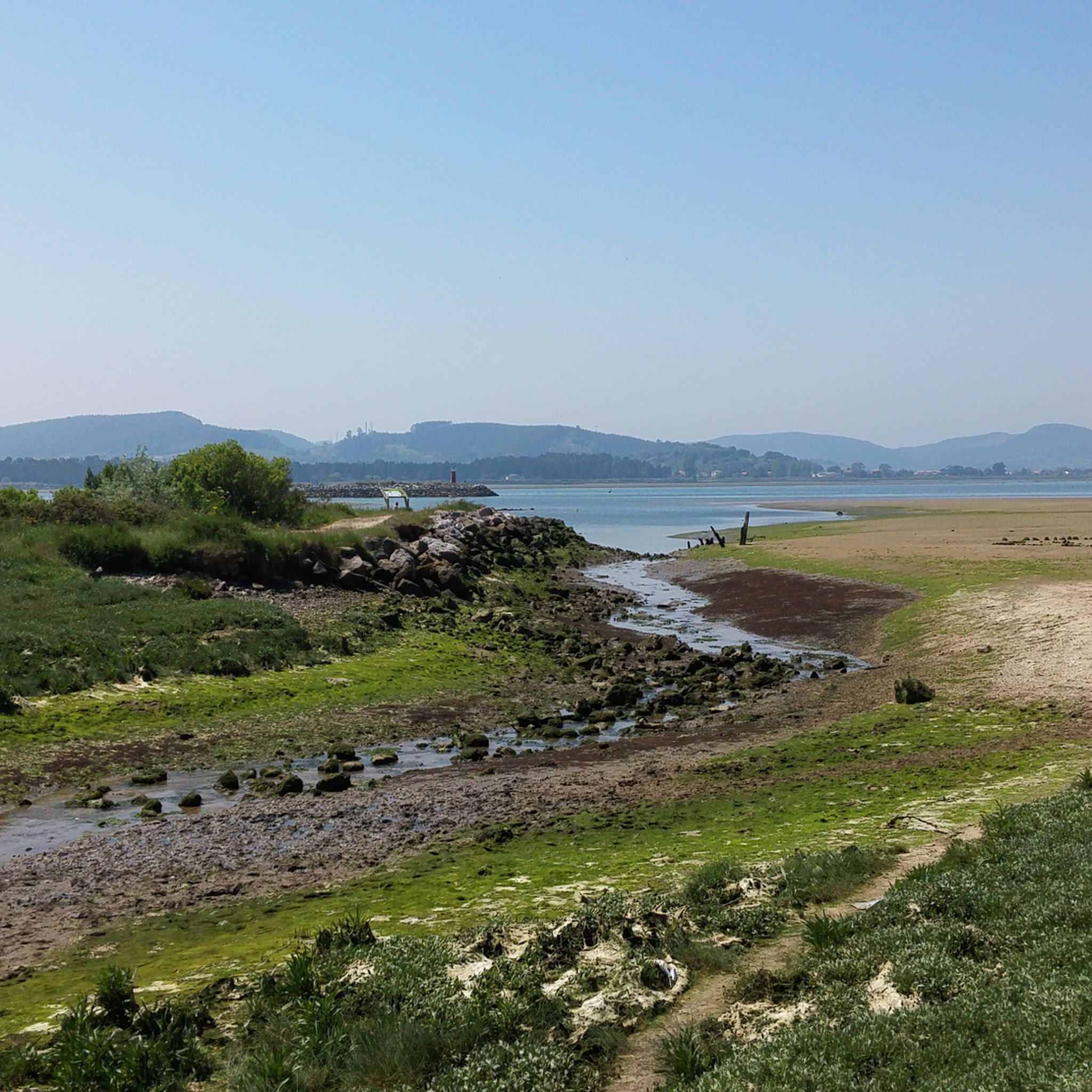
Running Trails in Parque Natural De Las Marismas De Santoña
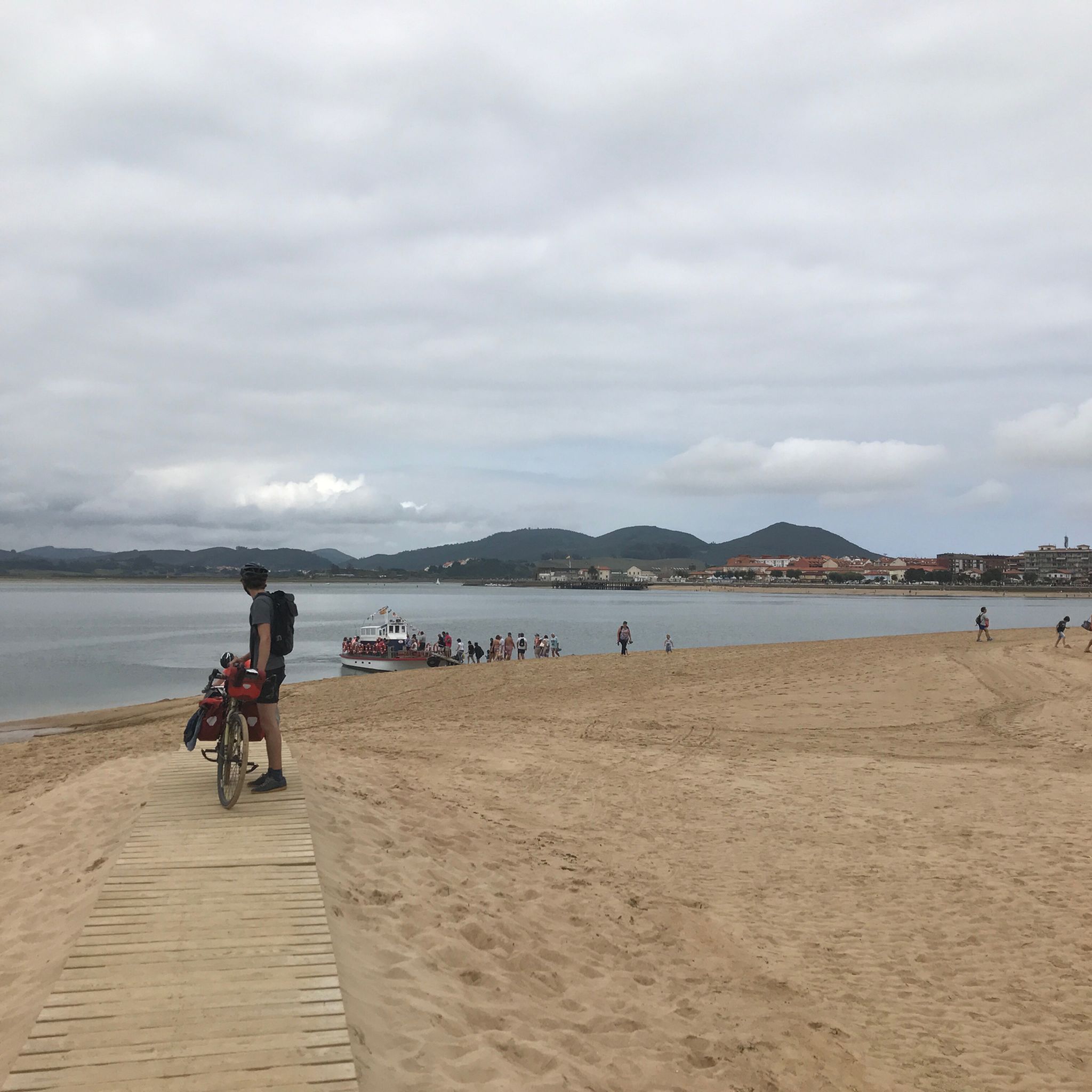
Cycling in Parque Natural De Las Marismas De Santoña
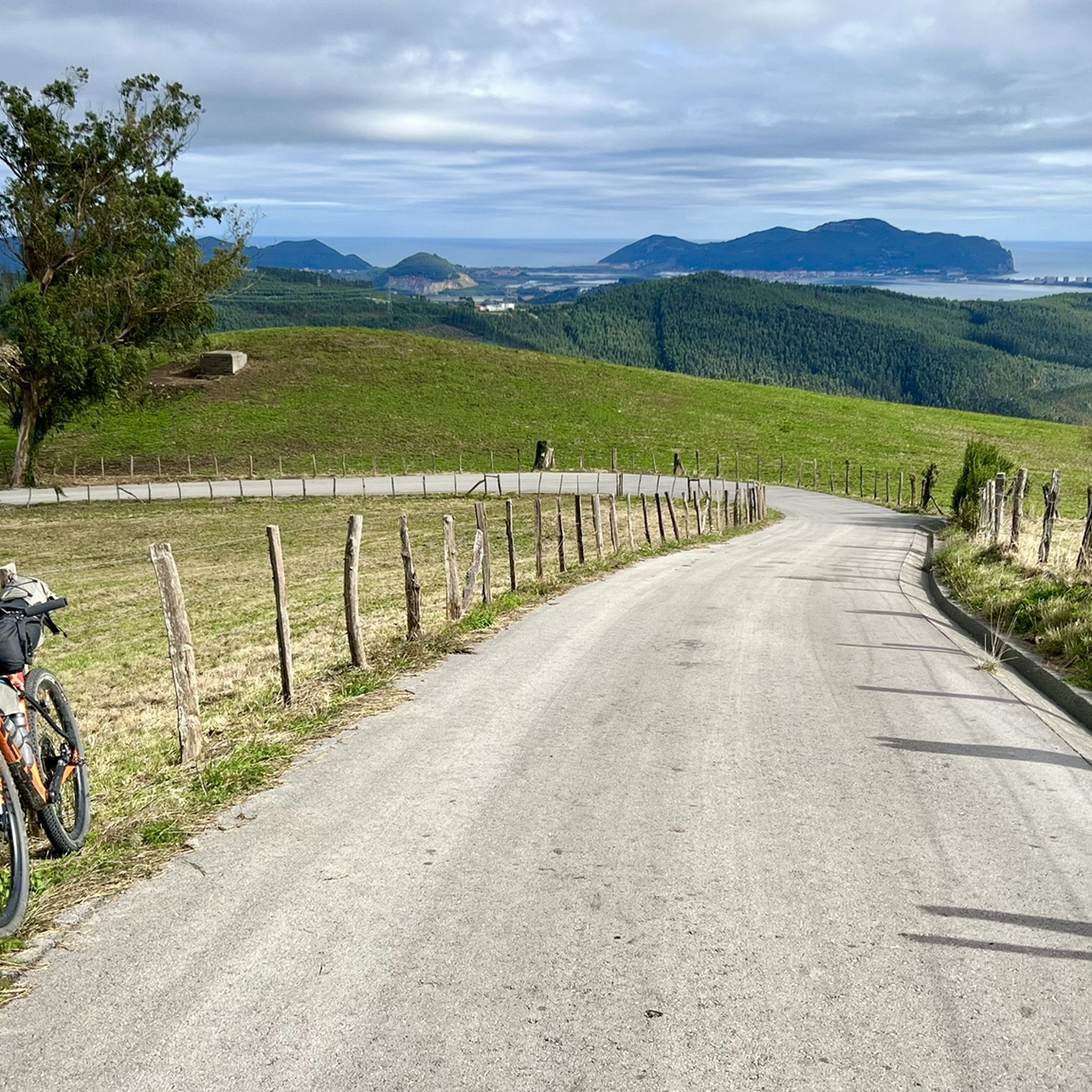
MTB Trails in Parque Natural De Las Marismas De Santoña
Other adventures in Parque Natural De Las Marismas De Santoña


Tips from the Community

Beautiful scenery along the Cantabrian coast. Once you reach the lighthouse, you can continue along a path, but be careful. There are stretches where the bike is best placed on top of you. 🤷♀️🍀✌️
1
0

The pity is that the fence barely lets you see the lighthouse.
1
0
A nice summit for a sunny day, because you are almost always walking through the forest.
1
0
Stunning views of Laredo, and a very interesting construction.
3
0

The highlight of the hike is the sense of accomplishment that comes with reaching the Faro del Caballo lighthouse. The lighthouse itself is a picturesque structure that provides a stunning backdrop for photos and offers a unique vantage point for taking in the surrounding landscape. However, it's important to note that the trail can be quite challenging for some hikers. The steep and rocky terrain can be difficult to navigate, especially in wet or slippery conditions. Proper hiking shoes, sunscreen, and plenty of water are recommended for anyone attempting the hike. Check more tips on https://territorial-io.com
0
1

Fort with a horseshoe-shaped plan, built on a promontory, at the entrance to the port of Santoña. You have to climb a few stairs, but not too many and you can access the central patio, the upper part and the exhibitions if there are any. In summer it is open from Monday to Sunday from 11am to 2pm and from 6pm to 9pm. The ticket (€3) entitles you to access the fortification and the exhibitions.
1
0

Also known as Pico Brusco, the peak at 237 meters above sea level and the proximity to the sea guarantee beautiful panoramic views of the coast. Very close to here is the Miravalles peak that also deserves to be crowned.
1
0
It is well known that lighthouses are built at strategic points and offer the best views from the coast. The Fisherman's Lighthouse is no exception, and although you cannot reach the foot of it, the views it offers from the cliffs are wonderful.
1
0
Frequently Asked Questions
What natural features can I explore in Parque Natural De Las Marismas De Santoña?
The park is centered around the extensive wetlands of the Marismas de Santoña, Victoria, and Joyel, formed by the Asón River estuary, which are vital for migratory birds. You can also explore Monte Buciero, offering rugged terrain and coastal views, and enjoy beaches and dune systems like those at Playa de Berria.
Are there historical sites or cultural landmarks to visit?
Yes, the park features several historical sites. You can visit the San Martín Fort, a horseshoe-shaped fort with views of Laredo, or the Convento de Montehano, a Site of Cultural Interest offering panoramic views of the Ano channel. Additionally, you can find remnants of historic tidal mills within the park.
What are the best places for birdwatching in the park?
As a crucial stop for migratory birds, the park offers excellent birdwatching opportunities. Key locations include the dikes of Marisma de Solija, the Molino de las Aves de Noja (an old tidal mill), Puerto pesquero, Marisma de Bengoa, La Arenilla in Santoña, and Paseo del Ribero Ancillo in Argoños. The Interpretation Center also organizes guided birdwatching tours.
Can I go hiking or cycling in Parque Natural De Las Marismas De Santoña?
Absolutely. The park is ideal for hiking and cycling, with various routes exploring diverse landscapes from marshlands to forests and cliffs. For hiking, you can find routes like the “Pico de Miravalles y Sierra de Mijedo” or the “Parque Natural de las Marismas de Santoña, Victoria y Joyel – circular by the Muelle de los Frailes.” Cyclists can enjoy routes such as the “Santoña Forts and Marshes Loop from Noja.” You can find more routes in the hiking guide and cycling guide for the region.
Are there any challenging attractions for adventurous visitors?
Yes, the Descent to Faro del Caballo (700 Steps) on Monte Buciero is a challenging but rewarding experience. It involves descending and ascending approximately 700 steps to reach a picturesque lighthouse, offering breathtaking views of the wild landscape and turquoise waters. Visitors recommend suitable footwear, water, and a good physical condition.
What is the <a href="https://www.komoot.com/highlight/333501" target="_blank" rel="noopener">Boat across the Ría de Treto</a> experience like?
The Boat across the Ría de Treto is a small ferry that provides a practical and scenic way to traverse the Ría, saving a significant detour. It's described as an exciting experience, especially for cyclists, with ferrymen often assisting with loaded bikes. It's a unique way to appreciate the estuary.
What are some family-friendly activities in the area?
Families can enjoy easy walks along the marsh dikes, birdwatching at designated spots, or visiting the Interpretation Center of the Marismas de Santoña, Victoria y Joyel, which offers educational exhibitions, activities, and workshops. Exploring the beaches like Playa de Berria can also be a fun family outing.
When is the best time to visit Parque Natural De Las Marismas De Santoña?
The park is a prime location for birdwatching throughout the year, especially during spring and autumn migration periods, and in winter when large numbers of aquatic birds are present. For general exploration and outdoor activities, spring and autumn offer pleasant weather, while summer is ideal for enjoying the beaches.
Where can I learn more about the park's ecosystem and history?
The Interpretation Center of the Marismas de Santoña, Victoria y Joyel, located in Santoña's port, is an excellent starting point. It features an exhibition detailing the area's history, culture, and wildlife, and its glass facade provides panoramic views of the marsh landscape. They also organize guided tours and educational activities.
Are there any easy walking trails suitable for all fitness levels?
Yes, there are several easy walking trails. For instance, the “Piedra Pombera Beach – Playa de Ris loop from Noja” is an easy option. Other accessible routes include walks along the dikes of Marisma de Solija, which offer flat terrain for observing the wetlands. You can find more easy routes in the easy hikes guide.
What kind of views can I expect from the viewpoints?
The park offers diverse views. From Monte Buciero and the Faro del Caballo, you'll see wild coastal landscapes and turquoise waters. The Faro del Pescador also provides wonderful coastal views from its strategic cliffside location. The Convento de Montehano offers expansive panoramic views of the Ano channel and the estuary.
What do visitors say about the <a href="https://www.komoot.com/highlight/4206189" target="_blank" rel="noopener">San Martín Fort</a>?
Visitors appreciate the San Martín Fort for its stunning views of Laredo and the bay, as well as its interesting horseshoe-shaped construction. It's noted for being accessible with a manageable number of stairs, allowing access to its central patio and upper sections, sometimes featuring exhibitions.
Are there beaches within the natural park?
Yes, the natural park encompasses beautiful beaches and dune systems. Playa de Berria is a notable example, offering opportunities for relaxation and enjoying the coastal environment alongside the marshlands.
Most popular routes in Parque Natural De Las Marismas De Santoña
Most popular attractions in Parque Natural De Las Marismas De Santoña

Get inspired with the komoot mobile app


Explore more
Still not found the Highlight you’re looking for? See guides of the top attractions in other regions:
