Attractions and Places To See in Oyambre - Top 20
Best attractions and places to see in Oyambre, a region in Cantabria, Spain, known for its diverse natural beauty and cultural heritage. The area is centered around the Oyambre Natural Park, a protected coastal expanse featuring cliffs, beaches, dunes, and estuaries. This destination offers a variety of landscapes and activities for exploration.
Best attractions and places to see in Oyambre
- The most popular attractions is San Vicente de la Barquera, a settlement and fishing village located in the heart of the Oyambre Natural Park. It is known for its changing landscape with the tides and its historical buildings, including the Church of Santa María de los Ángeles and the Puente de la Maza.
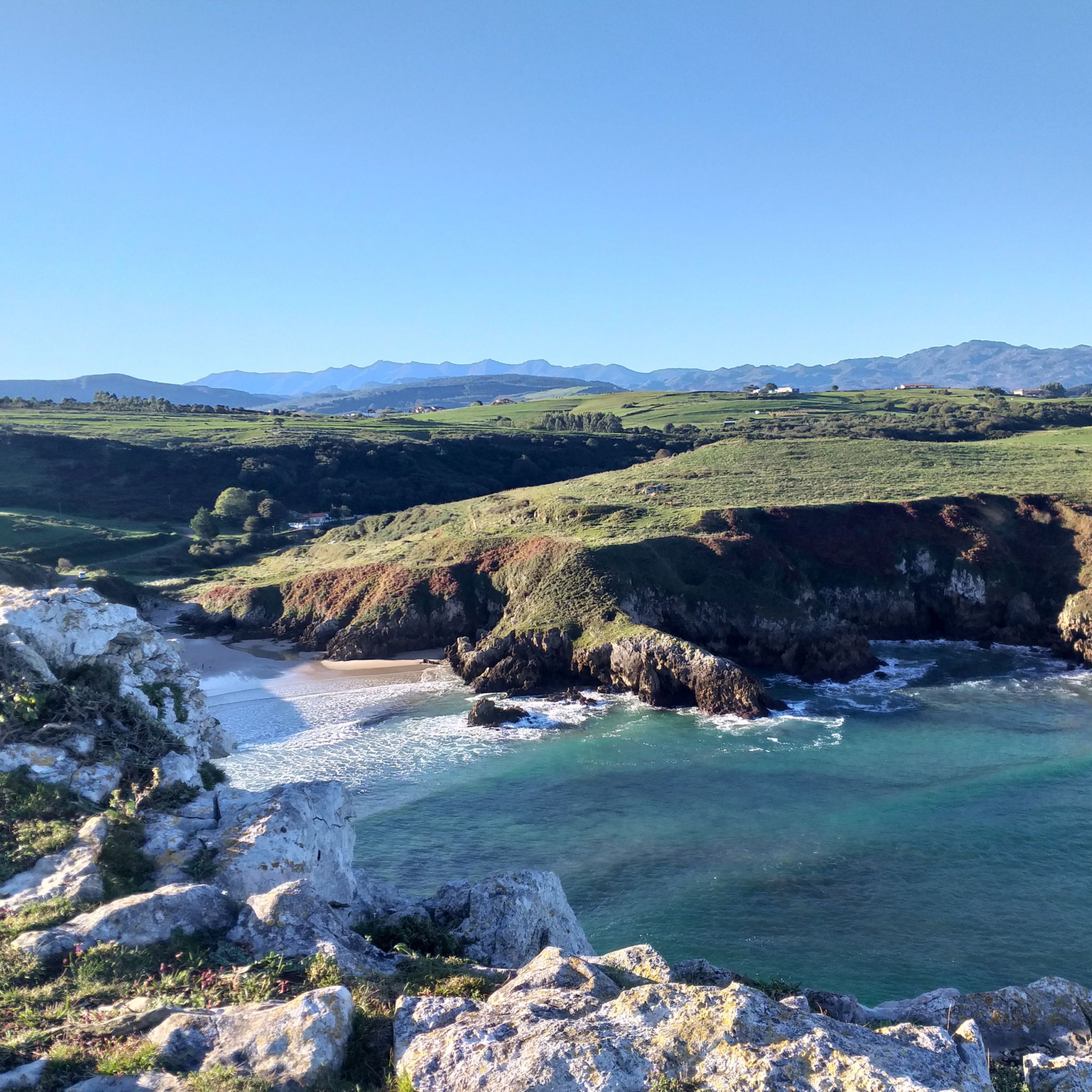
- Another must-see spot is Fuentes Beach, a beach characterized by fine white sand and surrounded by green cliffs. This cove-like beach is 150 meters long and offers pedestrian access.
- Visitors also love San Esteban Hermitage (Monte Corona), a religious building offering panoramic views. Situated at the top of Monte Corona, it provides views of the sea, San Vicente de la Barquera, and the Picos de Europa on clear days.
- Oyambre is known for its natural features like beaches, estuaries, and cliffs, as well as cultural sites and historical landmarks. The region offers a variety of attractions to see and explore, from coastal landscapes to historical architecture.
- The attractions in Oyambre are appreciated by the komoot community, with over 160 upvotes and 35 photos shared.
Last updated: July 7, 2026
San Vicente de la Barquera
Highlight • Settlement
In Roman times, San Vicente was already an important port. In the Middle Ages, notable buildings such as the church of Santa María de los Ángeles were built and today the remains of the wall and the castle remain. However, the most appreciated monument is the stone bridge of La Maza, with its 28 eyes, built by order of the Catholic kings in the 16th century. From this bridge you can appreciate one of the most characteristic views of San Vicente, the contrast of the snow-capped peaks of Europe and the mouth of the estuary to the Cantabrian Sea.
Translated by Google •
Tip by

San Vicente de la Barquera Old Town and La Maza Bridge
Highlight • Historical Site
Translated by Google •
Tip by

Sign up now to discover places like this
Get recommendations on the best single tracks, peaks, & plenty of other exciting outdoor places.
Sign up for free
Viewpoint and Church of Santa María de los Ángeles
Highlight • Religious Site
Translated by Google •
Tip by
Fuentes Beach
Highlight • Beach
Translated by Google •
Tip by

San Esteban Hermitage (Monte Corona)
Highlight • Religious Site
Translated by Google •
Tip by

Sign up for free to discover even more attractions in Oyambre.
Sign up for free
Already have an account?
Start today with a free account
Your next adventure awaits.
Login or Signup
Popular around Oyambre


Tips from the Community

The old town of San Vicente de la Barquera and the Maza Bridge are two of the main tourist attractions of this picturesque fishing village in Cantabria. This historic center dates back to medieval times and is located in a privileged natural setting within the Oyambre Natural Park.
1
0

Whenever I'm in this town, I come to this corner.
1
0
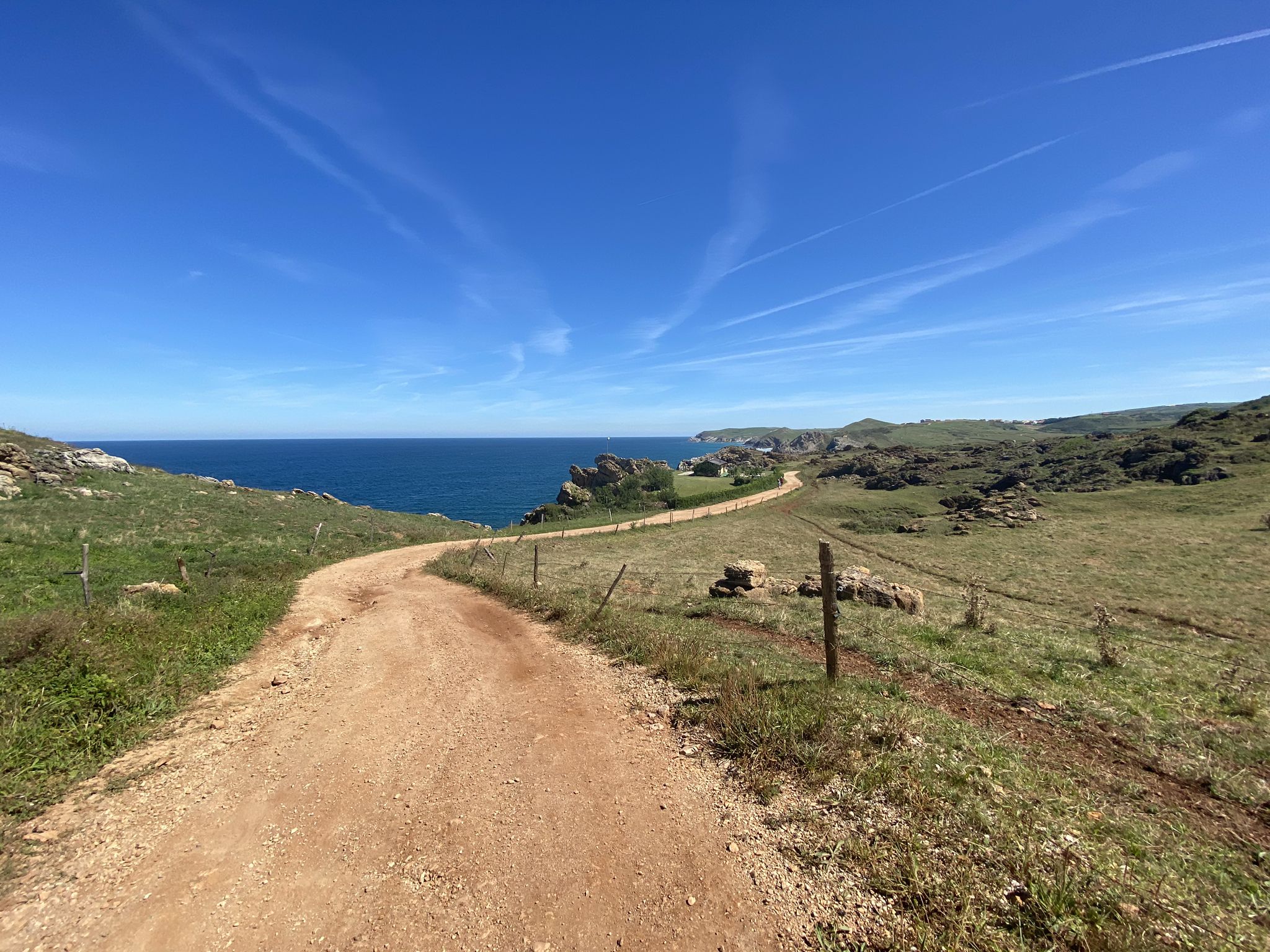
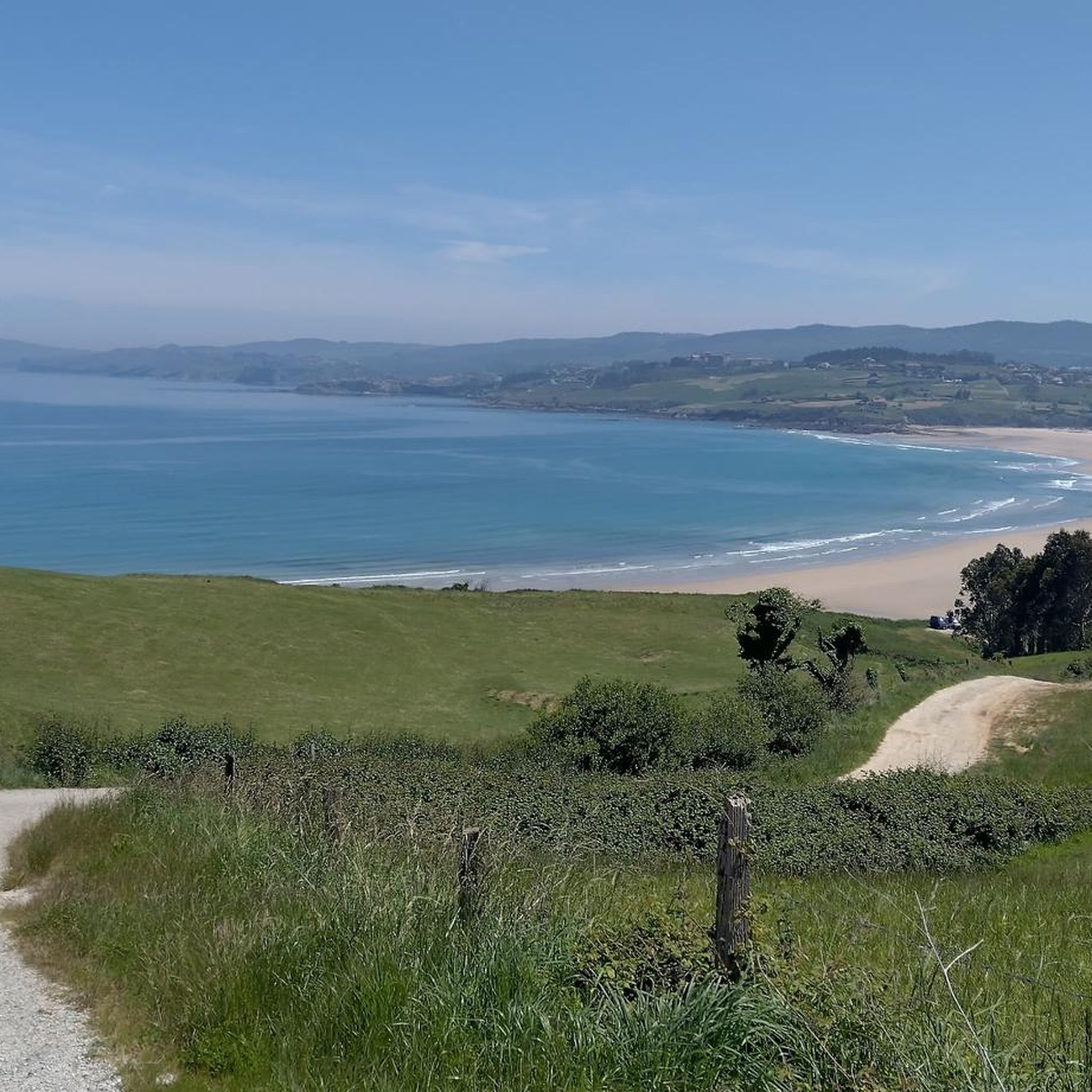
It looked like the beach of a lost island.
1
1


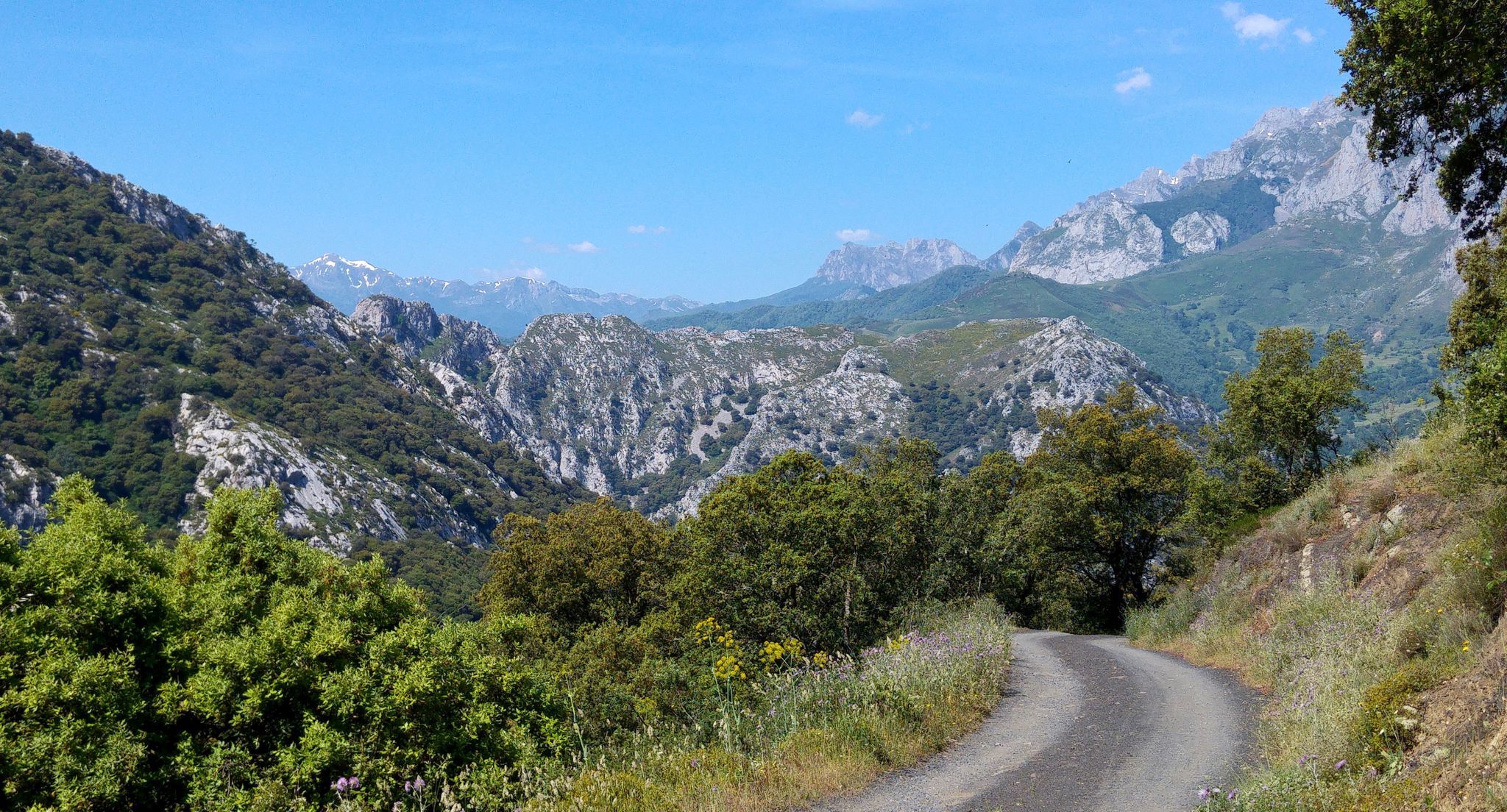
The hermitage is well maintained but best of all are the views – amazing especially if you go on a cloudless day. There is a small viewpoint from where you can see the sea, San Vicente de la Barquera and on clear days the Picos de Europa. There is a recreational area just before arriving with tables and a barbecue.
2
0

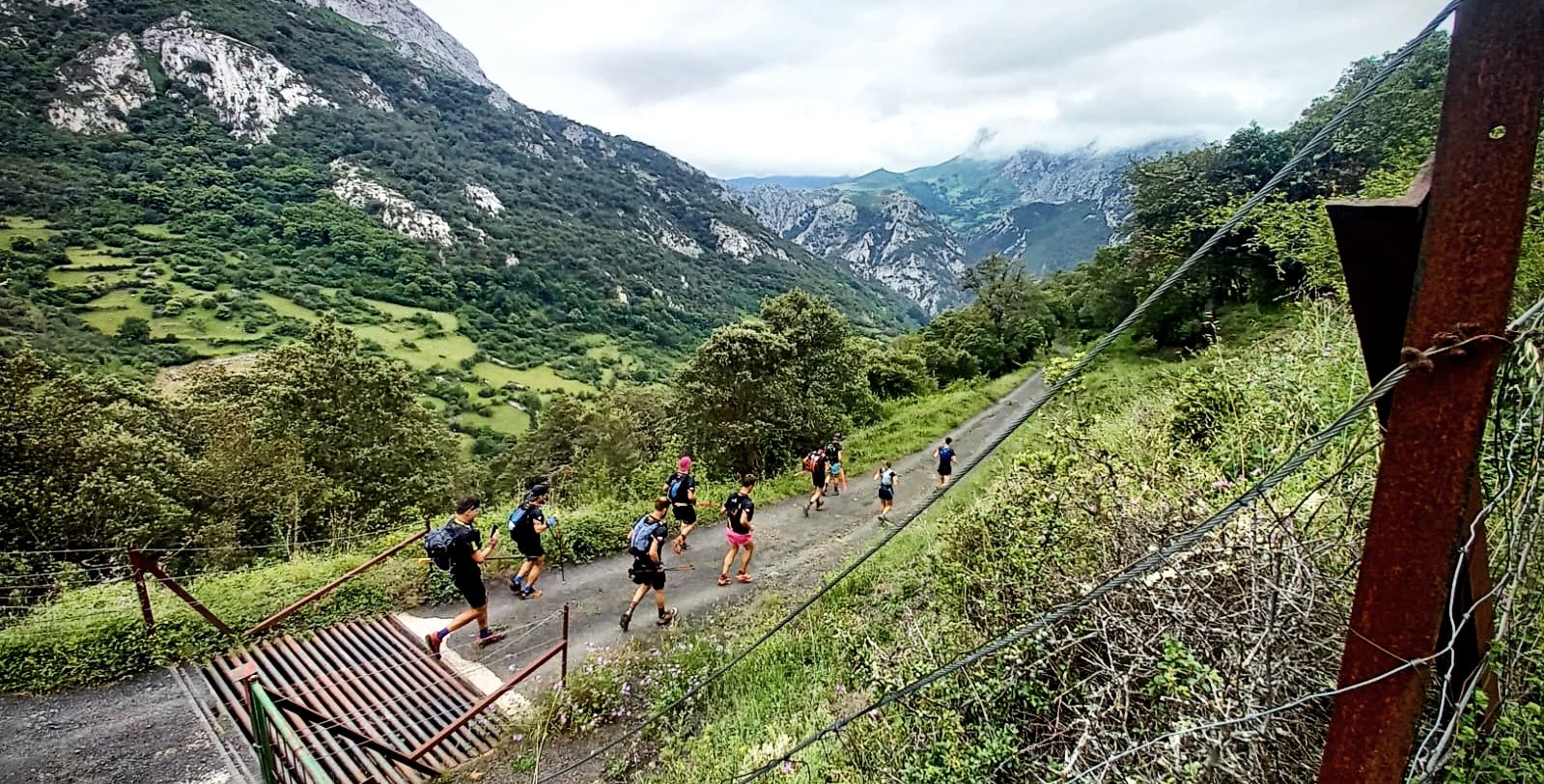
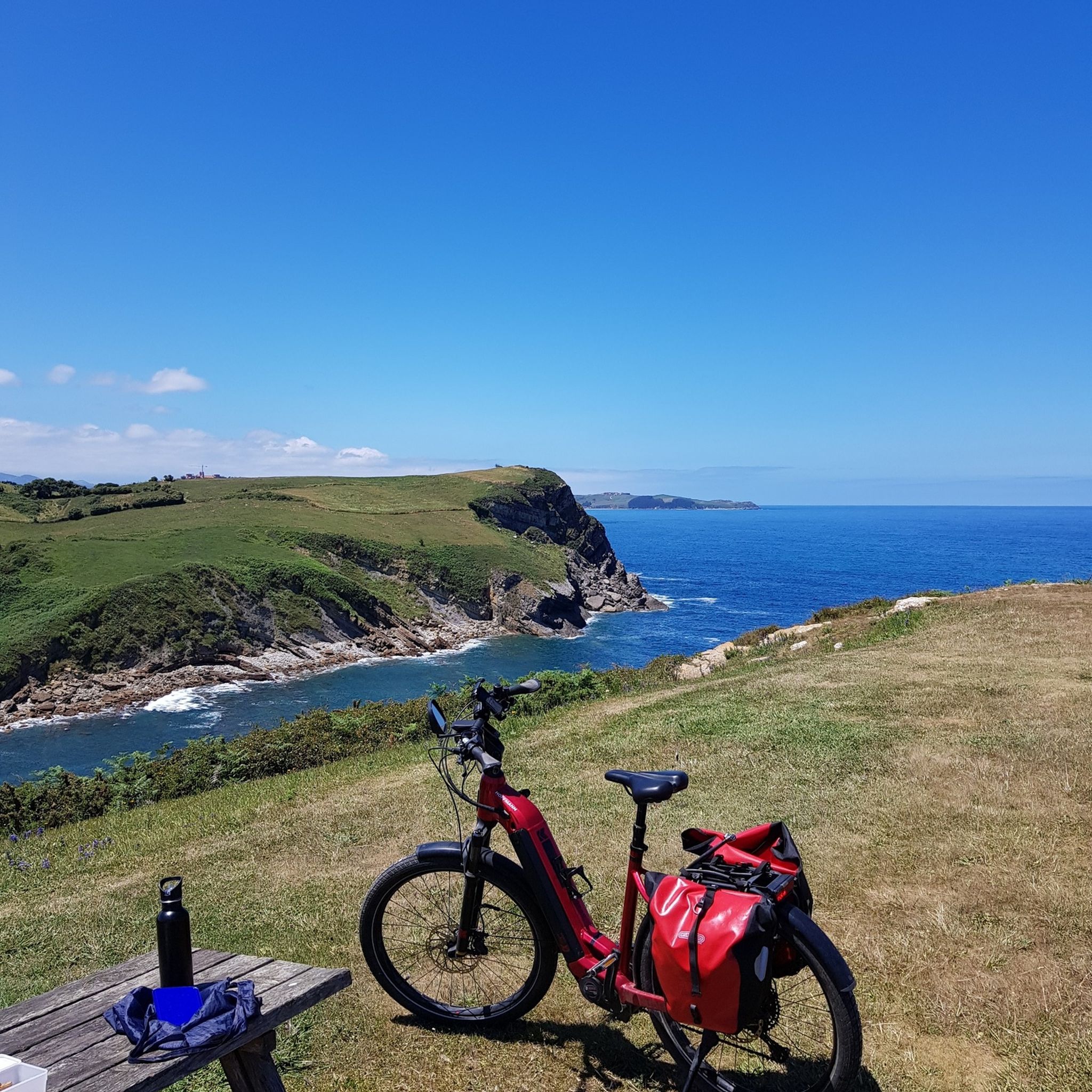
At the top of Monte Corona is the hermitage of San Esteban, a place frequented by those of us who enjoy riding along good forest tracks and ending at a viewpoint with beautiful panoramic views.
4
0

San Vicente de la Barquera is an impressive fishing village located in the heart of the Oyambre natural park. Located between two estuaries, San Vicente faces the sea. The landscape changes constantly with the tides and the sight of the boats perched on the sand at low tide is very particular. In Roman times, San Vicente was already an important port. In the Middle Ages, notable buildings such as the church of Santa María de los Ángeles were built and today the remains of the wall and the castle remain. However, the most appreciated monument is the stone bridge of La Maza, with its 28 eyes, built by order of the Catholic kings in the 16th century. From this bridge you can appreciate one of the most characteristic views of San Vicente, the contrast of the snow-capped peaks of Europe and the mouth of the estuary to the Cantabrian Sea.
2
0

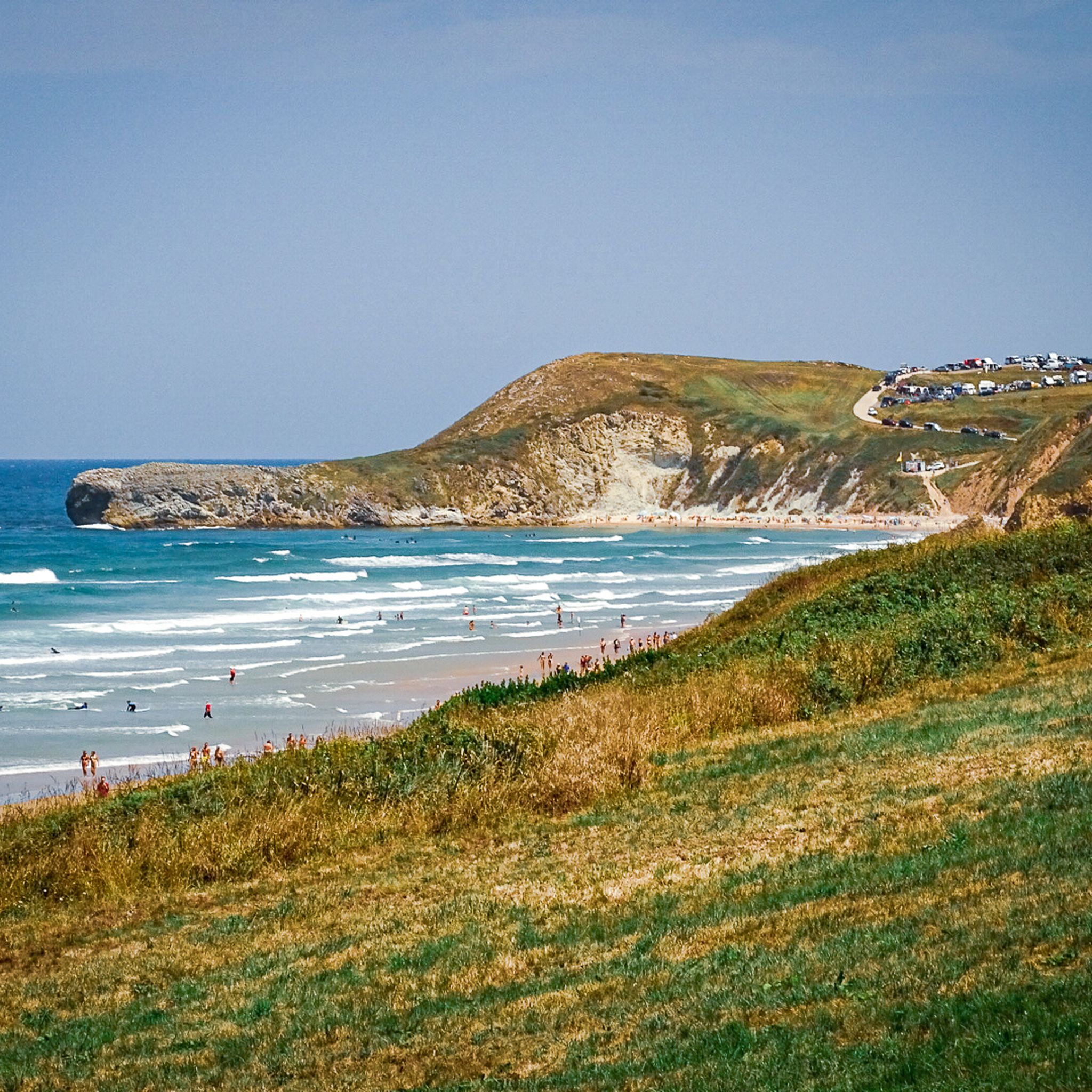
Playa de Fuentes is a beautiful little bathing bay that is well protected from the wind by the cliffs and is therefore also ideal for bathing when it gets uncomfortable on wider, unprotected beaches. The bay can be reached on foot or by car, and there is also space for a few mobile homes on the pitches above the bay.
0
1
Frequently Asked Questions
What natural features can I explore in Oyambre?
Oyambre is renowned for its diverse natural beauty, centered around the Oyambre Natural Park. This protected coastal area features extensive beaches like Playa de Oyambre and Playa de Merón, dramatic cliffs, sand dunes, and crucial estuaries such as those of San Vicente and La Rabia. Inland, you can explore the woodlands of Monte Corona or discover the unique Ruta de las Secuoyas, a forest of giant redwoods near Monte Cabezón.
Are there historical or cultural sites to visit in Oyambre?
Yes, the region offers rich cultural heritage. The fishing village of San Vicente de la Barquera is home to the medieval Church of Santa María de los Ángeles and the iconic 16th-century Puente de la Maza. Nearby Comillas boasts significant monumental heritage, including the famous El Capricho de Gaudí and Palacio de Sobrellano. For panoramic views and a glimpse into local history, visit the San Esteban Hermitage (Monte Corona).
What outdoor activities can I do in Oyambre?
Oyambre Natural Park is perfect for outdoor enthusiasts. You can enjoy hiking and biking on numerous trails that wind through diverse landscapes. The long beaches, especially Playa Oyambre, are popular for water sports like surfing. The estuaries of San Vicente and La Rabia are ideal for canoeing and rafting. Birdwatching is also a popular activity, particularly in the marshy coastal areas. For specific routes, check out the easy hikes, road cycling, and MTB trails guides for Oyambre.
Are there family-friendly attractions in Oyambre?
Absolutely. The extensive sandy beaches like Fuentes Beach and Playa de Oyambre are excellent for families to relax, swim, and play. Exploring the charming fishing village of San Vicente de la Barquera, with its historical bridge and castle, can also be an engaging experience for all ages. Many of the natural park's trails are suitable for family walks, offering opportunities to observe local flora and fauna.
Where can I find the best viewpoints in Oyambre?
For breathtaking vistas, head to the Viewpoint and Church of Santa María de los Ángeles in San Vicente de la Barquera, offering panoramic views of the sea and mountains. The Puente de la Maza also provides iconic views of San Vicente, contrasting the Picos de Europa with the estuary mouth. Additionally, the San Esteban Hermitage (Monte Corona) offers spectacular views of the sea, San Vicente de la Barquera, and the Picos de Europa on clear days.
What are the best beaches in Oyambre for swimming or surfing?
Oyambre is home to several beautiful beaches. Playa de Oyambre is a 2km-long sandy stretch particularly known for consistent waves, making it ideal for surfing, even in summer. Playa de Merón is another extensive and wild beach within the natural park. For a more secluded experience, Fuentes Beach is a beautiful cove with fine white sand surrounded by green cliffs, perfect for swimming.
Can I go hiking in Oyambre Natural Park?
Yes, Oyambre Natural Park offers numerous trails for hiking. You can explore diverse landscapes from coastal paths along cliffs and beaches to routes through woodlands like Monte Corona. A popular low-difficulty circular walk is "Los Cámbaros," which offers cliff views and passes through the village of Trasvía. For more options, consult the easy hikes in Oyambre guide, which includes routes like the San Vicente de la Barquera circular from Playa La Espina.
What makes San Vicente de la Barquera a must-visit location?
San Vicente de la Barquera is an impressive fishing village nestled in the heart of Oyambre Natural Park. It's known for its dynamic landscape, where the tides constantly change the scenery, revealing boats on the sand. Beyond its natural beauty, it boasts a rich monumental heritage, including the medieval Church of Santa María de los Ángeles and the 16th-century Puente de la Maza, offering iconic views that contrast the snowy peaks of Picos de Europa with the estuary mouth.
What is the best time to visit Oyambre?
The best time to visit Oyambre largely depends on your preferred activities. For beach activities, surfing, and general outdoor exploration, the summer months (June to August) offer warm weather. However, for hiking, birdwatching, and enjoying the natural park with fewer crowds, the spring (April to May) and autumn (September to October) provide pleasant temperatures and vibrant landscapes. The consistent waves make surfing possible even outside peak season.
Are there any unique natural attractions beyond the coast in Oyambre?
Yes, slightly inland from Oyambre, you can discover the remarkable Ruta de las Secuoyas in Monte Cabezón. This unique forest features approximately 800 giant redwoods planted in the 1940s, with many reaching over 50 meters in height. It offers a distinct natural experience away from the coastal landscapes of the natural park.
How can I learn more about the ecology of Oyambre Natural Park?
To deepen your understanding of the park's ecology, you can visit the Interpretation Centre at Punta de la Silla Lighthouse in San Vicente de la Barquera. This center provides insights into the park's diverse ecosystems, features photo exhibitions, and often offers guided routes to help visitors explore the area's natural beauty and rich birdlife.
What kind of cycling routes are available in Oyambre?
Oyambre offers a variety of cycling routes for different preferences. You can find challenging road cycling routes that provide views of the Zapedo marsh or connect sea and mountains, as detailed in the Road Cycling Routes in Oyambre guide. Additionally, there are numerous MTB trails, including routes that take you to the Sequoia Forest or offer views of Comillas, which you can explore through the MTB Trails in Oyambre guide.
Most popular routes in Oyambre

Get inspired with the komoot mobile app


Explore more
Still not found the Highlight you’re looking for? See guides of the top attractions in other regions:
