Attractions and Places To See in Desert De Les Palmes - Top 20
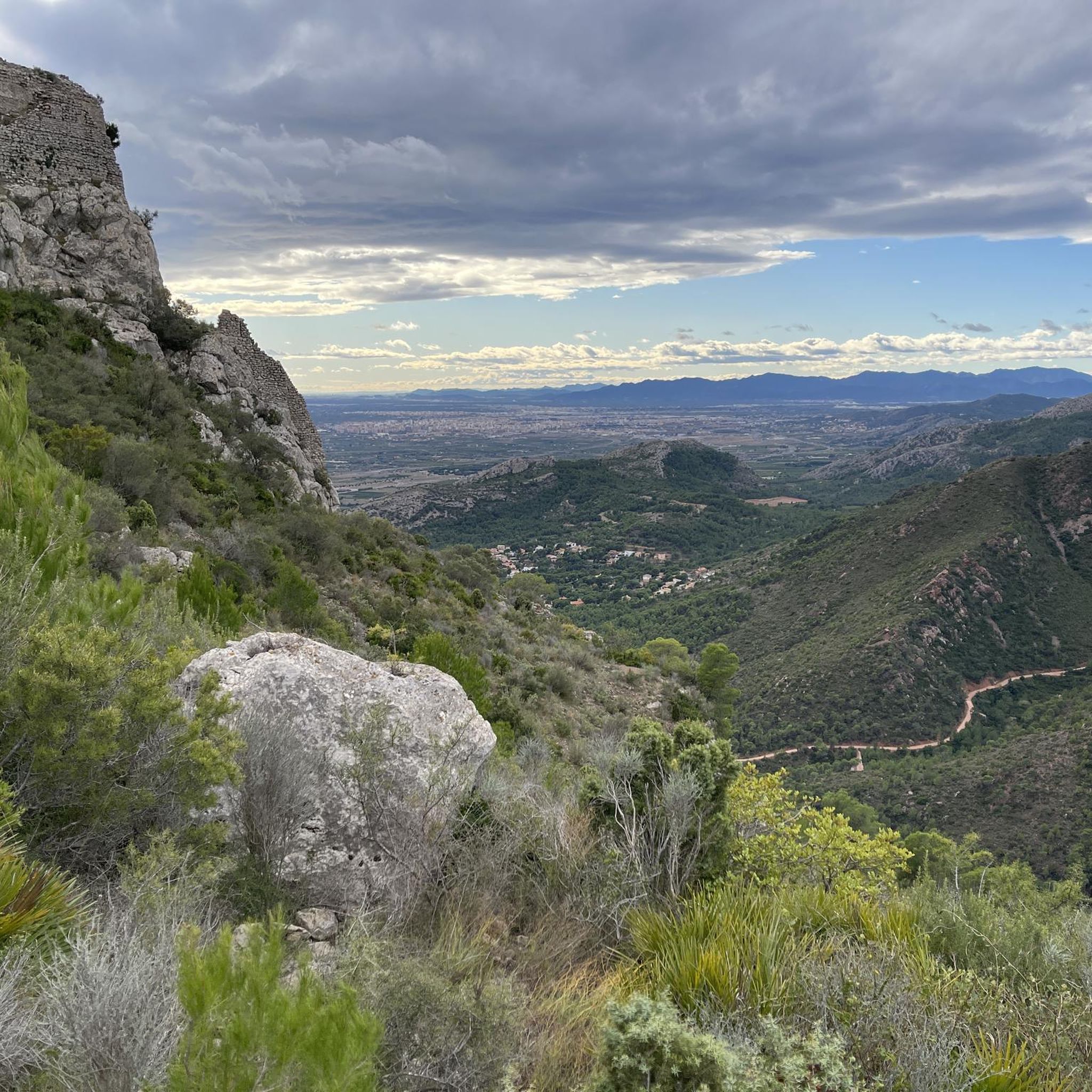
Best attractions and places to see in Desert De Les Palmes include a diverse range of natural features and historical landmarks. This mountainous region in Castellón, Spain, is characterized by its verdant landscape, ancient rock formations, and the presence of the European fan palm. The park offers numerous sites of cultural significance, including historic monasteries and castle ruins. It is a destination where natural beauty converges with a rich historical past.
Best attractions and places to see in Desert De Les Palmes
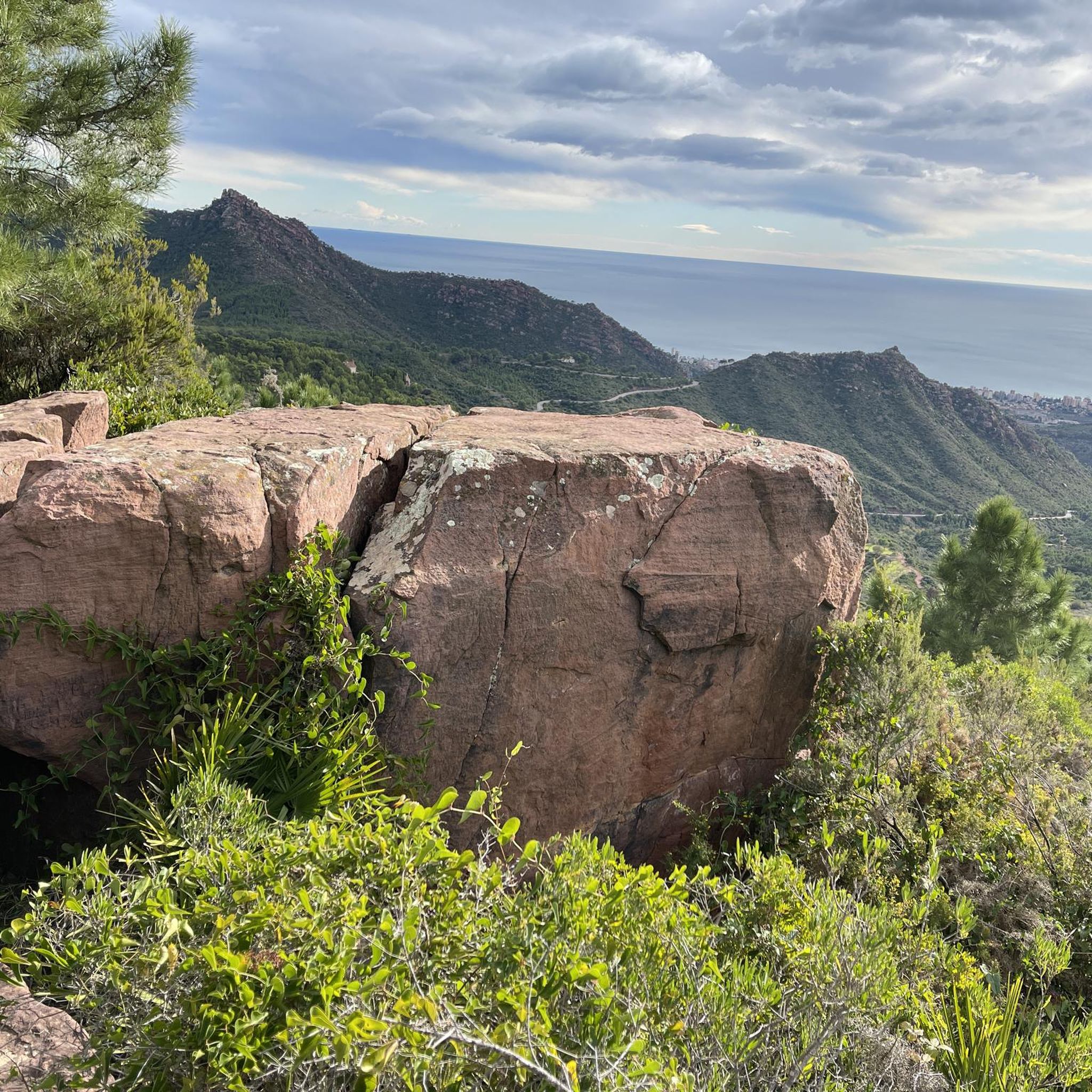
- The most popular attractions is Hermitage of Saint Michael on Pico Bartolo, a religious building located at 728 meters altitude. It offers spectacular views over the entire area of the Desert de les Palmes.
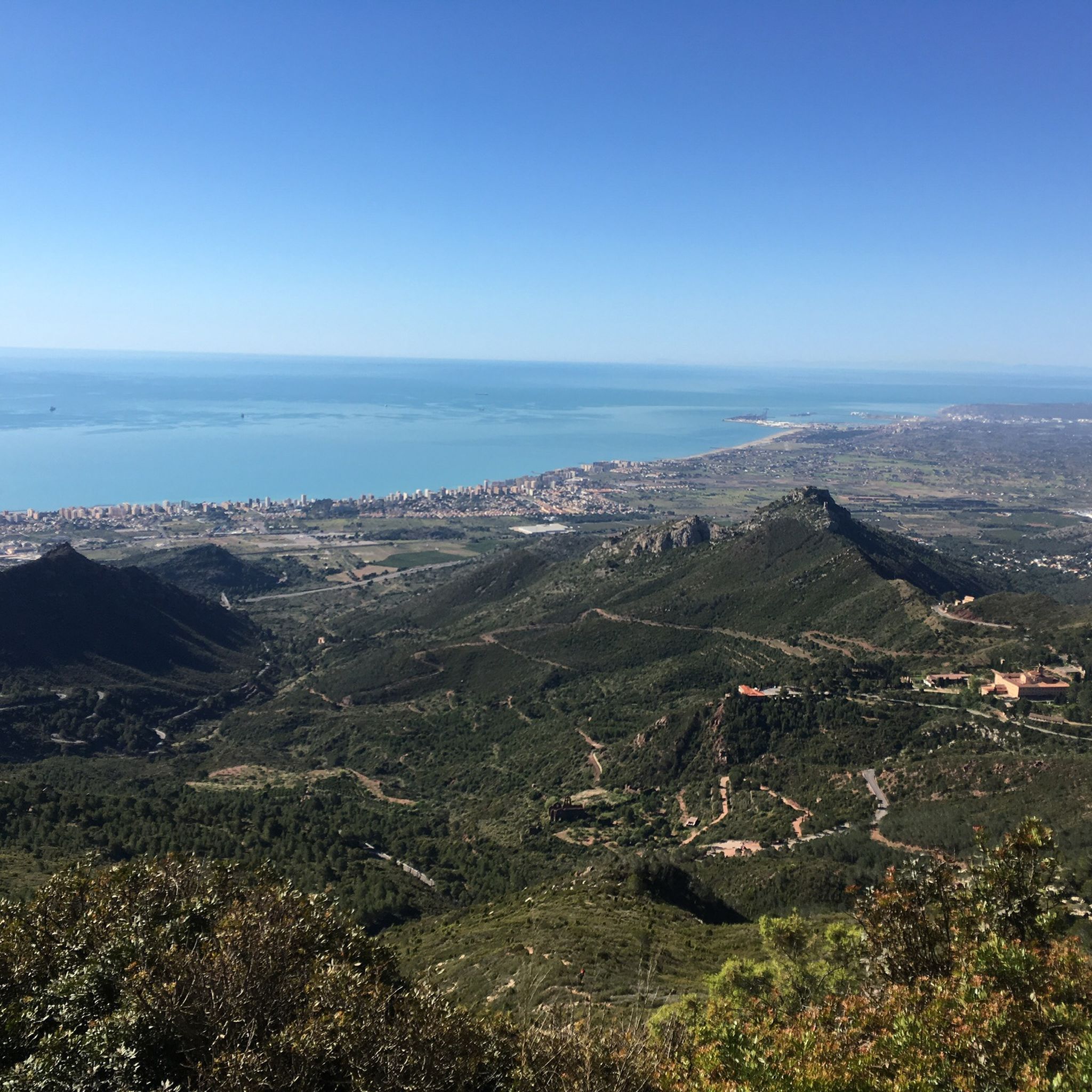
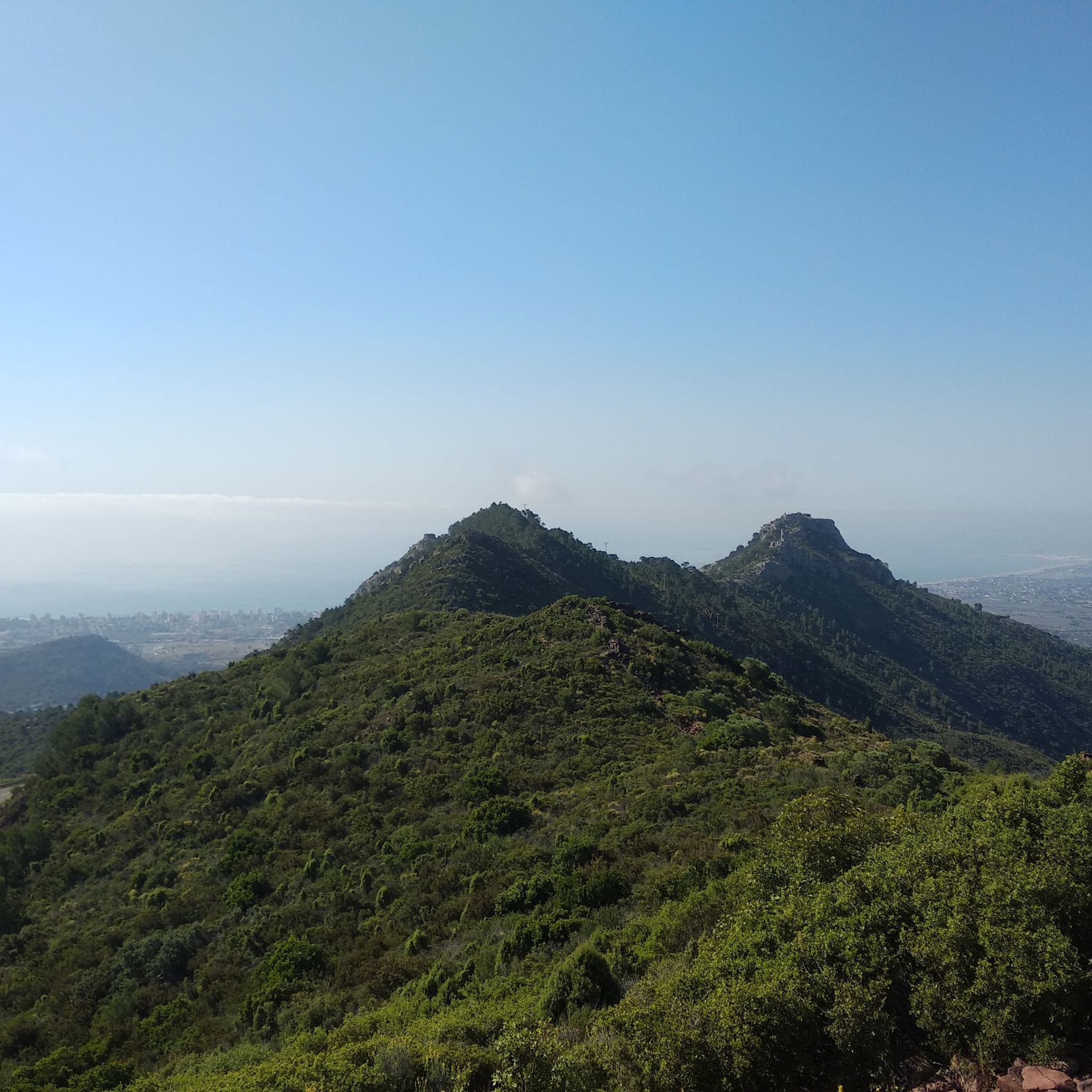
- Another must-see spot is Bartolo Summit, the highest point in the park at 729 meters. Visitors can expect panoramic views of the Mediterranean coastline, including Benicàssim and the Columbretes Islands.
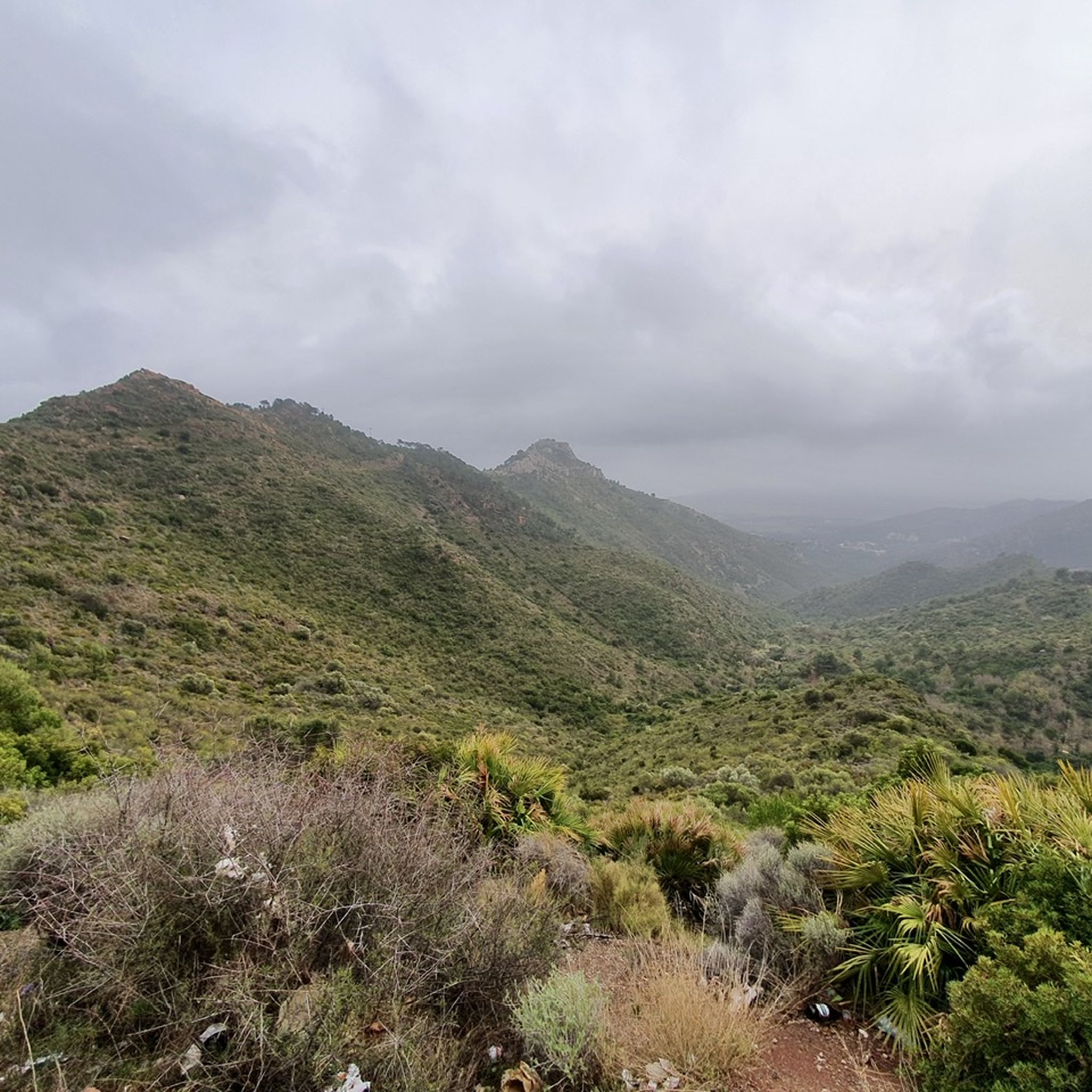
- Visitors also love Desert de les Palmes Pass, a mountain pass known for its challenging climb. It is recognized for its impressive views and is listed as a 3rd category port.
- Desert De Les Palmes is known for its historical sites, natural features, and viewpoints. The region offers a variety of attractions to explore, from ancient castle ruins to significant summits.
- The attractions in Desert De Les Palmes are appreciated by the komoot community, with 148 upvotes and 61 photos shared across its highlights.
Last updated: July 6, 2026
Hermitage of San Miguel on Pico Bartolo
Highlight • Religious Site
It can be accessed by a steep track, and from its location, one can enjoy one of the most spectacular panoramas.
It is a shame that next to the hermitage there is a veritable forest of radio antennas, which, together with the ancient and venerable temple, offer a surreal image.
Showing Translation
Tip by

Bartolo Summit
Highlight • Summit
Translated by Google •
Tip by

Sign up now to discover places like this
Get recommendations on the best single tracks, peaks, & plenty of other exciting outdoor places.
Sign up for free
Miravet Castle
Highlight • Castle
The castle ruin is of Muslim descent was conquered by the Cid in 1090 and later belonged to the dominions of Pedro I until 1103.
Translated by Google •
Tip by

Santa Àgueda Needles Pass
Highlight • Mountain Pass
Translated by Google •
Tip by
Desert de les Palmes Pass
Highlight • Mountain Pass
Translated by Google •
Tip by

Sign up for free to discover even more attractions in Desert De Les Palmes.
Sign up for free
Already have an account?
Start today with a free account
Your next adventure awaits.
Login or Signup

Tips from the Community


The current state of the hermitage and the geodetic point is one of palpable deterioration to the naked eye. What a shame! The views to the east are spectacular.
0
1


Old Hermitage interesting to see
1
1

Great view! Especially beautiful in late spring (May, for example), when everything is already blooming and all the plants are lush green.
0
1

Excellent and relaxing place... the bells help you rest well!!
0
0

Frequently Asked Questions
What historical sites can I explore in Desert de les Palmes?
The region is rich in history. You can visit the ruins of the Miravet Castle, a Moorish-era fortress conquered by El Cid in 1090. Other significant historical sites include the ruins of the Ancient Carmelite Monastery, dating back to the late 17th century, and the still-active New Carmelite Monastery from the 18th century. Montornés Castle, another Moorish ruin, also offers a journey through history.
Where can I find the best panoramic views in Desert de les Palmes?
For breathtaking panoramic views, ascend to Bartolo Summit, the highest point at 729 meters. From here, you can see the Mediterranean coastline, including Benicàssim and the Columbretes Islands on clear days. The Hermitage of Saint Michael on Pico Bartolo, located near the summit, also offers spectacular vistas. Additionally, the Desert de les Palmes Pass is known for its impressive views.
Are there opportunities for hiking in Desert de les Palmes?
Yes, Desert de les Palmes is a popular destination for hiking with numerous trails. You can find routes suitable for various levels, including moderate and difficult options. For detailed hiking routes and guides, you can explore options like the 'Natural Park of the Desert de les Palmes — Les Fonts del Desert' circular route or trails leading to Bartolo Cross. More information on hiking trails can be found on the Hiking in Desert De Les Palmes guide.
What natural features are prominent in the park?
The park is renowned for its diverse natural beauty. It features ancient rock formations over 200 million years old, displaying striking red, ochre, and violet hues. You'll also find the distinctive rocky crag of Agulles de Santa Águeda. The landscape is characterized by Mediterranean vegetation, including maritime pine, Aleppo pine, and the European fan palm, which gives the park its name.
Can I go cycling in Desert de les Palmes?
Absolutely. The region is well-suited for cycling, offering both road cycling and gravel biking opportunities. The Desert de les Palmes Pass is particularly recognized for its challenging climb and impressive views, popular among cyclists. You can find various routes, from moderate to difficult, including loops around Bartolo Summit and the Via Verde Oropesa Benicassim. For more cycling options, refer to the Gravel biking in Desert De Les Palmes and Road Cycling Routes in Desert De Les Palmes guides.
What kind of wildlife can I expect to see?
Desert de les Palmes is home to diverse fauna. You might encounter wild boar, fox, and genet. The park is also a significant spot for birdwatching, especially during post-nuptial migration, when over 20 different species of birds of prey can be observed.
Is there a visitor center for information about the park?
Yes, the Centro de Información “La Bartola” is located in Benicàssim. This visitor center provides valuable information about the park's wildlife, flora, fauna, and local human habitation. Staff can also assist with walking routes and recommended sights, helping you plan your visit effectively.
What is the significance of the Carmelite monasteries in the area?
The Carmelite order has a strong historical presence in the region. The Ancient Carmelite Monastery, though now in ruins, was built between 1697 and 1733 and offers a poetic glimpse into the past. The New Carmelite Monastery, dating from the 18th century, is still active and houses a unique collection of art, serving as a spirituality and prayer center with beautiful views.
Are there any unique geological formations to see?
Yes, the park is often described as an 'open-air classroom' due to its geological richness. It features ancient rock formations over 200 million years old, characterized by striking red, ochre, and violet hues from slate, red Triassic, and grey Jurassic and Cretaceous rocks. The Agulles de Santa Águeda is also a distinctive rocky crag within this dramatic landscape.
What is the best time of year to visit Desert de les Palmes?
While the guide doesn't specify a single 'best' time, the region's Mediterranean climate generally makes spring and autumn ideal for outdoor activities like hiking and cycling, offering pleasant temperatures. Summer can be warm, but the higher elevations provide cooler air and stunning views. Winter offers a different, quieter experience for hiking.
What are the <a href="https://www.komoot.com/highlight/674680" target="_blank" rel="noopener">Santa Àgueda Needles Pass</a>?
The Santa Àgueda Needles Pass is an emblematic and unique place in Benicàssim, known for its distinctive rocky crag and dramatic landscapes. Reaching the top of the pass offers spectacular views of the Castellón coast. It's a popular spot for those seeking trails with amazing vistas, though some routes can have technical difficulty.
Most popular routes in Desert De Les Palmes
Most popular attractions in Desert De Les Palmes

Get inspired with the komoot mobile app


Explore more
Still not found the Highlight you’re looking for? See guides of the top attractions in other regions:
