The best road cycling routes in Sierra Subbetica
4.3
(15)
4,927
riders
247
rides
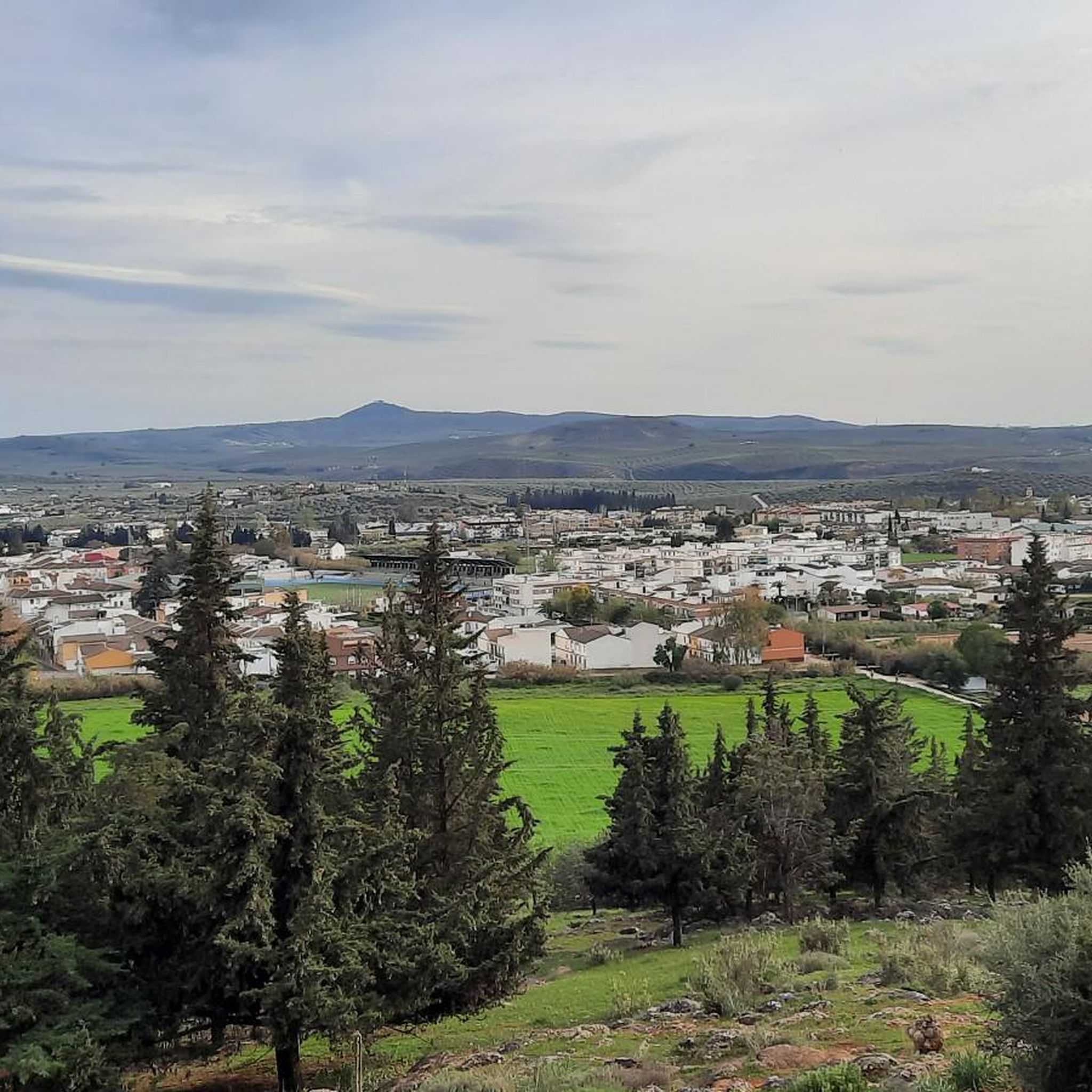
Road cycling in Sierra Subbetica features a dramatic limestone karst landscape with rugged terrain and rolling hills. The region is characterized by extensive olive groves, Mediterranean vegetation, and picturesque river valleys. It offers a diverse range of routes, from gentle ascents through agricultural lands to challenging climbs in mountainous areas. This area provides well-maintained roads with varied elevation profiles for road cyclists.
Best road cycling routes in Sierra Subbetica
- The most popular road cycling route is Zuheros – Cabra loop…
Last updated: May 15, 2026
81
riders
50.9km
02:45
540m
540m
Moderate road ride. Good fitness required. Some segments of this route may be unpaved and difficult to ride.
24
riders
60.1km
03:07
1,000m
1,000m
Hard road ride. Very good fitness required. Some segments of this route may be unpaved and difficult to ride.

Sign up for free
29
riders
53.5km
02:42
850m
850m
Moderate road ride. Good fitness required. Some segments of this route may be unpaved and difficult to ride.
16
riders
43.0km
02:14
760m
760m
Moderate road ride. Good fitness required. Mostly well-paved surfaces and easy to ride.
17
riders
62.5km
02:54
610m
610m
Moderate road ride. Good fitness required. Some segments of this route may be unpaved and difficult to ride.
Get access to more routes and recommendations from other explorers.
Sign up for free
Already have an account?
Our route recommendations are based on thousands of hikes, rides, and runs completed by other people on komoot.
Start today with a free account
Your next adventure awaits.
Login or Signup

Other adventures in Sierra Subbetica

Tips from the Community

An easy tour through the olive groves. We headed north, a total of 40 km round trip. We were traveling in a motorhome and parked at a motorhome parking lot in Cabra.
1
0

Aguilar de la Frontera [2] is a Spanish municipality in the southwest of the province of Córdoba, in the autonomous community of Andalusia. The municipality is located in the region of Campiña Sur Cordobesa [3] and is the seat of the judicial district of the same name. [4] It lies at an altitude of 280 m above sea level [5] and about 47 km from the provincial capital, Córdoba. [6] In 2017, it had 13,476 inhabitants and a population density of 82.01 inhabitants/km². [7]
0
0

Very beautifully designed train station
1
0

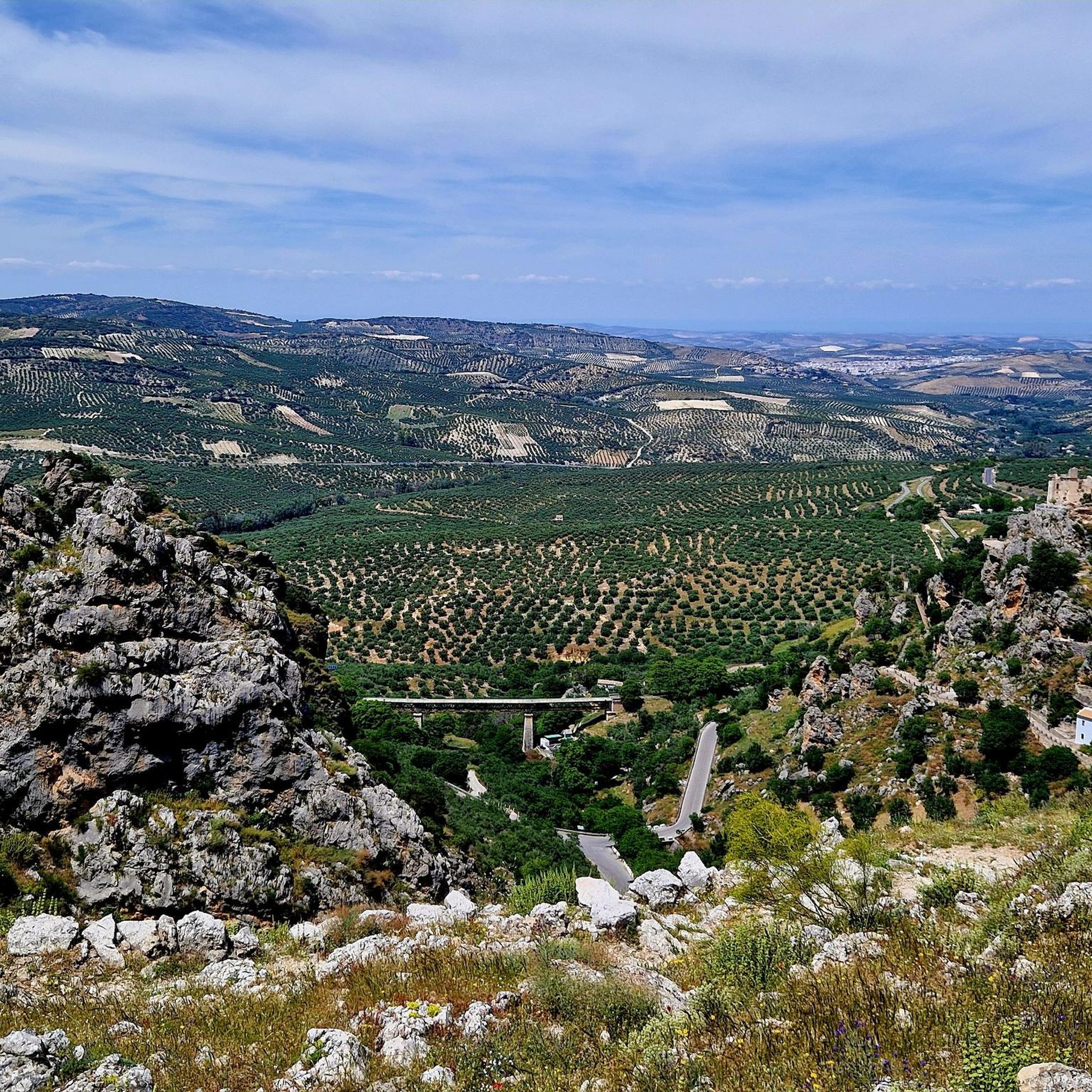
The Zuheros Viaduct crosses the embedded bed of the Bailón River. It has a length of 104 meters resolved into two lateral sections of 31.5 meters and a central section of 41.0 meters. Its structure is metallic and is very similar to that of the Guadajoz River Viaduct. It seems that both projects were drawn up by the same engineers, Alessandri and Delaperrière.
9
0

Quiet road with great views throughout, road surface in mostly good condition. Highly recommended!
0
0

The Fuente del Río in Cabra, is a picturesque natural park considered the origin of the Río Cabra. The park combines the natural beauty of a karst spring with landscaped gardens and a diverse tree landscape. It was declared a “Sitio de Interés Natural” in 1929 and today offers recreational areas and picnic areas for visitors. The spring rises at the foot of the Sierra de Cabra, an area with high rainfall and calcareous rock that leads to the formation of such karst springs. The water flows through a series of waterfalls and artificial springs and supplies the entire municipality. The Fuente del Río is part of the “Ruta del Agua” in the Subbética Cordobesa and offers a harmonious interplay of nature and human design. The park is a popular place for locals and visitors who want to enjoy the tranquility and beauty of this unique place. A visit to the Fuente del Río offers the opportunity to experience the natural beauty of the region and explore the origins of the Río Cabra.
3
0
Today, the restaurant "El Tren" is located in the former Cabra train station. There is a hostel attached, offering shared rooms with bunk beds at reasonable prices. Cabra train station was inaugurated in 1893 as part of the narrow-gauge railway line that connected Puente Genil with Linares. Even then, the station was an important meeting point for the community. Over time, the introduction of new means of transport and the modernization of the railway infrastructure led to the closure of the line in 1965. The station building remains a symbol of Cabra's history to this day.
5
0
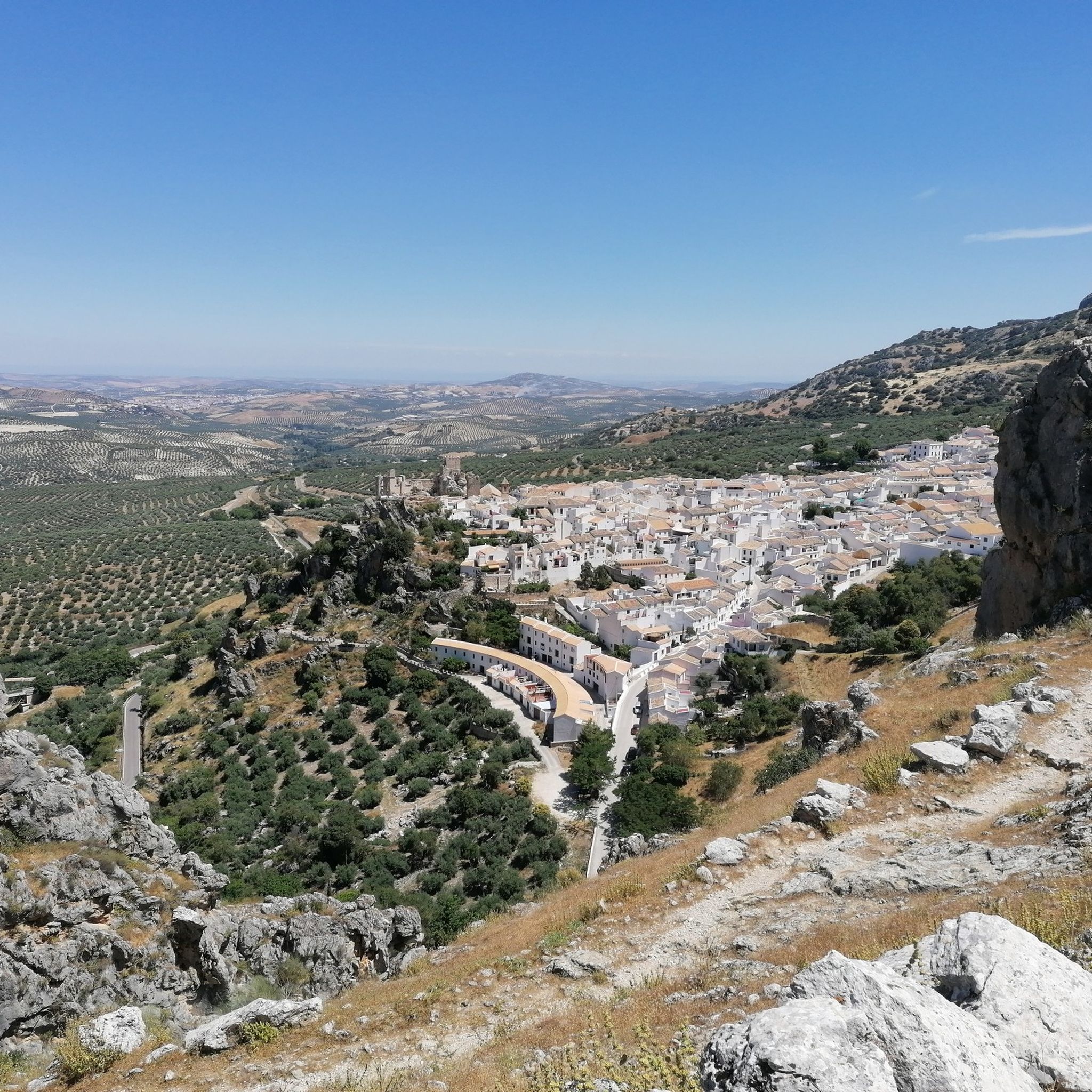
El Castillo de Zuheros is a historic fortress in the small municipality of Zuheros. The castle sits spectacularly on a rock and has become a landmark in the region. The castle's origins date back to the Moors in the 9th century. It was strategically built on a limestone cliff to control and defend the region. Its location made it almost impregnable. The viaduct is a historic remnant of the old railway line and offers an elevated platform with unobstructed views of the surrounding landscapes. The section near Zuheros is particularly spectacular as the viaduct crosses a gorge through which the Bailón River flows. From here, Zuheros Castle rises majestically above the village, embedded in a rock. The castle seems to be one with the landscape as it is integrated directly into the limestone. The view of Zuheros Castle from the viaduct is a perfect example of the unique combination of nature and history that characterizes the Córdoba region. It is a moment that makes every bike ride along the Vía Verde unforgettable.
9
0
Frequently Asked Questions
How many road cycling routes are available in Sierra Subbetica?
Sierra Subbetica offers a wide array of road cycling routes, with over 260 options available. These routes cater to various skill levels, from moderate to difficult, allowing cyclists to explore the region's diverse terrain.
What kind of terrain can I expect when road cycling in Sierra Subbetica?
The region is characterized by a dramatic limestone karst landscape, featuring rugged terrain, rolling hills, and picturesque river valleys. You'll encounter extensive olive groves and Mediterranean vegetation, with routes offering varied elevation profiles, from gentle ascents through agricultural lands to challenging climbs in mountainous areas.
Are there any easy or beginner-friendly road cycling routes in Sierra Subbetica?
While many routes offer moderate to difficult challenges, there are a few options suitable for beginners. For instance, the Venta Los Pelaos loop from Venta Los Pelaos 1913 is a moderate route that provides a good introduction to the area's cycling. The region's greenways, like the Vía Verde del Aceite, also offer flatter, more accessible sections.
What are some challenging road cycling routes for experienced cyclists?
Experienced cyclists looking for a challenge will find many difficult routes. The Roman Villa of Almedinilla – Adarve Viewpoint loop from Carcabuey is a difficult 36.8-mile path featuring significant climbs and panoramic views. Many routes in the region include ascents with double-digit gradients, comparable to iconic European climbs.
What natural features or landmarks can I see along the road cycling routes?
Sierra Subbetica is rich in natural beauty and historical sites. You can explore fascinating geological formations like the Limestone formations and caves in the Bailón Canyon, or visit the impressive Bat Cave in Zuheros. The region also boasts peaks like La Tiñosa and El Picacho, offering breathtaking panoramic views, and charming white villages such as Zuheros and Cabra.
Are there any circular road cycling routes in the area?
Yes, many of the road cycling routes in Sierra Subbetica are designed as loops, allowing you to start and finish in the same location. A popular example is the Zuheros – Cabra loop from Cabra, which winds through olive groves and past charming white villages.
What is the best time of year to go road cycling in Sierra Subbetica?
The best time to visit Sierra Subbetica for road cycling is typically during the spring (March to May) and autumn (September to November). During these seasons, the weather is milder and more pleasant for cycling, avoiding the intense heat of summer and the cooler, potentially wetter conditions of winter. The landscapes are also particularly vibrant in spring.
What do other road cyclists enjoy most about cycling in Sierra Subbetica?
The komoot community highly rates road cycling in Sierra Subbetica, with an average score of 4.25 stars from over 10 reviews. Cyclists often praise the quiet, well-maintained roads, the spectacular mountain scenery, and the unique geological formations. The challenging climbs and the opportunity to pass through charming white villages are also frequently highlighted.
Are there any facilities or amenities for cyclists along the routes?
Many of the charming white villages throughout Sierra Subbetica, such as Zuheros, Cabra, and Priego de Córdoba, offer opportunities for tapas and coffee breaks. Cyclist-friendly accommodations are also available in the region, often providing secure bike storage and rentals. The repurposed train stations along the Vía Verde del Aceite now serve as bars, restaurants, and hotels.
Can I access road cycling routes using public transport?
While specific public transport connections directly to trailheads might be limited in some mountainous areas, several white villages in the region are accessible by bus. For example, the Doña Mencía Station, located on the Vía Verde del Aceite, is a notable point of interest that can be reached, offering access to cycling paths.
Are there any long-distance road cycling options in Sierra Subbetica?
For those seeking longer distances, the Vía Verde del Aceite is a renowned greenway spanning 128 km across Córdoba and Jaén provinces. While primarily a greenway, it connects to various roads and offers extensive cycling opportunities through olive-covered countryside, featuring viaducts and scenic views.
Most popular routes in Sierra Subbetica
Most popular attractions in Sierra Subbetica

Get inspired with the komoot mobile app


Explore more
Browse the best Road cycling routes in other regions.
