The best running trails in Sierra Subbetica
4.5
(6)
747
runners
17
runs
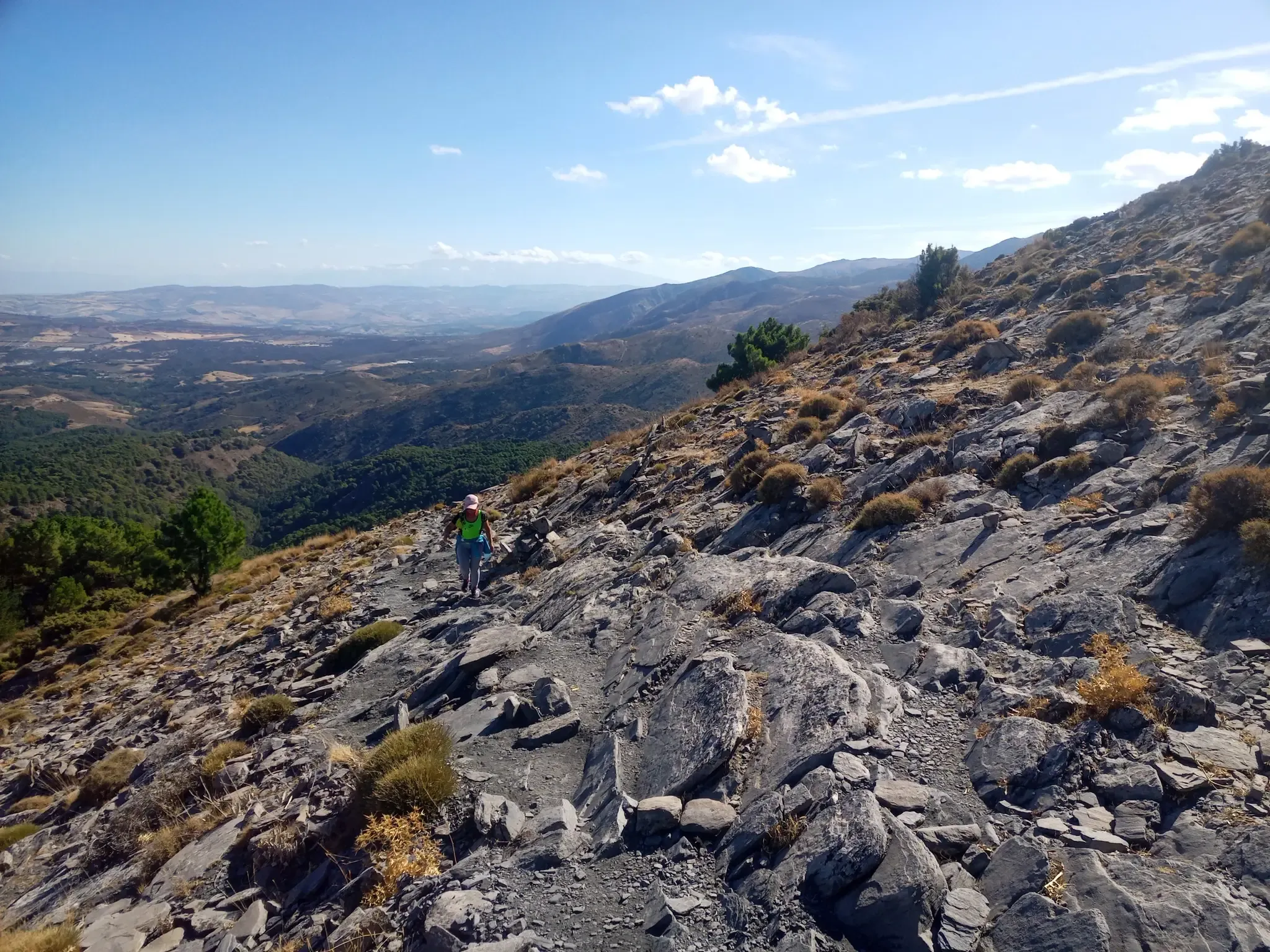
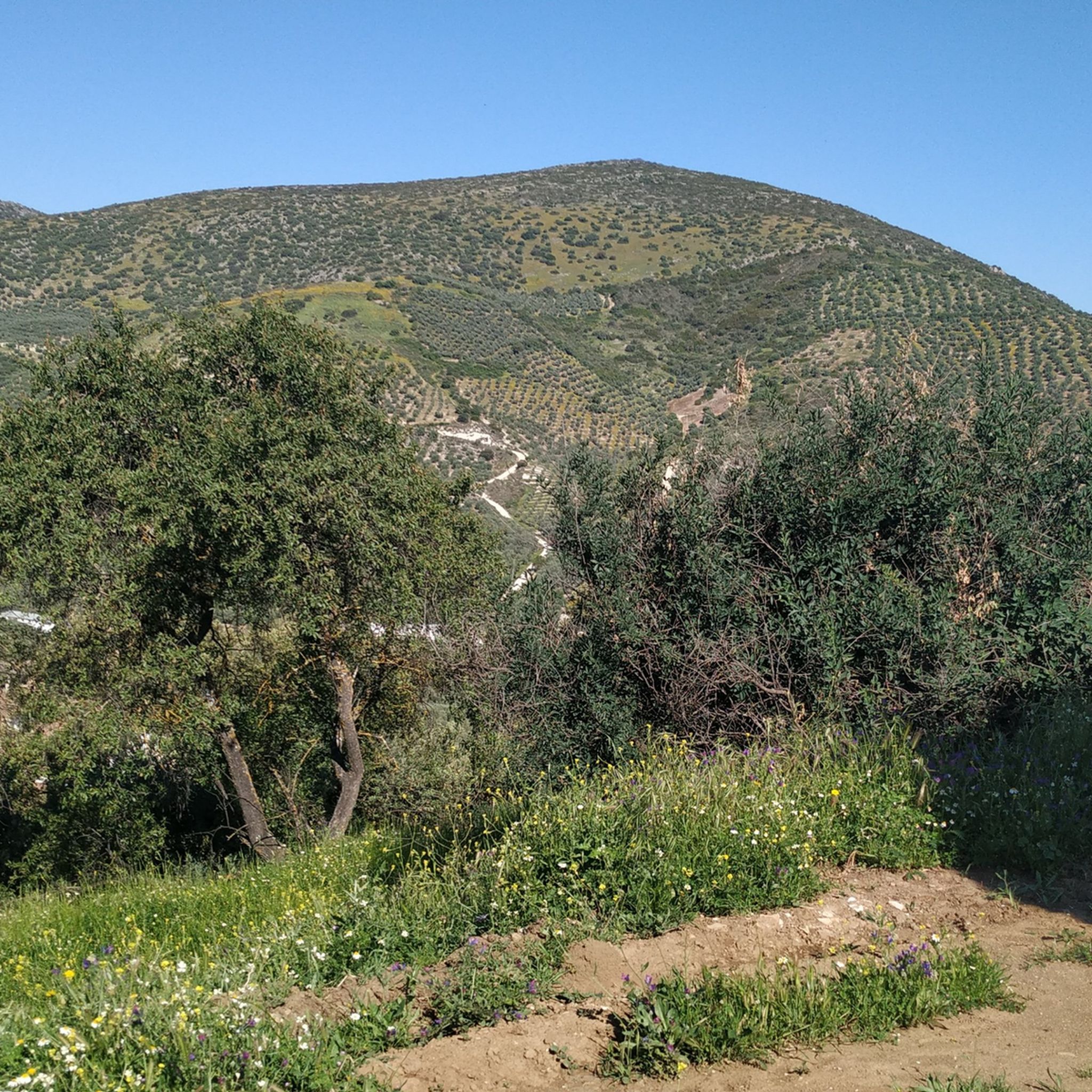
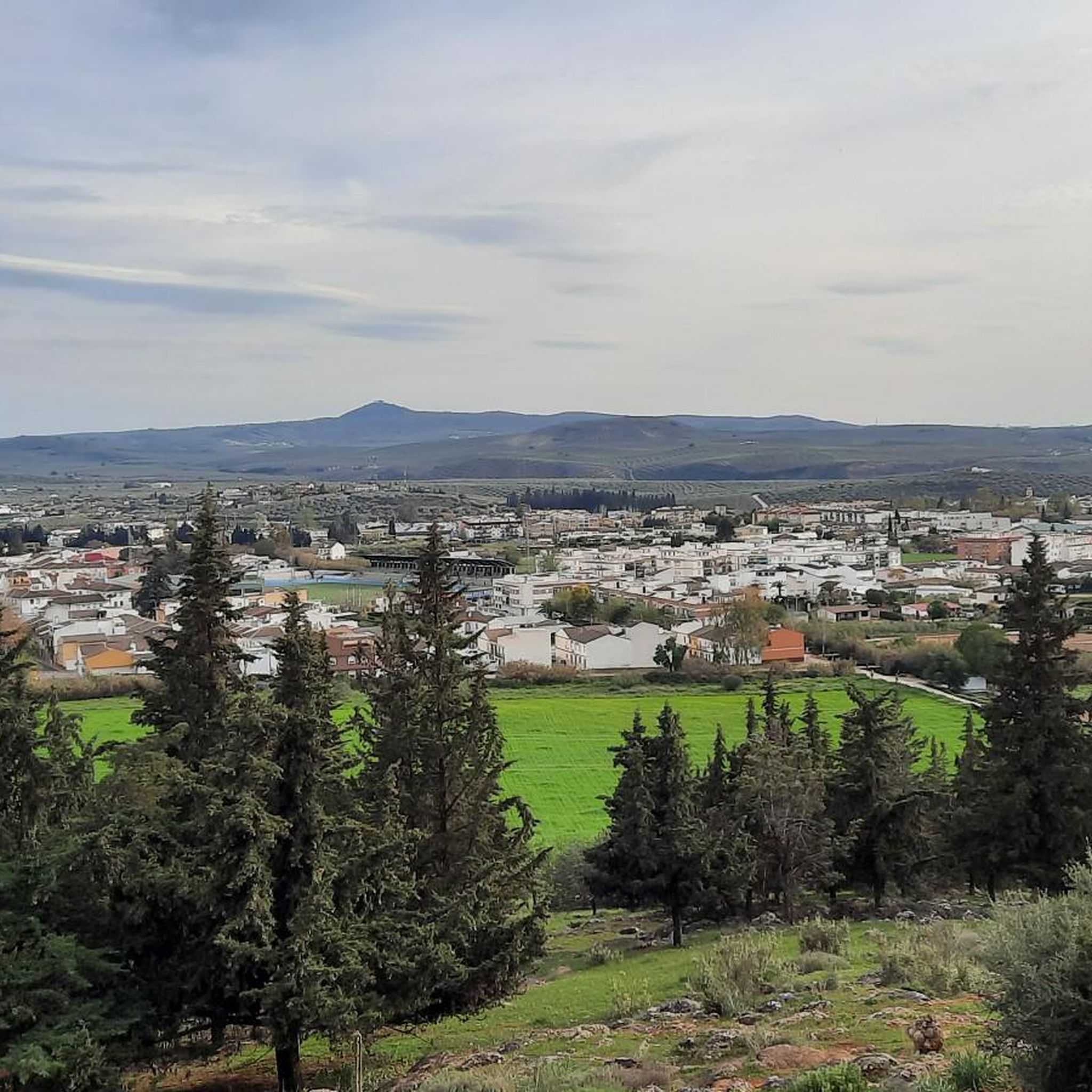
Jogging routes in Sierra Subbetica traverse a distinctive karst landscape within a UNESCO Global Geopark in Andalusia, Spain. The region features dramatic limestone formations, sharp slopes, and hills, alongside expansive flat-bottomed valleys known as *poljes*. Runners can explore varied terrain including river gorges, olive groves, and Mediterranean vegetation, offering diverse options from challenging ascents to more moderate paths.
Best jogging routes in Sierra Subbetica
- The most popular jogging route is Chorreras de la Fuenseca y Poljé de la Nava de Cabra — circular por el Parque Natural Sierra Subbéticas, an 8.2 miles (13.2 km) trail that takes 1 hour 33 minutes to complete, offering views of the expansive Poljé de la Nava de Cabra.
- Another top favourite among local runners is Bat Cave and Bailon River Canyon - circular from Zuheros, a difficult 8.2 miles (13.2 km) path. This route explores the dramatic Bailon River Canyon and the surrounding karst landscape.
- Local runners also love the Roman Quarry – Camino de Góngora loop from Venta Los Pelaos 1913, an 11.2 miles (18.0 km) trail leading through historical sites and natural features, often completed in about 2 hours 27 minutes.
- Jogging in Sierra Subbetica is defined by karst landscapes, rolling hills, olive groves, and river gorges. The network offers options for various ability levels, from gentle greenways to more challenging mountain trails.
- The routes in Sierra Subbetica are highly rated by the komoot community with an average score of 4.5 stars from more than 5 reviews. More than 700 runners have used komoot to explore Sierra Subbetica's varied terrain.
Last updated: May 12, 2026
5.0
(1)
9
runners
Moderate run. Good fitness required. Mostly paved surfaces. Suitable for all skill levels.
13.2km
01:53
620m
620m
Hard run. Very good fitness required. Mostly accessible paths. Some sure footedness required.

Sign up for free
14
runners
18.0km
02:28
700m
700m
Hard run. Very good fitness required. Mostly paved surfaces. Suitable for all skill levels.
12
runners
Moderate run. Good fitness required. Mostly paved surfaces. Suitable for all skill levels.
5
runners
Moderate run. Good fitness required. Mostly paved surfaces. Suitable for all skill levels.
Get access to more routes and recommendations from other explorers.
Sign up for free
Already have an account?
Our route recommendations are based on thousands of hikes, rides, and runs completed by other people on komoot.
Start today with a free account
Your next adventure awaits.
Login or Signup

Other adventures in Sierra Subbetica

Tips from the Community


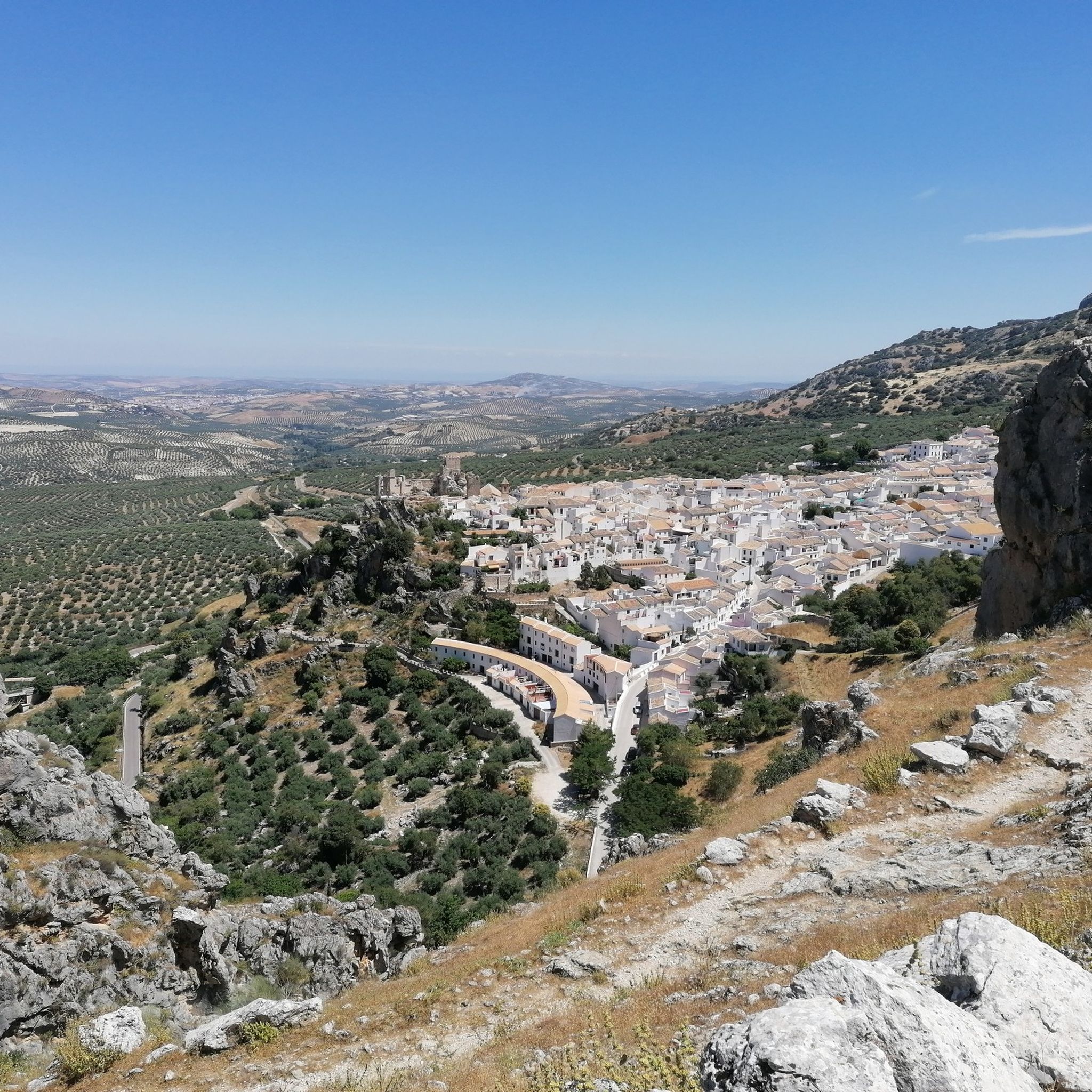
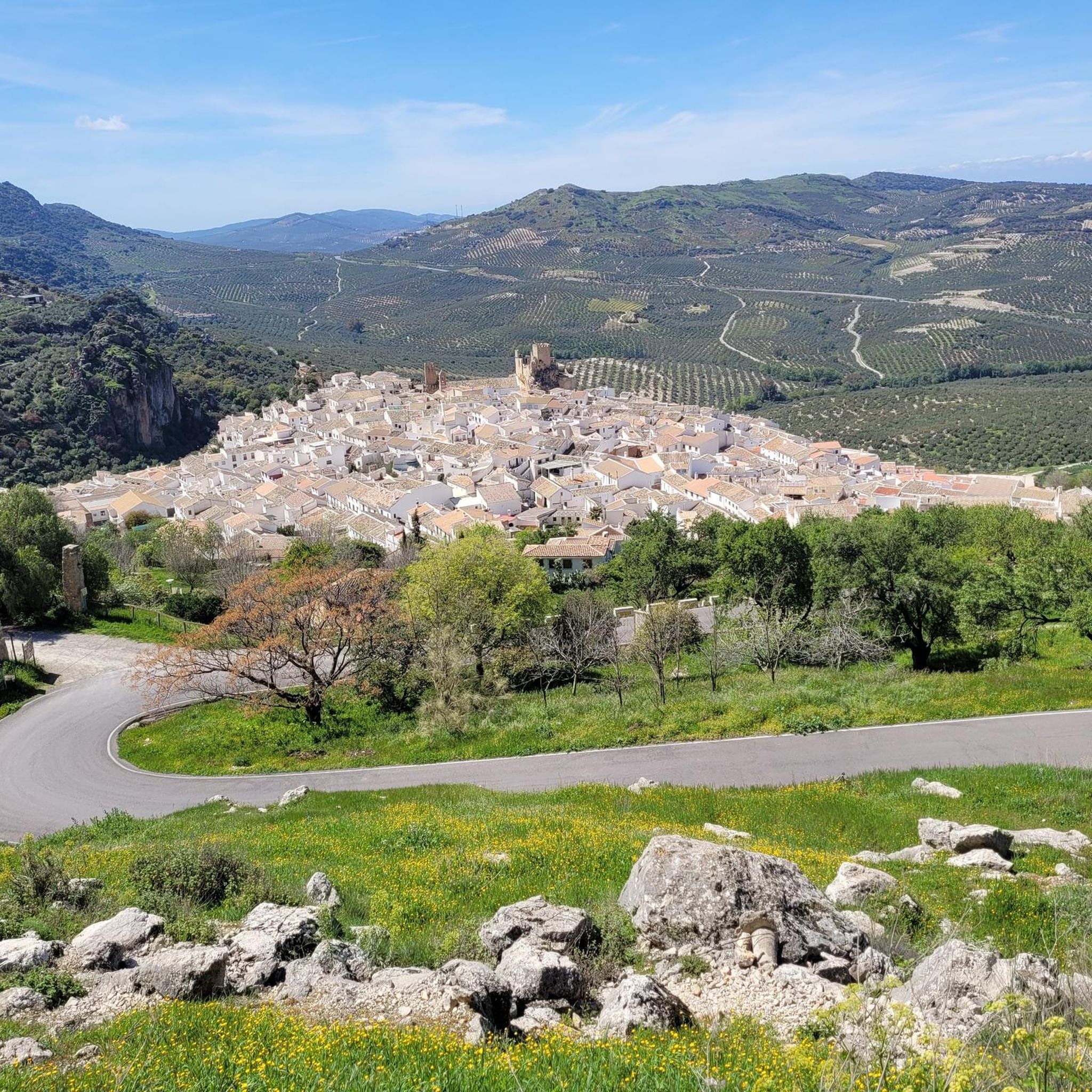
El Castillo de Zuheros is a historic fortress in the small municipality of Zuheros. The castle sits spectacularly on a rock and has become a landmark of the region. The castle's origins date back to the Moors in the 9th century. It was strategically built on a limestone cliff to control and defend the region. Its location made it almost impregnable.
0
0
El Castillo de Zuheros stands spectacularly on a rock and offers impressive views of the Sierra Subbética. The castle is a major landmark in the region. The castle's origins date back to the Moors in the 9th century. It was strategically built on a limestone cliff to control and defend the region. Its location made it almost impregnable. It was part of a network of castles designed to secure Moorish influence in Andalusia. In 1240, Zuheros was conquered by the troops of Ferdinand III of Castile. The castle passed into Christian ownership and was integrated into the kingdom's defensive structure. With the end of its military importance in the region, after the conquest of Granada in 1492, the castle began to decline in importance. Parts of the complex were destroyed by earthquakes and neglect over the centuries. In 1964, the towers were reconstructed as they can be seen in their current form. The ruins of the castle are now one of the main attractions of Zuheros and can be visited.
9
0

The remains date from two different periods. The massive, crenellated square tower is of Moorish origin, while the remains of the Renaissance palace date from the 16th century. At the same time, the Plaza de la Paz offers a natural viewpoint (622m), with shooting views** over the hills with their carpet of olive groves and Baena in the background.
11
0

Beautiful climb to the top of the hermitage of the Virgen de la Sierra. From this religious environment we can observe the entire immensity of the Subbética, it is worth the climb to enjoy the exceptional views
1
0

Construction located in the highest rocky part of the town whose purpose was to protect against any external invasion, whose views are worth enjoying.
10
0

At the top of the Sierra de Cabra we find the Ermita de Nuestra Señora de la Sierra with impressive views of the entire Sierra Subbéticas y de Cabra Natural Park. With a demanding path but worth saving those meters to get to the top!
0
0

It is a prehistoric cave, the largest in the province of Córdoba, declared a Natural Monument in 2001. Its name comes from the bats, of different species, that inhabit this cave. In his tourist visit, a descent of up to 65 m deep is made.
3
0
Frequently Asked Questions
What kind of terrain can I expect on running routes in Sierra Subbetica?
The running routes in Sierra Subbetica traverse a distinctive karst landscape, part of a UNESCO Global Geopark. You'll encounter varied terrain including dramatic limestone formations, sharp slopes, and hills, alongside expansive flat-bottomed valleys known as poljes. Routes can range from challenging ascents with significant elevation gain to more moderate paths through river gorges, olive groves, and Mediterranean vegetation.
Are there any easy or beginner-friendly running routes in the region?
While many routes offer varied terrain, the Chorreras de la Fuenseca y Poljé de la Nava de Cabra — circular por el Parque Natural Sierra Subbéticas route is considered moderate with a relatively gentle elevation gain, making it suitable for those looking for a less strenuous run. The Vía Verde de la Subbética, a disused railway line, also offers accessible, mostly paved surfaces and gentle gradients, ideal for all skill levels, though specific komoot routes on it are not listed here.
What are some challenging running routes for experienced runners in Sierra Subbetica?
For experienced runners seeking a challenge, the Bat Cave and Bailon River Canyon - circular from Zuheros route is a difficult 8.2-mile (13.2 km) path exploring dramatic canyons and karst landscapes. Another challenging option is the Roman Quarry – Camino de Góngora loop from Venta Los Pelaos 1913, an 11.2-mile (18.0 km) trail with significant elevation changes.
Are there any natural attractions or landmarks to see while running in Sierra Subbetica?
Absolutely! Many routes offer stunning natural features. You can explore the dramatic Limestone formations and caves in the Bailón Canyon, or witness the expansive Poljé of the Nava de Cabra. The Bat Cave is also a notable highlight in the area, often accessible via nearby trails.
Can I find running routes that feature waterfalls?
Yes, Sierra Subbetica offers routes where you can encounter beautiful waterfalls. The Chorreras de la Fuenseca y Poljé de la Nava de Cabra route, for instance, passes by the Chorreras de la Fuenseca, a lovely waterfall. Another highlight is the Las Chorreras Waterfall.
Are there any running routes with panoramic viewpoints in Sierra Subbetica?
The varied topography of Sierra Subbetica, with its sharp slopes and peaks, provides numerous opportunities for panoramic views. While specific routes aren't listed for viewpoints, peaks like El Picacho (known as the 'Balcón de Andalucía') and La Tiñosa offer spectacular vistas that can be incorporated into more challenging runs or accessed via nearby trails.
Are there family-friendly running routes in Sierra Subbetica?
For families, routes with gentler gradients and well-maintained surfaces are ideal. The Vía Verde de la Subbética, a converted railway line, is particularly suitable due to its accessible, mostly paved paths and gentle slopes. While specific family-friendly komoot routes are not detailed here, look for routes marked as 'moderate' with lower elevation gains, such as Poljé of the Nava de Cabra – Las Chorreras Signpost loop from Aparcamiento Las Navas.
Are dogs allowed on the running trails in Sierra Subbetica?
As Sierra Subbetica is a Natural Park and UNESCO Global Geopark, it's generally advisable to keep dogs on a leash to protect wildlife and ensure the safety of other visitors. Always check local regulations or signage at trailheads, as rules can vary for specific areas within the park.
Are there circular running routes available in Sierra Subbetica?
Yes, many of the running routes in Sierra Subbetica are circular, offering a convenient way to start and end your run at the same point. Examples include the popular Chorreras de la Fuenseca y Poljé de la Nava de Cabra — circular, the challenging Bat Cave and Bailon River Canyon - circular from Zuheros, and the Navazuelo – Las Chorreras Signpost loop from Ermita Nuestra Señora de la Sierra.
What is the best time of year for jogging in Sierra Subbetica?
The spring and autumn months are generally considered the best time for jogging in Sierra Subbetica. In spring, the park bursts with wildflowers and orchids, offering a beautiful backdrop, while autumn provides cooler temperatures and pleasant scenery. Summers can be very hot, making early mornings or late evenings preferable if running during this season.
What should I consider if running during summer in Sierra Subbetica?
If you plan to run during the summer in Sierra Subbetica, be prepared for high temperatures. It's crucial to start your runs early in the morning or late in the evening to avoid the midday heat. Carry plenty of water, wear light and breathable clothing, and use sun protection. Some routes may offer more shade, but many are exposed to the sun.
How long are the typical running routes in Sierra Subbetica?
The running routes in Sierra Subbetica vary in length to suit different preferences. You can find routes ranging from around 6 miles (10 km) to over 11 miles (18 km). For example, the Poljé of the Nava de Cabra – Las Chorreras Signpost loop is about 6.3 miles (10.1 km), while the Roman Quarry – Camino de Góngora loop extends to 11.2 miles (18.0 km).
What do other runners enjoy most about the trails in Sierra Subbetica?
The running trails in Sierra Subbetica are highly rated by the komoot community, with an average score of 4.5 stars. Runners frequently praise the region's stunning karst landscapes, the variety of terrain from challenging mountain paths to gentle greenways, and the opportunity to explore unique natural features like the Poljé de la Nava de Cabra and the Bailon River Canyon.
Most popular routes in Sierra Subbetica
Most popular attractions in Sierra Subbetica

Get inspired with the komoot mobile app


Explore more
Browse the best Running Trails & Routes in other regions.
