The best road cycling routes in Alto Guadalquivir
5.0
(9)
1,158
riders
20
rides
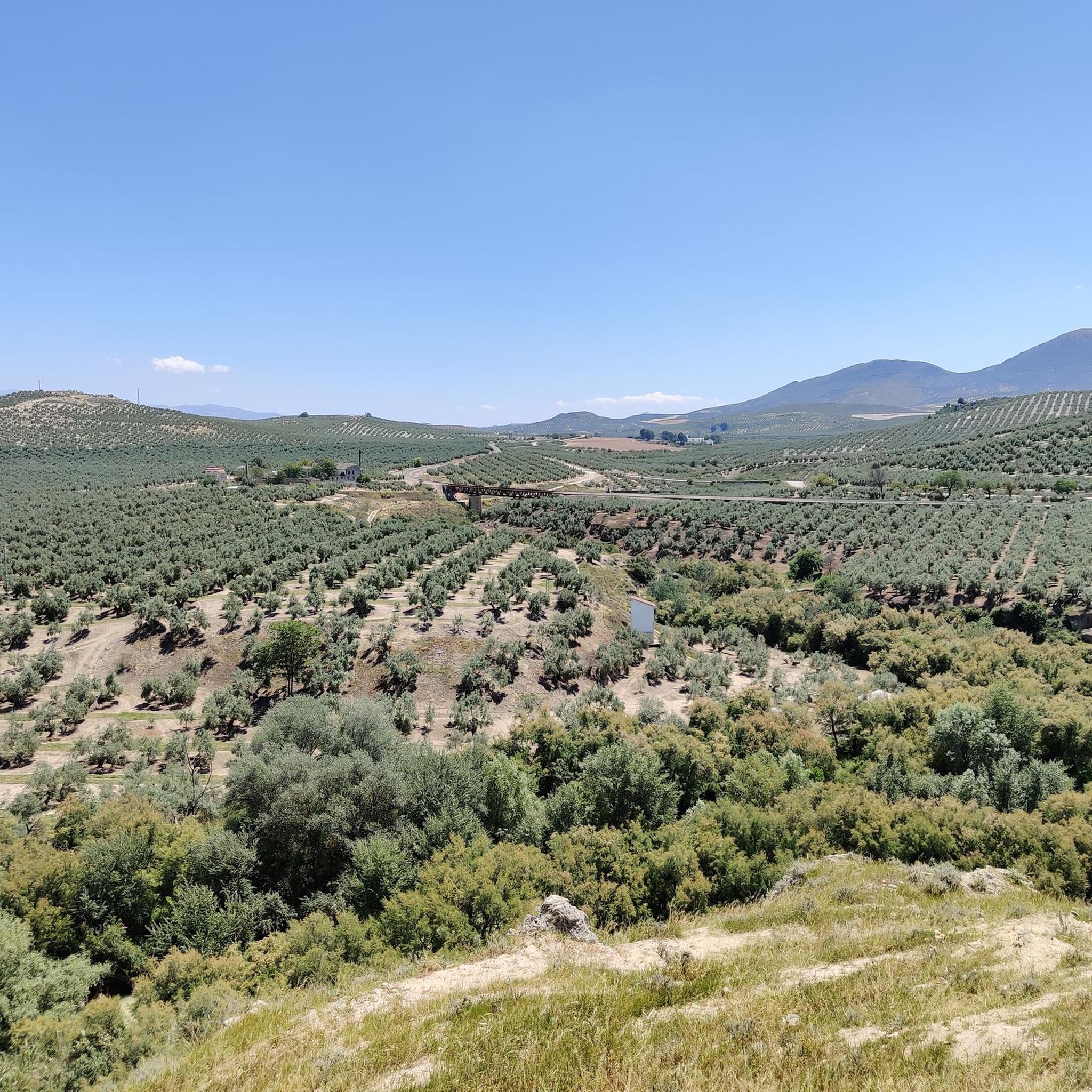
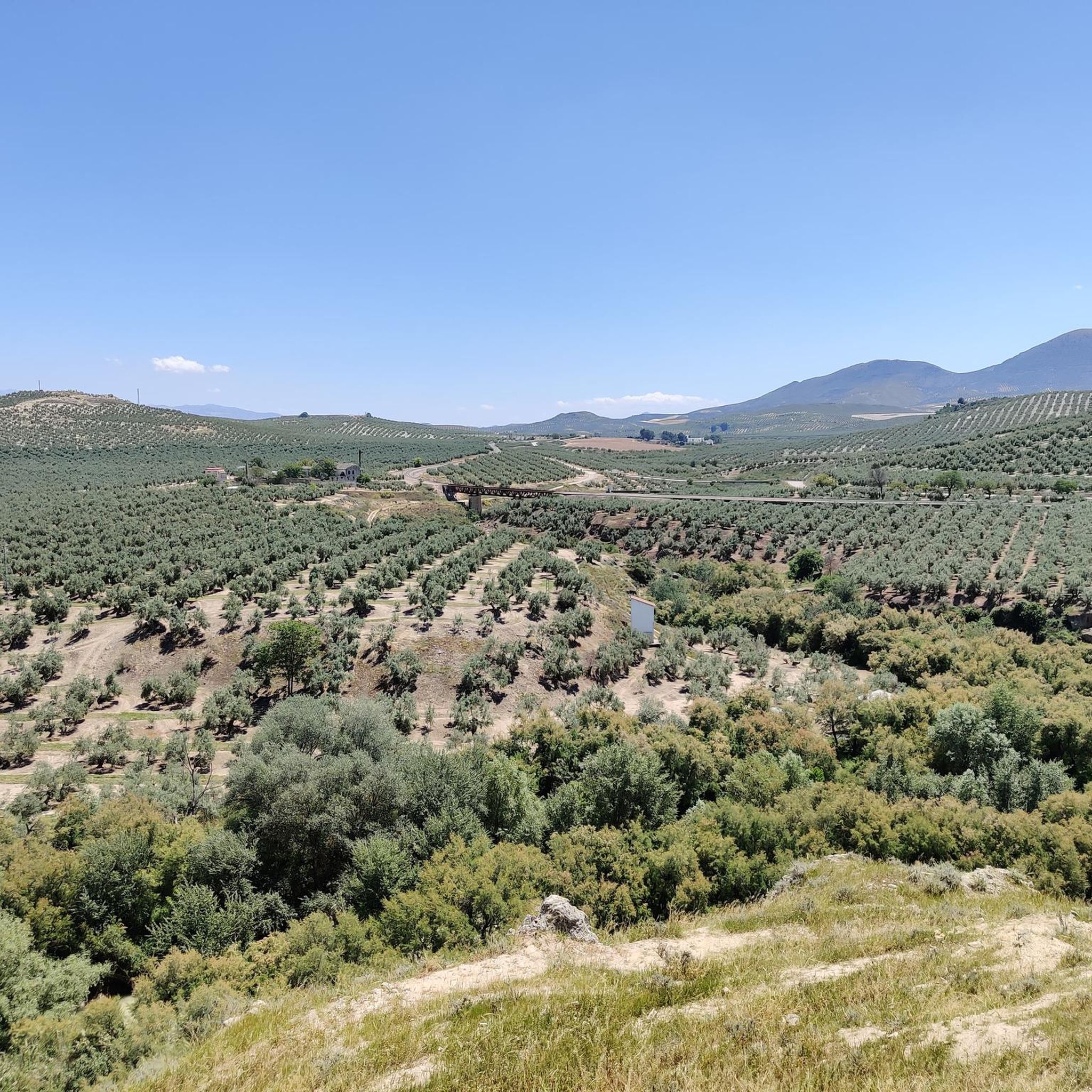
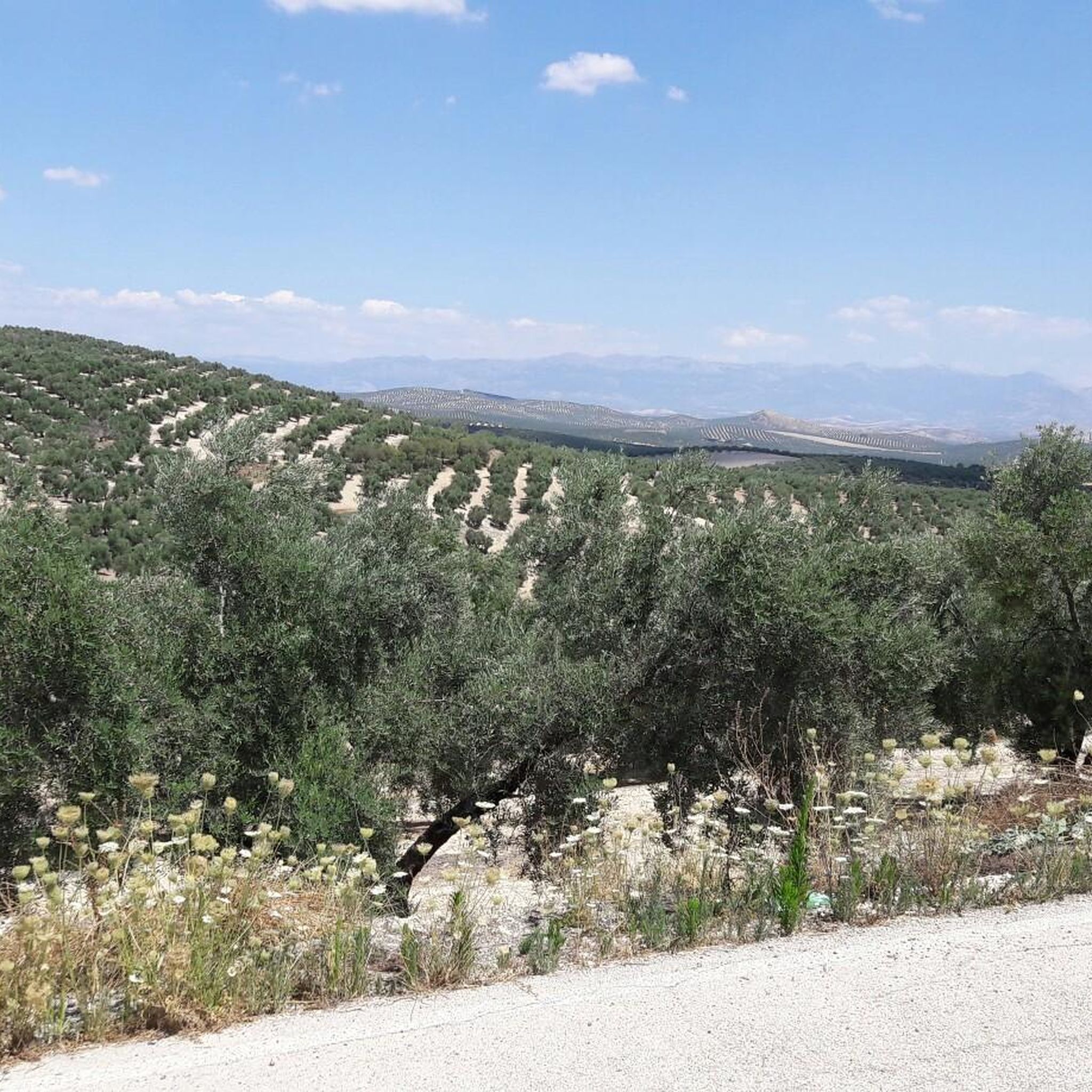
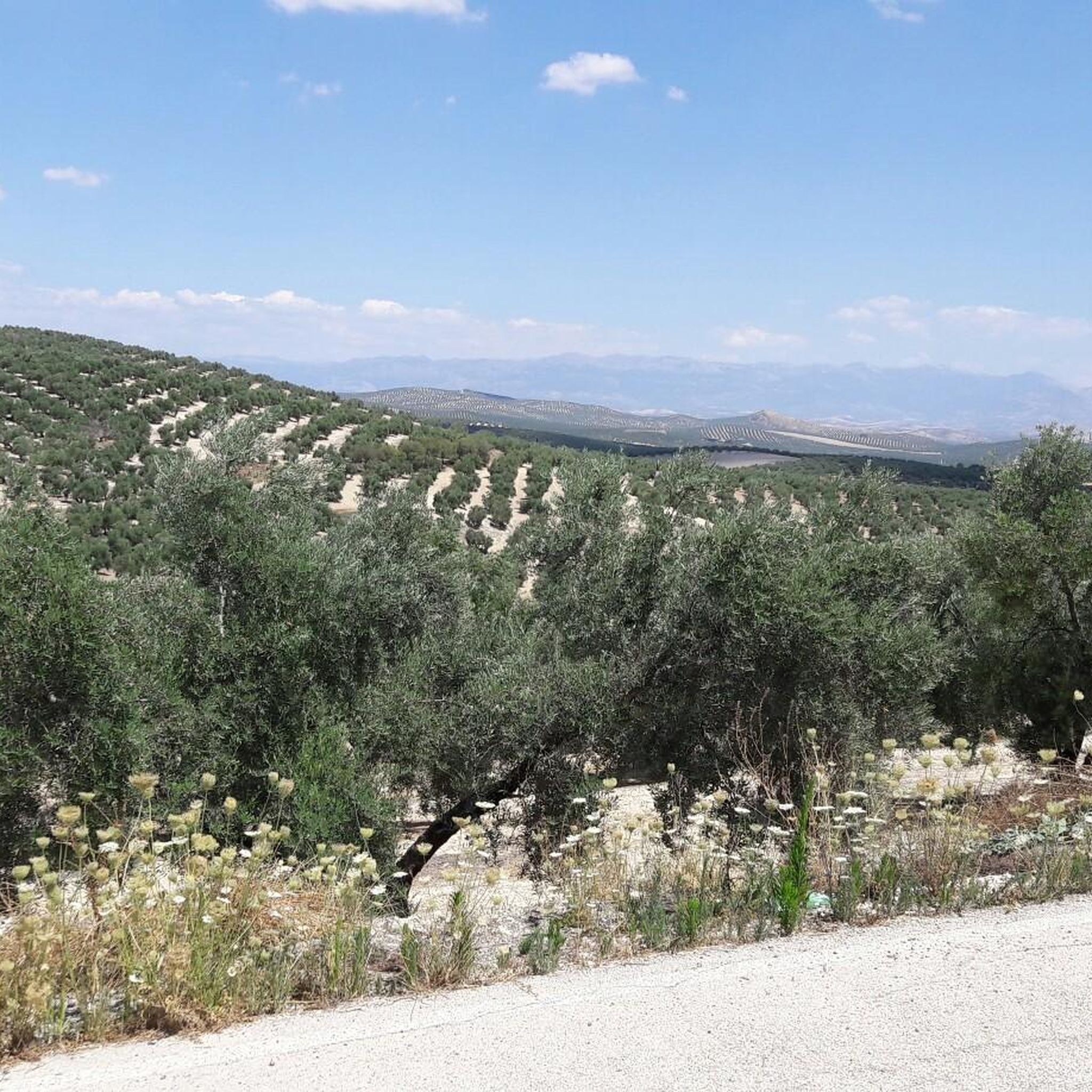
Road cycling routes in Alto Guadalquivir traverse a diverse landscape in Andalusia, Spain. The region features the challenging Sierra Morena foothills to the north, offering significant climbs and views. Extensive rolling olive groves characterize much of the terrain, providing serene riding environments. Cyclists can also find flatter routes along the fertile plains of the Guadalquivir River valley, which include wetlands and riparian vegetation.
Best road cycling routes in Alto Guadalquivir
- The most popular road cycling route is Cazorla – Castillo…
Last updated: May 14, 2026
5.0
(1)
41
riders
60.2km
03:01
840m
840m
Moderate road ride. Good fitness required. Mostly well-paved surfaces and easy to ride.
6
riders
78.3km
04:02
1,340m
1,340m
Hard road ride. Very good fitness required. Some segments of this route may be unpaved and difficult to ride.

Sign up for free
31
riders
37.4km
01:52
550m
550m
Moderate road ride. Good fitness required. Some segments of this route may be unpaved and difficult to ride.
17
riders
105km
06:28
2,270m
2,270m
Hard road ride. Very good fitness required. Mostly well-paved surfaces and easy to ride.
5.0
(1)
12
riders
57.9km
02:30
520m
520m
Cycle 36.0 miles (57.9 km) along the Río Guadiana and Jandulilla from Peal de Becerro, featuring river views and olive groves.
Get access to more routes and recommendations from other explorers.
Sign up for free
Already have an account?
Our route recommendations are based on thousands of hikes, rides, and runs completed by other people on komoot.
Start today with a free account
Your next adventure awaits.
Login or Signup
Popular around Alto Guadalquivir
Tips from the Community

The Yedra Castle, located high above Cazorla (Jaén), is a historical and cultural gem that dominates the landscape of the Sierras de Cazorla, Segura, and Las Villas Natural Park. It was built exclusively for military purposes, not as a stately home. It was conquered by Ferdinand III in 1232, who adapted it to a Christian style.
2
0
The Yedra Castle, located high above Cazorla (Jaén), is a historical and cultural gem that dominates the landscape of the Sierras de Cazorla, Segura, and Las Villas Natural Park. It was built exclusively for military purposes, not as a stately residence. It was conquered by Ferdinand III in 1232, who adapted it to a Christian style.
2
0

An impressive town with endless options, including walking, hiking, eating, and enjoying its people.
0
1


The Arco de la Mantita de Utrera is a historical monument in Quesada, Jaén. This arch is one of the gateways to the old fortified city of Quesada. It is an important symbol of the city and offers a glimpse into its rich history. The arch dates back to the 14th century and is built in the Gothic style. It was originally a gateway to the city walls. The arch is named after a statue of the Virgen de la Consolación de Utrera, which was originally placed in the arch. The name "Mantita de Utrera" comes from a woman from Utrera who placed a statue of the saint in the arch. The arch is built in the Gothic style, with a pointed arch and decorative elements such as modillions.
2
0
The Arco de los Santos in Quesada is an impressive historical monument. This Gothic arch dates back to the 14th century and is located in one of the gates of the old fortified area of Quesada. It is an important symbol of the city and offers a glimpse into its rich history. The Arco de los Santos is built in the Gothic style, with a pointed arch with dovels, salmeres and iambs of stone. The arch is located on Calle Arcos and gives access to Calle Arco de los Santos. It is one of the historic gateways to the city. Inside the arch is an altar dedicated to the sacerdotisa Caia Rufina.
1
0
A town located in the southeast of the province, at the foot of the Sierra de Cazorla and facing the olive-growing countryside. Birthplace of the painter Rafael Zabaleta, to whom he has dedicated a museum with a large part of his work. It is a colorful collection of narrow streets with white houses in which the church of San Pedro and San Pablo, the church of the hospital, the Arco de la Manquita de Utrera and the Arco de Los Santos or del Señor stand out.
11
0

This is not a Templar castle, as is often said, but it is a real wonder and well worth a visit. From the top of its keep, you have fantastic views of the entire Jaén countryside and its sea of olive trees. Closed on Mondays and Tuesdays, be careful!
0
0
Frequently Asked Questions
How many road cycling routes are available in Alto Guadalquivir?
Alto Guadalquivir offers a wide selection of road cycling routes, with over 20 routes available on komoot. These routes cater to various skill levels, from moderate to difficult.
What kind of terrain can I expect when road cycling in Alto Guadalquivir?
The region presents a diverse topography. You'll find challenging climbs in the northern Sierra Morena foothills, extensive rolling olive groves, and flatter routes along the fertile plains of the Guadalquivir River valley, which include wetlands and riparian vegetation. This variety ensures different cycling experiences.
Are there road cycling routes suitable for beginners or less experienced riders?
While many routes offer moderate to difficult challenges, the fertile plains of the Guadalquivir Valley provide gentler, flatter sections. These areas, often characterized by olive groves and agricultural land, can be suitable for those seeking less strenuous rides. Currently, komoot lists 10 moderate routes in the region.
What are some challenging road cycling routes for experienced riders in Alto Guadalquivir?
For experienced cyclists seeking a challenge, the region offers 11 difficult routes. One such route is the Sierra de Villas by Villanueva del Arzobispo — circular by Mogón, which covers over 105 km with significant elevation gain. Another demanding option is the Santo Tomé return via Torreperogil - Mogón and the climb of Osera, a 91 km route with substantial climbing.
Are there any circular road cycling routes in the region?
Yes, many of the road cycling routes in Alto Guadalquivir are designed as loops. For example, the popular Cazorla – Castillo de La Iruela loop from Puente de la Cerrada is a 60 km circular trail. Another option is the Hotel Palacio de Úbeda. ***** – Plaza de Toros de Úbeda loop from Jódar - Úbeda, which is a 47 km loop through historic surroundings.
What natural features or landscapes will I see while road cycling in Alto Guadalquivir?
You'll encounter diverse natural beauty, including the mountainous terrain of the Sierra Morena foothills, vast 'green seas' of olive groves, and the fertile plains of the Guadalquivir River valley. The region also features unique riverine landscapes and wetlands, especially within the Alto Guadalquivir Natural Reserve, offering lush riparian vegetation and opportunities to spot aquatic birds.
Can I combine road cycling with cultural or historical exploration in Alto Guadalquivir?
Absolutely. Many routes pass through charming white villages and historic towns, providing opportunities for cultural stops. Towns like Úbeda and Baeza, both UNESCO World Heritage sites, are located near parts of Alto Guadalquivir and offer rich architectural and historical experiences. The Hotel Palacio de Úbeda. ***** – Plaza de Toros de Úbeda loop from Jódar - Úbeda is a great example of a route winding through historic surroundings.
What is the best time of year for road cycling in Alto Guadalquivir?
Andalusia generally boasts a mild climate, making it suitable for cycling for most of the year. However, the most favorable seasons are typically spring and autumn, as these periods avoid the intense summer heat, offering more comfortable temperatures for longer rides.
What do other road cyclists enjoy most about road cycling in Alto Guadalquivir?
The area is highly rated by the komoot community, with an average score of 5.0 stars from over 10 reviews. Cyclists often praise the diverse and scenic landscapes, ranging from challenging mountain passes to serene olive groves, as well as the generally well-maintained roads and low traffic away from major urban centers.
Is Alto Guadalquivir suitable for family-friendly road cycling?
While many routes involve moderate to difficult terrain, the flatter sections along the Guadalquivir River plains and through agricultural areas can be more suitable for families or those looking for easier rides. It's advisable to check individual route profiles for elevation and distance to ensure they match your family's capabilities.
Are there specific rules or considerations for dog-friendly cycling in the Alto Guadalquivir Natural Area?
While the region is beautiful, specific rules regarding dogs on cycling routes, especially within protected natural areas like the Alto Guadalquivir Natural Reserve, can vary. It's always best to check local regulations or park guidelines regarding pets, particularly if you plan to cycle with your dog, to ensure compliance and safety for all.
Where can I find parking for road cycling routes in Alto Guadalquivir?
Parking availability will depend on your chosen starting point. Many towns and villages along the routes, such as Úbeda, Cazorla, or Peal de Becerro, offer public parking options. For routes starting in more rural areas, look for designated parking near trailheads or inquire locally. It's recommended to plan your starting point and check for parking in advance.
Are there cyclist-friendly cafes or accommodation options in towns near Alto Guadalquivir?
Yes, as cycling tourism grows in Andalusia, many towns and villages in and around Alto Guadalquivir are becoming more accommodating to cyclists. You can find cafes for refreshment stops and various accommodation types, from hotels to guesthouses, particularly in larger towns like Úbeda, which is a common starting point for routes like the Hotel Palacio de Úbeda. ***** – Plaza de Toros de Úbeda loop from Jódar - Úbeda.
Most popular routes in Alto Guadalquivir

Get inspired with the komoot mobile app


Explore more
Browse the best Road cycling routes in other regions.
