Top 20 Lakes in Mercantour
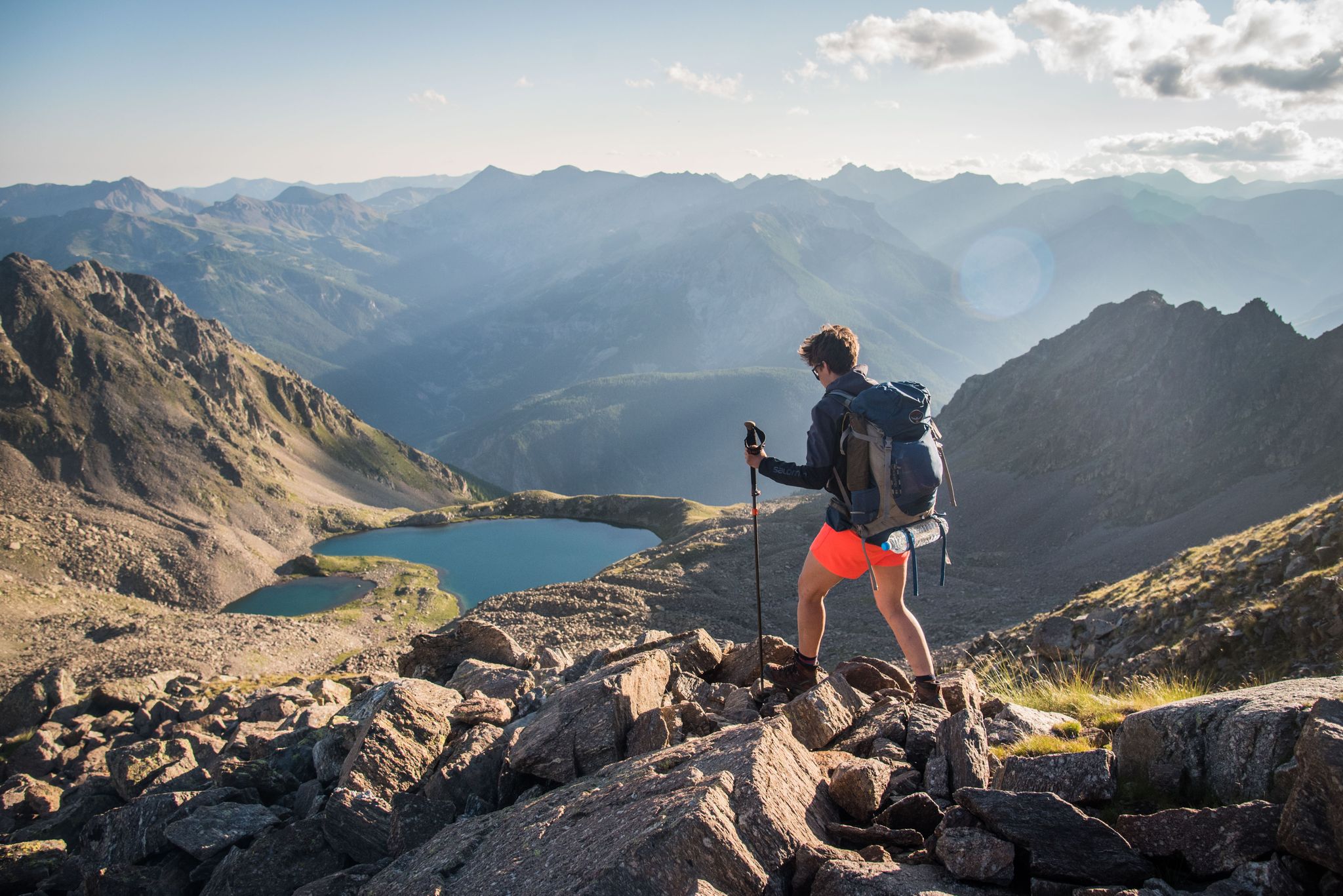
Best lakes in Mercantour National Park are primarily glacial, high-altitude lakes nestled within the French Alps. This region is characterized by rugged peaks, alpine meadows, and diverse natural landscapes. The lakes offer opportunities for hiking and observing wildlife such as marmots, ibex, and chamois. The area is also known for its unique geological formations and prehistoric engravings.
Best lakes in Mercantour
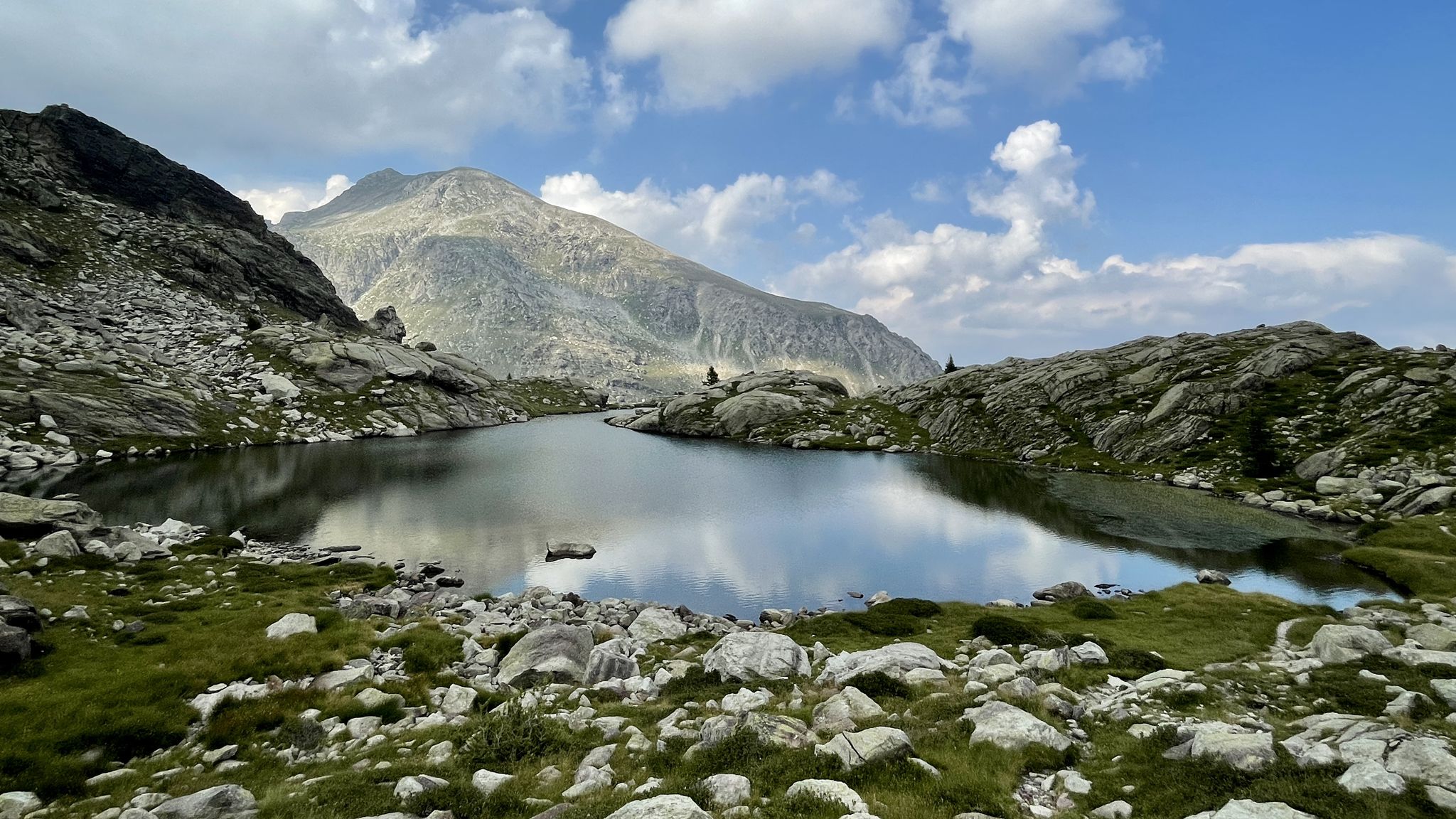
- The most popular lakes is Lac de Trécolpas, a lake that is a must-see in the Mercantour National Park. This crystal-clear lake is set amidst the peaks of Mercantour, featuring a distinctive islet that changes with water levels.
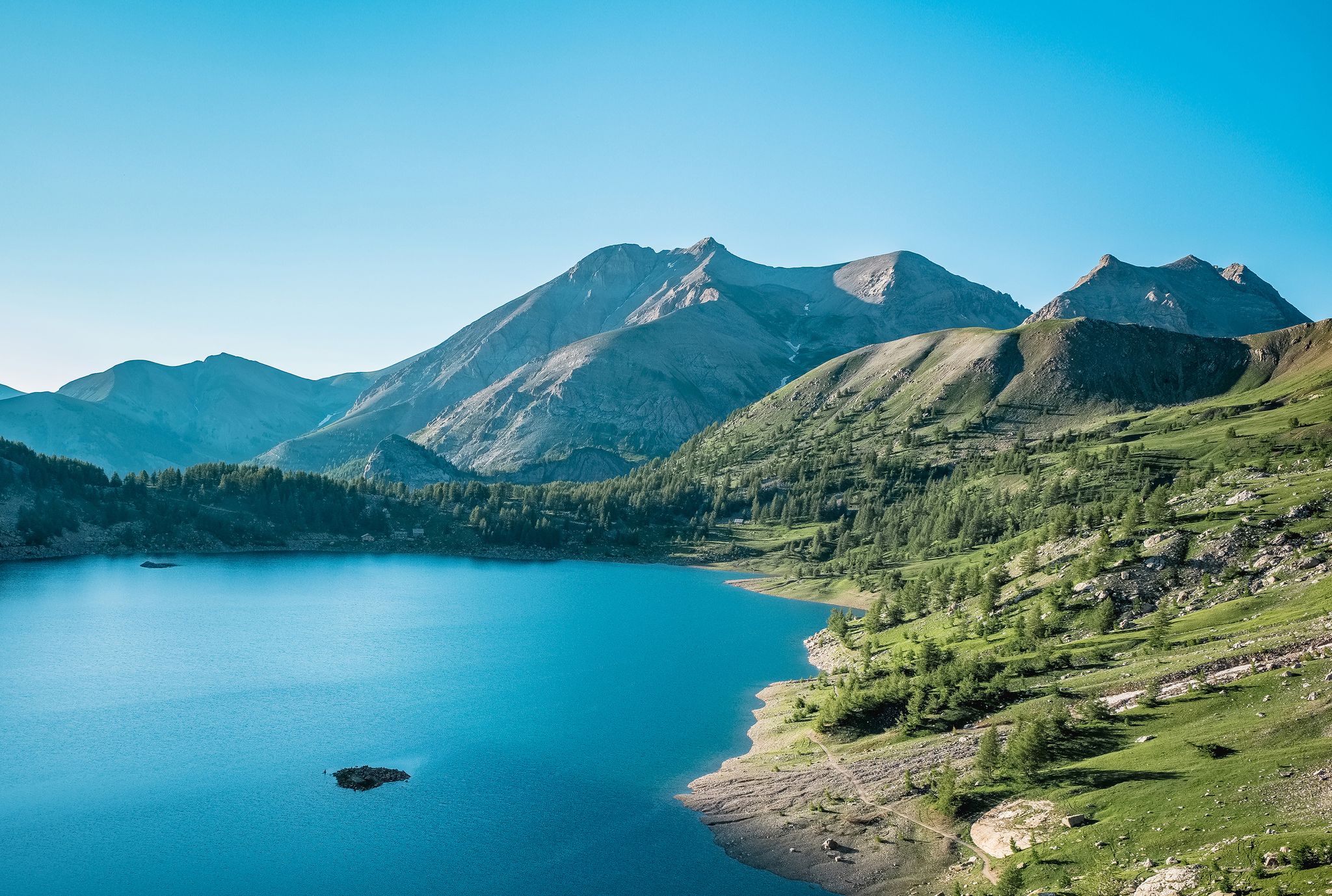
- Another must-see spot is Lake Allos, a lake located at an altitude of 2,230 meters. It is the largest natural high-altitude lake in Europe, covering 60 hectares with clear waters reaching a depth of 50 meters.
- Visitors also love Merveilles Refuge, a hut that serves as an ideal starting point for exploring the Valley of Wonders. This area is known for its tranquil mountain lakes and prehistoric engravings.
- Mercantour is known for its glacial lakes, high-altitude lakes, and series of interconnected lakes. Visitors can explore a variety of lake types, from large single bodies of water to multiple smaller lakes.
- The lakes in Mercantour are appreciated by the komoot community, with 79 upvotes and 136 photos shared by users.
Last updated: May 3, 2026
Lake Allos
Highlight • Lake
Translated by Google •
Tip by

Merveilles Refuge
Highlight • Mountain Hut
refugedesmerveilles.ffcam.fr/home.html.
If it is full, don't panic! There are places where you can pitch your tent.
The wardens make very good little dishes. It is always a comfort to be able to eat well after a good day of walking.
Translated by Google •
Tip by

Sign up now to discover places like this
Get recommendations on the best single tracks, peaks, & plenty of other exciting outdoor places.
Sign up for free
Lac du Lauzanier and the Notre-Dame des Lumières chapel
Highlight • Lake
Translated by Google •
Tip by

Refuge de Vens
Highlight • Mountain Hut
Translated by Google •
Tip by

Lac de Trécolpas
Highlight • Lake
The setting is enchanting and we quickly understand why it is so popular. Swimming is allowed there. As long as you don't mind the icy water, of course.
Translated by Google •
Tip by
Sign up for free to discover even more lakes in Mercantour.
Sign up for free
Already have an account?
Start today with a free account
Your next adventure awaits.
Login or Signup
Popular around Mercantour
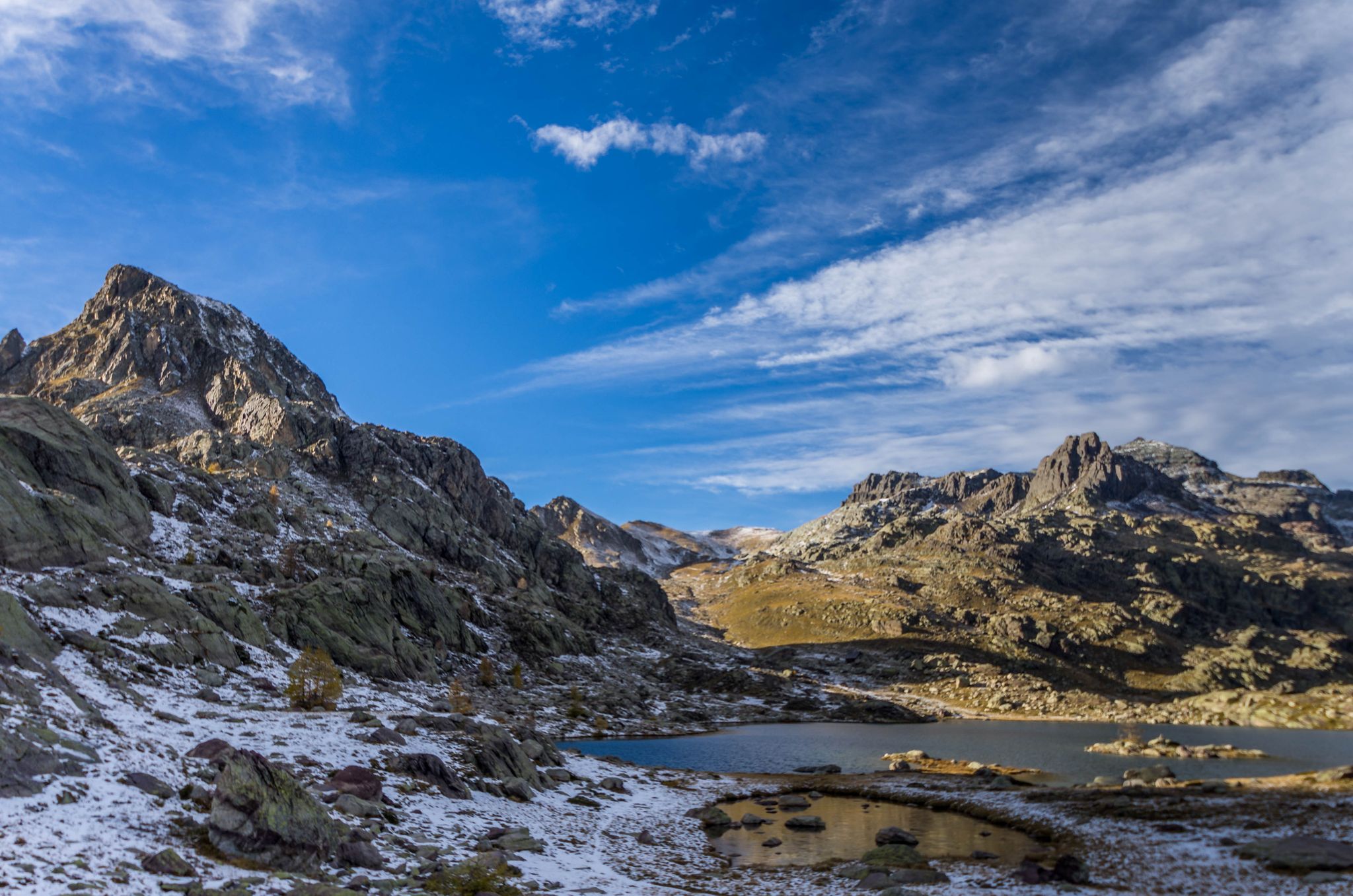
Europe Trail (GR 5) – Hike from Nice to Saint-Étienne-de-Tinée
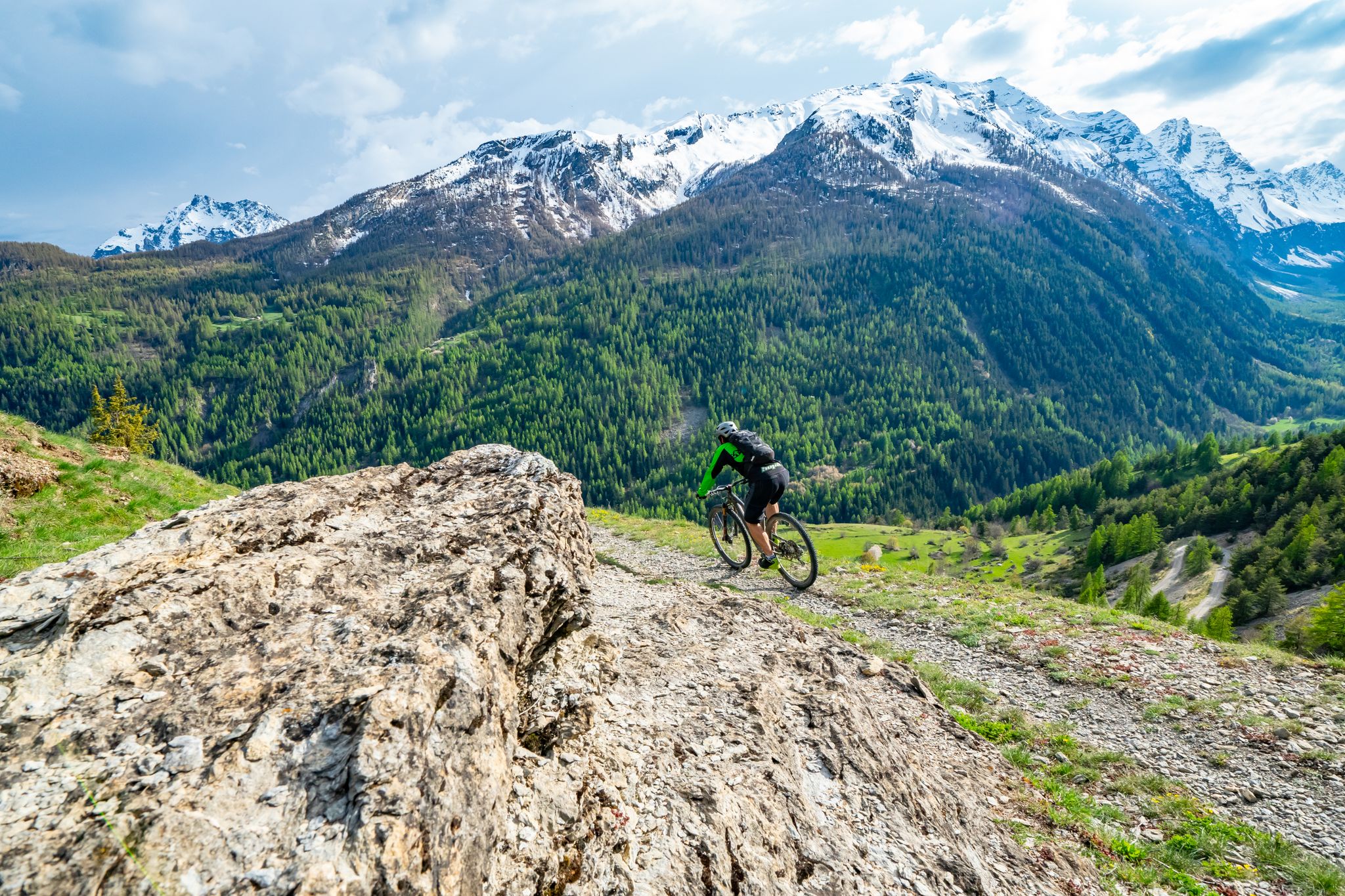
Seven MTB routes in the Southern Alps – nature, passes and valleys
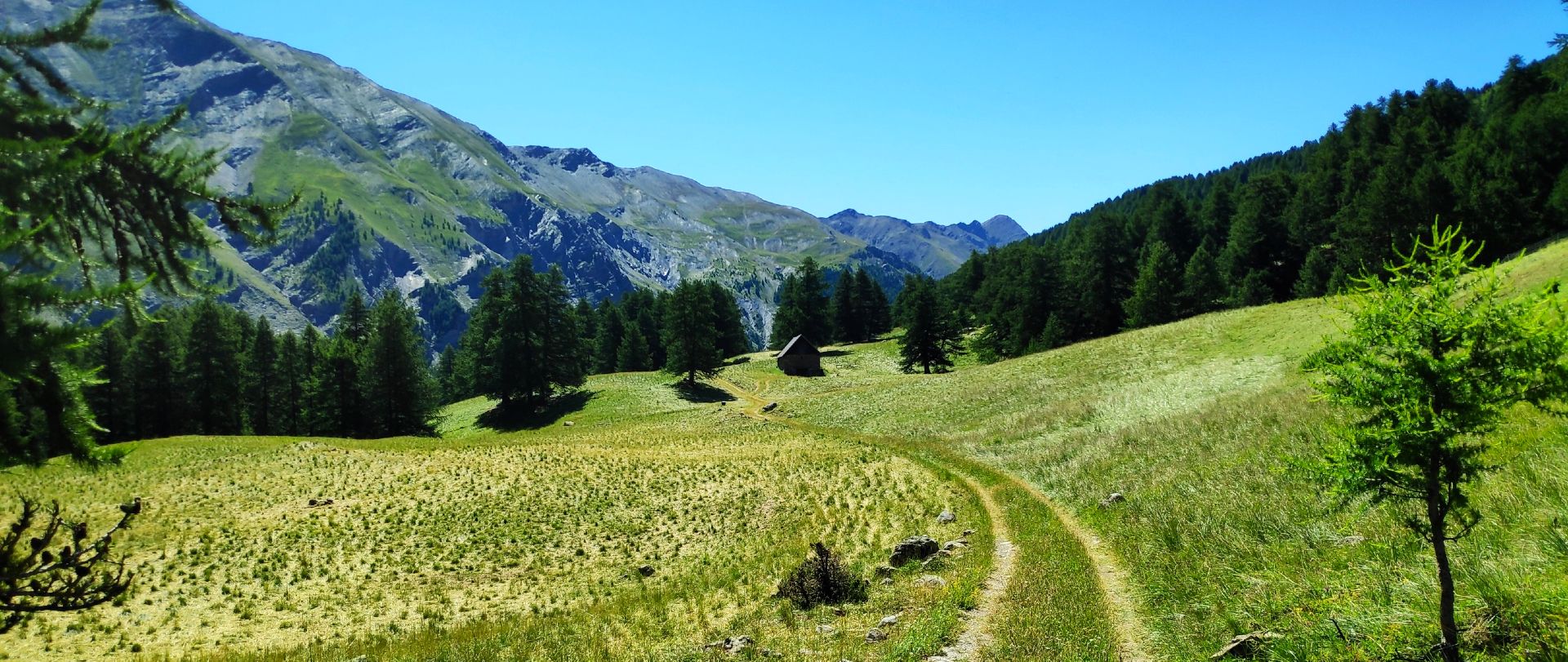
MTB Tour of the Ubaye Valley – La Transubayenne
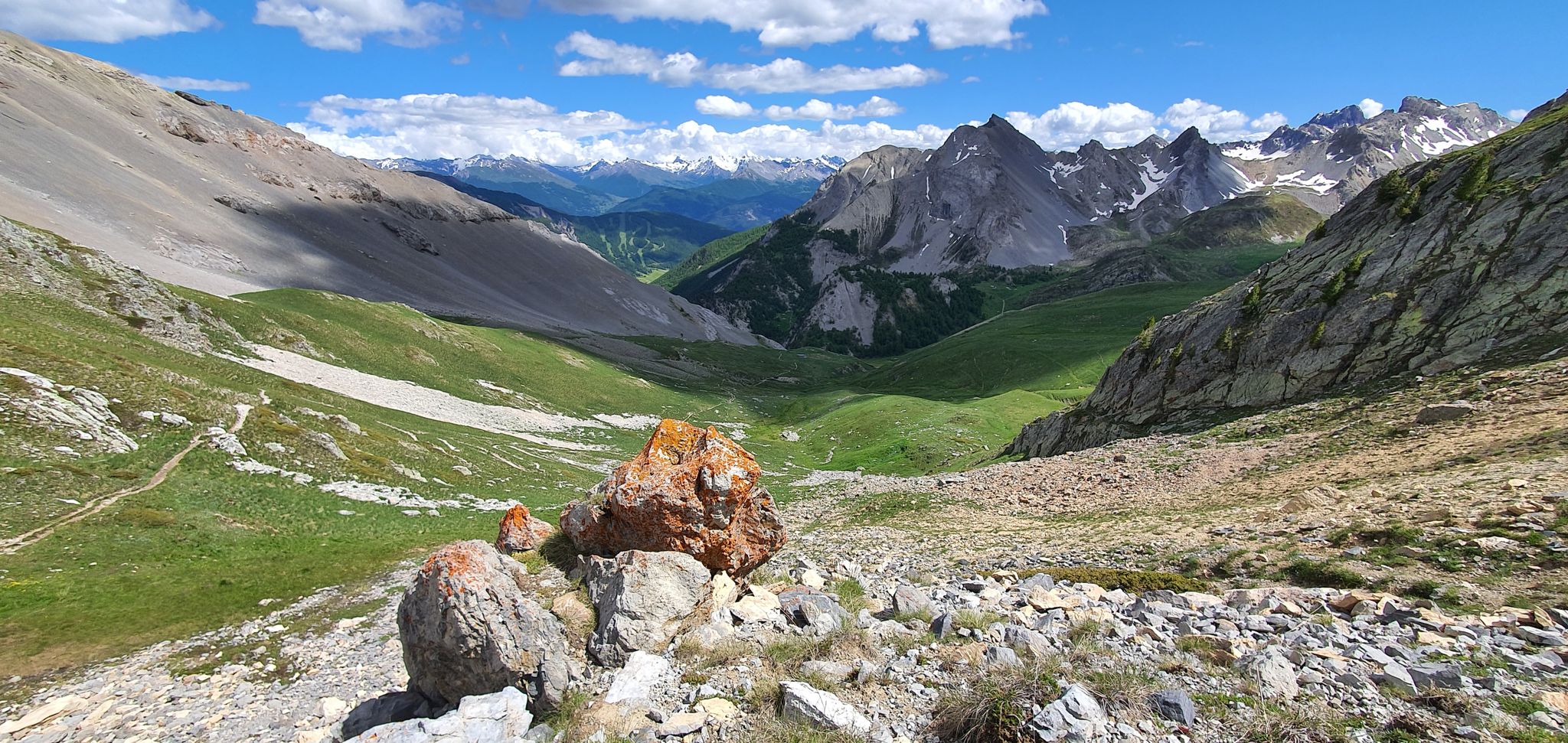
Hike from Saint-Étienne-de-Tinée to Briançon – Europe Trail (GR 5)
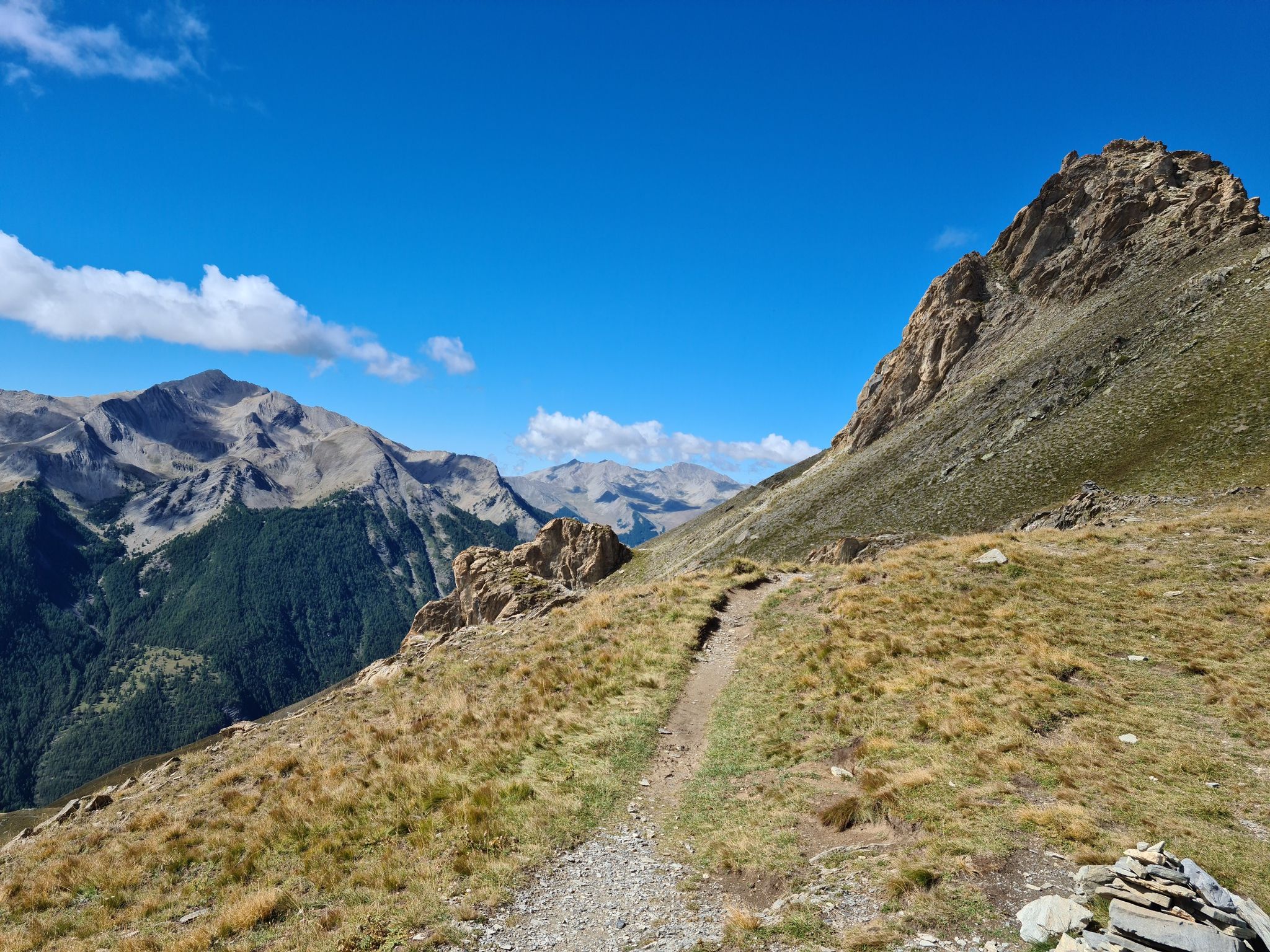
Crossing the Mercantour National Park – GR 52
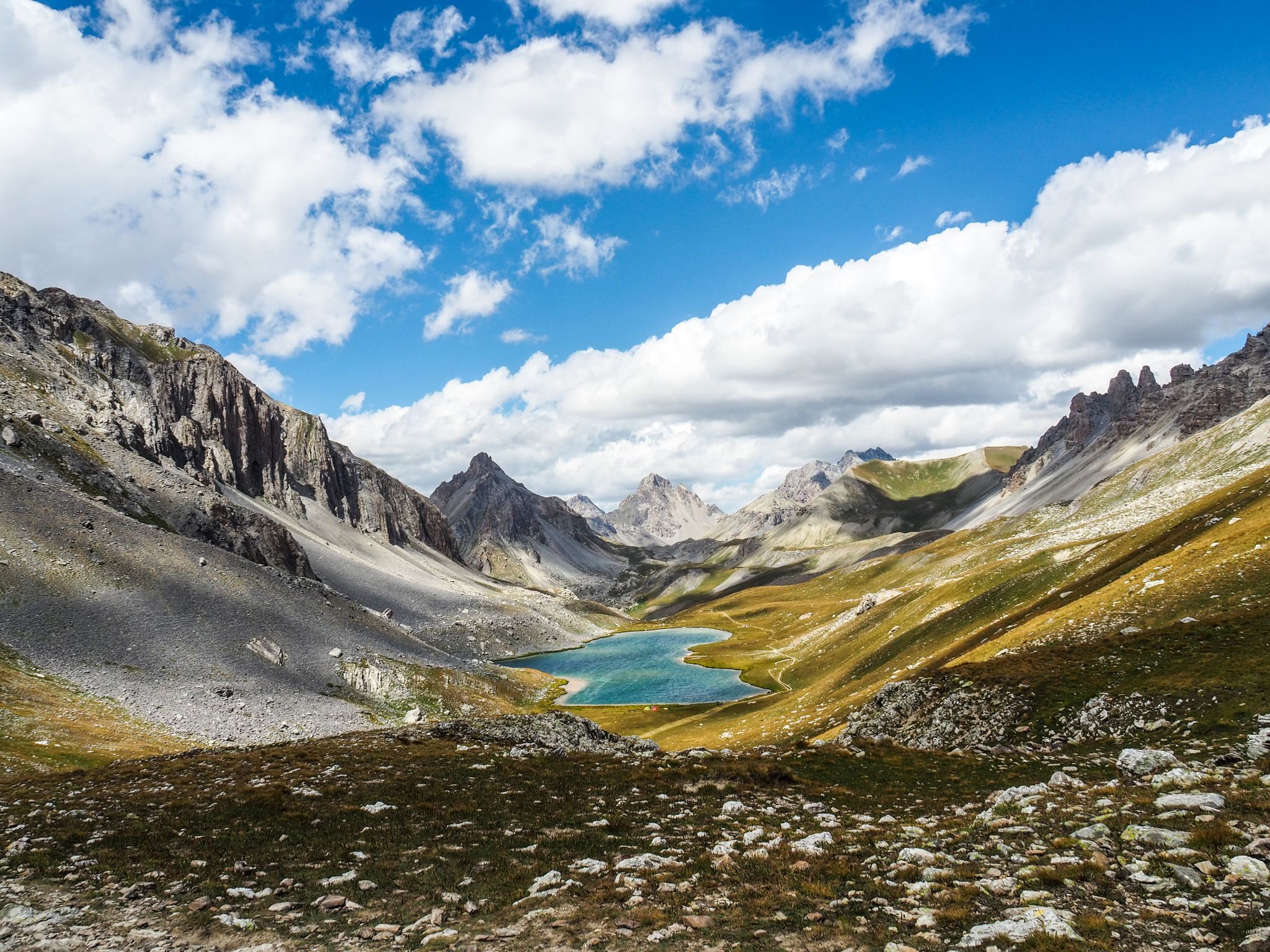
Mountains and marmots — France’s Ubaye trail (GR 56)
High mountain escapades — 15 peaks over 3,000m in the Alps
MigrAction – Generations in Motion
France — two weeks of hiking at its best!
The most beautiful MTB and hiking tours in the French Maritime Alps
Other adventures in Mercantour


Tips from the Community

In the town of Saint-Etienne de Tinée, in the heart of the Mercantour National Park, the Vens Lakes refuge offers a mountain setting typical of the Maritime Alps. The Vens refuge is located in one of the most prestigious places in the Mercantour Park. It is located in an environment of natural lakes, waterfalls in an old glacial cirque, rich alpine meadows and varied fauna (mountain sheep, chamois, eagles, etc.).
0
0
The refuge is located on the banks of the upper Long lake, in the heart of the rock engravings of the Vallée des Merveilles, surrounded by numerous lakes and peaks: Bégo, Grand Capelet, Cime du Diable... The refuge is located in an open-air museum. This exceptional archaeological site, classified as a historical monument, extends between two valleys around Mont Bégo. There are 40,000 rock engravings dating from -4000 to -2000 BC, which are marks of pastoral occupation. When you cross the Vallée des Merveilles on the GR, you feel an almost mystical and very unusual side.
1
0


First time visitors should be warned this is a refuge, not a hotel. As such don’t go expecting anything more than basic facilities. If you want a shower then it will be with cold water taken and filtered directly from the nearby lake. Without exception, we found the staff to be very friendly, as were all the hikers we spoke to. No matter if you arrive alone or with a group, everyone is staying at the refuge for the same reason as you, and this makes starting a conversation with someone you don’t know very easy. The advantages you get from staying in such a refuge is knowing you’ll be given somewhere dry and warm to sleep, plus something hot to eat. When it came close to having dinner everyone helped move all the rectangle tables into one long one, where we all then sat and enjoyed an amazing hot stew with bread. After dinner it was a quick cold shower. After which we relaxed outside for a while before kipping down for the night. Breakfast here was available, as was a packed lunch to take on our onward journey. All of course at extra cost. Like all refuges around the world, there is a limit to the amount of hikers each can accommodate at any one time. Because of this you’ll need to book a place well in advance of your trip. Arriving on the day looking for a place is unlikely to be successful unless a booking goes unfilled, which wouldn’t be noticeable until well after sunset. You can camp outside near the refuge but you’ll need to get permission first.
2
0

Prices a bit above average, but that's how it is in refuges, the views are top top
0
0

easy access
1
0

A friendly place thanks to the owners and the magical place
0
0

Frequently Asked Questions
What are some of the most popular lakes for hiking in Mercantour?
Many lakes in Mercantour are popular hiking destinations. Lac de Trécolpas is a crystal-clear lake set amidst peaks, offering a moderately difficult hike. Lake Allos, Europe's largest natural high-altitude lake, is another emblematic site. The Lacs de Vens, a series of five main lakes, are also a major attraction, offering lush alpine scenery.
Are there any family-friendly lakes or easy hikes in Mercantour?
Yes, several lakes are suitable for families. The hike to Lac du Lauzanier is considered easy and popular for walks, with marmots often seen in summer. Lake Allos features an interpretation trail accessible to people with reduced mobility using 'Joëlette' off-road wheelchairs. For more options, explore Easy hikes in Mercantour.
What unique natural features can I expect to see around Mercantour's lakes?
The Mercantour lakes are known for their diverse natural beauty. You can find glacial formations, rugged peaks, and lush alpine meadows. Lac Nègre, for instance, is notable for its dark waters reflecting the surrounding mineral-rich granite. The Lacs de Vens area boasts unique geological structures, including a limestone bridge and the spectacular natural arch of the Tortisse needles. Many areas also offer opportunities to spot wildlife like marmots, ibex, and chamois.
Can I swim in the lakes of Mercantour?
Swimming regulations vary by lake. For example, swimming is permitted in the icy waters of Lac de Trécolpas. However, swimming is prohibited in Lake Allos to preserve its delicate ecosystem. Always check local signage and regulations before entering the water.
What is the best time to visit the Mercantour lakes?
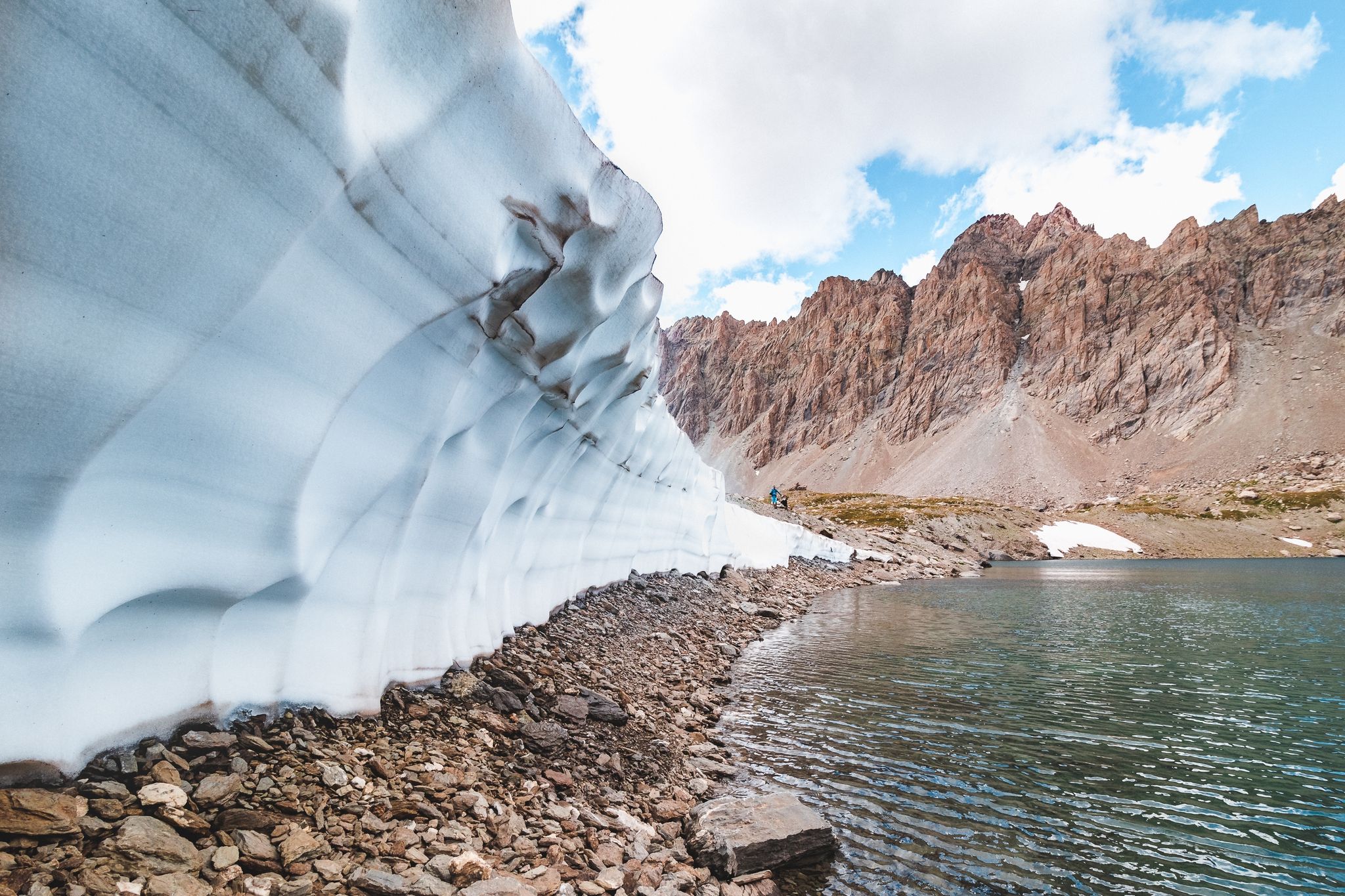
The lakes are generally accessible from July to November, with emerald-colored waters visible during this period. The summer months are ideal for hiking and wildlife observation, though some trails may still have snowfields early in the season. Winter access to many high-altitude lakes is limited due to snow.
Are there any historical or cultural sites near the lakes?
Yes, the Lacs de la Vallée des Merveilles area is famous not only for its tranquil mountain lakes but also for its incredible array of prehistoric engravings, some dating back over 5,000 years, found in the shadow of Mont Bégo. The Merveilles Refuge serves as an ideal starting point for exploring this historic valley.
What kind of wildlife can I see around the Mercantour lakes?
The Mercantour National Park is rich in wildlife. Visitors often have opportunities to spot marmots, ibex, and chamois. Lakes like Lake Allos and Lac du Lauzanier are particularly known for marmot sightings in summer. Lac Niré also offers chances to see chamois.
Are there accommodations available near the Mercantour lakes?
Yes, there are refuges available. The Merveilles Refuge is a popular starting point for exploring the Valley of Wonders, offering basic facilities and meals. The Refuge de Vens, located near the Lacs de Vens, also provides accommodation during the summer season. It's advisable to book refuges in advance.
What outdoor activities, besides hiking, can I do near the Mercantour lakes?
Beyond hiking, the Mercantour region offers various outdoor activities. You can explore Running Trails in Mercantour or discover MTB Trails in Mercantour. Fishing is also permitted in some lakes, such as the Lacs de Vens, from July to mid-September with a valid fishing map.
What are some lesser-known or 'hidden gem' lakes in Mercantour?
While many lakes are popular, some offer a more secluded experience. The Lacs de Prals circuit is an absolute must-see, allowing visitors to discover five mountain lakes and traverse beautiful prairies. Lac Niré in the Gordolasque valley offers unique geology, and Lac de Sagnes is the ultimate goal of a rewarding hike through atmospheric forests and open grassy plains.
What are the regulations for visiting Mercantour National Park lakes?
Mercantour National Park has regulations to protect its delicate ecosystem. For instance, dogs are generally forbidden, even on a leash, in certain areas like Lake Allos. Swimming may be restricted in some lakes. It's important to check specific rules for each area you plan to visit, especially regarding permits for activities like fishing or camping.
Most popular routes in Mercantour
Most popular attractions in Mercantour

Get inspired with the komoot mobile app


Explore more
Still not found your perfect lake in Mercantour? Check out the guides of these regions to see even more beautiful places.
