Top 20 Natural Monuments in Vosges Du Nord
Best natural monuments in Vosges Du Nord are found within a region characterized by its sandstone formations and dense forests. This area, part of the Northern Vosges Regional Nature Park, features a landscape shaped by geological processes, offering numerous viewpoints and historical sites integrated into the natural environment. The terrain provides opportunities for exploration among its unique rock formations and wooded hills.
Best natural monuments in Vosges Du Nord
- The most popular natural monument is Hohenbourg Castle, a viewpoint…
Last updated: October 13, 2026
Hohenbourg Castle
Highlight • Viewpoint
Translated by Google •
Tip by

Altschlossfelsen (Southwest Section)
Highlight • Natural Monument
Translated by Google •
Tip by

Sign up now to discover places like this
Get recommendations on the best single tracks, peaks, & plenty of other exciting outdoor places.
Fleckenstein Castle
Highlight • Castle
Translated by Google •
Tip by

Besucherzentrum Burg Fleckenstein
Highlight • Castle
Translated by Google •
Tip by

Sentier des Roches (Felsenpfad)
Highlight • Trail
Translated by Google •
Tip by

Sign up for free to discover even more natural monuments in Vosges Du Nord.
Already have an account?
Start today with a free account
Your next adventure awaits.
Popular around Vosges Du Nord
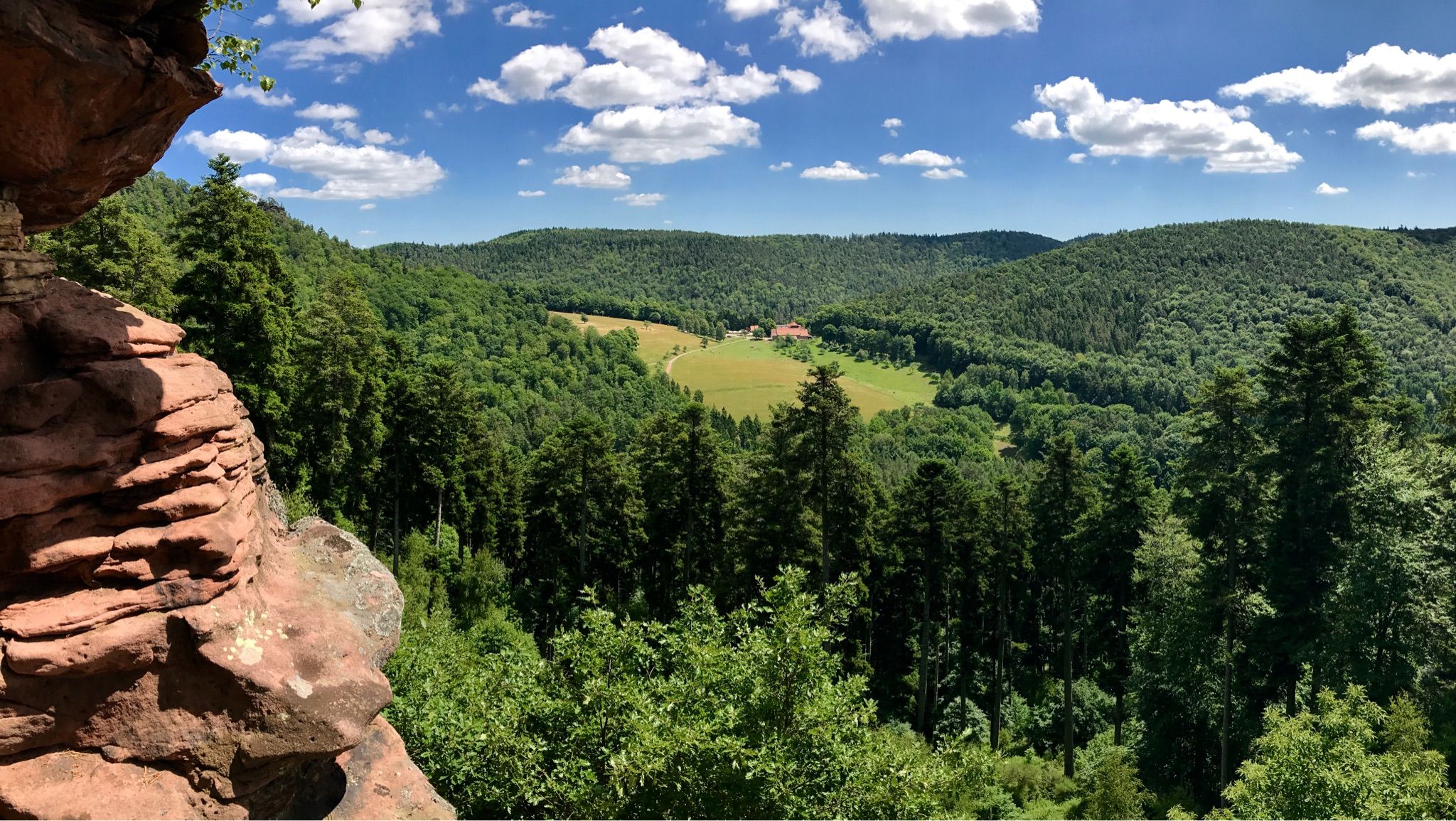
Hike the GR 53 – Explore castles along the Franco-German border
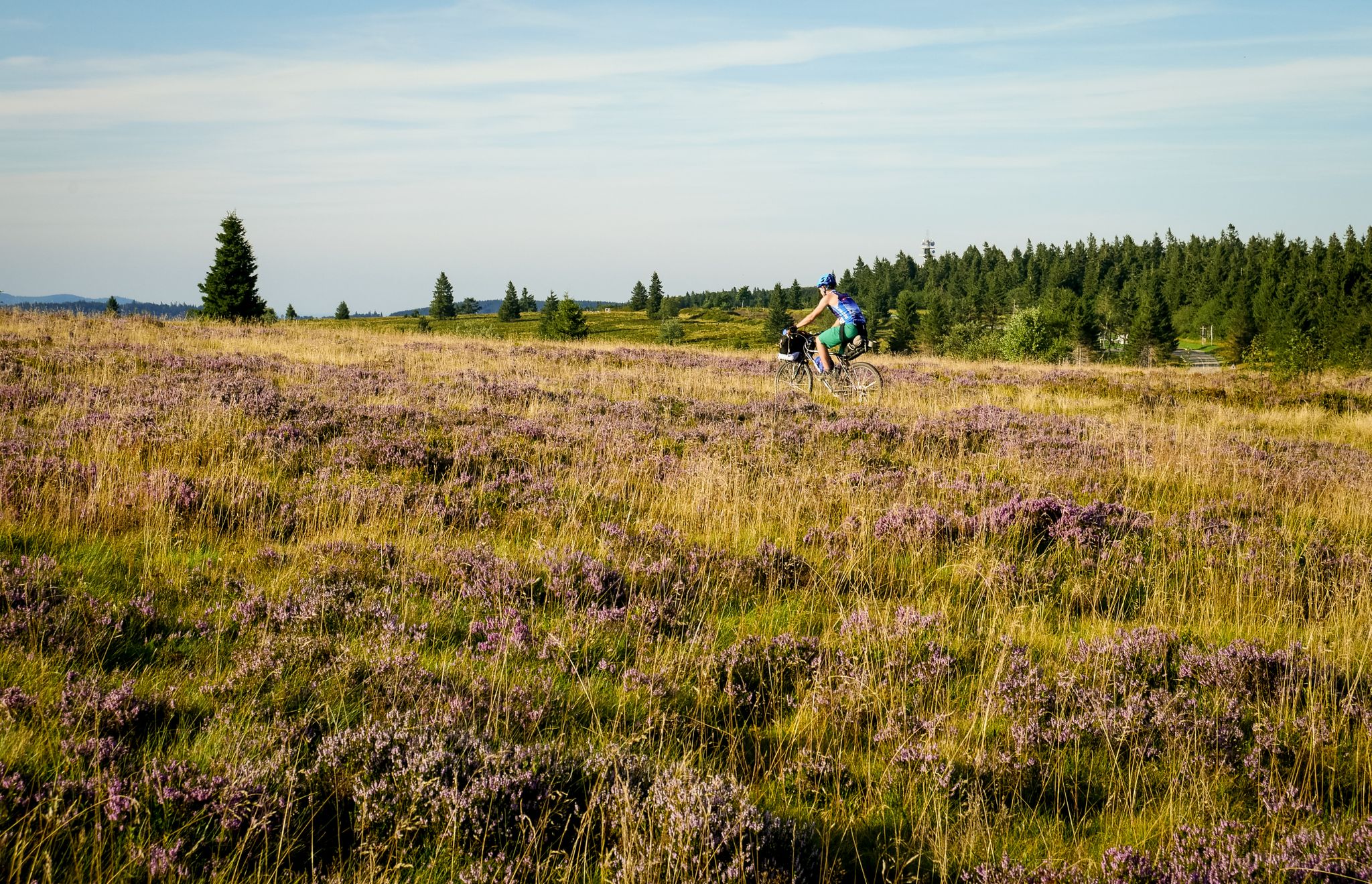
Traversée du Massif Vosgien — Alsace bikepacking
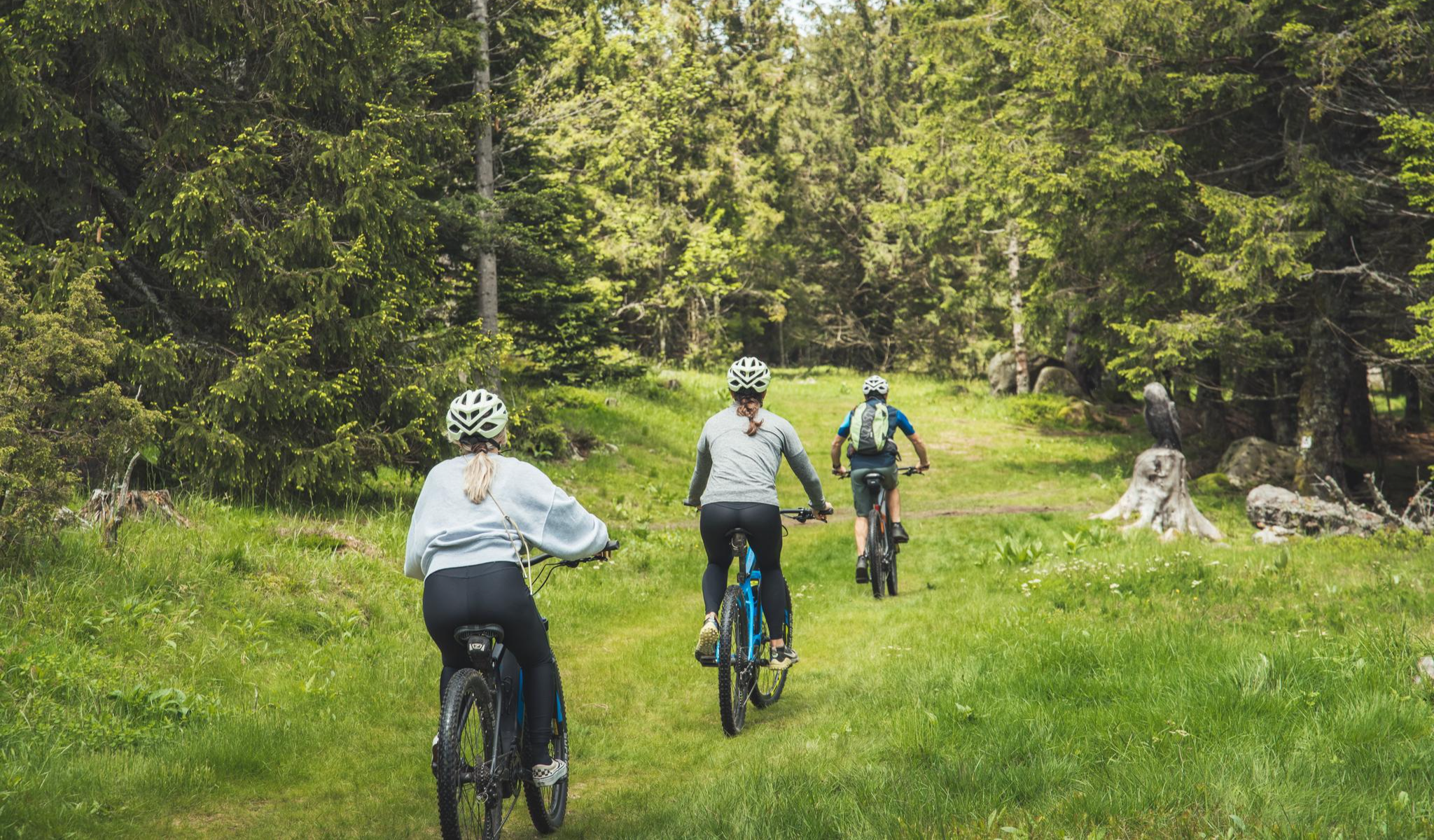
MTB and gravel in the Grand Est – the joy of the low mountains
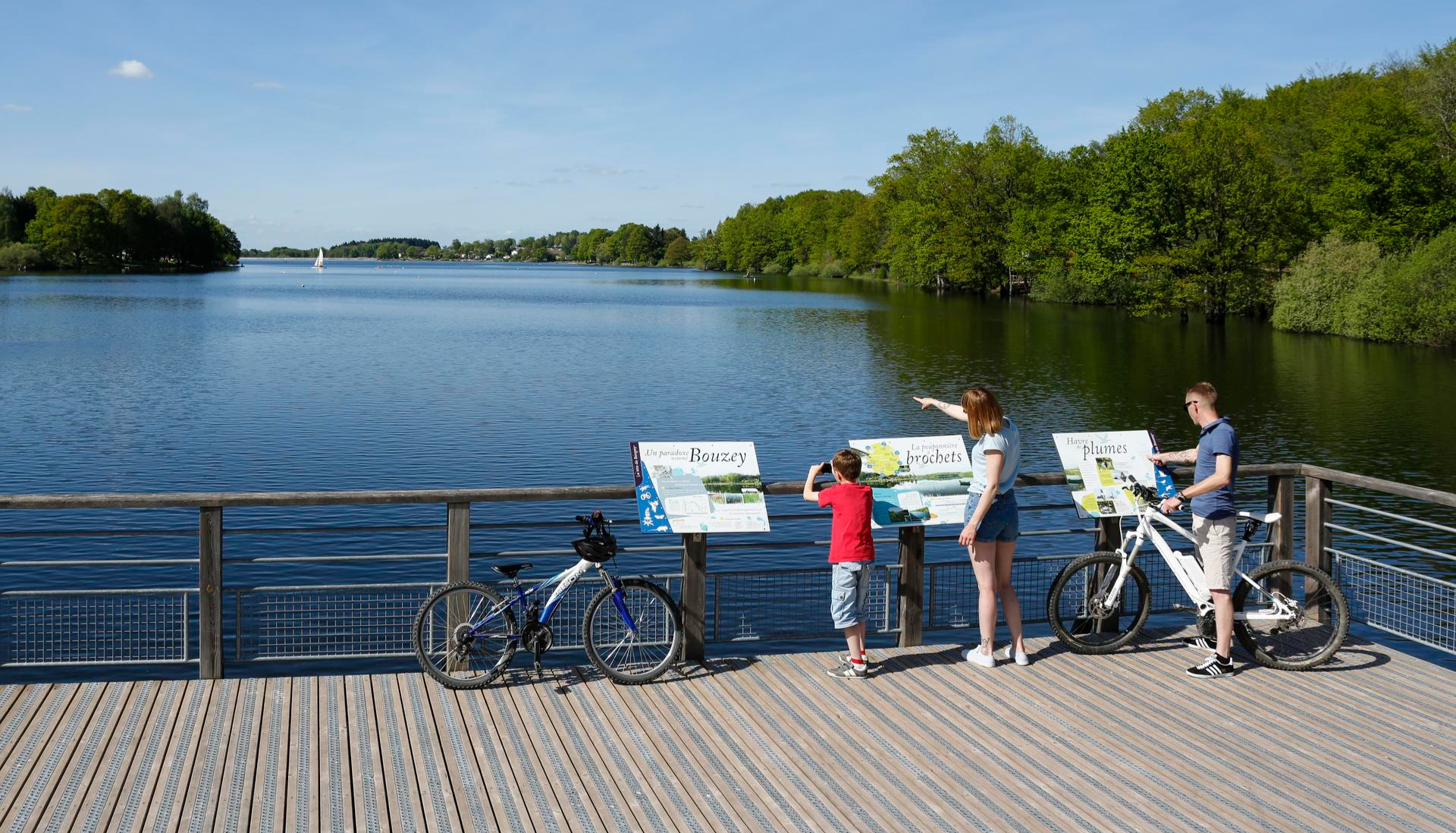
Family getaways – cycling in the Grand Est
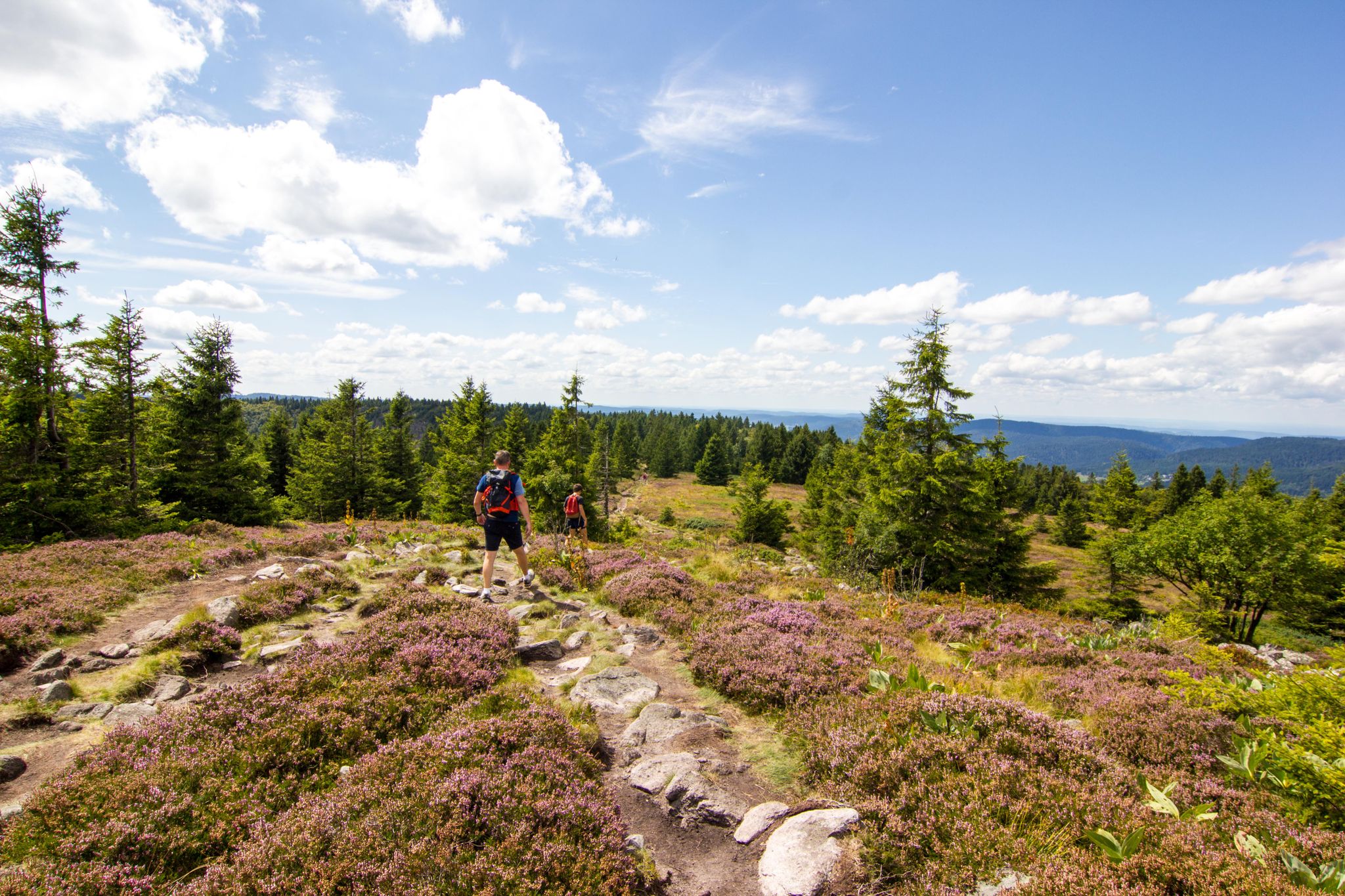
Hiking and relaxation – wellbeing on the Traversée des Vosges
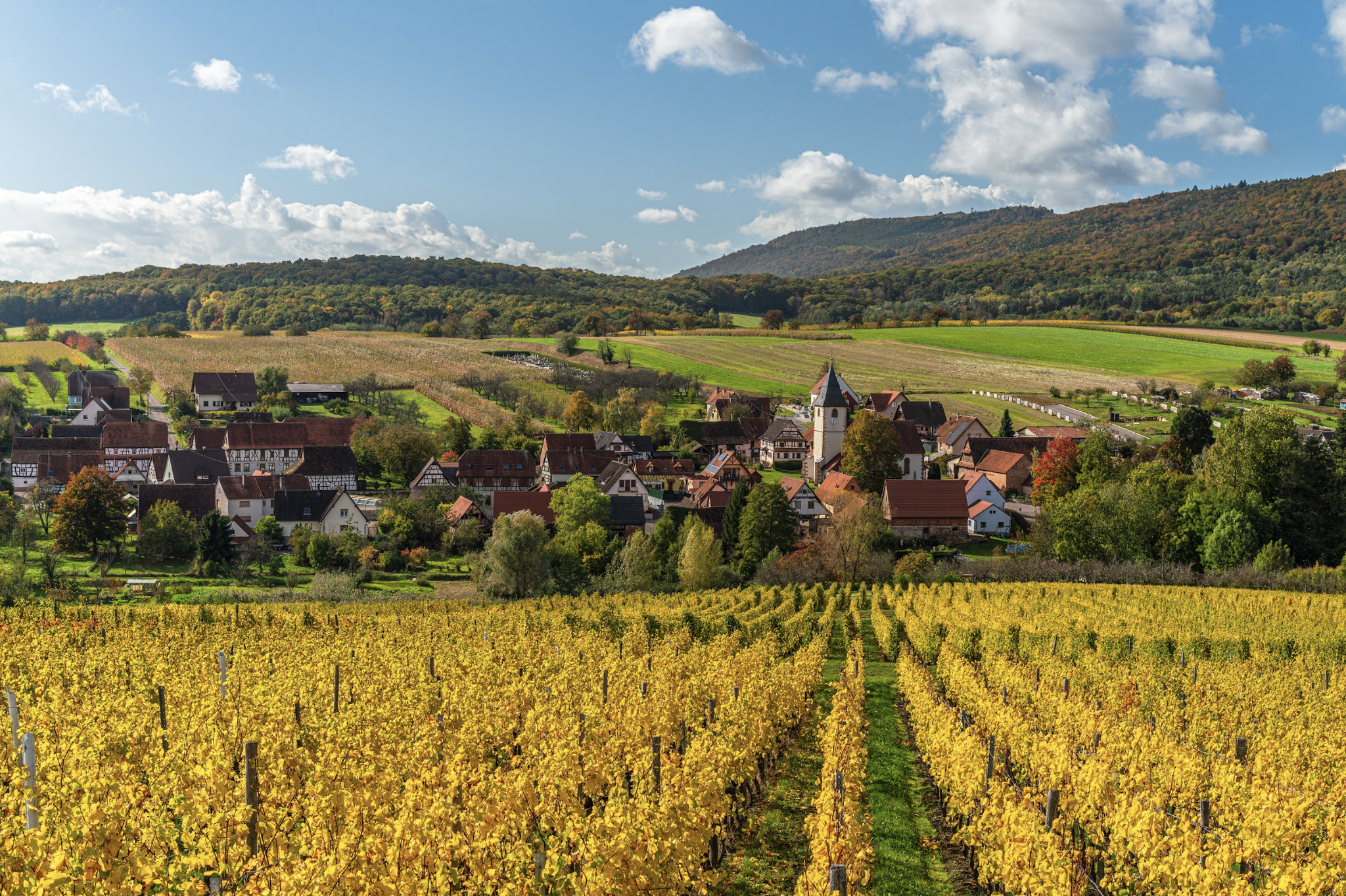
Alsace Verte on foot – hikes between history and vineyards
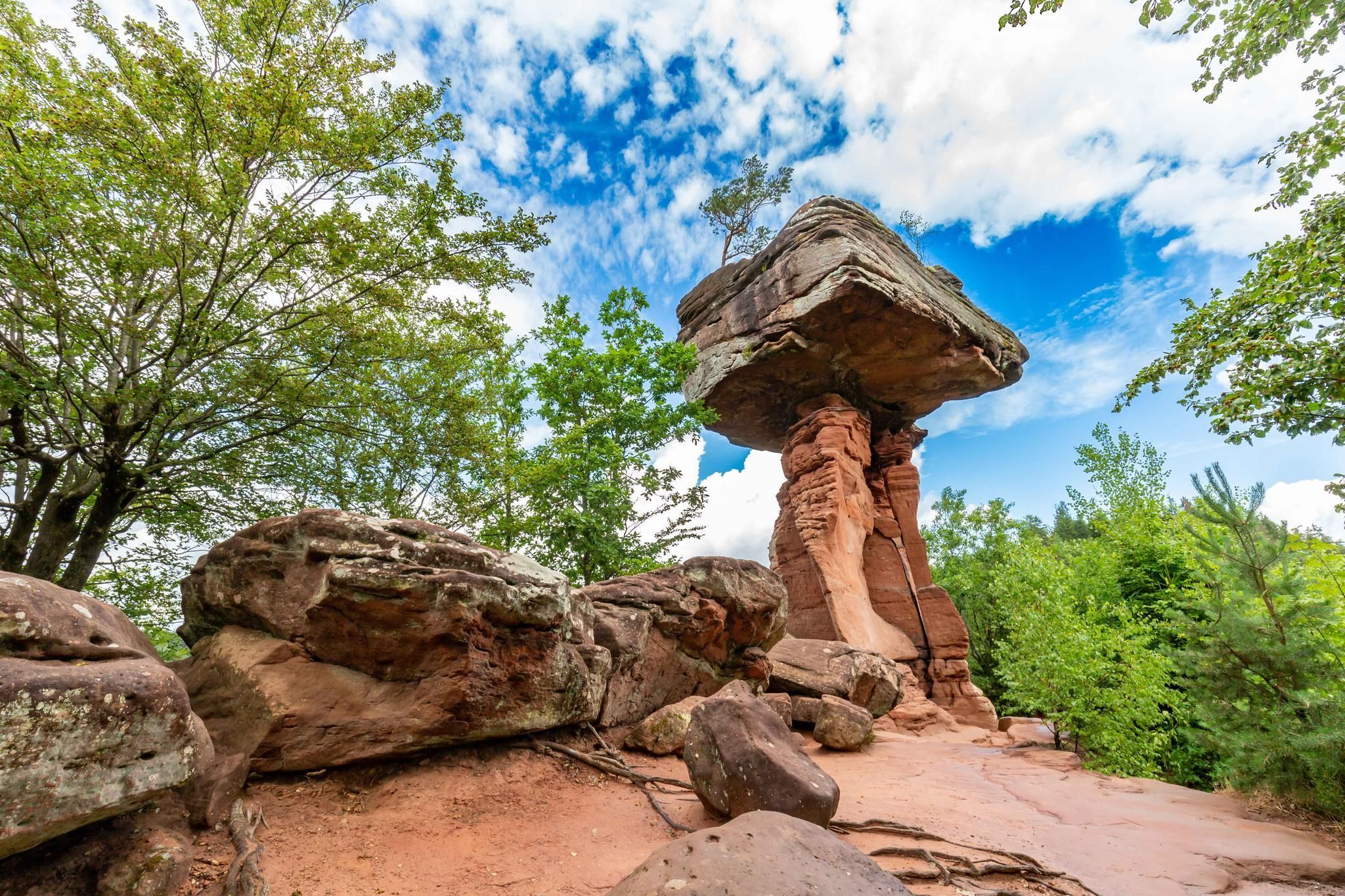
Cycling in Southern Palatinate – Karlsruhe to Zweibrücken
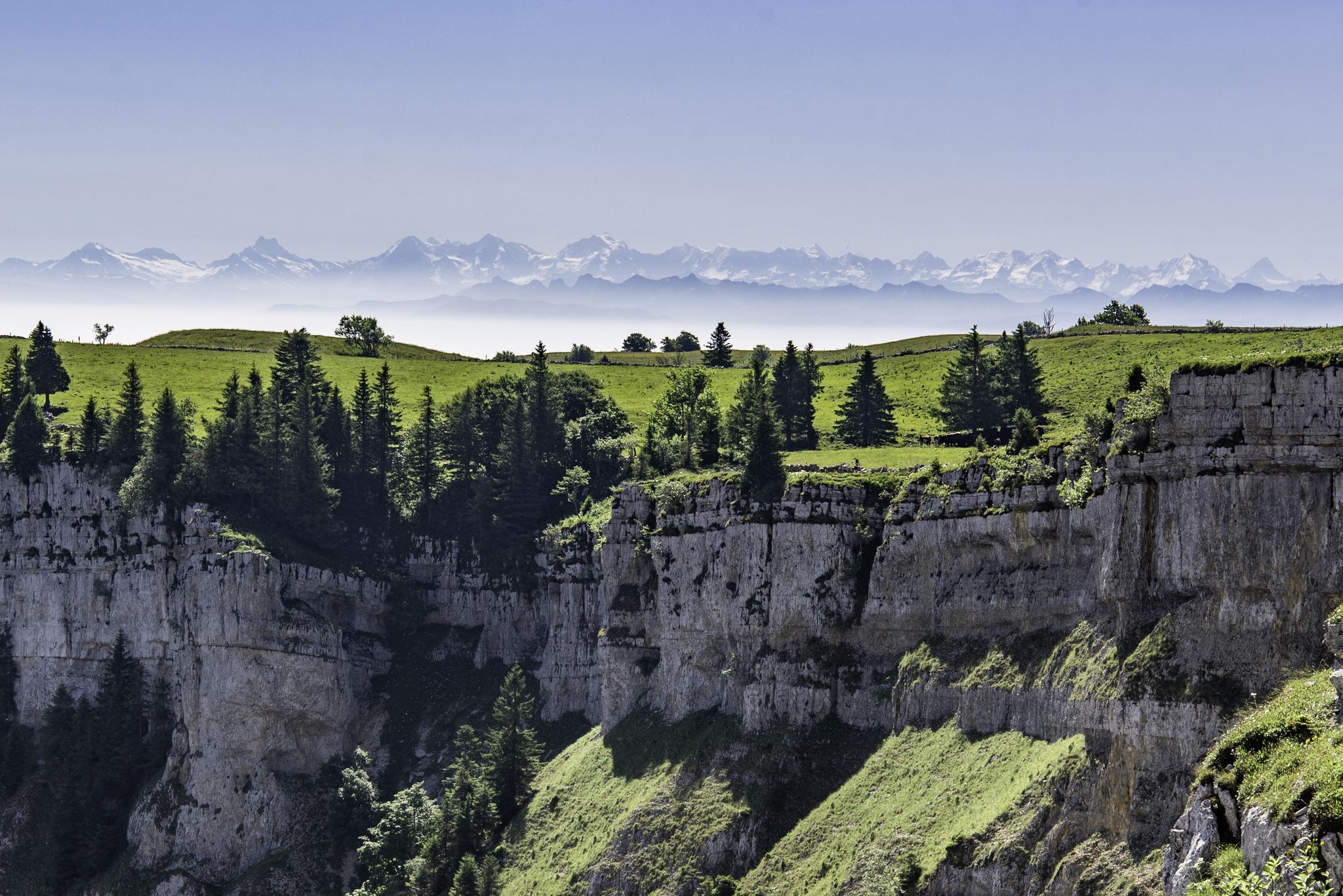
From the Vosges to the Jura mountains – Hexatrek, le Grand Est
Germany tour through all federal states
Palatinate hiking menu — day and half day hikes
Other adventures in Vosges Du Nord


Tips from the Community

Quite well preserved castle with a beautiful view of Fleckenstein Castle and, in the other direction, of Wegelnburg.
9
4

This magnificent castle complex is omnipresent… can be visited for a 5,-
19
2

Nice view at the entrance to Fleckenstein Castle
14
1

From here you have a great view of the castle, a ticket to get into the castle costs 5€
20
0

The sandstone formation Altschlossfelsen, which is designated as a natural and cultural monument and is also the largest rock reef in the Palatinate, is really fantastic. The name comes from a castle built on the rock towers many hundred years ago was built, but has long since fallen into ruin. Beautiful rocks run through the forest for more than a kilometer. Unfortunately often overcrowded on Sundays and public holidays...
13
0

Highly recommended for young and old.
12
1

Still an imposing and powerful building full of old legends. The castle has been renovated and made accessible to tourism. Visits are possible with or without a guide. The puzzle tours with knight spirit Hugo are also a lot of fun for children.
10
3

The White Lady of Hohenbourg Castle Not far from Hohenbourg Castle, just before the German-French border, is the Maidenbrunnen, which bears witness to a sad story: The lords of Hohenbourg and Wegelnburg were enemies for a long time. And as it was bound to happen, the squire Robert von Wegehiburg fell in love with Edwige, daughter of Lord von Hohebourg. She often lingered at the rich source between the two castles. One day Robert went hunting. He chased after a wild boar that rushed to the spring where Edwige was staying. In the heat of the moment, the wild boar jumped at Edwige, but Robert, a good hunter, was able to catch the wild boar just in time and won the heart of his beloved through this act. Often the two secretly spent time at this spring between the enemy castles. But one day the lord of Hohenbourg surprised his daughter in the arms of his archenemy's son. In blind rage he stabbed Robert in front of Edwige's eyes. She collapsed in grief and died on the spot, immediately following her lover to the realm of the dead. Since that awful day, two forget-me-not shrubs have been growing at this spring, now known as the Maiden's Well. It is not uncommon to see a white shadow over the Maidenbrunnen here at dusk: it is the ghost of Edwige, which descends from the cellars of the Hohenbourg and seeks the place of her love. There she sings sad words and sheds tears in the rivulet before vanishing again, carried by the wind. This legend comes from this link_: (https://www.wanderparadies-wasgau.de/hohenbourg.php)
17
0
Frequently Asked Questions
What are some popular natural monuments to visit in Vosges Du Nord?
The region is rich in natural monuments, often integrated with historical structures. Highly regarded spots include Hohenbourg Castle, which offers extensive views, and Fleckenstein Castle, known for being built directly into the rock. Another popular site is Klingelfels, a distinctive rock formation easily accessible near a parking area.
Are there family-friendly natural monuments in Vosges Du Nord?
Yes, several natural monuments are suitable for families. Fleckenstein Castle is particularly family-friendly, offering puzzle tours for children and being made accessible for visitors. The Besucherzentrum Burg Fleckenstein also caters to families with its facilities and views of the castle.
What kind of rock formations can I expect to see in Vosges Du Nord?
Vosges Du Nord is characterized by its unique sandstone formations. You'll encounter impressive rock faces, spurs, and formations that have been shaped by geological processes over time. Many castles, like Hohenbourg and Fleckenstein, are built directly into these natural rock structures, making them integral parts of the landscape.
Are there historical sites integrated with the natural monuments?
Absolutely. The natural monuments in Vosges Du Nord are often intertwined with historical sites, particularly castles. For example, Hohenbourg Castle and Fleckenstein Castle are prime examples of structures built into and around the natural sandstone formations, offering both natural beauty and historical significance.
What are some easy hikes to natural monuments in Vosges Du Nord?
For easier walks, you can explore routes like the Fleckenstein Castle loop, which offers views of the castle and is around 4.7 km. The Hasselfurth Pond Loop (5.4 km) and the Wasenbourg Castle discovery hike (5.9 km) are also good options. You can find more easy hiking routes in the region on the Easy Hikes in Vosges Du Nord guide.
Are there challenging trails for experienced hikers among the natural monuments?
Yes, for those seeking a more demanding experience, the Sentier des Roches (Felsenpfad) offers breathtaking rock formations and steep paths overgrown with roots, requiring sure-footedness and fitness. It's a challenging but rewarding trail with fantastic views.
What is the best time of year to visit the natural monuments in Vosges Du Nord?
The Northern Vosges Regional Nature Park is beautiful throughout the year. Spring and autumn offer pleasant temperatures for hiking and vibrant foliage. Summer is ideal for longer days and exploring, while winter can provide a serene, snow-covered landscape, though some trails might be more challenging or require appropriate gear.
Where can I find parking near the natural monuments?
Many natural monuments, especially popular ones like Klingelfels and the castles, have designated parking areas nearby. For instance, Klingelfels is located right next to a parking lot, making it easily accessible. It's advisable to check specific highlight pages for detailed parking information.
Are there options for cycling or mountain biking near the natural monuments?
Yes, the region offers various routes for cycling and mountain biking. You can find moderate to difficult MTB trails, such as the La Petite-Pierre loop or the Wintersberg and Wasenkoepfel massifs loop, in the MTB Trails in Vosges Du Nord guide. For touring cyclists, options like the Loop of the Vosges du Nord are available in the Cycling in Vosges Du Nord guide.
What do visitors particularly enjoy about the natural monuments in Vosges Du Nord?
Visitors frequently praise the well-preserved castles and their integration with the natural landscape, offering beautiful views. The unique sandstone formations and the challenging yet rewarding trails like the Sentier des Roches are also highly appreciated. The combination of history, nature, and panoramic vistas makes these locations very popular.
What kind of wildlife might I encounter in the Vosges Du Nord Regional Nature Park?
As part of a regional nature park with dense forests, Vosges Du Nord is home to diverse wildlife. You might spot various bird species, deer, wild boar, and smaller mammals. The park's commitment to conservation means that if you are quiet and observant, you have a chance to witness the local fauna in their natural habitat.
What should I wear when visiting the natural monuments?
Given the varied terrain, including forest paths and rocky sections, it's recommended to wear sturdy hiking shoes or boots. Layered clothing is advisable to adapt to changing weather conditions, especially if you plan to hike. For challenging trails, consider bringing trekking poles for stability.
Most popular routes in Vosges Du Nord
Most popular attractions in Vosges Du Nord

Get inspired with the komoot mobile app


