Top 11 Caves in Grands Causses
Best caves in Grands Causses are found within a permeable limestone landscape, creating a spectacular underground world. This region in France is known for its diverse subterranean formations, including vertical chasms and extensive galleries. Visitors can explore a variety of cave types, from those with impressive stalagmites to others featuring underground rivers. The area offers more than 10 notable caves and natural features for exploration.
Best caves in Grands Causses
- The most popular caves is Saint-Marcellin, a historical site…
Last updated: July 15, 2026
Saint-Marcellin
Highlight • Historical Site
Translated by Google •
Tip by

Usclades Shelter No. 2 (Witch's Cave)
Highlight • Cave
Translated by Google •
Tip by
Sign up now to discover places like this
Get recommendations on the best single tracks, peaks, & plenty of other exciting outdoor places.
Sign up for free
Abri des Usclades
Highlight • Cave
Translated by Google •
Tip by
Peyre Troglodyte Village
Highlight • Settlement
Translated by Google •
Tip by

Paillasses Cave
Highlight • Cave
Translated by Google •
Tip by
Sign up for free to discover even more caves in Grands Causses.
Sign up for free
Already have an account?
Start today with a free account
Your next adventure awaits.
Login or Signup
Popular around Grands Causses
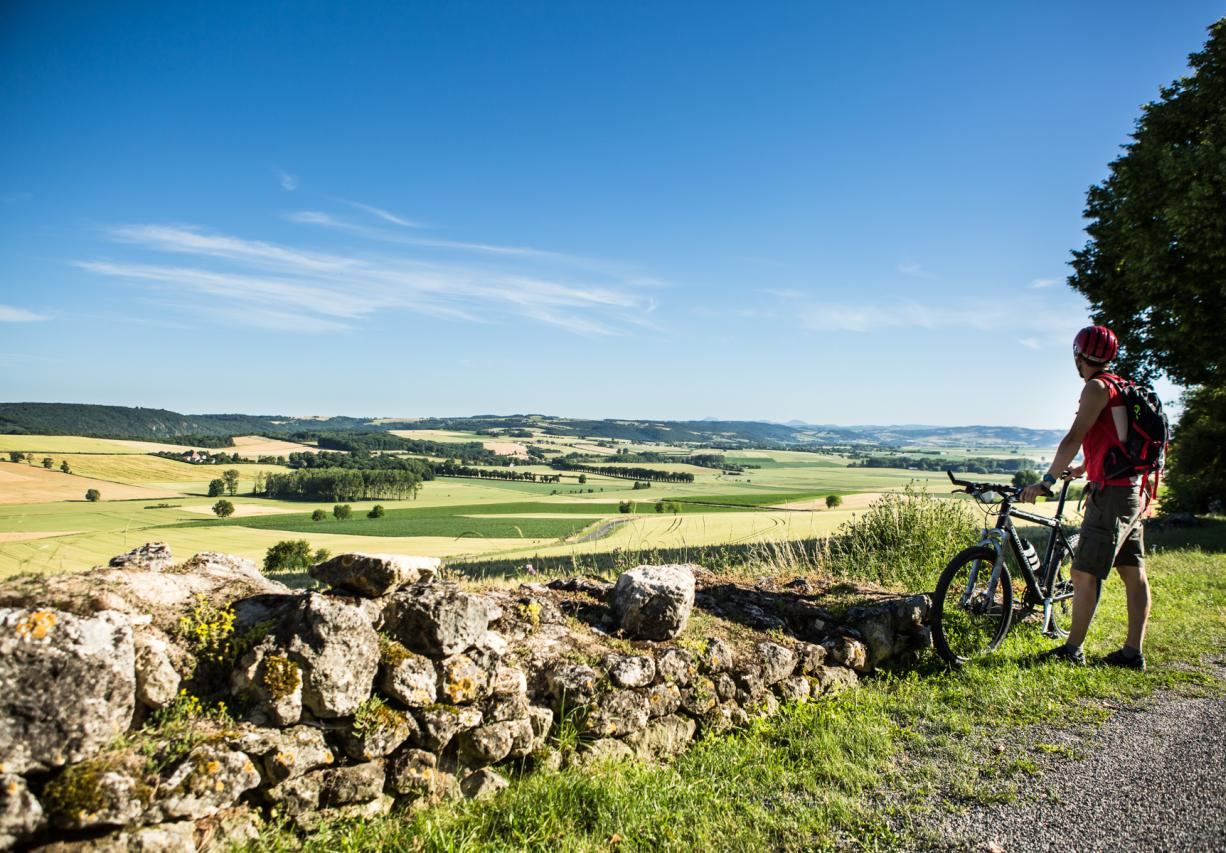
The Grande traversée du Massif Central by gravel bike
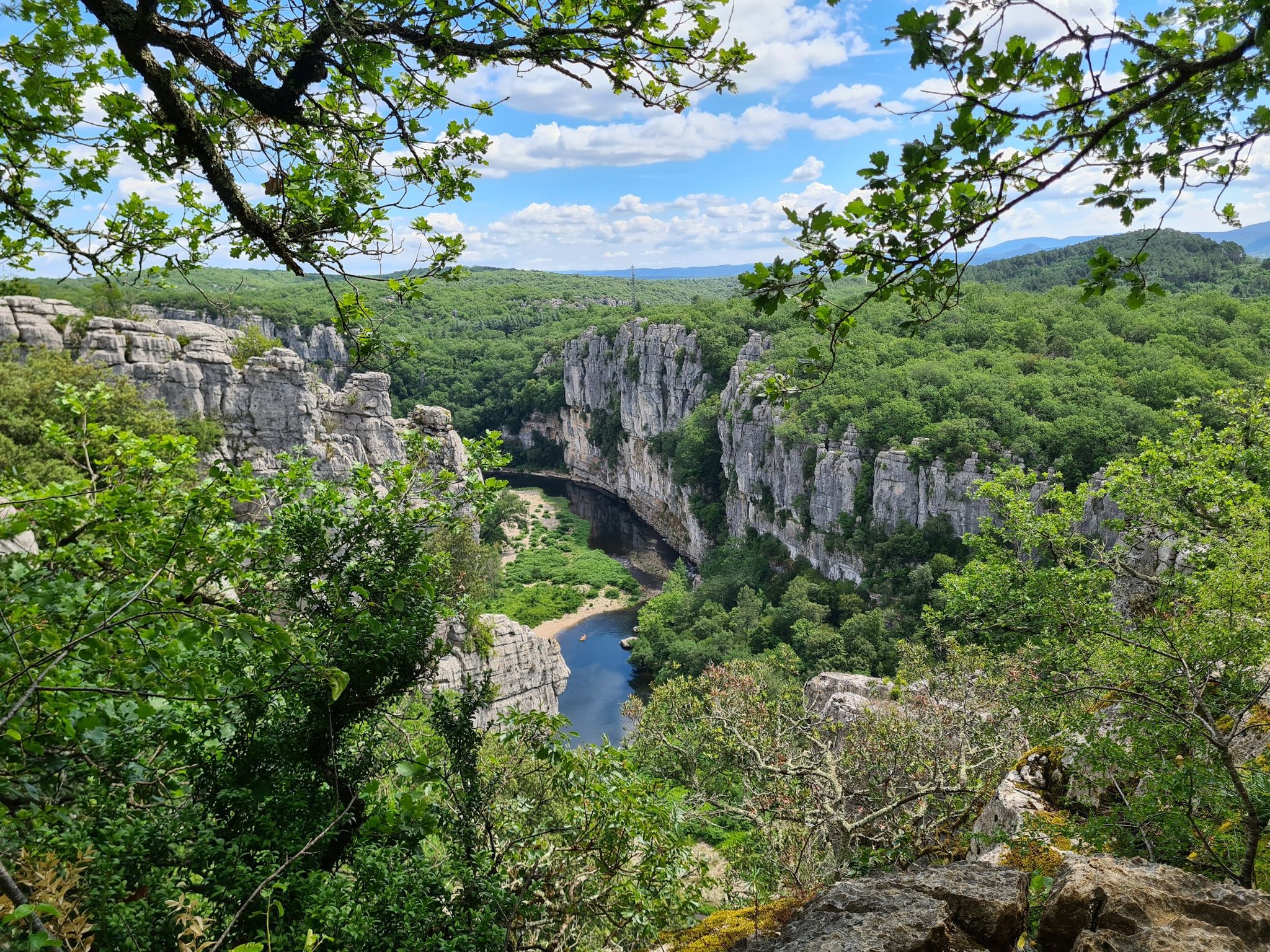
Hexatrek – The Cévennes to the Pyrenees between gorges and limestone plateau
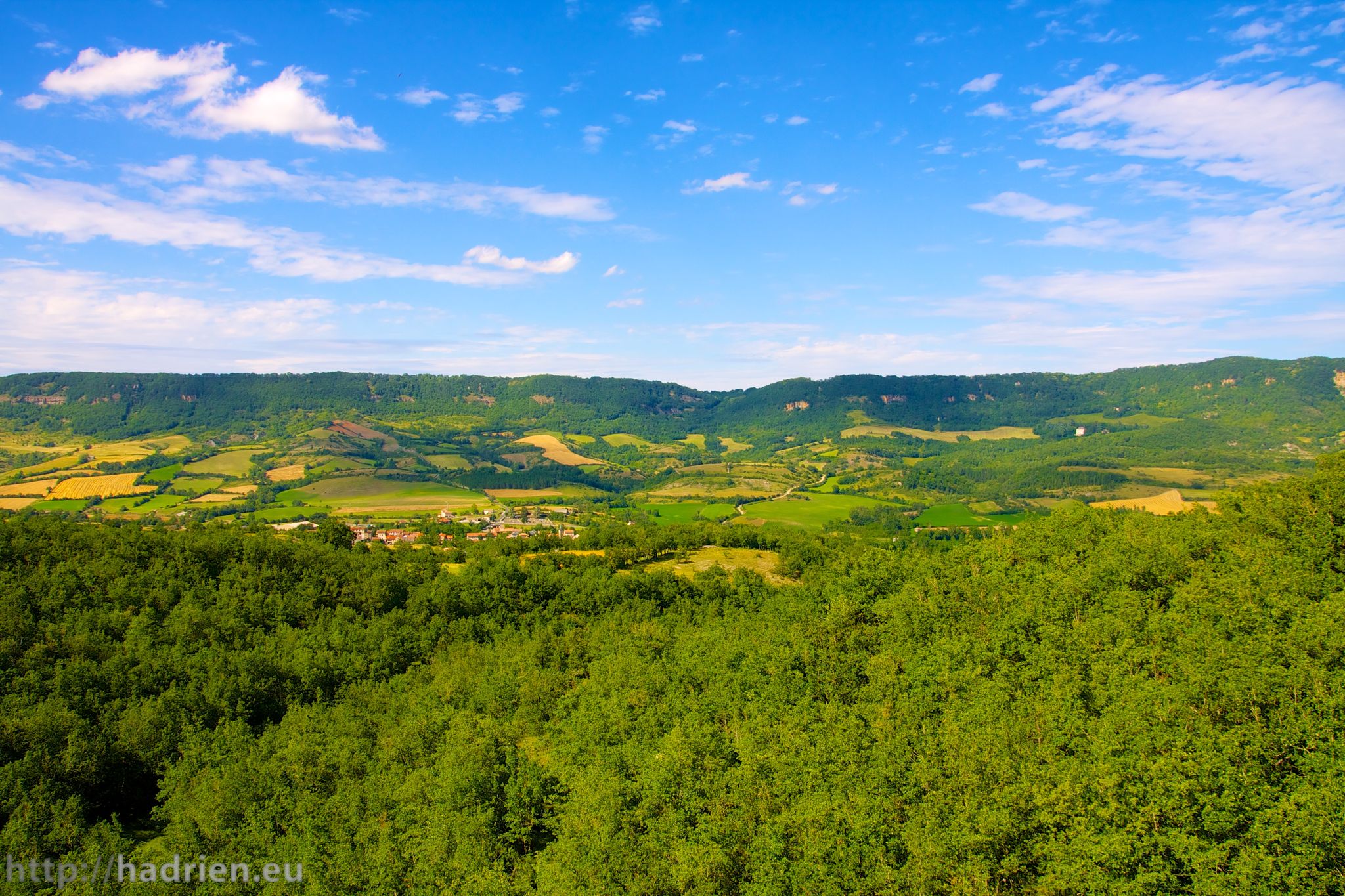
Tour of Aveyron — The mountains and valleys of Roquefort and Aligot
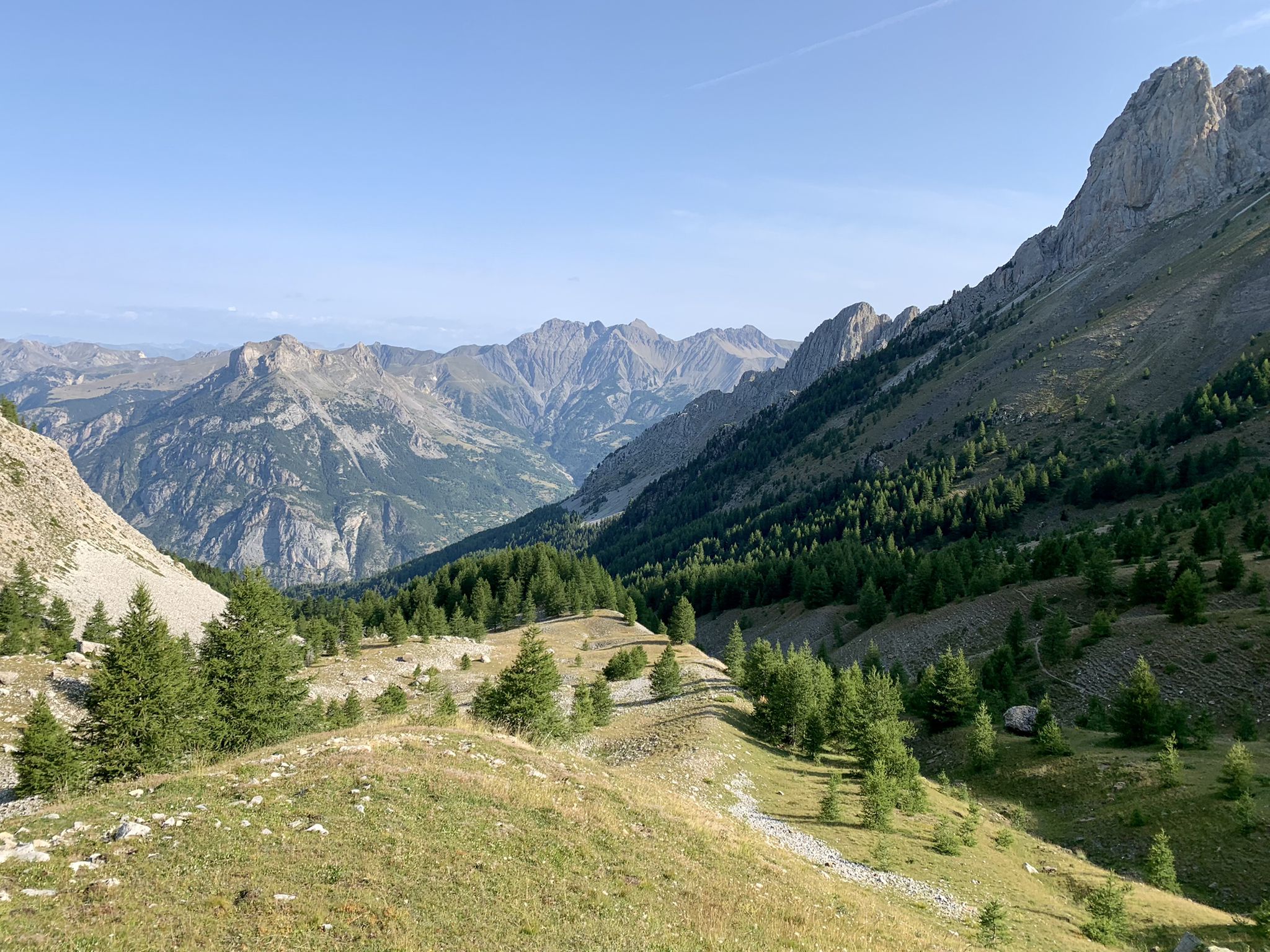
From the Alps to the Atlantic — GR 6
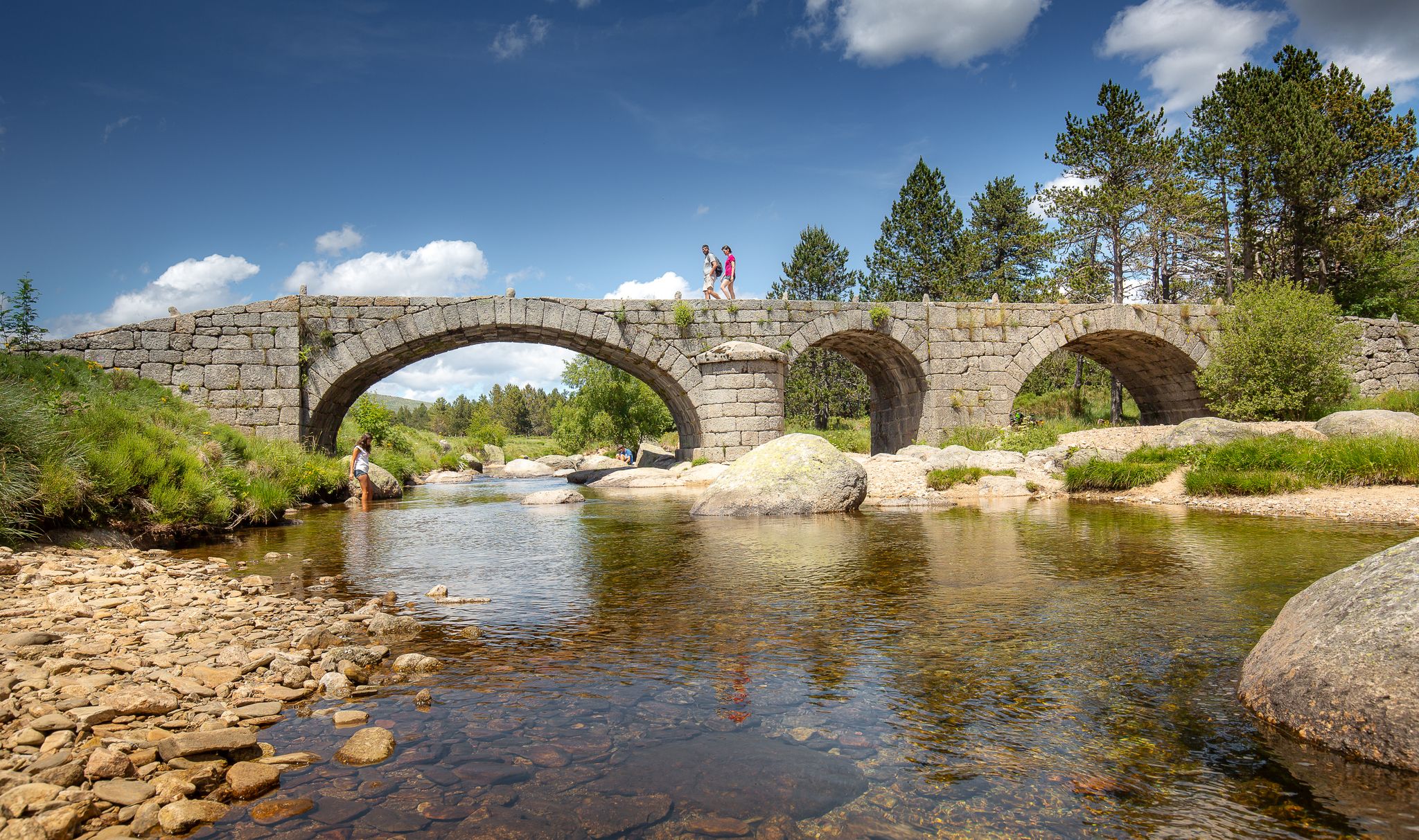
The most beautiful walks in Lozère
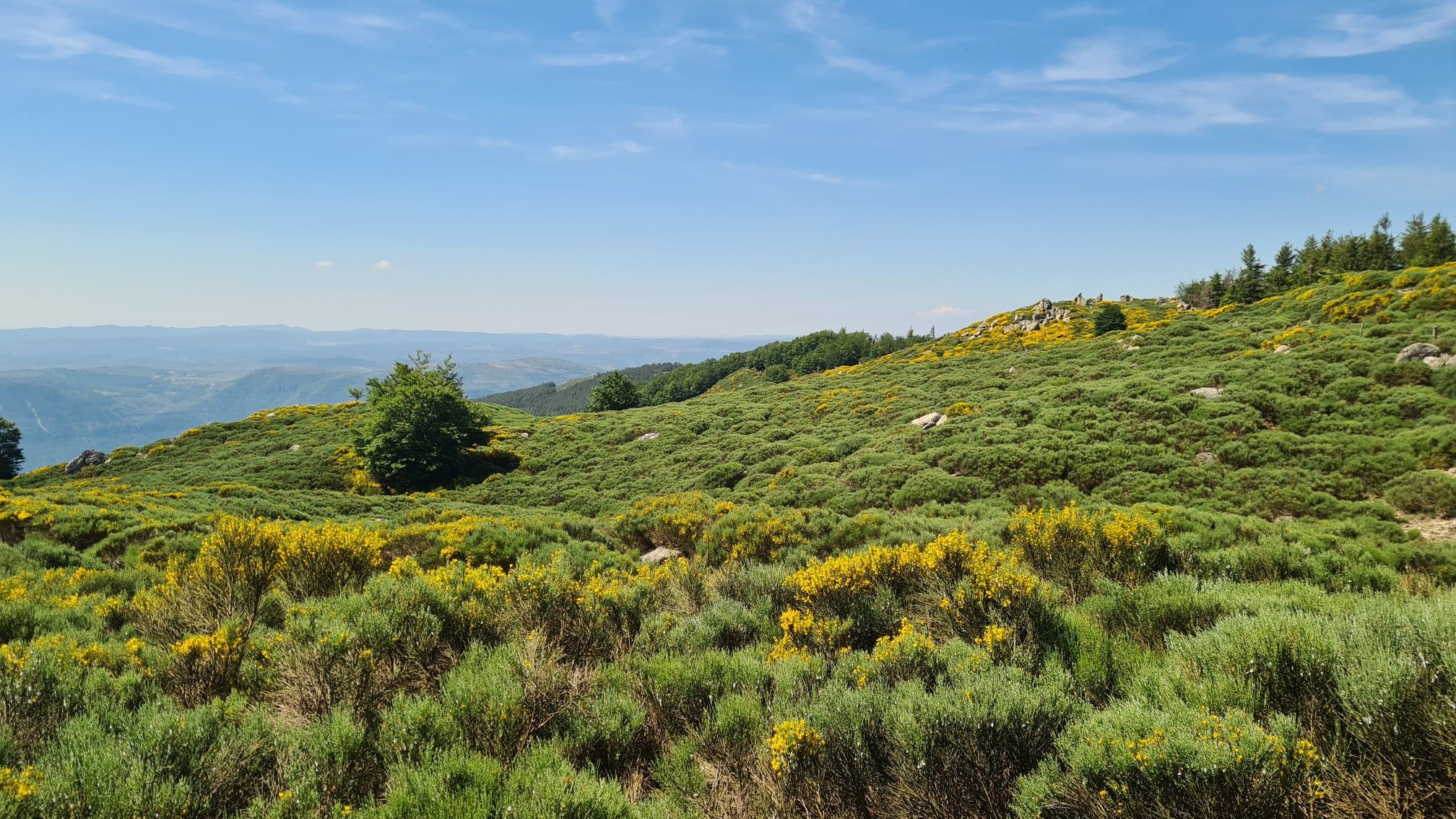
From L'Espérou to Lodève - Explore the Cevennes on the GR 71
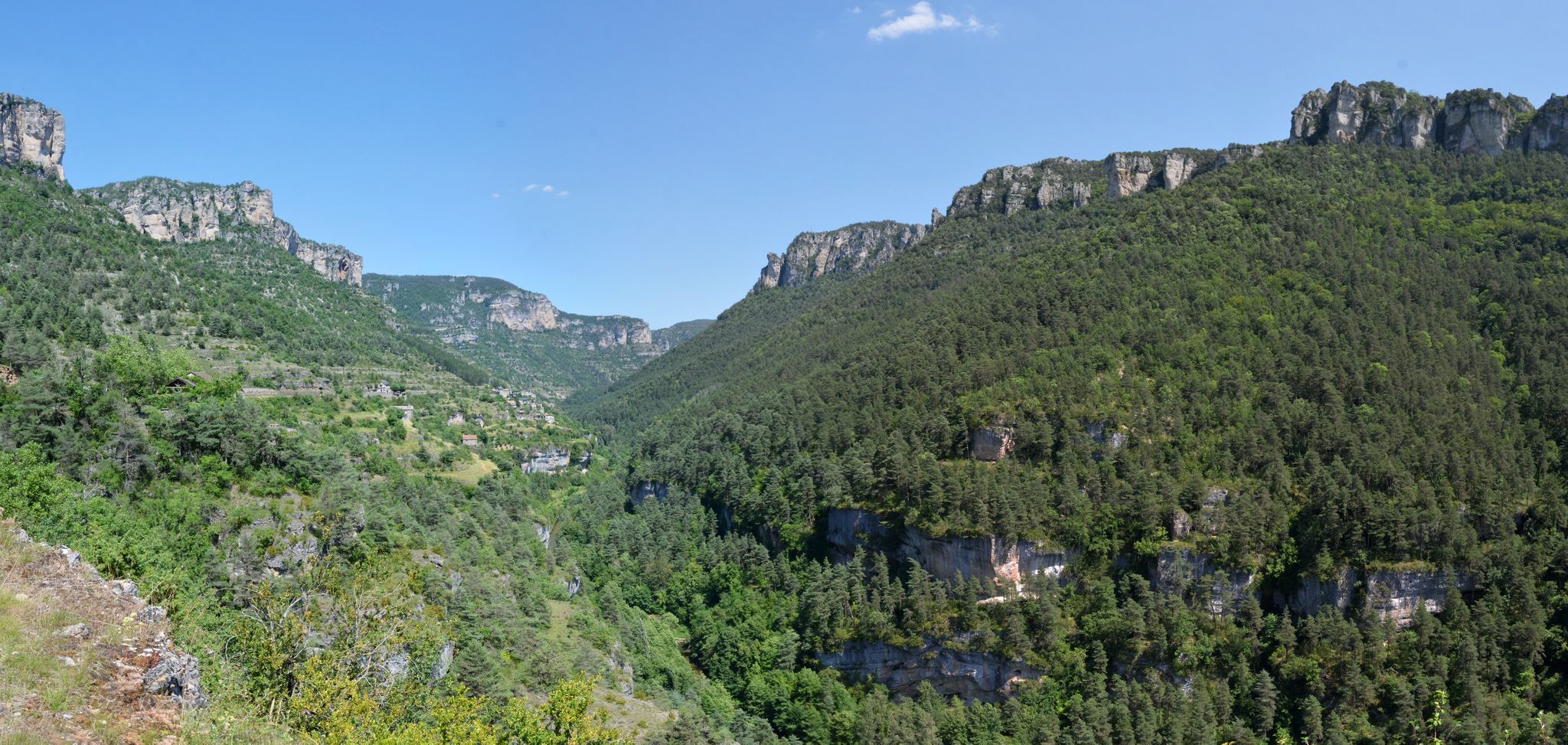
Meyrueis to La Roque-Sainte-Marguerite – GR 62A in France
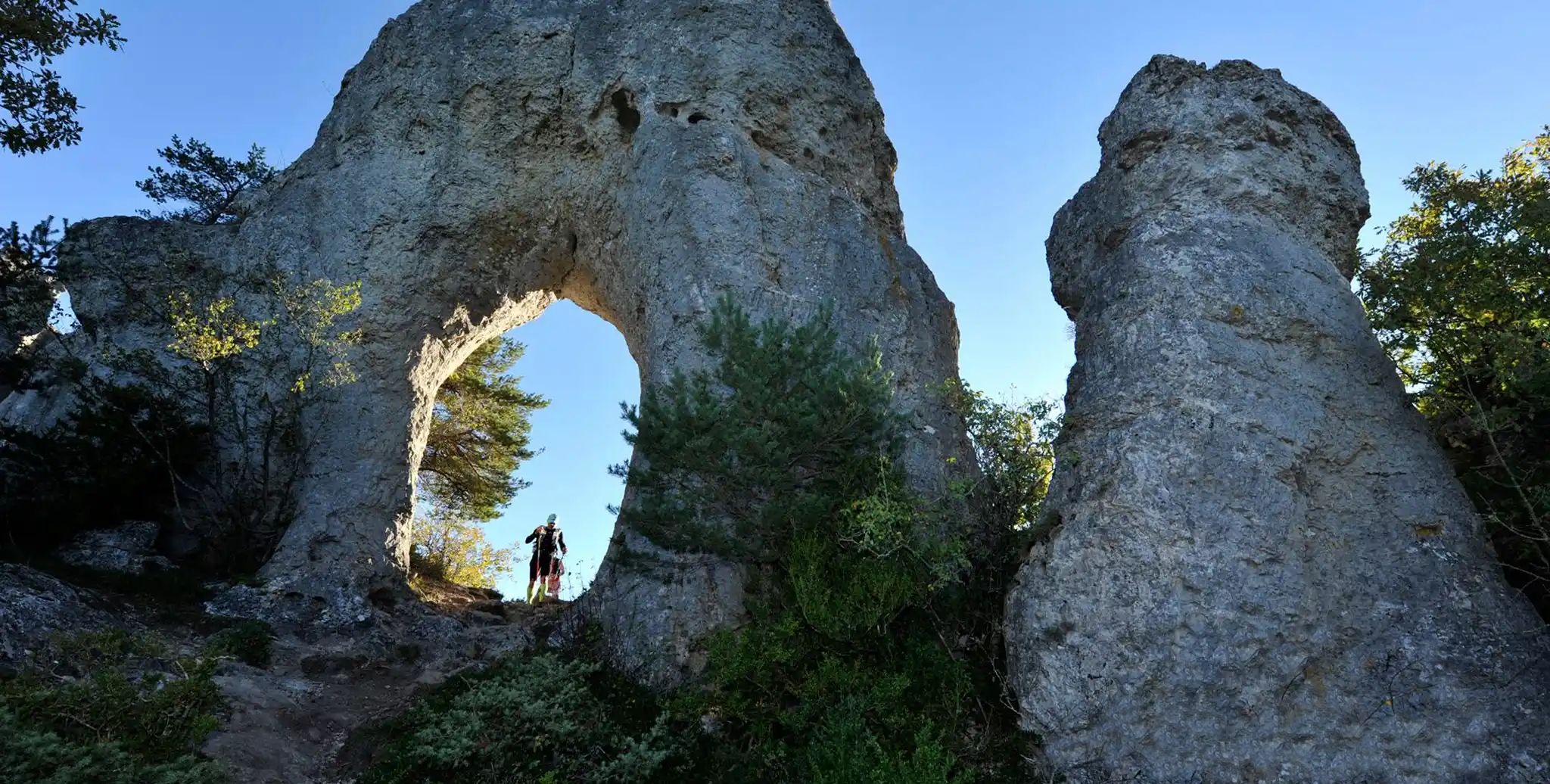
Trails de Légende in France – Festival des Templiers races
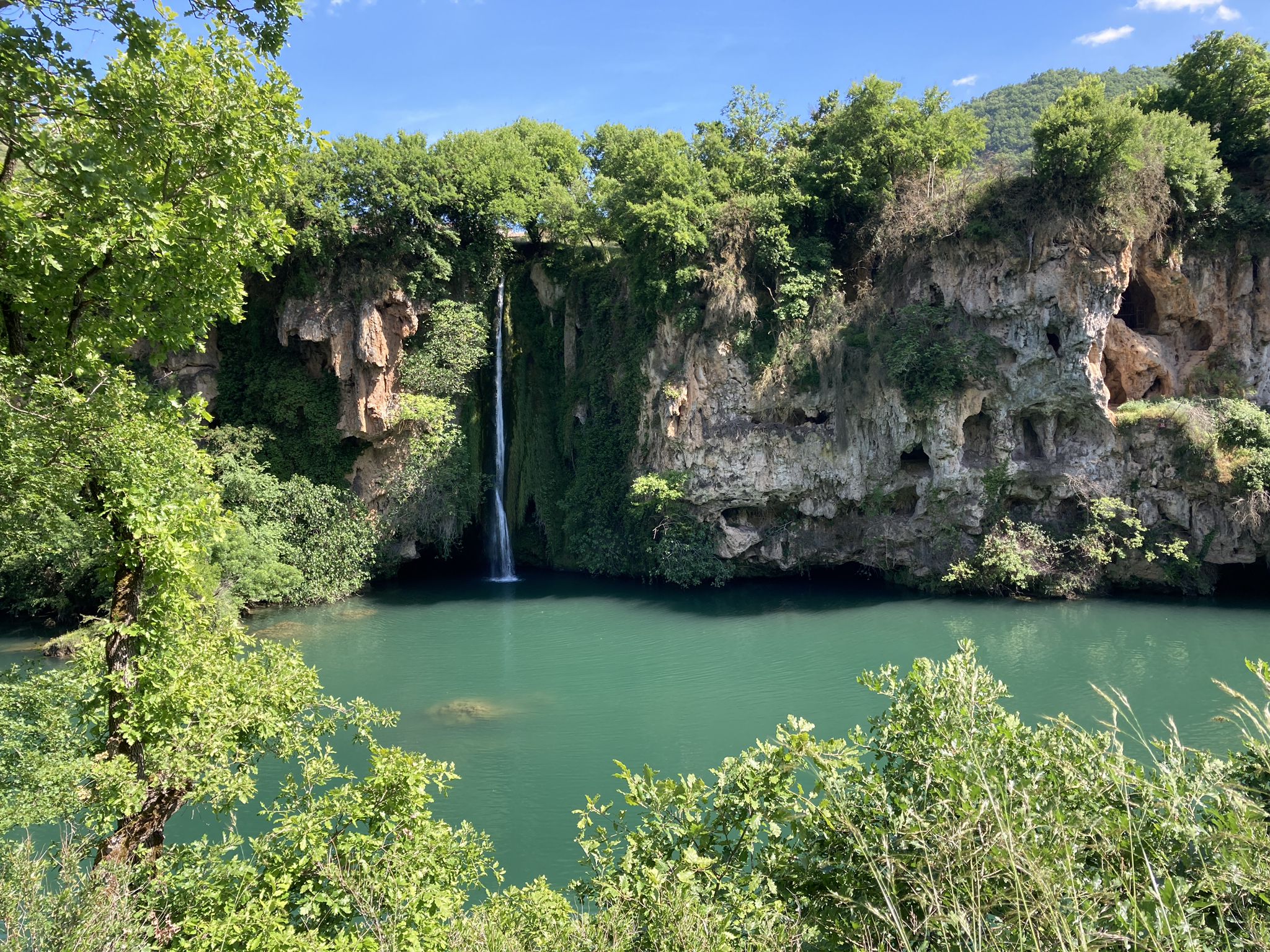
The sound of water – gravel and waterfalls in Aveyron
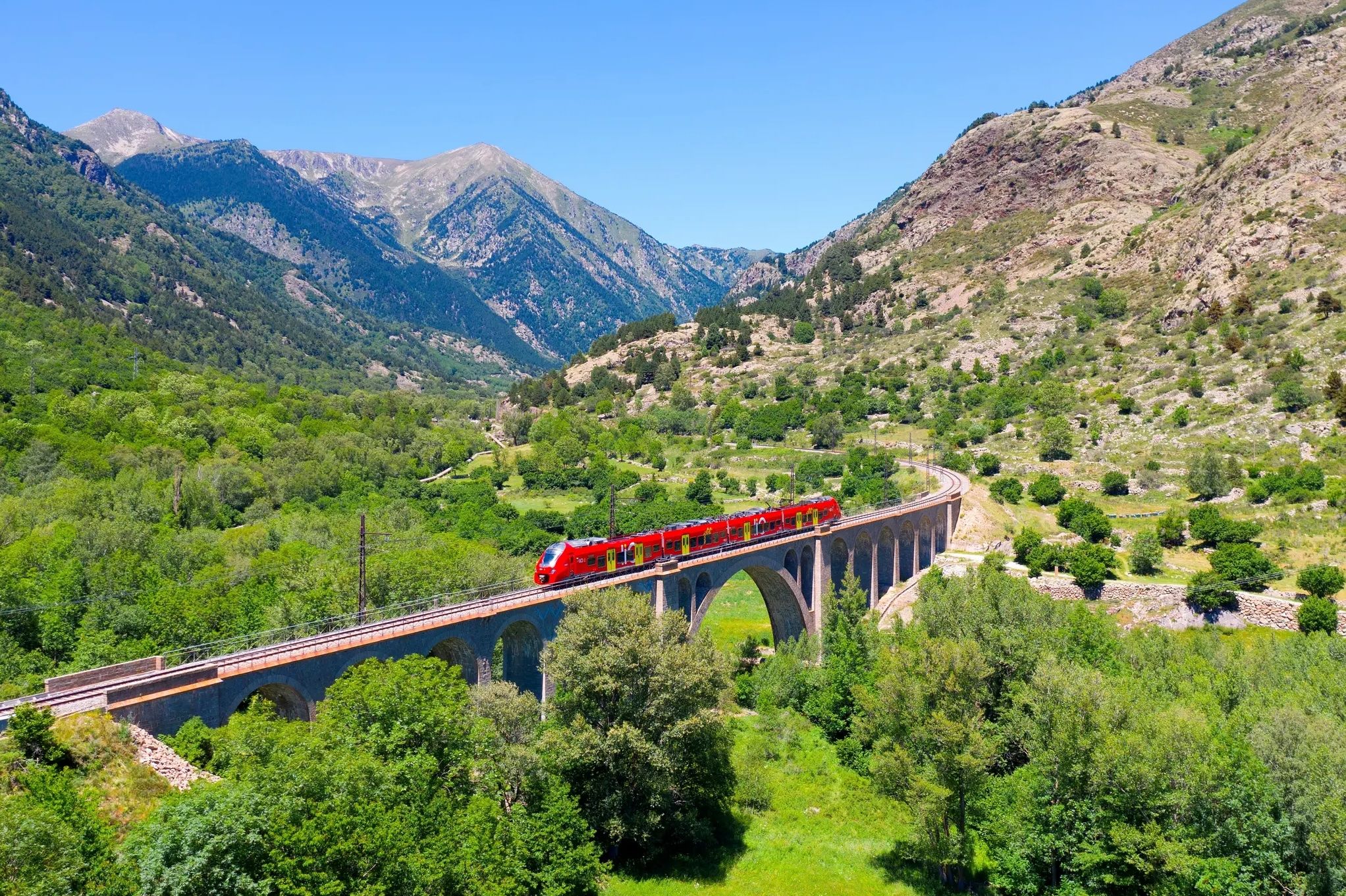
Occitanie Rail Tour – by train and on foot through Occitania
Other adventures in Grands Causses


Tips from the Community

very nice hike but some difficult sections.
0
0

Built on the side of a cliff in a natural cirque, Saint-Marcellin, like Églazines, is a magnificent and emblematic site where humans have always adapted to nature to build their habitat. This troglodyte village thus preserves the remains of a rock fortification but also of jasses (caves converted into sheepfolds), a Caussenard house, a chapel, a bread oven...
1
0
Like its sister, this cave was occupied from the Mesolithic. A limestone plaque was found there by archaeologists, suggesting a religious significance.
0
0
Cave occupied for more than 10,000 years. Traces of occupation dating back to -9500 years BC have indeed been found up to the remains of an old sheepfold occupied until the 19th century.
1
0
La Grotte des Paillasses, a converted balm (cave) from which a spring springs, is an ideal place to take a cool break.
0
0


Very beautiful troglodyte village along the Tarn with a splendid view of the Millau viaduct
3
0

Frequently Asked Questions
What makes the caves in Grands Causses unique?
The Grands Causses region is renowned for its spectacular underground world, carved out of permeable limestone. You'll find a diverse range of subterranean formations, from vertical chasms known as 'avens' to extensive galleries. Many caves also hold significant historical and archaeological importance, preserving traces of ancient human occupation and unique geological features.
Are there caves with significant historical or archaeological importance in Grands Causses?
Yes, several caves in the region are rich in history. For instance, Saint-Marcellin is a historical site and cave that preserves the remains of a rock fortification and jasses (caves converted into sheepfolds). The Abri des Usclades was occupied for over 10,000 years, with traces dating back to 9500 BC, and Usclades Shelter No. 2 (Witch's Cave) also shows Mesolithic occupation and a limestone plaque suggesting religious significance.
What kind of geological formations can I expect to see in the Grands Causses caves?
The caves in Grands Causses showcase a wide array of impressive geological formations. At Aven Armand, you can marvel at almost 400 stalagmites, including 'La Grande Stalagmite,' which is a world-record 30 meters high. Grotte de Dargilan, often called 'the pink cave,' features extensive galleries with diverse and colorful stalactites and stalagmites. The region's limestone landscape allows for truly spectacular natural artistry.
Are there any caves featuring underground rivers in the Grands Causses?
Yes, the Abîme de Bramabiau is a notable rumbling river cave in the Grands Causses. It offers a powerful natural presentation, especially impressive during periods of high water, providing a distinct experience compared to the more ornate show caves.
Which caves are known for their distinctive colors or unique features?
Grotte de Dargilan is famously known as 'the pink cave' due to its distinctive coloration and extensive, varied galleries. Aven Armand is unique for its 'aven' (vertical chasm) entrance and its record-breaking 'La Grande Stalagmite,' which is the largest in an underground setting.
Are there family-friendly caves in Grands Causses?
Many of the developed show caves in Grands Causses are suitable for families. For example, Aven Armand offers a unique funicular entrance, making it an exciting experience for all ages. When planning a visit, it's always a good idea to check the specific cave's accessibility and tour details for children.
What should I wear when visiting caves in Grands Causses?
Cave temperatures are typically cool and constant, regardless of the outside weather. It's advisable to wear comfortable walking shoes with good grip, as surfaces can be damp or uneven, and bring a light jacket or sweater, even in summer, to stay comfortable during your exploration.
What is the best time of year to visit the caves in Grands Causses?
The caves maintain a consistent cool temperature year-round, making them a good destination in any season. However, visiting during spring or autumn might offer a more pleasant experience with fewer crowds and comfortable weather for exploring the surrounding region. Some caves might have seasonal operating hours, so it's best to check in advance.
How long do cave tours typically last in the Grands Causses?
Tour durations can vary depending on the specific cave. For example, a visit to Grotte de Dargilan typically lasts around 1 hour and 15 minutes. It's always recommended to check the official website or contact the cave directly for precise tour lengths and schedules.
What outdoor activities can I do near the caves in Grands Causses?
The Grands Causses region offers a wealth of outdoor activities. You can find numerous hiking trails, including moderate routes like 'Corniches du Méjean' or 'The Hermitage Saint Michel'. For cyclists, there are challenging gravel biking routes such as 'Ascent to Larzac from Millau'. You can also explore waterfall hikes, with easy options like 'The Creissels waterfalls'.
Are there any less crowded cave options in the Grands Causses region?
While popular sites like Aven Armand and Grotte de Dargilan attract many visitors, you might find a more tranquil experience at other sites. Consider exploring the Paillasses Cave, known for its spring and cool break spot, or the historical Peyre Troglodyte Village, which includes cave dwellings. Visiting during off-peak hours or seasons can also help avoid larger crowds.
What do visitors particularly appreciate about the caves in Grands Causses?
Visitors to the Grands Causses caves highly appreciate the stunning natural beauty and the unique historical insights. The komoot community has shared over 80 photos and given more than 60 upvotes, highlighting the impressive formations, the adaptation of humans to nature in troglodyte villages, and the sense of discovery in these ancient sites.
Most popular routes in Grands Causses
Most popular attractions in Grands Causses

Get inspired with the komoot mobile app


Explore more
Extend your search for the best caves by checking out these guides of the top ones in Grands Causses:
