The best cycling routes around Albi
4.9
(17)
174
riders
17
rides
Touring cycling around Albi offers routes through varied terrain, characterized by rolling hills, river valleys, and agricultural landscapes. The region features significant elevation changes on many routes, providing challenging climbs and rewarding descents. Cyclists can expect to encounter a mix of paved roads and quieter country lanes, often passing through small villages and past natural water features.
Best touring cycling routes around Albi
- The most popular touring cycling route is Public fountain – Tiriolo loop from Gimigliano, a 37.9…
Last updated: August 31, 2026
5.0
(1)
21
riders
75.4km
05:39
1,840m
1,840m
Hard bike ride. Very good fitness required. Mostly paved surfaces. Suitable for all skill levels.
4.5
(4)
18
riders
55.8km
04:06
1,270m
1,270m
Hard bike ride. Very good fitness required. Mostly paved surfaces. Suitable for all skill levels.

Sign up for free
13
riders
21.1km
01:44
680m
680m
Hard bike ride. Very good fitness required. Mostly paved surfaces. Suitable for all skill levels.
5.0
(1)
11
riders
44.7km
03:44
770m
780m
Hard bike ride. Very good fitness required. Mostly paved surfaces. Suitable for all skill levels.
12
riders
32.8km
02:17
630m
630m
Hard bike ride. Very good fitness required. Mostly paved surfaces. Suitable for all skill levels.
Get access to more routes and recommendations from other explorers.
Sign up for free
Already have an account?
Our route recommendations are based on thousands of hikes, rides, and runs completed by other people on komoot.
Start today with a free account
Your next adventure awaits.
Login or Signup
Other adventures around Albi

Tips from the Community

great stop hotel 2 mari , perfect from A to Z, all the staff and Antonio were invaluable and very friendly excellent value for money, wonderful rooms and dinner, everything needed for bike maintenance ..... rooms and service included 👍👍👍
0
0

A sanctuary, the destination of an annual pilgrimage linked to a legend. The Madonna is said to have appeared in a dream to a bandit, commanding him to build a chapel dedicated to her and to convert to a better life. The basilica was later built around this chapel.
0
0
Unfortunately, it's been dry lately. Only a trickle of water comes out.
0
0

Ginestra is a shrub that, thanks to symbiosis with bacteria, binds nitrogen from the air and fertilizes even the poorest, dry soils. In fertile soils, it spreads too much, creating dense fields that smother other plants – a bit like an uninvited guest who eats everything from the buffet. Inside, it contains sparteine, an alkaloid used to treat cardiac arrhythmia, atrial fibrillation and circulatory problems, and its stiff shoots have been used for centuries to make brooms. And even today, in some places, these shoots are used as traditional rods given to naughty children in December instead of presents.
1
0
A plant with intensely yellow flowers that grows wild in southern Italy. Here it is most often called ginestra. It occurs especially in mountainous and dry areas, and its presence in the landscape of Calabria in spring and early summer is very characteristic - it creates yellow spots on the slopes and along the roads. The intensely yellow flowers stand out against the green slopes, creating a strong and at the same time harmonious contrast. This combination works on the imagination and gives a strong impression of the freshness and exuberance of nature. In Calabria, especially in May and June, this contrast is perfectly visible: the green hills are covered with a yellow shower of flowers, creating almost painterly landscapes.
1
0

The Sanctuary of the Madonna di Porto in Gimigliano, Calabria, is one of the most important Marian shrines in the region and a central site of popular piety. The origins of the shrine date back to 1626, when Calabria was struck by a plague epidemic and earthquakes. During this time, the painter Marcangione began a painting of the Madonna di Costantinopoli. According to legend, the image was miraculously completed overnight, which was interpreted as a divine sign. This image, considered "acheropit" (not made by human hands), became a center of veneration. Later, the Madonna appeared in a dream to a local brigand named Pietro Gatto. After his conversion, he built a small chapel, which formed the foundation stone of the present shrine.
3
0
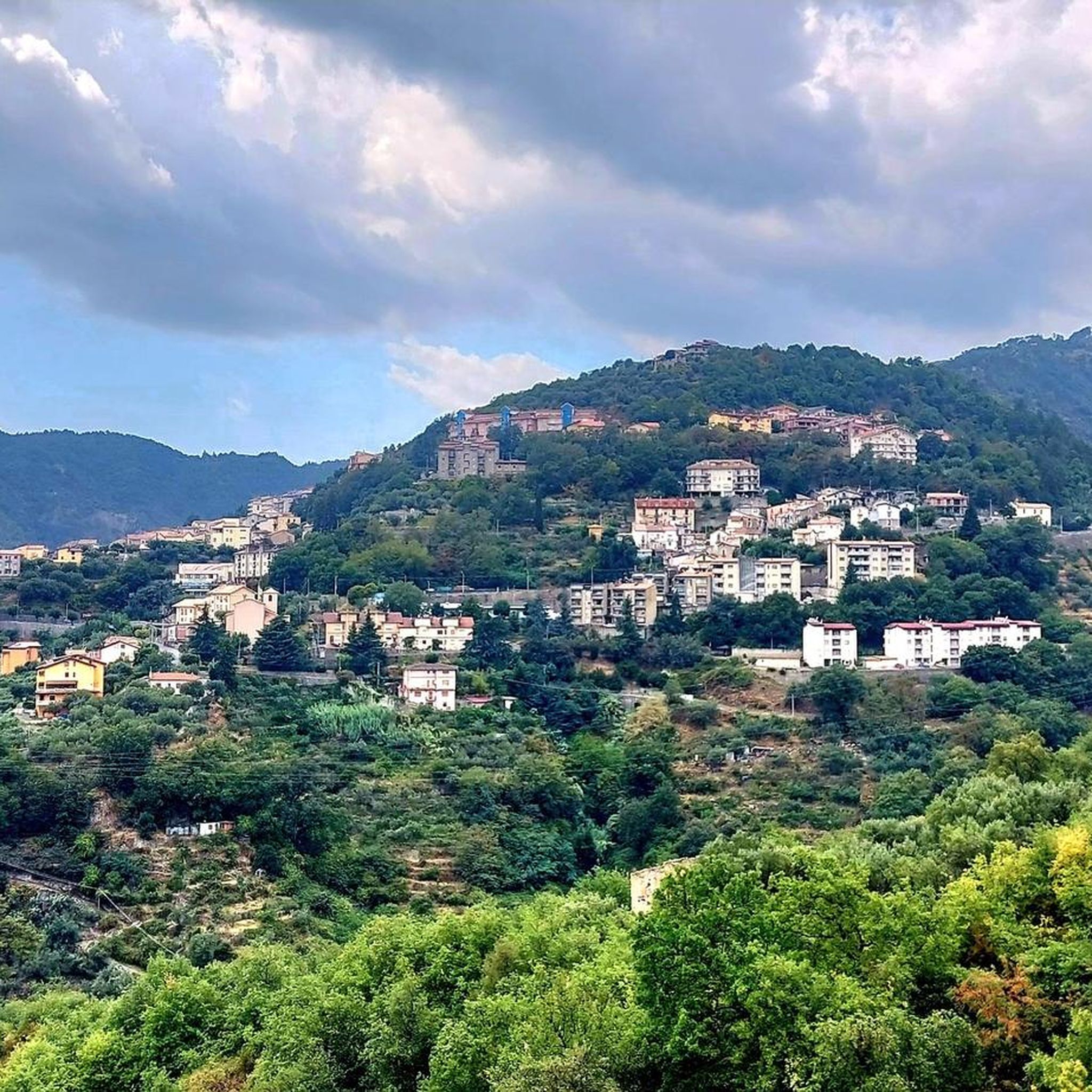
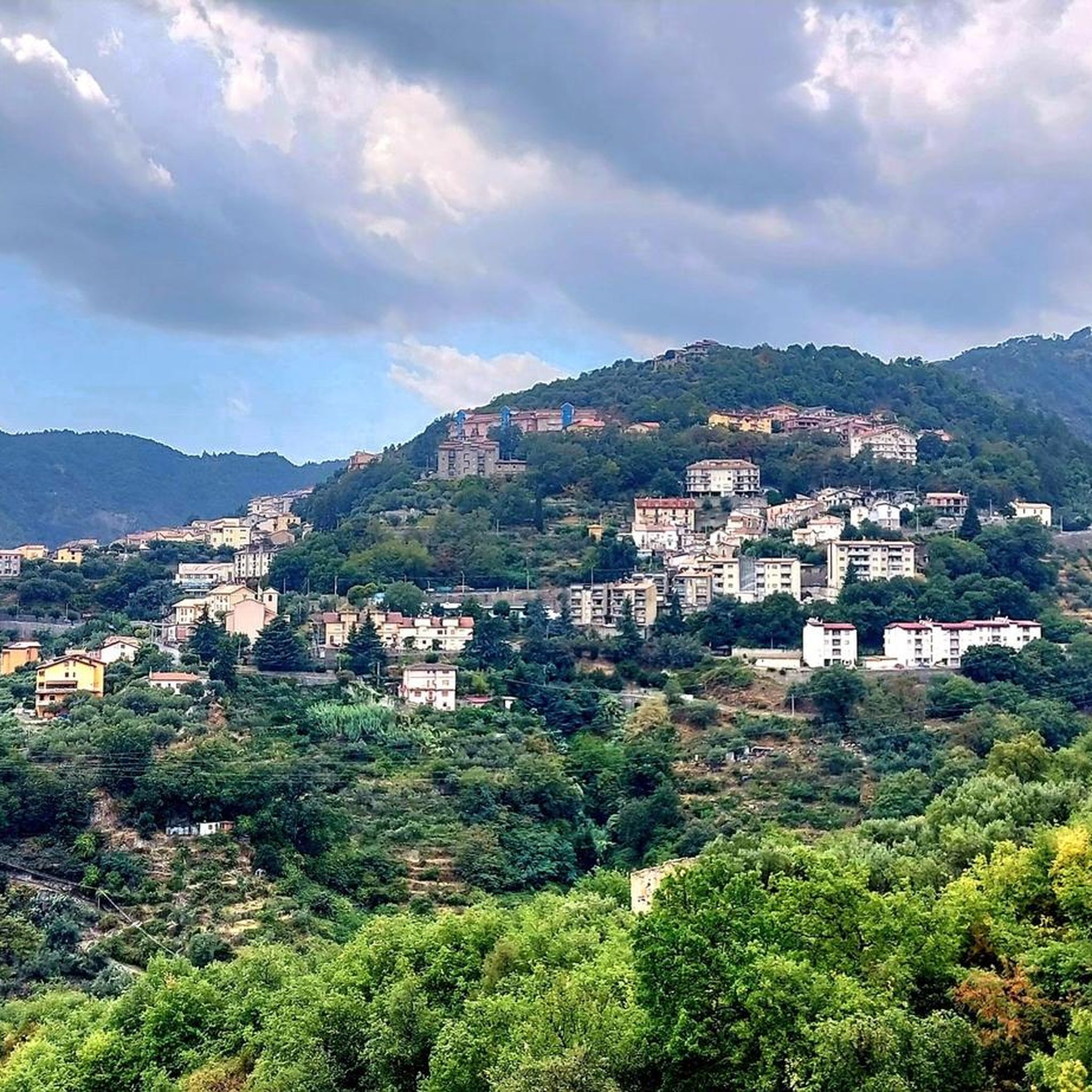
Tiriolo is a charming village in Calabria, southern Italy, known as the "place between two seas." It is picturesquely situated on a hill overlooking the Ionian and Tyrrhenian Seas. Tiriolo boasts ancient roots, a rich history, traditional craftsmanship, and a welcoming, authentic atmosphere.
4
0

Free charging, pump and tools for repairing breakdowns. Free charging and self-repair station for bicycles and e-bikes. This column is part of the project Ciclovia dei Parchi della Calabria cicloviaparchicalabria.it/it This station is part of the project Calabria Parks Cycle Network cicloviaparchicalabria.it/en
0
0
Frequently Asked Questions
How many touring cycling routes are available around Albi?
There are 18 touring cycling routes around Albi listed on komoot. These routes offer a variety of experiences through the region's rolling hills, river valleys, and agricultural landscapes.
Are there any easy or family-friendly touring cycling routes in Albi?
The touring cycling routes around Albi are generally challenging, with 16 routes rated as 'difficult' and 2 as 'moderate'. There are no routes specifically categorized as 'easy' for touring cyclists, meaning most trails involve significant elevation changes and are better suited for experienced riders or families with older, more capable cyclists.
What kind of terrain can I expect on touring cycling routes around Albi?
Cyclists in Albi can expect varied terrain characterized by rolling hills, river valleys, and agricultural landscapes. Routes often feature significant elevation changes, providing both challenging climbs and rewarding descents. You'll encounter a mix of paved roads and quieter country lanes, frequently passing through small villages and alongside natural water features.
Are there any circular touring cycling routes around Albi?
Yes, many of the touring cycling routes around Albi are designed as loops. For example, the Public fountain – Tiriolo loop from Gimigliano is a popular 37.9-mile circular route, and the View of the Valley – Valley View loop from Albi offers panoramic views on a 13.2-mile loop.
What are some of the longer touring cycling routes in the Albi area?
For those seeking longer rides, the Lake Ampollino – Lago Ampollino Dam loop from Tirivolo is a substantial 69.7-mile (112.2 km) route. Another option is the Public fountain – Tiriolo loop from Gimigliano, which covers 37.9 miles (61.1 km).
What do other touring cyclists enjoy most about cycling in Albi?
The touring cycling routes in Albi are highly rated by the komoot community, with an average score of 4.5 stars from over 12 reviews. Cyclists often praise the challenging terrain, the panoramic views across valleys, and the opportunity to explore small villages and natural water features.
What natural attractions can I see along the touring cycling routes near Albi?
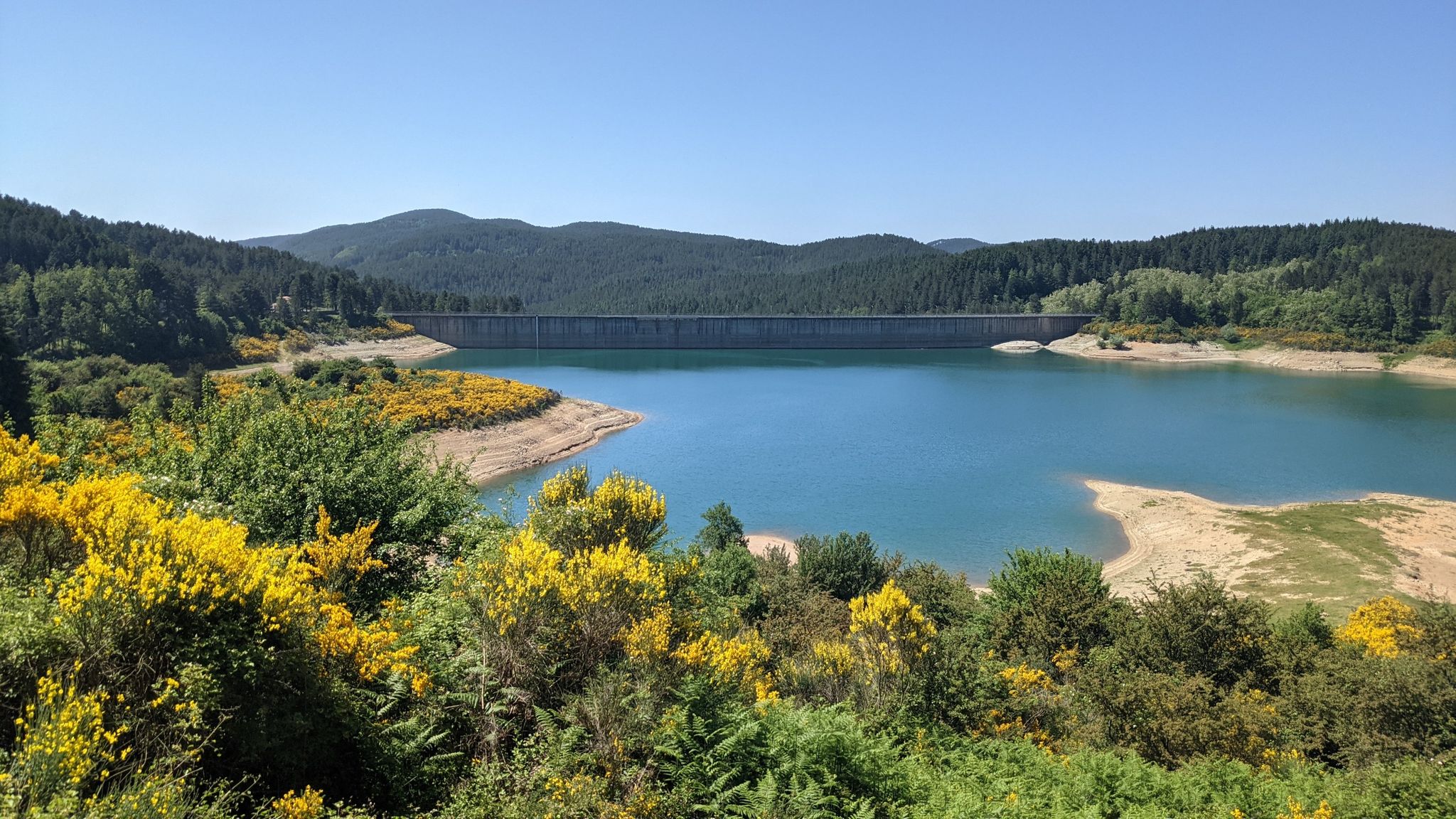
The Albi region is rich in natural beauty. You can discover several waterfalls, such as Litrello Waterfall, Campanaro Waterfall, and Cascata del Piciaro. Other natural highlights include the Ginestra in Calabria area and the Coturelle Piccione – Treasure Chest of Biodiversity, Sila Piccola.
Are there any routes that pass by water features or lakes?
Yes, several routes incorporate natural water features. The Ginestra in Calabria – Water fountain loop from Fontana dei Monaci leads through hilly terrain with natural water sources. For a route featuring a larger body of water, consider the Lake Ampollino – Lago Ampollino Dam loop from Tirivolo.
What is the best season for touring cycling in Albi?
Given the significant elevation changes and varied terrain, spring and autumn generally offer the most pleasant conditions for touring cycling in Albi, with milder temperatures. Summer can be warm, especially on climbs, while winter might present challenges with colder weather and potentially wet conditions.
Are there any moderate difficulty touring cycling routes in Albi?
Yes, while most routes are difficult, there are two moderate options. One such route is the Start of Sentiero delle Fate – Villaggio Mancuso loop from Villaggio Mancuso, which is 14.3 miles (23 km) long and offers a less strenuous experience compared to the more challenging trails.
Most popular routes around Albi
Most popular attractions around Albi

Get inspired with the komoot mobile app


Explore more
Browse the best Cycling routes in other regions.
