Attractions and Places To See around Scigliano - Top 17
Best attractions and places to see around Scigliano, a municipality in Calabria, Italy, are found within the picturesque Savuto Valley. This region is characterized by its unspoiled natural beauty, ancient noble palaces, and numerous churches. The area offers a rich blend of historical, cultural, and natural attractions. Visitors can explore diverse landscapes, from Mediterranean scrub to vineyards.
Best attractions and places to see around Scigliano
- The most popular attractions is Angevin Castle of Savuto, a castle that rises majestically…
Last updated: July 16, 2026
Rifugio Monte Reventino
Highlight • Mountain Hut
Translated by Google •
Tip by

Tavolaria Bridge
Highlight • Bridge
Translated by Google •
Tip by

Sign up now to discover places like this
Get recommendations on the best single tracks, peaks, & plenty of other exciting outdoor places.
Sign up for free
Abbey of Santa Maria di Corazzo
Highlight • Historical Site
Translated by Google •
Tip by

Soveria Mannelli Town Center
Highlight • Settlement
Translated by Google •
Tip by

Gravel road along the Savuto River
Highlight (Segment) • Trail
Translated by Google •
Tip by

Sign up for free to discover even more attractions around Scigliano.
Sign up for free
Already have an account?
Start today with a free account
Your next adventure awaits.
Login or Signup
Popular around Scigliano

Tips from the Community

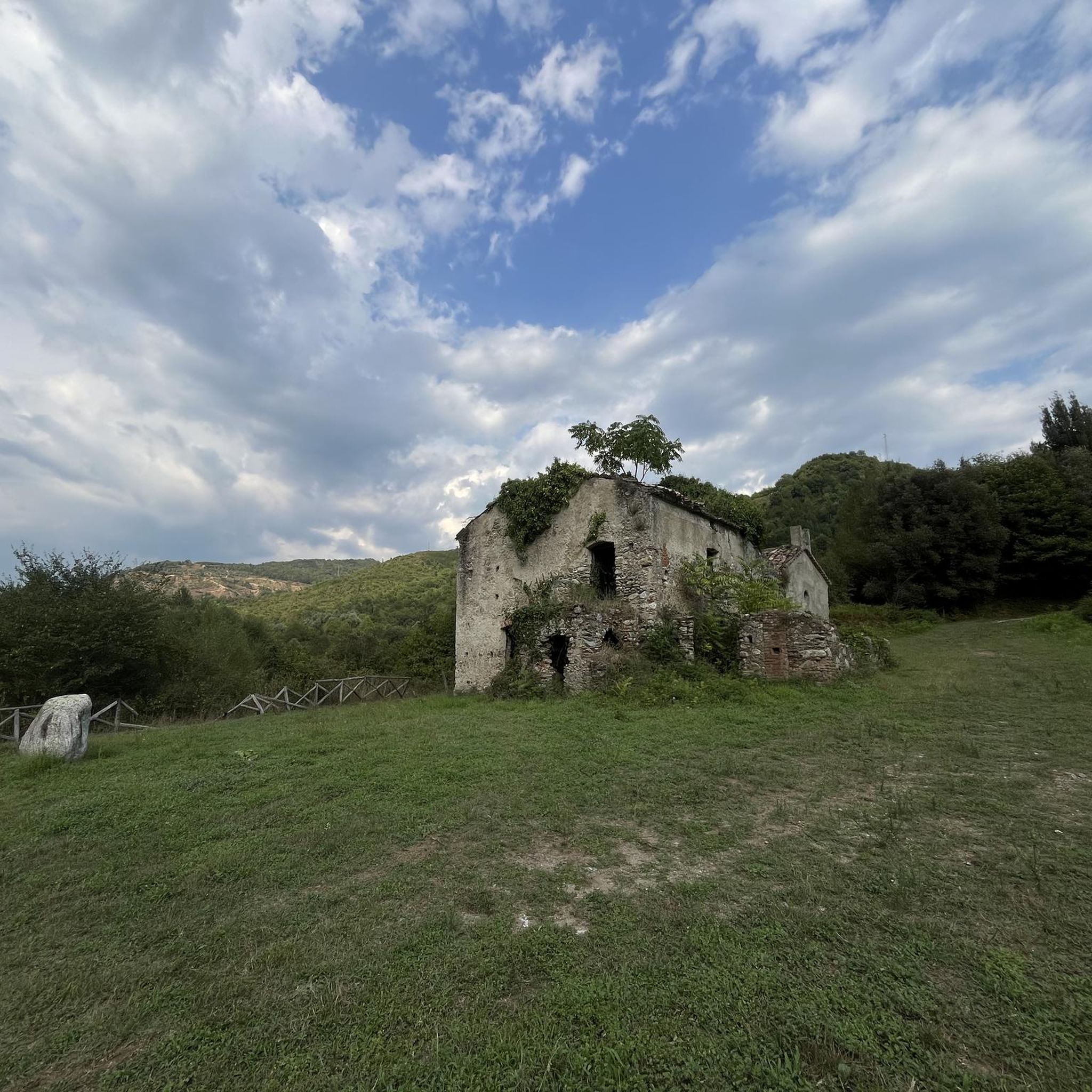
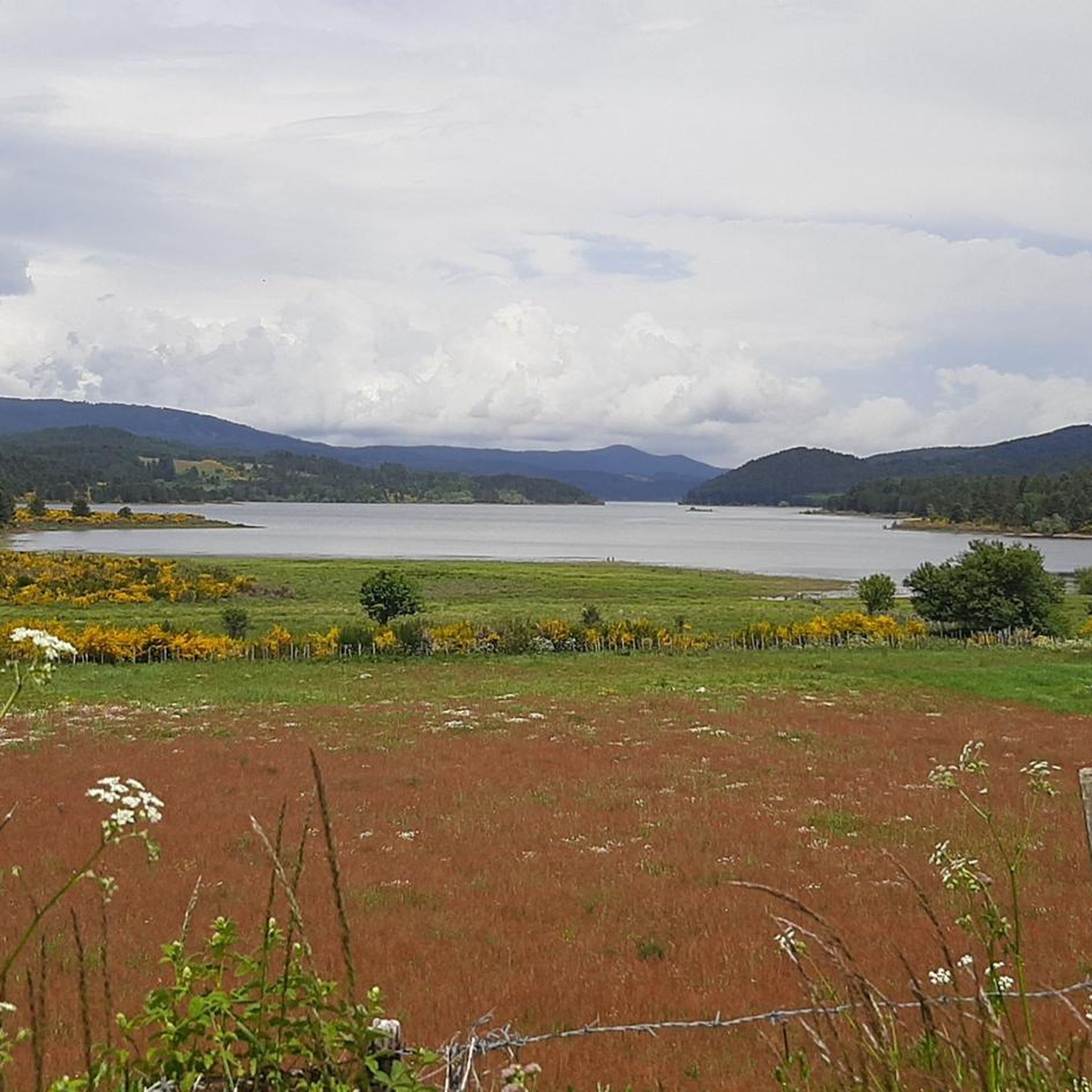
Immersed in nature and the silence of the woods
0
0

Almost flat gravel dirt road, very fast and fun.
1
0

The abbey of Santa Maria di Corazzo, among the hills of Castagna, emerges as an ancient fragment of history and spirituality. Founded by the Benedictines in the 11th century and later rebuilt by the Cistercians in the 12th century, this sacred place has withstood the tests of time. However, the signs of the earthquakes of 1638 and 1783 have left its ruins as evidence of a glorious past. Despite being stripped of its works of art, it continues to exert an evocative charm, offering visitors a unique opportunity to immerse themselves in Calabrian history.
1
0

The "Tavolaria" bridge about 1500 meters from Cannavina was built in the Spanish period in 1592 with a single arch in sun-baked bricks while the shoulders were built entirely with local stone and lime; the left shoulder rests on a very characteristic rock spur. It connected, via mule tracks, the lands to the left of the river with those exposed to the east, and was important for the trade of agricultural and sheep-farming products which were brought to the markets of Rogliano. But, in addition to its rough and primitive architectural beauty, it fascinates us with its history and the legend linked to this area from which it takes its name: Tavolaria. King Oenotrio, finding himself traveling up the Savuto valley, encountered much resistance from his enemies in the area. To defeat them, he worked with cunning by asking for a truce and inviting them to a lavish dinner and, after getting them drunk, he killed them all. The Cannavina locality takes its name from the Cannavino stream, a tributary of the Savuto river, and is one of the refreshment places of the Rogliano people characterized by a waterfall which at the base forms a basin of water, the so-called "vullu" in the local dialect. Cannavino/a could mean "guzzling wine" precisely because of the coolness and beauty of the place which invites the typical conviviality of the people of the valley.
0
0

A wild and fantastic stretch of dirt road that runs along the Savuto River, right next to the busy highway. It turns into a muddy trail during the winter and rainy months, so come prepared.
1
0

A small town with a railway station, it is considered a mountain municipality due to its altitude.
0
0

The Reventino massif is located at 1417m and is part of the Calabrian Apennines. To the north is the Savuto Valley.
2
1
Mandatory stop in the ruins of this majestic abbey. A place of great silence and tranquility.
0
0
Frequently Asked Questions
What historical sites can I explore in and around Scigliano?
Scigliano is rich in history. You can visit the ancient Angevin Castle of Savuto, which has been recently restored and hosts events. Another significant site is the Abbey of Santa Maria di Corazzo, a ruined Cistercian abbey from the 11th century. Don't miss the Cleto Castle, a Norman-era fortress overlooking the Savuto river valley. The area also features ancient Roman structures like Hannibal's Bridge (Ponte di Annibale) and the 16th-century Tavolaria Bridge.
Are there any natural attractions or scenic spots in the Scigliano area?
Yes, Scigliano is nestled in the picturesque Savuto Valley, characterized by Mediterranean scrub and vineyards. The Cannavina locality, named after the Cannavino stream, features a beautiful waterfall that forms a basin known locally as 'vullu'. For nature enthusiasts, Parco Bombarda near Monte Mancuso offers a precious natural oasis with numerous paths.
What are some unique or hidden gems to discover in Scigliano?
Beyond the well-known sites, Scigliano holds several hidden gems. Hannibal's Bridge, also known as Ponte di Sant'Angelo, is an ancient Roman bridge dating back to the 2nd century BC, with legends linking it to the Carthaginian general Hannibal. The Tavolaria Bridge, built in 1592, is another historical marvel with a single arch of sun-baked bricks. The Cannavina waterfall, forming a 'vullu', is a refreshing and convivial spot.
Can I find family-friendly activities or attractions in Scigliano?
Many of Scigliano's attractions are suitable for families. Exploring the historic Angevin Castle of Savuto can be an engaging experience for all ages. The natural paths within Parco Bombarda offer opportunities for family walks and enjoying the outdoors. The charming hamlets of Scigliano, with their ancient palaces and churches, provide a gentle exploration of local culture and history.
What kind of outdoor activities, like hiking or cycling, can I do near Scigliano?
The region around Scigliano is excellent for outdoor activities. For mountain biking, Parco Bombarda offers numerous paths, including a challenging climb towards Monte Mancuso. You can find various MTB trails, road cycling routes, and general cycling tours that explore the Savuto Valley and its surrounding landscapes.
Are there any religious or spiritual sites worth visiting?
Yes, Scigliano has a rich religious heritage. The Shrine of the Virgin of Monserrato, a 17th-century sanctuary, is located above the hamlets of Calvisi and Diano. Additionally, the municipality boasts over twenty churches across its nine hamlets, many featuring finely carved marble portals and historical significance, such as the Chiesa di Santa Maria di Monte Oliveto, built in 1563.
What is the best time of year to visit Scigliano for outdoor activities?
The Savuto Valley, where Scigliano is located, experiences a Mediterranean climate. Spring and early autumn generally offer pleasant temperatures for outdoor activities like hiking and cycling, with lush landscapes and comfortable weather. Summer can be warm, but the natural features like the Cannavina waterfall provide refreshing spots.
What cultural insights can I gain by exploring Scigliano?
Scigliano offers a deep dive into Calabrian culture and history. Its nine distinct hamlets—Agrifoglio, Calvisi, Celsita, Cupani, Diano, Lupia, Petrisi, Serra, and Traversa—each maintain unique characteristics. Exploring these villages, with their ancient noble palaces and numerous churches, provides a glimpse into the town's long history as a Royal City of the Kingdom of Naples and its preserved authentic traditions and hospitality.
Are there any museums in Scigliano?
Yes, you can visit the Museum of Sacred Art S. Giuseppe (Museo di Arte Sacra S. Giuseppe). Housed within the former Santa Maria Maggiore church, this museum displays a collection of objects from the 16th to 18th centuries, including paintings, sacred silverware, and wooden works, many originating from the former Capuchin Convent.
What kind of views can I expect from the castles in the area?
The castles in the Scigliano area offer breathtaking panoramic views. The Angevin Castle of Savuto majestically dominates the Savuto valley. Similarly, Cleto Castle, perched on a hill, provides expansive views of the Savuto river valley and, on clear days, even glimpses of the Tyrrhenian Sea.
Can I explore the different hamlets of Scigliano?
Absolutely. Scigliano is a 'comune sparso' made up of nine historic villages. Each hamlet, such as Agrifoglio, Calvisi, and Diano, has its own unique character, ancient noble palaces, and churches. Exploring these individual hamlets allows you to experience the diverse history and traditions that make up the municipality of Scigliano.
Most popular routes around Scigliano

Get inspired with the komoot mobile app


Explore more
Still not found the Highlight you’re looking for? See guides of the top attractions in other regions:
