Attractions and Places To See around Montalbano Jonico - Top 14
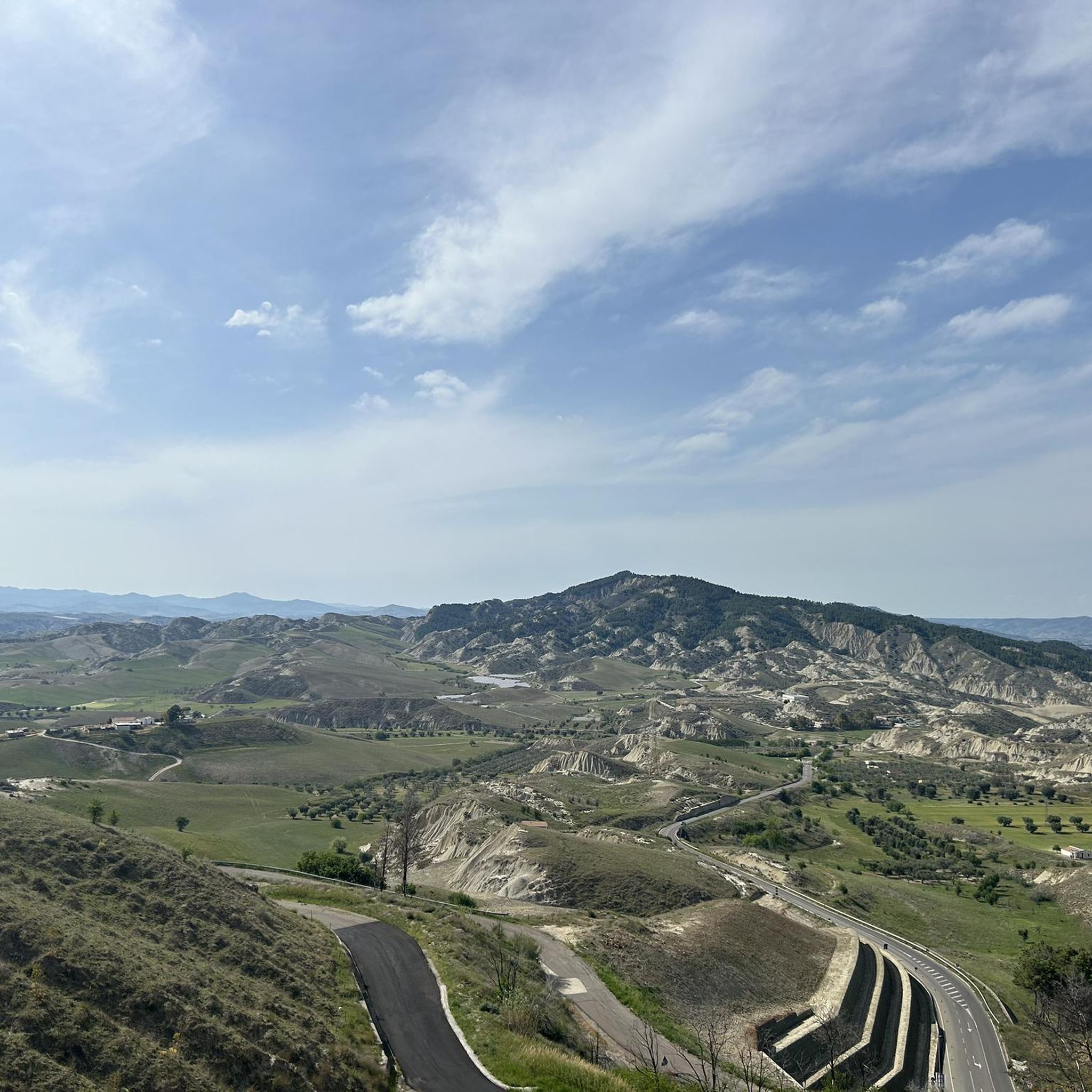
Attractions and places to see around Montalbano Jonico offer a blend of historical landmarks and unique natural features. This town in Basilicata is situated between the Cavone and Agri rivers, providing panoramic views over the Ionian Sea. The surrounding landscape is characterized by the Calanchi, impressive clay formations recognized for their geological significance. Montalbano Jonico provides insight into ancient settlements and diverse ecosystems.
Best attractions and places to see around Montalbano Jonico
- The most popular attractions is Craco, ghost town, a historical site that became a tourist destination after a 1963 landslide. Visitors can explore the houses clinging to the rock and the Norman tower through a guided tour.
- Another must-see spot is Bernalda Castle and Church of San Bernardino, a castle and religious building. This site offers views of the Ionian Sea and the hamlet of Metaponto, with the church and castle being notable architectural features.
- Visitors also love Pisticci Historic Town Center, a historical site and settlement. This village is known for its unique charm, situated between hills and the Ionian Sea, offering a varied landscape and historical architecture.
- Montalbano Jonico is known for its historical sites, natural badlands, and charming town centers. Visitors can explore ancient ruins, geological formations, and well-preserved historical buildings.
- The attractions around Montalbano Jonico are appreciated by the komoot community, with 24 photos and 31 upvotes.
Last updated: July 7, 2026
Craco, ghost town
Highlight • Historical Site
Of the old Craco today the houses clinging to the rock remain and in particular the Norman tower, which stands on the highest part of the village. Among the ghost towns in Italy Craco stands out because of its suggestive landscape. The ghost town of Craco can be admired thanks to a guided tour, along a secured itinerary, given that some architectures still continue to yield.
Translated by Google •
Tip by

Craco Ghost Town
Highlight • Historical Site
This country was devastated by a landslide in 1963, later all its citizens moved to the new municipality, Craco Peschiera.
Translated by Google •
Tip by

Sign up now to discover places like this
Get recommendations on the best single tracks, peaks, & plenty of other exciting outdoor places.
Sign up for free
Pisticci Historic Town Center
Highlight • Historical Site
Located between the Basento and Cavone rivers, Pisticci connects the ancient eastern plateau to the Ionian coast, although the clay hills to the west present natural challenges. With its S shape, it is the balcony over the Ionian Sea, offering breathtaking views and telling a story that is reflected in the architecture and dominant position. Pisticci captures the heart with its picturesque nature and role as a privileged spectator on the splendor of the Ionian Sea.
Translated by Google •
Tip by

Bernalda Castle and Church of San Bernardino
Highlight • Castle
Translated by Google •
Tip by

Disused Bridge over the Agri
Highlight • Bridge
Translated by Google •
Tip by

Sign up for free to discover even more attractions around Montalbano Jonico.
Sign up for free
Already have an account?
Start today with a free account
Your next adventure awaits.
Login or Signup
Tips from the Community

The historic center of Bernalda is a dive into an ancient and panoramic corner, white to soften the sun and made of well-maintained light stone. The church and the castle ramparts appear as a single entity, but this architectural aspect should be explored further. From below the town, it's a beautiful sight.
0
0

Excellent stop for coffee/pastries before going back down the cliff towards the cable
0
0

Perhaps the most famous ghost town in Italy. a truly fascinating atmosphere in a place frozen in time. Discover our Basilicata by bike on www.viaggiatorelento.com
1
0
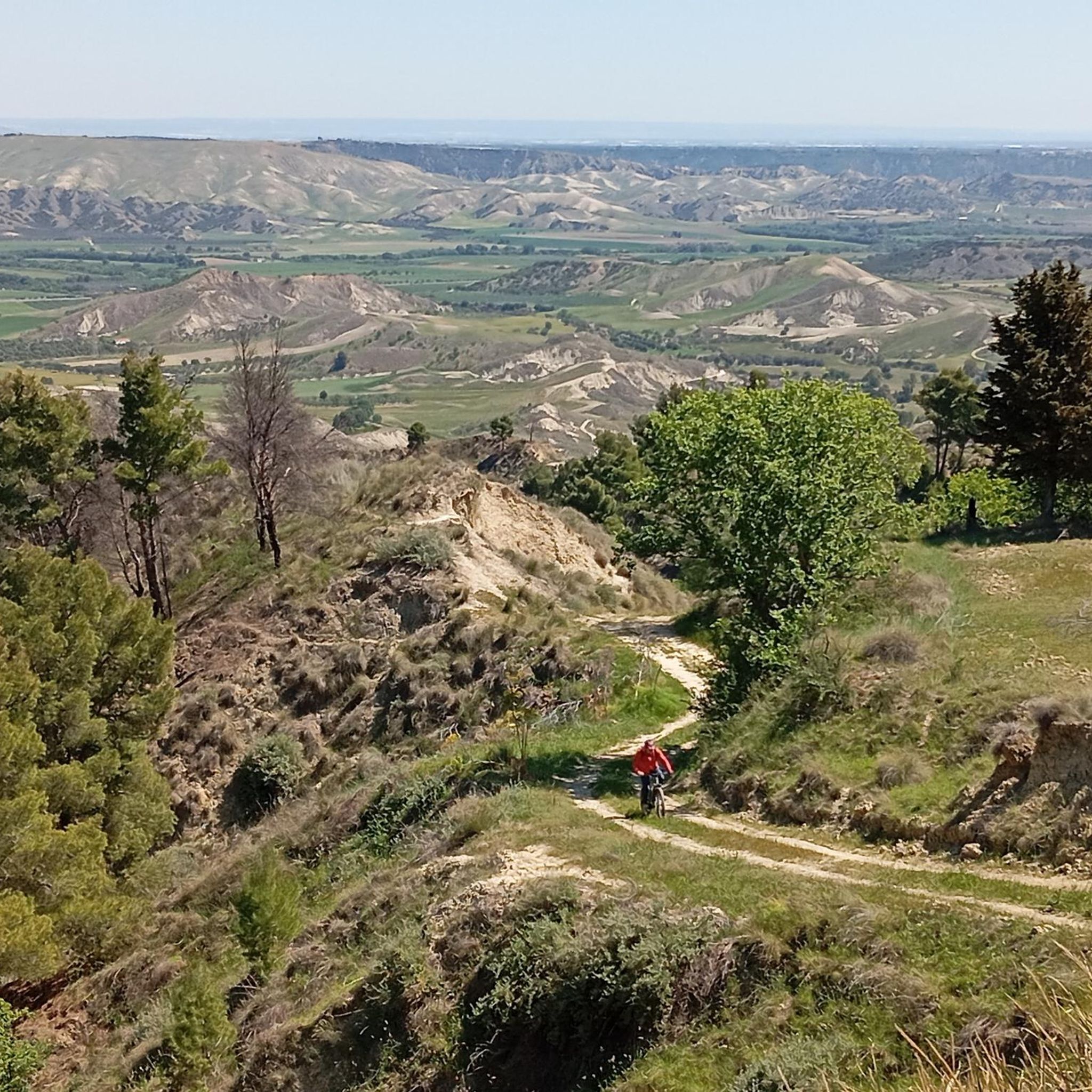
Climb up to Craco Vecchia and descent to the bed of the Salandrella river
0
1

Municipality in the Basento valley of around 12,000 inhabitants, Bernalda boasts a characteristic historic center which stands on a plateau sloping towards the sea. From here it is splendid to observe the Ionian Sea and the hamlet of Metaponto. Also of particular beauty are the church of San Bernardino and the castle of Bernalda, probably built by the Normans.
1
0

Pisticci, a natural amphitheater between hills and the Ionian Sea, stands out for its unique charm. The three hills, Serra Cipolla, San Francesco and Monte Corno, surround an Italian municipality that embraces a varied landscape. Among the hamlets such as Casinello, Centro Agricolo and Marina di Pisticci, the beauty of this location emerges. Located between the Basento and Cavone rivers, Pisticci connects the ancient eastern plateau to the Ionian coast, although the clay hills to the west present natural challenges. With its S shape, it is the balcony over the Ionian Sea, offering breathtaking views and telling a story that is reflected in the architecture and dominant position. Pisticci captures the heart with its picturesque nature and role as a privileged spectator on the splendor of the Ionian Sea.
3
0
It is difficult to find the entrance as it is hidden by vegetation and both the ascent and descent are in poor condition. Unfortunately it is the only road that can be traveled by bike. Requires maintenance and official reporting
0
0

The only way to cross the river. The bridge is run-down but for bicycles no problem :) The path is a bit hidden and you'll have to push your bike for a few meters.
0
0
Frequently Asked Questions
What historical sites can I explore in Montalbano Jonico?
Montalbano Jonico is rich in history. You can visit the ancient Craco, ghost town, a fascinating abandoned village. Within Montalbano Jonico itself, explore the remnants of the Norman Walls, the ancient Rione Terravecchia built around a Frederician domus, and the 17th-century Arch del Pubblico Orgoglio. Don't miss the Hellenistic Farm at Andriace, offering insights into an ancient agricultural settlement.
What unique natural landscapes can I find near Montalbano Jonico?
The most distinctive natural feature is the Calanchi (Badlands), impressive clay formations sculpted by erosion, creating a striking, almost lunar scenery. These are protected within the Regional Special Natural Reserve of Montalbano Jonico Badlands, which is internationally recognized for its geological and paleontological significance.
Are there any family-friendly attractions in the area?
Yes, the Bernalda Castle and Church of San Bernardino is listed as family-friendly. Exploring the unique landscape of the Calanchi can also be an engaging experience for families, with paths and ancient mule tracks to discover.
What cultural sites are there to visit in Montalbano Jonico?
Montalbano Jonico offers several cultural sites. The Church of Santa Maria dell'Episcopio houses a 12th-century wooden statue and 17th-century paintings. You can also visit Palazzo De Ruggeri, which hosts a contemporary art space, and Palazzo Rondinelli, featuring a picture gallery and a historic library collection. The MOJO Museum serves as a territorial museum system protecting the city's heritage.
What is the significance of the Calanchi near Montalbano Jonico?
The Calanchi are not just visually striking; they are a global stratotype, providing a valuable section for studying the boundary between the Lower and Middle Pleistocene epochs. The Tempa Petrolla Geosite within the Calanchi is even proposed as a candidate for the Global Boundary Stratotype Section and Point (GSSP), offering a scientific record spanning over a million years.
Are there hiking opportunities around Montalbano Jonico?
Yes, there are several hiking opportunities. You can explore trails within the Calanchi, such as the "I Calanchi di Montalbano Jonico - ring tour" (easy, 4.8 km). Another popular option is hiking around the ghost town of Craco, with routes like "The ghost town of Craco - loop tour" (easy, 1.3 km) or a moderate 9.2 km loop from Craco Peschiera. Find more details on the Hiking around Montalbano Jonico guide page.
Can I go cycling near Montalbano Jonico?
Absolutely. There are several cycling routes available, including longer tours like "From Policoro to Montalbano Jonico – loop tour" (difficult, 55.1 km) or "From Policoro to Tursi – loop tour" (difficult, 54.6 km). For more options, check the Cycling around Montalbano Jonico guide page.
What is the best time to visit Montalbano Jonico for outdoor activities?
The region's climate suggests that spring and autumn would be ideal for outdoor activities like hiking and cycling, offering pleasant temperatures to explore the Calanchi and historical sites without the intense heat of summer.
Are the Calanchi trails dog-friendly?
While the Regional Special Natural Reserve of Montalbano Jonico Badlands protects a diverse ecosystem, specific rules for dogs on trails within the reserve are not detailed. It's generally advisable to keep dogs on a leash and ensure they do not disturb wildlife or geological formations.
What is there to see in the historic center of Montalbano Jonico itself?
The historic center, particularly the Rione Terravecchia, offers a glimpse into the town's past with traces of Norman and Aragonese periods. You can walk through the Porta del Castello (also known as Porta dell'Orologio) and explore the narrow streets and ancient buildings. The town also provides breathtaking panoramic views, often referred to as a "balcony over the Ionian Sea".
Where can I find impressive views around Montalbano Jonico?
Montalbano Jonico itself is known for its panoramic views, often called a "balcony over the Ionian Sea." The Pisticci Historic Town Center also offers breathtaking views of the Ionian Sea and the surrounding varied landscape. Additionally, the unique formations of the Calanchi provide dramatic and striking vistas.
Most popular routes around Montalbano Jonico

Get inspired with the komoot mobile app


Explore more
Still not found the Highlight you’re looking for? See guides of the top attractions in other regions:
