Attractions and Places To See around San Giorgio A Cremano - Top 20
Best attractions and places to see around San Giorgio A Cremano, a town situated at the foot of Mount Vesuvius in the Metropolitan City of Naples, offers a rich blend of history and culture. The area is notable for its 18th-century villas, part of the "Golden Mile," and its connection to acclaimed artists like Massimo Troisi. Its location provides views of Mount Vesuvius and the Bay of Naples, alongside historical churches and cultural sites.
Best attractions and places to see around San Giorgio A Cremano
- The most popular attractions is Crater of Mount Vesuvius, a volcano that is still active. This impressive natural monument offers views and is accessible by car for a significant portion of the ascent.
- Another must-see spot is Galleria Umberto I, Naples, a man-made monument and historical site. This impressive shopping mile is covered with a large glass dome and is located opposite the Teatro San Carlo.
- Visitors also love Sant'Elmo Castle, a historical castle and viewpoint. It offers extensive views over Naples, including Mount Vesuvius and the coast.
- San Giorgio A Cremano is known for its historical villas, churches, and cultural sites. The town offers a variety of attractions to see and explore, from architectural marvels to spaces dedicated to local heritage.
- The attractions around San Giorgio A Cremano are appreciated by the komoot community, with more than 400 upvotes and over 500 photos shared by visitors.
Last updated: July 20, 2026
Galleria Umberto I, Naples
Highlight • Monument
Translated by Google •
Tip by

Sant'Elmo Castle
Highlight • Castle
Translated by Google •
Tip by

Sign up now to discover places like this
Get recommendations on the best single tracks, peaks, & plenty of other exciting outdoor places.
Sign up for free
Dante Square
Highlight • Monument
Translated by Google •
Tip by

Plebiscito Square
Highlight • Historical Site
In the first years of the 19th century, Joachim Murat, King of Naples and Napoleon's brother-in-law, planned to pay homage to the emperor by designing the square and the building that bordered it to the west. Ferdinand I later continued construction, but had the finished building converted into the church that exists today. He dedicated it to Saint Francis of Paola, who lived in a monastery on this site in the 15th century. The church is reminiscent of the Pantheon in Rome. In front of the facade is a portico with six Ionic columns and two pillars. Inside the church is circular with two side chapels. The dome is 53 meters high.
Translated by Google •
Tip by

Royal Palace of Naples
Highlight • Historical Site
Translated by Google •
Tip by

Sign up for free to discover even more attractions around San Giorgio A Cremano.
Sign up for free
Already have an account?
Start today with a free account
Your next adventure awaits.
Login or Signup

Tips from the Community

Piazza del Plebiscito is the largest and most representative square in Naples, located between the seafront and via Toledo. Its shape is defined by the semicircular colonnade of the Basilica of San Francesco di Paola and the facade of the Palazzo Reale, which face each other on opposite sides. The pedestrian area, paved with lava stone, hosts the two equestrian statues of Charles III and Ferdinand I of Bourbon. Due to its size and central location, the square is the city's main venue for large events, ceremonies, and concerts, acting as a link between the monumental center and the port area.
4
0
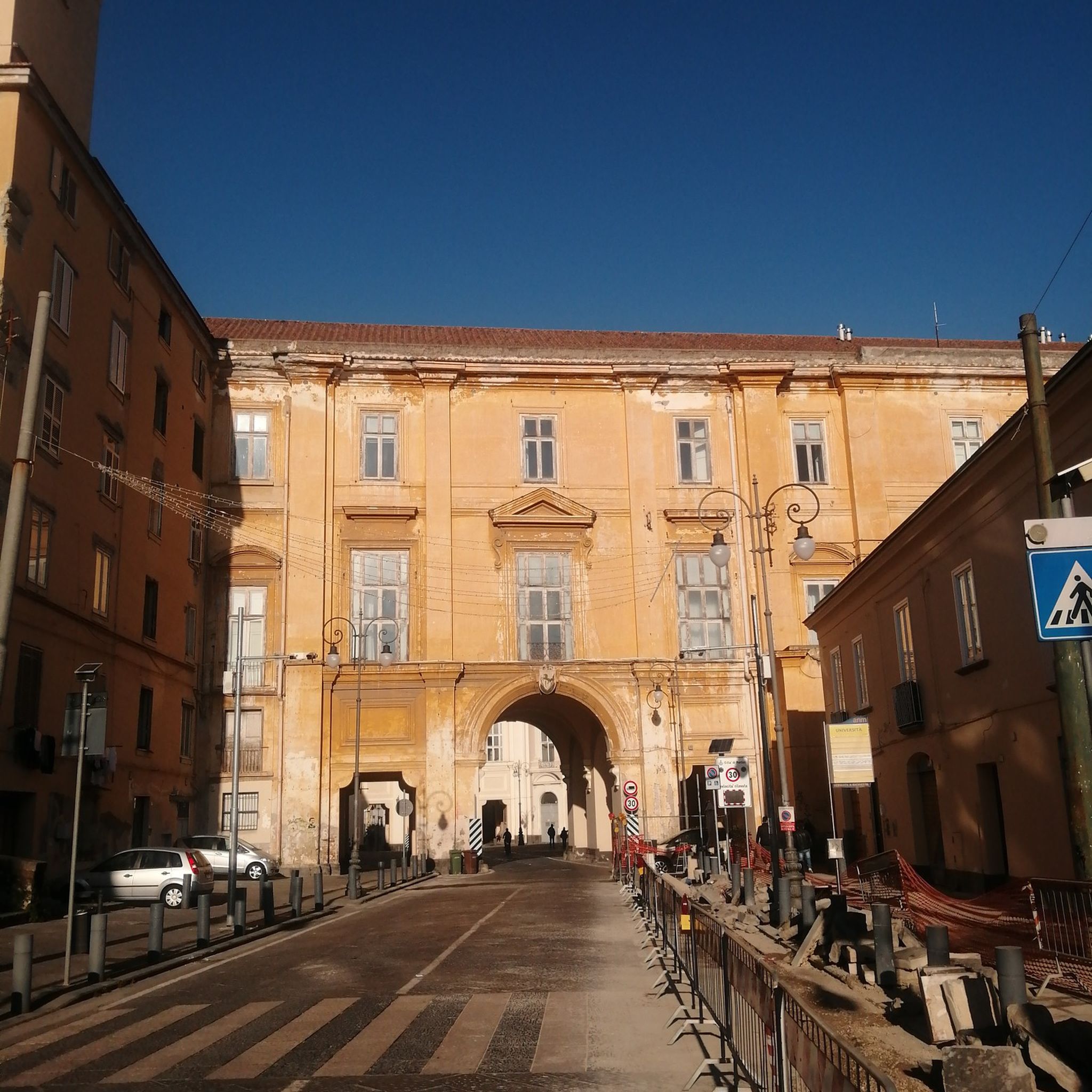
The Royal Palace of Naples overlooks Piazza del Plebiscito and was founded in 1600 as the residence of the Spanish viceroys, later becoming the seat of the Bourbons and the Savoys. The building houses the Historic Apartment, with rooms decorated in Baroque and Neoclassical style, and the National Library. The main facade is famous for the eight statues in the external niches depicting the sovereigns of the ruling dynasties of Naples. It is located a short walk from Galleria Umberto I and the Teatro San Carlo, representing the heart of the city's monumental center. Another unmissable stop!
3
0

"Piazza Plebiscito," as Neapolitans often call it, is one of Naples's iconic landmarks, considered the city's "good living room" and immortalized in postcards, films, documentaries, and TV series. It's an ideal selfie spot, offering a breathtaking view of the unmistakable profile of Mount Vesuvius. Definitely a must-see on a trip to Naples.
2
0

King Charles VII of Naples had to reside here after his accession to the throne in 1735. It is a magnificent palace in the middle of the city. But it was not representative enough for King Charles. In 1752 he had a palace built in Caserta. He wanted to move the court there after it was finished. But this did not happen because before it was finished he became King of Spain as Charles III.
5
0

Historic square, scene of many events
5
0

The Royal Palace of Naples was founded as the palace of the King of Spain Philip III of Habsburg in the year 1600, on the initiative of the viceroy Fernando Ruiz de Castro Count of Lemos and the vicereine Catarina Zuñiga y Sandoval. Its urban location next to the Palazzo Vicereale Vecchio, later demolished, and the gardens of Castel Nuovo continues the traditional position of the royal residence in Naples on the southern edge of the old city, with the façade facing west, where the large open space of the Largo di Palazzo opens up.
4
0

Its history goes back to the first half of the 16th century, when the Spanish viceroy Pedro Álvarez de Toledo had a castle built at the port of Naples. The architect Domenico Fontana was commissioned to build a new building around 1600, which was largely completed by 1620. In 1735 it became the royal residence when the Kingdom of Naples gained its independence under Charles VII. Various extensions and reconstruction work took place in the following decades. Admission currently 15€
7
0

Frequently Asked Questions
What historical villas can I visit in San Giorgio a Cremano?
San Giorgio a Cremano is renowned for its elegant 18th-century Vesuvian Villas, part of the "Golden Mile." Notable examples include Villa Vannucchi, known for its beauty and extensive park, and Villa Bruno, which now serves as a cultural center and hosts various events. Other historical villas like Villa Avallone, Villa Bonocore, and Villa Carafa of Percuoco also contribute to the town's architectural heritage.
What is the significance of Massimo Troisi in San Giorgio a Cremano?
San Giorgio a Cremano is the birthplace of the legendary actor and director Massimo Troisi, whose legacy is deeply embedded in the town's culture. You can visit Piazza Massimo Troisi, the symbolic heart of the city, and admire murals dedicated to him near the Circumvesuviana station. There is also a Massimo Troisi House Museum, which offers insights into his life and work through theses and photographs.
Are there any notable churches to see in San Giorgio a Cremano?
Yes, the town is home to several historic churches. The Chiesa di S. Giorgio Martire, a 16th-century Baroque church, is dedicated to the town's patron saint. Other architecturally significant churches include S. Maria del Carmine and S. Antonio di Padova. You might also find the modern Tempio Regina dei Gigli and the small, almost hidden Cappella di Santa Maria della Purità of interest.
What natural features or viewpoints can I experience near San Giorgio a Cremano?
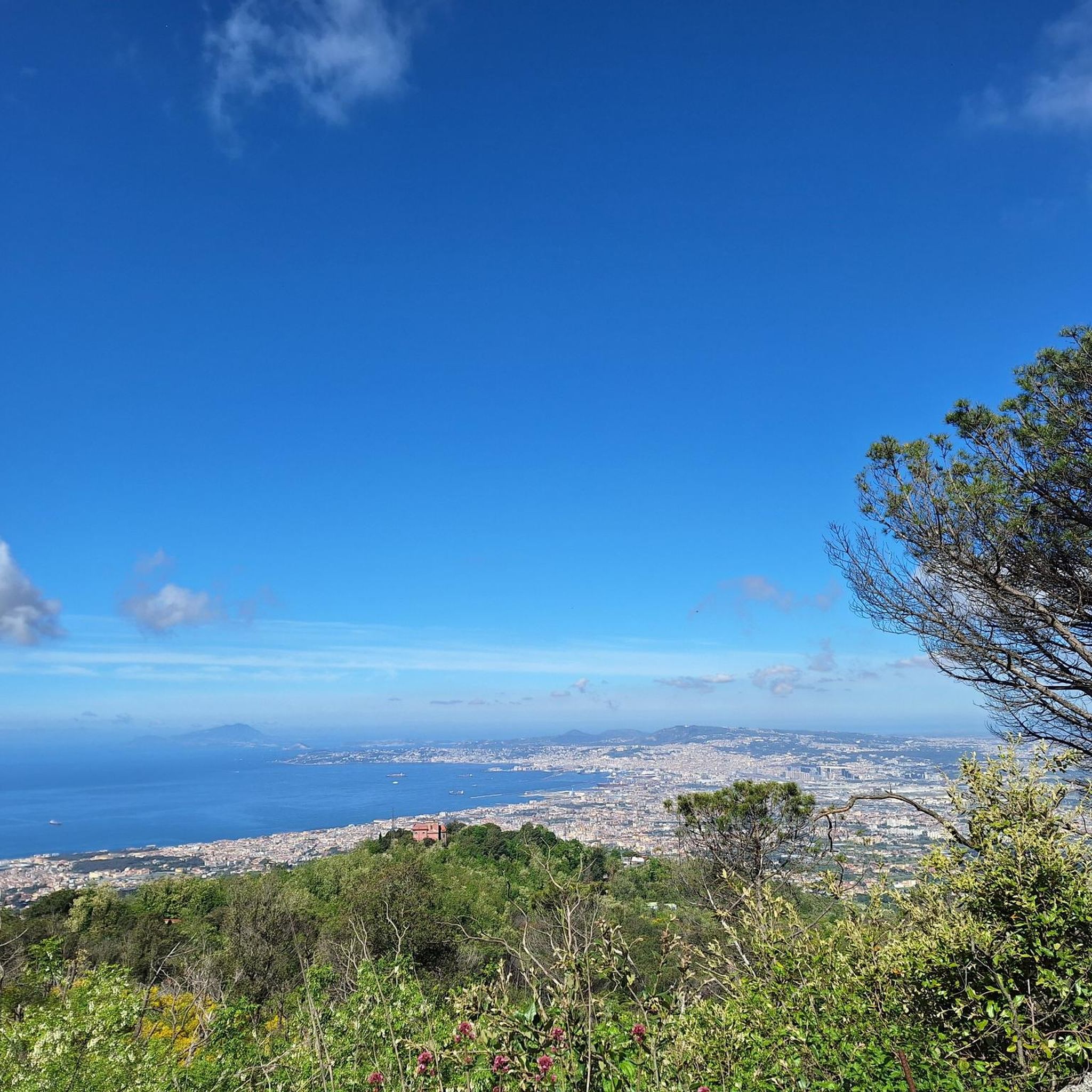
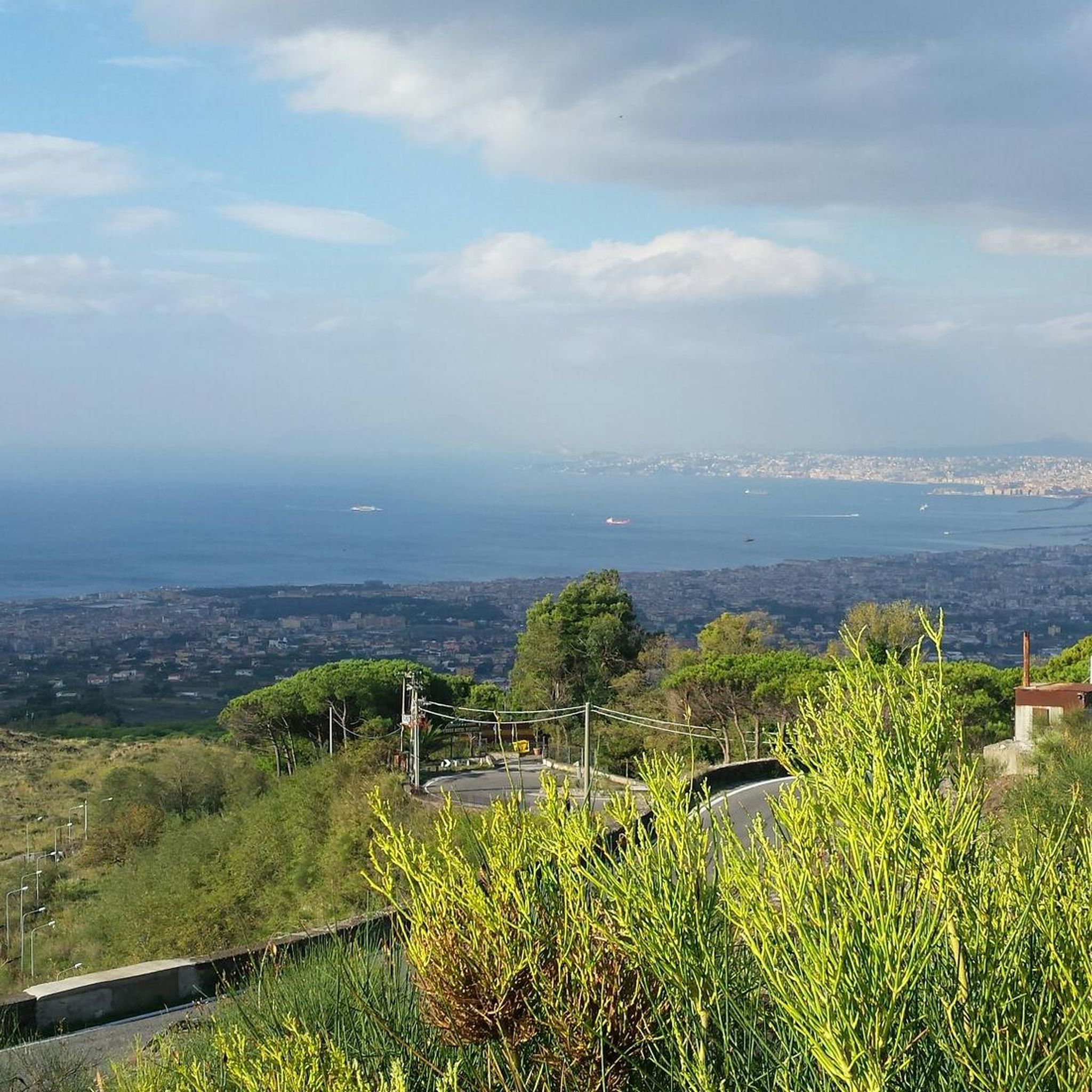
San Giorgio a Cremano is located at the foothills of Mount Vesuvius, offering views of the volcano, Mount Somma, and the Bay of Naples. While not directly within the town, the Crater of Mount Vesuvius is a significant natural monument nearby, accessible for a portion of the ascent by car. Within the town, the parks of Villa Vannucchi and Villa Bruno provide green spaces for relaxation.
Are there hiking opportunities around San Giorgio a Cremano?
Yes, there are several hiking routes available near San Giorgio a Cremano. For example, you can explore trails like "The Rack Railway Trail (Sentiero 8)" or the "Herculaneum Ruins Trail." More challenging options include the "Crater of Mount Vesuvius – Mount Vesuvius Crater loop." You can find more details and routes on the Hiking around San Giorgio A Cremano guide.
Can I go cycling near San Giorgio a Cremano?
Absolutely. The area offers various cycling routes for different skill levels. You can find road cycling options like the "Napoli, Il Vesuvio e la Costiera Amalfitana – loop tour" or touring bicycle routes such as the "Vesuvius National Park – Circumvesuviana Train Station loop." Explore more routes on the Road Cycling Routes around San Giorgio A Cremano guide and the Cycling around San Giorgio A Cremano guide.
Are there family-friendly attractions in San Giorgio a Cremano?
Yes, several attractions cater to families. The large parks of Villa Vannucchi and Villa Bruno offer green spaces for recreation. Nearby, the Galleria Umberto I, Naples and Dante Square are considered family-friendly. The Royal Palace of Naples also welcomes families.
What cultural centers or museums are available in San Giorgio a Cremano?
San Giorgio a Cremano boasts a vibrant cultural scene. The Riot Studio is a dynamic hub hosting art exhibitions, music, and film screenings. The Museo Civico di San Giorgio a Cremano integrates urban areas with historical monuments and contemporary art, and includes the Vesuvian Culture Library and the Cellars of Villa Bruno, which serve as a "Wine Museum."
Are there any wheelchair-accessible attractions?
Yes, some attractions are noted for their accessibility. The Galleria Umberto I, Naples, an impressive shopping mile, and Dante Square are both considered wheelchair accessible.
What do visitors enjoy most about the attractions around San Giorgio a Cremano?
Visitors particularly appreciate the breathtaking views from places like the Sant'Elmo Castle, which offers extensive panoramas over Naples and Mount Vesuvius. The impressive architecture of sites like the Galleria Umberto I and the historical significance of the Vesuvian Villas are also highly valued. Many find the blend of history, culture, and natural beauty captivating.
What is the best time of year to visit San Giorgio a Cremano?
The spring (April to June) and autumn (September to October) months are generally considered the best times to visit San Giorgio a Cremano. During these periods, the weather is pleasant for exploring the villas, walking through parks, and enjoying outdoor activities without the intense heat of summer or the cooler, wetter conditions of winter.
Are there any hidden gem attractions in San Giorgio a Cremano?
For those looking for less obvious spots, the small, almost hidden Cappella di Santa Maria della Purità offers a quiet moment of historical reflection. Additionally, within Villa Bruno, visitors might enjoy trying to find a secret mural, adding a touch of discovery to their visit.
Most popular routes around San Giorgio A Cremano
Most popular attractions around San Giorgio A Cremano

Get inspired with the komoot mobile app


Explore more
Still not found the Highlight you’re looking for? See guides of the top attractions in other regions:
