Attractions and Places To See around Canosa Di Puglia - Top 20
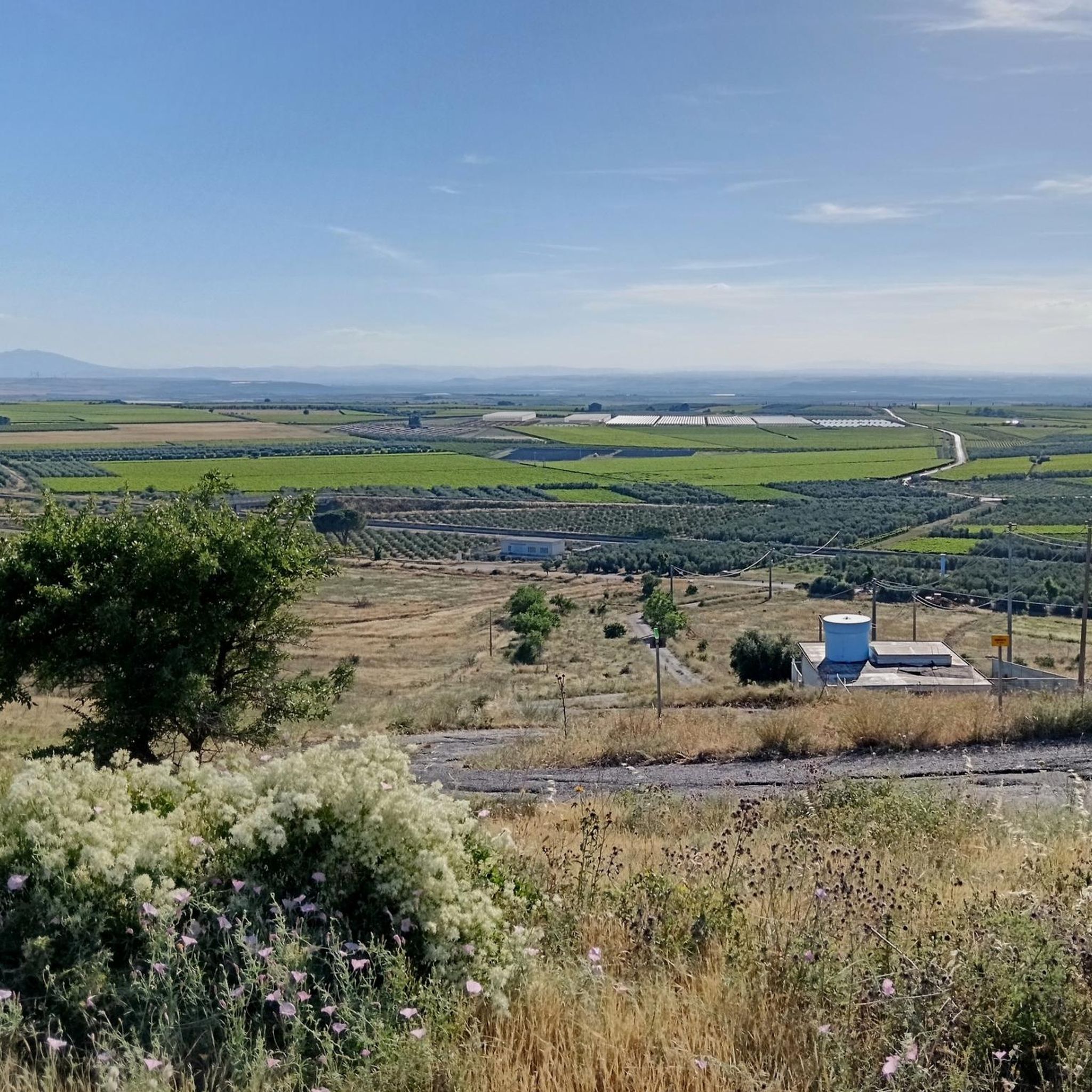
Best attractions and places to see around Canosa Di Puglia, a historic town in Southern Italy's Puglia region, offers a diverse range of ancient history and archaeological wonders. Situated on the right bank of the Ofanto River, the area features a landscape of olive groves and vineyards. The town is known for its Roman, early Christian, and medieval influences, providing a rich historical context for exploration.
Best attractions and places to see around Canosa Di Puglia
- The most popular attractions is Montegrosso (Hamlet of Andria), a settlement that originated in the 1930s as an agricultural center. This hamlet is currently inhabited by farming families and was historically a junction along a transhumance route.
- Another must-see spot is Archaeological Site of Cannae, a historical site. Visitors can explore the impressive archaeological remains from the Battle of Cannae, a significant event of the Second Punic War in 216 BC.
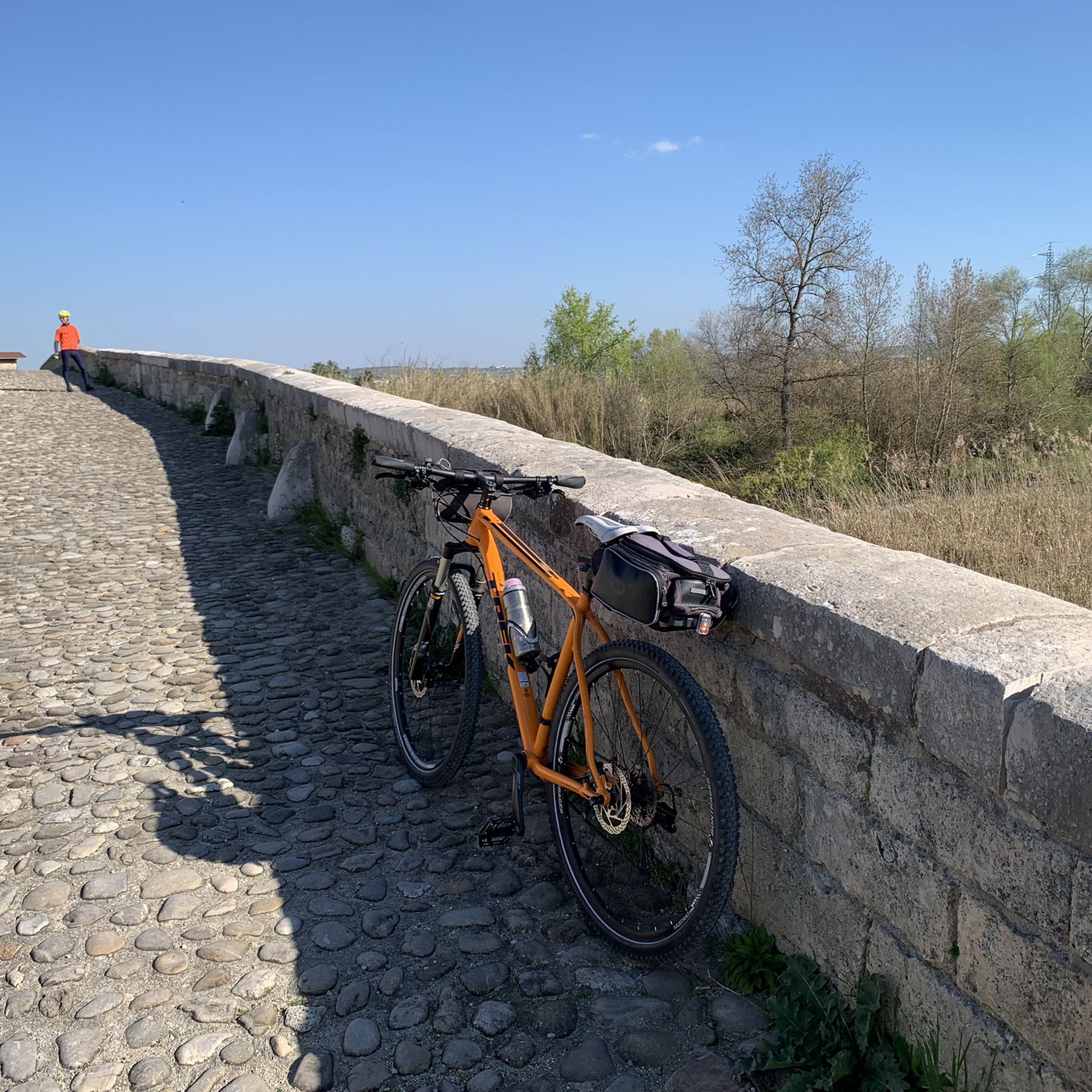
- Visitors also love Roman Bridge over the Ofanto River, a bridge and striking example of Roman architecture. This imposing structure on the Via Traiana features five round arches and connected ancient Canusium with the Daunia area.
- Canosa Di Puglia is known for its Roman, early Christian, and medieval sites, alongside significant archaeological wonders and natural features. The area offers a variety of historical landmarks, ancient tombs, and religious buildings to see and explore.
- The attractions around Canosa Di Puglia are appreciated by the komoot community, with 11 upvotes and 4 photos shared by visitors.
Last updated: July 21, 2026
Archaeological Park of Canne della Battaglia
Highlight • Historical Site
Translated by Google •
Tip by

Montegrosso (Hamlet of Andria)
Highlight • Settlement
Translated by Google •
Tip by

Sign up now to discover places like this
Get recommendations on the best single tracks, peaks, & plenty of other exciting outdoor places.
Sign up for free
Roman Bridge over the Ofanto River
Highlight • Bridge
Translated by Google •
Tip by
Cathedral of Saint Peter the Apostle (Cerignola)
Highlight • Religious Site
Translated by Google •
Tip by

Church of Santa Maria Annunziata of Montaltino
Highlight • Religious Site
Formerly called Monte Aldeno, the district is located on a hill in the Barletta countryside 3 km from the city. Belonging to the six old farmhouses of Barletta, Montaltino does not know the period of foundation and the first document in which the district is mentioned belongs to the second half of the fourteenth century. The most important buildings in Montaltino are the post station probably built in the 17th century, the Ducal Palace of the Carcano family and the small church of Santa Maria Annunziata both from the 18th century.
Translated by Google •
Tip by
Sign up for free to discover even more attractions around Canosa Di Puglia.
Sign up for free
Already have an account?
Start today with a free account
Your next adventure awaits.
Login or Signup
Tips from the Community

Due to a significant legacy of the philanthropist Paolo Tonti, it is also popularly called Duomo Tonti. He was also the financier. The floor plan is a Latin cross with three naves, the massive dome shapes the entire silhouette of the city of Cerignola.
1
0
The old Roman bridge was probably built in the 1st or 2nd century and was an important section of the Via Traiana over the Ofanto river. After renovations, particularly after an earthquake in the 18th century, not much of the original structure can be seen anymore. Today, 5 arches span the river and secure the path for pilgrims on the Via Francigena nel Sud.
1
0

The site of Canne della Battaglia is mainly remembered for the decisive battle of 216 BC, fought between the Romans and Carthaginians during the Second Punic War. The hilly reliefs overlooking the Ofanto valley have been inhabited since the Neolithic period and continuously until the 3rd century BC, most likely in conjunction with the epic clash that disrupted the settlement patterns of the entire area. In Roman times, it is recalled in the sources as the emporium of Canusium, in whose shadow it lived until the latter's abandonment in the second half of the 9th century. From this moment, Canne began its most important historical phase, linked to the stabilization of Byzantine power in Puglia. Thanks to its strategic position, the Cannese village, likely built on a pre-existing Roman structure and known today as the 'Cittadella', was re-occupied from the late antique period and consolidated in the following centuries, around two main centers, the basilicas and the castle, also thanks to the establishment of a diocese, led, in the early 12th century, by Ruggero, the current patron saint of Barletta. The antiquarium annexed to the archaeological park was created in the late 1950s for the valorization and conservation of artifacts from excavations conducted in the area, starting from the Ventennio, a period of frenetic exaltation of Roman grandeur. Today's exhibition favors the narration of events related to the Second Punic War and the great battle that represented a trauma for the surrounding territory and for the indomitable Roman army. However, according to the current state of research, no archaeological documentation referring to the clash of 216 BC has yet been found, nor can the reconstruction of the landscape on these hills, as described by historical sources, particularly Livy and Polybius, be considered plausible. Rather, the site of Canne, in addition to being located in an area of great landscape and natural value, constitutes, to this day, one of the most interesting examples of abandoned medieval settlements in Italy.
0
0

216 BC. Museum, ruins of the old city built on the site of the Carthaginian camp. Entrance to the museum is 6 euros. You can lock your bike nearby.
0
0

Impressive archaeological site, great history. Unfortunately I didn't read it carefully, unfortunately closed today.
3
0

The Antiquarium, located at the foot of the fortified citadel and the Archaeological Park, with the remains of the ancient Daunian settlement and the structures from the Roman, early Christian and medieval eras, today offer visitors a complex and fascinating itinerary.
1
0
We are located between the cities of Canosa and Barletta, the site is located on a hill overlooking the right bank of the Ofanto river.
1
0
The museum and the archaeological park are located in an area of great landscape and naturalistic value and are included in the Ofanto Regional Natural Park.
0
0
Frequently Asked Questions
What are some significant historical sites to visit in Canosa di Puglia?
Canosa di Puglia is rich in history. You can explore the impressive Archaeological Site of Cannae, famous for the Battle of Cannae. Don't miss the Roman Bridge over the Ofanto River, a striking example of Roman engineering. Other notable sites include the Cathedral of San Sabino, the Mausoleum of Bohemond I, and the Arch Traiano.
Are there any ancient Roman structures to see in Canosa di Puglia?
Absolutely. Canosa di Puglia boasts several Roman-era structures. The Roman Bridge over the Ofanto River, built by Emperor Trajan, is a well-preserved example. You can also find the Arch Traiano (Porta Varrone), ruins of a Roman amphitheater, and the Temple of Giove Toro within the town.
What kind of archaeological wonders can I discover in Canosa di Puglia?
Canosa is renowned for its archaeological treasures. The town is famous for its numerous underground tombs, known as Ipogei, which date back as early as 6000 BC. These include the Hypogea Lagrasta and the 'Tombs of the Sconsorato,' some adorned with ancient frescoes. The Archaeological Site of Cannae also offers significant remains from the Second Punic War.
What religious buildings are important in Canosa di Puglia?
The Cathedral of San Sabino is a prominent religious site, featuring Romanesque and early Christian architecture. Adjacent to it is the 12th-century Mausoleum of Bohemond I. Other significant early Christian sites include the Baptistery of San Giovanni and the Basilica Paleocristiana di San Leucio, built over pagan temples.
Are there any family-friendly attractions or activities in the area?
Yes, there are. The settlement of Montegrosso (Hamlet of Andria) is considered family-friendly, offering a glimpse into local farming life. Exploring the historic center of Canosa di Puglia with its winding streets and squares can also be an enjoyable family activity. Many of the historical sites, like the Roman Bridge, are accessible for families to visit.
What natural features characterize the landscape around Canosa di Puglia?
The town is situated on the right bank of the Ofanto River, which has played a significant role in its history. The surrounding landscape is characterized by picturesque olive groves and vineyards, contributing to the region's agricultural economy and scenic beauty. Canosa di Puglia is also located on the Murgia plateau, offering views of the surrounding plains.
What outdoor activities can I do near Canosa di Puglia?
The area around Canosa di Puglia offers various outdoor activities. You can find several hiking routes, such as the 'Margherita di Savoia Salt Pans Loop' or the 'Ofanto River Ford loop'. For road cycling, options include loops to Minervino Murge or Barletta Castle. There are also running trails, like the 'Arco di Traiano – Mausoleo Barbarossa loop'. You can find more details on these activities in the Hiking around Canosa Di Puglia, Road Cycling Routes around Canosa Di Puglia, and Running Trails around Canosa Di Puglia guides.
Are there any museums or cultural centers in Canosa di Puglia?
Yes, the Iliceto Palace houses the Civic Museum, which features a Roman section with an exhibition of epigraphs. The Sinesi Palace also serves as the headquarters of the archaeological Foundation Canosa, offering interesting archaeological exhibits showcasing finds from the town's long history.
What is the best time of year to visit Canosa di Puglia?
Canosa di Puglia is a great destination for exploring historical sites. The best time to visit is generally during the spring (April to June) or early autumn (September to October) when the weather is pleasant for outdoor exploration and temperatures are milder. Summers can be quite hot, especially for archaeological site visits.
What is the historic center of Canosa di Puglia like?
The historic center of Canosa di Puglia is characterized by winding streets, traditional stone buildings, noble palaces, and quiet alleys. It reflects a blend of Roman, medieval, and later influences, offering a charming atmosphere for a stroll. Piazza della Repubblica is a lively central square within the historic center.
Are there any hidden gems or lesser-known places to explore?
Beyond the main attractions, consider exploring the Lapidarium of the Villa Comunale within the city gardens, which displays columns, Corinthian capitals, and funerary reliefs from the Imperial Age. The various Ipogei (underground tombs) also offer a unique and often less-crowded glimpse into the ancient Dauni civilization.

Get inspired with the komoot mobile app


Explore more
Still not found the Highlight you’re looking for? See guides of the top attractions in other regions:
