Attractions and Places To See around Trinitapoli - Top 20
Attractions and places to see around Trinitapoli, a municipality in southern Italy, offer a blend of historical, cultural, and natural sites. The region is characterized by ancient archaeological sites, religious architecture, and significant natural landscapes including salt pans. Situated between the Adriatic Sea and the Apulian plains, Trinitapoli provides diverse exploration opportunities.
Best attractions and places to see around Trinitapoli
- The most popular attractions is Archaeological Site of Cannae, a historical site where the battle of Cannae took place in 216 BC. This impressive site contains archaeological remains of historical significance.
- Another must-see spot is Roman Bridge over the Ofanto River, a bridge and historical site. This structure is an example of Roman architecture, with its original donkey's back shape preserved despite modernizations.
- Visitors also love Cathedral of Saint Peter the Apostle (Cerignola), a religious building and historical site. It is known for its large dome, visible from surrounding areas, and houses the icon of the Madonna di Ripalta for part of the year.
- Trinitapoli is known for its historical sites, religious buildings, and natural areas. Visitors can explore ancient ruins, impressive churches, and significant natural reserves.
- The attractions around Trinitapoli are appreciated by the komoot community, with 14 upvotes and 27 photos shared across 6 highlights.
Last updated: August 24, 2026
Archaeological Park of Canne della Battaglia
Highlight • Historical Site
Translated by Google •
Tip by

Roman Bridge over the Ofanto River
Highlight • Bridge
Translated by Google •
Tip by
Sign up now to discover places like this
Get recommendations on the best single tracks, peaks, & plenty of other exciting outdoor places.
Sign up for free
Cathedral of Saint Peter the Apostle (Cerignola)
Highlight • Religious Site
Translated by Google •
Tip by

Church of Santa Maria Annunziata of Montaltino
Highlight • Religious Site
Formerly called Monte Aldeno, the district is located on a hill in the Barletta countryside 3 km from the city. Belonging to the six old farmhouses of Barletta, Montaltino does not know the period of foundation and the first document in which the district is mentioned belongs to the second half of the fourteenth century. The most important buildings in Montaltino are the post station probably built in the 17th century, the Ducal Palace of the Carcano family and the small church of Santa Maria Annunziata both from the 18th century.
Translated by Google •
Tip by

Castello di Barletta
Highlight • Castle
Translated by Google •
Tip by
Sign up for free to discover even more attractions around Trinitapoli.
Sign up for free
Already have an account?
Start today with a free account
Your next adventure awaits.
Login or Signup
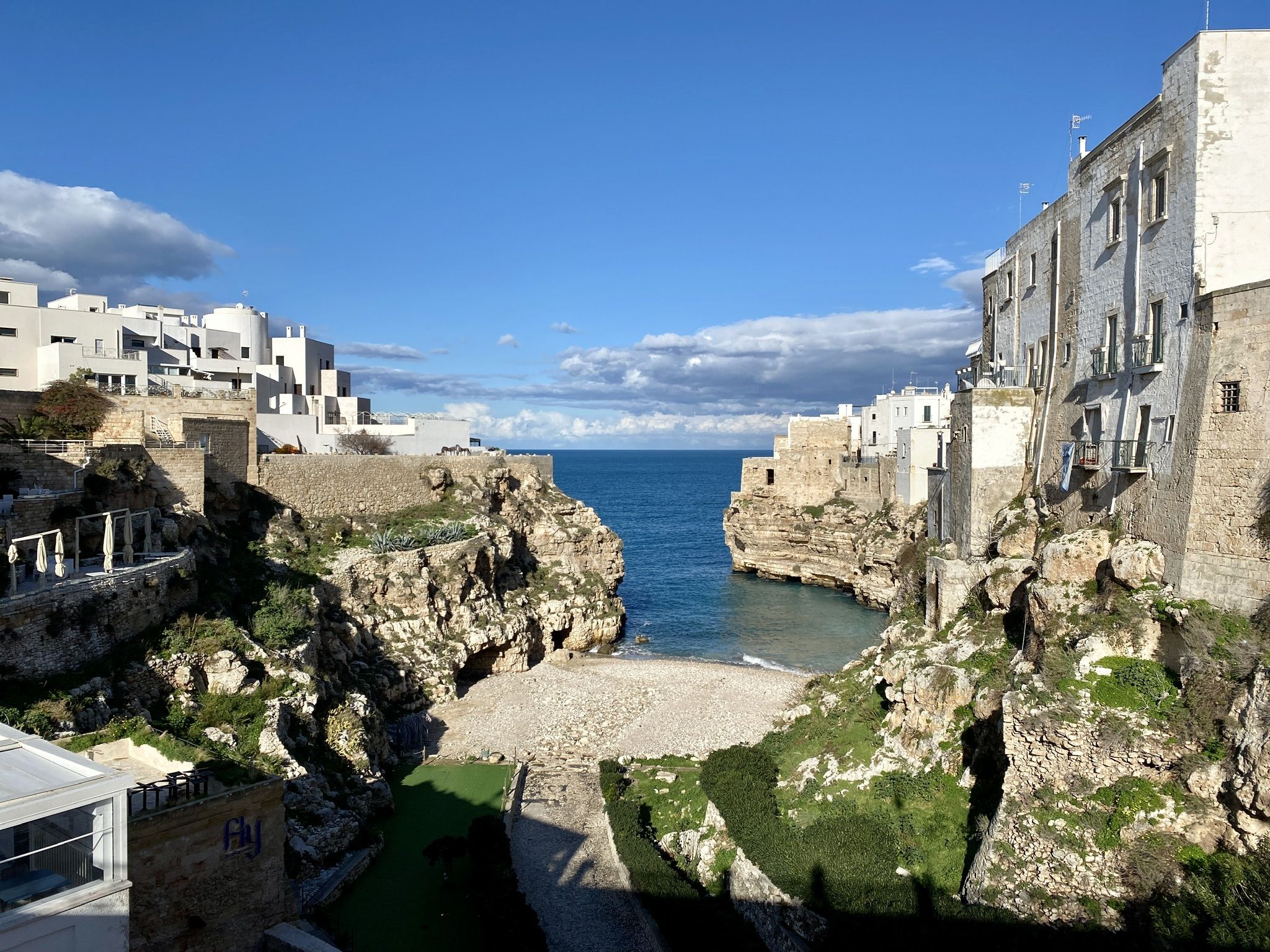
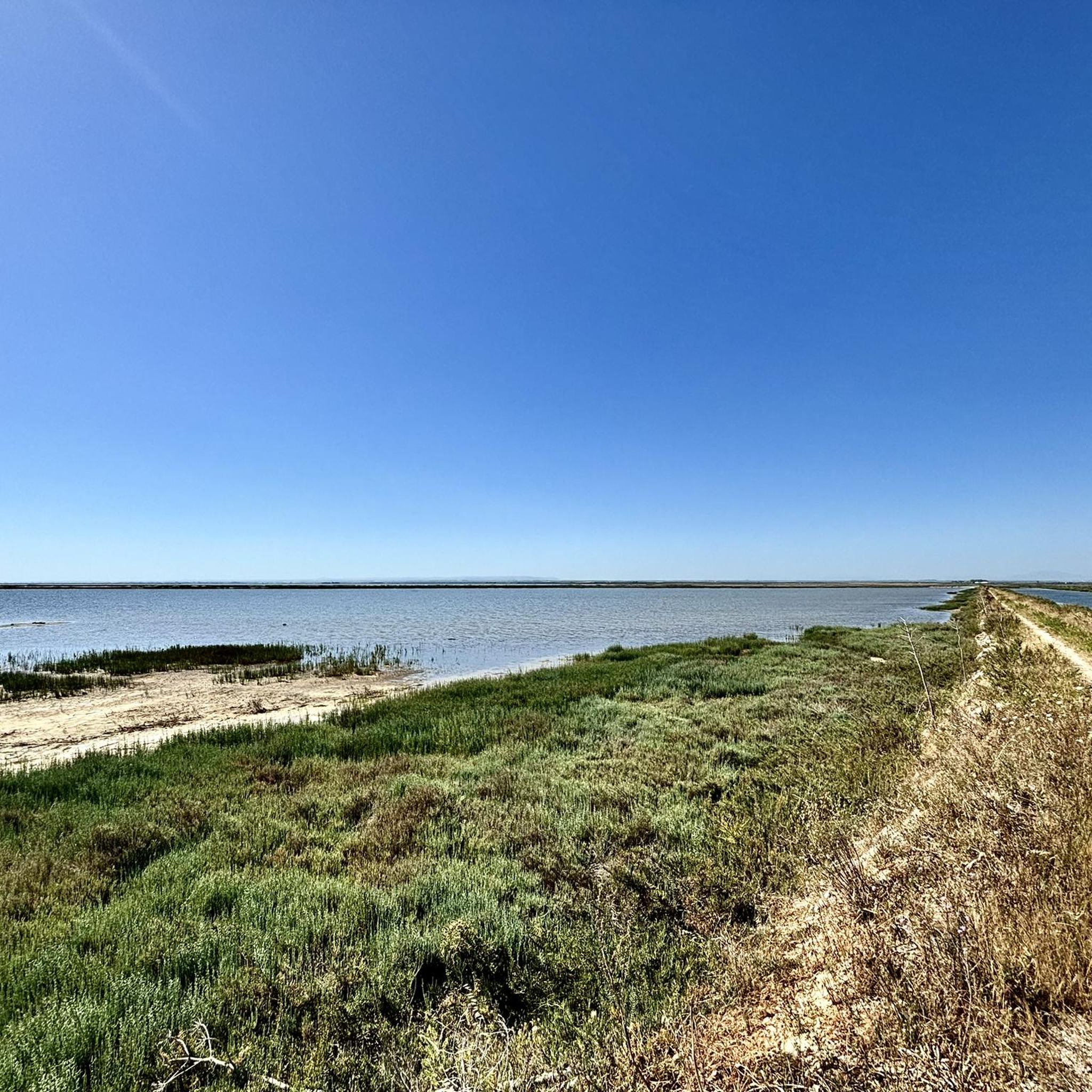
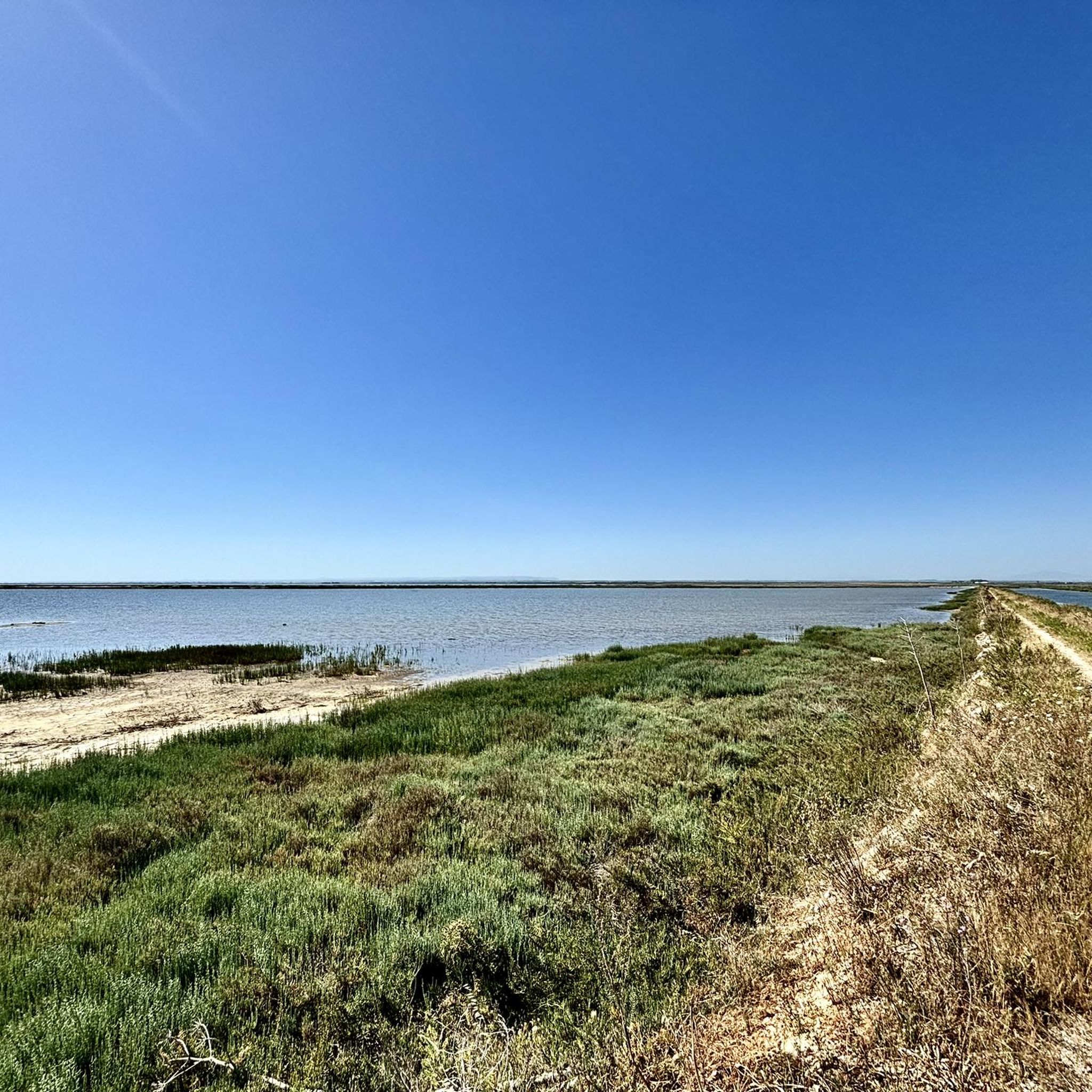
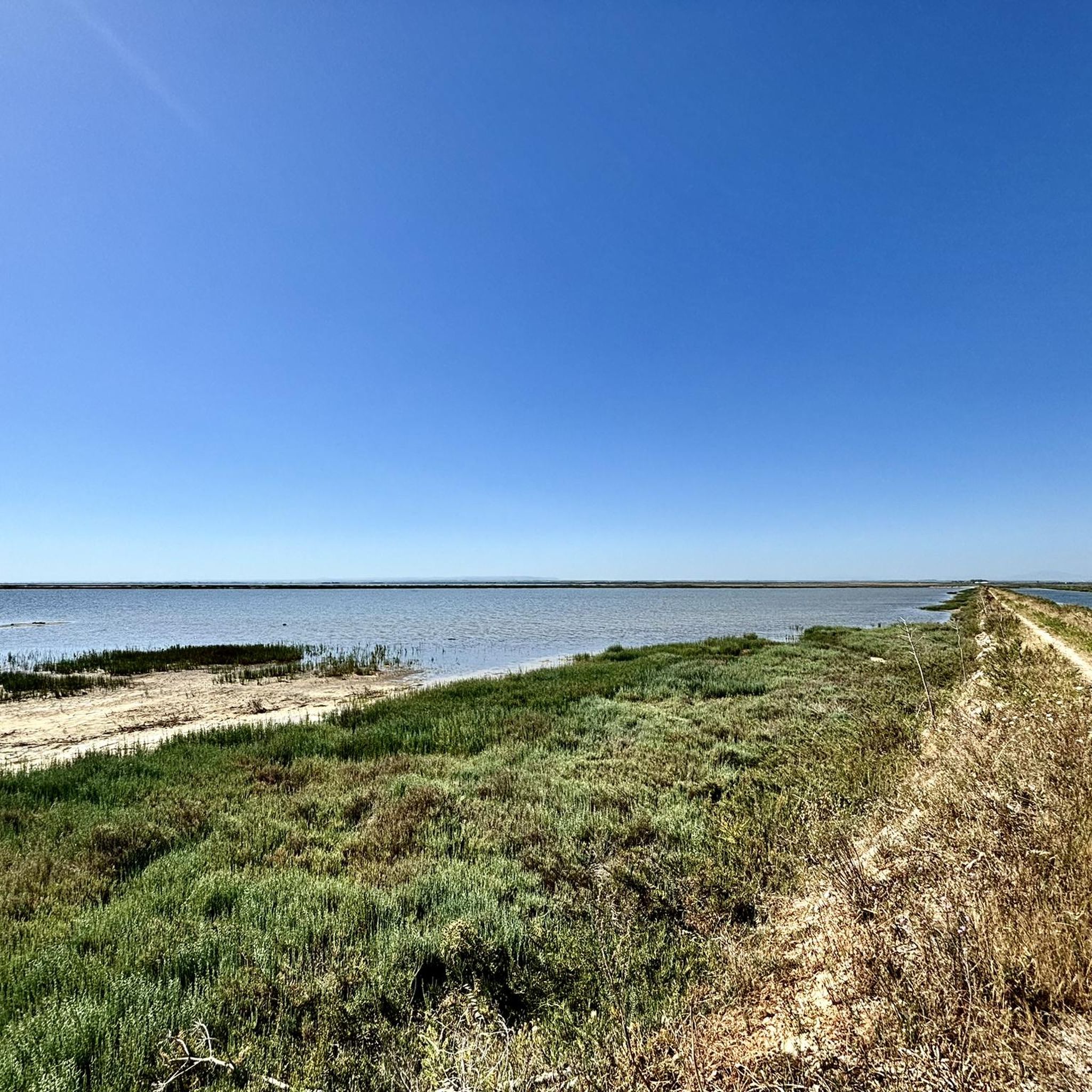
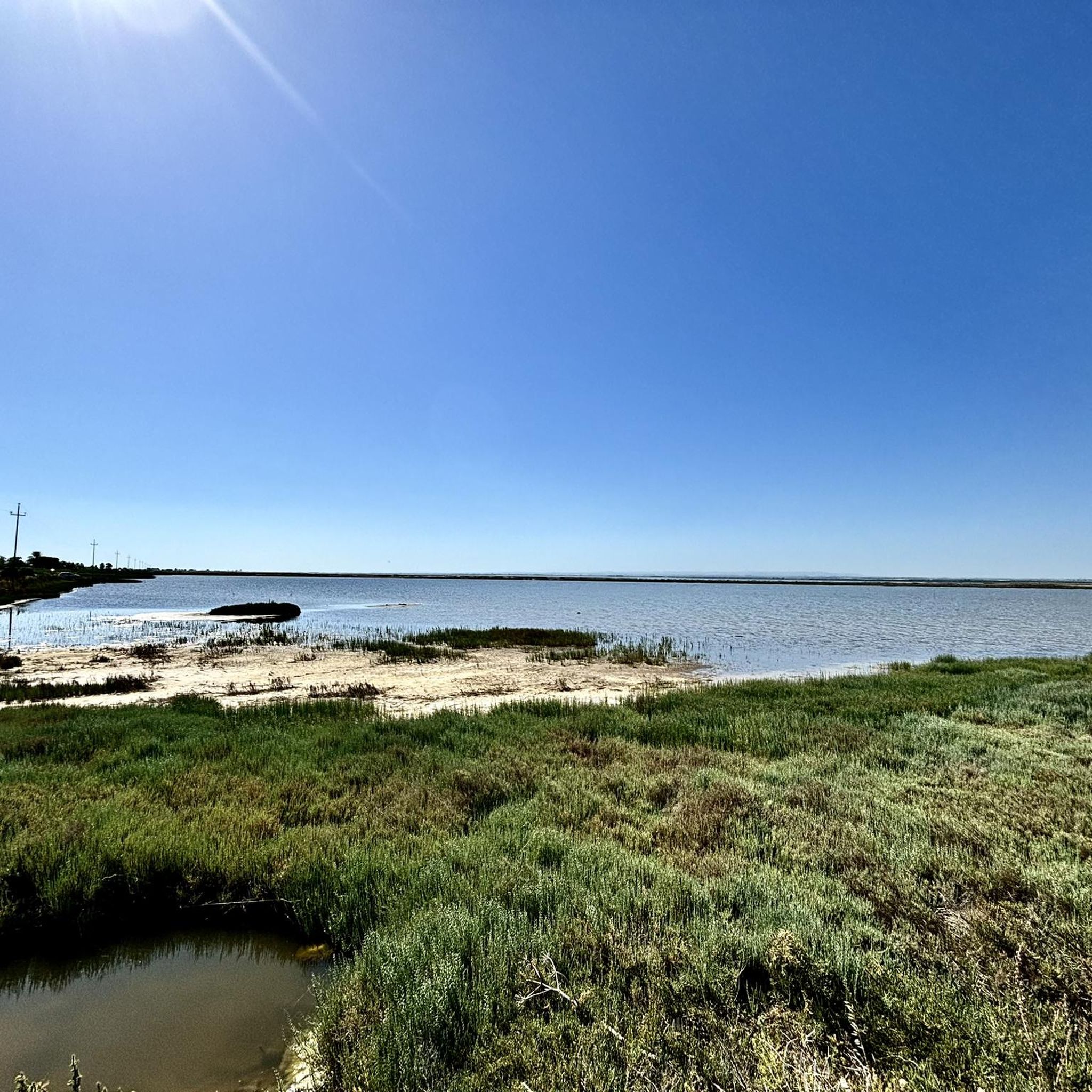
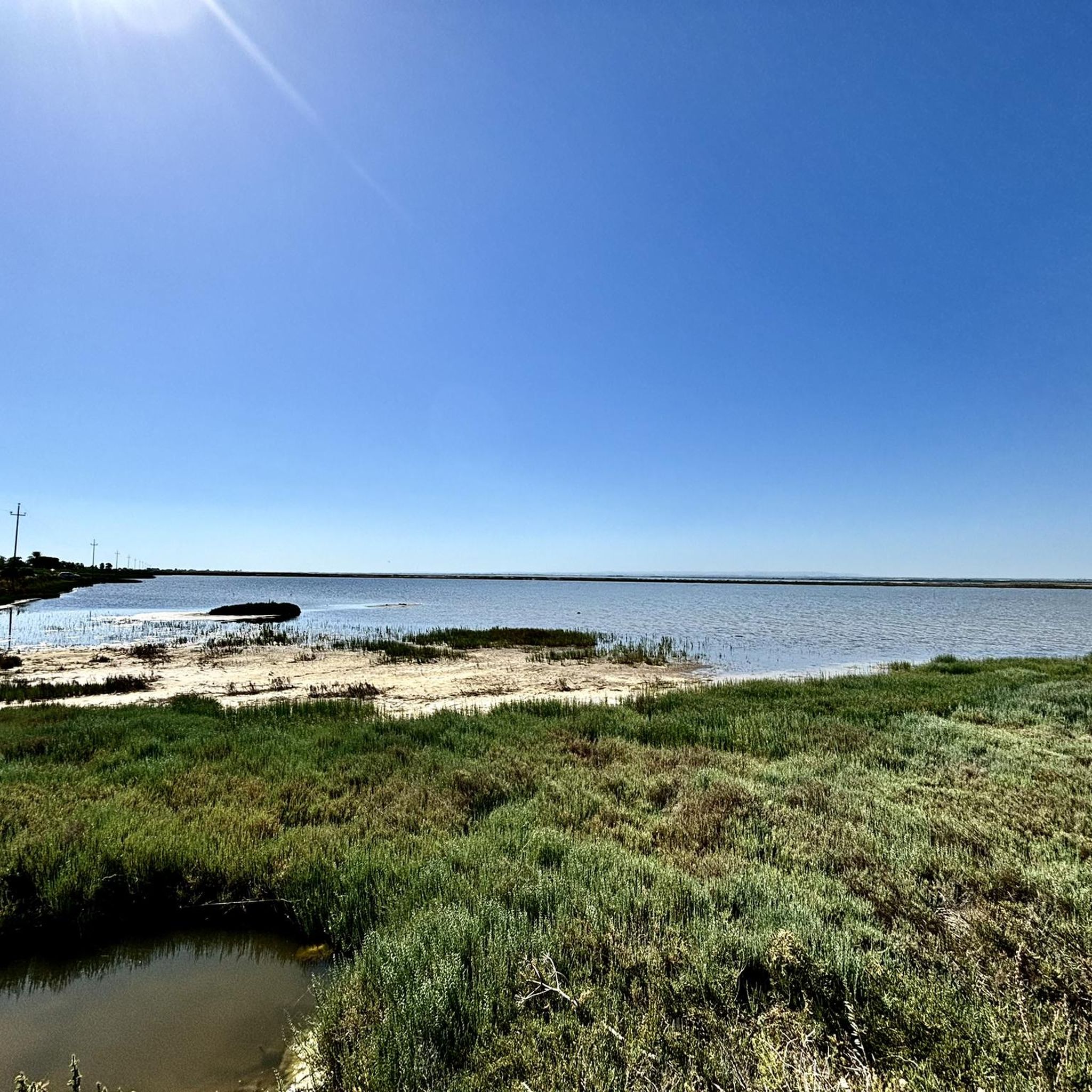
Other adventures around Trinitapoli

Tips from the Community

Due to a significant legacy of the philanthropist Paolo Tonti, it is also popularly called Duomo Tonti. He was also the financier. The floor plan is a Latin cross with three naves, the massive dome shapes the entire silhouette of the city of Cerignola.
1
0
The old Roman bridge was probably built in the 1st or 2nd century and was an important section of the Via Traiana over the Ofanto river. After renovations, particularly after an earthquake in the 18th century, not much of the original structure can be seen anymore. Today, 5 arches span the river and secure the path for pilgrims on the Via Francigena nel Sud.
1
0

The site of Canne della Battaglia is mainly remembered for the decisive battle of 216 BC, fought between the Romans and Carthaginians during the Second Punic War. The hilly reliefs overlooking the Ofanto valley have been inhabited since the Neolithic period and continuously until the 3rd century BC, most likely in conjunction with the epic clash that disrupted the settlement patterns of the entire area. In Roman times, it is recalled in the sources as the emporium of Canusium, in whose shadow it lived until the latter's abandonment in the second half of the 9th century. From this moment, Canne began its most important historical phase, linked to the stabilization of Byzantine power in Puglia. Thanks to its strategic position, the Cannese village, likely built on a pre-existing Roman structure and known today as the 'Cittadella', was re-occupied from the late antique period and consolidated in the following centuries, around two main centers, the basilicas and the castle, also thanks to the establishment of a diocese, led, in the early 12th century, by Ruggero, the current patron saint of Barletta. The antiquarium annexed to the archaeological park was created in the late 1950s for the valorization and conservation of artifacts from excavations conducted in the area, starting from the Ventennio, a period of frenetic exaltation of Roman grandeur. Today's exhibition favors the narration of events related to the Second Punic War and the great battle that represented a trauma for the surrounding territory and for the indomitable Roman army. However, according to the current state of research, no archaeological documentation referring to the clash of 216 BC has yet been found, nor can the reconstruction of the landscape on these hills, as described by historical sources, particularly Livy and Polybius, be considered plausible. Rather, the site of Canne, in addition to being located in an area of great landscape and natural value, constitutes, to this day, one of the most interesting examples of abandoned medieval settlements in Italy.
0
0

216 BC. Museum, ruins of the old city built on the site of the Carthaginian camp. Entrance to the museum is 6 euros. You can lock your bike nearby.
0
0

Worth seeing old Norman fortress.
0
0
Impressive archaeological site, great history. Unfortunately I didn't read it carefully, unfortunately closed today.
3
0

The Antiquarium, located at the foot of the fortified citadel and the Archaeological Park, with the remains of the ancient Daunian settlement and the structures from the Roman, early Christian and medieval eras, today offer visitors a complex and fascinating itinerary.
1
0
With a square plan and 4 spear-shaped bastions at the corners, it was built by the Normans in 1090 and subsequently enlarged by the Swabians.
1
0
Frequently Asked Questions
What historical sites can I explore around Trinitapoli?
The region around Trinitapoli is rich in history. You can visit the Archaeological Site of Cannae, famous for the historic battle. Another impressive structure is the Roman Bridge over the Ofanto River, an ancient example of Roman architecture. Additionally, the Castello di Barletta offers a glimpse into Norman-era fortifications.
Are there any significant religious buildings to visit in the area?
Yes, Trinitapoli and its surroundings feature several notable religious buildings. The Cathedral of Saint Peter the Apostle (Cerignola) is a prominent landmark known for its large dome. Within Trinitapoli itself, you can find the Church of the Holy Trinity, which houses a precious golden urn, and the Sanctuary of the Blessed Virgin Mary of Loreto, known for its valuable frescoes.
Where can I experience the natural beauty of the Trinitapoli region?
For natural beauty, the nearby Saline di Margherita di Savoia are a must-see. These extensive salt pans are a protected natural area, home to various bird species, including flamingos. The territory also provides access to the Parco Nazionale dell'Alta Murgia, an ideal location for trekking and photography enthusiasts, and is surrounded by vast olive groves.
What kind of outdoor activities are available near Trinitapoli?
The area around Trinitapoli offers diverse outdoor activities. You can explore numerous road cycling routes, such as the 'Le Saline di Margherita di Savoia e Trinitapoli – loop tour'. Mountain biking enthusiasts can enjoy trails like the 'Chiuse Borboniche – Margherita di Savoia loop'. For hikers, there are options like the 'Margherita di Savoia Salt Pans Loop'. You can find more details on these and other routes in the respective guides for road cycling, MTB, and hiking.
Are there family-friendly attractions around Trinitapoli?
Yes, several attractions are suitable for families. The Cathedral of Saint Peter the Apostle (Cerignola) and the Castello di Barletta are both categorized as family-friendly. Exploring the historic center of Trinitapoli with its narrow alleys and charming architecture can also be an engaging experience for all ages.
Can I find opportunities for hiking near Trinitapoli?
Absolutely. The region offers several hiking opportunities. A notable option is the 'Margherita di Savoia Salt Pans Loop', which allows you to explore the unique natural landscape. The nearby Parco Nazionale dell'Alta Murgia also provides extensive trails for trekking. For more hiking routes, refer to the Hiking around Trinitapoli guide.
What is the Archaeological Park of the Hypogea of Trinitapoli?
The Archaeological Park of the Hypogea of Trinitapoli is an open-air site showcasing the region's ancient past. It features approximately two hundred burials and underground temples, which were later reused as collective tombs. To gain a deeper understanding of these monumental structures and the artifacts found there, a visit to the Museo Civico is highly recommended.
What is the significance of the Saline di Margherita di Savoia?
The Saline di Margherita di Savoia are among the largest salt pans in Europe and are a significant naturalistic site. They are a protected area established in 1977, providing shelter for various bird species, including flamingos. The area also features a modern spa utilizing mud and mother waters from the salt pans, and the Museo delle Saline, located in an old salt warehouse.
What is the best way to learn about the local history of Trinitapoli?
To delve into Trinitapoli's local history, start with the Museo Civico (Civic Archaeological Museum). It houses prehistoric materials and artifacts discovered locally, along with exhibits tracing the city's development. Following this, explore the Archaeological Park of the Hypogea of Trinitapoli to see the ancient burial sites firsthand.
Are there any hidden gems or less-known spots worth visiting?
Beyond the main attractions, consider exploring the Ancient Church of San Nicola, dating back to the 12th century, for a deeper dive into the region's religious and architectural heritage. The historic center of Trinitapoli itself, with its small white houses and narrow alleys, offers a charming, authentic experience away from the more prominent sites.
What are the options for cycling around Trinitapoli?
Cycling is a popular activity around Trinitapoli, with options for both road cycling and mountain biking. You can find routes that take you through the scenic salt pans, like 'Le Saline di Margherita di Savoia e Trinitapoli – loop tour' for road cyclists, or more challenging MTB trails such as the 'Barletta to Monte Carafa Loop Trail'. Detailed routes are available in the Road Cycling Routes around Trinitapoli and MTB Trails around Trinitapoli guides.
Can I see wildlife in the Trinitapoli area?
Yes, the Saline di Margherita di Savoia are an excellent location for wildlife viewing, particularly for birdwatching. As a protected natural area, it attracts various bird species, including the iconic flamingos, making it a significant ecological site.
Most popular attractions around Trinitapoli

Get inspired with the komoot mobile app


Explore more
Still not found the Highlight you’re looking for? See guides of the top attractions in other regions:
