Attractions and Places To See around Cerignola - Top 20
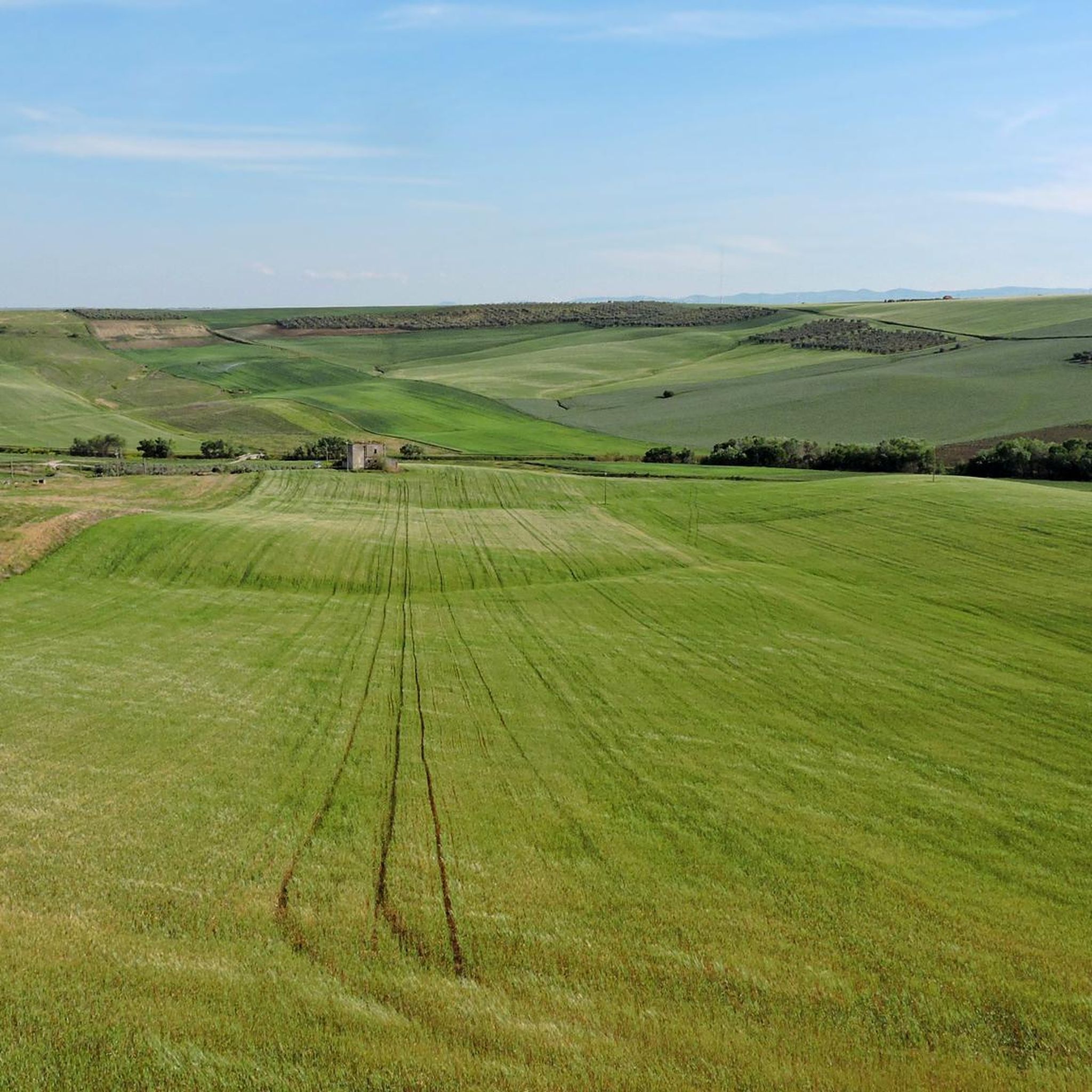
Best attractions and places to see around Cerignola include a rich blend of historical landmarks, cultural sites, and natural features within the province of Foggia, Puglia. Situated in the valleys of the Ofanto and Carapelle rivers, the area is known for its agricultural landscape. Visitors can explore ancient structures, significant religious buildings, and unique natural reserves. The town and its surroundings offer diverse points of interest for exploration.
Best attractions and places to see around Cerignola
- The most popular attractions is Saline di Margherita di Savoia, a natural monument that is a protected natural area established in 1977. These salt pans are among the largest in Europe, covering an area of almost 4,000 hectares.
- Another must-see spot is Archaeological Site of Cannae, a historical site where the battle of Cannae took place in 216 BC. Visitors can find archaeological remains of interest from one of the most important battles of the Second Punic War.
- Visitors also love Cathedral of Saint Peter the Apostle (Cerignola), a religious building considered the undisputed symbol of the city. Its dome is among the largest in southern Italy and is visible from the surrounding areas.
- Cerignola is known for its historical landmarks, cultural sites, and unique natural features. The area offers a variety of attractions, from ancient Roman architecture to significant religious buildings and expansive salt pans.
- The attractions around Cerignola are appreciated by the komoot community, with 14 upvotes and 27 photos shared.
Last updated: July 7, 2026
Archaeological Park of Canne della Battaglia
Highlight • Historical Site
Translated by Google •
Tip by

Roman Bridge over the Ofanto River
Highlight • Bridge
Translated by Google •
Tip by
Sign up now to discover places like this
Get recommendations on the best single tracks, peaks, & plenty of other exciting outdoor places.
Sign up for free
Cathedral of Saint Peter the Apostle (Cerignola)
Highlight • Religious Site
Translated by Google •
Tip by

Margherita di Savoia
Highlight • Settlement
Translated by Google •
Tip by

Mausoleo Bagnoli
Highlight • Historical Site
Translated by Google •
Tip by

Sign up for free to discover even more attractions around Cerignola.
Sign up for free
Already have an account?
Start today with a free account
Your next adventure awaits.
Login or Signup
Tips from the Community

Due to a significant legacy of the philanthropist Paolo Tonti, it is also popularly called Duomo Tonti. He was also the financier. The floor plan is a Latin cross with three naves, the massive dome shapes the entire silhouette of the city of Cerignola.
1
0
The old Roman bridge was probably built in the 1st or 2nd century and was an important section of the Via Traiana over the Ofanto river. After renovations, particularly after an earthquake in the 18th century, not much of the original structure can be seen anymore. Today, 5 arches span the river and secure the path for pilgrims on the Via Francigena nel Sud.
1
0
On the Via Traiana between Cerignola and Canosa di Puglia is a Roman mausoleum from the 2nd century AD. The Torre Casieri marks the ancient entrance to Canusium and consists of a rectangular burial chamber with a barrel vault and two semicircular niches.
1
0

The site of Canne della Battaglia is mainly remembered for the decisive battle of 216 BC, fought between the Romans and Carthaginians during the Second Punic War. The hilly reliefs overlooking the Ofanto valley have been inhabited since the Neolithic period and continuously until the 3rd century BC, most likely in conjunction with the epic clash that disrupted the settlement patterns of the entire area. In Roman times, it is recalled in the sources as the emporium of Canusium, in whose shadow it lived until the latter's abandonment in the second half of the 9th century. From this moment, Canne began its most important historical phase, linked to the stabilization of Byzantine power in Puglia. Thanks to its strategic position, the Cannese village, likely built on a pre-existing Roman structure and known today as the 'Cittadella', was re-occupied from the late antique period and consolidated in the following centuries, around two main centers, the basilicas and the castle, also thanks to the establishment of a diocese, led, in the early 12th century, by Ruggero, the current patron saint of Barletta. The antiquarium annexed to the archaeological park was created in the late 1950s for the valorization and conservation of artifacts from excavations conducted in the area, starting from the Ventennio, a period of frenetic exaltation of Roman grandeur. Today's exhibition favors the narration of events related to the Second Punic War and the great battle that represented a trauma for the surrounding territory and for the indomitable Roman army. However, according to the current state of research, no archaeological documentation referring to the clash of 216 BC has yet been found, nor can the reconstruction of the landscape on these hills, as described by historical sources, particularly Livy and Polybius, be considered plausible. Rather, the site of Canne, in addition to being located in an area of great landscape and natural value, constitutes, to this day, one of the most interesting examples of abandoned medieval settlements in Italy.
0
0

216 BC. Museum, ruins of the old city built on the site of the Carthaginian camp. Entrance to the museum is 6 euros. You can lock your bike nearby.
0
0
Remains of a two-story Roman mausoleum, from the 2nd century AD, located on the route of the Via Traiana
0
0

Impressive archaeological site, great history. Unfortunately I didn't read it carefully, unfortunately closed today.
3
0

The Antiquarium, located at the foot of the fortified citadel and the Archaeological Park, with the remains of the ancient Daunian settlement and the structures from the Roman, early Christian and medieval eras, today offer visitors a complex and fascinating itinerary.
1
0
Frequently Asked Questions
What historical sites can I explore in and around Cerignola?
Cerignola and its surroundings offer a rich historical tapestry. You can visit the impressive Archaeological Site of Cannae, where a significant battle of the Second Punic War took place. Another notable site is the Roman Bridge over the Ofanto River, an extraordinary example of Roman architecture. Within the town, explore the historic core, the Centro Storico, with its grand palaces and ancient Roman-era underground silos known as Fosse Granarie. The 15th-century Castello di Cerignola also offers a glimpse into the city's past.
Are there any significant religious buildings to visit in Cerignola?
Yes, the most prominent is the Cathedral of Saint Peter the Apostle, also known as Duomo Tonti. Its dome is among the largest in southern Italy and is a symbol of the city. Other notable churches include the Church of Sant'Antonio Abate, the Church of San Francesco, the Cathedral of St Francis of Assisi, and the baroque Chiesa del Carmine.
What natural attractions are there near Cerignola?
The most significant natural attraction is the Saline di Margherita di Savoia, a protected natural area and one of the largest salt pans in Europe. You can also find the Parco Naturale Regionale dei Boschi di Cerignola, the Santuario della Madonna Nera di Ripalta for unspoiled nature, and the Riserva statale «Il Monte», a paradise for migratory birds. Lago di Occhito is another natural attraction worth visiting.
What kind of outdoor activities can I do near Cerignola?
The region around Cerignola is great for outdoor enthusiasts. You can find various routes for gravel biking, road cycling, and hiking. For example, there are gravel biking routes like the 'Mausoleo Bagnoli – Roman Bridge over the Ofanto River loop', road cycling routes such as 'Cerignola - Trinitapoli Loop', and hiking trails like the 'Margherita di Savoia Salt Pans Loop'. You can find more details and routes on the respective guide pages for Gravel biking around Cerignola, Road Cycling Routes around Cerignola, and Hiking around Cerignola.
Are there family-friendly attractions in the Cerignola area?
Yes, several attractions are suitable for families. The Cathedral of Saint Peter the Apostle is listed as family-friendly, offering an impressive architectural experience. The town of Margherita di Savoia, with its wide iron sand coastline and spa facilities, is also a great option for families, especially for beach activities and exploring the salt pans.
What cultural experiences does Cerignola offer?
Cerignola boasts a rich cultural heritage. You can experience the artistic legacy at the Teatro Mercadante, a refined 19th-century theatre. The Centro Storico provides a journey into the town's history with its elegant buildings and bustling piazzas. The Museo Civico Archeologico di Cerignola houses a diverse collection of artworks and archaeological artifacts, showcasing the region's artistic heritage.
What is the best time to visit Cerignola for outdoor activities?
Given its location in Puglia, the spring (April to June) and autumn (September to October) months generally offer pleasant temperatures for outdoor activities like hiking and cycling, avoiding the intense heat of summer. These periods are ideal for exploring historical sites and natural reserves comfortably.
Can I find unique local products or experiences in Cerignola?
Cerignola is renowned for its table olives, particularly the 'Bella di Cerignola' variety. You can often find guided gastronomic tours that include visits to local olive groves. The town's market culture, deeply linked to its agricultural economy, also offers a vibrant local experience to discover unique products.
What are some lesser-known or 'hidden gems' in Cerignola?
Beyond the main attractions, you might explore the Torre Alemanna, a key historical complex. The Fosse Granarie, ancient Roman-era underground silos, offer a unique insight into historical grain storage practices. The various historic churches beyond the main Cathedral, such as the Church of San Domenico and Chiesa del Carmine, also hold significant historical and artistic value.
What do visitors enjoy most about the attractions around Cerignola?
Visitors frequently appreciate the rich historical significance of sites like the Archaeological Site of Cannae and the impressive architecture of the Cathedral of Saint Peter the Apostle. The vastness and unique landscape of the Saline di Margherita di Savoia are also highly regarded for their natural beauty and ecological importance.
Are there opportunities for walking or easy trails near Cerignola?
While some hiking routes can be challenging, there are options for easier walks. Exploring the Centro Storico of Cerignola itself offers pleasant strolls through historic streets and piazzas. For dedicated trails, you can check the Hiking around Cerignola guide for routes that might suit different difficulty levels, such as the 'Tiro a Segno loop from Cerignola' which is rated moderate.
Most popular attractions around Cerignola

Get inspired with the komoot mobile app


Explore more
Still not found the Highlight you’re looking for? See guides of the top attractions in other regions:
