Attractions and Places To See around Labico - Top 20
Best attractions and places to see around Labico, a town in the Metropolitan City of Rome, Italy, offers a blend of local character and access to regional points of interest. The area features natural monuments and historical sites, reflecting its unique landscape and past. Labico's location provides convenient access to both local charm and significant cultural and natural attractions within the Lazio region.
Best attractions and places to see around Labico
- The most popular attractions is Artemisio Forest Refuge, a hut immersed in the park of the Roman castles. This location is considered an iconic retreat.
- Another must-see spot is Acqua Donzella Spring, a natural monument nestled in a valley. This spring is believed to have been a vital water source for thousands of years and is situated above an ancient necropolis.
- Visitors also love Vivaro Astronomical Observatory, a man-made monument and scientific structure. It is an exceptional location for astronomical observation in the Castelli Romani area.
- Labico is known for its natural monuments, historical sites, and man-made structures. Visitors can explore a variety of attractions that highlight the region's natural beauty and historical significance.
- The attractions around Labico are appreciated by the komoot community, with more than 70 upvotes and 17 photos shared by visitors.
Last updated: May 9, 2026
Acqua Donzella Spring
Highlight • Natural Monument
La fonte, invece, risale a migliaia e migliaia di anni fa, come tante altre fonti situate sul versante sud delle pendici del vecchio cratere, trasformatosi in seguito in Lago del Vivaro.
Il significato di Acqua Donzella è "fanciulla che offre o prende acqua".
Si narra infatti che nel periodo preromanico molti abitanti del luogo, per cause politiche e di carestia, si rifugiassero sul Monte Algido (Mons Algidus) in cerca di acqua e selvaggina.
Alcuni di loro, stanchi ed affamati, si sdraiarono nei pressi della grotta che sorgeva proprio sul luogo ove adesso si trova il casotto idrico. All'improvviso davanti ai loro occhi si materializzò una fanciulla vestita di bianco che indicò loro la grotta, per poi scomparire subito dopo.
Si alzarono, entrarono nella grotta e vi trovarono una ricchissima sorgente d'acqua alla quale poterono finalmente dissetarsi. Per questo motivo il luogo venne chiamato "Fonte Acqua Donzella".
La fonte stessa si trova sopra una antica necropoli dove sono state scoperte circa duecento tombe: la Madonna durante una delle successive apparizioni, alla domanda perché fosse apparsa proprio a Velletri ed in quel luogo preciso, rispose: "Perché qui ci sono tanti morti che hanno bisogno di preghiere ...".
Dai reperti archeologici rinvenuti (punte di lance ed attrezzi in pietra vulcanica, silicio) abbiamo la prova che ci fossero insediamenti di uomini primitivi. Successivamente vi si stabilirono i Volsci che erano pastori, contadini e artigiani: queste popolazioni infatti si insediavano sempre presso corsi d'acqua e sorgenti. Furono altresì rinvenuti reperti di origine etrusca nonché oggetti risalenti al medioevo. Questo lembo di terra fu inoltre testimone di cruente persecuzioni di cristiani che venivano a rifugiarsi, di giorno, tra i boschi e di sera scendevano per pregare presso il luogo dove ora sorge, a Velletri, la Chiesa di San Salvatore. I cimiteri e le necropoli furono localizzati anche a monte della fonte donzella, nei pressi dei ruderi del castello di Ariano.
Tip by

Vivaro Astronomical Observatory
Highlight • Monument
Scientific information events called AstroIncontri are held every Friday evening, promoted by the Tuscolana Astronomy Association "Livio Gratton" (ATA).
lnx.ataonweb.it/wp
Translated by Google •
Tip by

Sign up now to discover places like this
Get recommendations on the best single tracks, peaks, & plenty of other exciting outdoor places.
Sign up for free
Ponte Amato
Highlight • Bridge
Its name derives from the Count Amato di Segni who in the tenth century fortified it and oversaw its restoration after the abandonment of the dark centuries.
Translated by Google •
Tip by

Torre dei Piscoli
Highlight • Monument
Translated by Google •
Tip by

Artemisio Forest Refuge
Highlight • Mountain Hut
The temporary purpose association Natura Matura is made up of various associations present and operating in the Castelli Romani area.
Translated by Google •
Tip by
Sign up for free to discover even more attractions around Labico.
Sign up for free
Already have an account?
Start today with a free account
Your next adventure awaits.
Login or Signup
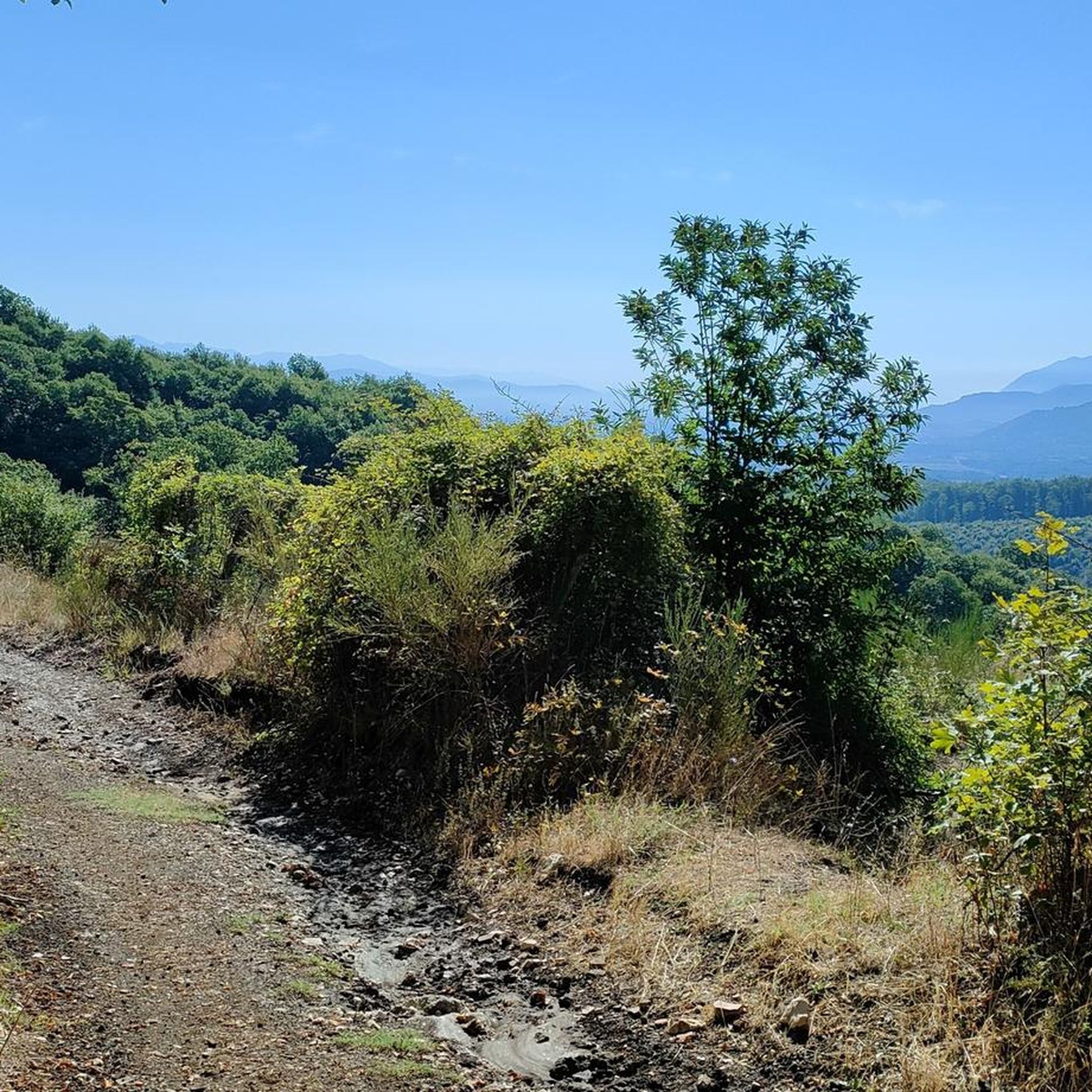
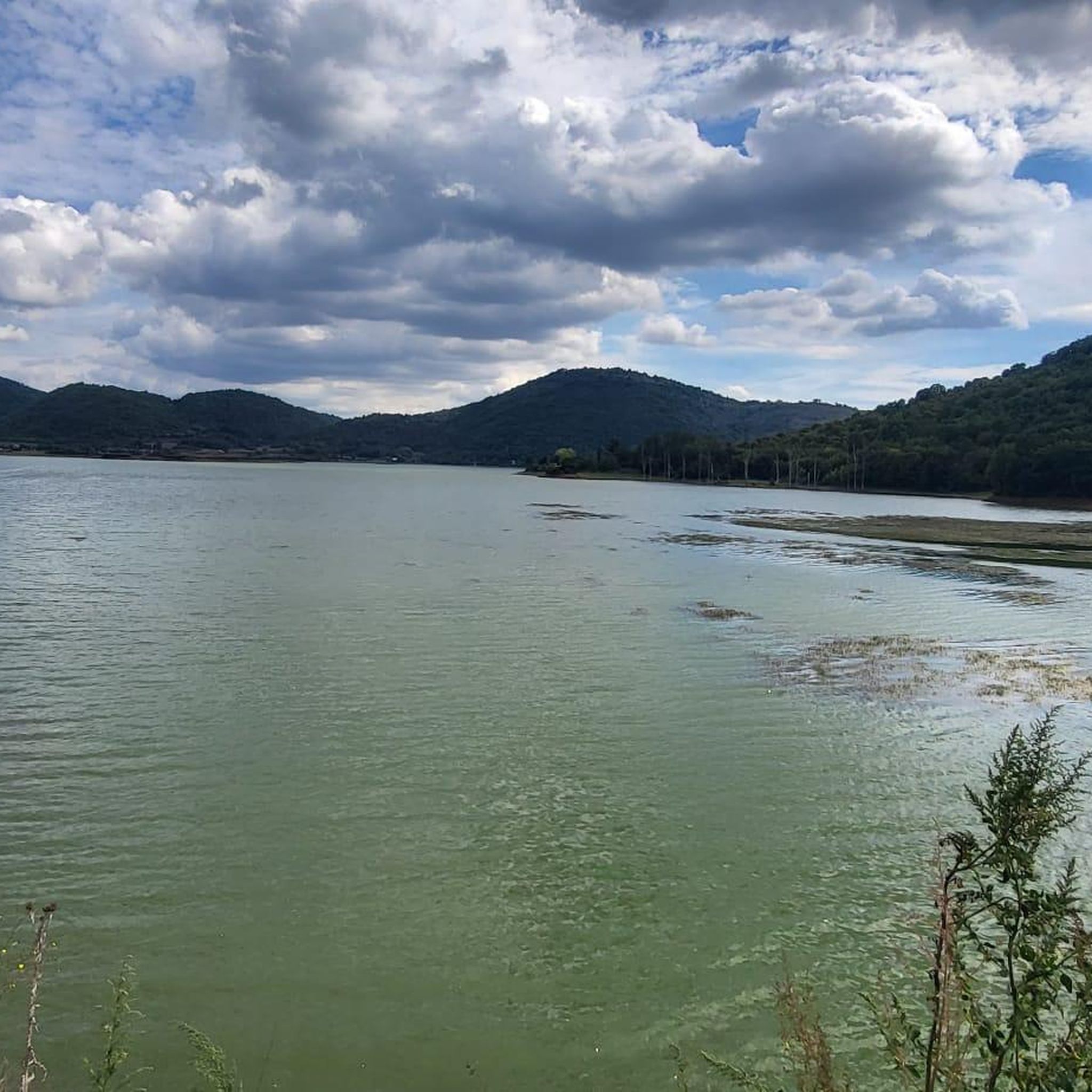

Tips from the Community

Between the towns of Colle Rampo and Polledrara, about 6 km from Paliano, there is this fortified farmhouse with a 13th-century square tower. The Sacco river valley has been the obligatory passage point between Lazio and Campania since the Roman period. The isolated towers, built inland at strategic points, formed a system of garrison and optical signaling between them. The de' Piscoli tower was the lookout outpost of the Prenestina and Latina roads. In the Middle Ages it was the obligatory passage to enter the Palianese territory, given that the road that led to Paliano passed over the Ponte della Mola, where there was a sentry who made people pay the crossing fee, called pontatico. Source FAI - I luoghi del cuore.
0
0
The Amato bridge is located just outside the center of Gallicano nel Lazio, it is a Roman bridge that allowed the old Via Prenestina to cross the valley of the Fosso Scalelle and reach the city of Palestrina. The bridge has a single round arch, now unfortunately only a section remains as the northern part collapsed during the Second World War.
0
0

tower that seems to come out of nowhere :)
0
0
Nice little refuge where you can possibly stop for a picnic or bivouac but no water available.
0
0

A beautiful passage near Paliano, to reach this fortified farmhouse with a 13th century square tower.
0
0
Here begins the archaeological park "Ponte Amato and Via Prenestina antica", a stretch of the ancient Via Prenestina to continue along the path of the aqueducts that supplied Rome with water.
0
0

from the web: "Ponte Amato, located near the Tagliata di Santa Maria di Cavanonte, is an isolated Roman bridge in the countryside near Gallicano nel Lazio. This ancient bridge allowed the ancient Via Prenestina to cross the valley of the Scalelle ditch, heading towards the city of Praeneste (Palestrina). Its exact dating is not certain, but the similarities with the Nona bridge (at the 9th mile of the Via Prenestina) suggest that it may date back to the second half of the 2nd century BC or the beginning of the 1st century BC. . The name “Ponte Amato” derives from Count Amato of Segni, who fortified it in the 10th century and took care of its restoration after a period of abandonment. After being neglected again for several centuries, the bridge was the subject of an excellent restoration in 2001 by the Archaeological Superintendency for Lazio, which returned it to its magnificent beauty. The arch of the bridge is characterized by a single rounded structure, and although the northern part collapsed during the fighting of the Second World War, the bridge still retains some of its original splendor. The dimensions of the Amato Bridge are impressive: it is made up of 17 rows of ashlar blocks in the shape of parallelepipeds of "lapis gabinus" (the famous gabine stone). The maximum height measured from the ditch surface is 10 metres. On the roadway, which reaches a width of 5.65 metres, the paving of the ancient Roman road is still visible. This site, belonging to the municipality of Gallicano nel Lazio, is part of an itinerary of great archaeological, landscape and wildlife interest. The surrounding area is crossed by four of Rome's public aqueducts: the Anius Vetus, the Aqua Marcia, the Aqua Claudia and the Anius Novus. A fascinating place to explore, immersed in a suggestive natural environment."
0
0

astronomical observatories in the heart of the vivaro
0
0
Frequently Asked Questions
What are some unique natural attractions to visit near Labico?
One notable natural monument is the Acqua Donzella Spring, nestled in a valley with a rich history and local legends. It's believed to have been a vital water source for thousands of years and is situated above an ancient necropolis. Additionally, the Artemisio Forest Refuge offers a beautiful natural setting immersed in the park of the Roman Castles.
Are there any historical sites or ancient structures worth seeing around Labico?
Yes, the area boasts several historical points of interest. The Ponte Amato is a Roman bridge that once allowed the ancient Via Prenestina to cross the Scalelle ditch valley. Its origins may date back to the 2nd or 1st century BC. Another site is the Torre dei Piscoli, a fortified farmhouse with a 13th-century square tower that emerges unexpectedly from the woods.
What kind of outdoor activities can I do near Labico?
The region around Labico offers various outdoor activities, particularly cycling and mountain biking. You can find numerous routes for cycling, gravel biking, and MTB trails. These routes often pass by natural and historical landmarks, offering a great way to explore the landscape.
Are there any family-friendly attractions in the Labico area?
While Labico itself offers local charm, nearby attractions cater to families. The Artemisio Forest Refuge is a great spot for families to enjoy nature. For a more active experience, MagicLand, a large amusement park, is located in Valmontone, approximately 6.3 km from Labico, offering entertainment for all ages.
Where can I observe the night sky near Labico?
The Vivaro Astronomical Observatory, also known as the “Livio Gratton” astronomical park, is an exceptional location for astronomical observation. Situated in the Vivaro hamlet of Rocca di Papa, it's one of the darkest locations in the Castelli Romani area, making it ideal for stargazing. The Tuscolana Astronomy Association often hosts scientific information events there.
What is the best time of year to visit Labico for outdoor exploration?
The Lazio region, where Labico is located, generally enjoys pleasant weather for outdoor activities during spring (April-May) and autumn (September-October). These seasons offer milder temperatures, making hiking, cycling, and exploring historical sites more comfortable than the hot summer months.
What are some popular cycling routes starting near Labico?
For cyclists, there are several popular routes. You can explore the Cycling around Labico guide which includes routes like the 'Passo della Madonnella Shrine – Fonte La Pescara loop' or the 'Paliano Fortress – Palazzo Colonna loop'. These routes vary in difficulty and distance, offering options for different skill levels.
Are there any significant natural reserves or lakes in the broader Lazio region accessible from Labico?
Yes, the Lazio region, encompassing Labico, features numerous natural reserves and lakes. Notable examples include Lake Turano, Lake and Nature Reserve of Posta Fibreno, and the Park of Bracciano and Martignano. These areas showcase diverse ecosystems, often with volcanic origins, and are great for nature enthusiasts.
What do visitors particularly enjoy about the attractions around Labico?
Visitors appreciate the blend of natural beauty and historical significance. For instance, the Artemisio Forest Refuge is loved for being an 'iconic retreat' immersed in nature. The Acqua Donzella Spring is valued for its ancient history and tranquil setting. The area's attractions are well-regarded by the komoot community, with many upvotes and shared photos.
Can I find any local cultural events or traditions in Labico?
While specific major cultural sites directly within Labico are not extensively detailed, the town actively participates in local events that highlight its cultural and gastronomic traditions. For example, Labico has been a stop on the 'Sapori in Comune' (Flavors in the Municipality) festival, which showcases local products and culinary heritage, suggesting a vibrant local food culture.
Are there opportunities for mountain biking near Labico?
Absolutely. The area offers a variety of mountain biking trails. You can find detailed routes in the MTB Trails around Labico guide. Options include loops like 'Passo della Madonnella Shrine – Acqua Donzella Spring loop from Valmontone' or 'Passo della Madonnella Shrine – Necropolis Fountain loop from Labico', catering to different difficulty levels.
What are some significant historical sites in the wider region that are accessible from Labico?
Labico's location provides convenient access to world-renowned historical sites. While not in Labico itself, iconic Roman landmarks such as the Colosseum, Pantheon, and Roman Forum are within a 35-37 km radius. Additionally, Villa d'Este, a UNESCO World Heritage site known for its gardens, is about 21 km away in Tivoli.
Most popular attractions around Labico

Get inspired with the komoot mobile app


Explore more
Still not found the Highlight you’re looking for? See guides of the top attractions in other regions:
