The best walks and hikes around Castel San Pietro Romano
4.3
(244)
842
hikers
61
hikes
Hiking around Castel San Pietro Romano offers exploration of the Apennine Mountains in central Italy. The region features diverse natural landscapes, including dense forests, panoramic mountain views, and historical sites. Trails often traverse the Monti Prenestini, providing varied terrain from valleys to hills. This area is characterized by its natural beauty and archaeological points of interest, making it suitable for various hiking experiences.
Best hiking trails around Castel San Pietro Romano
- The most popular hiking route is Acea Water Refill…
Last updated: July 21, 2026
4.5
(21)
71
hikers
7.81km
02:49
300m
300m
Moderate hike. Good fitness required. Mostly accessible paths. Sure-footedness required.
4.3
(23)
54
hikers
10.1km
03:11
320m
320m
Moderate hike. Good fitness required. Mostly accessible paths. Sure-footedness required.

Sign up for free
3.8
(4)
18
hikers
5.88km
02:00
270m
270m
Moderate hike. Great for any fitness level. Mostly accessible paths. Sure-footedness required.
5.0
(2)
13
hikers
23.2km
07:59
800m
800m
Hard hike. Very good fitness required. Mostly accessible paths. Sure-footedness required.
5.0
(2)
8
hikers
10.8km
04:07
550m
550m
Moderate hike. Good fitness required. Mostly accessible paths. Sure-footedness required.
Get access to more routes and recommendations from other explorers.
Sign up for free
Already have an account?
Our route recommendations are based on thousands of hikes, rides, and runs completed by other people on komoot.
Start today with a free account
Your next adventure awaits.
Login or Signup
Tips from the Community

The "Oak of Pierluigi da Palestrina" is a monumental downy oak located in the Cannuccete Valley, in the Prenestini Mountains, not far from Palestrina. This centuries-old tree, over 20 meters tall and with a circumference of over six meters, is considered one of the oldest and most impressive trees in Lazio. It is estimated to be between 500 and 700 years old. According to local tradition, the famous musician Giovanni Pierluigi da Palestrina loved to go to the foot of this oak tree to find inspiration and moments of reflection. Legend has it that the composer meditated and perhaps composed some of his works in the shade of this tree, although these details are not confirmed by historical sources.
0
0

The Rocca dei Colonna was erected on the highest point of the acropolis in 970 AD. The initial building had a square plan with corner towers also with a square base, and housed a cylindrical tower used as a prison. Some famous people were imprisoned there, including San Berardo, bishop of the Marsi, Jacopone da Todi and Corradino di Svevia. Over the centuries, the fortress was destroyed several times; in 1482, the fortress was renovated and the event is remembered by the inscription on the turret of the small bridge "magnificus dominus Stephanus Columna readificavit civitatem cum monte et arte MCDLXXXII".
0
0

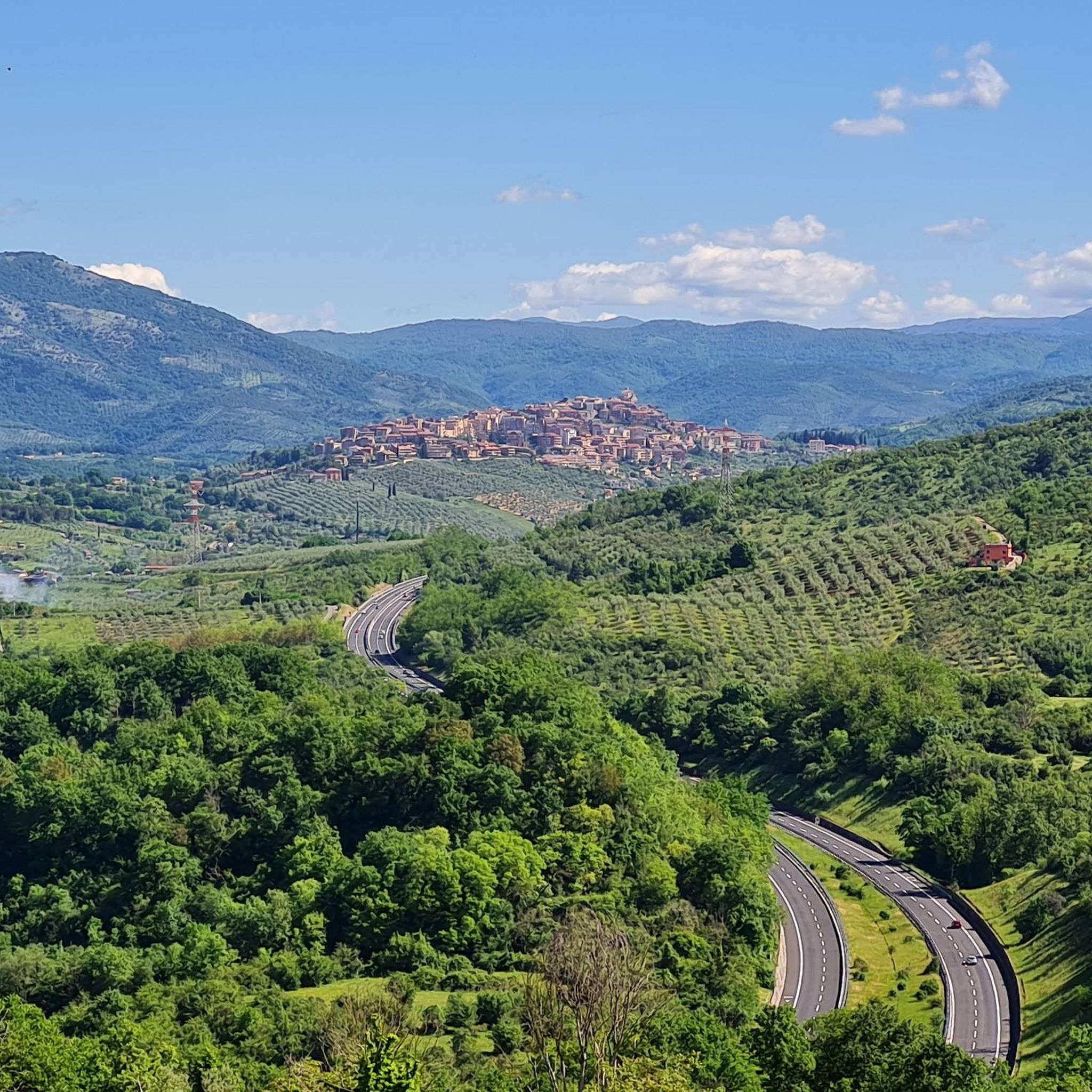
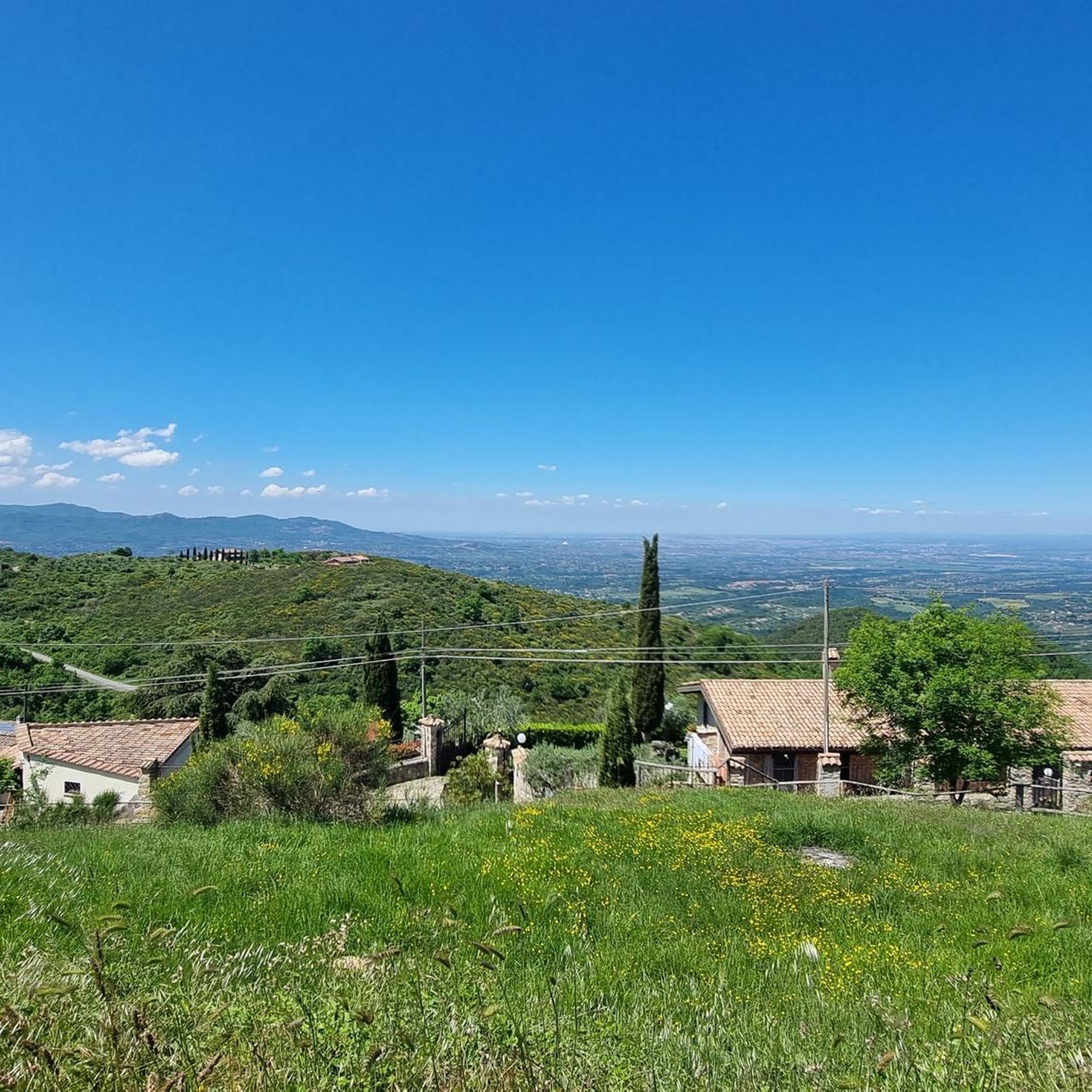
After crossing the ‘Via della Zingarella’, the old communal road that connected the village with the spring area, and an area of scrubland, you arrive at a plain. This is a good place to rest after the climb and to admire the view. Towards the west, on the left the view of Monte Guadagnolo
0
0
You can hike down off the path to see the bridge and infrastructure from below. The aqueduct bridge allows you to cross the aqueduct but is also a connection point between the Folignano ditch and Fosso delle Forme.
0
0
Steps away from the main trail, you will find a small waterfall that runs depending on the recent climate time of the year. Look closely, and you will find what appears to be an ancient paved path towards the pools of water.
0
0
Underfoot, you will see what looks like a narrow stone path. In fact, this is the top of an ancient Roman aqueduct, which used to transport water from the mountains to the cities beliw. Pay attention as you continue along the trail, and you will see (entrances to service points??), (rerouting channels??), and other infrastructure.
0
0
Take a peek at the Pierluigi Oak, a magnificent tree that is about 500 years old. The tale behind this tree is about Giovanni Pierluigi da Palestrina, a composer from the late 1500s. He enjoyed coming here to contemplate and find inspiration beneath it's shade.
0
0
Frequently Asked Questions
How many hiking trails are available around Castel San Pietro Romano?
There are over 50 hiking trails in the Castel San Pietro Romano area, offering a diverse range of experiences from easy walks to more challenging routes. The komoot community has contributed to mapping these paths, providing options for various skill levels.
What kind of natural features can I expect to see while hiking here?
The region is rich in natural beauty, featuring dense forests, panoramic mountain views, and unique geological formations. You can explore areas like the Valle delle Cannuccete, known for its ancient trees and a waterfall, or enjoy sweeping vistas from Monte Ginestro. Other notable features include the tranquil Valley of the Faggeti with its beech forests and the winding San Marco Canyon with its waterfalls and rock formations.
Are there any historical or archaeological sites to discover along the trails?
Yes, Castel San Pietro Romano is steeped in history. Hikers can encounter ancient Roman ruins, powerful polygonal walls dating back to the 6th and 5th centuries BC, and remnants of a pre-Roman aqueduct. The village itself boasts an intact medieval structure, and you might pass by the historic Rocca Colonna fortress or sections of ancient Roman roads and quarries. The Karol Wojtyła Trail to the Sanctuary of Mentorella is another historically significant route.
Are there any circular hiking routes in the area?
Many routes around Castel San Pietro Romano are designed as loops, allowing you to start and end in the same location. For example, the View of Castel San Pietro – Castel San Pietro Romano loop from Palestrina is a moderate 4.2-mile trail that takes you through local hills.
What is the best time of year to go hiking in Castel San Pietro Romano?
The region offers pleasant hiking conditions for much of the year. Spring is particularly beautiful when the forest floor, especially along trails like the Karol Wojtyła Trail, is covered with flowers. Autumn also provides stunning scenery with changing foliage. Summers can be warm, making early morning or late afternoon hikes preferable, while winters offer a different, often quieter, experience.
Are there any family-friendly hiking options?
Yes, the area offers various trails suitable for families. While specific 'easy' routes are available, many paths through dense forests or around serene spots like Lago di Castel San Pietro can be enjoyed by families looking for less strenuous walks. Always check the route's difficulty and length to ensure it matches your family's capabilities.
Can I bring my dog on the hiking trails?
Generally, dogs are welcome on trails in the Castel San Pietro Romano area. However, it's always advisable to keep your dog on a leash, especially in protected natural areas like the Valle delle Cannuccete, to protect local wildlife and ensure a pleasant experience for all hikers. Please be mindful of local regulations and clean up after your pet.
Are there any waterfalls I can visit while hiking?
Yes, the region features beautiful waterfalls. The Valle delle Cannuccete is known for its scenic trails that lead to a waterfall. Additionally, the San Marco Canyon offers winding paths where you can discover waterfalls amidst unique rock formations. You can also find the San Vittorino Waterfalls nearby.
What do other hikers enjoy most about hiking in Castel San Pietro Romano?
The area is highly rated by the komoot community, with an average score of 4.3 stars from nearly 200 reviews. Reviewers often praise the diverse landscapes, from dense forests to panoramic mountain views, and the opportunity to combine natural exploration with historical discovery. The well-maintained trails and the charm of the medieval village are frequently highlighted.
Where can I find parking for hiking trailheads?
Parking is generally available in and around Castel San Pietro Romano, particularly near the historic center and at common starting points for trails. Specific parking details can often be found on individual route descriptions on komoot, or by checking local signage upon arrival. It's recommended to arrive early during peak seasons to secure a spot.
Are there any challenging hikes for experienced trekkers?
Yes, for more experienced hikers, there are challenging routes that offer significant elevation gain and longer distances. Trails leading to peaks like Monte Cimino and Monte Fumaiolo provide demanding ascents and rewarding panoramic views. An example of a more difficult route is the Capranica Prenestina – Monte Cerella loop from Capranica Prenestina, which covers over 14 miles with substantial elevation changes.
Can I reach the hiking trails using public transport?
While Castel San Pietro Romano is accessible, public transport options directly to all trailheads might be limited. It's best to check local bus schedules to the village itself. From the village, many trails are accessible on foot. For specific trailheads further afield, a combination of public transport and a short taxi ride or car might be necessary.
Are there any permits required for hiking in the Monti Prenestini or Castel San Pietro Romano area?
Generally, no specific permits are required for hiking on the established trails in the Monti Prenestini or Castel San Pietro Romano area. However, always respect private property, follow marked paths, and adhere to any local regulations, especially within protected natural areas like the Valle delle Cannuccete. There are no external links provided for permits, suggesting they are not typically needed.
Most popular routes around Castel San Pietro Romano
Most popular attractions around Castel San Pietro Romano

Get inspired with the komoot mobile app


Explore more
Browse the best Hikes in other regions.
