Attractions and Places To See around Villa Santa Maria - Top 20
Best attractions and places to see around Villa Santa Maria include a variety of historical landmarks, natural features, and cultural sites in the Abruzzo region of Italy. Situated on the left bank of the Sangro River, the area offers scenic views and a natural setting at the southern foothills of Mount Vecchio. The town is also known for its strong culinary tradition, reflected in its museums and events. Visitors can explore ancient castles, unique rock formations, and cultural institutions.
Best…
Last updated: July 20, 2026
Convent of San Pasquale (Atessa)
Highlight • Religious Site
Translated by Google •
Tip by

Prato Gentile Hut
Highlight • Mountain Hut
Translated by Google •
Tip by

Sign up now to discover places like this
Get recommendations on the best single tracks, peaks, & plenty of other exciting outdoor places.
Sign up for free
Monte Campo Ridge Crossing
Highlight • Trail
Translated by Google •
Tip by

Castello di Roccascalegna
Highlight • Castle
Translated by Google •
Tip by

Church of Saint Peter
Highlight • Religious Site
Translated by Google •
Tip by

Sign up for free to discover even more attractions around Villa Santa Maria.
Sign up for free
Already have an account?
Start today with a free account
Your next adventure awaits.
Login or Signup


Tips from the Community

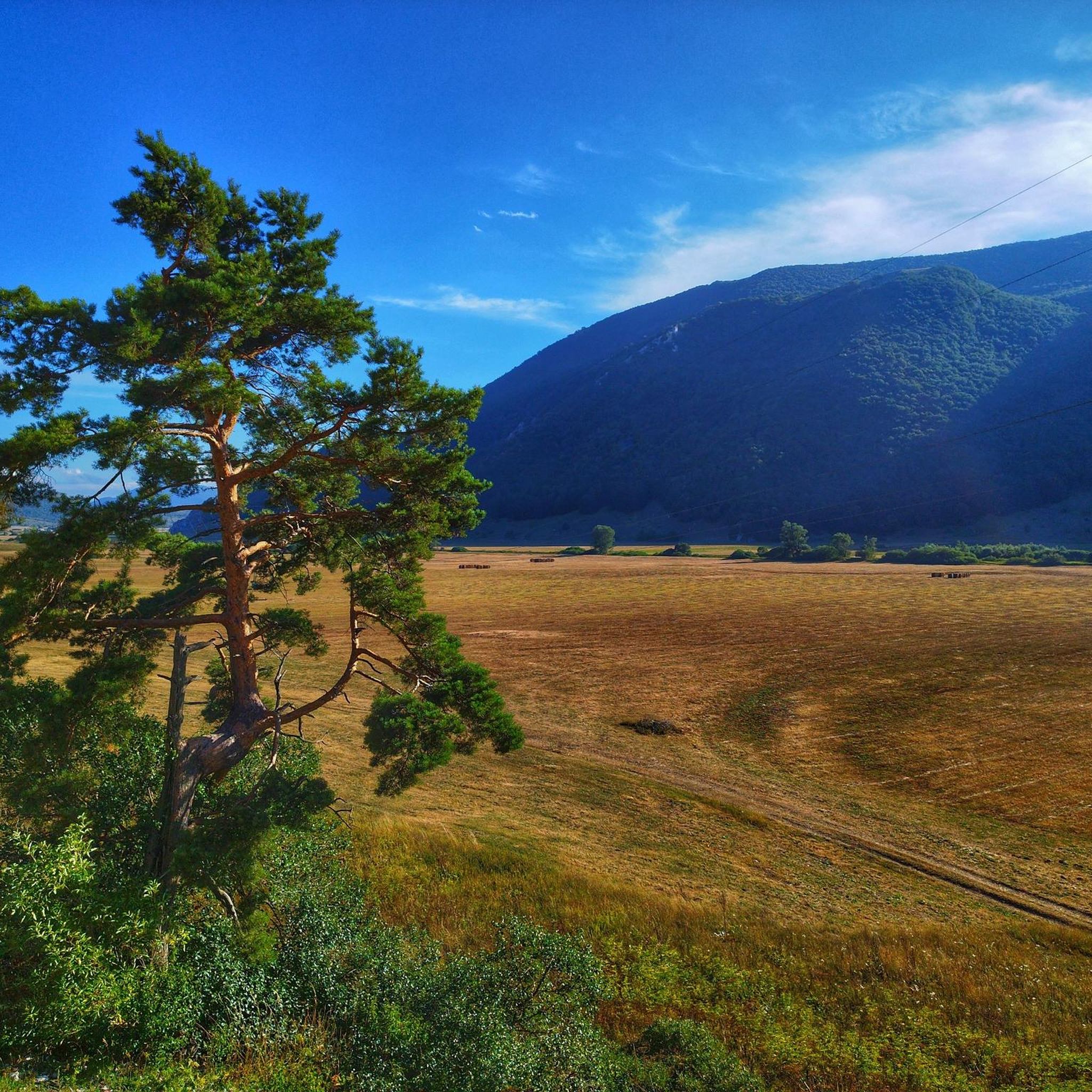
Famous for winter cross-country skiing, in summer it transforms into a green expanse ideal for resting.
0
0
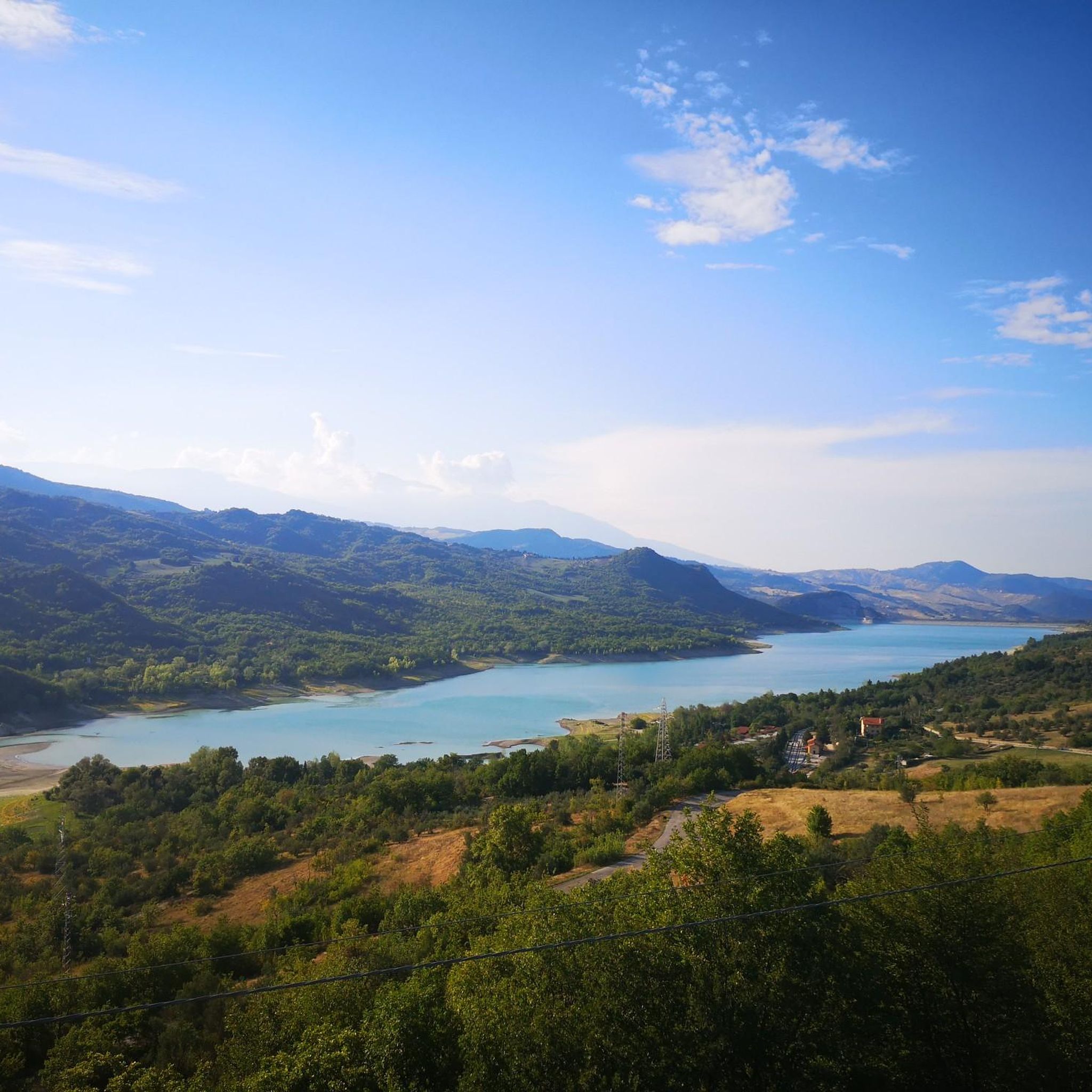
La Vista sul Mare: On clearer summer or autumn days, the ridge and summit offer a 360-degree view of the Central Apennines (Majella, Matese, Mainarde), reaching to clearly show the blue line of the Adriatic Sea in the distance.
0
0

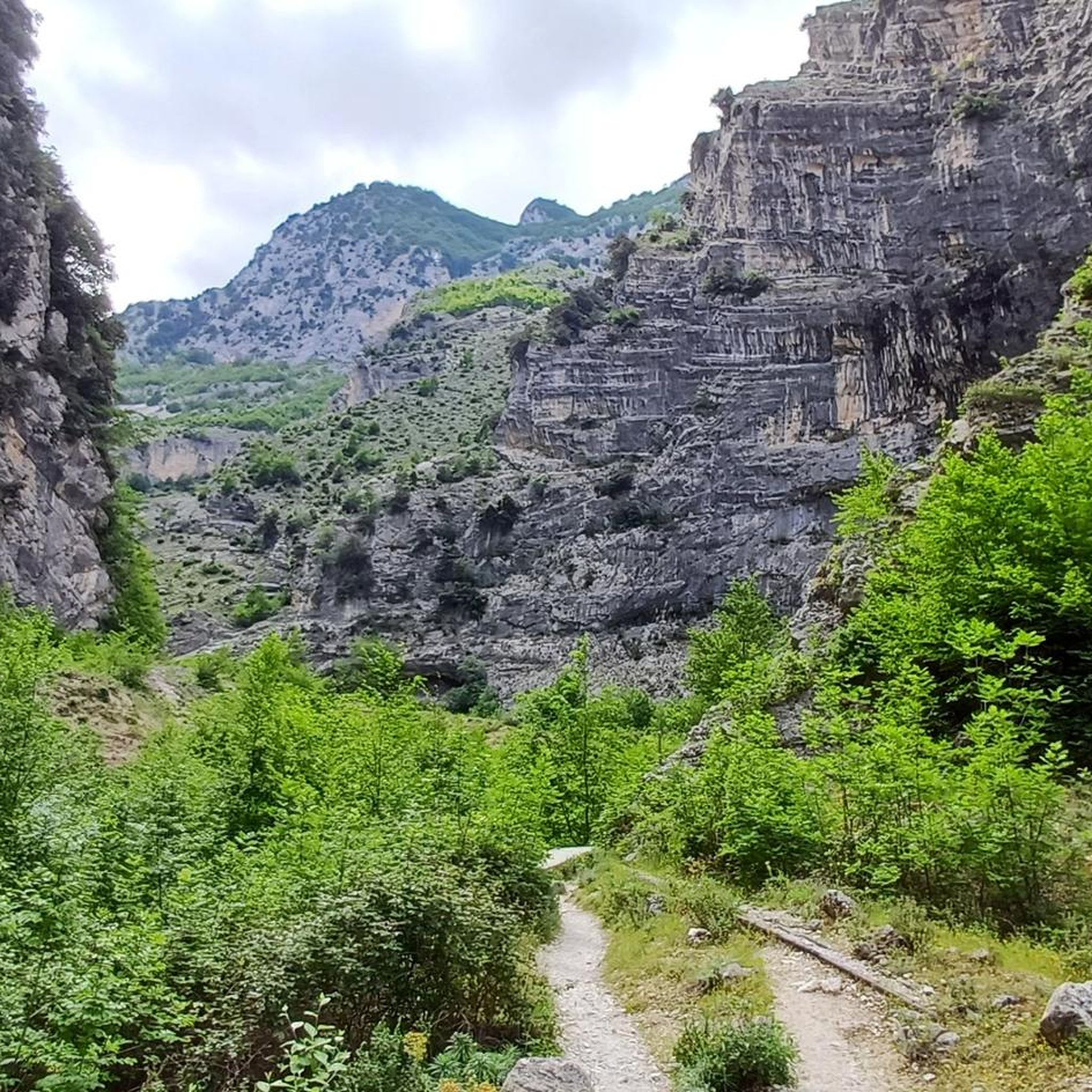
Convent of S.Maria degli Angeli (S.Pasquale) in Vallaspra di Atessa (CH) In the name Vallaspra, Valle-aspra, one can sense the peculiarity of a wild and fruitless nature, but also the sedimentation of a troubled historical and religious with long periods of splendor and apostolate. The history of the Vallaspra convent is linked to the Franciscan spirit and the incessant work of evangelization of the observant Friars Minor. Way back in 1408, Tommaso da Firenze, lay friar and secretary of Father Nicola da Osimo, commissioner of the province of Sant'Angelo in Puglia, stopped his wanderings in the Frenta area, in front of an ancient Cona depicting the Madonna of Sorrows with the Dead Christ and on the sides Saint John and Saint Francis on the right, Mary Magdalene and Saint Anthony of Padua on the left, venerated in a barren and wild place, precisely Vallassero di Atessa. Conquered by the evocative sacredness of the place and the profound meaning of this Pietà, Frà Tommaso began the construction of the first nucleus of the convent, which was completed and inaugurated just ten years later, in 1430. The convent of Vallaspra dedicated by Frà Tommaso to Santa Maria degli Angeli , not only in the dedication, but above all in the architectural structures, preserves the cleanliness of the Franciscan forms. The church, with a central nave and a side one, was enriched, in the early 1700s, with a chapel dedicated to San Pasquale Baylon (Spanish), a lay Franciscan, canonized in 1860, in honor of the Contestabile Colonna; the latter changed the title of the convent and San Pasquale simply, rather than Vallaspra, indicates the locality and the monastic complex. Over the centuries the structure was a woolen mill (the Franciscan habit was produced there); operating for more than a century and closed in 1675, it was linked to the intense period of traffic along the herd arteries. Over the years, the Convent of S.Pasquale became an important center of theological studies. Today, the Convent transmits a strong sense of belonging, of religious, spiritual and cultural identity; characteristics, the latter, which make it a solid, safe reference center, as well as a pole of aggregation, prayer and apostolate.
1
0

This church, the "Chiesa di San Pietro" was dedicated to Saint Peter (Peter). Simon, nicknamed Peter (Rock), was a fisherman on the Sea of Galilee when he - together with his brother Andrew - was called by Jesus Christ to be "fishers of men". According to Catholic understanding, he is the supreme apostle, and the two millennia-long line of popes - currently Francis - are his successors. On statues and paintings, Peter is almost always depicted with two keys in his hand; this attribute refers to the biblical saying in Matthew: “I will give you the keys of the kingdom of heaven; Whatever you bind on earth will be bound in heaven, and whatever you loose on earth will be loosed in heaven” (Chapter 16, verse 19). Peter and Paul are also known as the “Princes of the Apostles”; their common feast day in the saints’ calendar is June 29th.
2
0

The Refuge and the Baita Prato Gentile are accommodation facilities in a panoramic area surrounded by nature, close to the cross-country ski runs and hiking trails of Prato Gentile. Various services are available with a bar and restaurant serving typical Molise cuisine, as well as having an area equipped for outdoor picnics.
1
0

Monastic complex located in Atessa. The style is Renaissance/Baroque and its origins date back to the 15th century. the convent is entirely made of stone and there is a nursery in its garden.
2
0

Approaching from Roccascalegna you will immediately notice the castle which dominates the whole surrounding area on top of the cliff.
0
0
Some sources date this splendid medieval church to 1568, but there is no certainty about the date of construction.
1
0
Frequently Asked Questions
What historical sites can I visit around Villa Santa Maria?
The area boasts a rich history with several notable sites. You can explore the impressive Castello di Roccascalegna, a castle perched dramatically on a cliff. Other historical landmarks include the 14th-century Castello Ducale and the 16th-century Castello Montazzoli. The Convent of San Pasquale (Atessa), a Renaissance/Baroque monastic complex, and the ancient Church of Saint Peter are also significant. Don't miss the Juvanum Archaeological Park, featuring Roman-era remnants.
What natural attractions are there near Villa Santa Maria?
Villa Santa Maria is surrounded by natural beauty. The town itself is situated on the left bank of the Sangro River, offering scenic views. A unique natural feature is the 'Pen' Rock, a characteristic rock formation overlooking the town. While not directly in Villa Santa Maria, the Grotte del Cavallone are a significant natural attraction nearby. For panoramic views, consider the Monte Campo Ridge Crossing, which offers exceptional vistas.
Are there any cultural experiences related to Villa Santa Maria's culinary heritage?
Absolutely! Villa Santa Maria is renowned as the 'birthplace of cooks.' You can visit the Museo del Cuoco (Museum of Cook) housed in Palazzo Caracciolo, which celebrates the town's culinary heritage, showcasing historical evidence of local chefs and their tools. The town also hosts the Rassegna dei Cuochi, a famous event celebrating its culinary tradition. Don't forget to savor traditional Abruzzese dishes like 'maccheroni alla chitarra' and local specialties such as 'Uccelletti' sweets.
What outdoor activities can I do around Villa Santa Maria?
The region offers a variety of outdoor activities. For hiking, you can explore routes like the 'Regional Natural Reserve Cascate del Verde' or the trail 'From Gessopalena to Castello di Roccascalegna.' Find more hiking options on the Hiking around Villa Santa Maria guide. Cycling enthusiasts can enjoy routes such as the 'Scenic loop from Fallo' or the 'Church of Villa Santa Maria – Pennadomo Rocky Hill loop.' Discover more cycling tours on the Cycling around Villa Santa Maria guide. There are also running trails available, including the 'Colledimezzo and Lake Bomba Loop.' Check out the Running Trails around Villa Santa Maria guide for more.
Are there family-friendly attractions or facilities in the area?
Yes, the area offers options suitable for families. The Prato Gentile Hut is an accommodation facility in a panoramic natural area, offering a bar and restaurant with typical Molise cuisine, and an equipped area for outdoor picnics. It's also close to hiking trails, making it a good base for family outings.
Where can I find information about local history and peasant life in Abruzzo?
For a deeper dive into local history and the life of Abruzzo peasants, visit the Museo Etnografico (Ethnographic Museum of Bomba). Established in 1990, this museum provides insight into early 20th-century rural life, with rooms dedicated to various trades and historical photographs.
What religious sites are worth visiting in Villa Santa Maria and its surroundings?
Villa Santa Maria is home to several important religious buildings. These include the Church of San Nicola, the Church of Madonna in Basilica, and the Church of Madonna del Rosario. The Convent of San Pasquale (Atessa) is a significant monastic complex with origins dating back to the 15th century. Additionally, the Eremo di San Bartolomeo in Legio, a hermitage built on a rock, houses a statue of St. Bartholomew and celebrates an annual feast.
Are there any unique viewpoints or scenic spots?
Yes, the region offers several scenic spots. The Monte Campo Ridge Crossing provides an exceptional view from the mountain ridge. The Castello di Roccascalegna, due to its dramatic location on a cliff, offers commanding views of the surrounding area. The 'Pen' Rock also provides a characteristic natural overlook of Villa Santa Maria.
What are some lesser-known or 'hidden gem' attractions in the area?
Beyond the main highlights, consider exploring the Pecoritto Spring, a natural point of interest. The various historic palazzi within Villa Santa Maria, such as Caracciolo Palace and Castracane Palace, offer architectural beauty and a glimpse into the town's past. The Eremo di San Bartolomeo in Legio, a hermitage built into a rock, also provides a unique and serene experience.
Can I find accommodation or dining options near the attractions?
Yes, for accommodation and dining, the Prato Gentile Hut offers both. It's an accommodation facility with a bar and restaurant serving typical Molise cuisine. In the village of Roccascalegna, near the castle, there are also restaurants, though reservations are often recommended.
What is the best time to visit Villa Santa Maria for outdoor activities?
The Abruzzo region generally offers pleasant conditions for outdoor activities from spring through autumn. Spring brings blooming landscapes, while summer is ideal for longer days, and autumn provides comfortable temperatures and beautiful foliage. Winter can be suitable for specific activities like cross-country skiing near facilities like Prato Gentile Hut, depending on snow conditions.
Most popular routes around Villa Santa Maria
Most popular attractions around Villa Santa Maria

Get inspired with the komoot mobile app


Explore more
Still not found the Highlight you’re looking for? See guides of the top attractions in other regions:
