Attractions and Places To See around Sant'Angelo Romano - Top 20
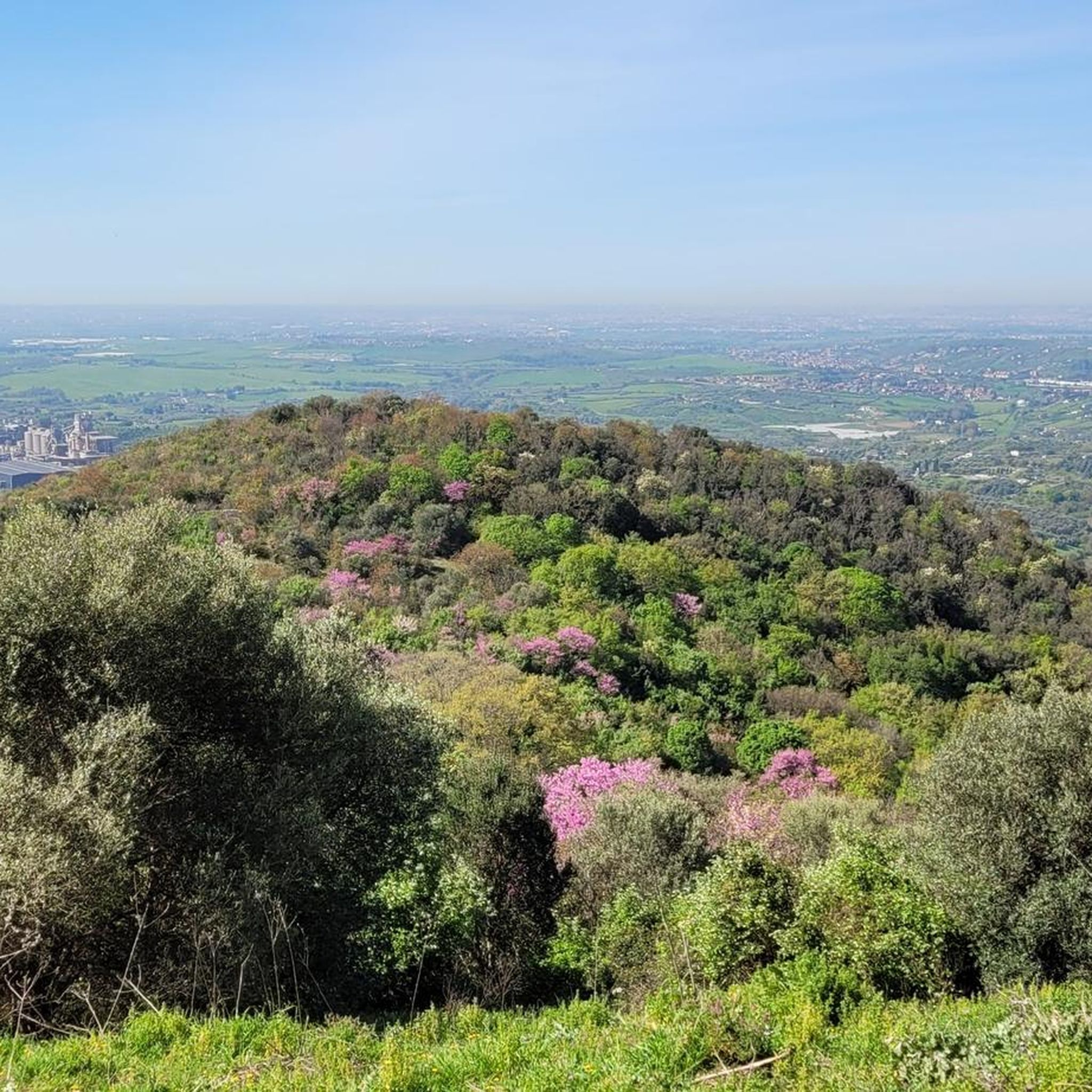
Best attractions and places to see around Sant'Angelo Romano include a blend of historical landmarks, cultural sites, and natural beauty. This charming town in the Metropolitan City of Rome is situated atop Mount Patulo, offering views of the surrounding landscape. Visitors can explore ancient structures, delve into prehistory, and enjoy the serene landscapes of its natural reserves. The area features extensive olive groves, producing Sabina DOP EVO oil.
Best attractions and places to see around Sant'Angelo Romano
- The most popular…
Last updated: October 11, 2026
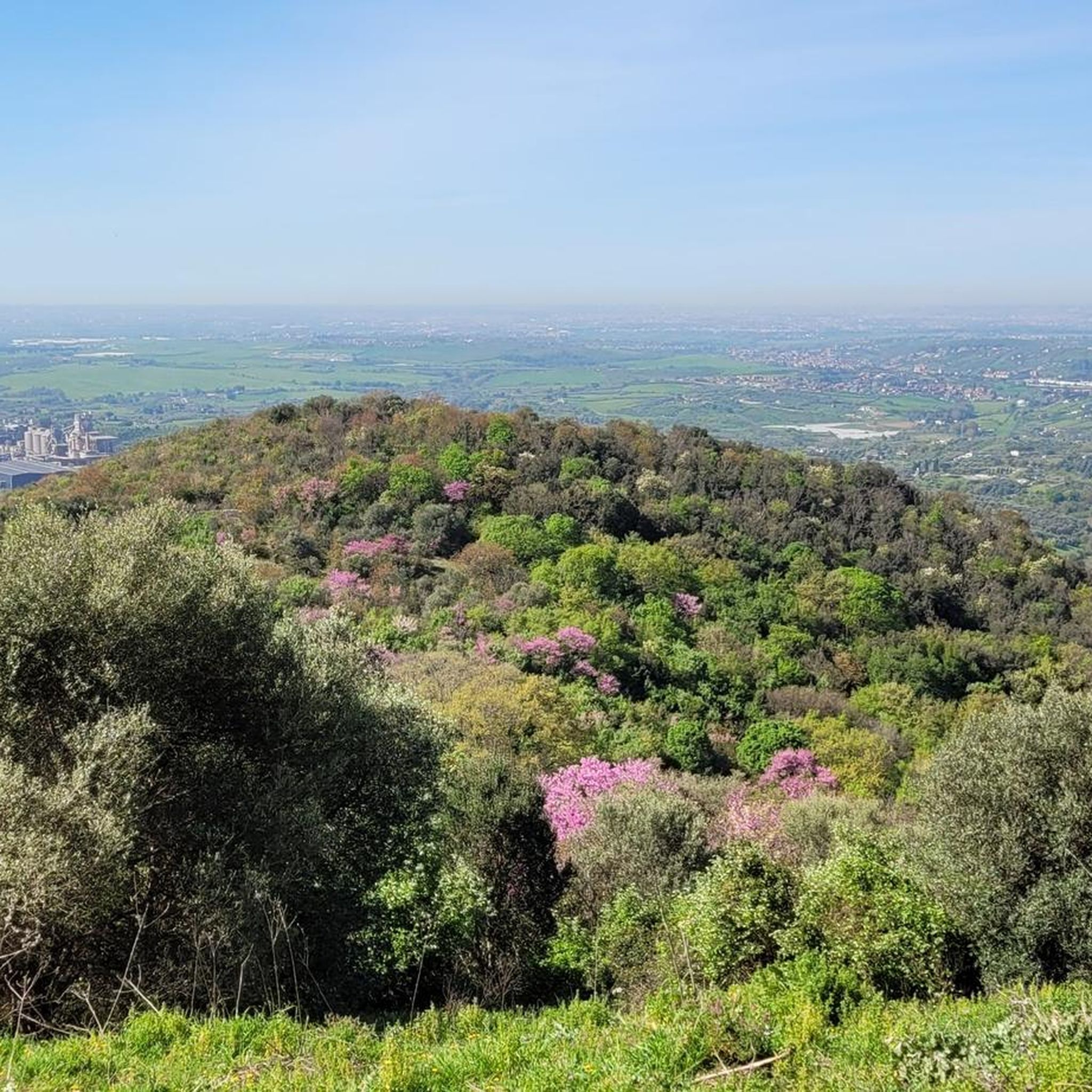
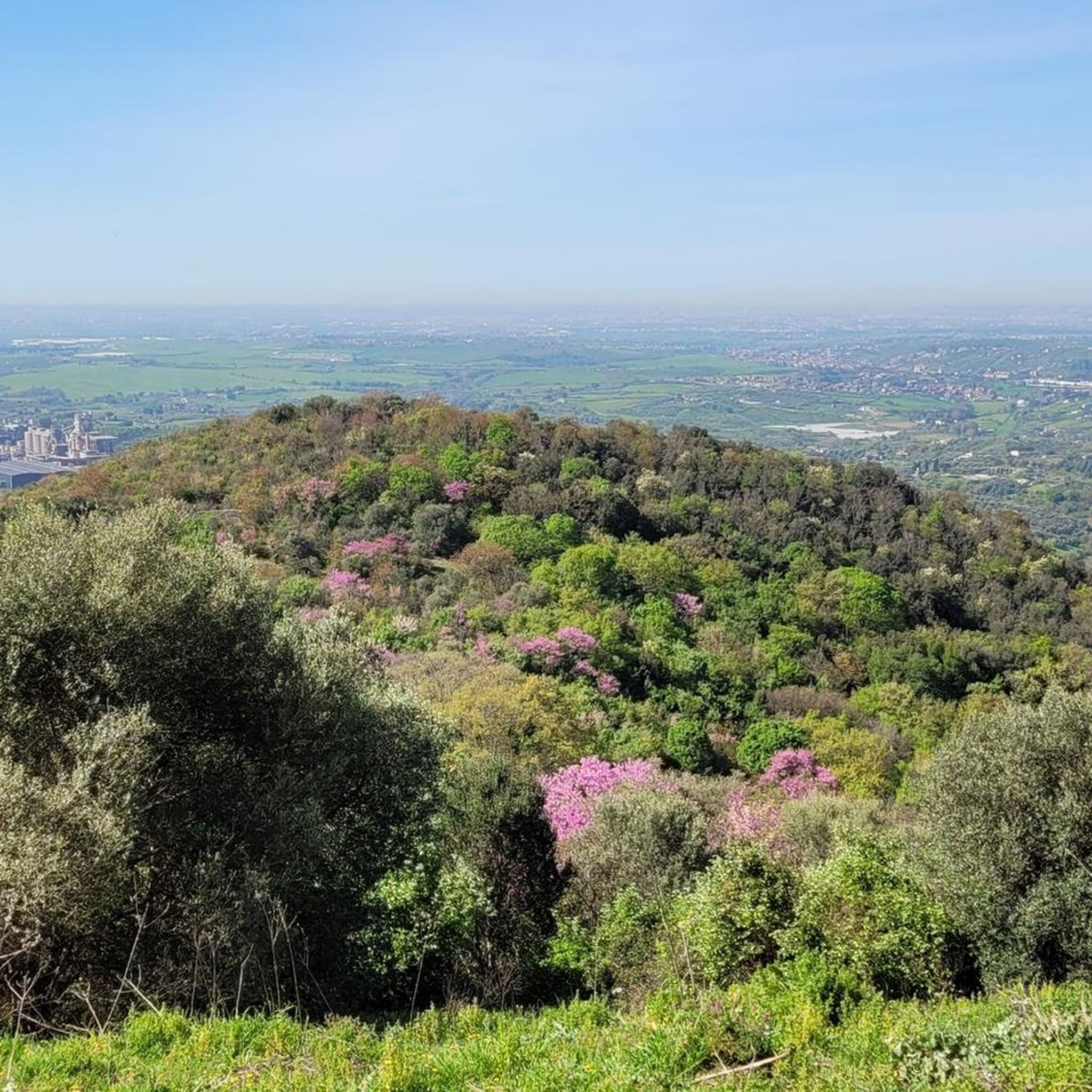
Marcigliana Nature Reserve
Highlight • Natural Monument
Tip by

Ponte Gregoriano
Highlight • Bridge
Translated by Google •
Tip by

Sign up now to discover places like this
Get recommendations on the best single tracks, peaks, & plenty of other exciting outdoor places.
Mural of the Marcellina Gold Mine
Highlight • Monument
Translated by Google •
Tip by

Temples of Vesta and Tiburnus
Highlight • Historical Site
Translated by Google •
Tip by
Hadrian's Villa
Highlight • Historical Site
Translated by Google •
Tip by

Sign up for free to discover even more attractions around Sant'Angelo Romano.
Already have an account?
Start today with a free account
Your next adventure awaits.

Tips from the Community

The Temple of Vesta is the best-known monument in Tivoli. The place where the Temple of Vesta stands is called the Acropolis of Tivoli and is located at the end of the nature trail of Villa Gregoriana. In the same place, there is also another Temple, rectangular in shape, known as the Temple of the Sibyl or of Tiburnus. In reality, the attribution of the temples is not precisely known because unfortunately the historical sources are not certain. According to some scholars, the temple we know today as the Temple of Vesta was actually a temple dedicated to Tiburnus, the founder of Tivoli. Many, however, are convinced that it was built for the Sibyl Albunea who, according to Christian mythology, was the one who predicted the arrival of Jesus. The same fate befell the rectangular temple, which is attributed either to Tiburnus or to the Sibyl.
1
0
Villa Adriana was built by Hadrian between 118 and 138 AD as an imperial residence. The complex covers about 120 hectares and includes palaces, baths, libraries, gardens, temples, and pavilions inspired by the places visited by the emperor during his travels. Many buildings were connected by a network of roads and underground passages for the service staff, so as not to interfere with court life. Since 1999, Villa Adriana has been included in the UNESCO World Heritage list and represents one of the most important testimonies of Roman architecture.
1
0

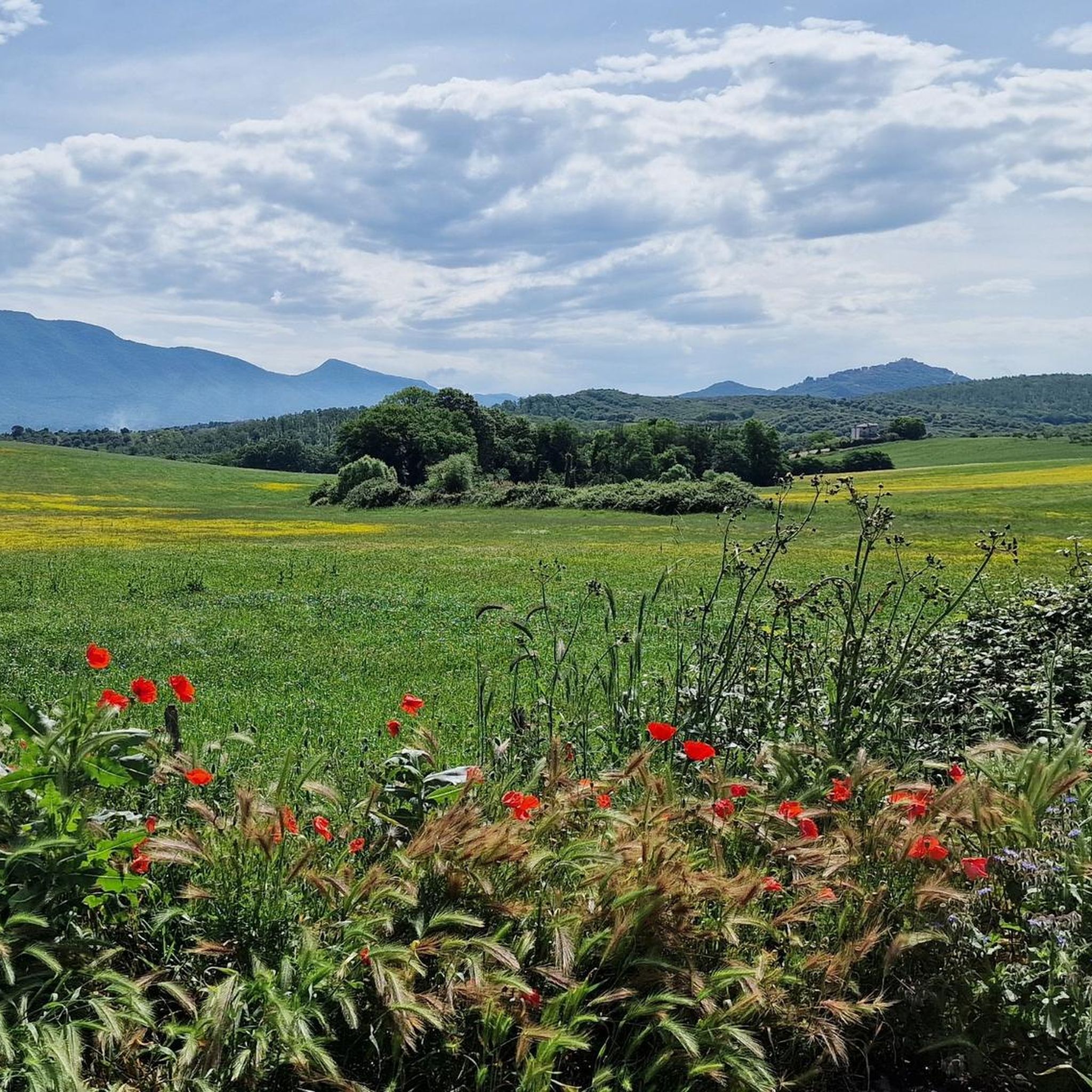
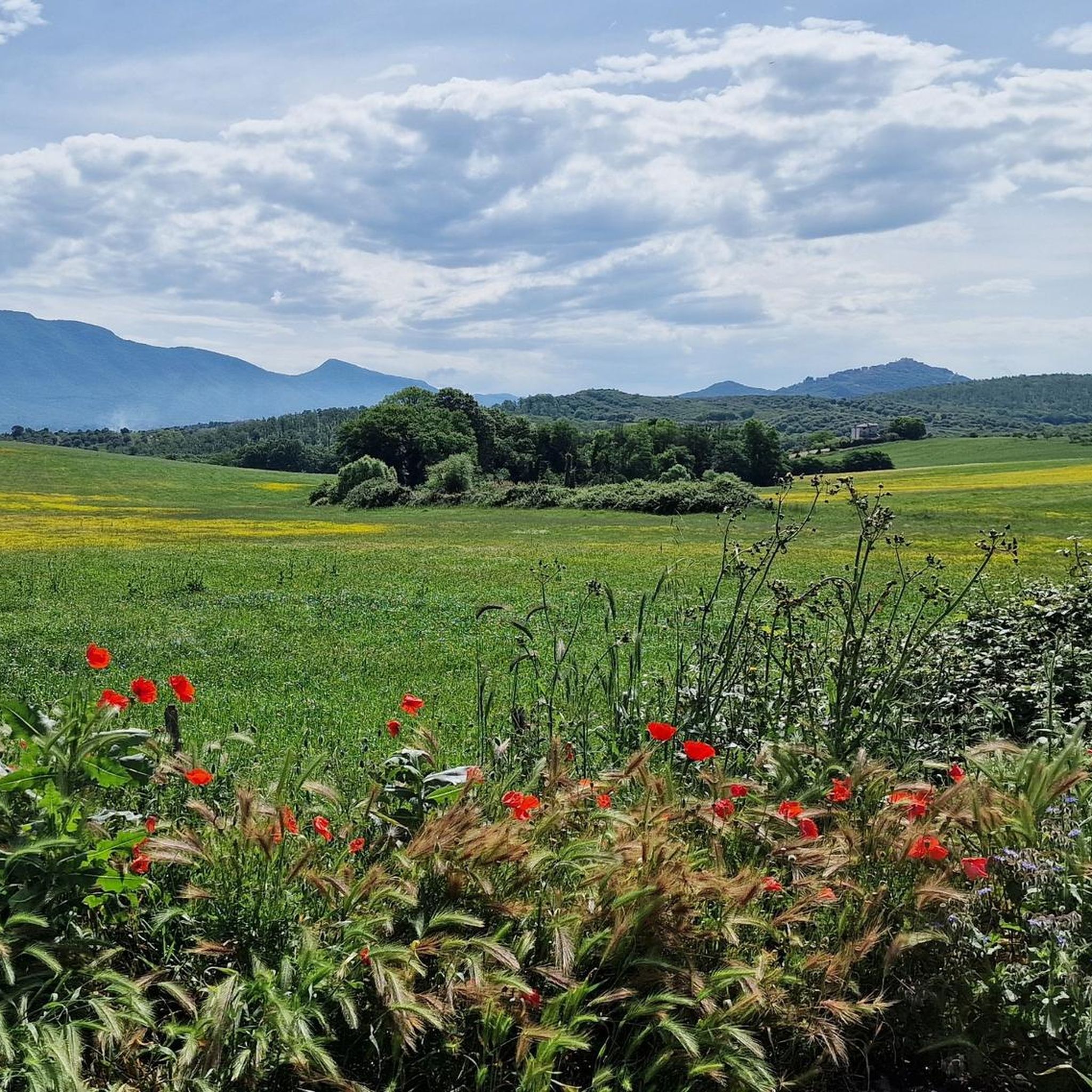
The route is quiet and the road has just been redone. Lots of bikes and few cars
0
0

The Canopus is the most famous and photographed building of Hadrian's Villa. It has a very long water basin, called Euripus and at the end is the so-called Serapeum, which was actually a spectacular summer Triclinium. The spectacular architecture, the water games, the rich marble decoration, the polychrome mosaics and the single latrine indicate that this building was part of the noble quarters frequented by the emperor. It was certainly a Triclinium intended to host sumptuous official banquets. The guests lay down on the stibadium, and in the center of the semicircle there was room for the orchestra or the actors and dancers who entertained the guests.
2
0
A splendid example of the architectural capacity of the Roman Empire. An immense villa immersed in an extraordinary garden with water features and pools scattered throughout the estate. The well-preserved remains allow us to appreciate the ingenuity of Roman architects and to understand the way of life and entertainment of the Roman nobility.
1
0

From here the climb to Monte Morra begins.
1
0

Strada Bianca connecting via della Cesarina and via di Casal Boccone. The first stretch is a dirt road up to the bridge that crosses the ring road; then continues on a beaten path between cultivated fields. It ends with an easy singletrack up to Via Casal Boccone skirting the Almaviva building.
0
0

There are no restaurant in the villa which is huge. Plan 2h for the whole tour.
0
0
Frequently Asked Questions
What historical landmarks can I explore in Sant'Angelo Romano?
Sant'Angelo Romano is rich in history. You can visit the impressive Orsini-Cesi Castle, which houses the Museo Preistorico del Territorio Tiberino-Cornicolano. Explore the ancient Roman Cisterns dating back to the second century AD, and discover the Archaeological Area of Via Nomentum-Eretum, showcasing sites from prehistoric to medieval times. Don't miss the Capocci Orsini Gate, an ancient entrance to the castle.
Are there natural areas or reserves to visit near Sant'Angelo Romano?
Absolutely. The Riserva Naturale Macchia di Gattaceca e Macchia del Barco is a protected natural area spanning approximately 1,000 hectares. It features a mosaic-like landscape with forests, grazing areas, and unique karst formations like Pozzo del Merro and Buca di San Francesco. You can also find the Marcigliana Nature Reserve, known for its quiet roads through farmland and forests, and its diverse wildlife including the Italian hare.
What cultural sites and museums are available in Sant'Angelo Romano?
For cultural insights, visit the Museo Preistorico del Territorio Tiberino-Cornicolano, located within the Orsini-Cesi Castle. This museum displays fossil and archaeological evidence of human and animal presence in the area during the Middle Pleistocene. You can also explore historical churches such as the Church of Saint Mary and St Blaise and the 14th-century Church of Saint Liberata, the oldest church in town.
What outdoor activities can I do around Sant'Angelo Romano?
The area offers various outdoor activities. You can find numerous trails for hiking, running, and gravel biking. For hiking, explore routes like 'Caves Along the Trail – Macchia di Gattaceca Forest loop' or 'Monte Gennaro Saddle loop'. If you enjoy running, consider the 'Monterotondo Cycle Path loop' or 'Running loop from Guidonia-Montecelio-Sant'Angelo'. Gravel biking enthusiasts can try the 'Aniene River – Nomentano Bridge loop'. You can find more details on these activities in the dedicated guides for hiking, running, and gravel biking around Sant'Angelo Romano.
Are there any family-friendly attractions or activities?
Yes, the Marcigliana Nature Reserve is considered family-friendly, offering quiet roads through forests and farmland suitable for walks. The historical sites like the Orsini-Cesi Castle and Roman Cisterns can also be engaging for families interested in history. Additionally, the local festivals, such as the Cerase (Cherry) festival or the beans with pork rinds festival, offer cultural experiences that families might enjoy.
Where can I find unique viewpoints or scenic spots?
Sant'Angelo Romano itself is situated atop Mount Patulo, providing splendid views of the surrounding landscape. For another remarkable panorama, visit Ponte Gregoriano, which offers a magnificent view of the Acropolis with the Tempio di Vesta and the Tempio della Sibilla.
What local traditions or festivals can I experience?
Sant'Angelo Romano is known for its vibrant local festivals. These include the Cerase (Cherry) festival, the feast of the patron saints St. Michael Archangel and Santa Liberata in late May, a beans with pork rinds festival in July, and the strengozzo festival in August. These events offer a wonderful opportunity to experience local culture and traditions.
What is the best time to visit Sant'Angelo Romano for outdoor activities?
The region generally offers pleasant weather for outdoor activities during spring and autumn. These seasons provide comfortable temperatures for hiking, running, and exploring the natural reserves without the intense heat of summer. Winter walks are also possible, though some trails might be slippery due to mud and fallen leaves.
What is the significance of the Orsini-Cesi Castle?
The Orsini-Cesi Castle is a prominent historical landmark with roots dating back to the year 1000. Originally a fortress, it was transformed into a fortified castle by the Orsini Family. It later housed Prince Federico Cesi, founder of Accademia dei Lincei, and is now recognized as one of the Historic Residences of Lazio. Today, it also hosts the Museo Preistorico del Territorio Tiberino-Cornicolano.
Can I find any unique art or monuments in the area?
Yes, you can discover the Mural of the Marcellina Gold Mine. This beautiful mural is placed on a turret and depicts the collective effort and sacrifices of farmers, miners, and shepherds from a past era, offering a unique artistic and historical perspective.
What agricultural products is Sant'Angelo Romano known for?
Sant'Angelo Romano is part of the 'oil cities of Sabina' and is characterized by extensive olive groves. The region is particularly known for producing Sabina DOP EVO oil, a high-quality extra virgin olive oil.
Are there any ancient Roman structures to see?
Yes, you can explore the Roman Cisterns, which are significant historical and archaeological sites dating back to the second century AD. These ancient structures provide a glimpse into the engineering and daily life of the Roman era in the town.
Most popular routes around Sant'Angelo Romano
Most popular attractions around Sant'Angelo Romano

Get inspired with the komoot mobile app


Explore more
Still not found the Highlight you’re looking for? See guides of the top attractions in other regions:
