Attractions and Places To See around Torricella Peligna - Top 20
Best attractions and places to see around Torricella Peligna include a variety of historical sites and natural landscapes. This hilltop village in Italy's Abruzzo region is situated at an elevation of 910 meters above sea level. It offers views of the Maiella Mountains and the Adriatic Sea. The area provides opportunities to explore ancient landmarks and natural features.
Best attractions and places to see around Torricella Peligna
- The most popular attractions is Gorges of Fara San Martino, a gorge…
Last updated: October 5, 2026
Gorges of Fara San Martino
Highlight • Gorge
Translated by Google •
Tip by

Vallone di Santo Spirito
Highlight • Gorge
Translated by Google •
Tip by
Sign up now to discover places like this
Get recommendations on the best single tracks, peaks, & plenty of other exciting outdoor places.
Grotta del Cavallone
Highlight • Cave
Showing Translation
Tip by

Convent of San Pasquale (Atessa)
Highlight • Religious Site
Translated by Google •
Tip by

Roccascalegna Castle
Highlight • Castle
Translated by Google •
Tip by

Sign up for free to discover even more attractions around Torricella Peligna.
Already have an account?
Start today with a free account
Your next adventure awaits.
Tips from the Community

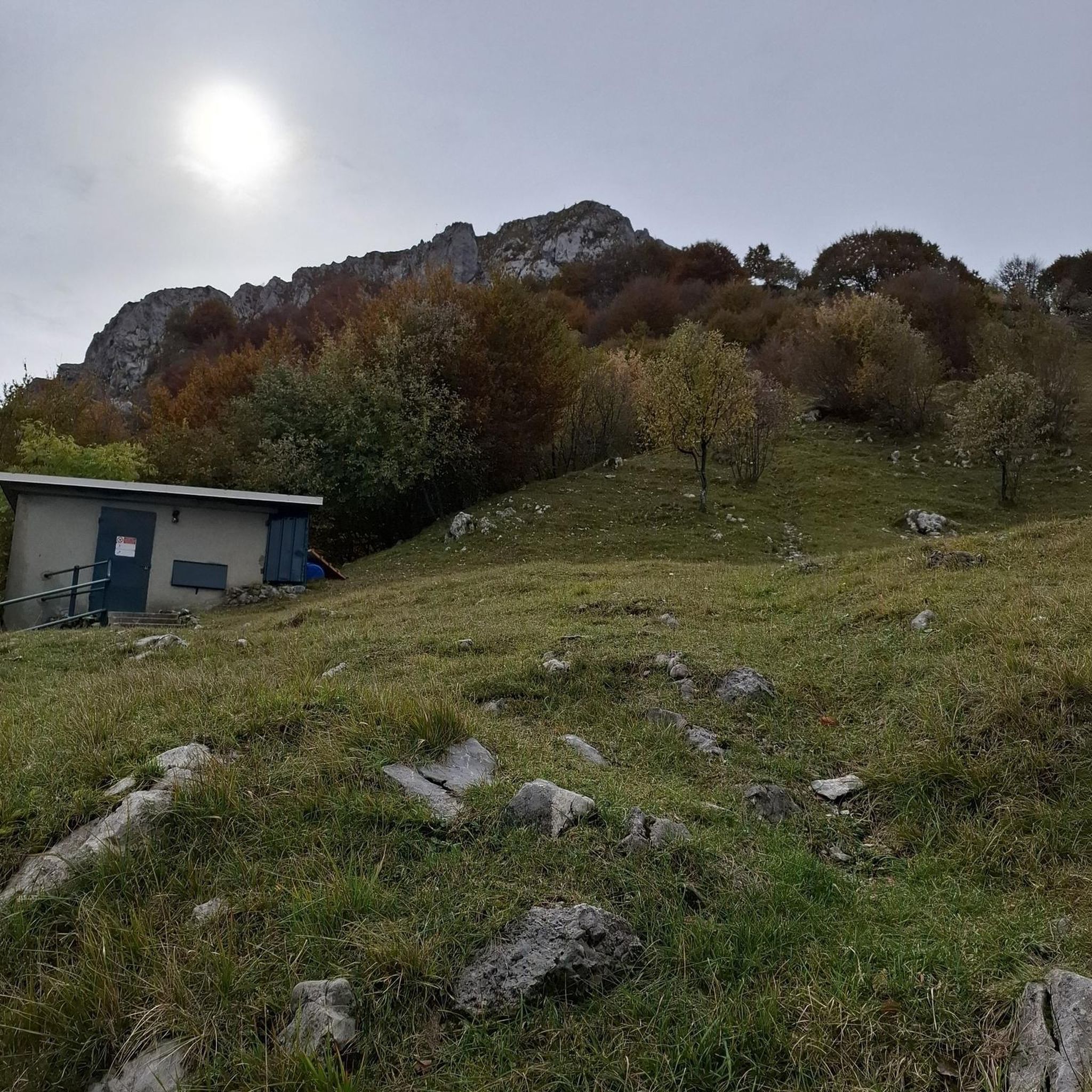
Historic Franciscan monastery in an oasis of peace. The Convento di San Pasquale (officially the monastery of Santa Maria degli Angeli) is hidden in the greenery on the hill of Vallaspra, just outside the medieval town of Atessa. This impressive complex was founded as early as 1408 by the blessed Tommaso da Firenze. It is built entirely of natural stone and exudes a serene, historic atmosphere. Although the interior and the beautiful monastery garden with the central well (from 1709) are unfortunately often closed to the public due to varying opening hours, the complex is an absolute sight to behold from the outside. Under the large portico at the front, you can still admire a centuries-old fresco of the Pietà. Moreover, the quiet, shady surroundings are perfect for a well-deserved break during your sporting tour. Fun fact: the monastery used to lend its name to the well-known local herbal liqueur "Amaro San Pasquale", which was originally prepared by the monks with herbs from this valley.
2
0

Very suggestive caves, with competent and helpful tourist guides; the visit lasts about an hour and covers about 1 km entirely inside the cavities. The temperature is constant around 10°C, with 96% humidity: therefore, adequate clothing is recommended. Located at 1475 meters above sea level, they are reachable both on foot via a path and by a low-cost cable car. Once you get off the cable car, you need to climb about 250 steps to reach the cave entrance. It is important to buy the ticket in advance: visits are exclusively guided and available in specific time slots, which vary depending on the time of year. It is advisable to call before organizing an excursion, as the opening hours of the guided tours are limited.
1
0

Convent of S.Maria degli Angeli (S.Pasquale) in Vallaspra di Atessa (CH) In the name Vallaspra, Valle-aspra, one can sense the peculiarity of a wild and fruitless nature, but also the sedimentation of a troubled historical and religious with long periods of splendor and apostolate. The history of the Vallaspra convent is linked to the Franciscan spirit and the incessant work of evangelization of the observant Friars Minor. Way back in 1408, Tommaso da Firenze, lay friar and secretary of Father Nicola da Osimo, commissioner of the province of Sant'Angelo in Puglia, stopped his wanderings in the Frenta area, in front of an ancient Cona depicting the Madonna of Sorrows with the Dead Christ and on the sides Saint John and Saint Francis on the right, Mary Magdalene and Saint Anthony of Padua on the left, venerated in a barren and wild place, precisely Vallassero di Atessa. Conquered by the evocative sacredness of the place and the profound meaning of this Pietà, Frà Tommaso began the construction of the first nucleus of the convent, which was completed and inaugurated just ten years later, in 1430. The convent of Vallaspra dedicated by Frà Tommaso to Santa Maria degli Angeli , not only in the dedication, but above all in the architectural structures, preserves the cleanliness of the Franciscan forms. The church, with a central nave and a side one, was enriched, in the early 1700s, with a chapel dedicated to San Pasquale Baylon (Spanish), a lay Franciscan, canonized in 1860, in honor of the Contestabile Colonna; the latter changed the title of the convent and San Pasquale simply, rather than Vallaspra, indicates the locality and the monastic complex. Over the centuries the structure was a woolen mill (the Franciscan habit was produced there); operating for more than a century and closed in 1675, it was linked to the intense period of traffic along the herd arteries. Over the years, the Convent of S.Pasquale became an important center of theological studies. Today, the Convent transmits a strong sense of belonging, of religious, spiritual and cultural identity; characteristics, the latter, which make it a solid, safe reference center, as well as a pole of aggregation, prayer and apostolate.
1
0


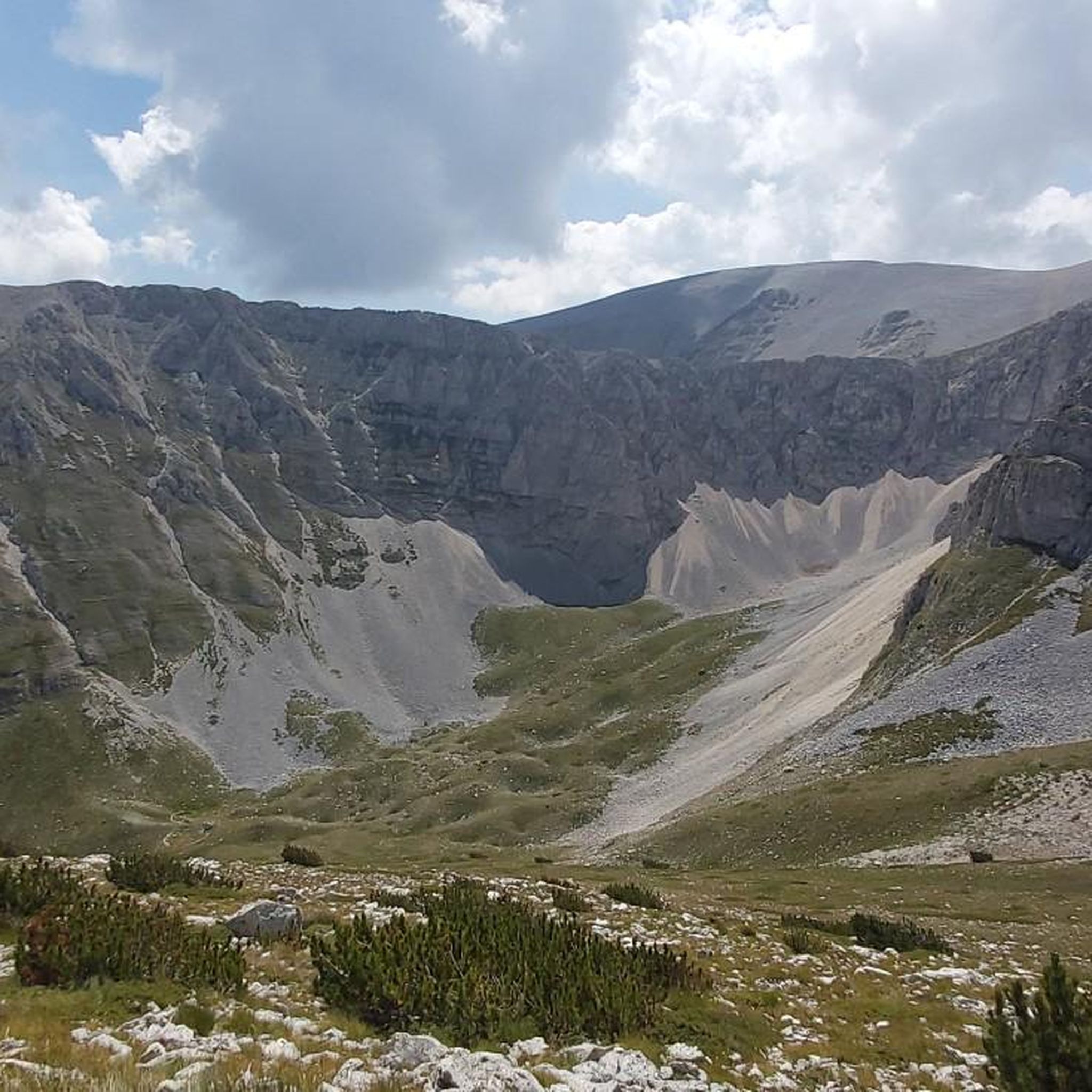
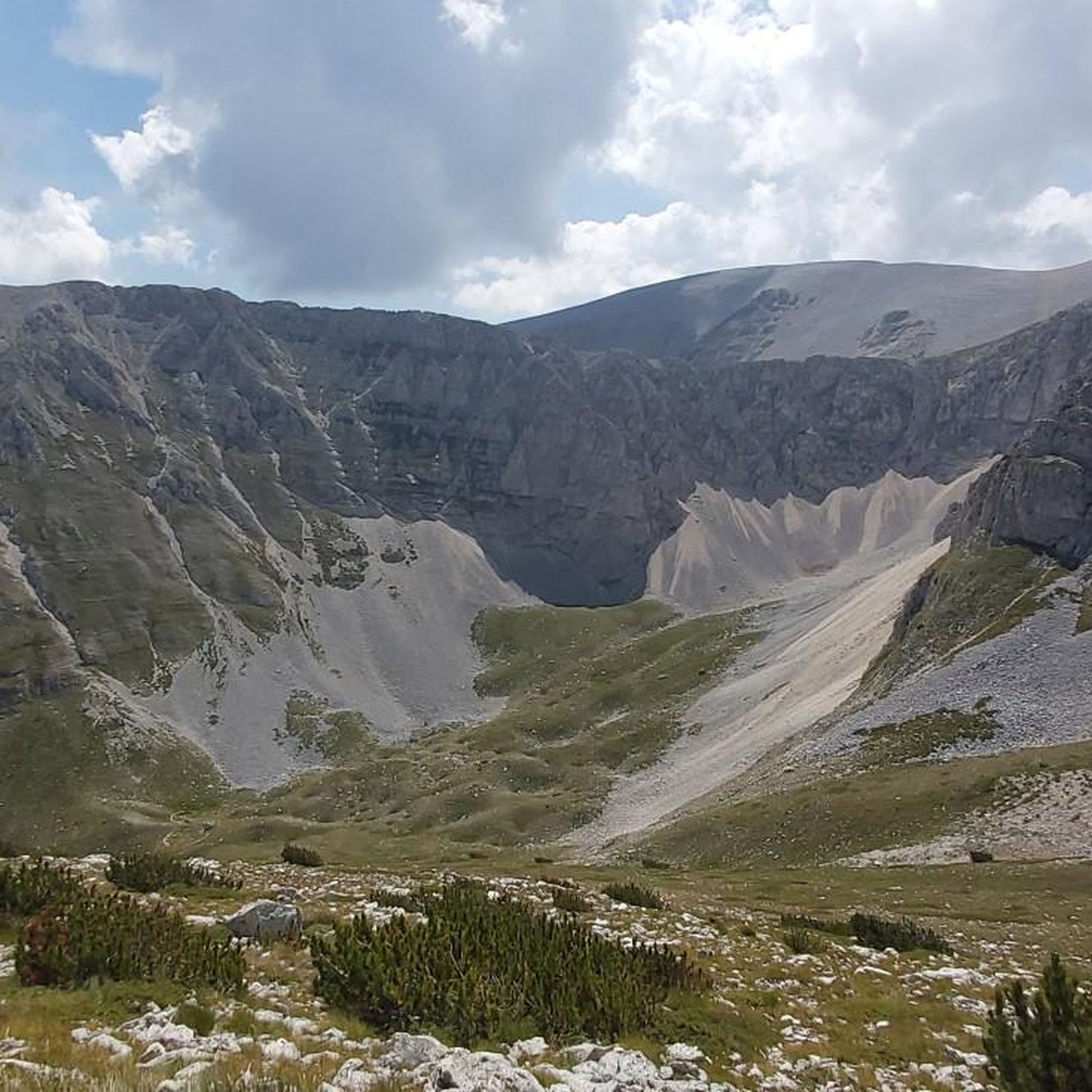
Coming from the Fara San Martino gorges, the route becomes less narrow, even if it requires concentration and caution. We then arrive at the Vallone di Santo Spirito, where we find an area with tables and water fountains for resting.
0
0
The Fara San Martino Gorges are one of the most fascinating places in the Majella, with a network of easy-to-follow paths.
0
0

After passing the narrow gorges of Fara San Martino the path widens and opens onto the Santo Spirito Valley. Along the route there are wooden tables and frozen water fountains. Legend has it that Fra Martino opened the mountain with his elbows to create an opening and allow the local inhabitants to reach the grassy clearings at the top of the mountain. Walking in these places you perfectly understand the origin of the legend. Magical places!
2
0
The gorges of Fara San Martino are among the most evocative and accessible places of the Majella. The route inside the gorges is easy and suitable for families. It allows you to get to know the mountain from the inside, through its very high rocks. For those who love challenges, from here they can undertake the climb to the summit of Mount Amaro and face the highest altitude difference in the Apennines!
3
0
Frequently Asked Questions
What natural attractions can I explore around Torricella Peligna?
The area boasts several natural wonders. You can visit the Gorges of Fara San Martino, known for their accessibility and as a starting point for climbing Mount Amaro. Further along, the Vallone di Santo Spirito offers wider paths and rest areas. Don't miss the Sources of the Verde River with its easily accessible waterfalls and crystal-clear water. Other notable natural features include La Morgia, a majestic limestone mass, and the panoramic Antonio Porreca Municipal Pine Forest (Pineta).
Are there historical sites to visit in Torricella Peligna?
Yes, Torricella Peligna is rich in history. The village's historic center features the ancient Main Church of San Giacomo Apostolo and the partially ruined medieval Torre di Torricella, offering expansive views. You can also see the Fontana delle Coste, an 18th-century spring water collection point, and the Tower to the Civilian Victims of World War II. The Birth Home of Vincenzo Bellini, Senior, and the D'Amico Ancestral Home provide glimpses into the lives of notable figures.
What cultural points of interest are there in the region?
Beyond historical sites, the region offers cultural experiences. Visit the Church of Madonna delle Rose, a 1552 sanctuary and pilgrimage destination. The Piccolo Museo Civico houses artifacts from Samnite and Roman periods, including a 17th-century mummy. The Hermitage of San Rinaldo, with its bell tower carved from natural rock, is another unique site. The village's Piazza Vittorio Emanuele II serves as a vibrant social hub, and Torricella Peligna also hosts an annual John Fante Literary Festival.
Are there family-friendly attractions around Torricella Peligna?
Absolutely. The Gorges of Fara San Martino offer an easy and accessible route suitable for families, allowing you to experience the mountain from within. The Sources of the Verde River, with its gentle waterfalls and clear water, is also considered an obligatory and family-friendly stop. Many of the natural walks provide enjoyable outings for all ages.
Where can I find scenic viewpoints in the area?
For breathtaking views, head to the Torre di Torricella, which stands at the highest point of the village and offers panoramic vistas of the Maiella Mountains and the Adriatic Sea. The Antonio Porreca Municipal Pine Forest (Pineta) also provides excellent panoramic views of Torricella and the Maiella. Additionally, the Castello di Roccascalegna, perched on a cliff, offers commanding views of the surrounding area.
What outdoor activities can I do near these attractions?
The area around Torricella Peligna is ideal for outdoor enthusiasts. You can explore various running trails, such as the 'Race from Fara San Martino to Vallone di Santo Spirito' or the 'Colledimezzo and Lake Bomba Loop'. For road cyclists, routes like 'Around the lake of Casoli from Roccascalegna' offer scenic rides. Mountain biking is also popular, with trails like the 'San Martino Gorges and Verde River Springs Loop'. You can find more details on these activities in the dedicated guides for running, road cycling, and MTB trails.
Are there any castles or ancient ruins to explore?
Yes, the region features impressive historical structures. The most prominent is the Castello di Roccascalegna, a striking castle complex that dominates the landscape from its cliff-top position. While there isn't a museum inside, its walls are open for exploration. Additionally, the Torre di Torricella, a medieval watchtower, stands as a symbol of the village's historical resilience, though it is partially in ruins.
What do visitors enjoy most about the Gorges of Fara San Martino?
Visitors highly appreciate the Gorges of Fara San Martino for their evocative beauty and accessibility. Many describe the route inside as easy and suitable for families, offering a unique experience of the mountain's interior through its very high rocks. It's also a popular spot for climbers, with routes ranging from 5a to 7a. The presence of drinking water sources along the trail is also a valued feature.
Can I visit an archaeological site near Torricella Peligna?
While not directly in Torricella Peligna, the significant archaeological site of Juvanum is easily accessible from the town. This site features temples from different eras, a basilica, a forum, and a theater, with history dating back to the Bronze Age, offering a deep dive into ancient history.
What is the best time of year to visit Torricella Peligna?
Torricella Peligna, situated at 910 meters above sea level, offers pleasant conditions for exploring its attractions from spring through autumn. These seasons provide comfortable temperatures for hiking and enjoying the natural landscapes. The annual John Fante Literary Festival, held in the village, typically takes place in summer, adding a cultural highlight to your visit.
Are there any religious buildings of interest?
Yes, the area has several significant religious structures. The Main Church of San Giacomo Apostolo in the historic center dates back to around the year 1000 and houses 18th-century artifacts. On the outskirts of Torricella, the Church of Madonna delle Rose, built in 1552, is a notable pilgrimage destination. The Hermitage of San Rinaldo, located in the Fallascoso district, is also a unique site, built in front of a cave once inhabited by Rinaldo da Concorezzo.
Most popular routes around Torricella Peligna
Most popular attractions around Torricella Peligna

Get inspired with the komoot mobile app


Explore more
Still not found the Highlight you’re looking for? See guides of the top attractions in other regions:
