Attractions and Places To See around Taranta Peligna - Top 20
Best attractions and places to see around Taranta Peligna include a blend of natural beauty and historical sites. This village is located in the Abruzzo region, nestled in the valley of the upper Aventino river at the foot of the eastern Majella mountain range. The area offers natural features like karst caves and river parks, alongside cultural insights from its historical landmarks. Visitors can explore a diverse landscape within the Majella National Park.
Best attractions and places to see around…
Last updated: July 6, 2026
Gorges of Fara San Martino
Highlight • Gorge
Translated by Google •
Tip by

Passo San Leonardo
Highlight • Mountain Pass
Translated by Google •
Tip by

Sign up now to discover places like this
Get recommendations on the best single tracks, peaks, & plenty of other exciting outdoor places.
Sign up for free
Roccacaramanico Village
Highlight • Settlement
Translated by Google •
Tip by

Majella National Park
Highlight • Natural Monument
Translated by Google •
Tip by
Chapel of Our Lady of the Snow
Highlight • Religious Site
Translated by Google •
Tip by

Sign up for free to discover even more attractions around Taranta Peligna.
Sign up for free
Already have an account?
Start today with a free account
Your next adventure awaits.
Login or Signup
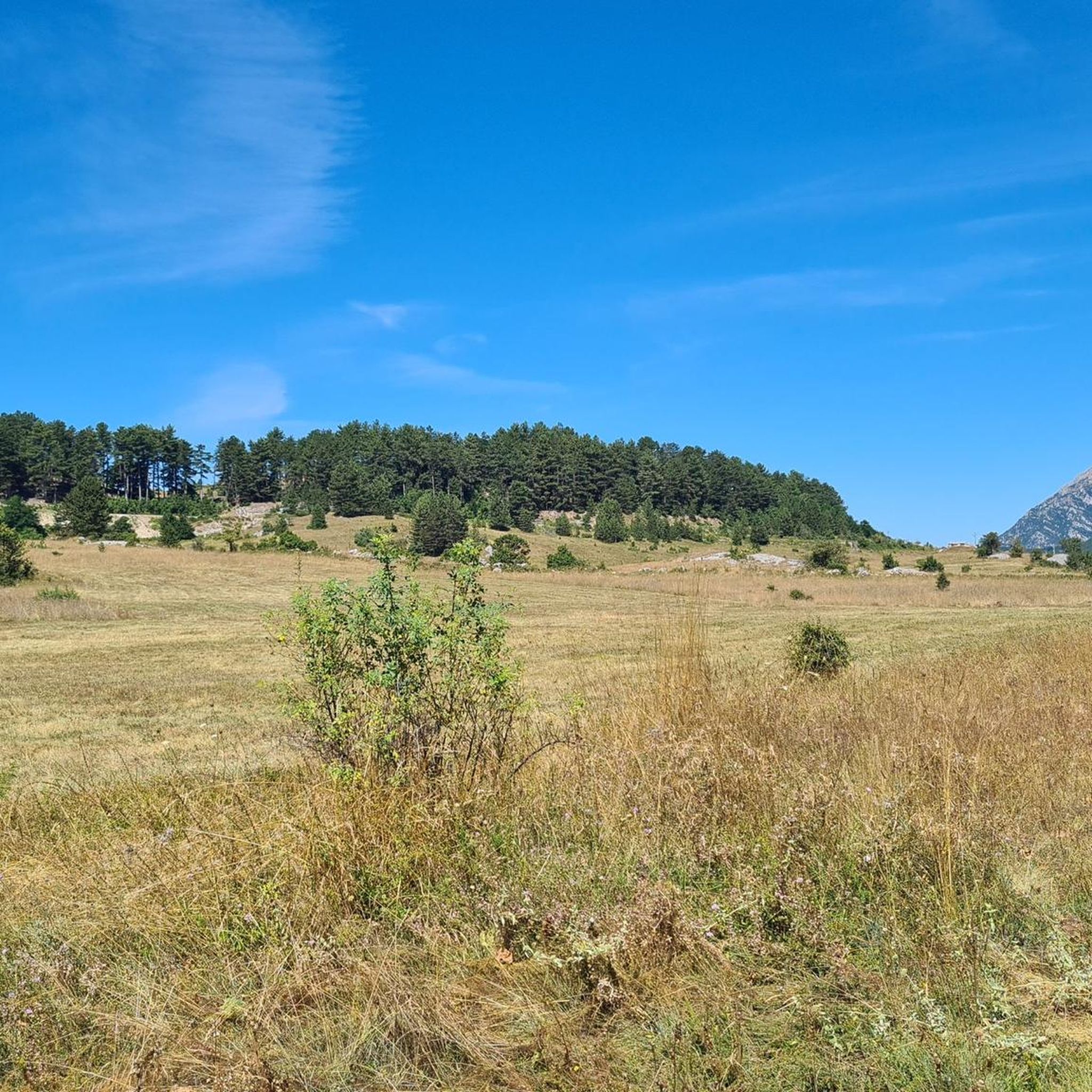
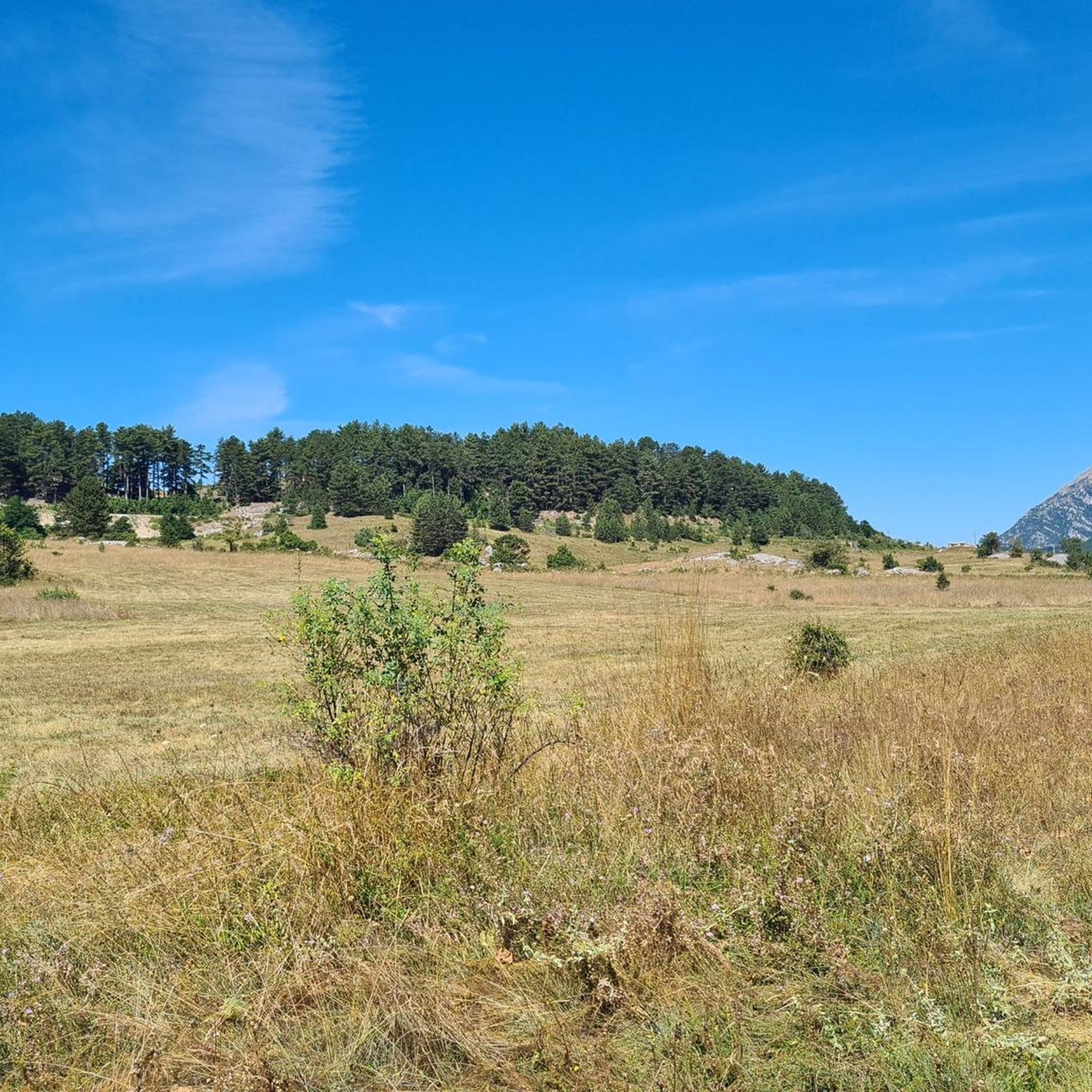
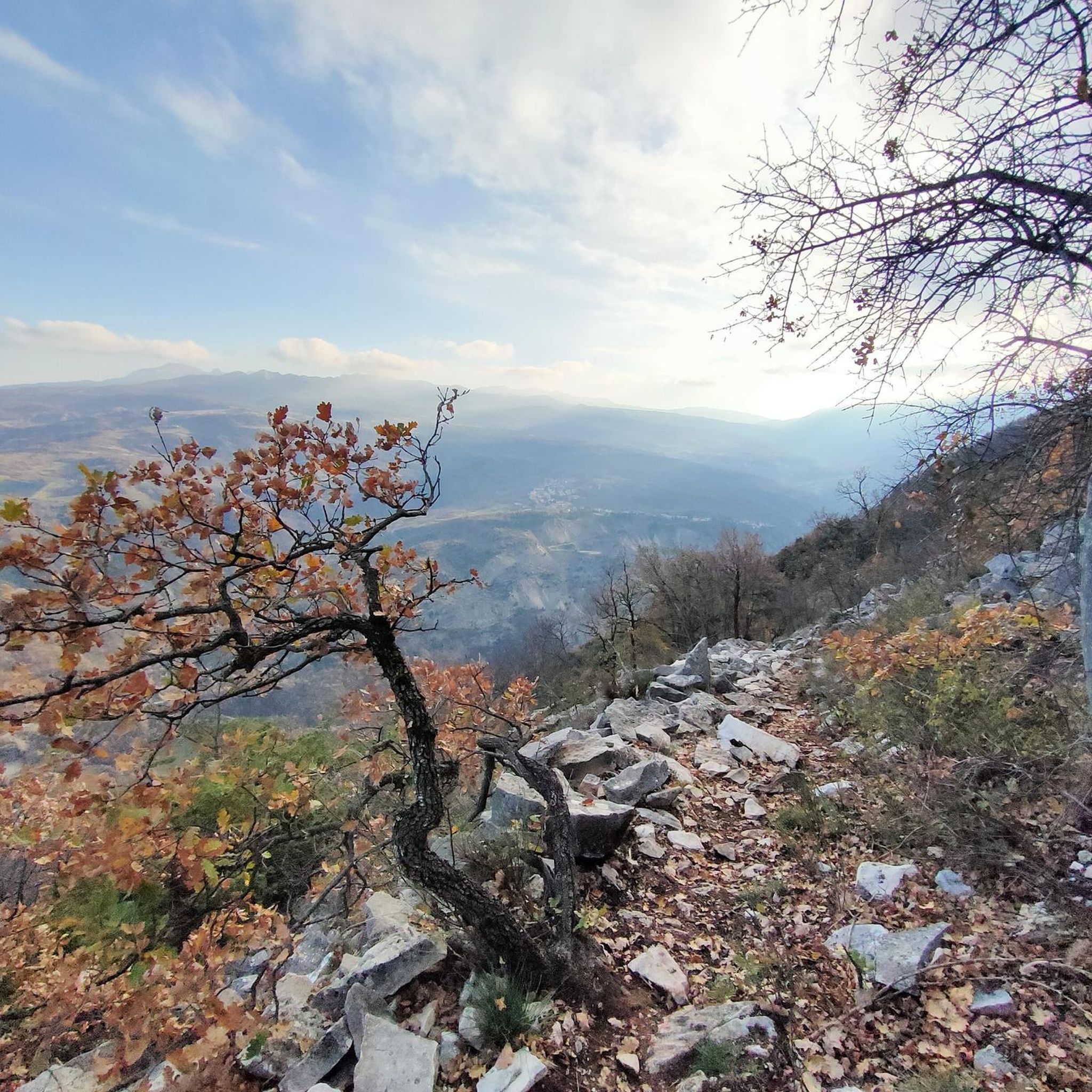
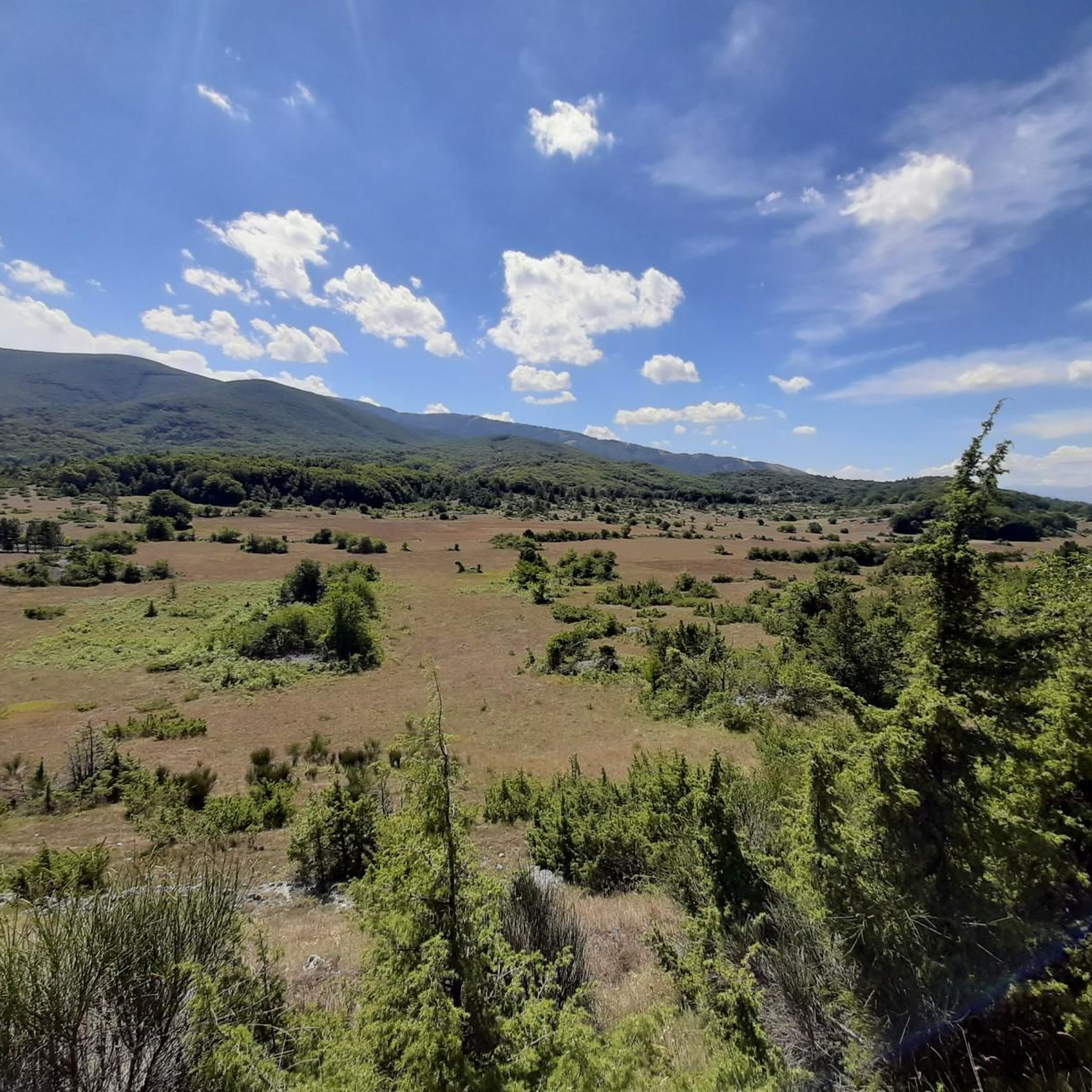
Tips from the Community

If you go beyond the end of the paved road, after the telecommunications facilities of the blockhouse, you'll find a paved road that ends on another stretch of gravel road, leading to a sort of small terrace, where you can admire a 360° panorama. A short distance away, you can see a small chapel dedicated to Our Lady of the Snows... from there, you'll find trails for hiking or, for a while, for a gravel bike ride.
0
0

end of the blockhaus trail, wonderful view
0
0

because it's a nice walk, there's a bit of a climb, at least that's how we old folks see it...but up there a beautiful view of the Maiella awaits us...and some excellent food at the Maiella in tavola restaurant...what more could you want?!
1
0

A stop to the Madonnina. The statue is located at 2,000 meters on the Blockaus. For mountain enthusiasts and visitors to the Majella, it was a stop in a place of peace and meditation. The Madonnina was built at his own expense by a great lover of our mountains, a small entrepreneur in the earthmoving and asphalt sector, the late Mario Tracanna from Roccamontepiano It must also be said that Mario Tracanna, after having obtained all the authorizations, starting from those who would detain its custody, unfortunately died in 2017 in a terrible accident on the ski slopes. Since then and after its inauguration with a blessing and consecration, it has also become the shrine of all mountain lovers who have lost their lives here. A place of devotion and spirituality where every year, Mario's friends celebrate an outdoor mass with a short hike on foot, from the Rifugio Pomilio to the Madonnina. If you are a true cyclist you have to reach the Madonnina... there is also a breathtaking view from above.
0
0

I ride with my leg always in shot
1
1

The Fara San Martino Gorges are one of the most fascinating places in the Majella, with a network of easy-to-follow paths.
0
0

The gorges of Fara San Martino are among the most evocative and accessible places of the Majella. The route inside the gorges is easy and suitable for families. It allows you to get to know the mountain from the inside, through its very high rocks. For those who love challenges, from here they can undertake the climb to the summit of Mount Amaro and face the highest altitude difference in the Apennines!
3
0

The Majella National Park is one of the most important protected areas in Abruzzo. The Majella area is characterized by its high mountains: a large part of the National Park, in fact, exceeds 2,000 meters of altitude.
0
0
Frequently Asked Questions
What natural attractions can I explore around Taranta Peligna?
The region around Taranta Peligna is rich in natural beauty. You can visit the impressive Grotte del Cavallone, among Europe's highest accessible tourist caves, known for their unique stalactites and stalagmites. Another highlight is the Gorges of Fara San Martino, offering an easy route through towering rocks. Don't miss the Parco Fluviale delle Acquevive, a natural oasis with crystal-clear springs and walking paths along the Aventino River, or the vast Majella National Park, characterized by high mountains and diverse ecosystems.
Are there any historical or cultural sites to visit in Taranta Peligna?
Yes, Taranta Peligna offers several historical and cultural insights. You can visit the Military Shrine of the Brigata Maiella, a chapel dedicated to World War II partisans, perched on a rocky outcrop. Explore the Church of San Nicola di Bari, the parish church, or see the visible ruins of the 17th-century Baroque Church of San Biagio. The village also has a rich history in wool textile production, and you can still find an artisanal wool mill active today.
What outdoor activities are popular near Taranta Peligna?
The area is excellent for various outdoor activities. Hiking is very popular, with routes like the 'Grotta del Cavallone loop from Taranta Peligna' and 'Rifugio Taranta Peligna loop from Taranta Peligna'. For mountain biking enthusiasts, there are trails such as the 'San Martino Gorges and Verde River Springs Loop'. Road cyclists can enjoy scenic routes like 'San Leonardo Pass – Majella National Park loop'. You can find more details on these activities in the respective guides: Hiking around Taranta Peligna, MTB Trails around Taranta Peligna, and Road Cycling Routes around Taranta Peligna.
Are there family-friendly attractions or activities in the area?
Absolutely. The Gorges of Fara San Martino offer an easy route suitable for families. The Parco Fluviale delle Acquevive is ideal for relaxation and outdoor activities, featuring easy walking paths, picnic areas, and a playground. Many of the natural areas within the Majella National Park also have accessible trails for families to enjoy.
Where can I find the best viewpoints around Taranta Peligna?
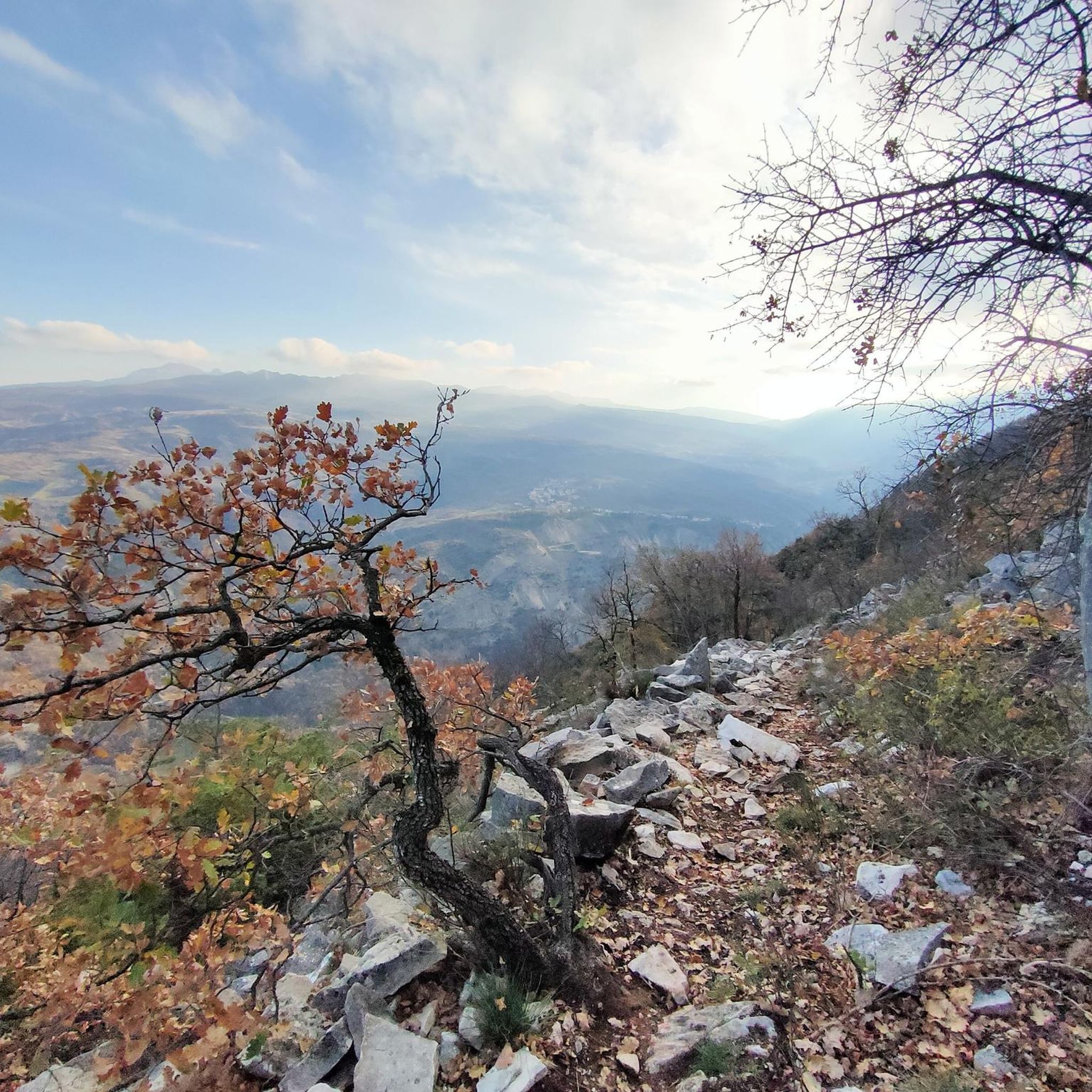
For breathtaking views, head to Passo San Leonardo, which offers wonderful panoramas of the Majella and Mount Morrone. Another stunning spot is the Chapel of Our Lady of the Snow, located at 2,000 meters on the Blockhaus, providing a 360° vista. The historic village of Roccacaramanico Village also boasts a spectacular panorama of the Maiella and Morrone from its town square.
What is the best time of year to visit Taranta Peligna for outdoor activities?
The best time to visit Taranta Peligna for outdoor activities generally depends on the specific activity. Spring and autumn offer pleasant temperatures for hiking and cycling, with vibrant foliage or blooming wildflowers. Summer is ideal for exploring the caves and river parks, though higher altitudes in the Majella National Park remain cooler. Winter provides opportunities for snow-related activities in the higher mountain areas.
Are there any unique geological features in the Taranta Peligna region?
Yes, the region is known for its distinctive geological formations. The Grotte del Cavallone are prime examples of karst caves with impressive stalactites and stalagmites. The Valle di Taranta is a significant geological rift cutting into the Majella, showcasing unique karst phenomena. The entire area is part of the Majella National Park, which is characterized by its high mountains and diverse geological landscape.
What is the significance of the 'Luggett' in Taranta Peligna?
The 'Luggett' refers to the remains of an ancient Benedictine water conduit. This historical feature is carved directly into the living rock, showcasing early engineering and the long history of human interaction with the natural environment in Taranta Peligna.
Can I find any traditional crafts or industries in Taranta Peligna?
Taranta Peligna was historically famous for its wool textile production, particularly colorful wool blankets known as 'tarante' or 'tarantole'. While the old textile workshop is no longer open to the public, the legacy of this ancient art is still visible in the village's decorations and local stories. An artisanal wool mill continues to operate in the village today, preserving this tradition.
What do visitors enjoy most about the attractions around Taranta Peligna?
Visitors frequently praise the stunning natural beauty and the sense of immersion in nature. For instance, the Gorges of Fara San Martino are described as 'truly suggestive' and 'evocative'. The Passo San Leonardo is loved for its 'wonderful views' and being a 'cyclist's paradise'. The Majella National Park is celebrated for its 'fantastic road' and being a 'treasure trove of biodiversity'. Many appreciate the blend of accessible trails and challenging routes for experienced adventurers.
Are there any specific hiking trails for beginners or those looking for easy walks?
Yes, for those seeking easier walks, the route inside the Gorges of Fara San Martino is described as easy and suitable for families. The Parco Fluviale delle Acquevive also offers easy walking paths. For a moderate hiking experience, consider the 'Grotta del Cavallone loop from Taranta Peligna' or 'Hiking loop from Lama dei Peligni', both detailed in the Hiking around Taranta Peligna guide.
What is the significance of the spider mosaics in Taranta Peligna's historic center?
The historic center of Taranta Peligna features streets adorned by mosaics depicting spiders. This symbol is linked to the town's name, which is believed to derive from 'Tarantola', reflecting a deep-rooted connection to local folklore and history.
Most popular attractions around Taranta Peligna

Get inspired with the komoot mobile app


Explore more
Still not found the Highlight you’re looking for? See guides of the top attractions in other regions:
