The best cycling routes around Fontecchio
4.6
(154)
1,996
riders
99
rides
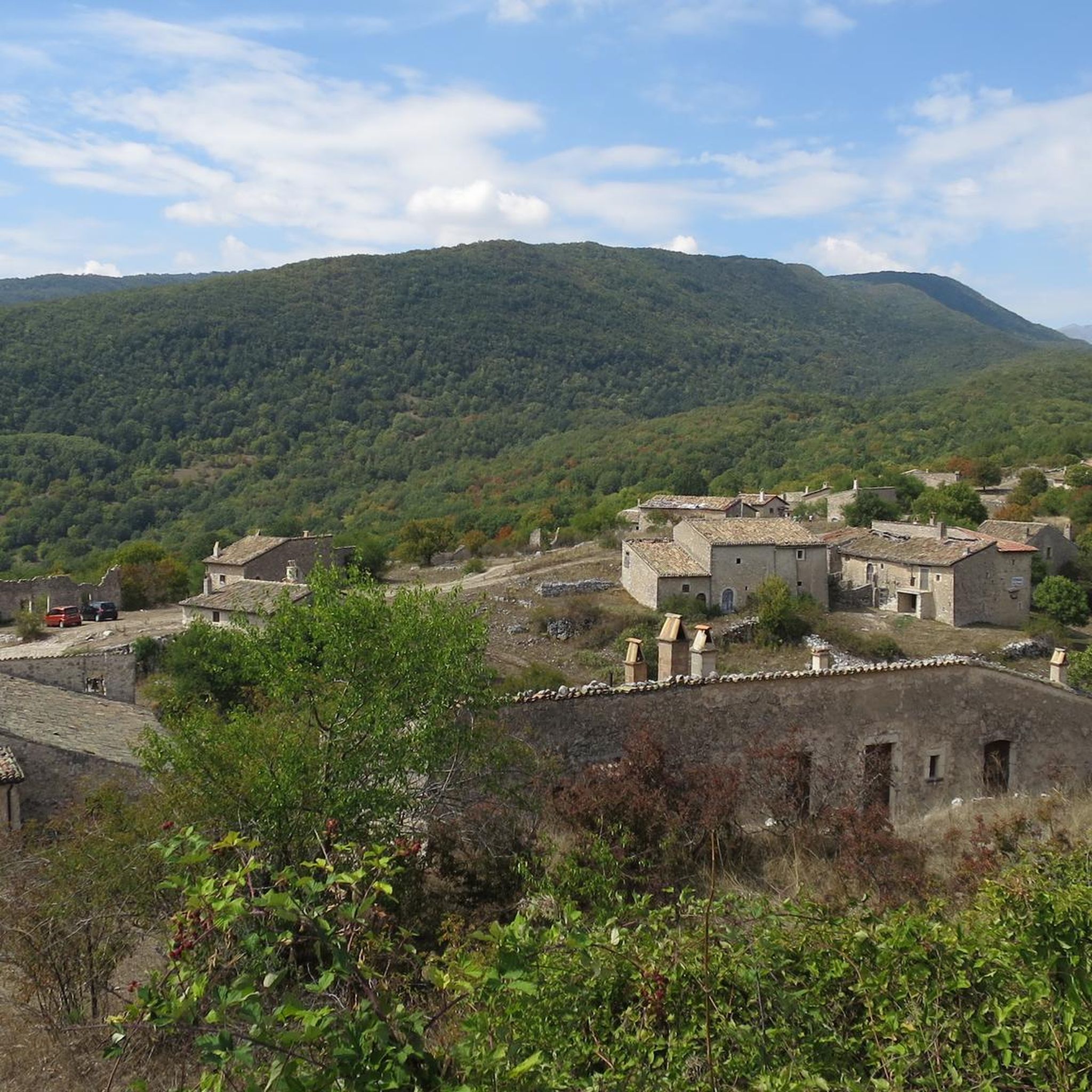
Touring cycling around Fontecchio, nestled in Italy's Abruzzo region, offers diverse landscapes within the Sirente-Velino Regional Park. The area features a mix of mountainous terrain, including the slopes of Monte Sirente and the Gran Sasso peaks, alongside the tranquil Aterno Valley. Cyclists can expect varied surfaces, from paved roads to gravel segments and forest paths, providing a range of experiences. This region is characterized by deep gorges, plateaus, and forested areas, with significant elevation gains on some routes.
Best touring…
Last updated: October 9, 2026
4.7
(11)
65
riders
12.0km
00:52
80m
80m
Easy bike ride. Great for any fitness level. Mostly paved surfaces. Suitable for all skill levels.
14
riders
69.7km
06:36
1,790m
1,790m
Hard bike ride. Very good fitness required. You may need to push your bike for some segments of this route.

5.0
(1)
3
riders
17.1km
01:11
270m
270m
Moderate bike ride. Good fitness required. Mostly paved surfaces. Suitable for all skill levels.
5.0
(3)
71
riders
33.2km
02:22
400m
400m
Moderate bike ride. Good fitness required. Mostly paved surfaces. Suitable for all skill levels.
5.0
(1)
39
riders
53.2km
03:17
430m
430m
Moderate bike ride. Good fitness required. Mostly paved surfaces. Suitable for all skill levels.
Get access to more routes and recommendations from other explorers.
Already have an account?
Our route recommendations are based on thousands of hikes, rides, and runs completed by other people on komoot.
Start today with a free account
Your next adventure awaits.
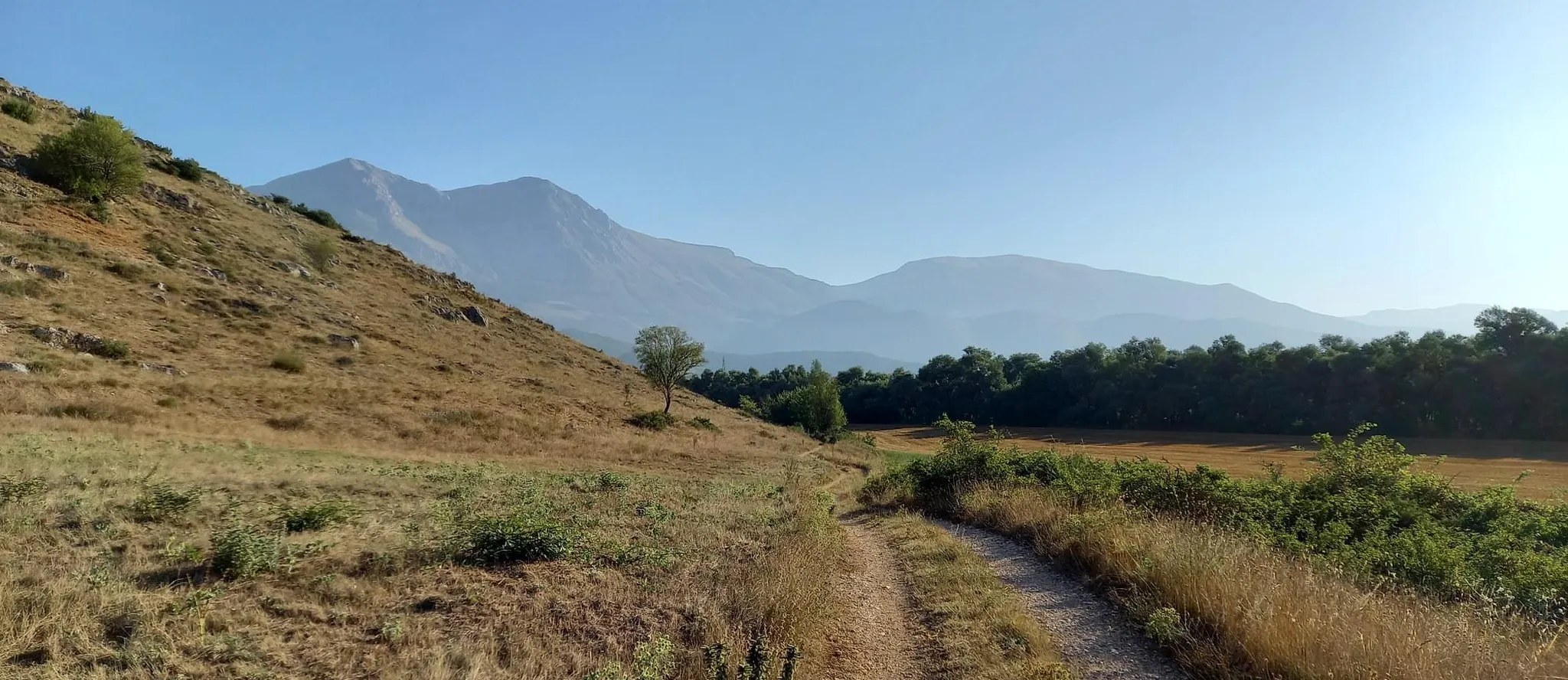
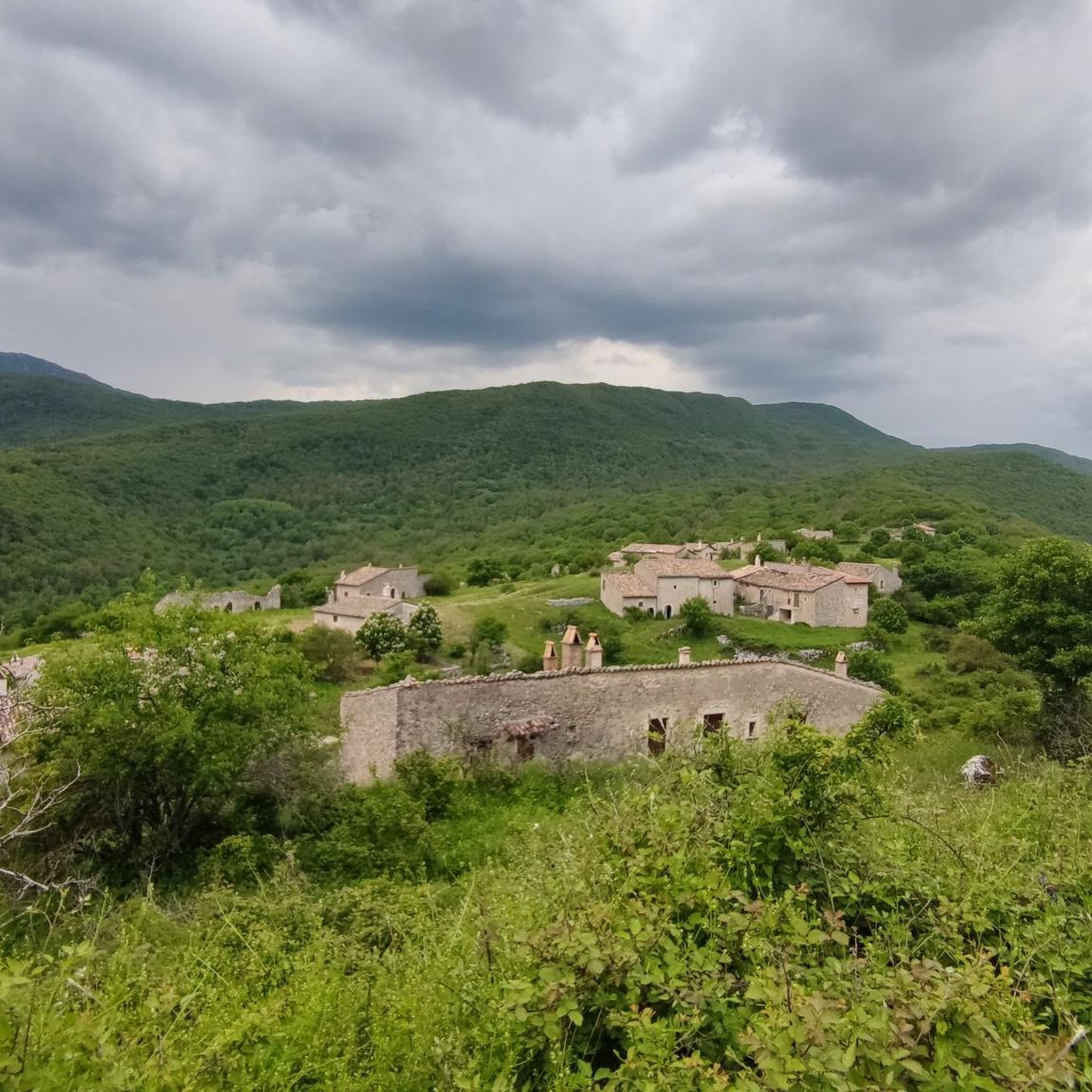
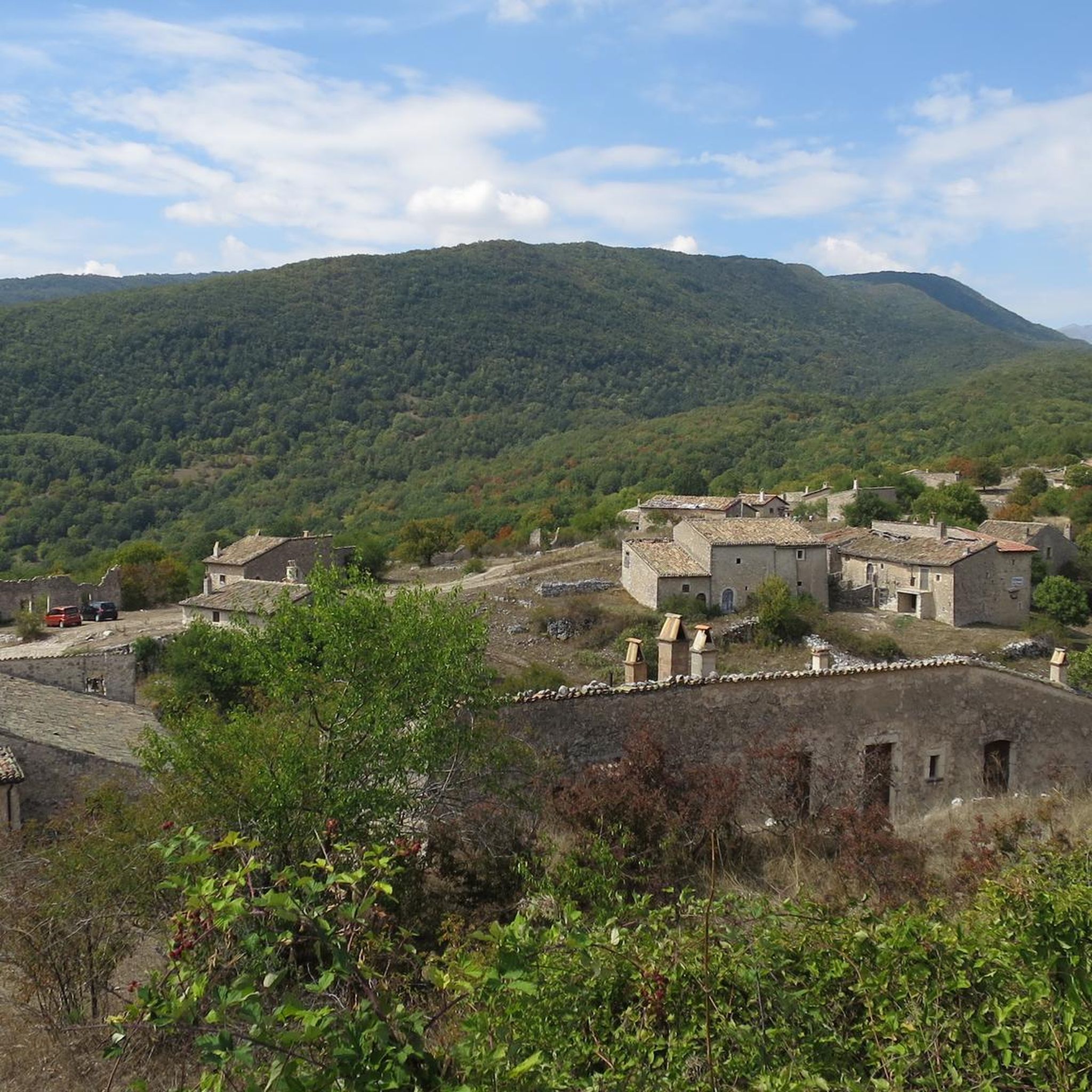
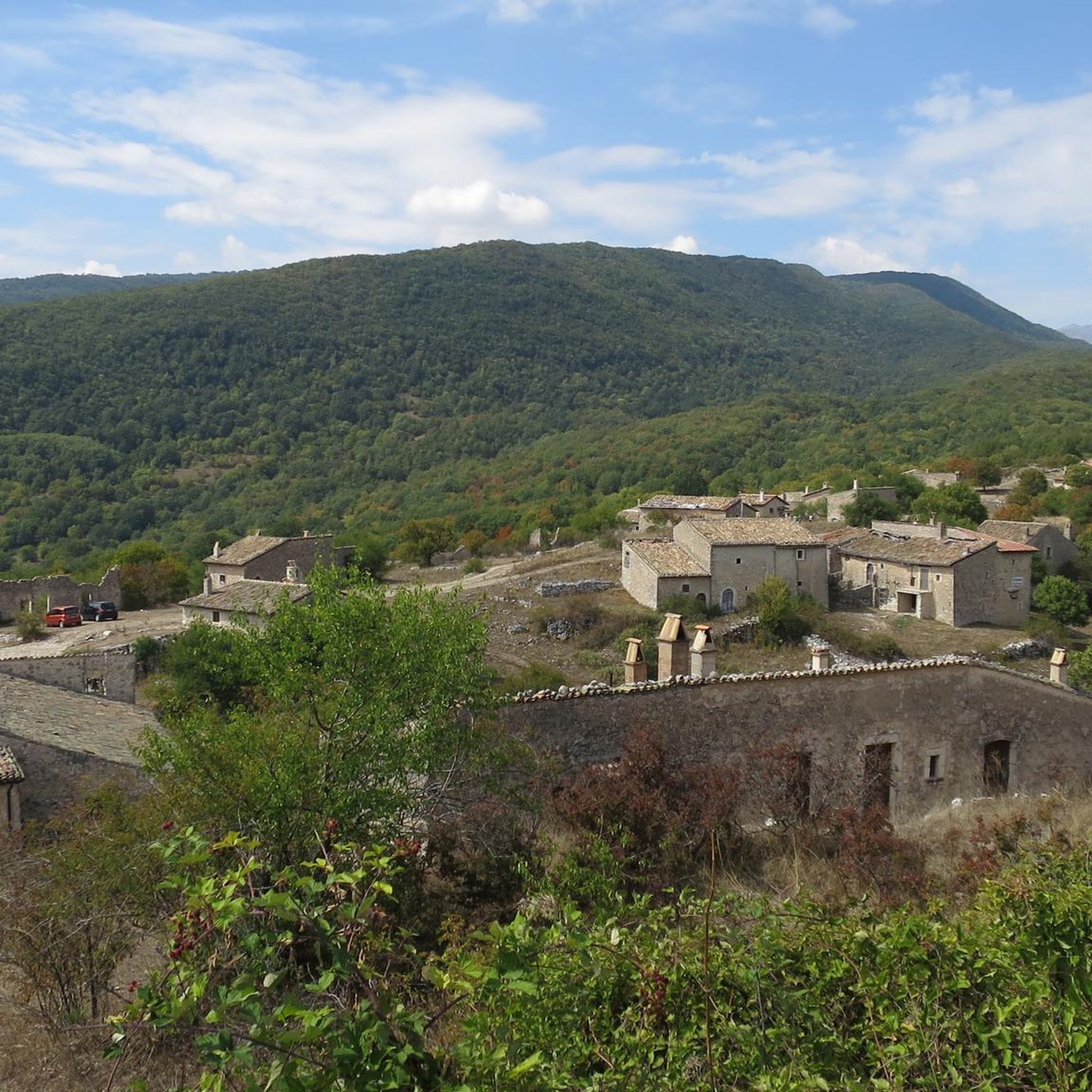

Other adventures around Fontecchio

Tips from the Community

Historical tidbit: the pope who said 'no' The pontificate of Pope Celestine V lasted only five months. The simple hermit did not feel at all at home amidst the political intrigues and corruption of Rome. That is why he made a decision that was unprecedented at the time: he voluntarily resigned from his office to return to his humble life in the mountains. He thus became the first pope in history to abdicate of his own accord. After his death, his body was interred in the Basilica of Collemaggio. His impressive crystal mausoleum can still be admired there today. A special link with Pope Benedict XVI After the severe earthquake that struck L'Aquila in 2009, Pope Benedict XVI visited the heavily damaged basilica. At the tomb of Celestine V, he silently laid down his own pallium, the woolen shoulder band he had received at his papal inauguration. At that moment, it seemed like a subdued tribute to his predecessor. Only four years later did this gesture take on a deeper meaning. In 2013, Benedict XVI himself voluntarily resigned as pope, the first since the late Middle Ages. His symbolic tribute to Celestine V proved, in retrospect, to be a remarkable harbinger of his own historic decision. Thus, centuries after Celestine V's abdication, the Basilica of Collemaggio once again closed a special chapter in papal history.
5
0
The Basilica of Santa Maria di Collemaggio is undoubtedly the architectural and spiritual jewel of L'Aquila. Located at the end of an impressive green lawn just outside the city walls, this 13th-century church combines a unique Abruzzian Romanesque-Gothic style with a history that forever changed the Catholic Church. The history of the basilica is closely linked to Pietro da Morrone, a devout hermit who had retreated to the remote mountains of Abruzzo. According to tradition, the Virgin Mary appeared to him with the instruction to build a church on the hill of Collemaggio. Construction began in 1287. A few years later, in 1294, the Church found itself in a deep crisis. After the death of the pope, the cardinals had failed to elect a successor for more than two years. Finally, they appointed the simple hermit Pietro as a compromise. To everyone's surprise, he accepted the choice and was crowned Pope Celestine V in this basilica – and not in Rome. Shortly after his coronation, Celestine V issued the "Bulla del Perdono", a papal bull that granted believers full forgiveness of their sins if, with sincere repentance, they passed through the Holy Door (Porta Santa) of the basilica on August 28 or 29. This created the very first Holy Year or Jubilee in the history of the Catholic Church, six years before Rome introduced its own official jubilee. This special tradition, known as "La Perdonanza Celestiniana", is still celebrated every year and has been recognized as intangible cultural heritage by UNESCO.
5
0
In L'Aquila, a rich medieval past effortlessly merges with admirable modern resilience. The proud capital of Abruzzo rises in full glory and is best discovered on foot. Wandering through the atmospheric streets, you'll encounter one architectural treasure after another. For example, start at the iconic Fontana delle 99 Cannelle, where 99 mystical stone masks continuously spout water. Climbing further up, you'll reach the massive 16th-century Forte Spagnolo. From this impressive fortress, you can enjoy a sweeping view of the rugged, often snow-capped peaks of the Gran Sasso massif. The city's rich history is also palpable in the many beautifully restored palazzi and churches. For instance, the Basilica di San Bernardino overwhelms every visitor with a breathtaking baroque ceiling adorned with gold leaf. After all the cultural immersion, lively squares like Piazza del Duomo invite you for a well-deserved break. It's the perfect place to enjoy the local cuisine and a good glass of Abruzzese wine at an outdoor cafe. As a grand finale, the Basilica di Santa Maria di Collemaggio should not be missed. This striking, pink-and-white checkered church houses a true world first: the very first Holy Door in the world. Thanks to the central, free parking facilities just outside the city walls, this compact art city is the ideal destination for a carefree and inspiring cultural walking holiday.
4
0
The Forte Spagnolo (also known as Castello Cinquecentesco) is one of the most impressive 16th-century military strongholds of Central and Southern Italy. Although it is a defensive work, its true historical significance lies in the fact that it was never built to protect the city, but rather to suppress it. After the Spanish threat diminished over time, the complex successively served as the residence of the Spanish governor, barracks for French troops in the 19th century, and headquarters for the German occupier during World War II. In 1902, it was officially declared a national monument. Shortly after World War II, it became the home of the National Museum of Abruzzo (MuNDA). Since the devastating earthquake of 2009, the fort has been undergoing a lengthy and complex restoration, but it remains one of the most impressive symbols of the city when viewed from the outside.
4
0
The monumental Scalinata di San Bernardino in L'Aquila is one of the most characteristic and photogenic urban elements of the city. This wide, stately staircase connects the lower Via Fortebraccio with the higher Piazza di San Bernardino. Origin and architecture (16th century) Simultaneous construction: the staircase was built in the 16th century, at the same time as the Renaissance facade of the Basilica di San Bernardino (designed by architect Cola dell'Amatrice between 1525 and 1542). It served as the perfect extension of the religious complex. Urban planning purpose: the staircase had two functions. Practically, it was intended to connect the lower districts around the city walls with the centre. Aesthetically, it created a theatrical and baroque visual axis; pilgrims coming from below saw the monumental church facade slowly tower above them. Imposing dimensions: The staircase is no less than 30 metres wide and 68 metres long. The steps were deliberately designed to be very low and deep, so that large groups of worshippers and processions could comfortably ascend the slope. Striking features and details. The watchtowers: at the beginning (bottom) and end (top) of the staircase are a total of four small, robust turrets (torrette) that flank the staircase and give it a slightly military or monumental character. The edicolae: along the sides of the staircase are three stone niches or chapels (edicole) per side. These historically served during religious festivals and processions.
5
0
The Forte Spagnolo (also known as Castello Cinquecentesco) is one of the most impressive 16th-century military strongholds in Central and Southern Italy. Although it is a defensive work, its true historical significance lies in the fact that it was never built to protect the city, but rather to suppress it. Once the Spanish threat subsided over time, the complex successively served as the residence of the Spanish governor, barracks for French troops in the 19th century, and headquarters for the German occupiers during World War II. In 1902 it was officially declared a national monument. Shortly after World War II, it became the home of the Museo Nazionale d'Abruzzo (MuNDA). Since the devastating earthquake of 2009, the fort has been undergoing a lengthy and complex restoration, but it remains one of the most impressive symbols of the city when viewed from the outside.
5
0
Fontana Luminosa – the icon of L'Aquila The Fontana Luminosa is one of L'Aquila's most famous sights and a beloved photo stop. This monumental fountain, designed in 1934 by local sculptor Nicola D'Antino, stands in Piazza Battaglione Alpini. The artwork depicts two imposing bronze female figures who together carry a traditional Abruzzese water basin (conca), from which the water flows. Especially when the fountain is atmospherically illuminated in the evening, it truly lives up to its name – Luminous Fountain. A beautiful place to pause and admire one of L'Aquila's iconic symbols up close.
5
0
Basilica di San Bernardino – a Renaissance pearl of L’Aquila The Basilica di San Bernardino is one of the most beautiful Renaissance monuments in Abruzzo and tells the story of faith, art, and resilience. The impressive facade, designed by Cola dell'Amatrice, is inspired by classical Greek and Roman architecture. The three layers show the different styles: Doric at the bottom, Ionic above it, and Corinthian at the top. On the facade and in the interior, the golden IHS monogram shines with sunbeams, a symbol that Bernardino of Siena used during his sermons to reconcile rival families. Inside is the beautiful marble mausoleum of Saint Bernardino, created by Silvestro dell'Aquila. After his death in 1444, L’Aquila grew into an important pilgrimage site around his tomb. The basilica also symbolizes the city's reconstruction. The 2009 earthquake caused severe damage, including the collapse of part of the bell tower. After a six-year restoration, the church was reopened in 2015 and shines again as one of L’Aquila's major attractions.
5
0
Frequently Asked Questions
How many touring cycling routes are available around Fontecchio?
There are over 80 touring cycling routes available around Fontecchio, offering a wide variety of experiences for different skill levels. This includes 6 easy routes, 19 moderate routes, and 61 difficult routes.
What kind of terrain can I expect on touring cycling routes around Fontecchio?
The terrain around Fontecchio is diverse, ranging from tranquil back-roads through the Aterno Valley to challenging climbs in the mountainous Sirente-Velino Regional Park. You'll encounter a mix of smooth paved roads, unpaved and gravel segments, and forest paths. Routes like the Sirente Loop feature significant elevation gains, while the Altopiano delle Rocche Bicycle Trail offers gentle gradients across a high plateau.
Are there easy touring cycling routes suitable for beginners in Fontecchio?
Yes, Fontecchio offers several easy touring cycling routes perfect for beginners or those seeking a relaxed ride. An excellent option is the Altopiano delle Rocche Bicycle Trail, which is 7.5 miles (12.0 km) long with gentle gradients, making it an enjoyable experience for all.
Where can I find challenging touring cycling routes with significant climbs in Fontecchio?
For experienced cyclists seeking a challenge, Fontecchio's mountainous terrain provides ample opportunities. The Sirente Loop is a difficult 43.3 miles (69.7 km) path with substantial elevation gains through the Sirente-Velino Regional Park. Another demanding option is the Campo Imperatore Plateau – Santo Stefano di Sessanio loop from San Pio delle Camere, which takes you through high-altitude landscapes.
Are there any circular touring cycling routes in the Fontecchio area?
Yes, many routes in the Fontecchio area are designed as loops, allowing you to start and end in the same location. The Fontecchio and Tione degli Abruzzi Loop is a popular 10.6 miles (17.1 km) circular trail that takes you through the Aterno Valley and past medieval villages. The Sirente-Velino Regional Park also features a larger 'Great Ring' circular route of approximately 80 km.
What historical villages or landmarks can I explore while cycling near Fontecchio?
Cycling routes often pass through or lead to charming historical sites. Fontecchio itself boasts medieval elements like a castle and the Church of San Francesco. You can also visit the unique open-air museum of Pagliare di Tione, featuring medieval agro-pastoral settlements. The Fontecchio and Tione degli Abruzzi Loop is a great way to experience these historical villages.
Are there any natural attractions or scenic viewpoints along the cycling routes?
Absolutely. The region is rich in natural beauty. You can cycle through the stunning Gorges of Celano, which offer dramatic stone walls and a unique landscape. The Sirente-Velino Regional Park provides breathtaking panoramic views, especially from higher elevations. The Aterno Valley itself offers picturesque scenery with its quiet back-roads and lush greenery.
Can I find waterfalls along touring cycling routes in Fontecchio?
Yes, the area around Fontecchio features natural wonders including waterfalls. The Stiffe Waterfall is a notable natural monument in the vicinity, offering a beautiful stop for cyclists exploring the region.
What do other touring cyclists say about the routes in Fontecchio?
The touring cycling routes around Fontecchio are highly regarded by the komoot community, with an average rating of 4.6 stars from over 140 reviews. Cyclists often praise the diverse landscapes, the mix of challenging mountain ascents and tranquil valley rides, and the opportunity to discover historical villages and natural attractions.
Are the touring cycling routes in Fontecchio family-friendly?
Yes, there are family-friendly options available. Routes with gentle gradients, such as the Altopiano delle Rocche Bicycle Trail, are suitable for families. The tranquil back-roads of the Aterno Valley also offer a safe and enjoyable environment for family rides, away from heavy traffic.
What are the options for parking near touring cycling trailheads in Fontecchio?
Parking is generally available in and around Fontecchio and near popular trailheads within the Sirente-Velino Regional Park. Many routes start from villages or designated parking areas, making it convenient to access the trails. It's advisable to check specific route details on komoot for recommended starting points and parking information.
What is the best time of year to cycle in Fontecchio?
The best time to cycle in Fontecchio is typically during the spring (April to June) and autumn (September to October) months. During these periods, the weather is generally mild and pleasant, making for comfortable riding conditions. Summer can be warm, especially in the valleys, while winter can bring snow to the higher mountainous areas.
Most popular attractions around Fontecchio

Get inspired with the komoot mobile app


Explore more
Browse the best Cycling routes in other regions.
