Attractions and Places To See around Torrita Tiberina - Top 20
Best attractions and places to see around Torrita Tiberina include historical landmarks, cultural sites, and natural features. This charming hamlet, located east of Rome in the Tiber Valley, offers views of the surrounding landscape. Its strategic position has shaped its history, providing a blend of historical and natural points of interest. The area features ancient structures, religious sites, and protected natural areas for exploration.
Best attractions and places to see around Torrita Tiberina
- The most popular attractions is Hermitage of…
Last updated: October 10, 2026
Hermitage of Saint Sylvester
Highlight • Religious Site
Translated by Google •
Tip by

Nazzano Tevere-Farfa Nature Reserve
Highlight • Natural
Translated by Google •
Tip by

Sign up now to discover places like this
Get recommendations on the best single tracks, peaks, & plenty of other exciting outdoor places.
Monte Soratte Bunker
Highlight • Monument
Translated by Google •
Tip by

Ponzano Romano
Highlight • Settlement
Translated by Google •
Tip by
Church of Santa Romana
Highlight • Religious Site
Translated by Google •
Tip by

Sign up for free to discover even more attractions around Torrita Tiberina.
Already have an account?
Start today with a free account
Your next adventure awaits.
Popular around Torrita Tiberina
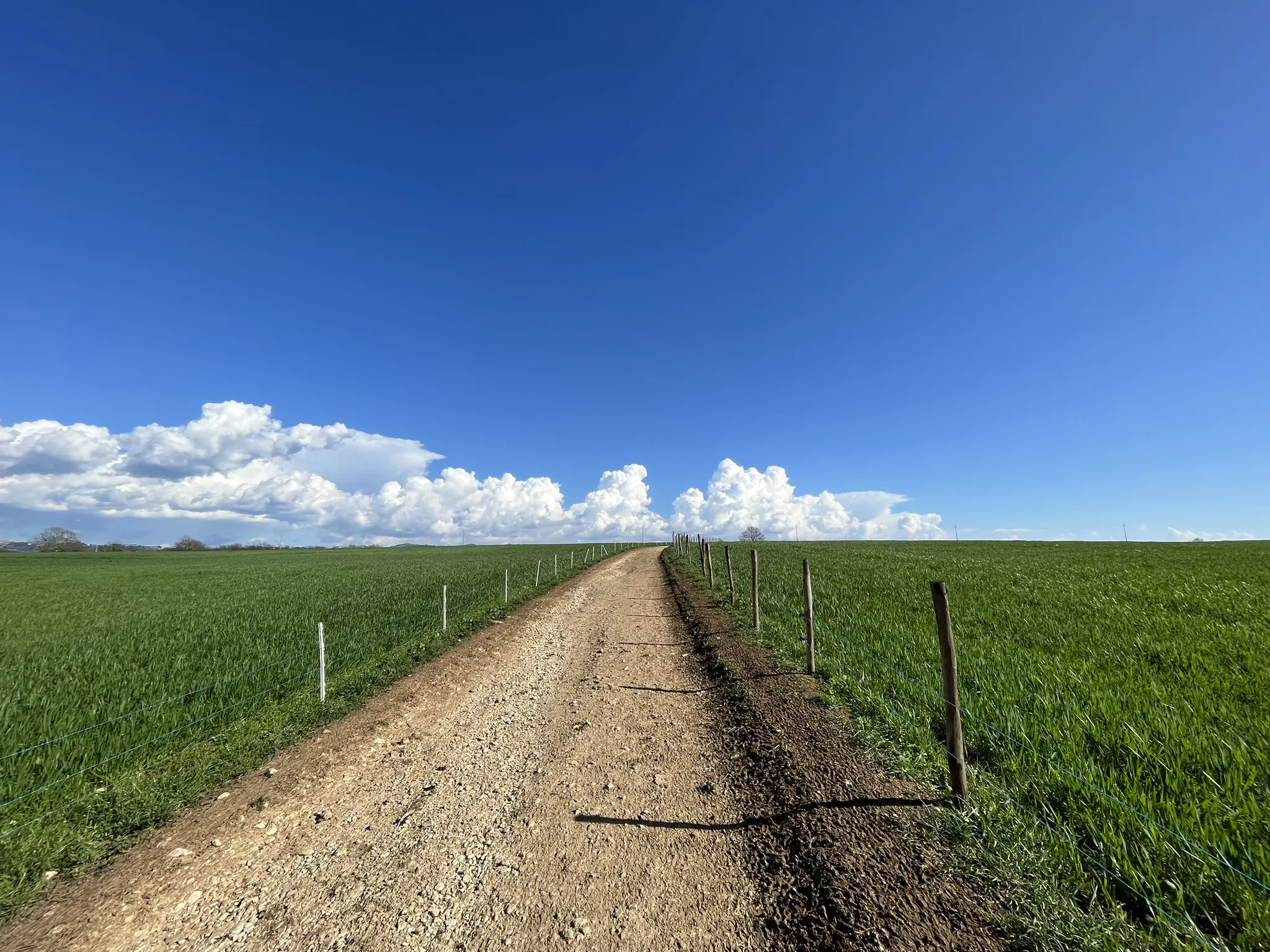
Nature walks along the Tiber – Tours for the whole family
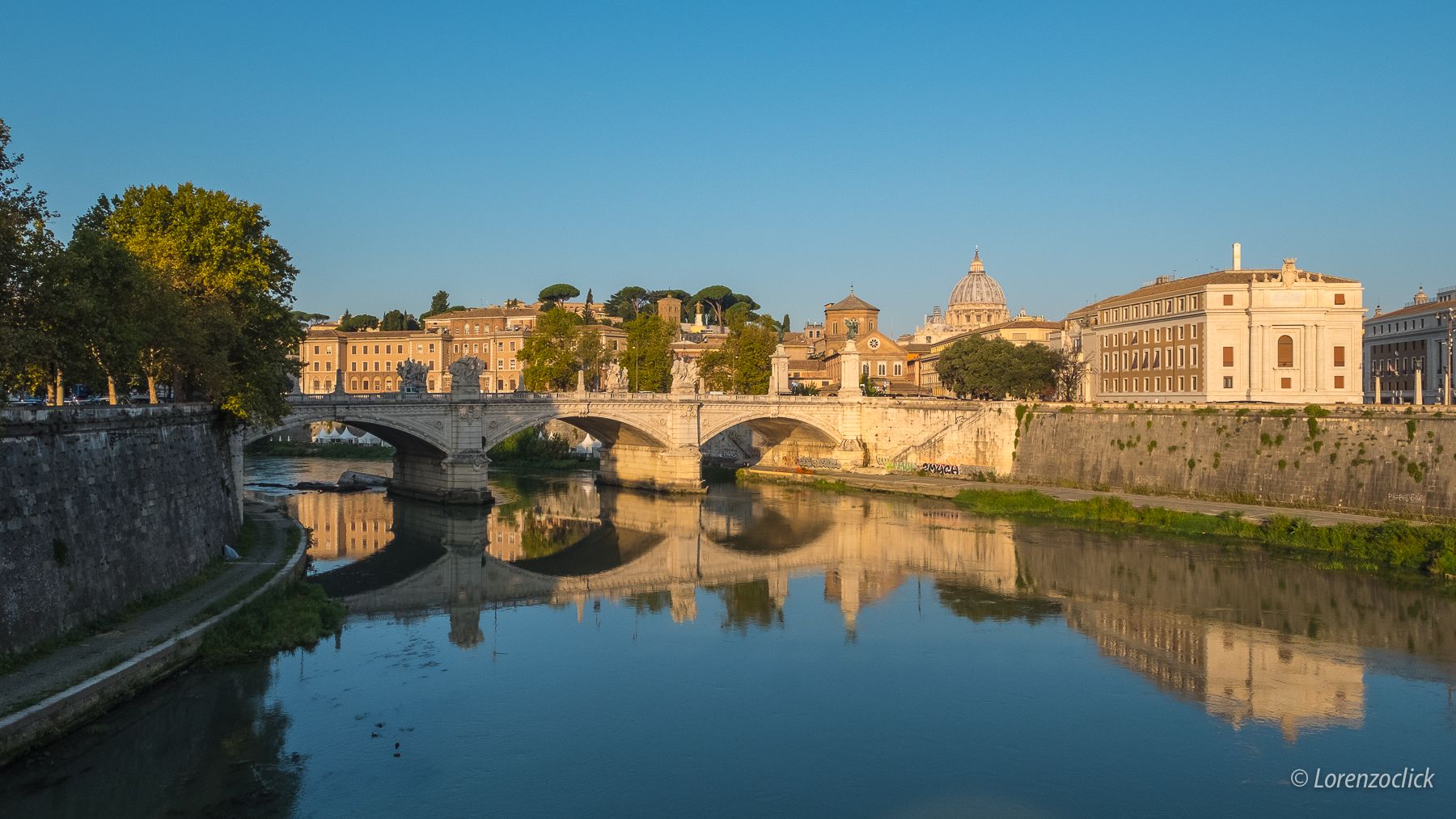
Cycling from the source to the mouth of the Tiber — the Regina Ciclarum
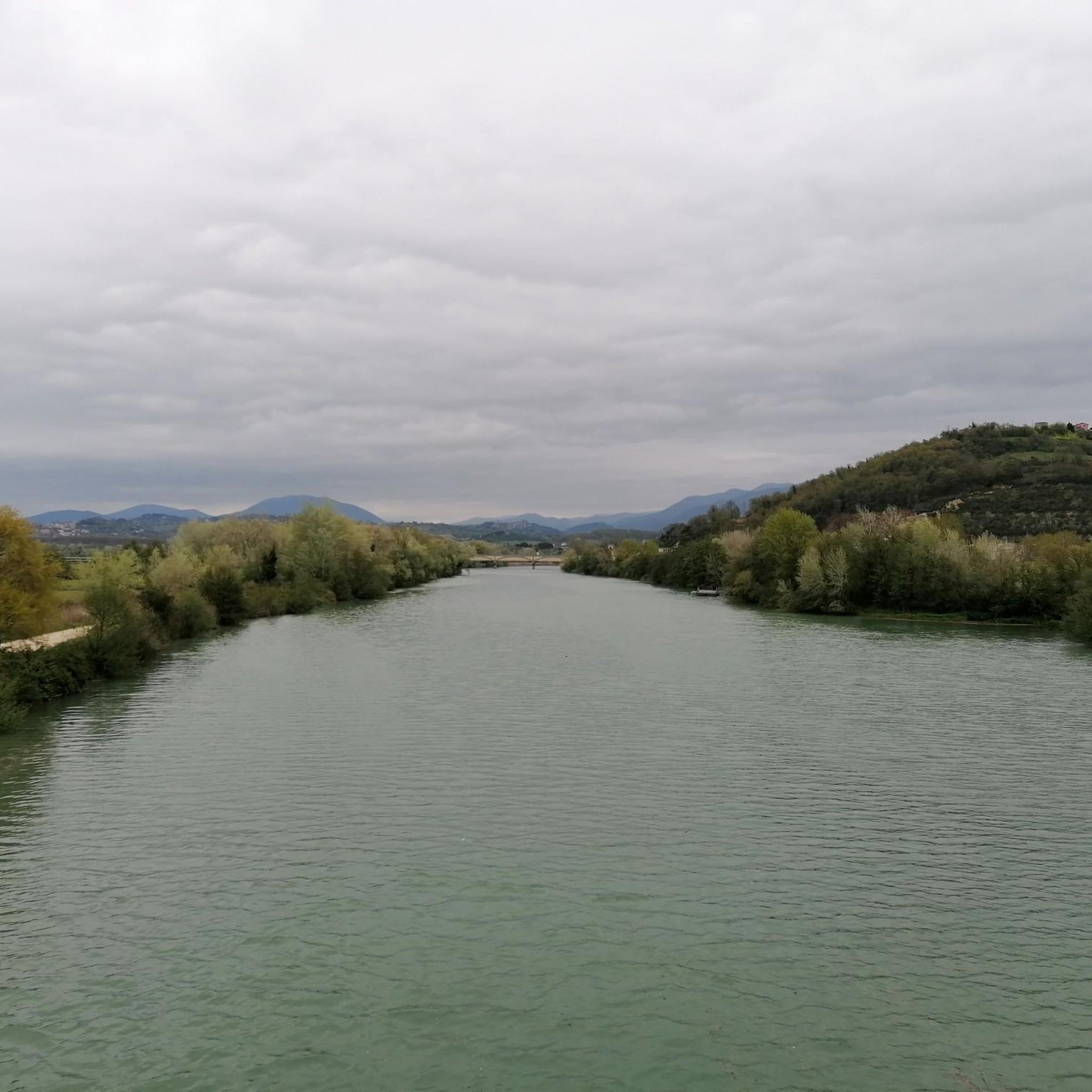
MTB Trails around Torrita Tiberina
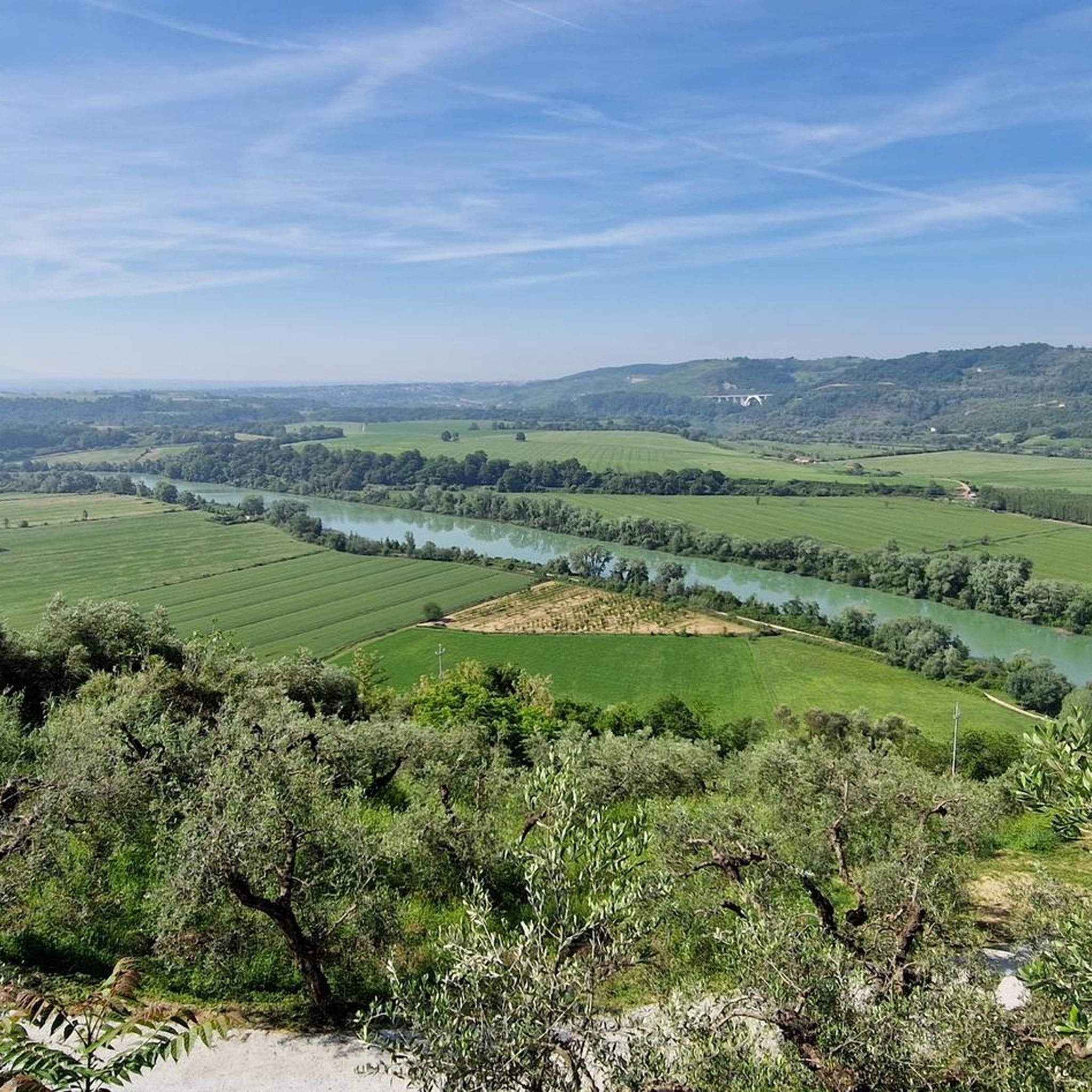
Cycling around Torrita Tiberina
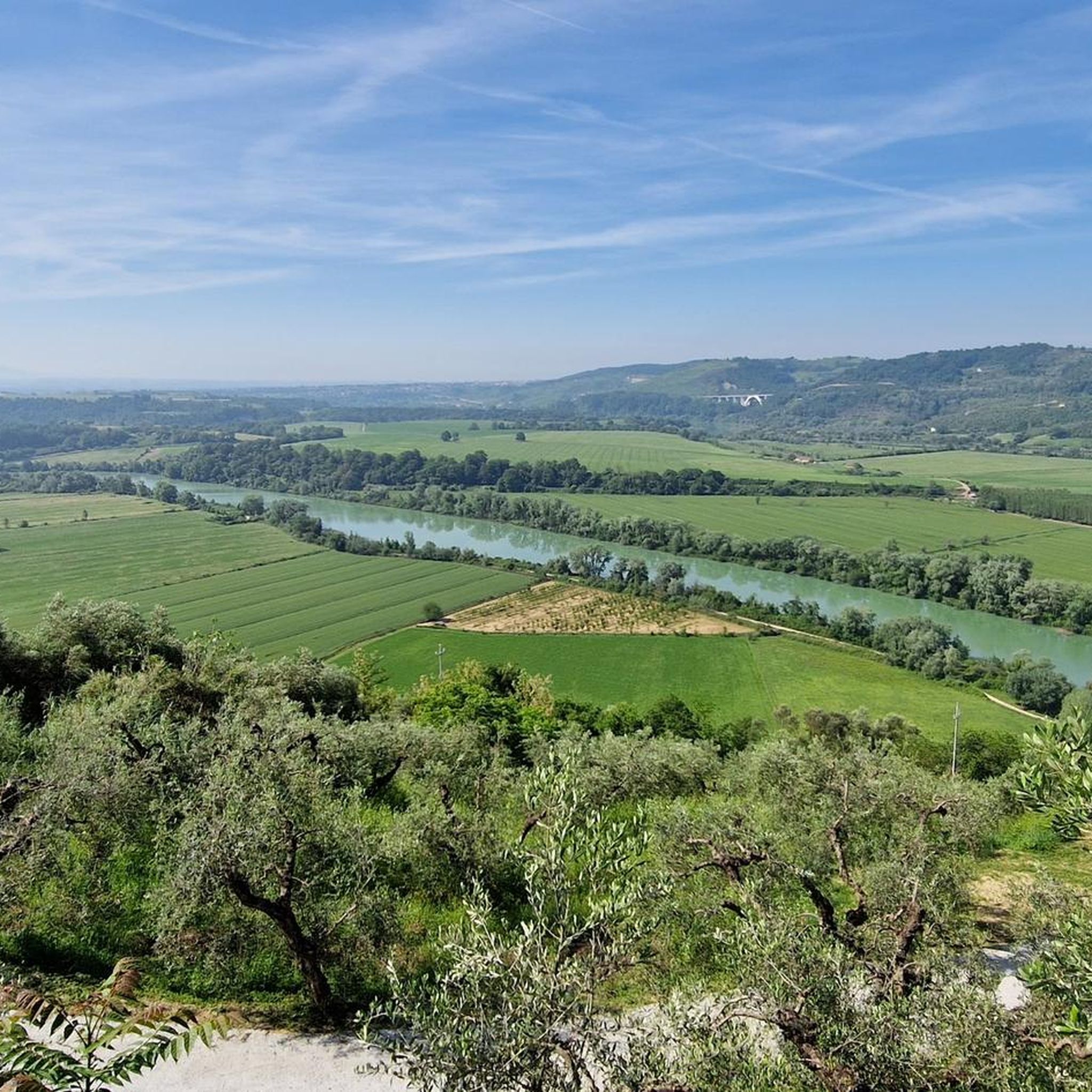
Road Cycling Routes around Torrita Tiberina
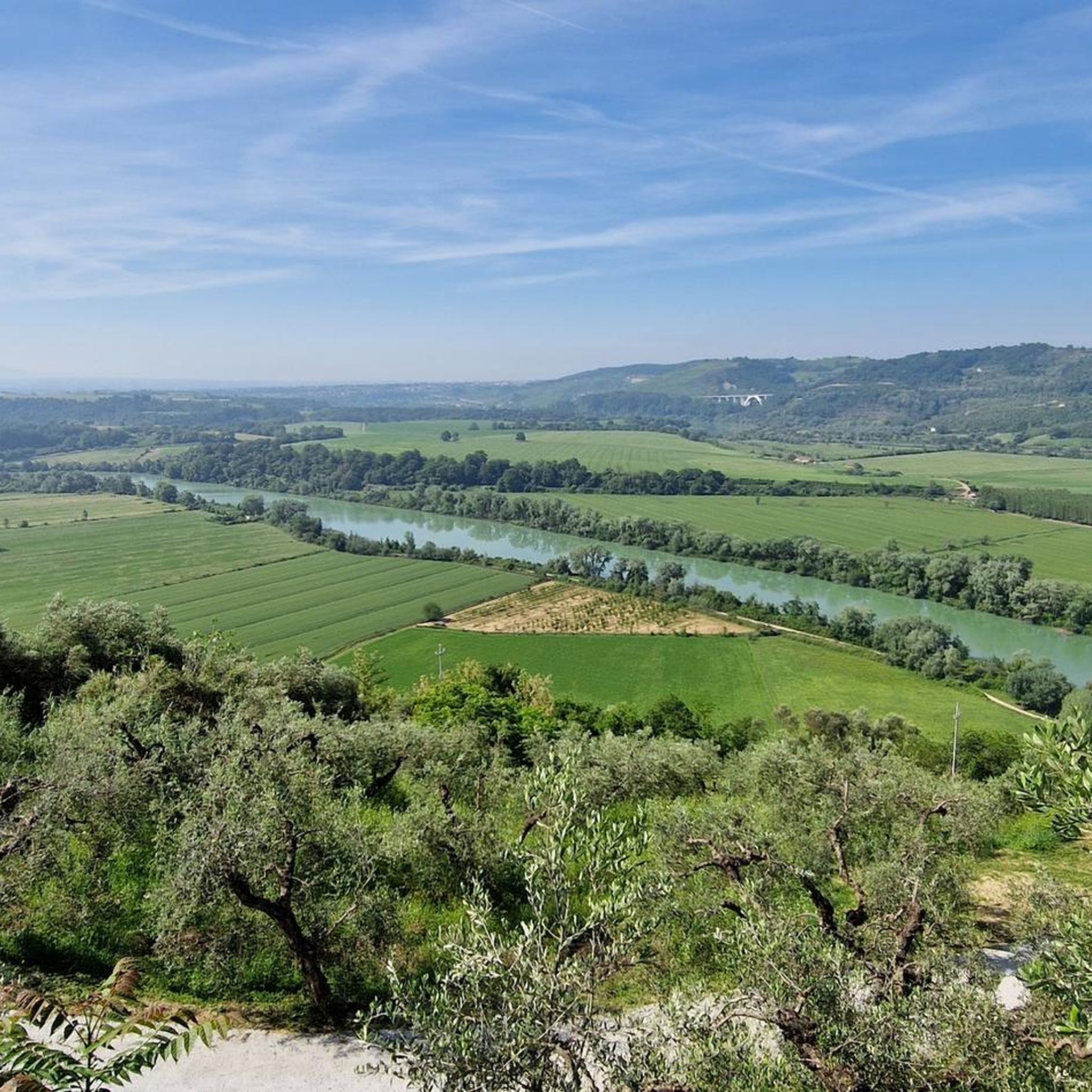
Hiking around Torrita Tiberina

Gravel biking around Torrita Tiberina
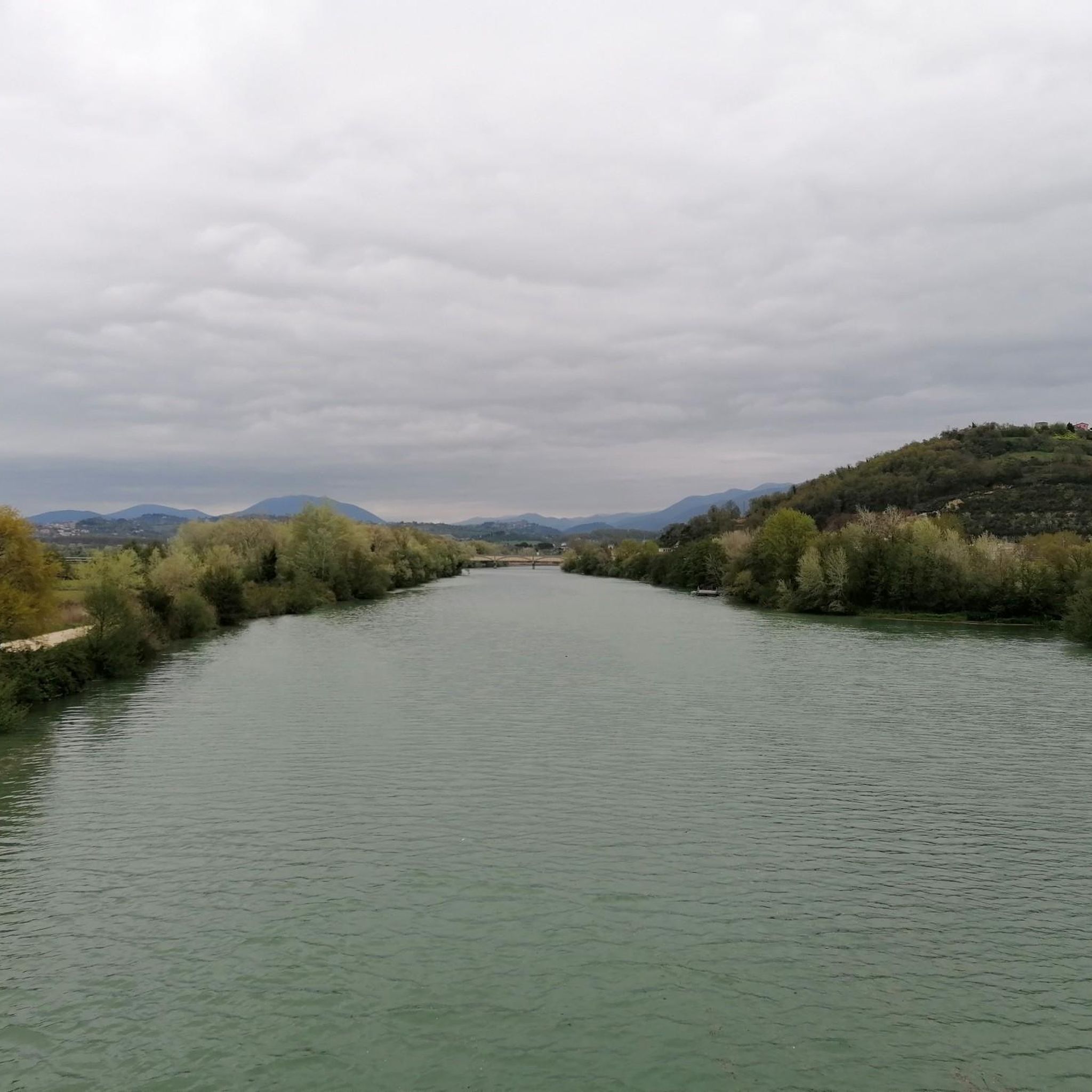
Running Trails around Torrita Tiberina


Tips from the Community

The hermitage of Santa Romana, in Sant’Oreste sul Monte Soratte, is a rock-hewn church carved into a cave on the northeast side of the mountain, in a wooded and very evocative setting. According to tradition, it was consecrated in 1218, but the site seems to have even older origins, perhaps also linked to pre-Christian cults. The site preserves remains of walls and ruins that show how the hermitage was larger than it appears today, as well as frescoes visible on the damp cave walls. Inside there is also a marble basin that collects water dripping from the rock, traditionally used for devotion by women who lacked milk,
0
0

An open-air museum, recommended
1
0

Short panoramic walk with an exhibition of military vehicles.
0
0

The Nazzano Tevere - Farfa Regional Nature Reserve extends upstream of the Enel hydroelectric power plant in Nazzano, and includes the stretch of the Tiber river that goes from the power plant itself to the Poggio Mirteto mountain and along the course of the Farfa river up to the Granica bridge .
0
0

On the way to the top of Soratte, just before the San Silvestro hermitage, you can take the path on the left that leads to the small San Sebastiano hermitage, of which modest wall traces remain. The latter was home to hermits in the 16th and 17th centuries, after which it began to be abandoned and fell into ruin. In the rock there is a cavity used to collect water. Short trail but to be followed with care.
0
1

This hermitage has a patronal name that is truly on everyone's lips, but only a few will know the person behind it: the feast day of Saint Sylvester (San Silvestro) is December 31st. He lived at the end of the third or beginning of the fourth century and was Bishop of Rome when Emperor Constantine - later generations gave him the nickname "the Great" - recognized Christianity as a religion with the so-called "Edict of Toleration" of Milan, thus ending - at least temporarily - the period of bloody persecution of Christians.
1
2

The Eremo di San Silvestro, located at the top of Mount Soratte, offers a stunning panoramic view of the surrounding valleys. This hermitage, one of the numerous hermitages scattered in the Sabina region, stands in a clearing overlooking the beautiful Tiber Valley. Its isolated location far from the town of Sant'Oreste gives it a suggestive atmosphere.
4
0

A wonderful place still well preserved, it is worth booking a guided tour
3
0
Frequently Asked Questions
What unique historical sites can I explore near Torrita Tiberina?
Beyond the main village, you can visit the Monte Soratte Bunker, a complex of tunnels built by Mussolini as an air-raid shelter during WWII. Another significant historical site is the Ruins of San Martino Abbey on Mount Acuziano, an imposing 11th-century abbey that was never completed, offering a glimpse into the region's past.
Where can I find the best panoramic views of the Tiber Valley?
For breathtaking panoramic views, head to the Hermitage of Saint Sylvester, located atop Mount Soratte. This hermitage offers stunning vistas of the surrounding valleys, including the beautiful Tiber Valley. The Ruins of San Martino Abbey on Mount Acuziano also provide a 360-degree panorama stretching from the Tiber Valley to Terminillo Pellecchia and Fara in Sabina.
Are there any family-friendly attractions or activities in the area?
Yes, the Nazzano Tevere-Farfa Nature Reserve is an excellent family-friendly option. It features nature trails and hides along the Tiber's banks, perfect for observing aquatic life and migratory birds. The historic settlement of Ponzano Romano also offers a pleasant experience for families exploring a charming Italian town.
What natural features can I explore around Torrita Tiberina?
The most prominent natural feature is the Nazzano Tevere-Farfa Nature Reserve, Lazio's first regional protected area. Here, you can experience the Tiber River, its tributary Farfa, and the artificial Lake Nazzano, which are vital resting spots for migratory birds. The area also offers splendid views of the Tiber Valley and the emerald green Sabina hills and mountains from various vantage points, including Torrita Tiberina itself.
What kind of hiking trails are available near Torrita Tiberina?
The area around Torrita Tiberina offers a variety of hiking trails. You can find easy to moderate routes, such as the 'Hiking loop from Nazzano' which is 4.5 km long, or more challenging options like the 'Poggio Mirteto, Monte San Cosimo, and Poggio Catino Loop' at 14 km. Many trails, especially within the Nazzano Tevere-Farfa Nature Reserve, are flat and follow gravel paths along the Tiber. For more details and routes, visit the Hiking around Torrita Tiberina guide.
Are there opportunities for cycling or mountain biking near these attractions?
Yes, the region provides excellent opportunities for both gravel biking and road cycling. You can find routes like the 'Tevere-Farfa Nature Reserve – Torrita Tiberina Bridge loop' for gravel biking, which is a challenging 42 km ride. For road cyclists, the 'Ring of the Tevere-Farfa Reserve' offers a moderate 30 km loop. Explore more options in the Gravel biking around Torrita Tiberina guide and the Road Cycling Routes around Torrita Tiberina guide.
What is the best time of year to visit Torrita Tiberina for outdoor activities?
The Tiber Valley region, including Torrita Tiberina, is generally pleasant for outdoor activities during spring and autumn. These seasons offer milder temperatures, making hiking, cycling, and exploring historical sites more comfortable. Spring also brings lush greenery and blooming landscapes, while autumn provides beautiful foliage. Summers can be hot, especially in July and August, which might be less ideal for strenuous outdoor pursuits.
What is the significance of Mount Soratte in the area?
Mount Soratte is a prominent natural landmark with significant historical and natural importance. It hosts the Hermitage of Saint Sylvester, offering stunning panoramic views, and the Monte Soratte Bunker, a fascinating WWII air-raid shelter. The mountain itself provides opportunities for exploration and is a distinctive feature of the landscape, rising from the surrounding flat terrain.
What cultural sites are there within Torrita Tiberina village itself?
Within Torrita Tiberina, the Baron Palace (Palazzo Savelli) is a central historical building, originally a 12th-century fortress. The Church of St. Thomas the Apostle (Chiesa di San Tommaso Apostolo), integrated into the village walls, houses important paintings by artists like Pinturicchio and Carlo Maratta. Additionally, the statesman Aldo Moro is buried in the local cemetery, reflecting his connection to the town.
Are there any unique art or reflection spaces nearby?
Yes, the Fondazione Serpone is a unique site featuring contemporary art installations that are harmoniously integrated with the natural landscape. It offers a space designed for meditation and reflection, providing a different kind of cultural experience in the region.
What do visitors enjoy most about the attractions around Torrita Tiberina?
Visitors particularly appreciate the stunning panoramic views from sites like the Hermitage of Saint Sylvester and the historical depth offered by places like the Monte Soratte Bunker. The tranquility and natural beauty of the Nazzano Tevere-Farfa Nature Reserve, especially for birdwatching and peaceful walks, are also highly valued by the komoot community.
Most popular routes around Torrita Tiberina
Most popular attractions around Torrita Tiberina

Get inspired with the komoot mobile app


Explore more
Still not found the Highlight you’re looking for? See guides of the top attractions in other regions:
